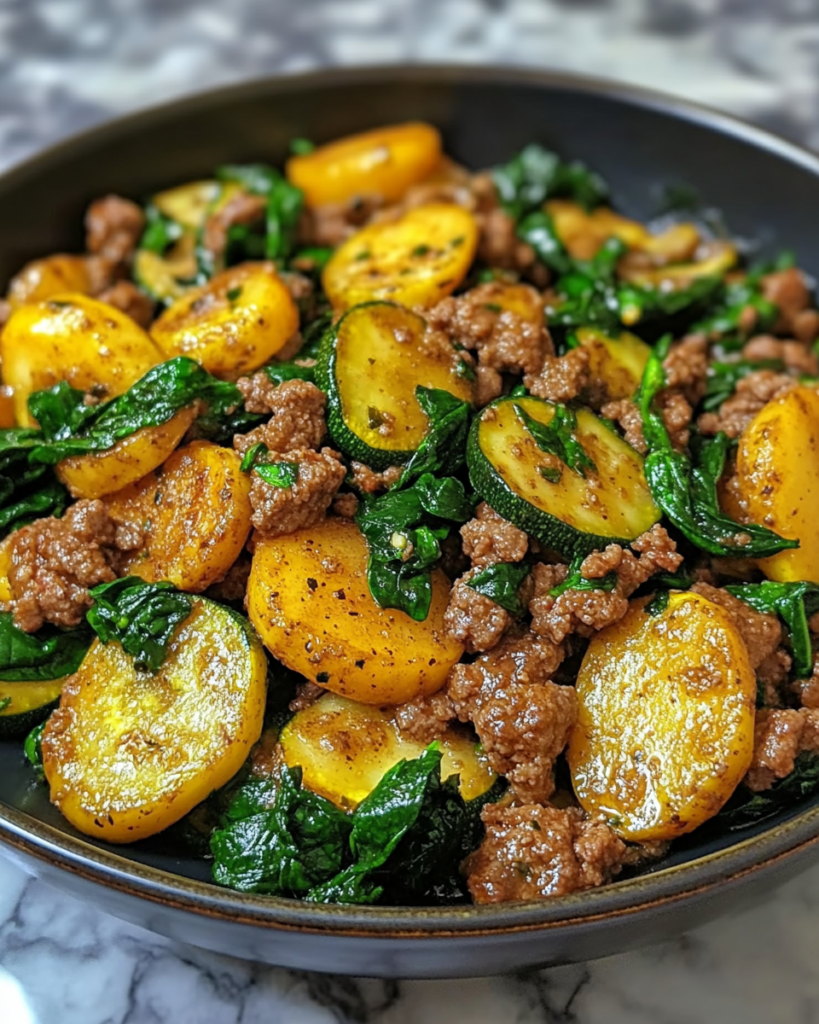
A low-carb beef skillet is the kind of meal that brings comfort and simplicity together in one pan. It’s hearty, rich in flavor, and designed for busy days when you want something satisfying without relying on heavy carbs. This dish highlights seasoned ground beef, fresh vegetables, and a savory blend of spices that create a balanced and filling dinner.
The beauty of a low-carb beef skillet lies in how flexible it is. You can adjust the vegetables, change the seasoning, or add a touch of creaminess depending on your preference. It cooks quickly, requires minimal cleanup, and still delivers a deep, well-rounded flavor that feels like a complete meal.
Ingredients Overview
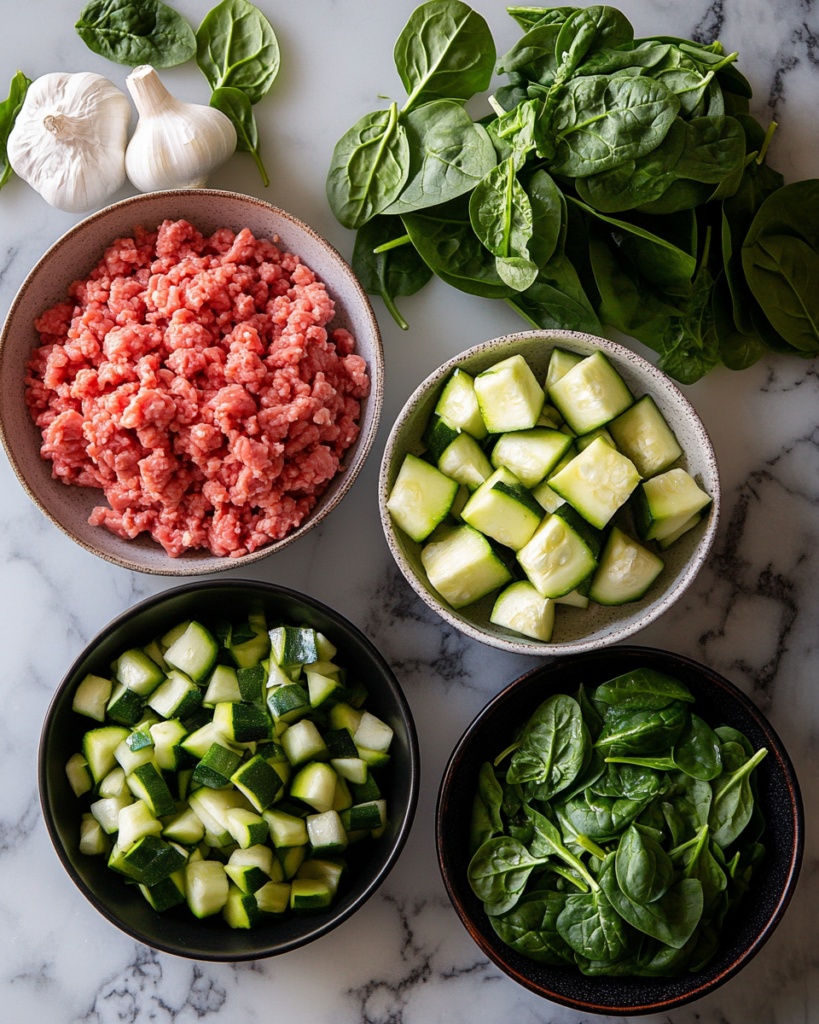
The foundation of a low-carb beef skillet starts with ground beef. Choosing an 80/20 blend gives you enough fat for flavor while still keeping the dish from becoming greasy. Leaner beef can be used, but you may need to add a little oil to maintain moisture and richness.
Vegetables play an important role in both texture and nutrition. Bell peppers add sweetness and color, while zucchini provides a soft, tender bite that absorbs the flavors of the skillet. Onions and garlic build the base flavor, giving the dish depth and aroma as they cook down.
Tomato paste is a key ingredient that brings a concentrated, slightly tangy richness. It helps bind the flavors together without adding excess liquid, which keeps the dish low in carbohydrates. A splash of broth can be added for moisture, but it should be used sparingly.
Seasonings such as paprika, Italian seasoning, salt, and black pepper bring warmth and balance. A pinch of red pepper flakes can add gentle heat if desired. Cheese, often cheddar or mozzarella, melts into the skillet at the end, creating a creamy finish that complements the beef.
For substitutions, ground turkey or chicken can replace beef, though the flavor will be lighter. Cauliflower rice can be stirred in for added volume without increasing carbs. Dairy-free options can skip the cheese or use a plant-based alternative.
Ingredients
1 pound ground beef (80/20 preferred)
1 tablespoon olive oil
1 medium onion, diced
3 cloves garlic, minced
1 medium zucchini, chopped
1 red bell pepper, diced
1/2 cup mushrooms, sliced
2 tablespoons tomato paste
1/4 cup beef broth
1 teaspoon paprika
1 teaspoon Italian seasoning
1/2 teaspoon salt
1/2 teaspoon black pepper
1/4 teaspoon red pepper flakes (optional)
1 cup shredded cheddar cheese
2 tablespoons chopped fresh parsley
Step-by-Step Instructions
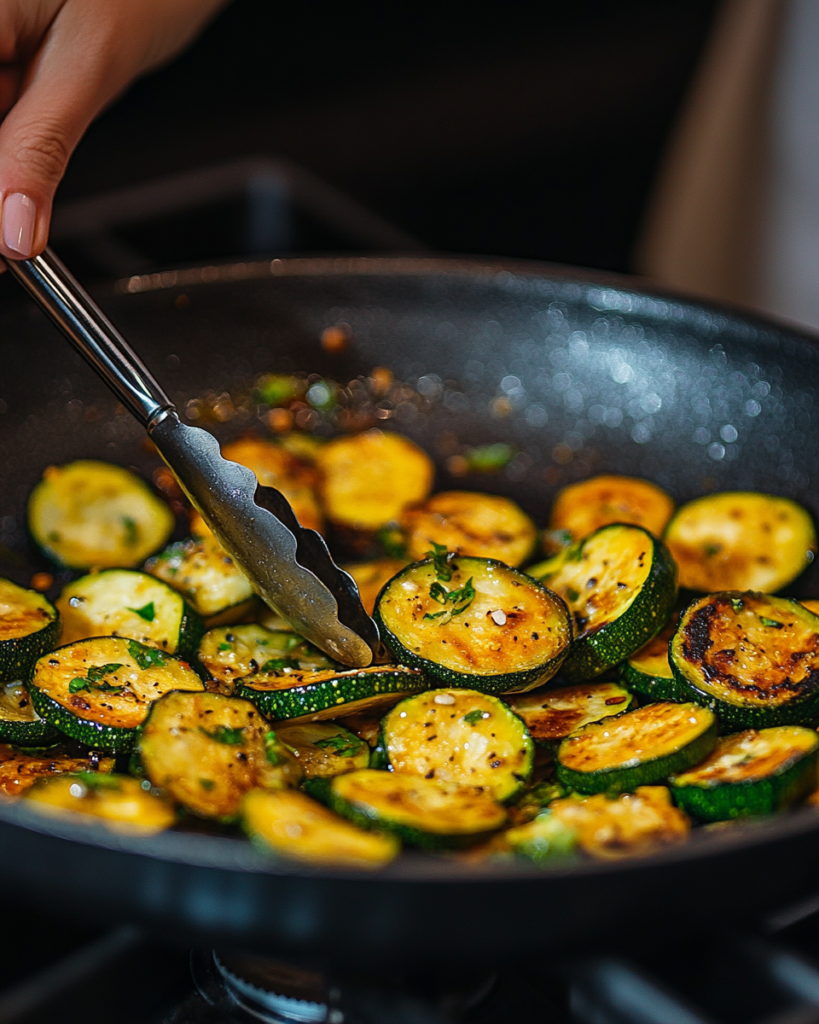
Begin by heating a large skillet over medium heat. Add the olive oil and allow it to warm until it shimmers slightly. Add the diced onion and cook for about 3–4 minutes, stirring occasionally, until it becomes soft and translucent. This step builds the base flavor, so avoid rushing it.
Stir in the minced garlic and cook for about 30 seconds until fragrant. Be careful not to let it brown, as garlic can quickly turn bitter if overcooked.
Add the ground beef to the skillet, breaking it apart with a spatula. Cook for 6–8 minutes, stirring occasionally, until the beef is fully browned and no longer pink. If there is excess grease, carefully drain some of it, leaving just enough to keep the mixture moist.
Mix in the chopped zucchini, bell pepper, and mushrooms. Cook for another 5–7 minutes, stirring occasionally, until the vegetables begin to soften but still retain a slight firmness. Overcooking can make them mushy, so keep an eye on their texture.
Stir in the tomato paste and cook for 1–2 minutes to deepen its flavor. This step helps remove any raw taste and blends it smoothly into the dish.
Pour in the beef broth and stir well to combine. Add paprika, Italian seasoning, salt, black pepper, and red pepper flakes if using. Let the mixture simmer for about 5 minutes, allowing the flavors to come together and the liquid to reduce slightly.
Reduce the heat to low and sprinkle the shredded cheese evenly over the skillet. Cover with a lid for 2–3 minutes, or until the cheese is fully melted and creamy.
Remove from heat and sprinkle fresh parsley on top for a burst of freshness. Serve immediately while hot.
A common mistake is overcrowding the pan, which can cause the ingredients to steam instead of brown. Use a large enough skillet to allow proper cooking. Another issue is overcooking the vegetables, so aim for a tender but slightly crisp texture.
Tips, Variations & Substitutions
For added richness, a splash of heavy cream can be stirred in before adding the cheese. This creates a silky texture that pairs well with the beef. If you prefer a lighter version, simply skip this step.
Spice levels can be adjusted easily. Add more red pepper flakes or a dash of hot sauce for extra heat, or keep it mild for a family-friendly option.
You can change the vegetables based on what you have available. Spinach, broccoli, or green beans all work well in this low-carb beef skillet. Just be mindful of cooking times so everything finishes evenly.
For a Mexican-inspired twist, swap the Italian seasoning for cumin and chili powder, and use pepper jack cheese instead of cheddar. A sprinkle of cilantro at the end adds a fresh contrast.
Those following a dairy-free diet can omit the cheese or use a dairy-free alternative. The dish will still be flavorful thanks to the seasoned beef and vegetables.
Meal prep is another advantage of this recipe. It stores well in the refrigerator for up to three days and reheats easily, making it a practical choice for busy schedules.
Serving Ideas & Occasions
A low-carb beef skillet is versatile enough to serve in many ways. It can be enjoyed on its own as a complete meal or paired with a simple side salad for added freshness.
For a more filling option, serve it over cauliflower rice or alongside roasted vegetables. The flavors also pair nicely with a light cucumber salad or a side of sautéed greens.
This dish is ideal for weeknight dinners when time is limited but you still want something homemade. It also works well for casual gatherings, as it can be made in larger batches and kept warm until serving.
For drinks, sparkling water with lemon or a light iced tea complements the richness of the skillet without overpowering it.
Nutritional & Health Notes
This low-carb beef skillet is naturally lower in carbohydrates, making it suitable for those following a low-carb or keto-style eating plan. The combination of protein from the beef and fiber from the vegetables helps create a balanced and satisfying meal.
Healthy fats from the beef and olive oil contribute to fullness, while the vegetables provide essential vitamins and minerals. Using fresh ingredients helps maintain the nutritional value and overall quality of the dish.
Portion control is important, especially when adding cheese or cream, as these can increase the calorie content. Adjusting ingredient quantities allows you to tailor the dish to your dietary needs.
Reducing sodium can be done by using low-sodium broth and adjusting added salt to taste.
FAQs
Can I use ground turkey instead of beef?
Yes, ground turkey can be used as a substitute for beef in this low-carb beef skillet. It creates a lighter flavor and slightly different texture, but still works well with the seasonings and vegetables. Since turkey is leaner, consider adding a bit more olive oil to prevent dryness. Cooking time remains about the same, but make sure the turkey is fully cooked through before adding the vegetables. The final dish will be less rich but still satisfying and suitable for a low-carb meal plan.
How do I store leftovers?
Store leftovers in an airtight container in the refrigerator for up to three days. Allow the skillet to cool completely before transferring it to avoid excess moisture buildup. When reheating, use a skillet over medium heat or a microwave in short intervals, stirring occasionally. If the mixture seems dry, add a small splash of broth or water to bring back moisture. This dish maintains its flavor well, making it a practical option for meal prep or quick lunches.
Can I freeze a low-carb beef skillet?
Yes, this dish can be frozen for up to two months. Let it cool fully before placing it in a freezer-safe container. For best results, freeze without the cheese and add it fresh when reheating. Thaw overnight in the refrigerator before warming it in a skillet. While the vegetables may soften slightly after freezing, the overall flavor remains intact. Stirring during reheating helps restore the texture and evenly distribute the ingredients.
What vegetables work best in this recipe?
Zucchini, bell peppers, and mushrooms are excellent choices because they cook quickly and complement the beef. However, other low-carb vegetables such as spinach, broccoli, or green beans can also be used. The key is to choose vegetables that do not release too much water, which can make the dish watery. Cutting vegetables into similar sizes helps them cook evenly, ensuring a consistent texture throughout the skillet.
Is this recipe suitable for keto diets?
This low-carb beef skillet fits well within most keto guidelines, as it contains minimal carbohydrates and focuses on protein and fats. To keep it fully aligned, avoid adding high-carb ingredients and monitor portion sizes of vegetables like onions. Using full-fat cheese and optionally adding cream can increase the fat content, which is often preferred in keto meals. Always check ingredient labels if you are following strict dietary goals.
How can I make this dish more flavorful?
Building flavor starts with properly cooking the onions and garlic, as they form the base of the dish. Browning the beef thoroughly also adds depth. Using a combination of spices and allowing the mixture to simmer briefly helps everything blend together. Adding fresh herbs like parsley at the end gives a bright finish. Small additions like a splash of broth or a pinch of extra seasoning can make a noticeable difference in the final taste.
Can I make this in advance?
Yes, this recipe is well-suited for preparing in advance. You can cook the entire skillet and store it in the refrigerator until ready to serve. Reheat gently on the stove or in the microwave, adding a bit of liquid if needed to maintain moisture. Preparing it ahead of time allows the flavors to develop even more, making it a convenient option for busy schedules or planned meals.