Cheesy Ground Beef & Potato Casserole Bake 5 Simple Cozy

Posted on

Beef

Difficulty

Prep time

Cooking time

Total time

Servings

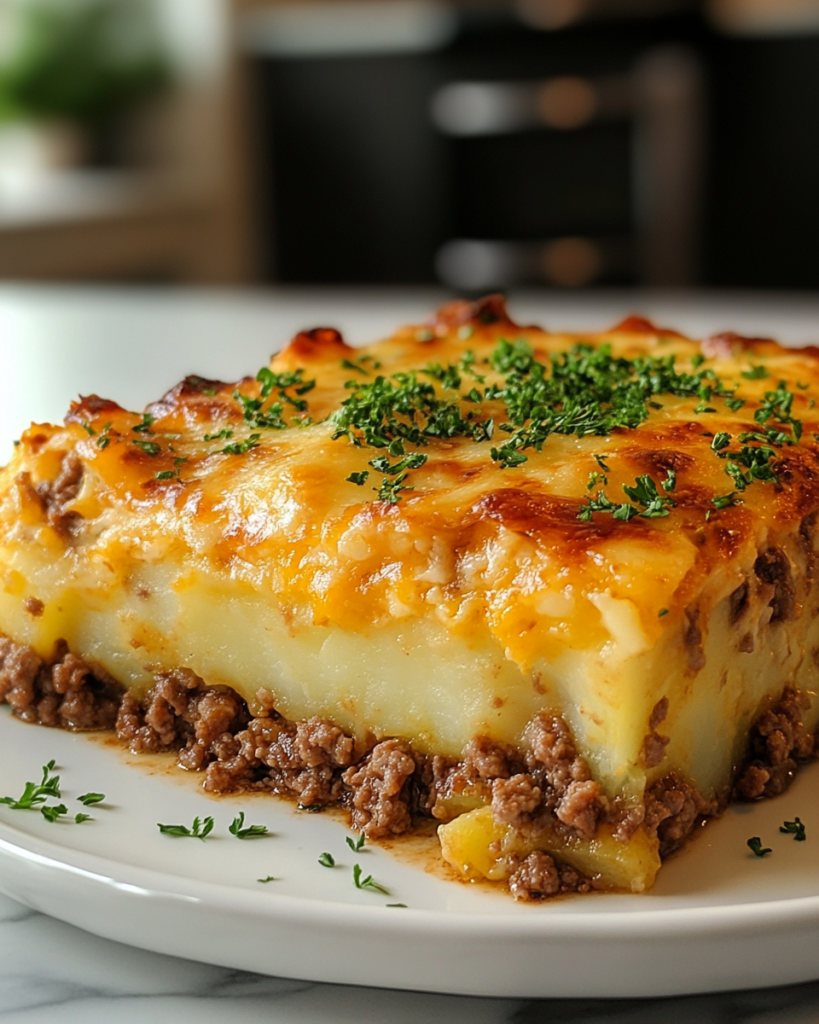
A warm oven-baked dish featuring layers of ground beef, tender potatoes, and melted cheese brings deep comfort to the table. Cheesy Ground Beef & Potato Casserole Bake combines pantry staples into a rich, filling tray that works well for family dinners or batch cooking.

Each bite carries seasoned beef, soft potato slices, and a creamy cheese topping that browns lightly during baking. The dish holds structure while staying soft inside, creating a balanced texture in every serving.

This casserole style bake is practical for busy schedules since it comes together with basic prep and steady oven cooking. It also stores well for later servings, keeping its texture after reheating.

Ingredients Overview
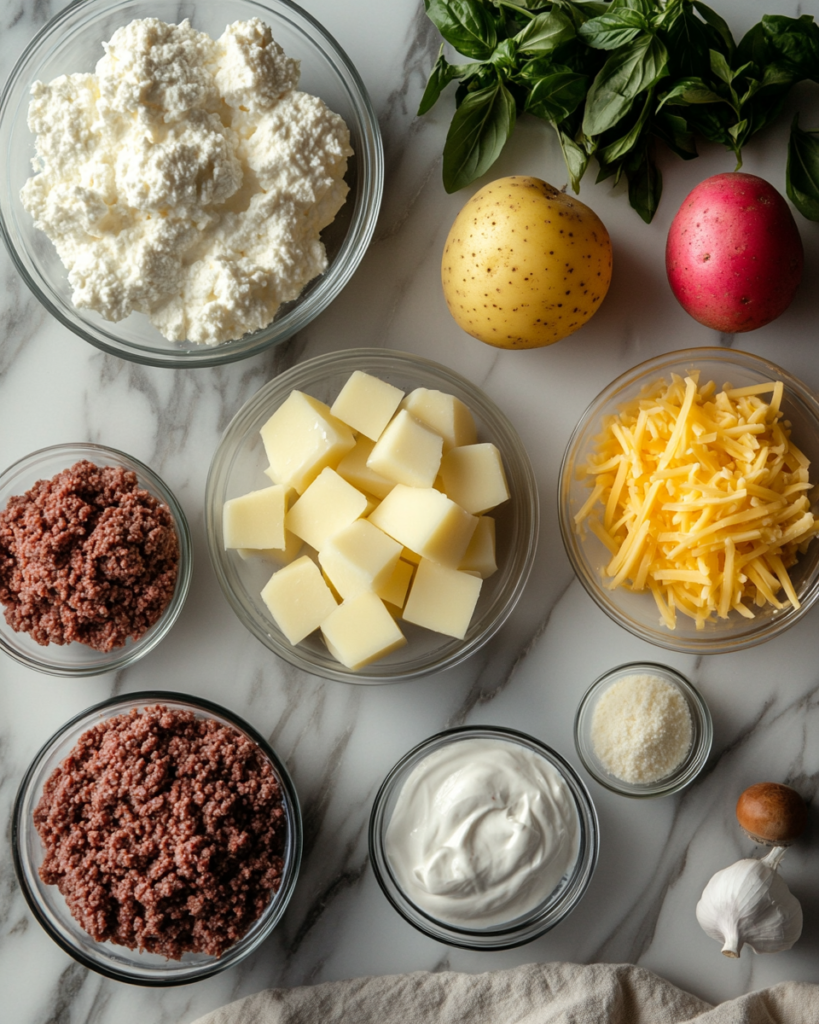
Ground beef forms the savory base of this casserole, offering richness and depth once browned. A moderate fat content helps keep the dish juicy without excess grease. Leaner cuts can be used, though a small amount of moisture may be reduced.

Potatoes bring body and structure. Starchy varieties such as russet or Yukon-style potatoes soften during baking while still holding shape. Thin, even slices help them cook evenly alongside the beef mixture.

Onion and garlic add aromatic depth, blending into the meat as it cooks. Their natural sweetness develops during sautéing, balancing the savory notes.

Cheese plays a central role in this bake. A mix of cheddar and mozzarella works well, creating both stretch and a golden top layer. The cheddar contributes sharp flavor while mozzarella adds melt and softness.

Milk and a small amount of broth help create moisture within the casserole, preventing dryness. Seasonings such as salt, pepper, and paprika round out the flavor profile without overpowering the main ingredients.

A light butter or oil base helps sauté the aromatics and adds richness to the baking dish. These components come together during oven cooking, forming layered comfort in every portion.

Ingredients

1 1/2 pounds ground beef
4 medium russet potatoes, thinly sliced
1 medium onion, finely chopped
3 cloves garlic, minced
2 cups shredded cheddar cheese
1 cup shredded mozzarella cheese
1 cup whole milk
1/2 cup beef broth
2 tablespoons butter
1 teaspoon salt
1/2 teaspoon black pepper
1 teaspoon paprika
1/2 teaspoon dried thyme
1 tablespoon olive oil

Step-by-Step Instructions
Begin by heating a large skillet over medium heat. Add olive oil and allow it to warm. Place the ground beef into the pan and break it apart using a spoon or spatula. Cook until the meat turns brown and loses its raw appearance.

Once browned, remove excess fat if necessary, leaving a small amount for flavor. Add chopped onion and garlic to the skillet. Stir gently and allow them to soften and release aroma, blending into the beef mixture.

Season the mixture with salt, black pepper, paprika, and dried thyme. Stir until the spices coat the meat evenly. Pour in beef broth and allow it to simmer briefly, creating a light sauce that coats the beef.

Prepare a baking dish by lightly greasing it with butter. Arrange a layer of thin potato slices across the bottom. Spread a portion of the beef mixture over the potatoes, followed by a light sprinkle of cheddar and mozzarella.

Repeat layering until all ingredients are used, finishing with a top layer of potatoes and cheese. Pour milk evenly across the dish, allowing it to seep into the layers.

Cover the baking dish with foil and place it into a preheated oven at 375°F (190°C). Bake for about 45 minutes, allowing potatoes to soften and absorb surrounding flavors.

Remove foil and continue baking for an additional 15–20 minutes. This allows the cheese topping to melt fully and develop a light golden surface.

Check potato tenderness by inserting a fork through the center. Once soft and fully cooked, remove from oven and allow resting for several minutes before serving. This resting period helps layers settle for cleaner portions.

Tips, Variations & Substitutions

Thin slicing of potatoes is important for even cooking. A mandoline slicer or sharp knife works well for consistent thickness. Uneven slices may result in parts remaining firm after baking.

Ground turkey or chicken can replace beef for a lighter version. Adjust seasoning slightly since these proteins carry milder flavor.

Adding vegetables such as sliced mushrooms or chopped bell peppers introduces extra texture and aroma. These can be sautéed with the beef mixture before layering.

Different cheese blends can be used based on preference. Monterey Jack or provolone melt smoothly and offer a softer flavor profile.

For a creamier texture, a small amount of sour cream can be mixed into the milk before pouring over the casserole layers.

Serving Ideas & Occasions

This baked casserole pairs well with simple side salads or steamed green vegetables. A crisp salad helps balance the richness of the dish.

It also works well as a main dish for family dinners or shared gatherings. The layered format makes it easy to portion and serve directly from the baking dish.

Leftovers hold texture well when stored and reheated, making this dish practical for multiple servings across several days.

Warm bread or rolls can accompany the casserole, helping absorb the creamy layers on the plate.

Nutritional & Health Notes

This casserole provides a balanced mix of protein, carbohydrates, and fats. Ground beef supplies protein and iron, while potatoes offer energy-rich carbohydrates.

Cheese contributes calcium and fat, adding both flavor and texture. Milk and broth help distribute moisture without heavy cream-based sauces.

Portion size influences overall calorie intake, as the dish is rich and filling. Adjusting cheese amounts or selecting leaner meat can reduce fat content while maintaining structure.

FAQs

What type of potatoes work for this casserole?

Starchy potatoes such as russet or Yukon-style varieties work well due to their soft texture after baking. These types absorb surrounding flavors while holding enough structure to form layers. Waxy potatoes can also be used, though they may remain firmer after cooking. Thin, even slicing helps all varieties cook at the same rate, preventing uneven texture in the finished dish.

Can other meats replace ground beef?

Ground turkey or chicken can replace beef in this casserole. These alternatives produce a lighter flavor profile while still holding seasoning well. Since these meats contain less natural fat, a small amount of oil or butter can be added during cooking to maintain moisture. Seasoning adjustments may also help balance flavor depth when using leaner proteins.

Can the casserole be prepared ahead of baking?

Yes, the dish can be assembled ahead of baking. After layering all ingredients, cover tightly and store in a chilled environment for several hours before cooking. When ready, place directly into the oven. Extra baking time may be required since the dish begins at a lower temperature. This method is helpful for planned meals or gatherings.

What cheese blends work well?

Cheddar and mozzarella form a balanced combination, offering both flavor and melt quality. Cheddar brings sharpness, while mozzarella provides a smooth, stretchy texture. Other options such as provolone or Monterey Jack can be added for variation. Blending cheeses allows adjustment of richness and melt consistency based on preference.

How can dryness be avoided?

Proper layering with milk and broth helps maintain moisture throughout baking. Covering the dish during the first stage of cooking traps steam, allowing potatoes to soften evenly. Thin slicing of potatoes also prevents uneven dryness. Avoid overbaking, as extended oven exposure can reduce moisture in both meat and vegetables.

Can vegetables be added to the dish?

Yes, vegetables such as mushrooms, bell peppers, or spinach can be included. These should be lightly cooked before layering to reduce excess moisture. Adding vegetables introduces additional texture and flavor depth without changing the structure of the casserole.

How should leftovers be stored?

Leftovers can be placed in a sealed container and kept in a chilled environment. Reheating in an oven or covered pan helps maintain texture better than high microwave heat. Small amounts of added milk during reheating can help restore moisture in the layers.

[rank_math_breadcrumb]

Cheesy Ground Beef & Potato Casserole Bake 5 Simple Cozy

Photo of author
Author: liv
Published:

A warm oven-baked dish featuring layers of ground beef, tender potatoes, and melted cheese brings deep comfort to the table. Cheesy Ground Beef & Potato Casserole Bake combines pantry staples into a rich, filling tray that works well for family dinners or batch cooking.

Each bite carries seasoned beef, soft potato slices, and a creamy cheese topping that browns lightly during baking. The dish holds structure while staying soft inside, creating a balanced texture in every serving.

This casserole style bake is practical for busy schedules since it comes together with basic prep and steady oven cooking. It also stores well for later servings, keeping its texture after reheating.

Ingredients Overview

Ground beef forms the savory base of this casserole, offering richness and depth once browned. A moderate fat content helps keep the dish juicy without excess grease. Leaner cuts can be used, though a small amount of moisture may be reduced.

Potatoes bring body and structure. Starchy varieties such as russet or Yukon-style potatoes soften during baking while still holding shape. Thin, even slices help them cook evenly alongside the beef mixture.

Onion and garlic add aromatic depth, blending into the meat as it cooks. Their natural sweetness develops during sautéing, balancing the savory notes.

Cheese plays a central role in this bake. A mix of cheddar and mozzarella works well, creating both stretch and a golden top layer. The cheddar contributes sharp flavor while mozzarella adds melt and softness.

Milk and a small amount of broth help create moisture within the casserole, preventing dryness. Seasonings such as salt, pepper, and paprika round out the flavor profile without overpowering the main ingredients.

A light butter or oil base helps sauté the aromatics and adds richness to the baking dish. These components come together during oven cooking, forming layered comfort in every portion.

Ingredients

1 1/2 pounds ground beef
4 medium russet potatoes, thinly sliced
1 medium onion, finely chopped
3 cloves garlic, minced
2 cups shredded cheddar cheese
1 cup shredded mozzarella cheese
1 cup whole milk
1/2 cup beef broth
2 tablespoons butter
1 teaspoon salt
1/2 teaspoon black pepper
1 teaspoon paprika
1/2 teaspoon dried thyme
1 tablespoon olive oil

Step-by-Step Instructions

Begin by heating a large skillet over medium heat. Add olive oil and allow it to warm. Place the ground beef into the pan and break it apart using a spoon or spatula. Cook until the meat turns brown and loses its raw appearance.

Once browned, remove excess fat if necessary, leaving a small amount for flavor. Add chopped onion and garlic to the skillet. Stir gently and allow them to soften and release aroma, blending into the beef mixture.

Season the mixture with salt, black pepper, paprika, and dried thyme. Stir until the spices coat the meat evenly. Pour in beef broth and allow it to simmer briefly, creating a light sauce that coats the beef.

Prepare a baking dish by lightly greasing it with butter. Arrange a layer of thin potato slices across the bottom. Spread a portion of the beef mixture over the potatoes, followed by a light sprinkle of cheddar and mozzarella.

Repeat layering until all ingredients are used, finishing with a top layer of potatoes and cheese. Pour milk evenly across the dish, allowing it to seep into the layers.

Cover the baking dish with foil and place it into a preheated oven at 375°F (190°C). Bake for about 45 minutes, allowing potatoes to soften and absorb surrounding flavors.

Remove foil and continue baking for an additional 15–20 minutes. This allows the cheese topping to melt fully and develop a light golden surface.

Check potato tenderness by inserting a fork through the center. Once soft and fully cooked, remove from oven and allow resting for several minutes before serving. This resting period helps layers settle for cleaner portions.

Tips, Variations & Substitutions

Thin slicing of potatoes is important for even cooking. A mandoline slicer or sharp knife works well for consistent thickness. Uneven slices may result in parts remaining firm after baking.

Ground turkey or chicken can replace beef for a lighter version. Adjust seasoning slightly since these proteins carry milder flavor.

Adding vegetables such as sliced mushrooms or chopped bell peppers introduces extra texture and aroma. These can be sautéed with the beef mixture before layering.

Different cheese blends can be used based on preference. Monterey Jack or provolone melt smoothly and offer a softer flavor profile.

For a creamier texture, a small amount of sour cream can be mixed into the milk before pouring over the casserole layers.

Serving Ideas & Occasions

This baked casserole pairs well with simple side salads or steamed green vegetables. A crisp salad helps balance the richness of the dish.

It also works well as a main dish for family dinners or shared gatherings. The layered format makes it easy to portion and serve directly from the baking dish.

Leftovers hold texture well when stored and reheated, making this dish practical for multiple servings across several days.

Warm bread or rolls can accompany the casserole, helping absorb the creamy layers on the plate.

Nutritional & Health Notes

This casserole provides a balanced mix of protein, carbohydrates, and fats. Ground beef supplies protein and iron, while potatoes offer energy-rich carbohydrates.

Cheese contributes calcium and fat, adding both flavor and texture. Milk and broth help distribute moisture without heavy cream-based sauces.

Portion size influences overall calorie intake, as the dish is rich and filling. Adjusting cheese amounts or selecting leaner meat can reduce fat content while maintaining structure.

FAQs

What type of potatoes work for this casserole?

Starchy potatoes such as russet or Yukon-style varieties work well due to their soft texture after baking. These types absorb surrounding flavors while holding enough structure to form layers. Waxy potatoes can also be used, though they may remain firmer after cooking. Thin, even slicing helps all varieties cook at the same rate, preventing uneven texture in the finished dish.

Can other meats replace ground beef?

Ground turkey or chicken can replace beef in this casserole. These alternatives produce a lighter flavor profile while still holding seasoning well. Since these meats contain less natural fat, a small amount of oil or butter can be added during cooking to maintain moisture. Seasoning adjustments may also help balance flavor depth when using leaner proteins.

Can the casserole be prepared ahead of baking?

Yes, the dish can be assembled ahead of baking. After layering all ingredients, cover tightly and store in a chilled environment for several hours before cooking. When ready, place directly into the oven. Extra baking time may be required since the dish begins at a lower temperature. This method is helpful for planned meals or gatherings.

What cheese blends work well?

Cheddar and mozzarella form a balanced combination, offering both flavor and melt quality. Cheddar brings sharpness, while mozzarella provides a smooth, stretchy texture. Other options such as provolone or Monterey Jack can be added for variation. Blending cheeses allows adjustment of richness and melt consistency based on preference.

How can dryness be avoided?

Proper layering with milk and broth helps maintain moisture throughout baking. Covering the dish during the first stage of cooking traps steam, allowing potatoes to soften evenly. Thin slicing of potatoes also prevents uneven dryness. Avoid overbaking, as extended oven exposure can reduce moisture in both meat and vegetables.

Can vegetables be added to the dish?

Yes, vegetables such as mushrooms, bell peppers, or spinach can be included. These should be lightly cooked before layering to reduce excess moisture. Adding vegetables introduces additional texture and flavor depth without changing the structure of the casserole.

How should leftovers be stored?

Leftovers can be placed in a sealed container and kept in a chilled environment. Reheating in an oven or covered pan helps maintain texture better than high microwave heat. Small amounts of added milk during reheating can help restore moisture in the layers.
Name

Lorem ipsum dolor sit amet, consectetur adipiscing elit. Suspendisse varius enim in eros elementum tristique. Duis cursus, mi quis viverra ornare, eros dolor interdum nulla, ut commodo diam libero vitae erat.

You Might Also Like...

Sun-Dried Tomato Garlic Cream Spaghetti with Parmesan and Herbs

Sun-Dried Tomato Garlic Cream Spaghetti with Parmesan and Herbs

Creamy Tomato Garlic Spaghetti with Five Simple Pantry Ingredients

Creamy Tomato Garlic Spaghetti with Five Simple Pantry Ingredients

Classic Egg and Parmesan Carbonara Spaghetti with Black Pepper

Classic Egg and Parmesan Carbonara Spaghetti with Black Pepper

Smoked Turkey Carbonara Spaghetti with Creamy Parmesan Sauce

Smoked Turkey Carbonara Spaghetti with Creamy Parmesan Sauce

Tags:

You might also like these recipes

Leave a Comment