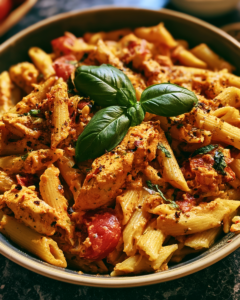
Thai Peanut Ground Chicken Noodles: 30-Minute Amazing Happy Dish

Posted on

Uncategorized

Difficulty

Prep time

Cooking time

Total time

Servings

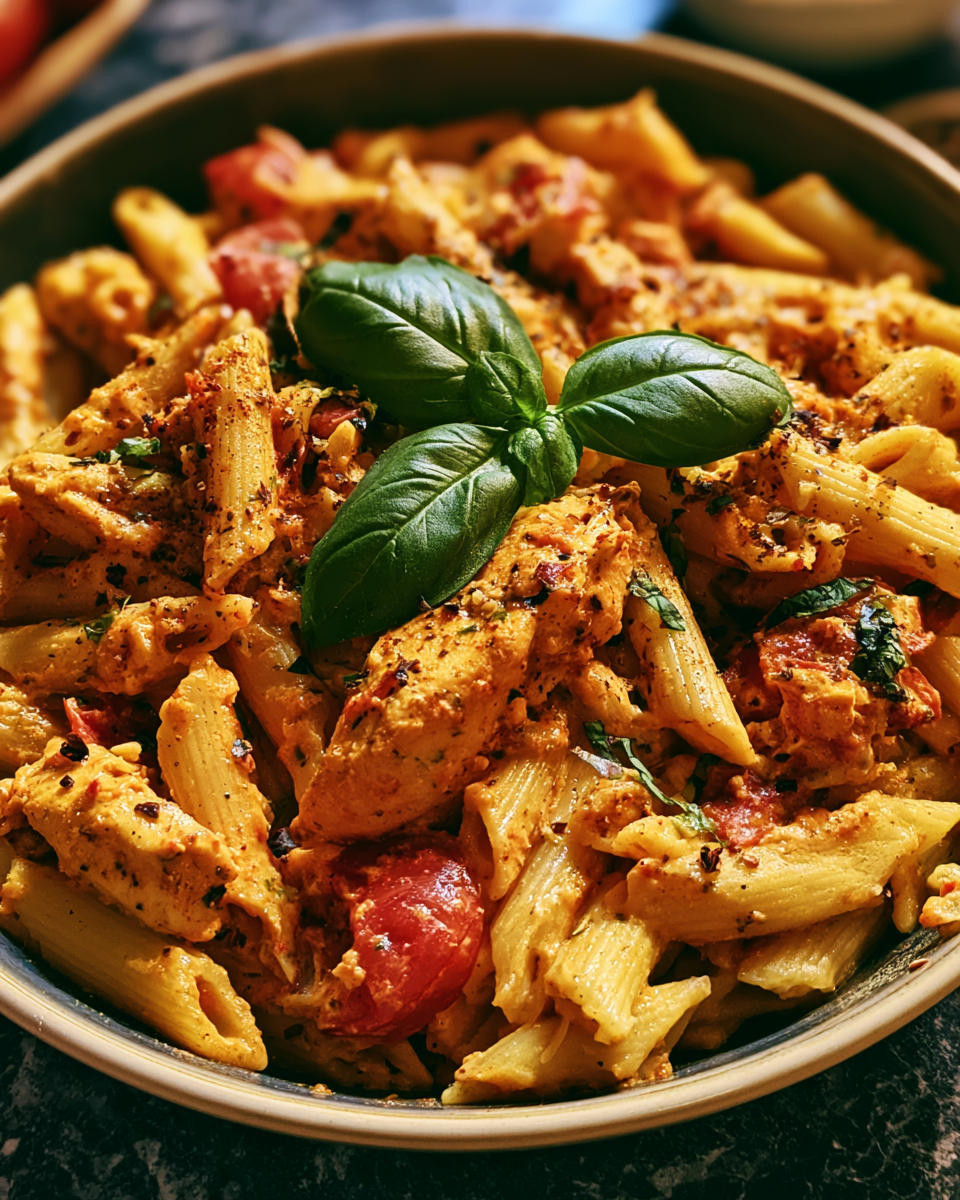
Thai Peanut Ground Chicken Noodles bring together savory ground chicken, silky noodles, and a creamy peanut sauce that clings to every strand. The balance of salty, slightly sweet, and gently spicy flavors creates a comforting bowl that feels both hearty and fresh.

This dish is ideal for busy evenings when you want something deeply satisfying without spending hours in the kitchen. The sauce comes together quickly, while the ground chicken cooks fast and absorbs the bold flavors beautifully.

Each bite delivers tender noodles, rich peanut depth, and bright notes from lime and herbs. It’s a recipe that fits weeknight dinners, casual gatherings, or meal prep with ease.

Ingredients Overview

The success of Thai Peanut Ground Chicken Noodles depends on a handful of well-balanced ingredients that work together to build layers of flavor. Ground chicken serves as the protein base, offering a mild taste that easily absorbs the sauce. It cooks quickly and stays tender when handled properly.

Peanut butter is the heart of the sauce, bringing creaminess and a slightly nutty richness. Natural peanut butter works especially well, but regular smooth peanut butter can be used for a slightly sweeter finish. Soy sauce adds saltiness and depth, while a touch of brown sugar rounds out the flavors.

Garlic and ginger provide aromatic warmth, forming the base of the dish. Fresh lime juice adds brightness and cuts through the richness of the peanut sauce. Chili paste or red pepper flakes introduce gentle heat, which can be adjusted depending on preference.

Rice noodles are commonly used for their soft, slightly chewy texture, though egg noodles or even spaghetti can work as substitutes. Vegetables like bell peppers, carrots, or snap peas add color and crunch, making the dish more balanced.

A splash of sesame oil at the end gives a subtle toasted note, while chopped peanuts and fresh herbs like cilantro or green onions add texture and freshness. Together, these ingredients create a dish that feels layered, balanced, and satisfying.

Ingredients

8 ounces rice noodles
1 tablespoon vegetable oil
1 pound ground chicken
3 cloves garlic, minced
1 tablespoon fresh ginger, grated
1/4 cup creamy peanut butter
3 tablespoons soy sauce
1 tablespoon brown sugar
1 tablespoon rice vinegar
1 tablespoon lime juice
1/2 teaspoon red pepper flakes
1/2 cup chicken broth
1 red bell pepper, thinly sliced
1 cup shredded carrots
2 green onions, sliced
1 teaspoon sesame oil
1/4 cup chopped peanuts
Fresh cilantro, chopped

Step-by-Step Instructions

Begin by cooking the rice noodles according to package instructions. Most rice noodles only need a few minutes in hot water. Drain them well and set aside, tossing lightly with a bit of oil to prevent sticking.

Heat a large skillet or wok over medium-high heat and add the vegetable oil. Once hot, add the ground chicken. Break it apart with a spoon and cook for about 5 to 7 minutes until it is fully cooked and lightly browned. Avoid overcrowding the pan, as this can cause steaming instead of browning.

Add the minced garlic and grated ginger to the pan. Stir constantly for about 30 seconds until fragrant. Be careful not to let them burn, as this can create bitterness.

In a separate bowl, whisk together the peanut butter, soy sauce, brown sugar, rice vinegar, lime juice, red pepper flakes, and chicken broth. The mixture should be smooth and pourable. If it feels too thick, add a bit more broth.

Pour the peanut sauce into the skillet with the chicken. Stir well to coat the meat evenly. Allow the sauce to simmer gently for 2 to 3 minutes so it thickens slightly and develops flavor.

Add the sliced bell pepper and shredded carrots. Cook for another 3 to 4 minutes until the vegetables are slightly softened but still retain some crunch.

Add the cooked noodles directly into the skillet. Toss everything together using tongs until the noodles are fully coated in the sauce. This step is important for even flavor distribution.

Drizzle in the sesame oil and give one final toss. Taste and adjust seasoning if needed by adding a bit more soy sauce or lime juice.

Remove from heat and garnish with chopped peanuts, green onions, and fresh cilantro before serving.

Tips, Variations & Substitutions

For the best texture, avoid overcooking the noodles. Rice noodles can quickly become mushy if left too long in hot water. Rinsing them briefly in cool water after cooking helps maintain their structure.

If you prefer a different protein, ground turkey or thinly sliced chicken breast works well. For a vegetarian version, crumbled tofu or sautéed mushrooms can replace the chicken while still absorbing the sauce nicely.

Adjust the spice level by increasing or reducing the red pepper flakes. A spoonful of chili paste can add deeper heat if desired.

If peanut butter is too thick, warm it slightly before mixing to make blending easier. Almond butter can be used as an alternative, though it will slightly change the flavor.

For added vegetables, consider broccoli, snap peas, or baby corn. These additions bring more texture and color without complicating the recipe.

Serving Ideas & Occasions

Thai Peanut Ground Chicken Noodles are versatile enough for many occasions. They make a satisfying main dish for weeknight dinners, especially when paired with a light cucumber salad or steamed vegetables.

For gatherings, serve the noodles in a large bowl topped with extra herbs and chopped peanuts, allowing guests to help themselves. The dish holds well at room temperature, making it suitable for casual meals.

A refreshing drink like iced tea or a citrus-based beverage pairs nicely, balancing the richness of the peanut sauce. For a more filling spread, consider adding spring rolls or a simple soup alongside.

These noodles also work well for meal prep, as the flavors deepen after sitting for a few hours.

Nutritional & Health Notes

This dish provides a balanced mix of protein, carbohydrates, and fats. Ground chicken offers lean protein, while the peanut sauce contributes healthy fats and a satisfying richness.

Rice noodles are naturally gluten-free, making this recipe suitable for those avoiding gluten when paired with gluten-free soy sauce. The vegetables add fiber, vitamins, and color, helping round out the meal.

While peanut butter adds nutritional value, it also increases calorie content, so portion size is worth considering. Reducing the amount slightly or using a lighter version can help adjust the richness.

The dish can be adapted to include more vegetables for added nutrients without significantly changing the flavor profile.

FAQs

Can I make Thai Peanut Ground Chicken Noodles ahead of time?

Yes, this dish can be prepared in advance and stored in the refrigerator for up to three days. The flavors often deepen as it sits, making leftovers especially enjoyable. When reheating, add a splash of water or broth to loosen the sauce, as it may thicken in the fridge. Warm it gently over medium heat or in the microwave, stirring occasionally to maintain an even texture. Keeping the garnish separate until serving helps maintain freshness and crunch.

Can I freeze this recipe?

Freezing is possible, though the texture of the noodles may change slightly after thawing. For best results, freeze the chicken and sauce mixture separately from the noodles. When ready to serve, cook fresh noodles and combine them with the reheated sauce. This approach helps maintain the ideal texture and prevents the noodles from becoming too soft.

What type of peanut butter works best?

Creamy peanut butter is typically preferred for a smooth sauce. Natural peanut butter provides a more pronounced nut flavor, while standard peanut butter gives a slightly sweeter and thicker consistency. If using natural peanut butter, stir it well before measuring to avoid separation. Both options work well depending on personal taste.

How do I prevent the sauce from becoming too thick?

If the sauce becomes too thick, simply add small amounts of chicken broth or water until it reaches the desired consistency. Heating the sauce gently while stirring helps it loosen evenly. Adding liquid gradually is key to avoiding an overly thin result.

Can I use a different type of noodle?

Yes, this recipe is flexible when it comes to noodles. Egg noodles, udon, or even spaghetti can be used if rice noodles are not available. Each option brings a slightly different texture, but all work well with the peanut sauce. Adjust cooking times according to the type of noodle chosen.

Is this dish spicy?

The level of heat is mild as written, but it can be adjusted easily. Red pepper flakes add a gentle warmth, and more can be added for extra spice. For a milder version, simply reduce or omit the chili component altogether. The creamy peanut sauce helps balance any added heat.

What vegetables work well in this recipe?

Bell peppers and carrots are commonly used, but many vegetables can be added. Broccoli, snap peas, zucchini, and baby corn are all good options. Choose vegetables that cook quickly and maintain some crunch for the best texture contrast. Adding a variety of vegetables also enhances the visual appeal of the dish.

[rank_math_breadcrumb]

Thai Peanut Ground Chicken Noodles: 30-Minute Amazing Happy Dish

Photo of author
Author: liv
Published:

Thai Peanut Ground Chicken Noodles bring together savory ground chicken, silky noodles, and a creamy peanut sauce that clings to every strand. The balance of salty, slightly sweet, and gently spicy flavors creates a comforting bowl that feels both hearty and fresh.

This dish is ideal for busy evenings when you want something deeply satisfying without spending hours in the kitchen. The sauce comes together quickly, while the ground chicken cooks fast and absorbs the bold flavors beautifully.

Each bite delivers tender noodles, rich peanut depth, and bright notes from lime and herbs. It’s a recipe that fits weeknight dinners, casual gatherings, or meal prep with ease.

Ingredients Overview

The success of Thai Peanut Ground Chicken Noodles depends on a handful of well-balanced ingredients that work together to build layers of flavor. Ground chicken serves as the protein base, offering a mild taste that easily absorbs the sauce. It cooks quickly and stays tender when handled properly.

Peanut butter is the heart of the sauce, bringing creaminess and a slightly nutty richness. Natural peanut butter works especially well, but regular smooth peanut butter can be used for a slightly sweeter finish. Soy sauce adds saltiness and depth, while a touch of brown sugar rounds out the flavors.

Garlic and ginger provide aromatic warmth, forming the base of the dish. Fresh lime juice adds brightness and cuts through the richness of the peanut sauce. Chili paste or red pepper flakes introduce gentle heat, which can be adjusted depending on preference.

Rice noodles are commonly used for their soft, slightly chewy texture, though egg noodles or even spaghetti can work as substitutes. Vegetables like bell peppers, carrots, or snap peas add color and crunch, making the dish more balanced.

A splash of sesame oil at the end gives a subtle toasted note, while chopped peanuts and fresh herbs like cilantro or green onions add texture and freshness. Together, these ingredients create a dish that feels layered, balanced, and satisfying.

Ingredients

8 ounces rice noodles
1 tablespoon vegetable oil
1 pound ground chicken
3 cloves garlic, minced
1 tablespoon fresh ginger, grated
1/4 cup creamy peanut butter
3 tablespoons soy sauce
1 tablespoon brown sugar
1 tablespoon rice vinegar
1 tablespoon lime juice
1/2 teaspoon red pepper flakes
1/2 cup chicken broth
1 red bell pepper, thinly sliced
1 cup shredded carrots
2 green onions, sliced
1 teaspoon sesame oil
1/4 cup chopped peanuts
Fresh cilantro, chopped

Step-by-Step Instructions

Begin by cooking the rice noodles according to package instructions. Most rice noodles only need a few minutes in hot water. Drain them well and set aside, tossing lightly with a bit of oil to prevent sticking.

Heat a large skillet or wok over medium-high heat and add the vegetable oil. Once hot, add the ground chicken. Break it apart with a spoon and cook for about 5 to 7 minutes until it is fully cooked and lightly browned. Avoid overcrowding the pan, as this can cause steaming instead of browning.

Add the minced garlic and grated ginger to the pan. Stir constantly for about 30 seconds until fragrant. Be careful not to let them burn, as this can create bitterness.

In a separate bowl, whisk together the peanut butter, soy sauce, brown sugar, rice vinegar, lime juice, red pepper flakes, and chicken broth. The mixture should be smooth and pourable. If it feels too thick, add a bit more broth.

Pour the peanut sauce into the skillet with the chicken. Stir well to coat the meat evenly. Allow the sauce to simmer gently for 2 to 3 minutes so it thickens slightly and develops flavor.

Add the sliced bell pepper and shredded carrots. Cook for another 3 to 4 minutes until the vegetables are slightly softened but still retain some crunch.

Add the cooked noodles directly into the skillet. Toss everything together using tongs until the noodles are fully coated in the sauce. This step is important for even flavor distribution.

Drizzle in the sesame oil and give one final toss. Taste and adjust seasoning if needed by adding a bit more soy sauce or lime juice.

Remove from heat and garnish with chopped peanuts, green onions, and fresh cilantro before serving.

Tips, Variations & Substitutions

For the best texture, avoid overcooking the noodles. Rice noodles can quickly become mushy if left too long in hot water. Rinsing them briefly in cool water after cooking helps maintain their structure.

If you prefer a different protein, ground turkey or thinly sliced chicken breast works well. For a vegetarian version, crumbled tofu or sautéed mushrooms can replace the chicken while still absorbing the sauce nicely.

Adjust the spice level by increasing or reducing the red pepper flakes. A spoonful of chili paste can add deeper heat if desired.

If peanut butter is too thick, warm it slightly before mixing to make blending easier. Almond butter can be used as an alternative, though it will slightly change the flavor.

For added vegetables, consider broccoli, snap peas, or baby corn. These additions bring more texture and color without complicating the recipe.

Serving Ideas & Occasions

Thai Peanut Ground Chicken Noodles are versatile enough for many occasions. They make a satisfying main dish for weeknight dinners, especially when paired with a light cucumber salad or steamed vegetables.

For gatherings, serve the noodles in a large bowl topped with extra herbs and chopped peanuts, allowing guests to help themselves. The dish holds well at room temperature, making it suitable for casual meals.

A refreshing drink like iced tea or a citrus-based beverage pairs nicely, balancing the richness of the peanut sauce. For a more filling spread, consider adding spring rolls or a simple soup alongside.

These noodles also work well for meal prep, as the flavors deepen after sitting for a few hours.

Nutritional & Health Notes

This dish provides a balanced mix of protein, carbohydrates, and fats. Ground chicken offers lean protein, while the peanut sauce contributes healthy fats and a satisfying richness.

Rice noodles are naturally gluten-free, making this recipe suitable for those avoiding gluten when paired with gluten-free soy sauce. The vegetables add fiber, vitamins, and color, helping round out the meal.

While peanut butter adds nutritional value, it also increases calorie content, so portion size is worth considering. Reducing the amount slightly or using a lighter version can help adjust the richness.

The dish can be adapted to include more vegetables for added nutrients without significantly changing the flavor profile.

FAQs

Can I make Thai Peanut Ground Chicken Noodles ahead of time?

Yes, this dish can be prepared in advance and stored in the refrigerator for up to three days. The flavors often deepen as it sits, making leftovers especially enjoyable. When reheating, add a splash of water or broth to loosen the sauce, as it may thicken in the fridge. Warm it gently over medium heat or in the microwave, stirring occasionally to maintain an even texture. Keeping the garnish separate until serving helps maintain freshness and crunch.

Can I freeze this recipe?

Freezing is possible, though the texture of the noodles may change slightly after thawing. For best results, freeze the chicken and sauce mixture separately from the noodles. When ready to serve, cook fresh noodles and combine them with the reheated sauce. This approach helps maintain the ideal texture and prevents the noodles from becoming too soft.

What type of peanut butter works best?

Creamy peanut butter is typically preferred for a smooth sauce. Natural peanut butter provides a more pronounced nut flavor, while standard peanut butter gives a slightly sweeter and thicker consistency. If using natural peanut butter, stir it well before measuring to avoid separation. Both options work well depending on personal taste.

How do I prevent the sauce from becoming too thick?

If the sauce becomes too thick, simply add small amounts of chicken broth or water until it reaches the desired consistency. Heating the sauce gently while stirring helps it loosen evenly. Adding liquid gradually is key to avoiding an overly thin result.

Can I use a different type of noodle?

Yes, this recipe is flexible when it comes to noodles. Egg noodles, udon, or even spaghetti can be used if rice noodles are not available. Each option brings a slightly different texture, but all work well with the peanut sauce. Adjust cooking times according to the type of noodle chosen.

Is this dish spicy?

The level of heat is mild as written, but it can be adjusted easily. Red pepper flakes add a gentle warmth, and more can be added for extra spice. For a milder version, simply reduce or omit the chili component altogether. The creamy peanut sauce helps balance any added heat.

What vegetables work well in this recipe?

Bell peppers and carrots are commonly used, but many vegetables can be added. Broccoli, snap peas, zucchini, and baby corn are all good options. Choose vegetables that cook quickly and maintain some crunch for the best texture contrast. Adding a variety of vegetables also enhances the visual appeal of the dish.
Name

Lorem ipsum dolor sit amet, consectetur adipiscing elit. Suspendisse varius enim in eros elementum tristique. Duis cursus, mi quis viverra ornare, eros dolor interdum nulla, ut commodo diam libero vitae erat.

You Might Also Like...

Egg & Pasta Budget Spaghetti Frittata: 5 Simple Happy Bites

Egg & Pasta Budget Spaghetti Frittata: 5 Simple Happy Bites

Dollar Stretcher Spaghetti with Canned Tomatoes: 5 Simple Delighted

Dollar Stretcher Spaghetti with Canned Tomatoes: 5 Simple Delighted

Roasted Vegetable Homemade Spaghetti Sauce: 7 Authentic Comforting Ideas

Roasted Vegetable Homemade Spaghetti Sauce: 7 Authentic Comforting Ideas

Fresh Tomato Homemade Spaghetti Sauce: 7 Authentic Hope

Fresh Tomato Homemade Spaghetti Sauce: 7 Authentic Hope

Tags:

You might also like these recipes

Leave a Comment