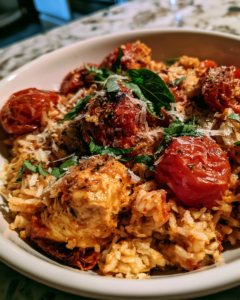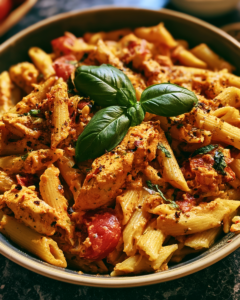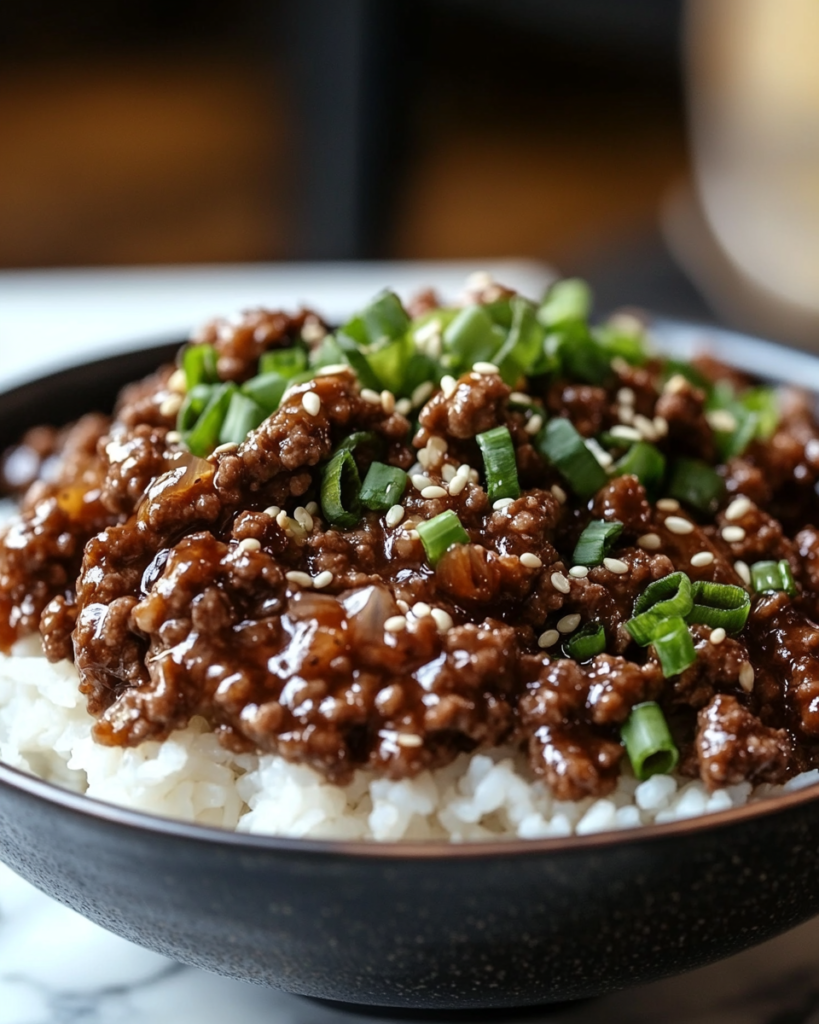
Korean Style Ground Beef Bowls bring together tender beef, garlic, ginger, soy sauce, and toasted sesame oil in a deeply savory dinner that fits beautifully into busy evenings. The rich glaze clings to every bite of beef while warm rice balances the bold flavor profile with soft texture and comforting warmth.
This dish draws inspiration from classic Korean pantry flavors while keeping preparation simple enough for weeknight cooking. Ground beef cooks rapidly, allowing the sauce to caramelize slightly around the edges without lengthy simmering. Crisp vegetables and fresh garnishes add brightness that balances the savory richness.
Korean Style Ground Beef Bowls also adapt beautifully for family dinners, meal preparation, or casual gatherings. A single skillet handles most of the cooking, and the ingredients remain budget-friendly without sacrificing flavor. Every bowl delivers satisfying texture from fluffy rice, savory beef, crunchy vegetables, and nutty sesame seeds.
Ingredients Overview

Ground beef forms the heart of Korean Style Ground Beef Bowls. An 85/15 blend offers balanced richness without becoming greasy during cooking. Leaner beef also works well, though slightly richer beef develops deeper flavor during browning. Proper browning creates caramelized bits that strengthen the savory character of the sauce.
Soy sauce delivers saltiness and umami depth. Low-sodium soy sauce allows better control over seasoning while still creating a deeply flavorful glaze. Brown sugar softens the salty edges and contributes gentle caramel notes that help the sauce coat the beef evenly.
Fresh garlic and ginger build aromatic warmth throughout the dish. Freshly grated ginger carries brighter flavor than dried versions, while minced garlic turns fragrant almost immediately once heated in the skillet. Sesame oil contributes a roasted nutty aroma that gives the bowls their signature finish.
Rice acts as the foundation beneath the savory beef mixture. Steamed jasmine rice remains especially popular because its slightly floral aroma pairs beautifully with the sweet-savory sauce. Brown rice or cauliflower rice also pair nicely for different texture preferences.
Vegetables add freshness and contrast. Shredded carrots, sliced cucumbers, steamed broccoli, or sautéed spinach work beautifully alongside the beef. Green onions and sesame seeds provide finishing texture and visual appeal while balancing the richness of the dish.
Several substitutions fit naturally into Korean Style Ground Beef Bowls. Ground turkey, chicken, or plant-based crumbles can replace beef. Honey may replace brown sugar, while tamari serves as a gluten-free alternative to soy sauce. These variations maintain the comforting savory profile while fitting different dietary preferences.
Ingredients
1 pound ground beef
3 cups cooked jasmine rice
3 tablespoons low-sodium soy sauce
1 tablespoon brown sugar
1 tablespoon sesame oil
3 cloves garlic, minced
1 tablespoon freshly grated ginger
1/4 teaspoon crushed red pepper flakes
1 tablespoon vegetable oil
2 green onions, thinly sliced
1 teaspoon sesame seeds
1 cup shredded carrots
1 cup sliced cucumber
1 cup steamed broccoli florets
1 teaspoon rice vinegar
1/4 teaspoon black pepper
1 tablespoon water
Step-by-Step Instructions
Begin by preparing the rice according to package directions. Fluffy rice creates the ideal base for Korean Style Ground Beef Bowls because it absorbs the savory sauce beautifully without becoming soggy. Once cooked, keep the rice covered so it stays warm while the beef cooks.
While the rice cooks, prepare the sauce mixture. In a small bowl, whisk together soy sauce, brown sugar, sesame oil, rice vinegar, water, black pepper, and crushed red pepper flakes. Stir until the sugar dissolves fully. Having the sauce prepared ahead prevents overcooking later once the beef reaches proper browning.
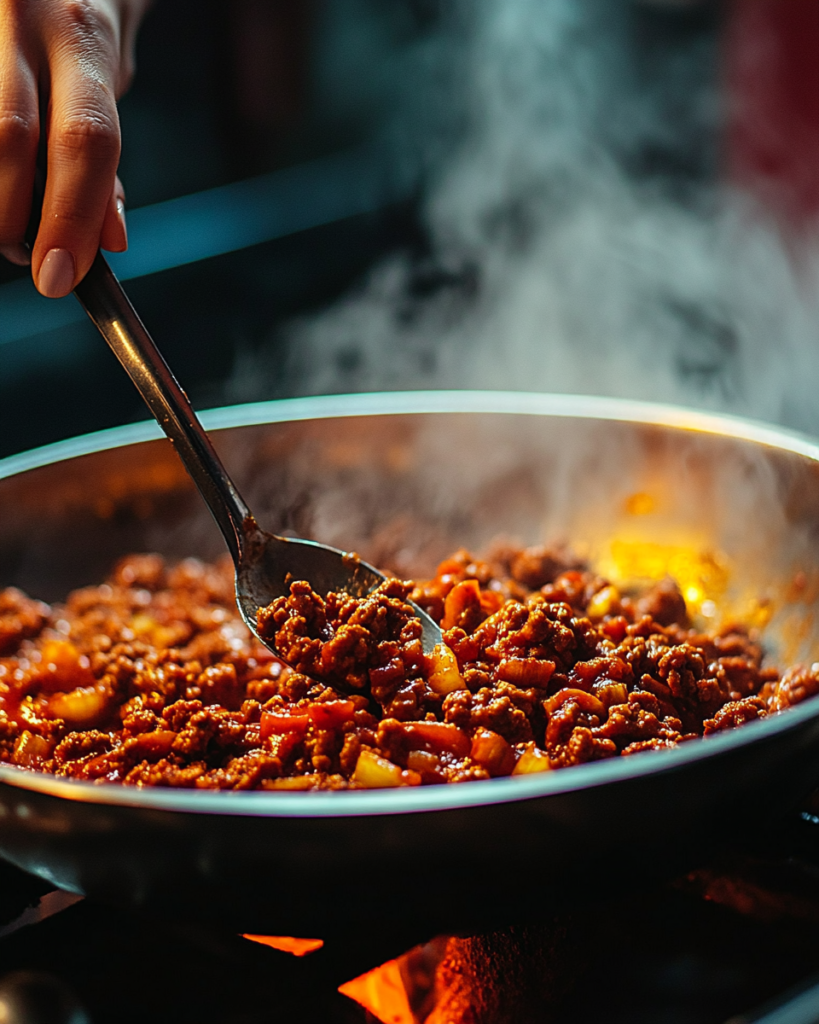
Heat a large skillet over medium-high heat. Add vegetable oil and allow it to warm for about thirty seconds. Add the ground beef and spread it across the skillet in an even layer. Let the beef cook undisturbed for several minutes before stirring. This step develops deeper browning and richer flavor.
Break the beef into crumbles using a wooden spoon. Continue cooking until no pink remains and several browned edges appear throughout the skillet. If excessive grease collects, carefully drain most of it while leaving a small amount behind for flavor.
Reduce the heat slightly to medium. Add minced garlic and grated ginger directly into the skillet. Stir continuously for about one minute until fragrant. Garlic burns rapidly, so avoid stepping away during this stage. Burned garlic creates bitterness that can overpower the balanced sauce.
Pour the prepared sauce into the skillet with the beef mixture. Stir thoroughly so every crumble becomes coated evenly. Allow the mixture to simmer gently for two to three minutes. The sauce should slightly thicken and cling lightly to the beef rather than pooling heavily at the bottom of the skillet.
Taste the beef mixture and adjust seasoning if necessary. Additional soy sauce deepens savoriness, while another small pinch of brown sugar softens sharper salty notes. If stronger heat is preferred, stir in extra crushed red pepper flakes.
Arrange warm rice among serving bowls. Spoon the glazed beef generously over the rice. Add shredded carrots, sliced cucumber, and steamed broccoli around the edges for freshness and color contrast. Finish each bowl with sliced green onions and sesame seeds.
Serve immediately while the beef remains hot and glossy. The contrast between warm savory beef and cool crisp vegetables creates balanced texture throughout every bite.
Several common mistakes can affect the final texture. Overcrowding the skillet prevents proper browning and causes steaming instead. Excessive sauce simmering can turn the glaze overly salty. Using high heat during the garlic stage may also create bitterness. Careful timing keeps the flavors balanced and rich without becoming heavy.
Tips, Variations & Substitutions
Korean Style Ground Beef Bowls welcome countless variations depending on personal preference and pantry ingredients. For additional vegetable texture, sauté mushrooms, bell peppers, or zucchini alongside the beef during cooking. Kimchi adds tangy depth and traditional Korean-inspired flavor.
Ground turkey creates a lighter version while still absorbing the savory sauce beautifully. Ground chicken also works nicely, though slightly extra sesame oil helps maintain richness. Plant-based crumbles offer a satisfying vegetarian alternative when paired with tamari instead of standard soy sauce.
Short-grain rice delivers a softer texture, while brown rice contributes nuttier flavor and additional fiber. Cauliflower rice creates a lower-carbohydrate variation that still pairs nicely with the savory beef mixture.
For stronger heat, stir gochujang into the sauce before simmering. A small amount creates gentle warmth without overpowering the dish. Sriracha or chili garlic sauce also work beautifully.
Meal preparation remains especially convenient with this recipe. Store cooked beef separately from rice and vegetables so textures remain fresh throughout the week. Reheat the beef gently in a skillet or microwave with a splash of water to restore moisture.
Toasted sesame seeds provide richer aroma than untoasted varieties. Briefly warming them in a dry skillet for one minute strengthens their nutty flavor significantly. Fresh green onions added immediately before serving preserve crispness and bright flavor.
Serving Ideas & Occasions
Korean Style Ground Beef Bowls fit beautifully into casual weeknight dinners because preparation stays quick while the finished dish feels deeply satisfying. The balanced combination of protein, rice, and vegetables creates a complete meal without requiring complicated side dishes.
For additional variety, pair the bowls with dumplings, cucumber salad, sautéed greens, or lightly seasoned edamame. Pickled vegetables also complement the savory richness nicely by adding refreshing acidity.
Sparkling water with citrus, chilled barley tea, or lightly sweetened iced tea pair especially well alongside the savory glaze. The cool beverages balance the warm garlic and ginger flavors beautifully.
These bowls also work wonderfully for meal gatherings since guests can customize toppings according to preference. Arrange vegetables, sauces, sesame seeds, and rice separately so everyone builds individual bowls. The colorful presentation creates an inviting dinner spread without extensive preparation.
Lunch preparation also becomes simple because the flavors continue developing after refrigeration. The beef reheats beautifully while the vegetables maintain freshness when packed separately.
Nutritional & Health Notes
Korean Style Ground Beef Bowls provide balanced nourishment through protein, carbohydrates, and vegetables within a single meal. Ground beef contributes protein, iron, zinc, and vitamin B12, supporting fullness and steady energy during busy days.
Rice supplies carbohydrates that pair naturally with the savory beef sauce while providing satisfying texture. Brown rice contributes additional fiber and minerals for those preferring whole-grain options. Vegetables such as carrots, broccoli, and cucumber add freshness, vitamins, and color contrast.
Using low-sodium soy sauce helps moderate salt levels while still delivering deep umami flavor. Lean ground beef lowers saturated fat content while maintaining satisfying richness. Adding additional vegetables increases volume and texture without dramatically increasing calories.
Sesame oil contains concentrated flavor, allowing only a small amount to provide substantial aroma. Garlic and ginger contribute strong savory character that reduces reliance on excessive salt or sugar.
Portion balance remains important when serving Korean Style Ground Beef Bowls. Pairing generous vegetables with moderate rice portions creates a satisfying meal that feels hearty without becoming overly heavy.
FAQs
Can I prepare Korean Style Ground Beef Bowls ahead of schedule?
Yes, these bowls work beautifully for meal preparation because the beef reheats extremely well. Store cooked rice, beef, and vegetables in separate containers whenever possible. Keeping the vegetables separate helps preserve crisp texture and freshness during refrigeration. The cooked beef mixture typically stays flavorful for up to four days when refrigerated properly in an airtight container.
During reheating, add a small splash of water to the beef before warming it in a skillet or microwave. This prevents the sauce from becoming overly thick. Fresh garnishes such as green onions and sesame seeds should always be added immediately before serving for the brightest flavor and texture.
Which rice variety pairs best with this recipe?
Jasmine rice remains a favorite choice because its soft texture and delicate aroma complement the savory beef sauce beautifully. Short-grain white rice also works nicely because it absorbs the glaze particularly well. Brown rice contributes nuttier flavor and additional chewiness for those preferring whole grains.
Cauliflower rice serves as a lighter alternative while still carrying the bold sauce effectively. Quinoa can also pair surprisingly well with the savory beef mixture because its slightly earthy flavor balances the sweet-salty sauce. Regardless of the rice variety selected, freshly cooked warm rice delivers the most satisfying texture beneath the hot beef mixture.
Can I freeze the cooked beef mixture?
The beef portion freezes very successfully. Allow the cooked mixture to cool completely before transferring it into freezer-safe containers or freezer bags. Flattening the bags slightly helps faster thawing later. The cooked beef generally maintains quality for around three months when frozen properly.
For reheating, thaw overnight in the refrigerator before warming gently in a skillet over medium heat. A small splash of water helps restore the glossy consistency of the sauce. Fresh vegetables should not be frozen alongside the beef because they lose crisp texture after thawing. Preparing fresh vegetables separately creates the strongest final presentation and texture balance.
How can I create stronger spicy flavor?
Several ingredients can increase heat while still maintaining balanced flavor. Gochujang remains one of the strongest additions because it contributes fermented depth alongside moderate heat. Stir one or two teaspoons into the sauce mixture before simmering. Chili garlic sauce or extra crushed red pepper flakes also work beautifully.
Fresh sliced chili peppers may be added during cooking or sprinkled on top before serving. Begin with smaller amounts because the savory soy sauce already carries strong flavor concentration. Cooling toppings such as cucumber or shredded carrots help balance stronger spice levels while preserving overall harmony throughout the bowl.
What vegetables pair nicely with Korean Style Ground Beef Bowls?
Many vegetables complement the savory richness of the beef beautifully. Steamed broccoli, sautéed spinach, shredded cabbage, cucumbers, carrots, and snap peas remain especially popular choices because they add freshness and texture contrast. Mushrooms also pair beautifully because their earthy flavor deepens the savory profile.
Quick-pickled vegetables create additional brightness that balances the rich sauce. Avocado adds creamy texture, while bean sprouts contribute crisp freshness. Using a mixture of cooked and raw vegetables often creates the most satisfying texture variety within each bowl. Fresh garnishes added at serving maintain vibrant flavor and visual appeal.
Can I replace ground beef with another protein?
Absolutely. Ground turkey and ground chicken both absorb the sauce nicely while creating lighter variations. Since poultry contains less fat than beef, an additional teaspoon of sesame oil may help maintain richness during cooking. Thinly sliced steak or shredded rotisserie chicken also pair beautifully with the sauce.
For vegetarian preparation, plant-based crumbles or crumbled tofu work especially well. Pressing tofu before cooking removes excess moisture and allows stronger browning in the skillet. Tamari instead of soy sauce keeps the dish gluten-free while maintaining deep savory flavor throughout the finished bowls.
Why did my sauce become overly salty?
Overly salty sauce usually develops from either excessive reduction or heavily salted soy sauce. Simmering the sauce too long concentrates saltiness rapidly because the liquid evaporates quickly. Using low-sodium soy sauce creates better balance while still delivering deep umami flavor.
Adding a small splash of water or additional rice can soften excessive saltiness after cooking. Slightly increasing brown sugar may also balance sharper salty notes. Measuring soy sauce carefully and keeping simmering time brief usually prevents this issue entirely. The sauce should lightly coat the beef rather than reducing into a thick concentrated glaze.