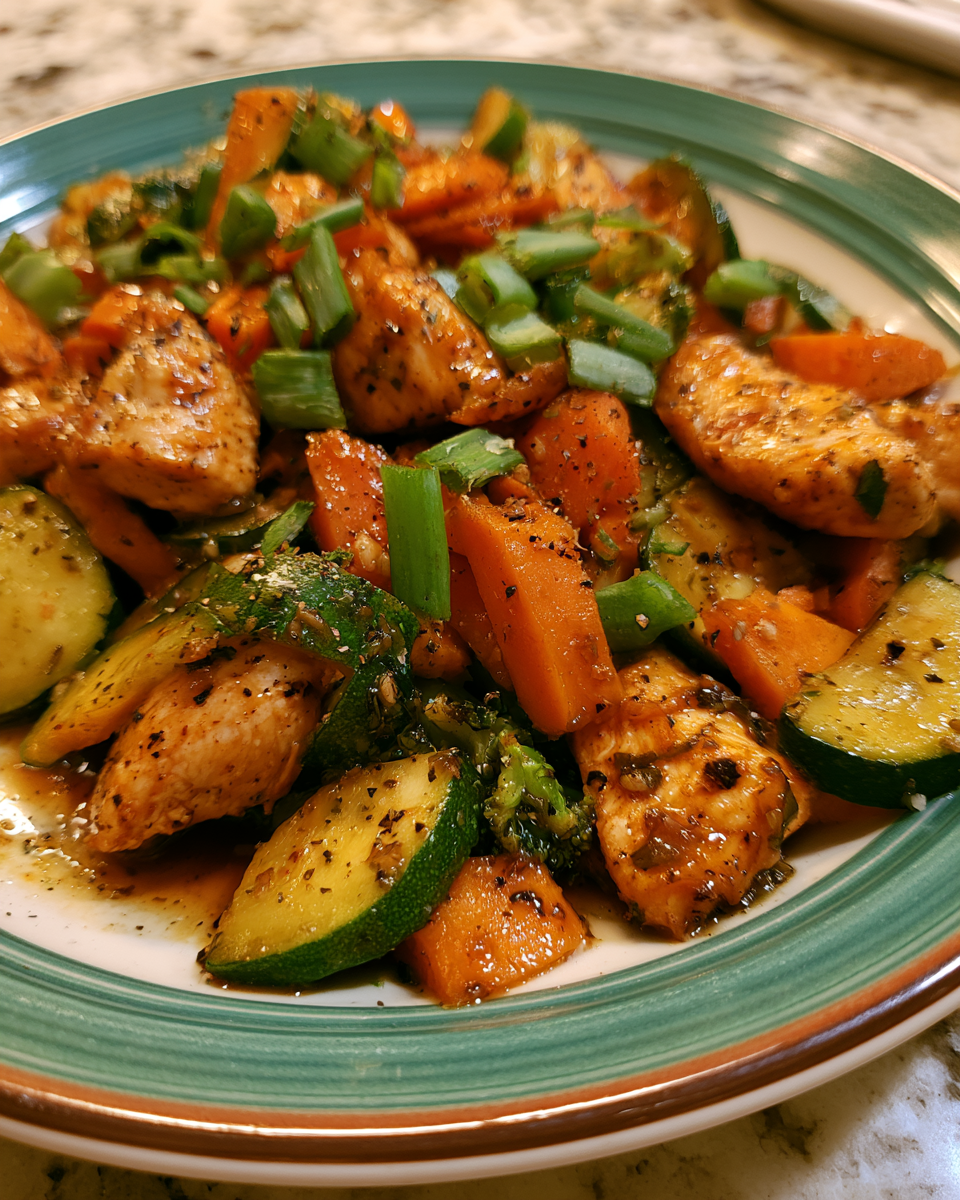
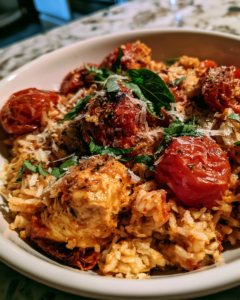
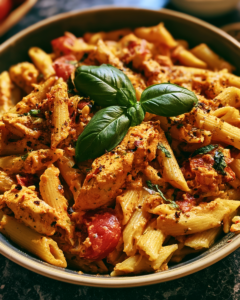
Teriyaki Beef Rice Bowls bring together tender slices of beef, warm rice, crisp vegetables, and a glossy homemade teriyaki sauce in one deeply satisfying meal. The balance of savory soy sauce, brown sugar, garlic, and ginger creates a rich coating that clings to every bite of beef while soaking lightly into the rice underneath.
This dish fits busy weeknights, casual family dinners, and meal prep schedules because it cooks quickly without sacrificing flavor. Thinly sliced beef cooks in minutes, while steamed rice and fresh vegetables create a hearty bowl with texture and color. The sauce carries gentle sweetness alongside salty depth, creating the classic flavor many people associate with Japanese-inspired comfort food.
One reason Teriyaki Beef Rice Bowls remain so popular is their flexibility. You can add broccoli, carrots, cucumbers, edamame, or cabbage depending on what you have available. Brown rice, jasmine rice, or even cauliflower rice work nicely beneath the beef. The result is a filling meal that feels balanced while still delivering rich flavor in every forkful.
Ingredients Overview

The heart of Teriyaki Beef Rice Bowls is the combination of thin beef and glossy teriyaki sauce. Flank steak and sirloin are both excellent choices because they cook quickly while staying tender when sliced against the grain. Thin slices absorb the sauce well and remain juicy after cooking.
Soy sauce forms the salty foundation of the teriyaki mixture. Low-sodium soy sauce works especially well because it allows better control over seasoning. Brown sugar adds sweetness and helps the sauce thicken into a shiny coating once heated. Fresh garlic and ginger add warmth and depth that keep the sauce from tasting flat.
Cornstarch thickens the sauce and gives it the smooth texture commonly found in restaurant-style teriyaki dishes. A small amount goes a long way, so whisking carefully prevents lumps from forming. Sesame oil contributes nutty aroma and rounds out the flavor profile without overpowering the beef.
Rice provides the comforting base of the bowl. Jasmine rice creates soft fluffy grains, while short-grain rice gives a slightly stickier texture. Brown rice adds extra fiber and a nuttier taste. Fresh vegetables bring crunch and freshness that balance the rich sauce. Broccoli, carrots, snap peas, cucumbers, and edamame all pair naturally with teriyaki flavors.
Green onions and sesame seeds finish the bowls with extra texture and a light fresh contrast. If desired, chicken, tofu, or mushrooms can replace the beef while still working beautifully with the teriyaki sauce.
Ingredients
1 1/2 pounds flank steak, thinly sliced
3 cups cooked jasmine rice
2 tablespoons vegetable oil
1 tablespoon sesame oil
1/2 cup low-sodium soy sauce
1/3 cup brown sugar
2 cloves garlic, minced
1 tablespoon fresh ginger, grated
1 tablespoon rice vinegar
1 tablespoon cornstarch
2 tablespoons water
2 cups broccoli florets
1 cup shredded carrots
1 cup shelled edamame
2 green onions, sliced
1 tablespoon sesame seeds
1/4 teaspoon black pepper
1/4 teaspoon red pepper flakes
Step-by-Step Instructions

Start by preparing the rice according to package directions. Fresh warm rice gives the bowls a comforting texture and absorbs the teriyaki sauce beautifully. While the rice cooks, slice the beef thinly against the grain. Cutting against the grain shortens the muscle fibers and helps the beef stay tender after cooking.
In a medium bowl, whisk together soy sauce, brown sugar, garlic, ginger, rice vinegar, and sesame oil. In a separate small bowl, stir the cornstarch with water until smooth. Set both mixtures aside.
Heat a large skillet or wok over medium-high heat. Add the vegetable oil and allow it to heat until shimmering. Spread the beef into the pan in a single layer. Avoid overcrowding because crowded beef steams instead of browning properly. Cook for about 2 minutes per side until lightly caramelized around the edges.
Transfer the beef to a plate briefly while cooking the vegetables. Add broccoli and edamame to the skillet and stir for about 3 to 4 minutes until bright green and slightly tender. Add the shredded carrots during the final minute so they remain crisp.
Return the beef to the skillet. Pour in the teriyaki sauce mixture and stir gently to coat everything evenly. Bring the mixture to a simmer over medium heat. Stir the cornstarch slurry once more before pouring it into the skillet. Continue stirring as the sauce thickens into a glossy coating around the beef and vegetables. This usually takes 2 to 3 minutes.
Watch the texture carefully during this stage. If the sauce becomes too thick, add a tablespoon of water at a time until it loosens slightly. If it appears too thin, allow it to simmer another minute.
Taste the sauce before serving. Add black pepper or red pepper flakes for mild heat if desired. Spoon warm rice into serving bowls and top with generous portions of the teriyaki beef mixture.
Scatter sliced green onions and sesame seeds over each bowl before serving. The fresh onions brighten the rich sauce while the sesame seeds add subtle crunch.
One common mistake is cooking the beef too long. Thin slices become tough quickly, so remove them from heat as soon as they finish browning. Another issue comes from adding cornstarch directly into hot liquid without mixing it first with water. Doing so creates lumps instead of a smooth sauce.
Serve immediately while the sauce remains glossy and the rice is warm.
Tips, Variations & Substitutions
For extra tender beef, place the steak in the freezer for about 20 minutes before slicing. Slightly chilled meat is easier to cut into thin even strips. Thin slices cook rapidly and absorb the sauce more evenly.
Chicken thighs work nicely in place of beef because they remain juicy during cooking. Tofu also absorbs teriyaki sauce beautifully. Press firm tofu before cooking so excess moisture does not thin the sauce.
Brown sugar can be replaced with honey for a slightly different sweetness. Coconut aminos provide a milder option than soy sauce while still delivering savory flavor. Fresh ginger gives stronger flavor than dried ginger, though both can work in a pinch.
For extra vegetables, try mushrooms, cabbage, snow peas, zucchini, or bell peppers. Crunchy cucumber slices added after cooking create a cool contrast to the warm beef and rice.
Meal prep versions store well in airtight containers for several days. Keep garnishes separate until serving so they remain fresh. Reheat gently in the microwave with a splash of water to loosen the sauce.
A drizzle of spicy mayo or a spoonful of kimchi can add extra flavor without overwhelming the bowl. Cauliflower rice creates a lighter version while still pairing nicely with the savory sauce.
Serving Ideas & Occasions
Teriyaki Beef Rice Bowls fit many occasions because they feel hearty while remaining simple to prepare. They are especially useful for busy weeknights when quick cooking matters. Since everything comes together in one bowl, cleanup stays manageable even after a long day.
These bowls pair nicely with steamed dumplings, miso soup, seaweed salad, or lightly dressed cucumber salad. Roasted green beans and sesame snap peas also complement the sweet-savory flavor of the teriyaki sauce.
Cold green tea, sparkling water with citrus, or light fruit drinks work nicely alongside the rich beef. For larger gatherings, arrange toppings buffet-style so everyone can build bowls according to personal preference.
The colorful presentation also works well for casual dinner parties or meal prep lunches. Since the ingredients hold their texture well, the bowls remain satisfying even after reheating the next day.
Nutritional & Health Notes
Teriyaki Beef Rice Bowls provide a balanced mixture of protein, carbohydrates, and vegetables. Beef contributes protein, iron, and vitamin B12, while vegetables add fiber and texture. Rice supplies energy and helps create a filling meal.
Using lean cuts such as flank steak or sirloin helps reduce excess fat while still keeping the meat tender. Low-sodium soy sauce can lower overall sodium levels without losing savory flavor. Adding additional vegetables increases fiber and creates a more balanced bowl.
Brown rice contributes extra fiber and nutrients compared to white rice. Cauliflower rice offers a lighter alternative for those seeking lower carbohydrate options. Homemade teriyaki sauce also allows better control over sweetness and seasoning than many bottled sauces.
Portion balance matters with this dish. A generous serving of vegetables alongside moderate rice and beef creates a satisfying meal without feeling overly heavy.
FAQs
Can I prepare Teriyaki Beef Rice Bowls ahead of time?
Yes, these bowls work very well for meal prep. Cook the rice, beef, vegetables, and sauce separately if possible, then combine them when storing. Keeping components slightly separated helps preserve texture. Store everything in airtight containers in the refrigerator for up to four days.
When reheating, add a small splash of water before microwaving so the sauce loosens properly and coats the beef again. Garnishes such as green onions and sesame seeds should be added after reheating for fresher texture and flavor. Many people enjoy these bowls for packed lunches because they remain flavorful even after refrigeration.
What cut of beef works nicely for teriyaki bowls?
Flank steak, sirloin, skirt steak, and flat iron steak all work nicely in Teriyaki Beef Rice Bowls. The most important detail is slicing the beef thinly against the grain. This shortens muscle fibers and keeps the texture tender after cooking.
Flank steak remains especially popular because it absorbs marinades and sauces very well. Sirloin offers slightly softer texture and rich flavor. Avoid thick chunks of stew meat because they require much longer cooking times and do not create the quick-cooking bowl style associated with this recipe.
Can I freeze the cooked beef mixture?
Yes, the cooked beef and sauce freeze surprisingly well. Allow the mixture to cool completely before placing it into freezer-safe containers or bags. Freeze for up to two months for strong flavor and texture.
For easier reheating, freeze the rice separately from the beef mixture. Thaw overnight in the refrigerator before warming gently on the stove or in the microwave. Vegetables such as broccoli hold up fairly well after freezing, though very crisp vegetables may soften slightly once reheated.
How do I keep the beef from turning tough?
Thin slicing and quick cooking are the two most important factors. Beef should cook over fairly high heat for only a few minutes. Overcooking quickly dries out thin slices and creates chewy texture.
Avoid overcrowding the skillet because crowded beef releases moisture and steams instead of browning. Cook in batches if necessary. Removing the beef briefly before simmering the sauce also helps prevent overcooking while the sauce thickens.
Can I use bottled teriyaki sauce?
Bottled teriyaki sauce works when short on time, though homemade sauce often tastes fresher and allows more control over sweetness and saltiness. Many bottled sauces already contain thickening agents, so additional cornstarch may not be necessary.
Taste the bottled sauce before cooking because some versions are much sweeter or saltier than others. Adding fresh garlic and ginger can improve bottled sauce flavor and create a more homemade taste.
Which vegetables pair nicely with teriyaki beef?
Broccoli, carrots, edamame, snap peas, mushrooms, cabbage, zucchini, and bell peppers all pair beautifully with teriyaki flavors. Crisp vegetables balance the rich sauce and provide texture contrast against the tender beef and rice.
Vegetables should remain slightly crisp after cooking rather than overly soft. Quick stir-frying over medium-high heat helps preserve color and texture while keeping the cooking process fast and simple.
Can I turn this into a lower-carb meal?
Yes, several adjustments create a lighter version of Teriyaki Beef Rice Bowls. Cauliflower rice is the most common substitute for traditional rice and pairs nicely with the savory sauce. Extra vegetables can also replace part of the rice for a more vegetable-focused bowl.
Reducing the brown sugar slightly in the sauce lowers overall sweetness while still maintaining classic teriyaki flavor. Lean beef cuts and larger vegetable portions also help create a balanced lighter meal without sacrificing satisfaction.