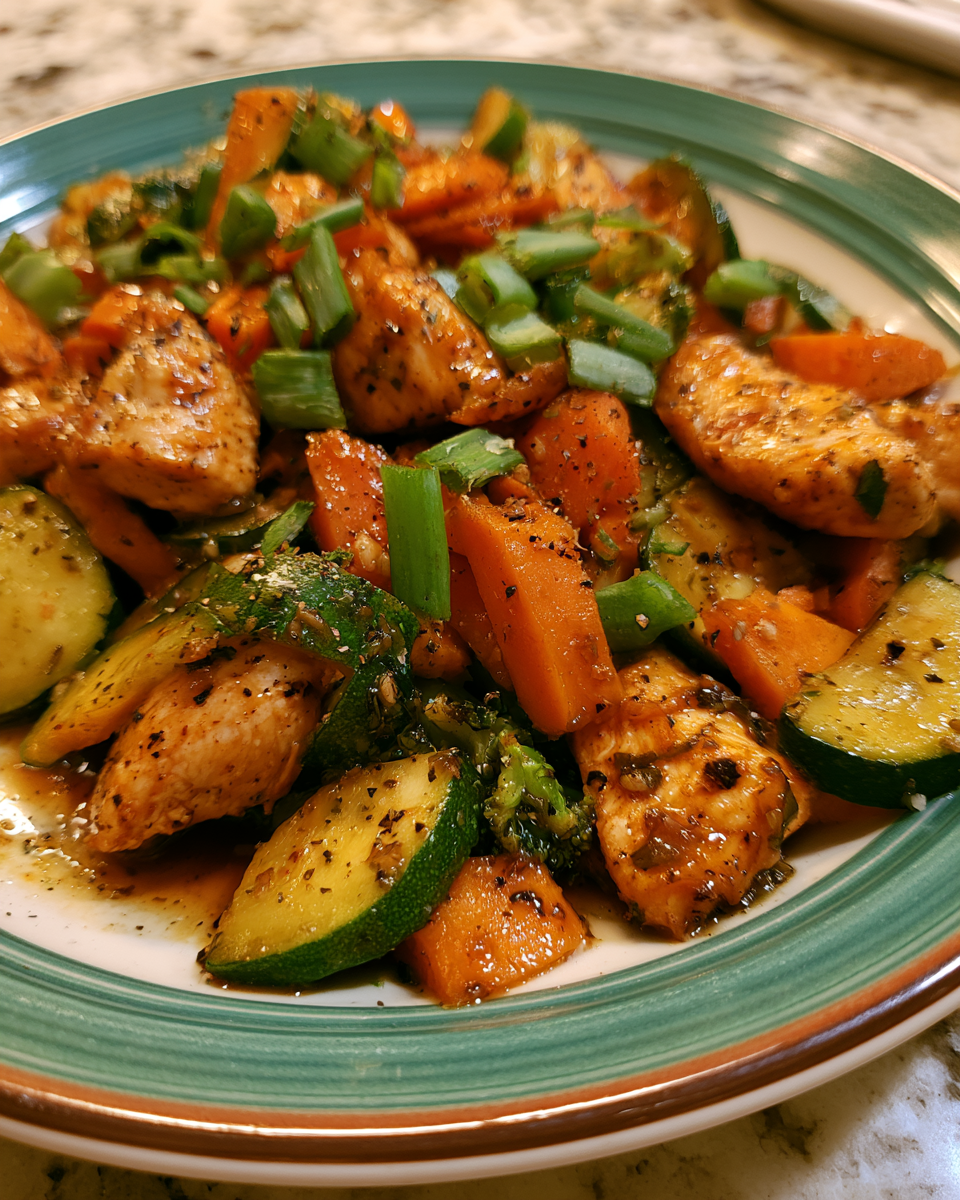
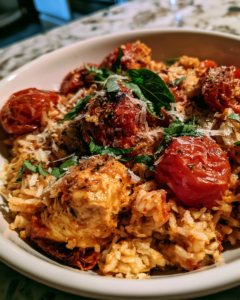
Mongolian Beef Stir Fry brings together tender slices of beef, a glossy garlic-ginger sauce, and crisp vegetables in a skillet dinner that tastes rich without requiring complicated preparation. This popular takeout-inspired dish balances savory soy sauce, brown sugar, and aromatics for a deeply satisfying meal that comes together quickly on a busy evening.
Thinly sliced flank steak cooks in minutes, giving the dish its signature texture while still staying juicy. The sauce thickens around the beef and vegetables, coating every bite with a slightly sweet and savory finish that pairs beautifully with steamed rice or noodles.
One reason Mongolian Beef Stir Fry remains a household favorite is its flexibility. Bell peppers, broccoli, snap peas, or onions can all join the skillet depending on what is available in the kitchen. The dish also reheats well, making it practical for lunches during the week.
Ingredients Overview

The heart of Mongolian Beef Stir Fry is thinly sliced beef. Flank steak is commonly used because it stays tender when cut against the grain. Sirloin also works nicely and offers a slightly softer bite. Cornstarch lightly coats the beef before cooking, helping it brown while also thickening the sauce later in the skillet.
Soy sauce forms the savory base of the dish. Low-sodium soy sauce keeps the flavor balanced without becoming overly salty. Brown sugar adds mild sweetness that blends with garlic and ginger to create the familiar restaurant-style coating. Fresh garlic brings bold aroma, while fresh ginger adds warmth and brightness.
Sesame oil contributes a toasted finish that gives the sauce extra depth. A small amount goes a long way, so only a little is needed near the end of cooking. Beef broth or water loosens the sauce and helps it spread evenly throughout the pan.
Vegetables bring color and texture. Green onions are traditional and add mild sharpness during the final moments of cooking. Broccoli, bell peppers, carrots, or snap peas add freshness and slight crunch. These vegetables also help balance the richness of the sauce.
Rice vinegar provides gentle acidity that keeps the dish from tasting heavy. Red pepper flakes are optional for mild heat. Jasmine rice is a common pairing because it absorbs the sauce beautifully, though noodles work equally well.
Ingredients
1 1/2 pounds flank steak, thinly sliced against the grain
1/4 cup cornstarch
3 tablespoons vegetable oil
1 red bell pepper, sliced
1 cup broccoli florets
4 green onions, sliced
4 cloves garlic, minced
1 tablespoon fresh ginger, grated
1/2 cup low-sodium soy sauce
1/3 cup brown sugar
1/2 cup beef broth
1 tablespoon rice vinegar
1 teaspoon sesame oil
1/4 teaspoon red pepper flakes
1 tablespoon water
1 teaspoon cornstarch
Cooked jasmine rice, for serving
Sesame seeds, for garnish
Step-by-Step Instructions
Begin by placing the sliced flank steak in a bowl with the cornstarch. Toss thoroughly so every piece carries a light coating. This coating helps create a lightly crisp exterior once the beef hits the hot skillet. Allow the beef to rest for about 10 minutes while preparing the sauce and vegetables.
In a separate bowl, whisk together soy sauce, brown sugar, beef broth, rice vinegar, and red pepper flakes. Stir until the sugar dissolves fully. In a tiny cup, combine the remaining teaspoon of cornstarch with the tablespoon of water. This slurry thickens the sauce later.
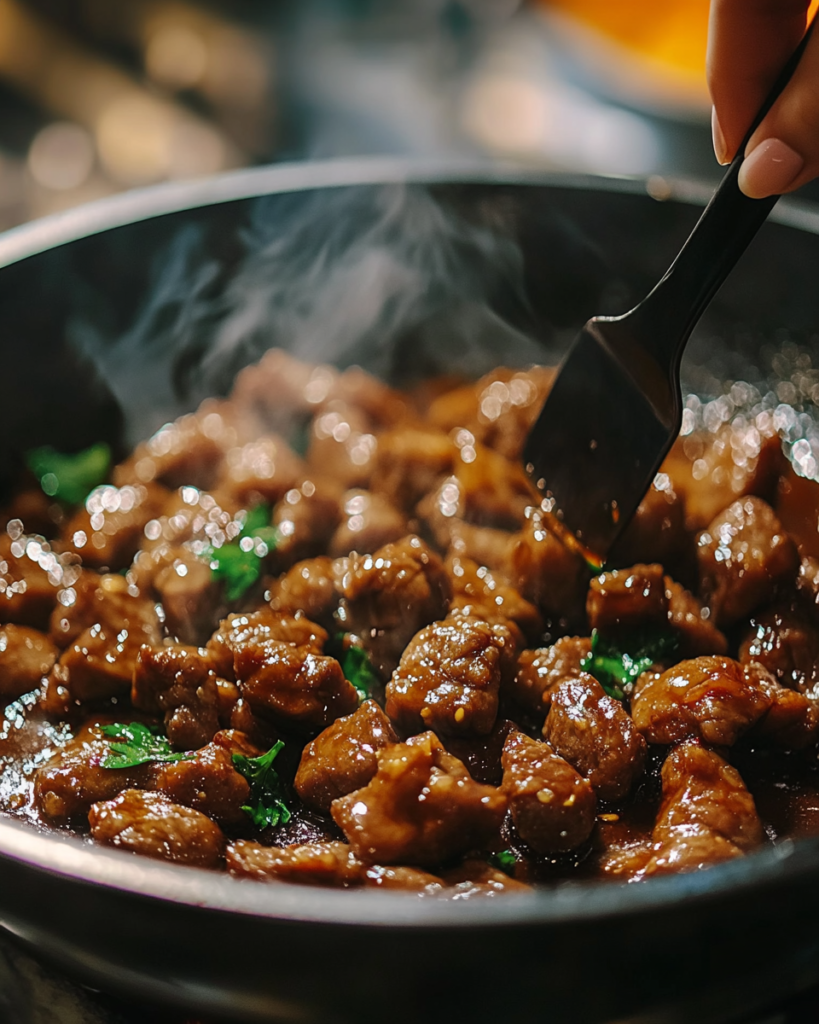
Heat a large skillet or wok over medium-high heat. Once the pan becomes hot, add 2 tablespoons of vegetable oil. Spread half the beef into the skillet in a single layer. Avoid overcrowding because crowded beef steams instead of browning. Cook for about 2 minutes per side until deep brown edges appear. Transfer the cooked beef to a plate and repeat with the remaining oil and beef.
Lower the heat slightly and add the bell pepper and broccoli. Stir frequently for 3 to 4 minutes until the vegetables begin softening while still holding slight crispness. Add the garlic and ginger, stirring constantly for about 30 seconds. Garlic burns quickly, so avoid walking away during this step.
Return the beef to the skillet. Pour in the prepared sauce and stir well so the beef and vegetables become evenly coated. Bring the mixture to a gentle simmer.
Add the cornstarch slurry while stirring continuously. Within 1 to 2 minutes, the sauce should become glossy and slightly thickened. Stir in the sesame oil and green onions near the end so their flavor stays fresh.
Taste the sauce before serving. If it feels too salty, add a splash of water or broth. If a slightly sweeter finish is preferred, stir in another teaspoon of brown sugar.
Serve the Mongolian Beef Stir Fry immediately over warm jasmine rice. Garnish with sesame seeds and extra green onions if desired.
One frequent mistake involves slicing the beef too thick. Thin slices cook rapidly and remain tender. Another issue comes from cooking over low heat, which prevents proper browning and leaves the meat gray rather than richly caramelized. Keeping the skillet hot creates the signature texture associated with restaurant-style stir fry.
Tips, Variations & Substitutions
For extra tender beef, place the steak in the freezer for about 20 minutes before slicing. Slightly chilled meat becomes easier to cut into thin, even strips.
Chicken or shrimp can replace the beef while following nearly the same cooking process. Thin chicken thighs stay juicy, while shrimp cook very quickly and should only remain in the skillet until pink and firm.
Tamari works as a suitable substitute for soy sauce in gluten-free cooking. Coconut aminos create a slightly milder and sweeter sauce. Honey may replace brown sugar for a different flavor profile, though the sauce may become slightly thinner.
Vegetables can shift with the season. Snow peas, mushrooms, zucchini, baby corn, or shredded carrots all work well in this dish. When adding watery vegetables such as zucchini, cook them briefly so the sauce does not become diluted.
For a deeper savory flavor, add a spoonful of hoisin sauce to the skillet. Crushed dried chilies or sliced fresh chilies bring stronger heat for households that enjoy spicy dinners.
Leftover Mongolian Beef Stir Fry stores nicely in the refrigerator for up to three days. Reheat gently in a skillet with a splash of broth or water to loosen the sauce.
Serving Ideas & Occasions
Mongolian Beef Stir Fry fits beautifully into weeknight dinners because it cooks rapidly while still feeling substantial. It also works nicely for casual gatherings since the dish can remain warm in a large skillet while guests serve themselves.
Steamed jasmine rice remains the classic pairing, though fried rice or lo mein noodles create a heartier meal. Light cucumber salad or stir-fried bok choy balances the savory richness of the sauce. Egg rolls or dumplings also pair naturally alongside this dish during family dinners.
For drinks, iced green tea, sparkling water with lime, or a cold lager complement the garlic and soy flavors without overpowering them.
This stir fry also suits meal preparation because the flavors deepen slightly overnight. Packed with rice and vegetables, it becomes a filling lunch that reheats quickly in the microwave or skillet.
Nutritional & Health Notes
Mongolian Beef Stir Fry offers a balanced combination of protein, vegetables, and carbohydrates when served with rice. Flank steak provides protein along with iron and vitamin B12, while broccoli and bell peppers contribute fiber and vitamins.
Using low-sodium soy sauce helps control salt levels without sacrificing flavor. Lean beef cuts also reduce excess fat while still delivering rich taste. Stir frying uses less oil than deep frying, giving the dish a lighter texture compared with many takeout meals.
Adding additional vegetables increases fiber and creates a more balanced plate. Brown rice can replace white rice for extra whole grains and a slightly nuttier flavor.
Portion size still matters because the sauce contains sugar and sodium. Serving the stir fry alongside vegetables and moderate amounts of rice creates a satisfying dinner without feeling overly heavy.
FAQs
Can I prepare Mongolian Beef Stir Fry ahead of time?
Yes, several parts of the recipe can be prepared in advance. The beef may be sliced and coated with cornstarch up to one day ahead, then stored covered in the refrigerator. The sauce can also be mixed earlier and kept chilled until cooking time. Vegetables may be washed and sliced ahead as well, which shortens preparation later in the evening. When ready to cook, the entire dish still comes together rapidly in the skillet. For the freshest texture, avoid cooking the vegetables too far ahead because they soften during storage. Fully cooked leftovers stay flavorful for several days and reheat nicely with a small splash of broth or water.
Which cut of beef works nicely for this recipe?
Flank steak remains a common choice because it cooks rapidly and stays tender when sliced thinly against the grain. Sirloin is another reliable option with a slightly softer texture. Skirt steak also works well due to its rich flavor, though it can become chewy if overcooked. Thin slicing matters more than the exact cut because stir fry cooks very quickly over high heat. A sharp knife helps create even strips that brown evenly in the skillet. Avoid stew meat or thick roast cuts because they require longer cooking methods and may stay tough during quick stir frying.
How do I keep the beef tender during cooking?
Tender beef starts with proper slicing. Always cut against the grain into thin strips so the muscle fibers remain short and easier to chew. Coating the beef lightly with cornstarch also helps protect moisture while creating a lightly crisp exterior. Another important detail involves skillet temperature. The pan should already be hot before the beef goes in. Cooking in batches prevents overcrowding, which keeps the beef from steaming. Rapid cooking over medium-high heat gives the meat browned edges while maintaining juiciness inside. Overcooking causes the beef to become dry and firm, so watch carefully during the short cooking time.
Can I prepare this dish without a wok?
Absolutely. A large heavy skillet works very well for Mongolian Beef Stir Fry. Cast iron pans hold heat beautifully and create strong browning on the beef. Stainless steel skillets also perform nicely as long as the pan becomes fully heated before cooking begins. The primary goal involves maintaining enough heat to cook the ingredients rapidly without releasing too much liquid into the pan. A wide skillet allows steam to escape more easily and helps vegetables stay crisp. Stir frequently during cooking so the sauce coats every ingredient evenly and nothing burns along the bottom of the pan.
What vegetables pair nicely with Mongolian Beef Stir Fry?
Broccoli, bell peppers, and green onions remain popular choices because they hold texture while soaking up the savory sauce. Snap peas add crispness, while mushrooms contribute earthy flavor. Carrots provide slight sweetness and color. Bok choy and cabbage also fit nicely if cooked briefly. Many households use whichever vegetables already sit in the refrigerator, making this dish practical during busy weeks. The main goal is balancing texture and flavor without overcrowding the skillet. Softer vegetables should enter later during cooking so they stay vibrant rather than turning mushy. Fresh vegetables create the most balanced texture in the finished meal.
How spicy is traditional Mongolian Beef Stir Fry?
Most versions remain mild rather than strongly spicy. The sauce focuses more on savory soy flavor balanced with garlic, ginger, and slight sweetness from brown sugar. Red pepper flakes or sliced chilies can be added for stronger heat depending on household preference. Some restaurant versions include dried chilies for extra warmth, though the dish generally stays approachable for many palates. If cooking for children or guests sensitive to spice, simply leave out the pepper flakes entirely. Hot sauce may also be served at the table so each person adjusts the heat level individually after serving.
Can leftovers be frozen successfully?
Yes, Mongolian Beef Stir Fry freezes fairly well for future meals. Allow the dish to cool completely before placing it into airtight containers. Freeze portions with rice separately if possible because rice texture sometimes changes after thawing. The stir fry keeps nicely in the freezer for about two months. Thaw overnight in the refrigerator before reheating gently in a skillet over medium heat. A small splash of broth or water helps loosen the sauce during reheating. Vegetables may soften slightly after freezing, though the flavor remains rich and satisfying. Stir frequently while reheating so the sauce returns to a smooth consistency.