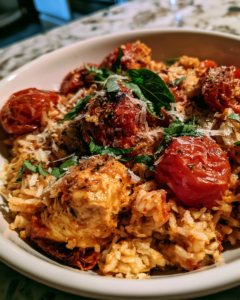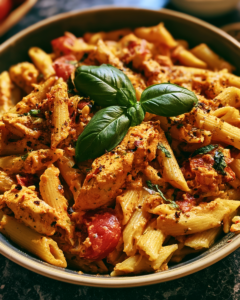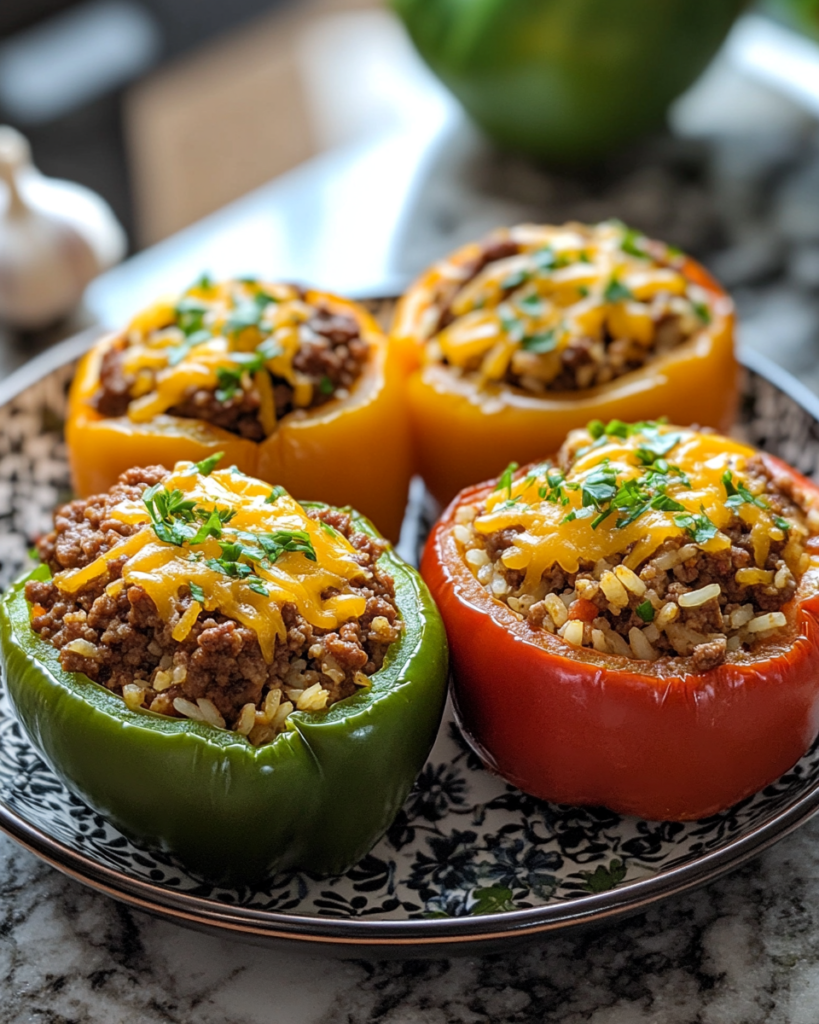
Ground Beef Stuffed Peppers bring hearty flavor, tender vegetables, and rich savory filling together in a single comforting dinner. Bell peppers hold a seasoned mixture of ground beef, rice, tomatoes, herbs, and melted cheese, creating a filling meal with balanced texture and satisfying flavor. Bright peppers soften during baking while the beef mixture stays juicy and deeply seasoned.
This classic family dinner fits busy weeknights, relaxed Sunday suppers, and casual gatherings alike. Colorful peppers create a beautiful presentation straight from the baking dish, while the filling offers rich flavor without complicated preparation. Every forkful combines tender pepper, savory beef, fluffy rice, and bubbling cheese for a timeless homemade favorite.
Ingredients Overview

Bell peppers create the foundation for this hearty dish. Large peppers with sturdy walls hold the filling well during baking while becoming tender without collapsing. Red, yellow, and orange peppers bring slight sweetness, while green peppers create a deeper savory flavor. Using mixed colors gives the finished dish attractive contrast.
Ground beef supplies rich flavor and satisfying texture. Lean ground beef works especially well because it stays juicy without leaving excess grease in the pan. A blend around 85% lean provides balanced richness while still cooking cleanly. Ground turkey or ground chicken can replace beef for lighter flavor while still creating a filling dinner.
Cooked rice helps bind the filling together and absorbs flavorful juices during baking. Long-grain white rice creates soft texture, though brown rice brings a slightly nutty flavor and firmer bite. Fresh onion and garlic deepen the savory profile while canned diced tomatoes add moisture and brightness.
Italian seasoning blends dried herbs that complement both the beef and peppers. Paprika contributes gentle warmth and subtle smokiness without overpowering the filling. Tomato sauce spread beneath and above the peppers keeps everything moist throughout baking.
Cheese finishes the dish with creamy richness and golden color. Mozzarella melts smoothly, while cheddar creates sharper flavor. Monterey Jack also works beautifully for softer creamy texture. Fresh parsley added after baking brings freshness that balances the rich filling.
Ingredients
6 large bell peppers
1 pound lean ground beef
1 cup cooked white rice
1 small onion, finely chopped
3 cloves garlic, minced
1 can diced tomatoes, drained
1 cup tomato sauce
1 teaspoon Italian seasoning
1 teaspoon paprika
1/2 teaspoon salt
1/2 teaspoon black pepper
1 tablespoon olive oil
1 cup shredded mozzarella cheese
1/2 cup shredded cheddar cheese
2 tablespoons chopped fresh parsley
1/4 cup beef broth
Step-by-Step Instructions

Preheat the oven to 375 degrees Fahrenheit. Lightly grease a large baking dish with olive oil or cooking spray. Pour half of the tomato sauce into the bottom of the dish, spreading it evenly across the surface. This layer prevents sticking and keeps the peppers moist during baking.
Slice the tops from the bell peppers and remove the seeds and membranes. If necessary, trim a thin slice from the bottoms so the peppers stand upright without tipping. Avoid cutting too deeply into the base because the filling could leak during baking.
Bring a large pot of salted water to a gentle boil. Add the peppers and cook for about 3 minutes. This brief blanching softens the peppers slightly and shortens baking time. Drain carefully and place the peppers upside down on paper towels so excess moisture drains away.
Heat olive oil in a large skillet over medium heat. Add chopped onion and cook until soft and translucent, about 4 minutes. Stir in minced garlic and cook for another 30 seconds until fragrant. Add the ground beef and cook until browned, breaking it into small crumbles with a spoon. Drain excess grease if necessary.
Stir diced tomatoes, cooked rice, paprika, Italian seasoning, salt, black pepper, and beef broth into the skillet. Simmer for about 5 minutes so the flavors blend together and excess liquid reduces slightly. The mixture should stay moist without becoming watery. Overly wet filling can cause the peppers to collapse during baking.
Fill each pepper generously with the beef mixture, pressing lightly so the filling settles evenly without becoming packed too tightly. Arrange the stuffed peppers upright in the prepared baking dish. Spoon the remaining tomato sauce across the tops and around the sides.
Cover the dish loosely with foil and bake for 30 minutes. Removing the foil too early can dry the filling before the peppers soften fully. After 30 minutes, uncover the dish and sprinkle mozzarella and cheddar across the tops of the peppers.
Return the baking dish to the oven and continue baking for another 15 to 20 minutes. The peppers should appear tender while still holding their shape. The cheese should melt completely and develop light golden spots around the edges.
Allow the stuffed peppers to rest for about 5 minutes before serving. Resting helps the filling settle and prevents juices from spilling immediately onto the plate. Scatter chopped parsley across the tops for fresh flavor and bright color before serving warm.
Tips, Variations & Substitutions
Selecting peppers with similar size helps everything finish cooking evenly. Large peppers with flat bottoms stand upright more easily and create attractive presentation during serving. Slightly undercooking the peppers during blanching prevents overly soft texture after baking.
Brown rice creates firmer texture and slightly deeper flavor compared with white rice. Quinoa also works beautifully for additional protein and lighter texture. Cauliflower rice can replace traditional rice for a lower-carbohydrate variation while still absorbing flavorful juices.
Ground turkey creates lighter flavor while Italian sausage adds richer seasoning and slightly spicy flavor. A blend of beef and sausage creates especially savory filling for colder weather meals. Vegetarian versions can include black beans, lentils, mushrooms, or chopped zucchini.
Cheese choices can shift the flavor profile dramatically. Pepper Jack contributes gentle heat, while provolone melts smoothly with mild richness. Fresh basil or oregano stirred into the filling shortly before baking creates brighter herb flavor.
Avoid overfilling the peppers because expanding rice and bubbling juices can spill during baking. If extra filling remains, spoon it around the peppers inside the baking dish so nothing goes unused.
Serving Ideas & Occasions
Ground Beef Stuffed Peppers pair beautifully with simple side dishes that complement their hearty filling without overwhelming the plate. Garlic bread, roasted potatoes, buttered green beans, or crisp garden salad all balance the rich savory flavors nicely. Steamed broccoli or roasted asparagus also create lighter contrast beside the cheesy peppers.
For beverages, sparkling water with lemon, iced tea, or medium-bodied red wine complement the richness of the beef filling. Light lager beer also pairs naturally with the savory flavors and melted cheese.
These stuffed peppers suit family dinners, meal preparation sessions, potluck gatherings, and casual entertaining. Since the peppers reheat well, they also work beautifully for weekday lunches. During cooler seasons, their warm hearty filling creates especially comforting appeal, though their colorful presentation keeps them suitable throughout the entire year.
Nutritional & Health Notes
Ground Beef Stuffed Peppers provide balanced nutrition through protein, vegetables, carbohydrates, and dairy. Bell peppers contribute vitamin C, fiber, and antioxidants while remaining relatively low in calories. Using colorful peppers adds variety of nutrients and natural sweetness without extra sugar.
Lean ground beef supplies protein and iron that help create a satisfying meal. Rice contributes carbohydrates for energy, while cheese adds calcium and creamy texture. Choosing reduced-fat cheese or leaner beef can lighten the overall richness without sacrificing flavor.
Portion control stays straightforward because each pepper functions as an individual serving. Pairing the peppers with salad or roasted vegetables creates a balanced dinner with additional fiber and nutrients.
Homemade stuffed peppers also allow complete control over sodium levels and ingredient quality. Using fresh vegetables, moderate cheese portions, and low-sodium tomato products creates a flavorful meal with balanced nutrition suitable for regular family dinners.
FAQs
Can stuffed peppers be prepared ahead of time?
Stuffed peppers work extremely well for advance preparation. The filling can be cooked and refrigerated up to two days before assembly. Peppers can also be stuffed completely, covered tightly, and refrigerated overnight before baking. Allowing the assembled peppers to sit at room temperature for about 20 minutes before baking helps them cook evenly.
If baking directly from refrigeration, additional cooking time may be necessary because the filling starts colder. Keeping extra sauce in the baking dish also helps maintain moisture during reheating. Many home cooks prefer preparing stuffed peppers ahead because the flavors blend beautifully after resting overnight in refrigeration.
Which peppers work best for stuffing?
Large bell peppers with thick walls and stable bottoms create the easiest and most reliable stuffed peppers. Red peppers taste sweeter, while green peppers offer slightly deeper savory flavor. Yellow and orange peppers provide balanced sweetness and attractive color variation.
Peppers should feel firm without wrinkles or soft spots. Similar size helps everything cook evenly during baking. Smaller peppers can still work, though they hold less filling and may finish cooking more quickly. Choosing peppers with broad openings also makes filling simpler and cleaner during assembly.
Can stuffed peppers be frozen?
Stuffed peppers freeze beautifully both before and after baking. For unbaked peppers, assemble fully and wrap tightly before freezing. Thaw overnight in refrigeration before baking normally. Fully cooked peppers can also cool completely before freezing in airtight containers.
During reheating, covering the peppers with foil helps prevent drying while warming the filling thoroughly. Frozen peppers sometimes release additional moisture after thawing, though the flavor remains rich and satisfying. Adding slightly less broth during preparation can help balance this natural moisture release during reheating.
How can overly watery stuffed peppers be avoided?
Excess liquid usually comes from watery tomatoes, undercooked filling, or peppers releasing moisture during baking. Draining canned tomatoes thoroughly before adding them to the filling helps considerably. Simmering the filling several minutes before stuffing also reduces unnecessary liquid.
Blanching peppers briefly and draining them upside down removes additional moisture before assembly. Rice helps absorb flavorful juices, though overly wet filling may still cause sogginess. Baking uncovered during the final portion of cooking also allows excess steam to escape while helping the cheese brown nicely.
Which rice varieties work well inside stuffed peppers?
Long-grain white rice remains the traditional choice because it stays tender and absorbs savory juices beautifully. Brown rice creates firmer texture and slightly nuttier flavor. Jasmine rice adds delicate aroma, while basmati stays lighter and fluffier inside the filling.
Precooked rice works especially well because it prevents uneven texture during baking. Slightly cooled rice also mixes more evenly with the beef mixture. Alternative grains such as quinoa or farro can create interesting texture variation while still providing satisfying structure inside the peppers.
How should leftovers be stored?
Leftover stuffed peppers should cool slightly before refrigeration. Store them in airtight containers for up to four days. Keeping some extra sauce beneath the peppers helps maintain moisture during reheating.
Microwave reheating works well for individual portions, though oven reheating creates better texture for larger quantities. Covering the dish loosely with foil during reheating prevents the cheese from overbrowning before the filling warms completely. Stuffed peppers often taste even richer the following day because the seasonings continue blending during refrigeration.
Can stuffed peppers stay low in carbohydrates?
Stuffed peppers can easily fit lower-carbohydrate meal plans with several simple adjustments. Replacing traditional rice with cauliflower rice significantly lowers carbohydrate content while maintaining similar texture. Extra vegetables such as mushrooms, zucchini, or spinach also increase volume naturally.
Using lean beef and moderate cheese portions creates balanced richness without excessive heaviness. Tomato sauce with lower sugar content keeps the flavors savory and fresh. Even with these lighter adjustments, the peppers still deliver satisfying flavor, hearty texture, and filling protein suitable for family dinners.