Slow Cooker Beef and Gravy: 5 Ultimate Comforting Bowls

Posted on

Uncategorized

Difficulty

Prep time

Cooking time

Total time

Servings

Slow Cooker Beef and Gravy brings rich flavor, fork-tender beef, and a thick savory sauce together in a dish that suits chilly evenings, family suppers, and relaxed weekend cooking. The slow cooker handles nearly all the work, allowing the beef to simmer gently for hours until every bite turns tender and deeply seasoned.

This hearty classic pairs beautifully with mashed potatoes, rice, buttered noodles, or warm biscuits. The gravy develops a velvety texture from beef broth, onions, and slow-cooked drippings, creating a filling dinner with very little hands-on preparation.

A slow simmer allows the beef to absorb every layer of seasoning while staying juicy rather than dry. Chuck roast remains a favorite choice because its marbling softens during cooking, creating succulent pieces that practically fall apart with a fork.

Ingredients Overview

The foundation of Slow Cooker Beef and Gravy starts with a well-marbled beef roast. Chuck roast works especially well because the connective tissue softens slowly during cooking, resulting in tender shredded beef and a naturally rich sauce. Stew meat also works, although the texture may stay slightly firmer.

Onion adds sweetness and depth while garlic contributes a savory backbone that balances the richness of the beef. Beef broth forms the base of the gravy and carries seasoning throughout the cooking process. Worcestershire sauce adds a subtle savory richness that deepens the overall flavor without overpowering the dish.

Cornstarch thickens the gravy near the end of cooking. Flour may also work, though cornstarch creates a smoother finish. Thyme and black pepper bring warmth and balance, while a small amount of paprika adds gentle earthy flavor.

Cream of mushroom soup is frequently used in traditional versions because it creates a silky gravy and blends naturally with the beef juices. Cream of onion or cream of celery soup can replace it without changing the overall character of the meal too much.

Butter rounds out the gravy and gives the sauce a glossy texture. Fresh parsley scattered across the finished dish adds freshness and color that balances the hearty richness of the meal.

Ingredients

3 pounds chuck roast

1 teaspoon salt

1 teaspoon black pepper

1 teaspoon paprika

1 tablespoon olive oil

1 large yellow onion, sliced

4 cloves garlic, minced

2 cups beef broth

1 tablespoon Worcestershire sauce

1 teaspoon dried thyme

1 can cream of mushroom soup

2 tablespoons butter

2 tablespoons cornstarch

3 tablespoons cold water

2 tablespoons chopped parsley

Mashed potatoes, rice, or egg noodles for serving

Step-by-Step Instructions
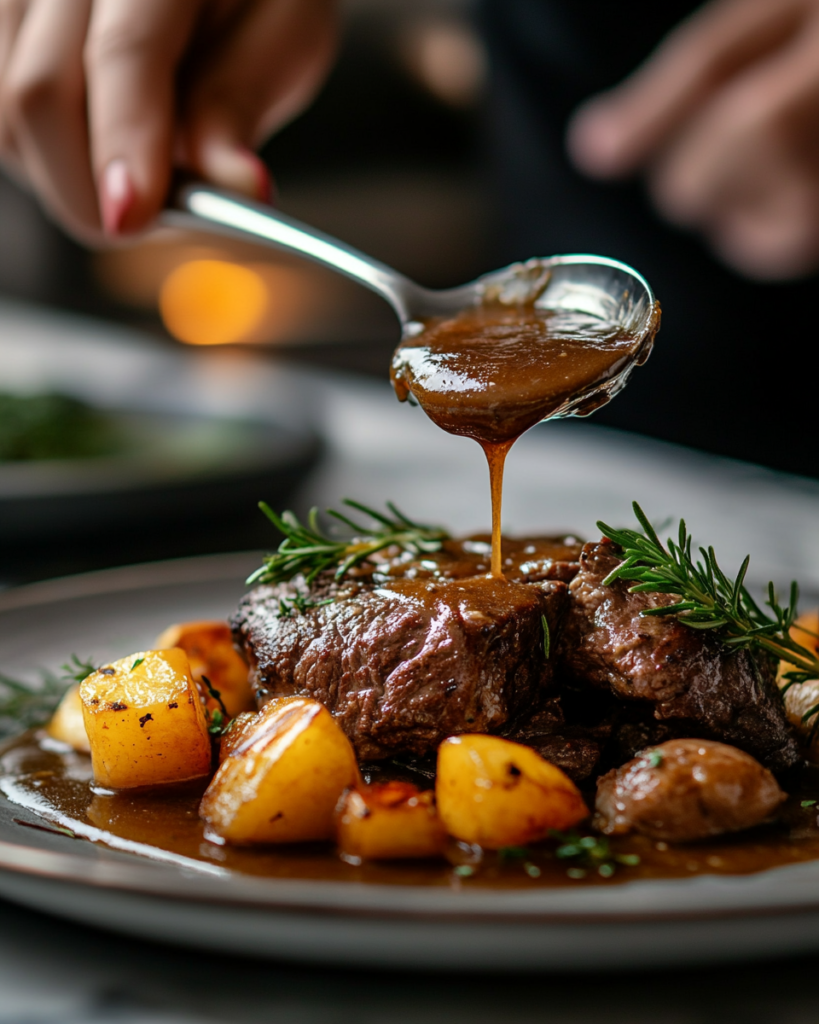
Pat the chuck roast dry with paper towels. Season all sides with salt, black pepper, and paprika. Drying the beef first helps the surface brown properly and creates richer flavor throughout the finished gravy.

Heat olive oil in a large skillet over medium-high heat. Sear the roast for about 3 minutes per side until a deep brown crust forms. This step adds depth to the final sauce and prevents the beef from tasting flat after several hours in the slow cooker.

Place the sliced onions in the bottom of the slow cooker. Set the browned roast on top of the onions. Scatter the minced garlic around the beef.

In a medium bowl, whisk together the beef broth, Worcestershire sauce, thyme, and cream of mushroom soup until smooth. Pour the mixture around the roast rather than directly over the top so the seasoning spreads evenly.

Cover the slow cooker with the lid and cook on low for 8 hours or high for 5 to 6 hours. Low heat usually produces the most tender texture because the connective tissue breaks down gradually.

Avoid opening the lid frequently during cooking. Each lift releases heat and extends the cooking time. The roast is ready when a fork slides easily into the center and the meat pulls apart without resistance.

Transfer the cooked beef to a plate and tent loosely with foil. Skim excess fat from the cooking liquid if desired.

Whisk cornstarch with cold water in a small bowl until smooth. Stir the mixture into the slow cooker liquid along with the butter. Turn the slow cooker to high and cook uncovered for about 10 to 15 minutes until the gravy thickens.

Shred or slice the beef and return it to the gravy. Stir gently so the meat stays tender.

Taste the gravy before serving. Additional salt or pepper may be needed depending on the broth used. If the gravy becomes too thick, stir in a splash of broth. If it stays thin, allow another few minutes of simmering uncovered.

Serve the beef hot over mashed potatoes, buttered noodles, or steamed rice with extra gravy spooned across the top.

Tips, Variations & Substitutions

For deeper flavor, add sliced mushrooms during the final two hours of cooking. They absorb the savory broth beautifully and pair naturally with the beef gravy.

Carrots and celery create a heartier version suitable for cold-weather suppers. Add them beneath the roast so they soften slowly in the cooking liquid.

A packet of onion soup mix can replace part of the seasoning for a slightly richer onion flavor. Reduced-sodium broth works nicely for cooks who prefer lighter seasoning.

If chuck roast is unavailable, brisket or bottom round may also work. Leaner cuts should stay closely monitored because they can dry out more easily during long cooking periods.

For a dairy-free version, skip the butter and use a dairy-free condensed soup alternative. Gluten-free cornstarch thickens the gravy without flour, creating a naturally gluten-free sauce when paired with gluten-free soup and broth.

Fresh rosemary or thyme sprigs bring additional aroma. Remove the herb stems before serving.

Leftover beef and gravy reheat beautifully the following day and often taste even richer after resting overnight in the refrigerator.

Serving Ideas & Occasions

Slow Cooker Beef and Gravy suits family dinners, relaxed Sunday suppers, potluck gatherings, and cold-weather holiday meals. Since the slow cooker handles the lengthy cooking process, it also works nicely for busy weekdays.

Creamy mashed potatoes remain the classic pairing because they absorb the rich gravy beautifully. Buttered egg noodles create a cozy alternative with slightly firmer texture. White rice or fluffy biscuits also complement the savory sauce.

Roasted green beans, glazed carrots, or simple steamed broccoli provide fresh balance alongside the rich beef. Crisp side salads with vinaigrette dressing bring brightness to the plate.

Iced tea, sparkling water, or dark roast coffee pair nicely with the savory richness of the dish. During colder months, warm dinner rolls and extra gravy create an especially comforting meal for gatherings around the table.

Nutritional & Health Notes

Slow Cooker Beef and Gravy delivers substantial protein from the chuck roast, helping create a filling and satisfying dinner. Beef also contributes iron, zinc, and B vitamins that support a balanced diet.

The gravy contains sodium from broth and condensed soup, so lower-sodium versions may help create a lighter dish. Using leaner cuts of beef slightly reduces fat content, although marbled chuck roast usually produces the most tender texture.

Serving the beef alongside vegetables such as broccoli, carrots, or green beans adds fiber and balance to the meal. Mashed cauliflower may replace potatoes for a lighter side option.

Portion size also plays a role in balance. Since the gravy is rich and savory, smaller servings paired with vegetables often feel satisfying without becoming overly heavy.

Preparing this dish at home allows control over seasoning, broth quality, and ingredient selection while avoiding many preservatives commonly found in prepared frozen meals.

FAQs

Can I cook Slow Cooker Beef and Gravy overnight?

Yes, overnight cooking works very well when the slow cooker stays set to low heat. Many cooks place the ingredients into the slow cooker before bedtime and wake up to tender beef ready for shredding. Low heat helps the roast stay juicy and prevents the gravy from scorching around the edges.

If cooking overnight, keep the liquid level accurate so the roast stays partially surrounded by broth throughout the process. Once cooking finishes, the beef can remain on the warm setting for a short period before serving. Avoid leaving it on warm for several extra hours because the meat may gradually lose moisture and the gravy may become overly thick.

Which beef cut works best for this recipe?

Chuck roast remains the favorite choice because its marbling softens during slow cooking and creates tender shredded beef. The connective tissue gradually melts into the gravy, adding richness and silky texture that leaner cuts cannot always provide.

Bottom round and brisket also work, although they may produce slightly different textures. Lean cuts can dry out more easily, especially if cooked too long on high heat. Stew meat may work for quicker preparation, though larger roasts usually stay more tender.

Bone-in chuck roast creates especially rich gravy because the bone contributes additional flavor during cooking. Trim only very thick fat sections before cooking while leaving moderate marbling intact for moisture.

Can I freeze leftovers?

Slow Cooker Beef and Gravy freezes very well. Allow the beef and gravy to cool fully before transferring them into airtight freezer containers or freezer bags. Keeping some extra gravy with the beef helps maintain moisture during reheating.

Frozen portions generally keep their quality for about three months. Thaw overnight in the refrigerator before reheating gently on the stovetop or in the microwave. Stir occasionally while warming so the gravy stays smooth.

If the gravy thickens too much after thawing, add a splash of broth while reheating. Mashed potatoes may freeze less successfully than the beef itself, so many cooks prefer preparing fresh side dishes when serving thawed leftovers.

Why did my gravy turn thin?

Thin gravy usually happens when the cooking liquid contains excess moisture from the beef or vegetables. Some roasts naturally release large amounts of liquid during long cooking periods, especially when cooked on high heat.

A cornstarch slurry thickens the sauce effectively near the end of cooking. Always mix cornstarch with cold water first to prevent lumps. Stir it into the hot liquid gradually while the slow cooker stays on high.

Cooking uncovered for several minutes also helps excess liquid evaporate naturally. If the gravy still appears thin, an additional small amount of slurry may help. Avoid adding dry cornstarch directly into the slow cooker because clumps can form quickly.

Can I add vegetables directly into the slow cooker?

Yes, vegetables work beautifully in this dish. Carrots, celery, mushrooms, and potatoes absorb the rich broth and become tender during the lengthy cooking process.

Firm vegetables such as carrots and potatoes should go into the slow cooker at the beginning because they require several hours to soften properly. Mushrooms may enter later if a firmer texture is preferred.

Place vegetables beneath the roast whenever possible so they cook evenly in the hot liquid. Cutting them into similar sizes helps everything finish cooking at roughly the same time. Avoid overly delicate vegetables because they may become mushy after several hours.

Is browning the beef really necessary?

Browning the beef adds substantial flavor to both the roast and the gravy. The caramelized crust formed during searing creates deeper savory notes that cannot fully develop inside the slow cooker alone.

Although skipping this step saves a few minutes, the final dish may taste milder and less rich. A hot skillet and dry roast surface help create proper browning quickly without steaming the meat.

If pressed for time, even a quick sear on two sides still contributes noticeable flavor. Deglazing the skillet with a splash of broth afterward allows all those browned bits to enter the slow cooker and enrich the gravy further.

How should leftovers be stored?

Store leftovers in airtight containers inside the refrigerator within two hours after cooking. The beef and gravy usually stay fresh for up to four days when refrigerated properly.

Keeping the beef submerged in gravy helps maintain tenderness during storage. Reheat gently over medium-low heat on the stovetop or in short microwave intervals while stirring occasionally.

If the gravy thickens in the refrigerator, stir in a small amount of broth or water during reheating. Leftovers also work beautifully inside sandwiches, over baked potatoes, or spooned across toasted bread for a hearty next-day meal.

[rank_math_breadcrumb]

Slow Cooker Beef and Gravy: 5 Ultimate Comforting Bowls

Photo of author
Author: liv
Published:

Slow Cooker Beef and Gravy brings rich flavor, fork-tender beef, and a thick savory sauce together in a dish that suits chilly evenings, family suppers, and relaxed weekend cooking. The slow cooker handles nearly all the work, allowing the beef to simmer gently for hours until every bite turns tender and deeply seasoned.

This hearty classic pairs beautifully with mashed potatoes, rice, buttered noodles, or warm biscuits. The gravy develops a velvety texture from beef broth, onions, and slow-cooked drippings, creating a filling dinner with very little hands-on preparation.

A slow simmer allows the beef to absorb every layer of seasoning while staying juicy rather than dry. Chuck roast remains a favorite choice because its marbling softens during cooking, creating succulent pieces that practically fall apart with a fork.

Ingredients Overview

The foundation of Slow Cooker Beef and Gravy starts with a well-marbled beef roast. Chuck roast works especially well because the connective tissue softens slowly during cooking, resulting in tender shredded beef and a naturally rich sauce. Stew meat also works, although the texture may stay slightly firmer.

Onion adds sweetness and depth while garlic contributes a savory backbone that balances the richness of the beef. Beef broth forms the base of the gravy and carries seasoning throughout the cooking process. Worcestershire sauce adds a subtle savory richness that deepens the overall flavor without overpowering the dish.

Cornstarch thickens the gravy near the end of cooking. Flour may also work, though cornstarch creates a smoother finish. Thyme and black pepper bring warmth and balance, while a small amount of paprika adds gentle earthy flavor.

Cream of mushroom soup is frequently used in traditional versions because it creates a silky gravy and blends naturally with the beef juices. Cream of onion or cream of celery soup can replace it without changing the overall character of the meal too much.

Butter rounds out the gravy and gives the sauce a glossy texture. Fresh parsley scattered across the finished dish adds freshness and color that balances the hearty richness of the meal.

Ingredients

3 pounds chuck roast

1 teaspoon salt

1 teaspoon black pepper

1 teaspoon paprika

1 tablespoon olive oil

1 large yellow onion, sliced

4 cloves garlic, minced

2 cups beef broth

1 tablespoon Worcestershire sauce

1 teaspoon dried thyme

1 can cream of mushroom soup

2 tablespoons butter

2 tablespoons cornstarch

3 tablespoons cold water

2 tablespoons chopped parsley

Mashed potatoes, rice, or egg noodles for serving

Step-by-Step Instructions

Pat the chuck roast dry with paper towels. Season all sides with salt, black pepper, and paprika. Drying the beef first helps the surface brown properly and creates richer flavor throughout the finished gravy.

Heat olive oil in a large skillet over medium-high heat. Sear the roast for about 3 minutes per side until a deep brown crust forms. This step adds depth to the final sauce and prevents the beef from tasting flat after several hours in the slow cooker.

Place the sliced onions in the bottom of the slow cooker. Set the browned roast on top of the onions. Scatter the minced garlic around the beef.

In a medium bowl, whisk together the beef broth, Worcestershire sauce, thyme, and cream of mushroom soup until smooth. Pour the mixture around the roast rather than directly over the top so the seasoning spreads evenly.

Cover the slow cooker with the lid and cook on low for 8 hours or high for 5 to 6 hours. Low heat usually produces the most tender texture because the connective tissue breaks down gradually.

Avoid opening the lid frequently during cooking. Each lift releases heat and extends the cooking time. The roast is ready when a fork slides easily into the center and the meat pulls apart without resistance.

Transfer the cooked beef to a plate and tent loosely with foil. Skim excess fat from the cooking liquid if desired.

Whisk cornstarch with cold water in a small bowl until smooth. Stir the mixture into the slow cooker liquid along with the butter. Turn the slow cooker to high and cook uncovered for about 10 to 15 minutes until the gravy thickens.

Shred or slice the beef and return it to the gravy. Stir gently so the meat stays tender.

Taste the gravy before serving. Additional salt or pepper may be needed depending on the broth used. If the gravy becomes too thick, stir in a splash of broth. If it stays thin, allow another few minutes of simmering uncovered.

Serve the beef hot over mashed potatoes, buttered noodles, or steamed rice with extra gravy spooned across the top.

Tips, Variations & Substitutions

For deeper flavor, add sliced mushrooms during the final two hours of cooking. They absorb the savory broth beautifully and pair naturally with the beef gravy.

Carrots and celery create a heartier version suitable for cold-weather suppers. Add them beneath the roast so they soften slowly in the cooking liquid.

A packet of onion soup mix can replace part of the seasoning for a slightly richer onion flavor. Reduced-sodium broth works nicely for cooks who prefer lighter seasoning.

If chuck roast is unavailable, brisket or bottom round may also work. Leaner cuts should stay closely monitored because they can dry out more easily during long cooking periods.

For a dairy-free version, skip the butter and use a dairy-free condensed soup alternative. Gluten-free cornstarch thickens the gravy without flour, creating a naturally gluten-free sauce when paired with gluten-free soup and broth.

Fresh rosemary or thyme sprigs bring additional aroma. Remove the herb stems before serving.

Leftover beef and gravy reheat beautifully the following day and often taste even richer after resting overnight in the refrigerator.

Serving Ideas & Occasions

Slow Cooker Beef and Gravy suits family dinners, relaxed Sunday suppers, potluck gatherings, and cold-weather holiday meals. Since the slow cooker handles the lengthy cooking process, it also works nicely for busy weekdays.

Creamy mashed potatoes remain the classic pairing because they absorb the rich gravy beautifully. Buttered egg noodles create a cozy alternative with slightly firmer texture. White rice or fluffy biscuits also complement the savory sauce.

Roasted green beans, glazed carrots, or simple steamed broccoli provide fresh balance alongside the rich beef. Crisp side salads with vinaigrette dressing bring brightness to the plate.

Iced tea, sparkling water, or dark roast coffee pair nicely with the savory richness of the dish. During colder months, warm dinner rolls and extra gravy create an especially comforting meal for gatherings around the table.

Nutritional & Health Notes

Slow Cooker Beef and Gravy delivers substantial protein from the chuck roast, helping create a filling and satisfying dinner. Beef also contributes iron, zinc, and B vitamins that support a balanced diet.

The gravy contains sodium from broth and condensed soup, so lower-sodium versions may help create a lighter dish. Using leaner cuts of beef slightly reduces fat content, although marbled chuck roast usually produces the most tender texture.

Serving the beef alongside vegetables such as broccoli, carrots, or green beans adds fiber and balance to the meal. Mashed cauliflower may replace potatoes for a lighter side option.

Portion size also plays a role in balance. Since the gravy is rich and savory, smaller servings paired with vegetables often feel satisfying without becoming overly heavy.

Preparing this dish at home allows control over seasoning, broth quality, and ingredient selection while avoiding many preservatives commonly found in prepared frozen meals.

FAQs

Can I cook Slow Cooker Beef and Gravy overnight?

Yes, overnight cooking works very well when the slow cooker stays set to low heat. Many cooks place the ingredients into the slow cooker before bedtime and wake up to tender beef ready for shredding. Low heat helps the roast stay juicy and prevents the gravy from scorching around the edges.

If cooking overnight, keep the liquid level accurate so the roast stays partially surrounded by broth throughout the process. Once cooking finishes, the beef can remain on the warm setting for a short period before serving. Avoid leaving it on warm for several extra hours because the meat may gradually lose moisture and the gravy may become overly thick.

Which beef cut works best for this recipe?

Chuck roast remains the favorite choice because its marbling softens during slow cooking and creates tender shredded beef. The connective tissue gradually melts into the gravy, adding richness and silky texture that leaner cuts cannot always provide.

Bottom round and brisket also work, although they may produce slightly different textures. Lean cuts can dry out more easily, especially if cooked too long on high heat. Stew meat may work for quicker preparation, though larger roasts usually stay more tender.

Bone-in chuck roast creates especially rich gravy because the bone contributes additional flavor during cooking. Trim only very thick fat sections before cooking while leaving moderate marbling intact for moisture.

Can I freeze leftovers?

Slow Cooker Beef and Gravy freezes very well. Allow the beef and gravy to cool fully before transferring them into airtight freezer containers or freezer bags. Keeping some extra gravy with the beef helps maintain moisture during reheating.

Frozen portions generally keep their quality for about three months. Thaw overnight in the refrigerator before reheating gently on the stovetop or in the microwave. Stir occasionally while warming so the gravy stays smooth.

If the gravy thickens too much after thawing, add a splash of broth while reheating. Mashed potatoes may freeze less successfully than the beef itself, so many cooks prefer preparing fresh side dishes when serving thawed leftovers.

Why did my gravy turn thin?

Thin gravy usually happens when the cooking liquid contains excess moisture from the beef or vegetables. Some roasts naturally release large amounts of liquid during long cooking periods, especially when cooked on high heat.

A cornstarch slurry thickens the sauce effectively near the end of cooking. Always mix cornstarch with cold water first to prevent lumps. Stir it into the hot liquid gradually while the slow cooker stays on high.

Cooking uncovered for several minutes also helps excess liquid evaporate naturally. If the gravy still appears thin, an additional small amount of slurry may help. Avoid adding dry cornstarch directly into the slow cooker because clumps can form quickly.

Can I add vegetables directly into the slow cooker?

Yes, vegetables work beautifully in this dish. Carrots, celery, mushrooms, and potatoes absorb the rich broth and become tender during the lengthy cooking process.

Firm vegetables such as carrots and potatoes should go into the slow cooker at the beginning because they require several hours to soften properly. Mushrooms may enter later if a firmer texture is preferred.

Place vegetables beneath the roast whenever possible so they cook evenly in the hot liquid. Cutting them into similar sizes helps everything finish cooking at roughly the same time. Avoid overly delicate vegetables because they may become mushy after several hours.

Is browning the beef really necessary?

Browning the beef adds substantial flavor to both the roast and the gravy. The caramelized crust formed during searing creates deeper savory notes that cannot fully develop inside the slow cooker alone.

Although skipping this step saves a few minutes, the final dish may taste milder and less rich. A hot skillet and dry roast surface help create proper browning quickly without steaming the meat.

If pressed for time, even a quick sear on two sides still contributes noticeable flavor. Deglazing the skillet with a splash of broth afterward allows all those browned bits to enter the slow cooker and enrich the gravy further.

How should leftovers be stored?

Store leftovers in airtight containers inside the refrigerator within two hours after cooking. The beef and gravy usually stay fresh for up to four days when refrigerated properly.

Keeping the beef submerged in gravy helps maintain tenderness during storage. Reheat gently over medium-low heat on the stovetop or in short microwave intervals while stirring occasionally.

If the gravy thickens in the refrigerator, stir in a small amount of broth or water during reheating. Leftovers also work beautifully inside sandwiches, over baked potatoes, or spooned across toasted bread for a hearty next-day meal.
Name

Lorem ipsum dolor sit amet, consectetur adipiscing elit. Suspendisse varius enim in eros elementum tristique. Duis cursus, mi quis viverra ornare, eros dolor interdum nulla, ut commodo diam libero vitae erat.

You Might Also Like...

Egg & Pasta Budget Spaghetti Frittata: 5 Simple Happy Bites

Egg & Pasta Budget Spaghetti Frittata: 5 Simple Happy Bites

Dollar Stretcher Spaghetti with Canned Tomatoes: 5 Simple Delighted

Dollar Stretcher Spaghetti with Canned Tomatoes: 5 Simple Delighted

Roasted Vegetable Homemade Spaghetti Sauce: 7 Authentic Comforting Ideas

Roasted Vegetable Homemade Spaghetti Sauce: 7 Authentic Comforting Ideas

Fresh Tomato Homemade Spaghetti Sauce: 7 Authentic Hope

Fresh Tomato Homemade Spaghetti Sauce: 7 Authentic Hope

Tags:

You might also like these recipes

Leave a Comment