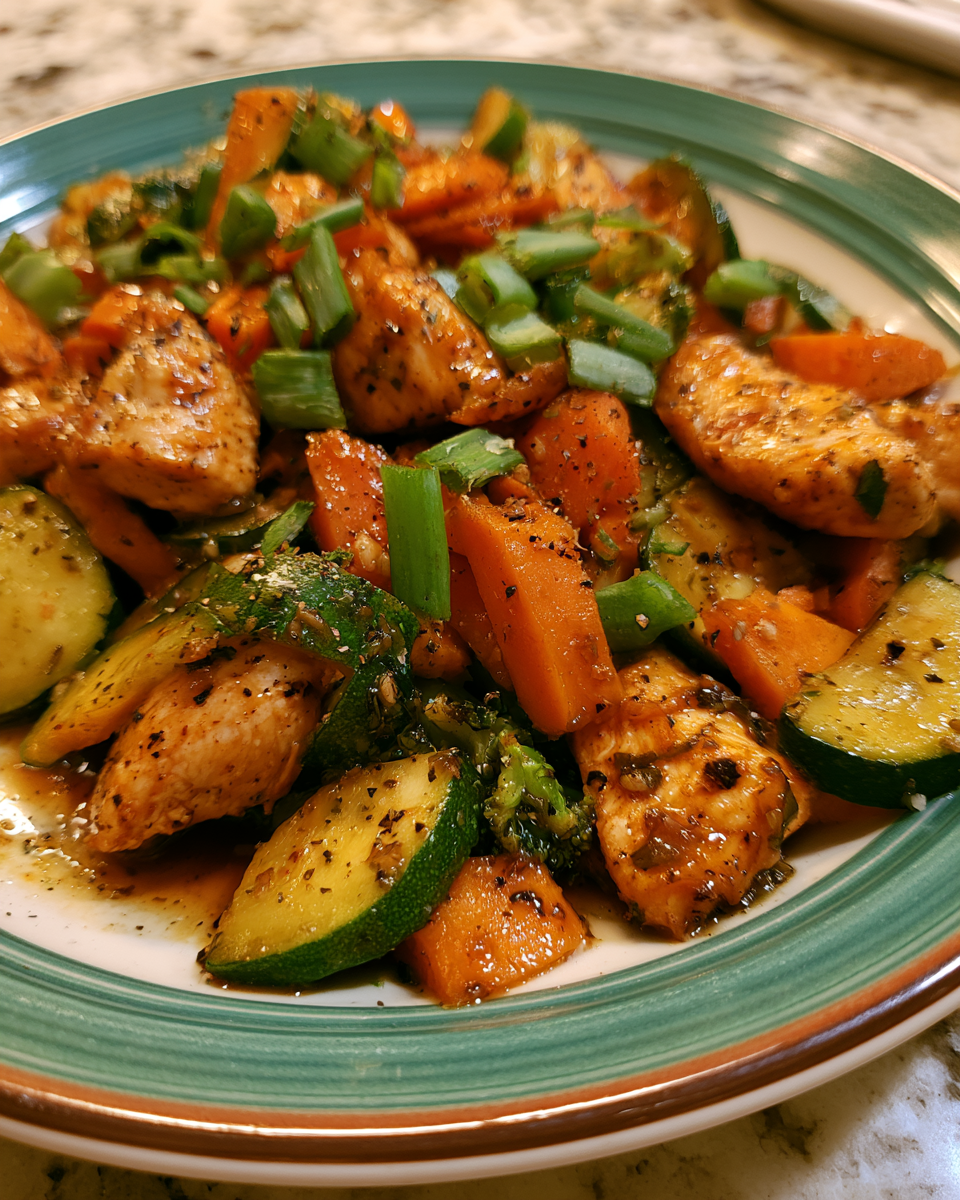
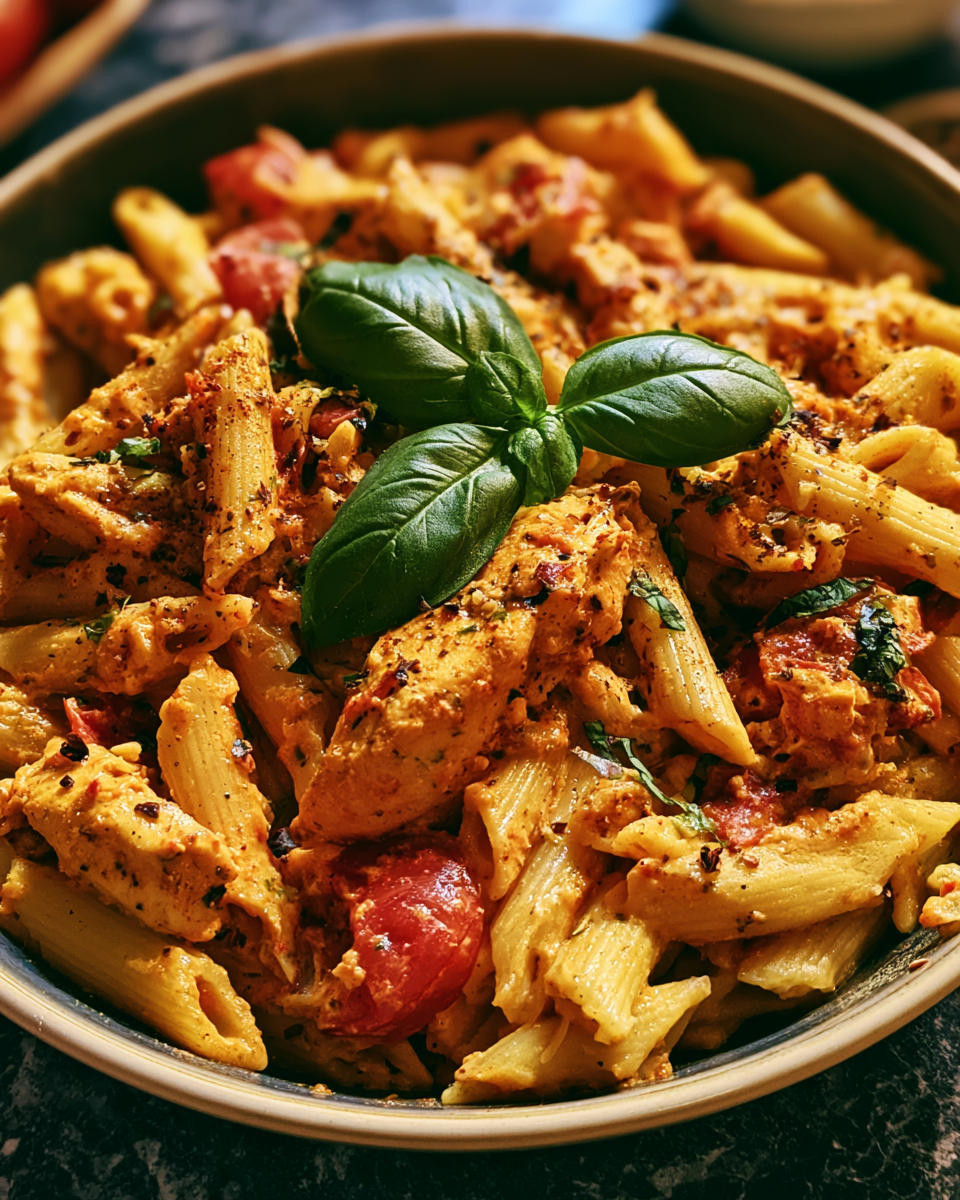
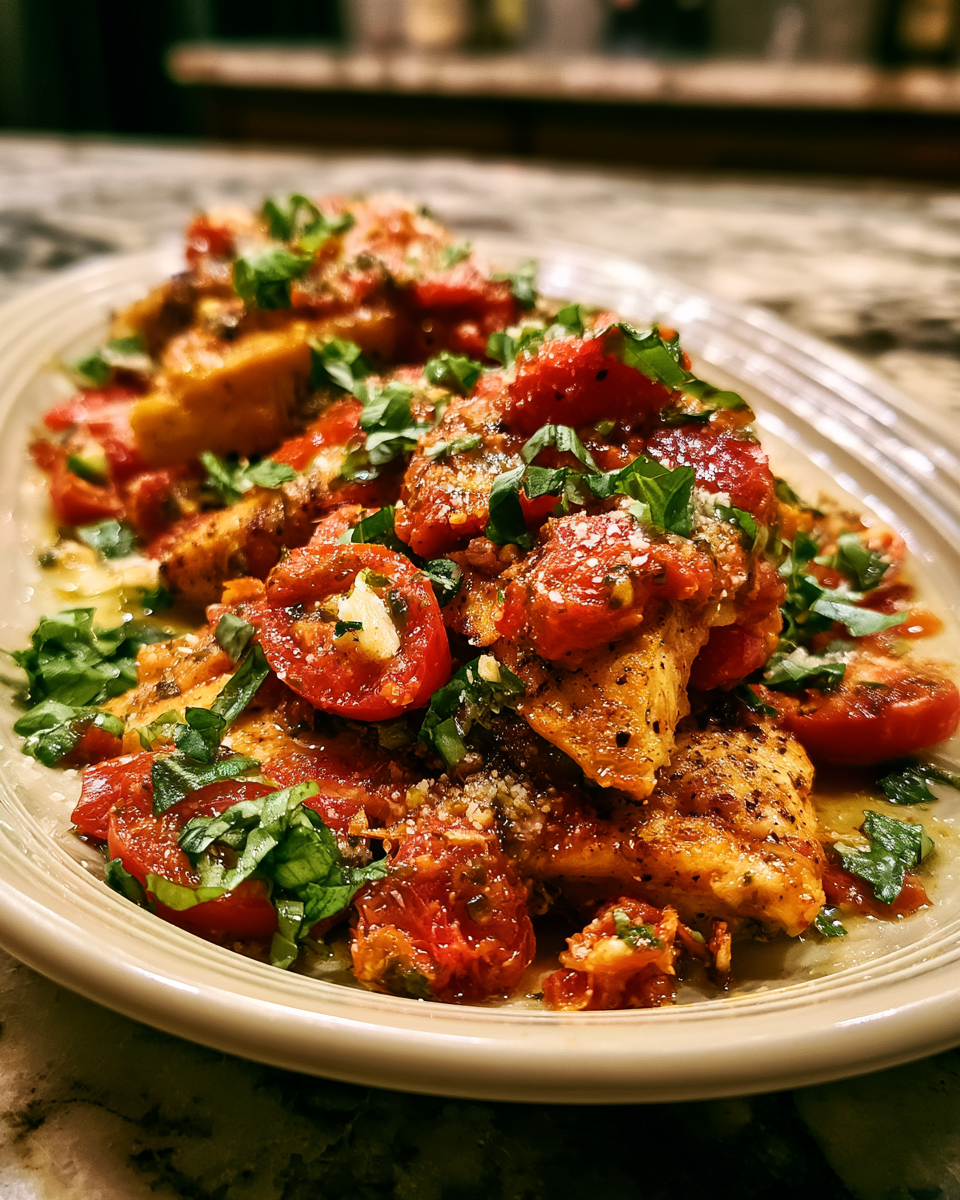
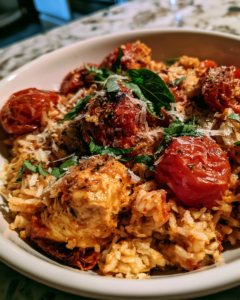
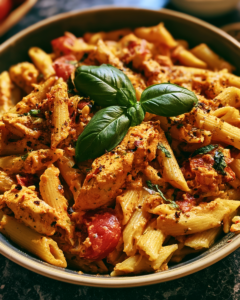
Crispy Parmesan Crusted Beef Cutlets bring together tender slices of beef, a deeply savory coating, and a golden crust that crackles with every bite. Thin beef cutlets cook quickly, making this dish practical for busy evenings while still carrying the rich flavor usually connected with slower cooked meals. The Parmesan coating forms a crisp outer layer that pairs beautifully with the juicy center, creating a balanced texture throughout each serving.
This recipe works beautifully for family dinners, casual gatherings, or hearty weekend lunches. The combination of breadcrumbs, Parmesan cheese, and gentle seasoning creates a satisfying crust without overpowering the natural flavor of the beef. A quick pan fry gives the coating its rich golden finish while keeping the inside tender.
Crispy Parmesan Crusted Beef Cutlets pair beautifully with roasted vegetables, mashed potatoes, buttered noodles, or a crisp green salad. The recipe also reheats surprisingly well, making leftovers suitable for sandwiches, wraps, or grain bowls the following day.
Ingredients Overview
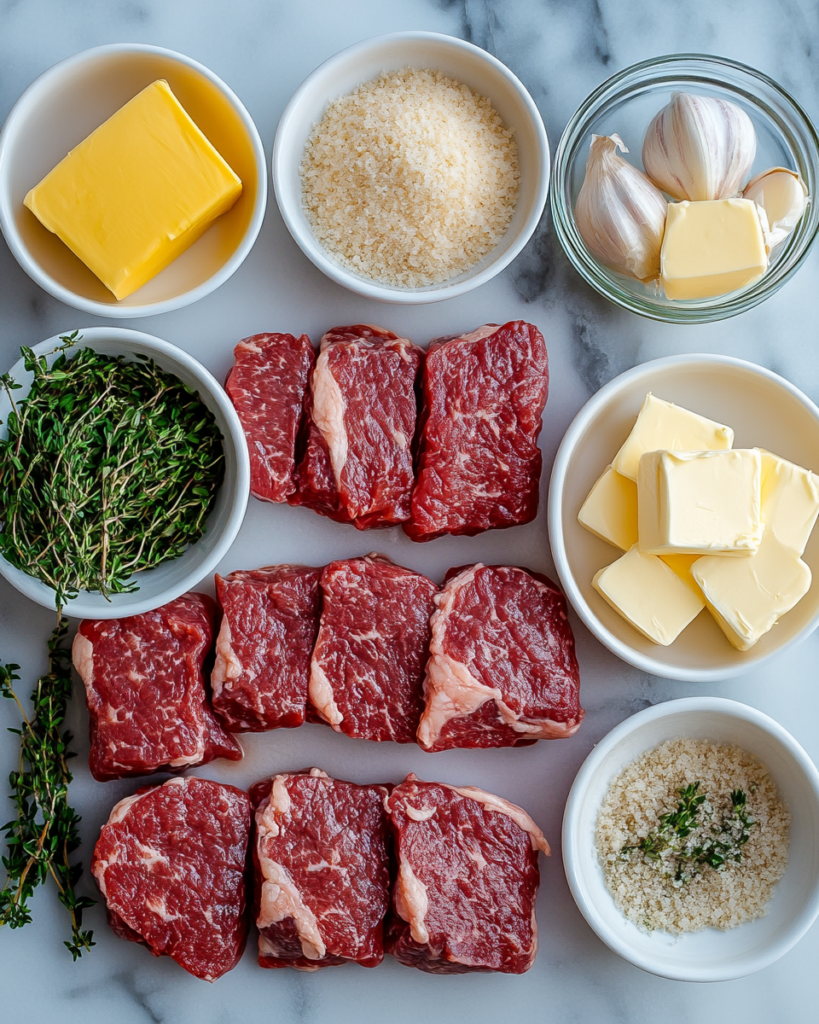
Thin beef cutlets form the foundation of this recipe. Cuts such as sirloin, top round, or cube steak work beautifully because they cook rapidly while staying tender when lightly pounded. Thin slices also allow the crust to brown evenly before the meat dries out.
Parmesan cheese contributes salty richness and helps create the deeply golden exterior. Freshly grated Parmesan melts smoothly into the breadcrumb coating and develops a nutty flavor during cooking. Avoid shelf-stable powdered cheese because it can burn rapidly and create a gritty texture.
Breadcrumbs give the coating structure. Panko breadcrumbs create a lighter, crispier surface, while traditional fine breadcrumbs produce a denser crust. Many cooks combine both styles for balanced texture.
Eggs help the coating cling firmly to the beef. A small amount of milk mixed into the eggs softens the coating slightly and helps create even coverage across the surface of the meat.
Garlic powder, paprika, salt, and black pepper season the crust without masking the beef. Italian seasoning adds subtle herb flavor that pairs naturally with Parmesan cheese.
Olive oil and butter form the cooking base. Olive oil handles heat well, while butter contributes rich flavor and helps the crust brown evenly. Cooking with both creates balanced flavor and color.
For substitutions, chicken cutlets or pork cutlets can replace beef. Gluten-free breadcrumbs work successfully for gluten-sensitive diners, and Pecorino Romano can replace Parmesan for a sharper flavor profile.
Ingredients
1 1/2 pounds thin beef cutlets
1 cup panko breadcrumbs
1/2 cup fine breadcrumbs
3/4 cup freshly grated Parmesan cheese
2 large eggs
2 tablespoons milk
1 teaspoon garlic powder
1 teaspoon paprika
1 teaspoon Italian seasoning
1 teaspoon salt
1/2 teaspoon black pepper
1/4 cup all-purpose flour
3 tablespoons olive oil
2 tablespoons butter
2 tablespoons chopped parsley
Lemon wedges for serving
Step-by-Step Instructions

Place the beef cutlets between sheets of parchment paper or plastic wrap. Gently pound them with a meat mallet until each piece reaches roughly 1/4-inch thickness. Thin cutlets cook rapidly and remain tender after frying. Pat the beef dry with paper towels so the coating adheres properly.
Prepare three shallow dishes for breading. Place flour into the first dish. In the second dish, whisk together eggs and milk until smooth. In the third dish, combine panko breadcrumbs, fine breadcrumbs, Parmesan cheese, garlic powder, paprika, Italian seasoning, salt, and black pepper.
Dredge each beef cutlet lightly in flour, shaking away excess. Dip the floured cutlet into the egg mixture, coating both sides thoroughly. Press the cutlet firmly into the breadcrumb mixture until fully covered. Place coated cutlets onto a tray and allow them to rest for five minutes. This short resting period helps the coating cling during cooking.
Heat a large skillet over medium heat. Add olive oil and butter together. Once the butter melts and begins lightly bubbling, place two cutlets into the skillet without overcrowding. Crowding lowers the temperature and prevents proper browning.
Cook each cutlet for roughly 3 to 4 minutes per side. The coating should turn deeply golden brown with crisp edges. Internal temperature should reach 145 degrees Fahrenheit for medium doneness. Thin cutlets cook rapidly, so monitor closely to avoid overcooking.
Transfer cooked cutlets onto a wire rack or paper towel-lined plate. Using a wire rack keeps the crust crisp by allowing air circulation underneath. Repeat cooking with remaining cutlets, adding additional oil if necessary.
Scatter chopped parsley across the finished cutlets and serve with fresh lemon wedges. A squeeze of lemon brightens the rich Parmesan crust and balances the savory flavor beautifully.
Several common cooking mistakes can affect texture. Excess moisture on the beef can cause the coating to slide away during frying. Oil that becomes excessively hot may burn the breadcrumbs before the beef cooks fully. Thin cutlets also require close attention because even one additional minute in the skillet can dry the meat.
For extra crispness, avoid stacking finished cutlets directly on top of one another. Steam trapped between layers softens the coating rapidly. Keeping cooked cutlets in a warm oven at low temperature while finishing additional batches helps preserve their texture until serving.
Tips, Variations & Substitutions
Freshly grated Parmesan creates the richest flavor and smoothest crust texture. Pre-shredded cheese often contains anti-caking ingredients that prevent even melting during cooking.
For additional crunch, replace part of the breadcrumbs with crushed crackers or finely crushed cornflakes. This variation creates an especially crisp exterior while still allowing the Parmesan flavor to remain noticeable.
A small pinch of cayenne pepper can add gentle warmth without overpowering the dish. Chopped fresh herbs such as parsley, basil, or oregano also blend beautifully into the breadcrumb coating.
If beef cutlets are unavailable, thin sliced chicken breasts or pork loin cutlets work successfully with identical cooking times. Turkey cutlets also create a lighter variation suitable for weekday dinners.
Air frying provides another cooking option. Lightly spray coated cutlets with oil and cook at 400 degrees Fahrenheit for roughly 10 to 12 minutes, flipping halfway through cooking. The crust becomes crisp while using less oil than skillet frying.
For gluten-free preparation, replace flour and breadcrumbs with gluten-free alternatives. Crushed gluten-free crackers also create excellent texture.
Mozzarella or provolone can accompany the finished cutlets for an Italian-inspired variation. Place cheese slices onto the hot cutlets immediately after frying so the residual heat softens the cheese naturally.
Serving Ideas & Occasions
Crispy Parmesan Crusted Beef Cutlets fit beautifully into both casual and slightly formal meals. Their crisp exterior and savory flavor pair naturally with creamy mashed potatoes, roasted garlic vegetables, buttered noodles, or simple rice pilaf.
For lighter meals, serve the cutlets alongside arugula salad dressed with lemon vinaigrette. The bright acidity balances the richness of the Parmesan crust beautifully. Steamed green beans or roasted asparagus also pair wonderfully with the savory coating.
These cutlets work especially well during busy weeknights because preparation and cooking move quickly. They also suit relaxed weekend dinners, family gatherings, or comforting cold-weather meals.
For sandwiches, place sliced cutlets onto toasted rolls with lettuce, tomato, and garlic aioli. Leftover cutlets can also top pasta with marinara sauce for another satisfying meal.
Sparkling water with lemon, iced tea, or light red wine pair comfortably alongside the rich flavor of the beef and Parmesan coating.
Nutritional & Health Notes
Crispy Parmesan Crusted Beef Cutlets provide a balanced combination of protein, fats, and carbohydrates. Beef supplies iron, zinc, and high-quality protein that supports muscle maintenance and overall energy needs.
Parmesan cheese contributes calcium and additional protein while adding strong flavor in moderate quantity. Using freshly grated cheese allows the dish to carry rich flavor without requiring excessive seasoning.
Pan frying uses less oil than deep frying, particularly when shallow amounts of oil are maintained carefully during cooking. Serving the cutlets with vegetables or salad creates a more balanced plate while adding fiber and freshness.
Choosing lean beef cutlets helps reduce overall saturated fat content. Air frying offers another lighter preparation option while still maintaining crisp texture.
Portion size also plays an important role. Pairing one cutlet with vegetables and grains creates a filling meal without excessive heaviness. Homemade preparation allows greater control over sodium levels and ingredient quality compared with restaurant versions.
FAQs
Can I prepare the cutlets before cooking?
Yes, the cutlets can be breaded several hours before cooking. Arrange the coated beef pieces in a single layer on a baking sheet lined with parchment paper, then refrigerate uncovered. Chilling helps the coating adhere more firmly during frying and often creates an even crispier crust. Avoid stacking the cutlets because moisture can soften the breadcrumbs. When ready to cook, allow the beef to sit at room temperature for roughly fifteen minutes before frying. This short resting period helps the meat cook evenly throughout the center. If preparing far ahead, breaded cutlets can remain refrigerated overnight, although the coating texture stays crispest within the same day.
Which beef cut works best for this recipe?
Thin sirloin cutlets, top round, cube steak, or thin sliced ribeye all work beautifully for Crispy Parmesan Crusted Beef Cutlets. The primary goal involves choosing cuts that cook rapidly without becoming chewy. Thinner cuts allow the coating to brown fully while preserving tenderness inside. If thicker steaks are the only option available, slice them thinly and pound gently with a meat mallet until evenly flattened. Consistent thickness helps prevent uneven cooking. Excessively thick sections may remain undercooked while thinner edges become dry. Leaner cuts also allow the Parmesan coating flavor to remain balanced rather than overly rich.
Can these cutlets be baked instead of fried?
Yes, baking provides another successful cooking method. Arrange the breaded cutlets on a lightly greased baking sheet or wire rack. Lightly spray the tops with cooking oil so the coating browns evenly during baking. Cook at 425 degrees Fahrenheit for roughly 15 to 18 minutes, flipping halfway through cooking time. Baking produces slightly lighter texture compared with skillet frying, although the crust still becomes pleasantly crisp. Using a wire rack allows heat circulation around the cutlets, helping the underside stay crunchy rather than soft. For deeper color, place the cutlets under the broiler briefly during the final minute.
How should leftovers be stored?
Allow leftover cutlets to cool fully before storage. Place them in an airtight container with parchment paper between layers to reduce moisture buildup. Refrigerated leftovers stay suitable for roughly three days. Reheating in a skillet, toaster oven, or conventional oven helps restore crisp texture far better than microwave reheating. Warm the cutlets at 375 degrees Fahrenheit until heated through and crisp along the edges again. Leftovers work beautifully sliced into sandwiches, grain bowls, or salads. Avoid sealing hot cutlets immediately after cooking because trapped steam softens the Parmesan crust significantly during storage.
Why did my coating fall away during frying?
Several factors can cause coating separation. Moisture on the beef surface often prevents flour and egg from adhering correctly. Patting the cutlets dry before breading greatly improves coating stability. Skipping the flour layer can also weaken adhesion because flour creates the base that helps eggs cling properly. Another common issue involves turning the cutlets excessively early. Allow the first side to brown fully before flipping so the crust firms naturally. Resting the breaded cutlets for several minutes before frying also helps the layers bond together more effectively during cooking.
Can frozen cutlets be prepared successfully?
Yes, both cooked and uncooked breaded cutlets freeze quite well. For uncooked freezing, arrange breaded cutlets on a tray until firm, then transfer them into freezer-safe bags with parchment between layers. Cook directly from frozen while adding several additional minutes to cooking time. Fully cooked cutlets can also be frozen and reheated later in the oven. Maintaining a single layer during freezing prevents the coating from sticking together. Properly wrapped cutlets generally keep their quality for roughly two months. Oven reheating produces the crispiest texture after freezing.
What sauces pair nicely with these beef cutlets?
These cutlets pair beautifully with numerous sauces because the Parmesan crust carries rich savory flavor without overwhelming the dish. Marinara sauce creates an Italian-inspired presentation, especially alongside melted mozzarella. Garlic butter sauce complements the crispy coating while adding richness. Creamy mushroom sauce also works beautifully during cooler weather meals. For brighter flavor, lemon herb sauce balances the richness of the fried coating nicely. Even simple aioli or Dijon-based sauces pair naturally with the crisp texture. When serving sauce, consider placing it alongside rather than directly over the cutlets if preserving maximum crunch remains important.