Crockpot Garlic Herb Roast Beef: 5 Simple Comforting Tips

Posted on

Uncategorized

Difficulty

Prep time

Cooking time

Total time

Servings

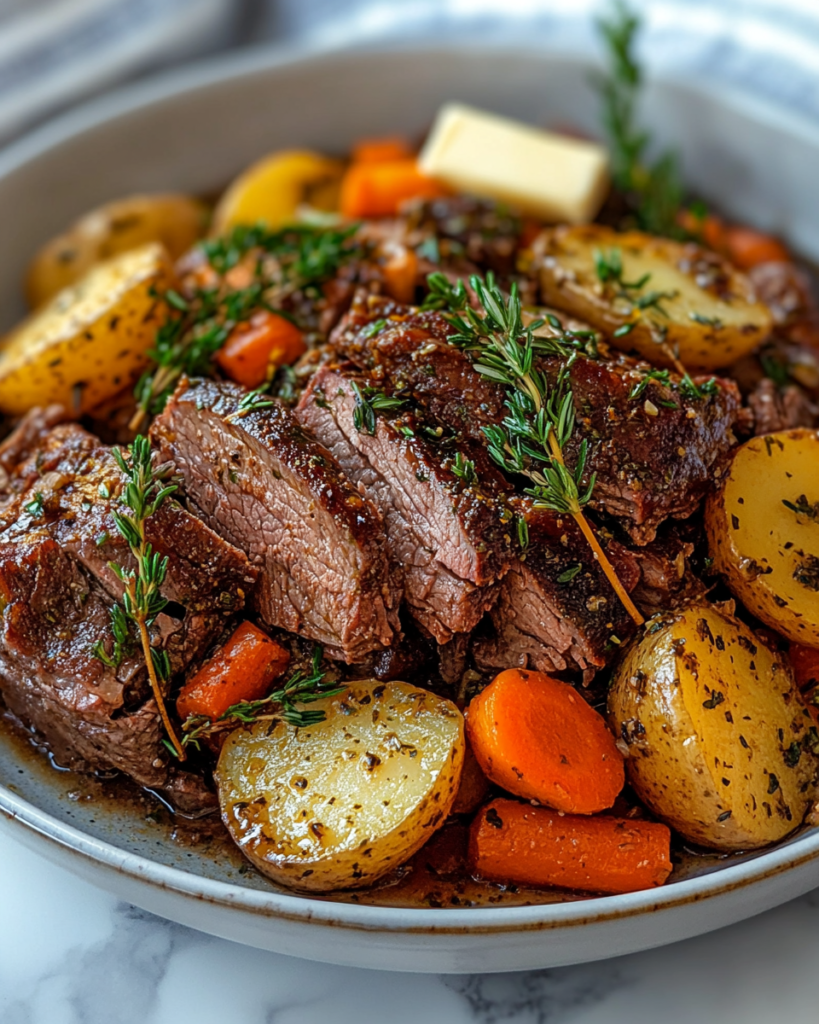
Crockpot Garlic Herb Roast Beef brings rich savory flavor, fork-tender texture, and deep herb aroma into a family dinner without constant stovetop attention. Slow cooking transforms a sturdy beef roast into juicy slices surrounded by a flavorful broth filled with garlic, onion, rosemary, and thyme. The gentle cooking process allows every ingredient to blend gradually, creating hearty flavor throughout the entire dish.

This roast fits busy weekdays, relaxed Sunday dinners, and holiday gatherings alike. A crockpot keeps preparation straightforward while delivering satisfying texture and classic comfort food character. Potatoes, carrots, and onions absorb the seasoned broth during cooking, creating a complete meal inside a single pot.

The garlic herb combination balances the richness of beef beautifully. Fresh herbs bring brightness while garlic adds warmth and depth. A properly cooked roast should shred easily with a fork while still remaining moist and flavorful. With careful seasoning and slow simmering, this recipe produces dependable results every time.

Ingredients Overview
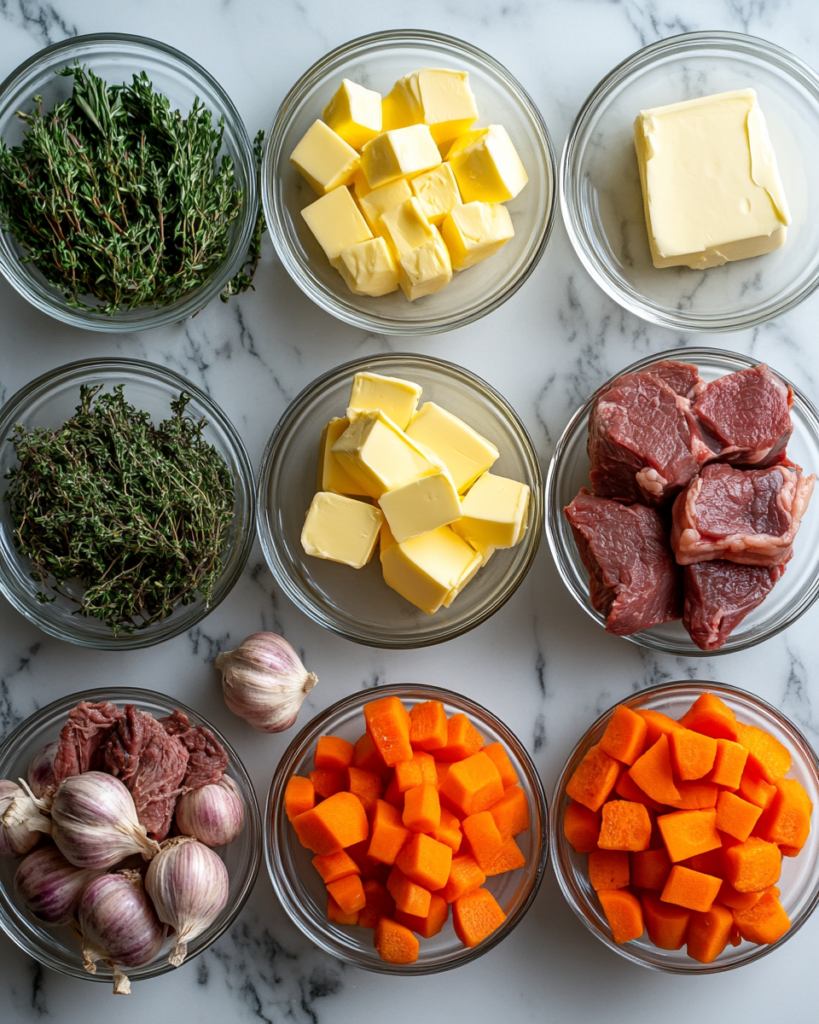
Beef chuck roast works particularly well for crockpot cooking because the connective tissue slowly softens during long cooking hours. This gradual breakdown creates tender slices and a rich broth. A roast weighing around 3 to 4 pounds suits most family dinners while still fitting comfortably inside a standard slow cooker.

Garlic forms the central flavor base. Fresh minced garlic delivers fuller aroma compared with jarred varieties. Onion supports the savory profile while adding subtle sweetness during cooking. Carrots and potatoes contribute heartiness and absorb the seasoned liquid beautifully.

Rosemary and thyme pair naturally with beef. Fresh herbs provide stronger fragrance, though dried herbs remain suitable when fresh sprigs are unavailable. Black pepper adds mild heat while salt highlights the natural beef flavor throughout the roast.

Beef broth keeps the roast moist during the extended cooking process. Worcestershire sauce adds subtle tanginess and deeper savory character without overpowering the herbs. Olive oil helps create a browned crust during the initial searing step, which contributes richer flavor inside the crockpot.

Yukon Gold potatoes hold their shape nicely after several hours of cooking. Russet potatoes create softer texture, while red potatoes remain slightly firmer. Parsnips may replace carrots for a sweeter earthy profile. Mushrooms also pair beautifully with the garlic herb broth.

For a lighter broth, reduced-sodium beef stock works very well. Fresh parsley added near serving brightens the finished dish and balances the richness of the beef.

Ingredients

3 to 4 pound beef chuck roast
2 tablespoons olive oil
1 1/2 teaspoons kosher salt
1 teaspoon black pepper
6 cloves garlic, minced
1 large yellow onion, sliced
4 large carrots, cut into chunks
1 1/2 pounds Yukon Gold potatoes, halved
2 cups beef broth
1 tablespoon Worcestershire sauce
2 teaspoons fresh rosemary, chopped
2 teaspoons fresh thyme leaves
1 teaspoon paprika
2 bay leaves
2 tablespoons cornstarch
2 tablespoons cold water
2 tablespoons chopped fresh parsley

Step-by-Step Instructions
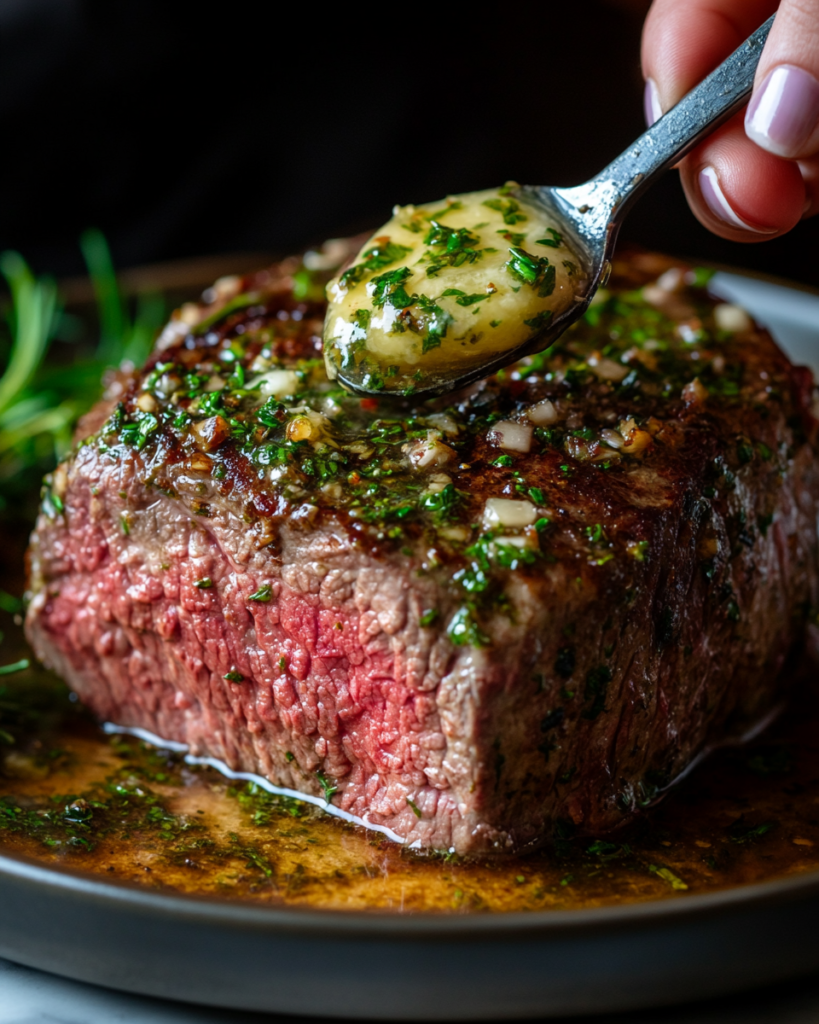
Pat the chuck roast dry using paper towels before seasoning. Removing surface moisture helps the exterior brown properly during searing. Sprinkle salt, black pepper, and paprika across all sides of the roast.

Heat olive oil inside a large skillet over medium-high heat. Place the roast into the hot skillet carefully and brown each side for about 3 to 4 minutes. A deep golden crust adds substantial savory flavor to the final dish. Avoid rushing this stage because pale meat produces a flatter broth later.

Transfer sliced onion, carrots, and potatoes into the bottom of the crockpot. Scatter half of the minced garlic across the vegetables. Place the browned roast directly above the vegetables.

Pour beef broth and Worcestershire sauce around the roast rather than directly across the top. Add rosemary, thyme, bay leaves, and the remaining garlic. Cover the crockpot with the lid.

Cook on low for 8 to 9 hours or high for 5 to 6 hours. Low heat usually produces softer texture and fuller flavor. During cooking, avoid lifting the lid repeatedly because trapped heat helps soften the connective tissue gradually.

The roast becomes ready once a fork slides easily through the center and the meat begins separating naturally. Tough texture usually indicates insufficient cooking time rather than overcooking. Chuck roast requires patience for complete tenderness.

Transfer the cooked roast onto a serving platter and tent loosely with foil. Remove bay leaves from the crockpot mixture. Scoop vegetables alongside the roast.

For a thicker gravy, whisk cornstarch with cold water until smooth. Stir the mixture into the hot broth inside the crockpot. Cover again and cook on high for 10 to 15 minutes until the liquid thickens slightly.

Slice or shred the roast according to preference. Spoon warm gravy across the beef and vegetables. Scatter fresh parsley over the top immediately before serving.

Avoid overcrowding the crockpot with excessive vegetables because packed ingredients may cook unevenly. Similarly, adding too much liquid can dilute the rich beef flavor. The roast naturally releases juices during cooking, so moderate broth quantity works perfectly.

If the roast appears dry after cooking, it likely spent too long on high heat. Low temperature cooking generally creates softer, juicier texture. Resting the roast briefly before slicing also helps retain moisture.

Tips, Variations & Substitutions

Fresh herbs create brighter aroma, though dried rosemary and thyme remain practical pantry alternatives. When substituting dried herbs, use roughly half the quantity because dried herbs contain concentrated flavor.

Brisket or bottom round roast may replace chuck roast, though chuck usually develops softer texture inside a crockpot. Leaner cuts require careful timing because they dry faster during extended cooking.

For deeper flavor, stir a tablespoon of tomato paste into the broth before cooking. Mushrooms also blend beautifully with garlic and herbs while adding earthy richness to the gravy.

Sweet potatoes may replace Yukon Gold potatoes for slightly sweeter flavor. Turnips and parsnips also perform nicely during slow cooking because they retain texture well after several hours.

A splash of red wine added alongside the broth creates fuller savory depth. Allow the alcohol to simmer briefly before adding it into the crockpot mixture.

Leftover roast beef works beautifully inside sandwiches, grain bowls, mashed potato dinners, or pasta dishes. Refrigerated leftovers usually remain flavorful for several days when stored inside an airtight container with extra broth.

For lighter texture, trim large visible fat sections before searing. However, leaving moderate marbling helps the roast remain moist and tender throughout cooking.

Serving Ideas & Occasions

Crockpot Garlic Herb Roast Beef pairs beautifully with creamy mashed potatoes, buttered green beans, roasted Brussels sprouts, or warm dinner rolls. The rich herb gravy also tastes wonderful spooned across rice or egg noodles.

A crisp green salad with vinaigrette balances the hearty richness of the roast. Roasted asparagus or steamed broccoli adds freshness and color alongside the savory beef.

This dish suits Sunday family dinners, cold-weather evenings, holiday gatherings, and meal preparation for busy weekdays. Since the crockpot handles most of the cooking independently, the recipe also works particularly well during gatherings when kitchen space becomes crowded.

Red wine pairs naturally with the herb flavors and slow-cooked beef. Sparkling water with lemon also balances the richness nicely during heavier meals.

The leftovers remain highly versatile. Shredded roast tucked into toasted rolls with melted provolone creates hearty sandwiches during the following day.

Nutritional & Health Notes

Chuck roast supplies substantial protein along with iron, zinc, and vitamin B12. Slow cooking also allows vegetables to absorb flavor without requiring heavy cream or large amounts of butter.

Carrots contribute fiber and vitamin A, while potatoes provide potassium and satisfying texture. Using reduced-sodium broth helps moderate overall salt content without sacrificing savory depth.

Portion balance plays an important role with rich comfort dishes. Pairing the roast with lighter vegetable sides creates a satisfying meal with varied texture and nutrition.

Removing excess rendered fat from the broth before serving can reduce heaviness slightly. Fresh herbs also contribute flavor naturally, reducing dependence upon extra sodium.

Since the crockpot uses moist heat and minimal added oil, the recipe remains relatively balanced compared with heavily fried beef dishes. Choosing leaner cuts slightly lowers fat content, though marbled chuck roast usually provides the most tender results.

FAQs

Can I prepare the roast the night before?

Yes, preparation the previous evening works very well for busy schedules. Vegetables may be chopped and stored inside airtight containers in the refrigerator. The roast may also receive seasoning ahead of time, allowing the herbs and garlic to settle into the surface overnight.

For food safety, avoid leaving ingredients combined inside the crockpot insert overnight unless refrigerated properly. During the following morning, simply assemble everything inside the slow cooker and begin cooking. This method shortens morning kitchen work substantially while still producing rich flavor and tender texture.

Which beef cut works most successfully for crockpot cooking?

Chuck roast remains highly suitable because the marbling and connective tissue soften beautifully during extended cooking. The gradual simmering process transforms the tougher fibers into juicy, tender meat with deep savory flavor.

Bottom round and brisket also function well, though they may require slightly different timing. Leaner cuts often become dry if cooked excessively. Selecting a roast with visible marbling generally produces softer texture and richer broth. Bone-in cuts can contribute additional savory character, though boneless roasts remain simpler for slicing and serving.

Should the roast stay covered with liquid completely?

No, the roast does not require full submersion. Partial liquid coverage works perfectly because the crockpot traps moisture efficiently throughout cooking. The beef also releases juices naturally as it cooks.

Using excessive broth can weaken the flavor concentration inside the finished gravy. Roughly 2 cups of broth usually provides suitable moisture for a 3 to 4 pound roast. Vegetables beneath the roast absorb flavorful liquid gradually during the cooking period, creating balanced texture and seasoning throughout the meal.

Can frozen beef roast go directly into the crockpot?

Thawing the roast fully before cooking remains the safer and more reliable approach. Frozen meat may spend excessive time within unsafe temperature ranges before reaching proper cooking temperature inside a slow cooker.

A fully thawed roast also browns far more successfully during searing. Proper browning contributes richer flavor and improved texture within the finished dish. For smoother preparation, thaw the roast inside the refrigerator during the previous day before assembling the crockpot ingredients.

How should leftovers be stored?

Allow leftover roast beef and vegetables to cool slightly before transferring them into airtight containers. Adding extra broth during storage helps maintain moisture and flavor. Refrigerated leftovers generally remain suitable for about 3 to 4 days.

For longer storage, freeze shredded beef alongside gravy inside freezer-safe containers. Gentle reheating works best because aggressive microwave heating may dry the meat. Warm leftovers slowly on the stovetop or inside a covered baking dish with additional broth if necessary.

Why did my roast turn out tough?

Tough roast usually indicates insufficient cooking time rather than overcooking. Chuck roast contains connective tissue that requires several hours of gentle heat before softening completely. Extending the cooking period often solves the issue.

Cooking on low temperature generally produces softer texture compared with high heat. Repeated lid lifting can also reduce internal temperature and lengthen cooking time. Allow the roast to continue cooking until a fork slides easily through the center and the meat begins separating naturally.

Can I prepare gravy directly inside the crockpot?

Yes, gravy preparation inside the crockpot remains very simple. After removing the roast and vegetables, whisk cornstarch with cold water until smooth. Stir this mixture into the hot broth and cook briefly on high heat until thickened.

For fuller flavor, skim excess surface fat before thickening the broth. Additional herbs or cracked black pepper may also be stirred into the gravy immediately before serving. The resulting sauce pairs beautifully with both the roast beef and vegetables.

[rank_math_breadcrumb]

Crockpot Garlic Herb Roast Beef: 5 Simple Comforting Tips

Photo of author
Author: liv
Published:

Crockpot Garlic Herb Roast Beef brings rich savory flavor, fork-tender texture, and deep herb aroma into a family dinner without constant stovetop attention. Slow cooking transforms a sturdy beef roast into juicy slices surrounded by a flavorful broth filled with garlic, onion, rosemary, and thyme. The gentle cooking process allows every ingredient to blend gradually, creating hearty flavor throughout the entire dish.

This roast fits busy weekdays, relaxed Sunday dinners, and holiday gatherings alike. A crockpot keeps preparation straightforward while delivering satisfying texture and classic comfort food character. Potatoes, carrots, and onions absorb the seasoned broth during cooking, creating a complete meal inside a single pot.

The garlic herb combination balances the richness of beef beautifully. Fresh herbs bring brightness while garlic adds warmth and depth. A properly cooked roast should shred easily with a fork while still remaining moist and flavorful. With careful seasoning and slow simmering, this recipe produces dependable results every time.

Ingredients Overview

Beef chuck roast works particularly well for crockpot cooking because the connective tissue slowly softens during long cooking hours. This gradual breakdown creates tender slices and a rich broth. A roast weighing around 3 to 4 pounds suits most family dinners while still fitting comfortably inside a standard slow cooker.

Garlic forms the central flavor base. Fresh minced garlic delivers fuller aroma compared with jarred varieties. Onion supports the savory profile while adding subtle sweetness during cooking. Carrots and potatoes contribute heartiness and absorb the seasoned liquid beautifully.

Rosemary and thyme pair naturally with beef. Fresh herbs provide stronger fragrance, though dried herbs remain suitable when fresh sprigs are unavailable. Black pepper adds mild heat while salt highlights the natural beef flavor throughout the roast.

Beef broth keeps the roast moist during the extended cooking process. Worcestershire sauce adds subtle tanginess and deeper savory character without overpowering the herbs. Olive oil helps create a browned crust during the initial searing step, which contributes richer flavor inside the crockpot.

Yukon Gold potatoes hold their shape nicely after several hours of cooking. Russet potatoes create softer texture, while red potatoes remain slightly firmer. Parsnips may replace carrots for a sweeter earthy profile. Mushrooms also pair beautifully with the garlic herb broth.

For a lighter broth, reduced-sodium beef stock works very well. Fresh parsley added near serving brightens the finished dish and balances the richness of the beef.

Ingredients

3 to 4 pound beef chuck roast
2 tablespoons olive oil
1 1/2 teaspoons kosher salt
1 teaspoon black pepper
6 cloves garlic, minced
1 large yellow onion, sliced
4 large carrots, cut into chunks
1 1/2 pounds Yukon Gold potatoes, halved
2 cups beef broth
1 tablespoon Worcestershire sauce
2 teaspoons fresh rosemary, chopped
2 teaspoons fresh thyme leaves
1 teaspoon paprika
2 bay leaves
2 tablespoons cornstarch
2 tablespoons cold water
2 tablespoons chopped fresh parsley

Step-by-Step Instructions

Pat the chuck roast dry using paper towels before seasoning. Removing surface moisture helps the exterior brown properly during searing. Sprinkle salt, black pepper, and paprika across all sides of the roast.

Heat olive oil inside a large skillet over medium-high heat. Place the roast into the hot skillet carefully and brown each side for about 3 to 4 minutes. A deep golden crust adds substantial savory flavor to the final dish. Avoid rushing this stage because pale meat produces a flatter broth later.

Transfer sliced onion, carrots, and potatoes into the bottom of the crockpot. Scatter half of the minced garlic across the vegetables. Place the browned roast directly above the vegetables.

Pour beef broth and Worcestershire sauce around the roast rather than directly across the top. Add rosemary, thyme, bay leaves, and the remaining garlic. Cover the crockpot with the lid.

Cook on low for 8 to 9 hours or high for 5 to 6 hours. Low heat usually produces softer texture and fuller flavor. During cooking, avoid lifting the lid repeatedly because trapped heat helps soften the connective tissue gradually.

The roast becomes ready once a fork slides easily through the center and the meat begins separating naturally. Tough texture usually indicates insufficient cooking time rather than overcooking. Chuck roast requires patience for complete tenderness.

Transfer the cooked roast onto a serving platter and tent loosely with foil. Remove bay leaves from the crockpot mixture. Scoop vegetables alongside the roast.

For a thicker gravy, whisk cornstarch with cold water until smooth. Stir the mixture into the hot broth inside the crockpot. Cover again and cook on high for 10 to 15 minutes until the liquid thickens slightly.

Slice or shred the roast according to preference. Spoon warm gravy across the beef and vegetables. Scatter fresh parsley over the top immediately before serving.

Avoid overcrowding the crockpot with excessive vegetables because packed ingredients may cook unevenly. Similarly, adding too much liquid can dilute the rich beef flavor. The roast naturally releases juices during cooking, so moderate broth quantity works perfectly.

If the roast appears dry after cooking, it likely spent too long on high heat. Low temperature cooking generally creates softer, juicier texture. Resting the roast briefly before slicing also helps retain moisture.

Tips, Variations & Substitutions

Fresh herbs create brighter aroma, though dried rosemary and thyme remain practical pantry alternatives. When substituting dried herbs, use roughly half the quantity because dried herbs contain concentrated flavor.

Brisket or bottom round roast may replace chuck roast, though chuck usually develops softer texture inside a crockpot. Leaner cuts require careful timing because they dry faster during extended cooking.

For deeper flavor, stir a tablespoon of tomato paste into the broth before cooking. Mushrooms also blend beautifully with garlic and herbs while adding earthy richness to the gravy.

Sweet potatoes may replace Yukon Gold potatoes for slightly sweeter flavor. Turnips and parsnips also perform nicely during slow cooking because they retain texture well after several hours.

A splash of red wine added alongside the broth creates fuller savory depth. Allow the alcohol to simmer briefly before adding it into the crockpot mixture.

Leftover roast beef works beautifully inside sandwiches, grain bowls, mashed potato dinners, or pasta dishes. Refrigerated leftovers usually remain flavorful for several days when stored inside an airtight container with extra broth.

For lighter texture, trim large visible fat sections before searing. However, leaving moderate marbling helps the roast remain moist and tender throughout cooking.

Serving Ideas & Occasions

Crockpot Garlic Herb Roast Beef pairs beautifully with creamy mashed potatoes, buttered green beans, roasted Brussels sprouts, or warm dinner rolls. The rich herb gravy also tastes wonderful spooned across rice or egg noodles.

A crisp green salad with vinaigrette balances the hearty richness of the roast. Roasted asparagus or steamed broccoli adds freshness and color alongside the savory beef.

This dish suits Sunday family dinners, cold-weather evenings, holiday gatherings, and meal preparation for busy weekdays. Since the crockpot handles most of the cooking independently, the recipe also works particularly well during gatherings when kitchen space becomes crowded.

Red wine pairs naturally with the herb flavors and slow-cooked beef. Sparkling water with lemon also balances the richness nicely during heavier meals.

The leftovers remain highly versatile. Shredded roast tucked into toasted rolls with melted provolone creates hearty sandwiches during the following day.

Nutritional & Health Notes

Chuck roast supplies substantial protein along with iron, zinc, and vitamin B12. Slow cooking also allows vegetables to absorb flavor without requiring heavy cream or large amounts of butter.

Carrots contribute fiber and vitamin A, while potatoes provide potassium and satisfying texture. Using reduced-sodium broth helps moderate overall salt content without sacrificing savory depth.

Portion balance plays an important role with rich comfort dishes. Pairing the roast with lighter vegetable sides creates a satisfying meal with varied texture and nutrition.

Removing excess rendered fat from the broth before serving can reduce heaviness slightly. Fresh herbs also contribute flavor naturally, reducing dependence upon extra sodium.

Since the crockpot uses moist heat and minimal added oil, the recipe remains relatively balanced compared with heavily fried beef dishes. Choosing leaner cuts slightly lowers fat content, though marbled chuck roast usually provides the most tender results.

FAQs

Can I prepare the roast the night before?

Yes, preparation the previous evening works very well for busy schedules. Vegetables may be chopped and stored inside airtight containers in the refrigerator. The roast may also receive seasoning ahead of time, allowing the herbs and garlic to settle into the surface overnight.

For food safety, avoid leaving ingredients combined inside the crockpot insert overnight unless refrigerated properly. During the following morning, simply assemble everything inside the slow cooker and begin cooking. This method shortens morning kitchen work substantially while still producing rich flavor and tender texture.

Which beef cut works most successfully for crockpot cooking?

Chuck roast remains highly suitable because the marbling and connective tissue soften beautifully during extended cooking. The gradual simmering process transforms the tougher fibers into juicy, tender meat with deep savory flavor.

Bottom round and brisket also function well, though they may require slightly different timing. Leaner cuts often become dry if cooked excessively. Selecting a roast with visible marbling generally produces softer texture and richer broth. Bone-in cuts can contribute additional savory character, though boneless roasts remain simpler for slicing and serving.

Should the roast stay covered with liquid completely?

No, the roast does not require full submersion. Partial liquid coverage works perfectly because the crockpot traps moisture efficiently throughout cooking. The beef also releases juices naturally as it cooks.

Using excessive broth can weaken the flavor concentration inside the finished gravy. Roughly 2 cups of broth usually provides suitable moisture for a 3 to 4 pound roast. Vegetables beneath the roast absorb flavorful liquid gradually during the cooking period, creating balanced texture and seasoning throughout the meal.

Can frozen beef roast go directly into the crockpot?

Thawing the roast fully before cooking remains the safer and more reliable approach. Frozen meat may spend excessive time within unsafe temperature ranges before reaching proper cooking temperature inside a slow cooker.

A fully thawed roast also browns far more successfully during searing. Proper browning contributes richer flavor and improved texture within the finished dish. For smoother preparation, thaw the roast inside the refrigerator during the previous day before assembling the crockpot ingredients.

How should leftovers be stored?

Allow leftover roast beef and vegetables to cool slightly before transferring them into airtight containers. Adding extra broth during storage helps maintain moisture and flavor. Refrigerated leftovers generally remain suitable for about 3 to 4 days.

For longer storage, freeze shredded beef alongside gravy inside freezer-safe containers. Gentle reheating works best because aggressive microwave heating may dry the meat. Warm leftovers slowly on the stovetop or inside a covered baking dish with additional broth if necessary.

Why did my roast turn out tough?

Tough roast usually indicates insufficient cooking time rather than overcooking. Chuck roast contains connective tissue that requires several hours of gentle heat before softening completely. Extending the cooking period often solves the issue.

Cooking on low temperature generally produces softer texture compared with high heat. Repeated lid lifting can also reduce internal temperature and lengthen cooking time. Allow the roast to continue cooking until a fork slides easily through the center and the meat begins separating naturally.

Can I prepare gravy directly inside the crockpot?

Yes, gravy preparation inside the crockpot remains very simple. After removing the roast and vegetables, whisk cornstarch with cold water until smooth. Stir this mixture into the hot broth and cook briefly on high heat until thickened.

For fuller flavor, skim excess surface fat before thickening the broth. Additional herbs or cracked black pepper may also be stirred into the gravy immediately before serving. The resulting sauce pairs beautifully with both the roast beef and vegetables.
Name

Lorem ipsum dolor sit amet, consectetur adipiscing elit. Suspendisse varius enim in eros elementum tristique. Duis cursus, mi quis viverra ornare, eros dolor interdum nulla, ut commodo diam libero vitae erat.

You Might Also Like...

Egg & Pasta Budget Spaghetti Frittata: 5 Simple Happy Bites

Egg & Pasta Budget Spaghetti Frittata: 5 Simple Happy Bites

Dollar Stretcher Spaghetti with Canned Tomatoes: 5 Simple Delighted

Dollar Stretcher Spaghetti with Canned Tomatoes: 5 Simple Delighted

Roasted Vegetable Homemade Spaghetti Sauce: 7 Authentic Comforting Ideas

Roasted Vegetable Homemade Spaghetti Sauce: 7 Authentic Comforting Ideas

Fresh Tomato Homemade Spaghetti Sauce: 7 Authentic Hope

Fresh Tomato Homemade Spaghetti Sauce: 7 Authentic Hope

Tags:

You might also like these recipes

Leave a Comment