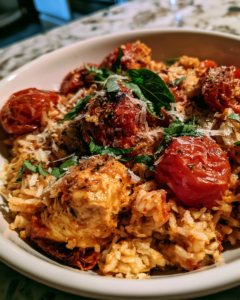
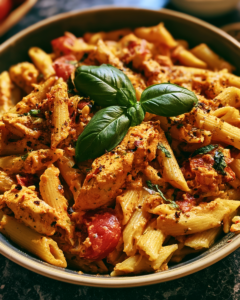
Garlic Butter Steak Bites and Potatoes is the kind of skillet dinner that fills the kitchen with rich aroma and deep savory flavor. Tender steak cubes cook beside crisp golden potatoes in a buttery garlic coating that clings to every bite. This dish works beautifully for busy weeknights, relaxed family dinners, or casual gatherings when hearty comfort food feels right.
One pan keeps cleanup simple while the combination of seared beef and browned potatoes creates a satisfying balance of texture. The steak stays juicy while the potatoes develop crisp edges and soft centers. Garlic and butter bring warmth and richness without overpowering the natural flavor of the meat.
This meal also comes together fairly quickly once the potatoes are prepped. A hot skillet, proper spacing, and careful timing help create a deeply browned finish that tastes like something from a steakhouse kitchen. Fresh parsley at the end adds brightness and color while balancing the richness of the butter.
Ingredients Overview
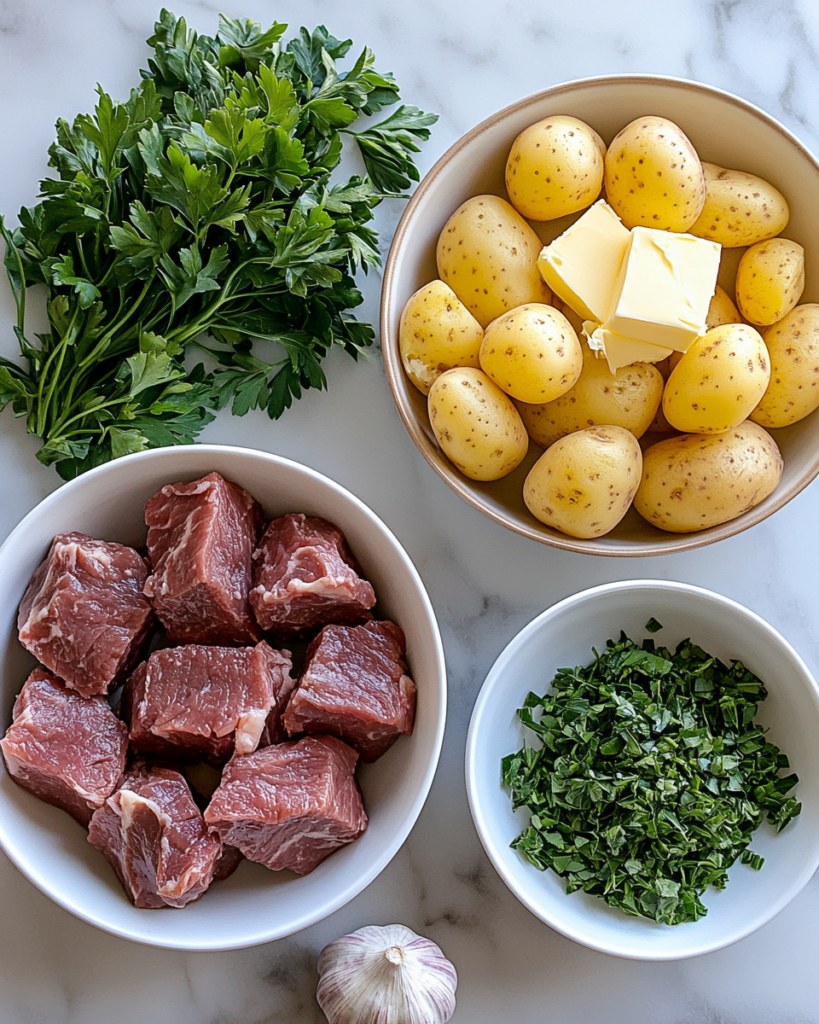
The steak is the centerpiece of this recipe, so choosing a tender cut matters. Sirloin is one of the most practical options because it cooks quickly while staying flavorful and juicy. Ribeye also works beautifully for a richer result with more marbling. Cutting the steak into even bite-sized pieces helps every piece cook at the same pace and develop a browned crust.
Potatoes bring heartiness and texture to the skillet. Yukon Gold potatoes are especially good because they hold their shape while becoming creamy inside. Baby potatoes or red potatoes are also suitable choices. Smaller pieces cook faster and brown more evenly in the pan.
Butter creates the silky coating that gives this dish its signature richness. Garlic melts into the butter and flavors both the steak and potatoes. Fresh garlic gives the strongest flavor, though garlic paste may be used in a pinch.
Olive oil helps the potatoes brown without burning the butter too quickly. Paprika adds gentle warmth and color while thyme provides earthy flavor that pairs naturally with beef and potatoes.
Fresh parsley brightens the finished skillet and cuts through some of the richness. A squeeze of lemon can also bring a fresh contrast at serving time if desired.
For substitutions, sweet potatoes may replace regular potatoes for a slightly sweeter profile. Ghee may replace butter for a nuttier finish, while fresh rosemary can stand in for thyme.
Ingredients
1 1/2 pounds sirloin steak, cut into bite-sized cubes
1 1/2 pounds Yukon Gold potatoes, diced into small pieces
4 tablespoons unsalted butter
1 tablespoon olive oil
5 cloves garlic, minced
1 teaspoon paprika
1 teaspoon dried thyme
1 teaspoon salt
1/2 teaspoon black pepper
1/2 teaspoon onion powder
2 tablespoons chopped fresh parsley
1 teaspoon lemon juice, optional
Step-by-Step Instructions

Start by washing and drying the potatoes thoroughly. Cut them into evenly sized pieces so they cook at the same pace. Smaller cubes help create crisp edges without needing excessive cooking time.
Pat the steak dry with paper towels before seasoning. Moisture on the surface prevents proper browning, so this step matters greatly. Toss the steak pieces with salt, pepper, paprika, and onion powder.
Heat a large heavy skillet over medium-high heat. Cast iron works especially well because it retains heat and creates a rich browned crust. Add the olive oil and half of the butter.
Once the butter melts and begins to foam lightly, add the potatoes in a single layer. Avoid overcrowding the skillet or the potatoes may steam instead of brown. Cook for about 12 to 15 minutes, stirring occasionally, until the potatoes become golden and fork-tender.
Add half of the minced garlic and the thyme during the final few minutes of cooking. Stir gently so the garlic softens without burning. Transfer the potatoes to a plate and keep warm.
Raise the heat slightly and place the skillet back on the burner. Add the remaining butter. Once hot, add the steak bites in a single layer. Cook in batches if necessary because crowded steak pieces release moisture and lose their seared crust.
Let the steak cook undisturbed for about 2 minutes before turning. Continue cooking another 2 to 3 minutes until browned outside while remaining juicy inside. Medium-rare steak reaches roughly 130°F while medium reaches around 140°F.
Add the remaining garlic during the final minute of cooking. Stir constantly so the garlic becomes fragrant without turning bitter. Return the potatoes to the skillet and toss everything together gently.
Sprinkle chopped parsley over the top and add lemon juice if using. Serve immediately while the butter sauce still coats the steak and potatoes.
One common mistake is moving the steak too soon. Leaving it untouched briefly allows a proper crust to form. Another issue comes from using cold steak directly from the refrigerator. Letting it sit at room temperature for about 20 minutes before cooking helps it brown more evenly.
Tips, Variations & Substitutions
Using a heavy skillet makes a noticeable difference in texture. Thin pans often create uneven browning while cast iron keeps steady heat throughout cooking.
For extra crisp potatoes, soak the diced potatoes in cold water for 20 minutes before cooking. Dry them thoroughly afterward so they brown properly in the skillet.
Different steak cuts can change the richness of the dish. Ribeye creates a richer finish while tenderloin gives an especially soft texture. Strip steak also works nicely.
Fresh herbs bring another layer of flavor. Rosemary adds deeper earthy notes while oregano gives a slightly rustic profile. Crushed red pepper flakes may be added for gentle heat.
Mushrooms, green beans, or asparagus fit naturally into this skillet meal. Add vegetables during the final few minutes so they stay vibrant and slightly crisp.
Sweet potatoes can replace Yukon Gold potatoes for a slightly sweeter balance. For a dairy-free version, use plant-based butter alternatives that tolerate high heat.
If preparing ahead, partially cook the potatoes earlier in the day. Finish them in the skillet shortly before serving for fresher texture.
Leftovers store well in the refrigerator for up to three days. Reheat in a skillet rather than a microwave for better texture.
Serving Ideas & Occasions
Garlic Butter Steak Bites and Potatoes pairs beautifully with crisp green vegetables like roasted asparagus, steamed broccoli, or green beans. A fresh side salad with light vinaigrette balances the richness of the butter and beef.
Warm dinner rolls or crusty bread work especially well for soaking up the buttery garlic coating left in the skillet. For drinks, sparkling water with lemon offers freshness while iced tea complements the savory flavors nicely.
This recipe fits many occasions because it feels comforting without requiring hours in the kitchen. It works beautifully for weeknight dinners, relaxed weekend meals, casual dinner parties, or game-day gatherings.
Because everything cooks in one skillet, it also suits smaller kitchens and busy evenings when simple cleanup matters. The steak bites look impressive enough for guests while remaining practical for everyday cooking.
Nutritional & Health Notes
This dish provides a balanced mix of protein, carbohydrates, and fats. Steak supplies protein, iron, zinc, and vitamin B12, while potatoes contribute fiber, potassium, and satisfying texture.
Using sirloin keeps the meal somewhat leaner compared to heavily marbled cuts. Olive oil and butter together create richness while helping the potatoes brown properly.
Portion balance can easily shift depending on serving style. Pairing the skillet with vegetables or salad creates a lighter plate while still feeling filling.
Garlic contributes bold flavor without requiring heavy sauces or excessive seasoning. Fresh herbs also add brightness without extra calories.
For lower sodium needs, the salt amount may be reduced slightly while keeping strong flavor through garlic, herbs, and paprika. Sweet potatoes may also raise fiber content while adding natural sweetness.
FAQs
What is the best steak cut for steak bites?
Sirloin is one of the strongest choices because it balances tenderness, flavor, and cost. It cooks quickly while staying juicy when seared over high heat. Ribeye creates a richer result because of its marbling, though it can release more fat into the skillet. Tenderloin works beautifully for extremely soft steak bites but tends to cost more.
Whichever cut you choose, trimming excess connective tissue helps create evenly cooked pieces. Cutting the steak into uniform cubes also matters because uneven sizes cook differently. Patting the steak dry before cooking helps develop a dark browned crust rather than a steamed exterior. High heat and minimal stirring during the first few minutes also improve texture significantly.
Can I prepare the potatoes ahead of time?
Yes, the potatoes can be partially prepared earlier in the day. You may wash, peel if desired, and dice them several hours ahead. Store them submerged in cold water in the refrigerator to prevent discoloration.
For even faster cooking later, the potatoes may also be partially boiled for about 5 minutes before cooling completely. This short cooking step softens the centers slightly while still allowing crisp edges during skillet cooking.
Before placing potatoes into the skillet, dry them very well. Excess moisture interferes with browning and may create steaming instead of crisp texture. Preparing the potatoes early can make the final cooking process much faster during busy evenings.
How do I keep steak bites tender?
Tender steak bites depend on both the cut of meat and the cooking method. Choosing naturally tender cuts like sirloin, ribeye, or tenderloin gives the strongest results.
High heat is important because it browns the exterior quickly before the inside overcooks. Leaving space between steak pieces also matters greatly. Crowding the skillet traps steam and prevents proper searing.
Avoid cooking the steak too long. Small steak cubes cook very quickly and continue cooking slightly after leaving the pan. Resting the meat briefly before serving also helps preserve juices. Cutting against the grain when preparing the steak can further improve tenderness in every bite.
Can I bake this recipe instead of using a skillet?
Yes, this meal may be baked if preferred. Roast the potatoes first on a sheet pan at 425°F until nearly tender and lightly browned. This usually takes around 25 minutes depending on size.
The steak bites can then be added during the final 8 to 10 minutes of cooking. Toss everything with melted butter, garlic, and seasonings before returning the pan to the oven briefly.
While baking works well, skillet cooking often creates deeper browning on the steak because direct contact with the hot pan forms a stronger crust. Still, the oven method remains practical for larger batches or hands-off preparation.
What potatoes work best in this recipe?
Yukon Gold potatoes are especially popular because they become creamy inside while holding crisp edges outside. Their buttery flavor also pairs naturally with steak and garlic.
Red potatoes work nicely as well because they hold shape during cooking. Baby potatoes are convenient since they require little prep. Russet potatoes create crisp surfaces but may break apart slightly more during stirring.
Sweet potatoes can also be used for a sweeter variation. Whichever type you choose, cutting them into evenly sized pieces helps them cook consistently. Drying the potatoes well before cooking also improves browning and texture dramatically.
How should leftovers be stored?
Store leftovers in an airtight container in the refrigerator for up to three days. Allow the food to cool slightly before sealing the container to prevent excess moisture buildup.
For reheating, a skillet works far better than a microwave because it restores some crispness to the potatoes and steak. Warm the mixture over medium heat with a small amount of butter or oil until heated through.
Microwaving may soften the potatoes too much and overcook the steak. Freezing is possible, though the potato texture may become softer after thawing. Fresh preparation still gives the strongest texture overall.
Can I add vegetables to the skillet?
Yes, vegetables fit naturally into this meal and add color, texture, and freshness. Mushrooms work especially well because they absorb the buttery garlic flavor beautifully. Green beans, asparagus, zucchini, and bell peppers are also suitable additions.
Vegetables with high water content should be added near the end of cooking so they stay vibrant and do not release too much moisture into the skillet. Mushrooms benefit from cooking separately first because they require strong heat for proper browning.
Adding vegetables can stretch the meal further while creating a more balanced dinner plate. Fresh herbs scattered over the finished skillet also brighten the overall flavor.