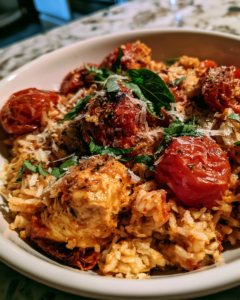
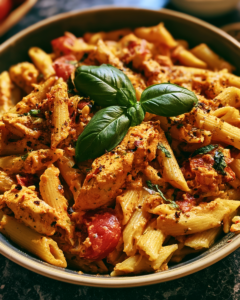
One Pot Cheesy Beef Rotini: 30-Minute Amazing Comfort

Posted on

Uncategorized

Difficulty

Prep time

Cooking time

Total time

Servings

One Pot Cheesy Beef Rotini brings together tender pasta, savory ground beef, creamy cheese, and a rich tomato base in a single pan. This hearty dinner fits busy evenings when a warm homemade meal matters most. The rotini holds sauce inside every spiral, giving each forkful a creamy, beefy texture with plenty of melted cheese.

A single-pot pasta dinner also cuts down on cleanup, which adds extra appeal during packed weekdays. The pasta cooks directly in the sauce, allowing every ingredient to blend together while creating a thick, silky finish. Ground beef adds richness, while cheddar and mozzarella create a smooth, creamy layer throughout the dish.

This recipe suits family dinners, casual gatherings, or relaxed weekend suppers. The flavors remain classic and comforting without requiring complicated preparation. With pantry staples and simple cooking steps, One Pot Cheesy Beef Rotini turns ordinary ingredients into a satisfying dinner filled with rich flavor and creamy texture.

Ingredients Overview

Rotini pasta works especially well in this recipe because the spiral shape catches the creamy sauce and small bits of beef. As the pasta cooks directly in the liquid, the starch released from the rotini thickens the sauce naturally, creating a creamy consistency without heavy cream.

Ground beef provides a savory base with rich flavor. Lean ground beef keeps the dish hearty without leaving excessive grease behind. Ground turkey can replace beef for a lighter version, though the flavor becomes milder. Italian sausage also works well for a slightly spiced variation.

Onion and garlic create depth and aroma throughout the dish. Diced onion softens during cooking and blends smoothly into the sauce, while garlic adds warmth and savory balance. Crushed tomatoes and beef broth form the cooking liquid, giving the pasta plenty of flavor while simmering.

Cheddar cheese adds sharp richness, while mozzarella contributes a smooth melted texture. Combining both cheeses creates a balanced cheesy finish that coats the pasta evenly. Freshly shredded cheese melts more smoothly than pre-shredded varieties because it lacks anti-caking coatings.

Italian seasoning brings gentle herbal flavor that pairs naturally with beef and tomato sauce. A touch of paprika adds subtle warmth without overwhelming the dish. Fresh parsley scattered across the top brightens the finished pasta and balances the richness of the cheese and beef.

Ingredients

1 pound lean ground beef
1 tablespoon olive oil
1 small yellow onion, diced
3 cloves garlic, minced
1 teaspoon Italian seasoning
1/2 teaspoon paprika
1 teaspoon salt
1/2 teaspoon black pepper
3 cups beef broth
1 can crushed tomatoes, 15 ounces
2 cups water
12 ounces rotini pasta
2 cups shredded cheddar cheese
1 cup shredded mozzarella cheese
2 tablespoons chopped parsley

Step-by-Step Instructions

Place a large deep skillet or Dutch oven over medium heat. Add the olive oil and allow it to warm for about 30 seconds. Add the diced onion and cook for 3 to 4 minutes until softened and lightly translucent. Stir occasionally so the onion cooks evenly without browning too heavily.

Add the ground beef to the pan. Break the meat apart with a wooden spoon while cooking. Continue cooking for about 6 to 8 minutes until the beef loses all pink color. If excessive grease collects in the pan, carefully drain part of it before continuing.

Stir in the minced garlic, Italian seasoning, paprika, salt, and black pepper. Cook for another minute so the garlic softens and the seasonings coat the beef evenly. Avoid cooking garlic too long because it can turn bitter quickly.

Pour in the beef broth, crushed tomatoes, and water. Stir thoroughly so the browned bits along the bottom of the pan blend into the sauce. Those browned bits add extra flavor throughout the finished pasta.

Add the uncooked rotini directly into the liquid. Stir well so every piece of pasta becomes submerged. Increase the heat slightly until the liquid reaches a gentle boil.

Reduce the heat to medium-low and cover the pan with a lid. Allow the pasta to simmer for about 12 to 15 minutes, stirring every few minutes to prevent sticking. The pasta gradually absorbs the flavorful liquid while releasing starch that thickens the sauce.

Check the pasta during the final few minutes of cooking. The rotini should become tender while still holding shape. If the sauce appears too thick before the pasta fully cooks, stir in a small splash of broth or water.

Once the pasta reaches the desired texture, remove the pan from the heat. Sprinkle in the cheddar and mozzarella cheese gradually while stirring continuously. The cheese melts into the hot pasta, creating a creamy coating throughout the dish.

Allow the pasta to rest for about 2 minutes before serving. This short resting period helps the sauce settle and thicken slightly. Scatter chopped parsley across the top for fresh flavor and color.

Avoid overcrowding the pan with extra pasta because the liquid ratio can shift quickly. Too much pasta may absorb the sauce before fully softening. Stirring regularly also matters because pasta resting along the bottom of the pan can stick during simmering.

For extra richness, reserve a small handful of cheese for the top just before serving. The residual heat melts the final layer beautifully while giving the pasta a creamy finish.

Tips, Variations & Substitutions

Ground turkey or ground chicken can replace beef for a lighter version. Since poultry contains less fat, adding a small spoonful of butter during cooking helps maintain richness in the sauce.

For extra vegetables, stir in diced bell peppers, spinach, or mushrooms during cooking. Spinach wilts quickly near the end, while mushrooms benefit from cooking alongside the onion so excess moisture cooks away.

Pepper jack cheese adds mild heat, while Monterey Jack creates an extra creamy texture. Parmesan also pairs nicely with cheddar for deeper savory flavor. Freshly grated cheese remains the smoothest option for melting evenly into the sauce.

Whole wheat rotini works well for additional fiber, though it may require slightly longer cooking time and a splash of extra broth. Gluten-free rotini also performs nicely, though careful stirring helps prevent sticking.

A pinch of red pepper flakes adds warmth without overpowering the creamy tomato base. For smokier flavor, smoked paprika works nicely in place of regular paprika.

Leftovers reheat beautifully the next day. Add a small splash of broth or milk before reheating so the sauce loosens and regains its creamy consistency. Warm gently over low heat or in short microwave intervals while stirring occasionally.

Serving Ideas & Occasions

One Pot Cheesy Beef Rotini pairs beautifully with garlic bread, roasted vegetables, or a crisp green salad. The creamy texture balances nicely with lighter sides such as cucumber salad or steamed broccoli.

For beverages, sparkling water with lemon works well alongside the rich pasta. Iced tea or light red wine also complements the savory beef and tomato flavors.

This recipe fits busy weeknight dinners because everything cooks in a single pot with minimal cleanup afterward. It also suits casual gatherings, game nights, and relaxed family suppers where warm comfort food belongs at the center of the table.

During cooler months, the hearty beef and creamy cheese create a cozy dinner that feels especially satisfying. Since the recipe scales easily, larger batches work nicely for potlucks or meal preparation during packed weeks.

Nutritional & Health Notes

One Pot Cheesy Beef Rotini provides a balanced combination of protein, carbohydrates, and fats. Ground beef contributes protein and iron, while the pasta supplies energy-supporting carbohydrates. Cheese adds calcium and creamy texture that brings the dish together.

Using lean ground beef helps reduce excess fat while still keeping the sauce rich and satisfying. Lower-fat cheese varieties also work if a lighter version suits personal preference.

Adding vegetables such as spinach, zucchini, or bell peppers increases fiber and nutritional variety without changing the overall cooking process significantly. Whole wheat pasta offers additional fiber and can help create a more filling meal.

Portion balance matters with rich pasta dishes. Pairing the pasta alongside vegetables or salad creates a satisfying dinner with varied textures and flavors.

Since the recipe cooks in one pot, much of the starch remains within the sauce rather than draining away. This creates the creamy texture naturally while helping the ingredients blend smoothly together.

FAQs

Can rotini pasta cook directly in the sauce?

Yes, rotini cooks very well directly in the sauce because the spiral shape absorbs flavorful liquid while releasing starch that thickens the dish naturally. Cooking the pasta in broth and tomato sauce allows every bite to carry deeper savory flavor compared with separately boiled pasta.

Stirring occasionally remains important during simmering because pasta can settle along the bottom of the pan. Keeping the heat at a gentle simmer also prevents the liquid from evaporating too quickly before the pasta softens fully. If the sauce thickens too early, simply add a small splash of broth or water until the pasta reaches the desired tenderness.

Which cheese melts best for this recipe?

Cheddar and mozzarella form an excellent combination because cheddar adds rich flavor while mozzarella creates smooth melted texture. Freshly shredded cheese melts more evenly than packaged shredded cheese since packaged varieties contain stabilizers that sometimes create grainy texture.

Adding cheese gradually while the pan rests off the heat also helps create a creamy finish. High heat can sometimes cause cheese to separate or turn oily. Parmesan, Monterey Jack, or provolone also blend nicely into this recipe if additional flavor variety suits personal preference.

Can this recipe become spicy?

A spicy variation works nicely with this creamy pasta base. Red pepper flakes, diced jalapeños, or spicy Italian sausage add warmth without overpowering the cheesy sauce. Smoked paprika also contributes deeper savory flavor with subtle heat.

When adding spice, start with smaller amounts and adjust gradually. Since cheese softens spicy flavor slightly, the heat level often becomes milder after mixing everything together. Serving extra crushed red pepper on the side allows individual portions to reach different spice levels comfortably.

How should leftovers be stored?

Allow the pasta to cool slightly before transferring leftovers into airtight containers. Refrigerated leftovers usually remain fresh for about three days. Since pasta continues absorbing liquid while resting, the sauce may thicken during storage.

Before reheating, add a splash of broth, water, or milk to loosen the sauce. Warm gently over low heat while stirring occasionally. Microwave reheating also works well in short intervals with stirring between each interval to maintain even heating and creamy texture.

Can vegetables be added to the pasta?

Vegetables blend very naturally into this dish and can add extra texture and balance. Bell peppers, mushrooms, spinach, zucchini, or peas all pair nicely with the beef and cheese flavors.

Mushrooms and peppers benefit from cooking alongside the onion because they release moisture early in the process. Spinach works best near the end since it wilts quickly. Frozen peas can stir into the hot pasta during the final few minutes of cooking without requiring separate preparation.

Which pan works best for one-pot pasta?

A deep skillet, sauté pan, or Dutch oven works especially well because the pasta requires enough room to simmer evenly in liquid. Wider pans help distribute heat more evenly and reduce sticking during cooking.

Heavy-bottomed cookware remains especially helpful because it maintains steady temperature while preventing scorching along the bottom. Nonstick pans also simplify cleanup, though stainless steel or enameled Dutch ovens create excellent flavor development during browning.

Can this recipe be prepared ahead of time?

This pasta tastes freshest shortly after cooking, though partial preparation ahead of time can save effort later. The onion, garlic, and cheese can all be prepared earlier in the day. Ground beef may also be browned ahead and refrigerated until needed.

If preparing the full recipe ahead, slightly undercook the pasta so it stays firm during reheating. Adding a little extra broth while reheating restores creamy texture and prevents dryness. Fresh parsley and extra cheese added immediately before serving help refresh the final dish beautifully.

………………..

[rank_math_breadcrumb]

One Pot Cheesy Beef Rotini: 30-Minute Amazing Comfort

Photo of author
Author: liv
Published:

One Pot Cheesy Beef Rotini brings together tender pasta, savory ground beef, creamy cheese, and a rich tomato base in a single pan. This hearty dinner fits busy evenings when a warm homemade meal matters most. The rotini holds sauce inside every spiral, giving each forkful a creamy, beefy texture with plenty of melted cheese.

A single-pot pasta dinner also cuts down on cleanup, which adds extra appeal during packed weekdays. The pasta cooks directly in the sauce, allowing every ingredient to blend together while creating a thick, silky finish. Ground beef adds richness, while cheddar and mozzarella create a smooth, creamy layer throughout the dish.

This recipe suits family dinners, casual gatherings, or relaxed weekend suppers. The flavors remain classic and comforting without requiring complicated preparation. With pantry staples and simple cooking steps, One Pot Cheesy Beef Rotini turns ordinary ingredients into a satisfying dinner filled with rich flavor and creamy texture.

Ingredients Overview

Rotini pasta works especially well in this recipe because the spiral shape catches the creamy sauce and small bits of beef. As the pasta cooks directly in the liquid, the starch released from the rotini thickens the sauce naturally, creating a creamy consistency without heavy cream.

Ground beef provides a savory base with rich flavor. Lean ground beef keeps the dish hearty without leaving excessive grease behind. Ground turkey can replace beef for a lighter version, though the flavor becomes milder. Italian sausage also works well for a slightly spiced variation.

Onion and garlic create depth and aroma throughout the dish. Diced onion softens during cooking and blends smoothly into the sauce, while garlic adds warmth and savory balance. Crushed tomatoes and beef broth form the cooking liquid, giving the pasta plenty of flavor while simmering.

Cheddar cheese adds sharp richness, while mozzarella contributes a smooth melted texture. Combining both cheeses creates a balanced cheesy finish that coats the pasta evenly. Freshly shredded cheese melts more smoothly than pre-shredded varieties because it lacks anti-caking coatings.

Italian seasoning brings gentle herbal flavor that pairs naturally with beef and tomato sauce. A touch of paprika adds subtle warmth without overwhelming the dish. Fresh parsley scattered across the top brightens the finished pasta and balances the richness of the cheese and beef.

Ingredients

1 pound lean ground beef
1 tablespoon olive oil
1 small yellow onion, diced
3 cloves garlic, minced
1 teaspoon Italian seasoning
1/2 teaspoon paprika
1 teaspoon salt
1/2 teaspoon black pepper
3 cups beef broth
1 can crushed tomatoes, 15 ounces
2 cups water
12 ounces rotini pasta
2 cups shredded cheddar cheese
1 cup shredded mozzarella cheese
2 tablespoons chopped parsley

Step-by-Step Instructions

Place a large deep skillet or Dutch oven over medium heat. Add the olive oil and allow it to warm for about 30 seconds. Add the diced onion and cook for 3 to 4 minutes until softened and lightly translucent. Stir occasionally so the onion cooks evenly without browning too heavily.

Add the ground beef to the pan. Break the meat apart with a wooden spoon while cooking. Continue cooking for about 6 to 8 minutes until the beef loses all pink color. If excessive grease collects in the pan, carefully drain part of it before continuing.

Stir in the minced garlic, Italian seasoning, paprika, salt, and black pepper. Cook for another minute so the garlic softens and the seasonings coat the beef evenly. Avoid cooking garlic too long because it can turn bitter quickly.

Pour in the beef broth, crushed tomatoes, and water. Stir thoroughly so the browned bits along the bottom of the pan blend into the sauce. Those browned bits add extra flavor throughout the finished pasta.

Add the uncooked rotini directly into the liquid. Stir well so every piece of pasta becomes submerged. Increase the heat slightly until the liquid reaches a gentle boil.

Reduce the heat to medium-low and cover the pan with a lid. Allow the pasta to simmer for about 12 to 15 minutes, stirring every few minutes to prevent sticking. The pasta gradually absorbs the flavorful liquid while releasing starch that thickens the sauce.

Check the pasta during the final few minutes of cooking. The rotini should become tender while still holding shape. If the sauce appears too thick before the pasta fully cooks, stir in a small splash of broth or water.

Once the pasta reaches the desired texture, remove the pan from the heat. Sprinkle in the cheddar and mozzarella cheese gradually while stirring continuously. The cheese melts into the hot pasta, creating a creamy coating throughout the dish.

Allow the pasta to rest for about 2 minutes before serving. This short resting period helps the sauce settle and thicken slightly. Scatter chopped parsley across the top for fresh flavor and color.

Avoid overcrowding the pan with extra pasta because the liquid ratio can shift quickly. Too much pasta may absorb the sauce before fully softening. Stirring regularly also matters because pasta resting along the bottom of the pan can stick during simmering.

For extra richness, reserve a small handful of cheese for the top just before serving. The residual heat melts the final layer beautifully while giving the pasta a creamy finish.

Tips, Variations & Substitutions

Ground turkey or ground chicken can replace beef for a lighter version. Since poultry contains less fat, adding a small spoonful of butter during cooking helps maintain richness in the sauce.

For extra vegetables, stir in diced bell peppers, spinach, or mushrooms during cooking. Spinach wilts quickly near the end, while mushrooms benefit from cooking alongside the onion so excess moisture cooks away.

Pepper jack cheese adds mild heat, while Monterey Jack creates an extra creamy texture. Parmesan also pairs nicely with cheddar for deeper savory flavor. Freshly grated cheese remains the smoothest option for melting evenly into the sauce.

Whole wheat rotini works well for additional fiber, though it may require slightly longer cooking time and a splash of extra broth. Gluten-free rotini also performs nicely, though careful stirring helps prevent sticking.

A pinch of red pepper flakes adds warmth without overpowering the creamy tomato base. For smokier flavor, smoked paprika works nicely in place of regular paprika.

Leftovers reheat beautifully the next day. Add a small splash of broth or milk before reheating so the sauce loosens and regains its creamy consistency. Warm gently over low heat or in short microwave intervals while stirring occasionally.

Serving Ideas & Occasions

One Pot Cheesy Beef Rotini pairs beautifully with garlic bread, roasted vegetables, or a crisp green salad. The creamy texture balances nicely with lighter sides such as cucumber salad or steamed broccoli.

For beverages, sparkling water with lemon works well alongside the rich pasta. Iced tea or light red wine also complements the savory beef and tomato flavors.

This recipe fits busy weeknight dinners because everything cooks in a single pot with minimal cleanup afterward. It also suits casual gatherings, game nights, and relaxed family suppers where warm comfort food belongs at the center of the table.

During cooler months, the hearty beef and creamy cheese create a cozy dinner that feels especially satisfying. Since the recipe scales easily, larger batches work nicely for potlucks or meal preparation during packed weeks.

Nutritional & Health Notes

One Pot Cheesy Beef Rotini provides a balanced combination of protein, carbohydrates, and fats. Ground beef contributes protein and iron, while the pasta supplies energy-supporting carbohydrates. Cheese adds calcium and creamy texture that brings the dish together.

Using lean ground beef helps reduce excess fat while still keeping the sauce rich and satisfying. Lower-fat cheese varieties also work if a lighter version suits personal preference.

Adding vegetables such as spinach, zucchini, or bell peppers increases fiber and nutritional variety without changing the overall cooking process significantly. Whole wheat pasta offers additional fiber and can help create a more filling meal.

Portion balance matters with rich pasta dishes. Pairing the pasta alongside vegetables or salad creates a satisfying dinner with varied textures and flavors.

Since the recipe cooks in one pot, much of the starch remains within the sauce rather than draining away. This creates the creamy texture naturally while helping the ingredients blend smoothly together.

FAQs

Can rotini pasta cook directly in the sauce?

Yes, rotini cooks very well directly in the sauce because the spiral shape absorbs flavorful liquid while releasing starch that thickens the dish naturally. Cooking the pasta in broth and tomato sauce allows every bite to carry deeper savory flavor compared with separately boiled pasta.

Stirring occasionally remains important during simmering because pasta can settle along the bottom of the pan. Keeping the heat at a gentle simmer also prevents the liquid from evaporating too quickly before the pasta softens fully. If the sauce thickens too early, simply add a small splash of broth or water until the pasta reaches the desired tenderness.

Which cheese melts best for this recipe?

Cheddar and mozzarella form an excellent combination because cheddar adds rich flavor while mozzarella creates smooth melted texture. Freshly shredded cheese melts more evenly than packaged shredded cheese since packaged varieties contain stabilizers that sometimes create grainy texture.

Adding cheese gradually while the pan rests off the heat also helps create a creamy finish. High heat can sometimes cause cheese to separate or turn oily. Parmesan, Monterey Jack, or provolone also blend nicely into this recipe if additional flavor variety suits personal preference.

Can this recipe become spicy?

A spicy variation works nicely with this creamy pasta base. Red pepper flakes, diced jalapeños, or spicy Italian sausage add warmth without overpowering the cheesy sauce. Smoked paprika also contributes deeper savory flavor with subtle heat.

When adding spice, start with smaller amounts and adjust gradually. Since cheese softens spicy flavor slightly, the heat level often becomes milder after mixing everything together. Serving extra crushed red pepper on the side allows individual portions to reach different spice levels comfortably.

How should leftovers be stored?

Allow the pasta to cool slightly before transferring leftovers into airtight containers. Refrigerated leftovers usually remain fresh for about three days. Since pasta continues absorbing liquid while resting, the sauce may thicken during storage.

Before reheating, add a splash of broth, water, or milk to loosen the sauce. Warm gently over low heat while stirring occasionally. Microwave reheating also works well in short intervals with stirring between each interval to maintain even heating and creamy texture.

Can vegetables be added to the pasta?

Vegetables blend very naturally into this dish and can add extra texture and balance. Bell peppers, mushrooms, spinach, zucchini, or peas all pair nicely with the beef and cheese flavors.

Mushrooms and peppers benefit from cooking alongside the onion because they release moisture early in the process. Spinach works best near the end since it wilts quickly. Frozen peas can stir into the hot pasta during the final few minutes of cooking without requiring separate preparation.

Which pan works best for one-pot pasta?

A deep skillet, sauté pan, or Dutch oven works especially well because the pasta requires enough room to simmer evenly in liquid. Wider pans help distribute heat more evenly and reduce sticking during cooking.

Heavy-bottomed cookware remains especially helpful because it maintains steady temperature while preventing scorching along the bottom. Nonstick pans also simplify cleanup, though stainless steel or enameled Dutch ovens create excellent flavor development during browning.

Can this recipe be prepared ahead of time?

This pasta tastes freshest shortly after cooking, though partial preparation ahead of time can save effort later. The onion, garlic, and cheese can all be prepared earlier in the day. Ground beef may also be browned ahead and refrigerated until needed.

If preparing the full recipe ahead, slightly undercook the pasta so it stays firm during reheating. Adding a little extra broth while reheating restores creamy texture and prevents dryness. Fresh parsley and extra cheese added immediately before serving help refresh the final dish beautifully.

………………..

Name

Lorem ipsum dolor sit amet, consectetur adipiscing elit. Suspendisse varius enim in eros elementum tristique. Duis cursus, mi quis viverra ornare, eros dolor interdum nulla, ut commodo diam libero vitae erat.

You Might Also Like...

Egg & Pasta Budget Spaghetti Frittata: 5 Simple Happy Bites

Egg & Pasta Budget Spaghetti Frittata: 5 Simple Happy Bites

Dollar Stretcher Spaghetti with Canned Tomatoes: 5 Simple Delighted

Dollar Stretcher Spaghetti with Canned Tomatoes: 5 Simple Delighted

Roasted Vegetable Homemade Spaghetti Sauce: 7 Authentic Comforting Ideas

Roasted Vegetable Homemade Spaghetti Sauce: 7 Authentic Comforting Ideas

Fresh Tomato Homemade Spaghetti Sauce: 7 Authentic Hope

Fresh Tomato Homemade Spaghetti Sauce: 7 Authentic Hope

Tags:

You might also like these recipes

Leave a Comment