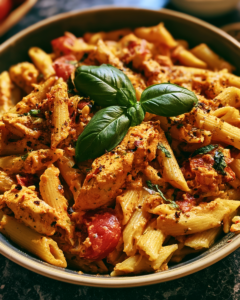
Garlic Butter Beef Linguine: 30-Minute Amazing Bliss

Posted on

Uncategorized

Difficulty

Prep time

Cooking time

Total time

Servings

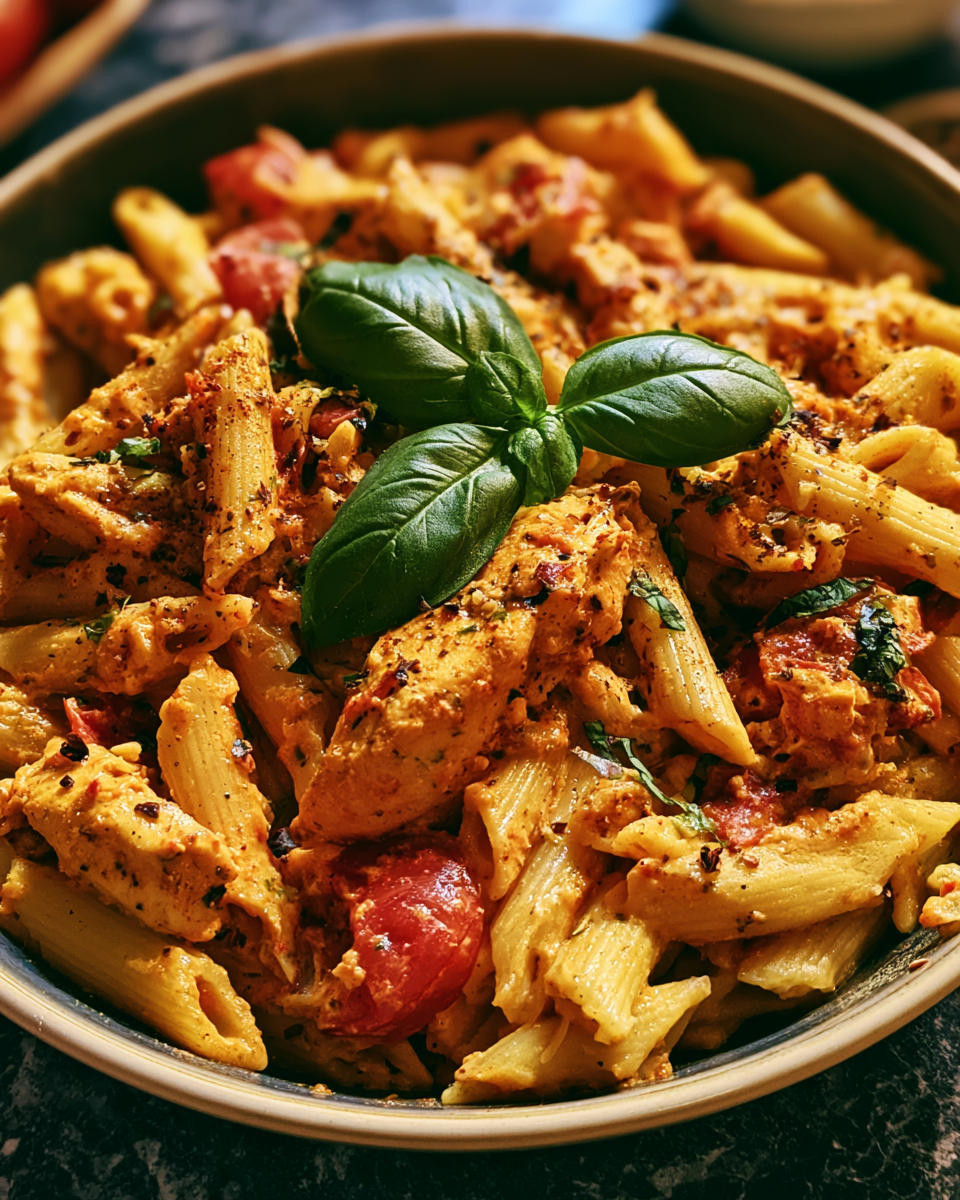
Garlic Butter Beef Linguine brings together tender strips of beef, silky pasta, rich butter, and fragrant garlic in one comforting skillet meal. The sauce lightly coats every strand of linguine, creating a rich texture without feeling too heavy. This dish works beautifully for busy weeknights while still feeling special enough for a relaxed dinner with family or guests.

The balance of savory beef, aromatic garlic, and buttery pasta creates deep flavor with minimal pantry ingredients. Fresh parsley and parmesan add brightness and richness that round out the dish perfectly. Garlic Butter Beef Linguine also comes together quickly, making it a dependable dinner when time feels short but a satisfying meal still matters.

The recipe uses simple cooking steps and straightforward ingredients that work together naturally. The pasta absorbs the buttery garlic sauce while the beef adds hearty texture and savory depth. Every bite feels rich, warm, and balanced.

Ingredients Overview

The beauty of Garlic Butter Beef Linguine comes from a small collection of familiar ingredients that blend together naturally. Linguine works especially well because its long strands hold the buttery sauce beautifully while still allowing the beef to remain the center of the plate. The pasta should cook until tender with a slight bite so it does not become soft once tossed with the sauce.

Beef sirloin is a dependable choice because it cooks quickly while remaining tender when sliced thinly against the grain. Ribeye also works nicely for a richer flavor, while flank steak gives a slightly firmer texture. Thin slices help the meat cook rapidly and evenly.

Butter forms the base of the sauce and gives the dish its smooth finish. Garlic adds aroma and savory depth. Fresh garlic works far better than jarred garlic because the flavor remains sharper and cleaner during cooking.

Parmesan cheese melts gently into the sauce and adds salty richness. Fresh parsley balances the richness with a fresh herbal note that keeps the dish from feeling overly heavy.

Beef broth helps loosen the sauce while adding savory depth. A small amount of pasta water also helps the butter and broth coat the linguine evenly. Red pepper flakes may be added for mild heat, while mushrooms or spinach blend naturally into the recipe without changing the overall texture too much.

Ingredients

12 ounces linguine

1 pound beef sirloin, thinly sliced

1 teaspoon salt

1/2 teaspoon black pepper

1 teaspoon Italian seasoning

2 tablespoons olive oil

4 tablespoons unsalted butter

6 cloves garlic, minced

1 small shallot, finely diced

1/2 cup beef broth

1/2 cup grated parmesan cheese

1/4 cup reserved pasta water

1 tablespoon fresh parsley, chopped

1/4 teaspoon red pepper flakes

Extra parmesan for serving

Fresh parsley for garnish

Step-by-Step Instructions

Bring a large pot of salted water to a boil. Add the linguine and cook until al dente according to the package directions. Before draining the pasta, reserve about 1/4 cup of the cooking water. Drain the linguine and set it aside.

Pat the sliced beef dry using paper towels. Dry meat browns more evenly and creates richer flavor in the skillet. Season the beef with salt, black pepper, and Italian seasoning.

Heat a large skillet over medium-high heat. Add the olive oil and allow it to warm fully before adding the beef. Place the beef in a single layer and cook for about 1 to 2 minutes per side. Avoid crowding the skillet because crowded beef releases moisture and steams instead of browning. Cook in batches if needed.

Once browned, transfer the beef to a plate and reduce the heat to medium. Add the butter to the same skillet. As the butter melts, stir in the shallot and cook for about 2 minutes until softened. Add the minced garlic and red pepper flakes. Stir constantly for about 30 seconds. Garlic cooks quickly and can become bitter if left too long over high heat.

Pour in the beef broth and gently scrape the bottom of the skillet to release the browned bits left from the meat. Those browned bits add rich savory flavor to the sauce. Let the broth simmer for about 2 minutes.

Add the cooked linguine to the skillet and toss gently until coated in the sauce. Slowly stir in the parmesan cheese while adding a splash of reserved pasta water. The pasta water helps create a glossy sauce that clings to the linguine without becoming greasy.

Return the cooked beef to the skillet and toss everything together for another minute until warmed through. Taste the pasta and adjust the seasoning if needed.

Finish with chopped parsley and extra parmesan before serving. The finished Garlic Butter Beef Linguine should look glossy and lightly coated rather than swimming in sauce. The beef should remain tender and juicy while the garlic butter aroma stays rich and inviting.

Tips, Variations & Substitutions

Thinly slicing the beef is one of the most important parts of this recipe. Slightly chilled steak is easier to cut into even strips, which helps the meat cook quickly and remain tender.

Freshly grated parmesan melts far better than pre-shredded cheese. Packaged shredded cheese often contains anti-caking ingredients that prevent smooth melting.

For extra richness, stir in a splash of heavy cream near the end of cooking. This creates a creamier sauce while still allowing the garlic butter flavor to remain the focus.

Mushrooms pair naturally with the savory beef and buttery pasta. Sauté sliced mushrooms after cooking the beef so they absorb the flavorful browned bits left in the skillet. Spinach also works nicely and wilts quickly once added to the hot pasta.

Chicken or shrimp can replace the beef if preferred. Fettuccine or spaghetti may also replace linguine without changing the cooking process very much.

For a lighter version, reduce the butter slightly and add more broth. Whole wheat pasta may also be used for additional fiber and a slightly nuttier flavor.

A squeeze of fresh lemon juice just before serving brightens the entire dish and balances the richness beautifully.

Serving Ideas & Occasions

Garlic Butter Beef Linguine pairs beautifully with warm garlic bread, roasted broccoli, or a crisp green salad with light vinaigrette. The fresh vegetables balance the buttery richness while adding color and texture to the meal.

For drinks, sparkling water with lemon works well alongside the savory flavors. Red wine such as merlot or cabernet also pairs nicely with the beef and garlic butter sauce.

This pasta dish fits naturally into casual family dinners, weekend meals, or relaxed gatherings with friends. Since it cooks quickly, it also works wonderfully for busy evenings when a comforting homemade meal still feels important.

The rich flavor and elegant appearance make Garlic Butter Beef Linguine suitable for date nights at home without requiring complicated preparation. A simple bowl of pasta topped with parmesan and parsley creates a warm and welcoming table with very little effort.

Nutritional & Health Notes

Garlic Butter Beef Linguine offers a balanced mix of protein, carbohydrates, and fats. Beef provides protein along with iron and vitamin B12, while the pasta supplies steady energy through carbohydrates.

Garlic contributes strong savory flavor without requiring excessive ingredients. Fresh parsley adds brightness along with small amounts of vitamins and minerals. Parmesan cheese contributes calcium and richness, though the sodium level may increase depending on the amount used.

Portion balance can help keep the meal satisfying without feeling overly heavy. Pairing the pasta with vegetables or salad creates additional texture and nutritional variety.

Using lean sirloin helps reduce excess fat while still keeping the beef tender and flavorful. Whole wheat pasta may add fiber, while reduced-sodium broth can help lower salt content if desired.

Although rich and comforting, the dish remains approachable for regular meals when served in moderate portions alongside lighter sides.

FAQs

Can I prepare Garlic Butter Beef Linguine ahead of time?

Yes, parts of the recipe may be prepared ahead to save time later. The beef can be sliced and seasoned up to one day in advance and stored in the refrigerator. Garlic and shallots may also be chopped beforehand. The pasta is best cooked fresh because reheated linguine can lose its texture and become soft. If preparing the full dish ahead, slightly undercook the pasta so it remains firmer after reheating. Store the finished pasta in an airtight container for up to three days. Reheat gently in a skillet with a splash of broth or water to loosen the sauce and restore moisture. Avoid overheating because the beef may become tough if cooked too long during reheating.

What cut of beef works best for this recipe?

Sirloin is one of the best choices because it stays tender while cooking quickly in a skillet. Ribeye creates richer flavor because of its marbling, while flank steak provides a firmer texture with strong beef flavor. Thin slices are far more important than the exact cut because thin beef cooks evenly and stays tender. Cutting against the grain also helps reduce chewiness. Tougher cuts that require slow cooking are not ideal for this recipe since the cooking time is short. If using a leaner cut, avoid overcooking because lean beef dries out quickly. A quick sear over medium-high heat keeps the meat juicy and flavorful.

Can I add vegetables to Garlic Butter Beef Linguine?

Vegetables blend beautifully into this dish and add color, texture, and freshness. Mushrooms are especially popular because they absorb the garlic butter sauce nicely while adding earthy flavor. Spinach wilts quickly into the pasta and creates a softer texture without changing the flavor too much. Broccoli, asparagus, or peas also pair naturally with the beef and linguine. When adding vegetables, cook them separately or after browning the beef so they do not release too much water into the skillet. The dish should remain lightly coated in sauce rather than watery. Fresh vegetables help balance the richness of the butter and parmesan.

Why did my sauce become greasy?

A greasy sauce usually happens when the butter separates instead of blending smoothly with the pasta water and parmesan. Reserved pasta water contains starch that helps the sauce cling evenly to the linguine. Adding the cheese slowly while tossing the pasta also helps create a smoother texture. Very high heat may cause the butter to separate quickly, so medium heat works best once the sauce ingredients combine. Using too much butter without enough broth or pasta water can also create an oily texture. Tossing the pasta thoroughly allows the sauce to coat evenly instead of pooling at the bottom of the skillet.

Can I use another type of pasta?

Yes, several pasta shapes work well in this recipe. Fettuccine creates a slightly richer feel because of its wider noodles, while spaghetti gives a lighter texture. Tagliatelle also pairs beautifully with buttery sauces. Short pasta shapes such as penne or rigatoni may be used if preferred, though long pasta tends to hold the sauce more evenly. Cook the pasta until just al dente because it continues cooking slightly when tossed with the hot sauce. Fresh pasta may also be used, though it cooks much faster than dried pasta and requires careful timing to avoid overcooking.

How can I make the dish creamier?

For a creamier texture, stir in a small splash of heavy cream after adding the broth. The cream blends with the butter and parmesan to create a richer sauce without overpowering the garlic flavor. Additional parmesan may also thicken the sauce slightly. Cream cheese is another option, though only a small amount should be added so the sauce does not become overly thick. Pasta water still remains important because it helps emulsify the sauce and keep it smooth. Avoid boiling the sauce heavily after adding dairy because high heat may cause separation or grainy texture.

Is Garlic Butter Beef Linguine spicy?

The recipe contains only mild heat from a small amount of red pepper flakes, and they may easily be reduced or omitted entirely. The primary flavor remains savory, buttery, and garlicky rather than spicy. Those who enjoy more heat may add extra pepper flakes or freshly cracked black pepper during cooking. A small spoonful of chili paste may also create deeper warmth without overpowering the dish. If serving children or guests with sensitive palates, leaving out the pepper flakes entirely still creates a flavorful and balanced pasta. The richness of the butter and parmesan naturally softens spicy ingredients.

[rank_math_breadcrumb]

Garlic Butter Beef Linguine: 30-Minute Amazing Bliss

Photo of author
Author: liv
Published:

Garlic Butter Beef Linguine brings together tender strips of beef, silky pasta, rich butter, and fragrant garlic in one comforting skillet meal. The sauce lightly coats every strand of linguine, creating a rich texture without feeling too heavy. This dish works beautifully for busy weeknights while still feeling special enough for a relaxed dinner with family or guests.

The balance of savory beef, aromatic garlic, and buttery pasta creates deep flavor with minimal pantry ingredients. Fresh parsley and parmesan add brightness and richness that round out the dish perfectly. Garlic Butter Beef Linguine also comes together quickly, making it a dependable dinner when time feels short but a satisfying meal still matters.

The recipe uses simple cooking steps and straightforward ingredients that work together naturally. The pasta absorbs the buttery garlic sauce while the beef adds hearty texture and savory depth. Every bite feels rich, warm, and balanced.

Ingredients Overview

The beauty of Garlic Butter Beef Linguine comes from a small collection of familiar ingredients that blend together naturally. Linguine works especially well because its long strands hold the buttery sauce beautifully while still allowing the beef to remain the center of the plate. The pasta should cook until tender with a slight bite so it does not become soft once tossed with the sauce.

Beef sirloin is a dependable choice because it cooks quickly while remaining tender when sliced thinly against the grain. Ribeye also works nicely for a richer flavor, while flank steak gives a slightly firmer texture. Thin slices help the meat cook rapidly and evenly.

Butter forms the base of the sauce and gives the dish its smooth finish. Garlic adds aroma and savory depth. Fresh garlic works far better than jarred garlic because the flavor remains sharper and cleaner during cooking.

Parmesan cheese melts gently into the sauce and adds salty richness. Fresh parsley balances the richness with a fresh herbal note that keeps the dish from feeling overly heavy.

Beef broth helps loosen the sauce while adding savory depth. A small amount of pasta water also helps the butter and broth coat the linguine evenly. Red pepper flakes may be added for mild heat, while mushrooms or spinach blend naturally into the recipe without changing the overall texture too much.

Ingredients

12 ounces linguine

1 pound beef sirloin, thinly sliced

1 teaspoon salt

1/2 teaspoon black pepper

1 teaspoon Italian seasoning

2 tablespoons olive oil

4 tablespoons unsalted butter

6 cloves garlic, minced

1 small shallot, finely diced

1/2 cup beef broth

1/2 cup grated parmesan cheese

1/4 cup reserved pasta water

1 tablespoon fresh parsley, chopped

1/4 teaspoon red pepper flakes

Extra parmesan for serving

Fresh parsley for garnish

Step-by-Step Instructions

Bring a large pot of salted water to a boil. Add the linguine and cook until al dente according to the package directions. Before draining the pasta, reserve about 1/4 cup of the cooking water. Drain the linguine and set it aside.

Pat the sliced beef dry using paper towels. Dry meat browns more evenly and creates richer flavor in the skillet. Season the beef with salt, black pepper, and Italian seasoning.

Heat a large skillet over medium-high heat. Add the olive oil and allow it to warm fully before adding the beef. Place the beef in a single layer and cook for about 1 to 2 minutes per side. Avoid crowding the skillet because crowded beef releases moisture and steams instead of browning. Cook in batches if needed.

Once browned, transfer the beef to a plate and reduce the heat to medium. Add the butter to the same skillet. As the butter melts, stir in the shallot and cook for about 2 minutes until softened. Add the minced garlic and red pepper flakes. Stir constantly for about 30 seconds. Garlic cooks quickly and can become bitter if left too long over high heat.

Pour in the beef broth and gently scrape the bottom of the skillet to release the browned bits left from the meat. Those browned bits add rich savory flavor to the sauce. Let the broth simmer for about 2 minutes.

Add the cooked linguine to the skillet and toss gently until coated in the sauce. Slowly stir in the parmesan cheese while adding a splash of reserved pasta water. The pasta water helps create a glossy sauce that clings to the linguine without becoming greasy.

Return the cooked beef to the skillet and toss everything together for another minute until warmed through. Taste the pasta and adjust the seasoning if needed.

Finish with chopped parsley and extra parmesan before serving. The finished Garlic Butter Beef Linguine should look glossy and lightly coated rather than swimming in sauce. The beef should remain tender and juicy while the garlic butter aroma stays rich and inviting.

Tips, Variations & Substitutions

Thinly slicing the beef is one of the most important parts of this recipe. Slightly chilled steak is easier to cut into even strips, which helps the meat cook quickly and remain tender.

Freshly grated parmesan melts far better than pre-shredded cheese. Packaged shredded cheese often contains anti-caking ingredients that prevent smooth melting.

For extra richness, stir in a splash of heavy cream near the end of cooking. This creates a creamier sauce while still allowing the garlic butter flavor to remain the focus.

Mushrooms pair naturally with the savory beef and buttery pasta. Sauté sliced mushrooms after cooking the beef so they absorb the flavorful browned bits left in the skillet. Spinach also works nicely and wilts quickly once added to the hot pasta.

Chicken or shrimp can replace the beef if preferred. Fettuccine or spaghetti may also replace linguine without changing the cooking process very much.

For a lighter version, reduce the butter slightly and add more broth. Whole wheat pasta may also be used for additional fiber and a slightly nuttier flavor.

A squeeze of fresh lemon juice just before serving brightens the entire dish and balances the richness beautifully.

Serving Ideas & Occasions

Garlic Butter Beef Linguine pairs beautifully with warm garlic bread, roasted broccoli, or a crisp green salad with light vinaigrette. The fresh vegetables balance the buttery richness while adding color and texture to the meal.

For drinks, sparkling water with lemon works well alongside the savory flavors. Red wine such as merlot or cabernet also pairs nicely with the beef and garlic butter sauce.

This pasta dish fits naturally into casual family dinners, weekend meals, or relaxed gatherings with friends. Since it cooks quickly, it also works wonderfully for busy evenings when a comforting homemade meal still feels important.

The rich flavor and elegant appearance make Garlic Butter Beef Linguine suitable for date nights at home without requiring complicated preparation. A simple bowl of pasta topped with parmesan and parsley creates a warm and welcoming table with very little effort.

Nutritional & Health Notes

Garlic Butter Beef Linguine offers a balanced mix of protein, carbohydrates, and fats. Beef provides protein along with iron and vitamin B12, while the pasta supplies steady energy through carbohydrates.

Garlic contributes strong savory flavor without requiring excessive ingredients. Fresh parsley adds brightness along with small amounts of vitamins and minerals. Parmesan cheese contributes calcium and richness, though the sodium level may increase depending on the amount used.

Portion balance can help keep the meal satisfying without feeling overly heavy. Pairing the pasta with vegetables or salad creates additional texture and nutritional variety.

Using lean sirloin helps reduce excess fat while still keeping the beef tender and flavorful. Whole wheat pasta may add fiber, while reduced-sodium broth can help lower salt content if desired.

Although rich and comforting, the dish remains approachable for regular meals when served in moderate portions alongside lighter sides.

FAQs

Can I prepare Garlic Butter Beef Linguine ahead of time?

Yes, parts of the recipe may be prepared ahead to save time later. The beef can be sliced and seasoned up to one day in advance and stored in the refrigerator. Garlic and shallots may also be chopped beforehand. The pasta is best cooked fresh because reheated linguine can lose its texture and become soft. If preparing the full dish ahead, slightly undercook the pasta so it remains firmer after reheating. Store the finished pasta in an airtight container for up to three days. Reheat gently in a skillet with a splash of broth or water to loosen the sauce and restore moisture. Avoid overheating because the beef may become tough if cooked too long during reheating.

What cut of beef works best for this recipe?

Sirloin is one of the best choices because it stays tender while cooking quickly in a skillet. Ribeye creates richer flavor because of its marbling, while flank steak provides a firmer texture with strong beef flavor. Thin slices are far more important than the exact cut because thin beef cooks evenly and stays tender. Cutting against the grain also helps reduce chewiness. Tougher cuts that require slow cooking are not ideal for this recipe since the cooking time is short. If using a leaner cut, avoid overcooking because lean beef dries out quickly. A quick sear over medium-high heat keeps the meat juicy and flavorful.

Can I add vegetables to Garlic Butter Beef Linguine?

Vegetables blend beautifully into this dish and add color, texture, and freshness. Mushrooms are especially popular because they absorb the garlic butter sauce nicely while adding earthy flavor. Spinach wilts quickly into the pasta and creates a softer texture without changing the flavor too much. Broccoli, asparagus, or peas also pair naturally with the beef and linguine. When adding vegetables, cook them separately or after browning the beef so they do not release too much water into the skillet. The dish should remain lightly coated in sauce rather than watery. Fresh vegetables help balance the richness of the butter and parmesan.

Why did my sauce become greasy?

A greasy sauce usually happens when the butter separates instead of blending smoothly with the pasta water and parmesan. Reserved pasta water contains starch that helps the sauce cling evenly to the linguine. Adding the cheese slowly while tossing the pasta also helps create a smoother texture. Very high heat may cause the butter to separate quickly, so medium heat works best once the sauce ingredients combine. Using too much butter without enough broth or pasta water can also create an oily texture. Tossing the pasta thoroughly allows the sauce to coat evenly instead of pooling at the bottom of the skillet.

Can I use another type of pasta?

Yes, several pasta shapes work well in this recipe. Fettuccine creates a slightly richer feel because of its wider noodles, while spaghetti gives a lighter texture. Tagliatelle also pairs beautifully with buttery sauces. Short pasta shapes such as penne or rigatoni may be used if preferred, though long pasta tends to hold the sauce more evenly. Cook the pasta until just al dente because it continues cooking slightly when tossed with the hot sauce. Fresh pasta may also be used, though it cooks much faster than dried pasta and requires careful timing to avoid overcooking.

How can I make the dish creamier?

For a creamier texture, stir in a small splash of heavy cream after adding the broth. The cream blends with the butter and parmesan to create a richer sauce without overpowering the garlic flavor. Additional parmesan may also thicken the sauce slightly. Cream cheese is another option, though only a small amount should be added so the sauce does not become overly thick. Pasta water still remains important because it helps emulsify the sauce and keep it smooth. Avoid boiling the sauce heavily after adding dairy because high heat may cause separation or grainy texture.

Is Garlic Butter Beef Linguine spicy?

The recipe contains only mild heat from a small amount of red pepper flakes, and they may easily be reduced or omitted entirely. The primary flavor remains savory, buttery, and garlicky rather than spicy. Those who enjoy more heat may add extra pepper flakes or freshly cracked black pepper during cooking. A small spoonful of chili paste may also create deeper warmth without overpowering the dish. If serving children or guests with sensitive palates, leaving out the pepper flakes entirely still creates a flavorful and balanced pasta. The richness of the butter and parmesan naturally softens spicy ingredients.
Name

Lorem ipsum dolor sit amet, consectetur adipiscing elit. Suspendisse varius enim in eros elementum tristique. Duis cursus, mi quis viverra ornare, eros dolor interdum nulla, ut commodo diam libero vitae erat.

You Might Also Like...

Egg & Pasta Budget Spaghetti Frittata: 5 Simple Happy Bites

Egg & Pasta Budget Spaghetti Frittata: 5 Simple Happy Bites

Dollar Stretcher Spaghetti with Canned Tomatoes: 5 Simple Delighted

Dollar Stretcher Spaghetti with Canned Tomatoes: 5 Simple Delighted

Roasted Vegetable Homemade Spaghetti Sauce: 7 Authentic Comforting Ideas

Roasted Vegetable Homemade Spaghetti Sauce: 7 Authentic Comforting Ideas

Fresh Tomato Homemade Spaghetti Sauce: 7 Authentic Hope

Fresh Tomato Homemade Spaghetti Sauce: 7 Authentic Hope

Tags:

You might also like these recipes

Leave a Comment