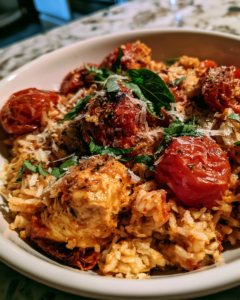
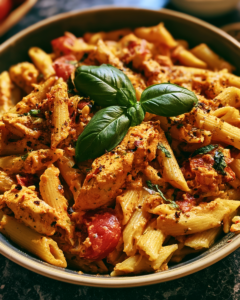
Roasted Garlic Beef Macaroni brings together tender pasta, rich ground beef, mellow roasted garlic, and a creamy cheese sauce in one deeply satisfying skillet meal. The roasted garlic adds a gentle sweetness that blends beautifully with savory beef and soft macaroni, creating a hearty dinner that feels welcoming after a long day.
This dish works well for weeknight cooking because the ingredients are familiar, budget-friendly, and easy to prepare. It also reheats beautifully, making it practical for meal prep or leftovers the next day. The combination of browned beef, bubbling cheese, and roasted garlic creates a comforting aroma that fills the kitchen while the pasta cooks to a perfectly tender texture.
Unlike boxed macaroni dinners, this homemade version carries richer flavor and a more balanced texture. Every bite includes creamy sauce, seasoned beef, and soft pasta coated with roasted garlic goodness. The recipe can also shift easily depending on what is available in the pantry, which makes it a dependable dinner option throughout the year.
Ingredients Overview

The heart of Roasted Garlic Beef Macaroni comes from simple ingredients that work together naturally. Ground beef creates the savory base and provides richness that balances the creamy sauce. Lean ground beef works well because it offers flavor without leaving too much grease behind. Ground turkey can replace beef if a lighter version is preferred, though the flavor becomes slightly milder.
Roasted garlic gives this recipe its signature taste. Fresh garlic cloves become soft and lightly sweet after roasting, which removes the harsh sharpness found in raw garlic. The roasted cloves blend directly into the sauce and create deep flavor throughout the entire dish.
Elbow macaroni is the classic pasta choice because the curved shape catches the sauce easily. Small shells or cavatappi also work nicely if macaroni is unavailable. Whole wheat pasta can be used for a slightly nuttier texture.
Cheddar cheese creates the creamy sauce and brings a rich finish to the skillet. Sharp cheddar adds stronger flavor, while mild cheddar creates a softer cheese profile. A small amount of mozzarella can also be mixed in for extra creaminess.
Milk and butter form the sauce base. Whole milk creates the smoothest texture, though lower-fat milk can still work. A touch of paprika and black pepper adds warmth without overpowering the roasted garlic. Onion helps build savory depth and complements the browned beef beautifully.
Together, these ingredients create a balanced dish with creamy texture, hearty protein, and mellow roasted garlic flavor in every forkful.
Ingredients
1 pound lean ground beef
12 ounces elbow macaroni
1 whole garlic bulb
1 tablespoon olive oil
2 tablespoons butter
1 small yellow onion, finely diced
2 tablespoons all-purpose flour
2 cups whole milk
2 cups shredded sharp cheddar cheese
1/2 cup shredded mozzarella cheese
1 teaspoon salt
1/2 teaspoon black pepper
1/2 teaspoon paprika
1/4 teaspoon dried parsley
2 tablespoons chopped fresh parsley
Step-by-Step Instructions

Begin by roasting the garlic. Preheat the oven to 400 degrees Fahrenheit. Slice the top from the garlic bulb to expose the cloves slightly. Place the bulb on foil, drizzle with olive oil, wrap tightly, and roast for about 35 to 40 minutes until the cloves become soft and lightly golden. Allow the garlic to cool enough to handle, then squeeze the softened cloves into a small bowl and mash with a fork.
While the garlic roasts, bring a large pot of salted water to a boil. Cook the elbow macaroni until just tender according to the package instructions. Avoid overcooking because the pasta continues softening slightly once mixed into the hot sauce. Drain the pasta and set aside.
Place a large skillet or Dutch oven over medium heat. Add the ground beef and diced onion. Cook for about 7 to 8 minutes, breaking the beef apart with a spoon as it browns. The onion should soften and become lightly translucent. Drain any excess grease if needed.
Reduce the heat slightly and add butter to the skillet. Once melted, stir in the flour and cook for about one minute. This step helps create a thicker sauce later. Slowly pour in the milk while whisking continuously to avoid lumps. Continue stirring for several minutes until the mixture thickens gently.
Add the mashed roasted garlic, salt, black pepper, paprika, and dried parsley. Stir thoroughly so the roasted garlic spreads evenly throughout the sauce. The aroma should become rich and savory at this stage.
Gradually add the cheddar cheese and mozzarella cheese in small handfuls. Stir continuously until the cheese melts fully and the sauce becomes smooth. Avoid adding all the cheese at once because it may clump instead of melting evenly.
Fold the cooked macaroni into the cheese sauce. Stir gently so every piece of pasta becomes coated. Allow the mixture to simmer for about 2 to 3 minutes so the flavors combine fully.
Taste and adjust seasoning if needed. If the sauce thickens too much, stir in a small splash of milk until the desired consistency returns. Sprinkle chopped fresh parsley over the top before serving.
One common mistake is overheating the cheese sauce. High heat can cause the cheese to separate and become grainy. Keeping the heat moderate helps maintain a smooth texture. Another issue comes from under-seasoning the pasta water. Properly salted water gives the macaroni better flavor from the beginning.
Serve the Roasted Garlic Beef Macaroni hot while the sauce remains creamy and rich.
Tips, Variations & Substitutions
For deeper flavor, allow the beef to brown properly before stirring too often. Small caramelized bits at the bottom of the skillet add extra savory richness to the finished dish.
A mixture of cheeses can change the flavor profile easily. Monterey Jack creates a smoother texture, while smoked gouda adds gentle smokiness. Parmesan can also be stirred in for a saltier finish.
If extra vegetables are desired, diced mushrooms, spinach, or peas fit naturally into the dish. Add mushrooms while browning the beef so they release moisture properly. Spinach should be stirred in near the end since it wilts quickly.
Ground turkey or ground chicken can replace beef for a lighter meal. Italian sausage also works nicely for a richer version with more seasoning.
Gluten-free pasta and gluten-free flour can be used successfully if needed. For a slightly lighter sauce, reduced-fat milk may replace whole milk, though the texture becomes somewhat thinner.
Leftovers reheat well on the stovetop with a splash of milk. This helps loosen the sauce and restore creaminess. The pasta can also be transferred to a baking dish, topped with extra cheese, and baked until bubbly for a casserole-style dinner.
Fresh herbs such as thyme or chives can brighten the finished skillet without overpowering the roasted garlic flavor.
Serving Ideas & Occasions
Roasted Garlic Beef Macaroni fits naturally into family dinners, casual gatherings, and cool-weather meals. Because it cooks in a single skillet after the pasta boils, it works especially well for busy evenings when a filling meal is needed without complicated preparation.
A crisp green salad with vinaigrette balances the creamy pasta nicely. Roasted broccoli, green beans, or glazed carrots also pair well with the rich cheese sauce. Garlic bread or warm dinner rolls can round out the meal for larger gatherings.
For beverages, iced tea, sparkling water with lemon, or a light red wine complement the savory beef and roasted garlic flavors beautifully.
This dish also works nicely for potlucks because it stays warm for quite a while and can be prepared ahead of time. During colder months, the creamy sauce and hearty pasta create a particularly welcoming dinner option.
Nutritional & Health Notes
Roasted Garlic Beef Macaroni provides a balance of protein, carbohydrates, and dairy-based richness. Ground beef contributes protein and iron, while cheese and milk add calcium and additional protein. The pasta supplies energy through carbohydrates, making the dish filling and satisfying.
Using lean ground beef helps reduce excess fat without sacrificing flavor. Whole wheat pasta can add extra fiber, while adding vegetables such as spinach or peas increases nutritional variety.
Roasted garlic contributes strong savory flavor without requiring heavy amounts of salt. Because the garlic becomes mellow after roasting, it blends smoothly into the sauce while still adding depth.
Portion size plays an important role since the cheese sauce creates a rich meal. Pairing the macaroni with vegetables or salad helps create a more balanced plate.
Homemade macaroni dishes also allow better control over ingredients compared to packaged dinners. Adjusting the amount of cheese, salt, or butter makes it easier to tailor the recipe to individual preferences while still maintaining creamy texture and savory flavor.
FAQs
Can I prepare Roasted Garlic Beef Macaroni ahead of time?
Yes, this recipe works very well as a make-ahead dinner. Prepare the entire dish, allow it to cool slightly, and transfer it into an airtight container or baking dish. Refrigerate for up to three days. When reheating, add a splash of milk before warming because the pasta absorbs some sauce during storage. Reheat gently on the stovetop or in the oven at 350 degrees Fahrenheit until fully heated through. Stir occasionally to keep the sauce smooth. If baking, an extra sprinkle of shredded cheese on top creates a creamy finish while warming.
Can I freeze this macaroni dish?
Roasted Garlic Beef Macaroni can be frozen, though the sauce texture may soften slightly after thawing. Allow the cooked pasta to cool fully before placing it into freezer-safe containers. Freeze for up to two months. Thaw overnight in the refrigerator before reheating. Warm slowly over medium-low heat with a small amount of milk stirred in gradually. This helps restore the creamy consistency. Avoid overheating because dairy sauces can separate if cooked too aggressively after thawing. Freezing individual portions also makes weekday lunches easier to manage.
Which cheese melts best for this recipe?
Sharp cheddar melts smoothly and gives strong savory flavor, making it one of the strongest choices for this dish. Mixing cheddar with mozzarella creates extra creaminess while still maintaining rich flavor. Monterey Jack also melts beautifully and creates a silkier texture. Freshly shredded cheese generally performs better than pre-shredded packaged cheese because packaged varieties often contain anti-caking ingredients that affect melting. Adding cheese slowly over moderate heat helps maintain a smooth sauce instead of a grainy texture.
Can I roast the garlic in advance?
Yes, roasted garlic can be prepared several days ahead of time. Once cooled, store the roasted cloves in an airtight container in the refrigerator for up to five days. The softened garlic also works nicely in mashed potatoes, soups, and sandwich spreads. Preparing the garlic early can shorten dinner preparation considerably on busy evenings. Some cooks roast several garlic bulbs at once so extra cloves remain available for later meals throughout the week.
What pasta shapes work besides elbow macaroni?
Several pasta varieties work nicely in this recipe. Small shells hold the creamy sauce very well, while cavatappi provides a slightly firmer texture with ridges that catch the cheese sauce. Rotini and penne also perform nicely if elbow macaroni is unavailable. Short pasta shapes generally work better than long noodles because they mix evenly with the beef and sauce. Cooking the pasta only until tender helps prevent mushy texture after combining with the hot skillet sauce.
How can I make the dish slightly lighter?
A lighter version can be prepared by using lean ground turkey instead of beef and reduced-fat milk instead of whole milk. Reducing the cheese slightly while adding vegetables such as spinach, mushrooms, or zucchini can also balance the richness. Whole wheat pasta adds fiber and creates a heartier texture. Even with these adjustments, the roasted garlic still provides deep savory flavor that keeps the dish satisfying without relying entirely on heavy ingredients.
Why did my cheese sauce become grainy?
Grainy cheese sauce usually happens when the heat becomes too high. Cheese melts best over moderate or low heat. If the sauce boils aggressively, the dairy can separate and lose its smooth consistency. Another common issue comes from adding cheese too quickly. Stirring in small handfuls gradually creates a creamier result. Freshly shredded cheese also melts more smoothly than packaged shredded cheese. Keeping the sauce warm rather than extremely hot helps maintain a silky texture throughout the cooking process.