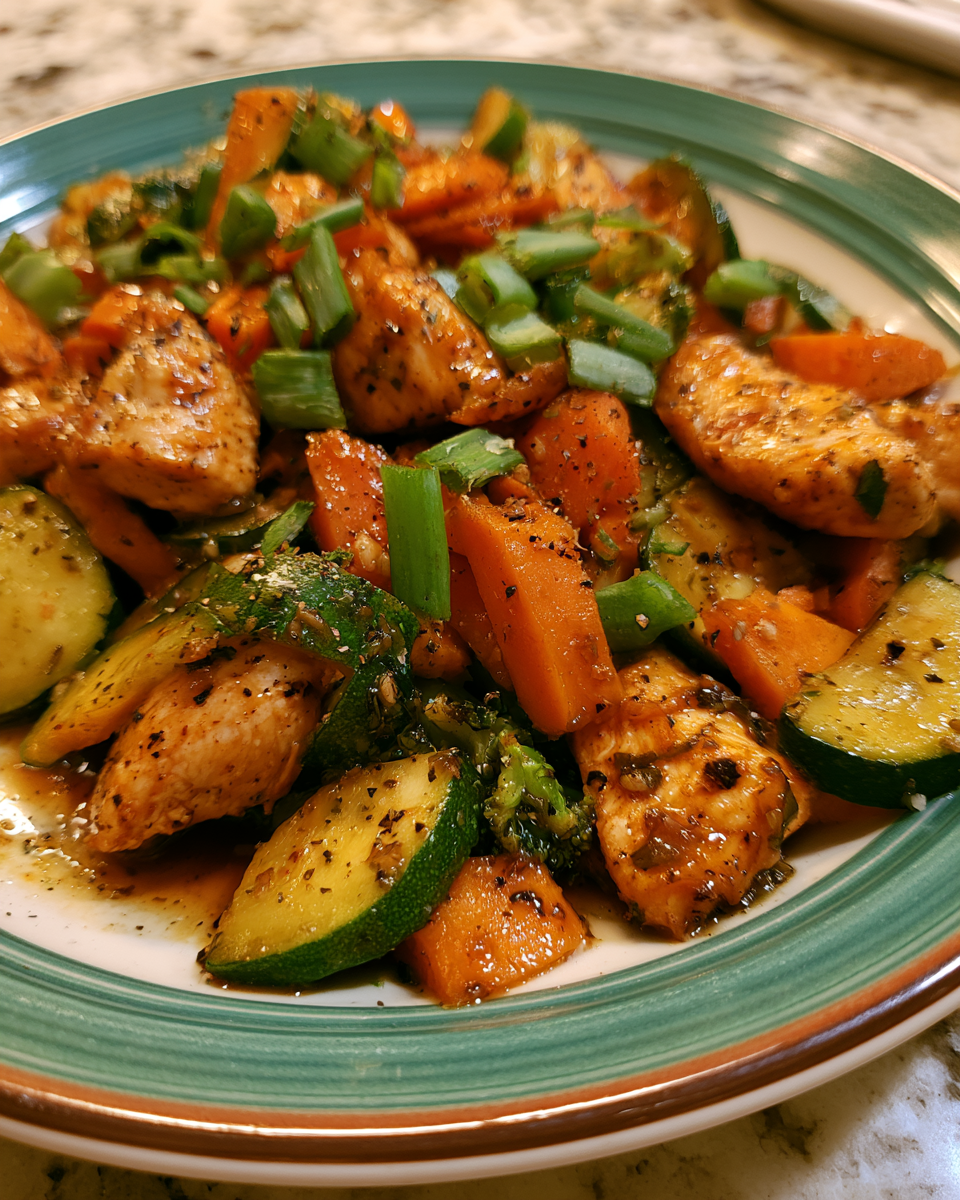
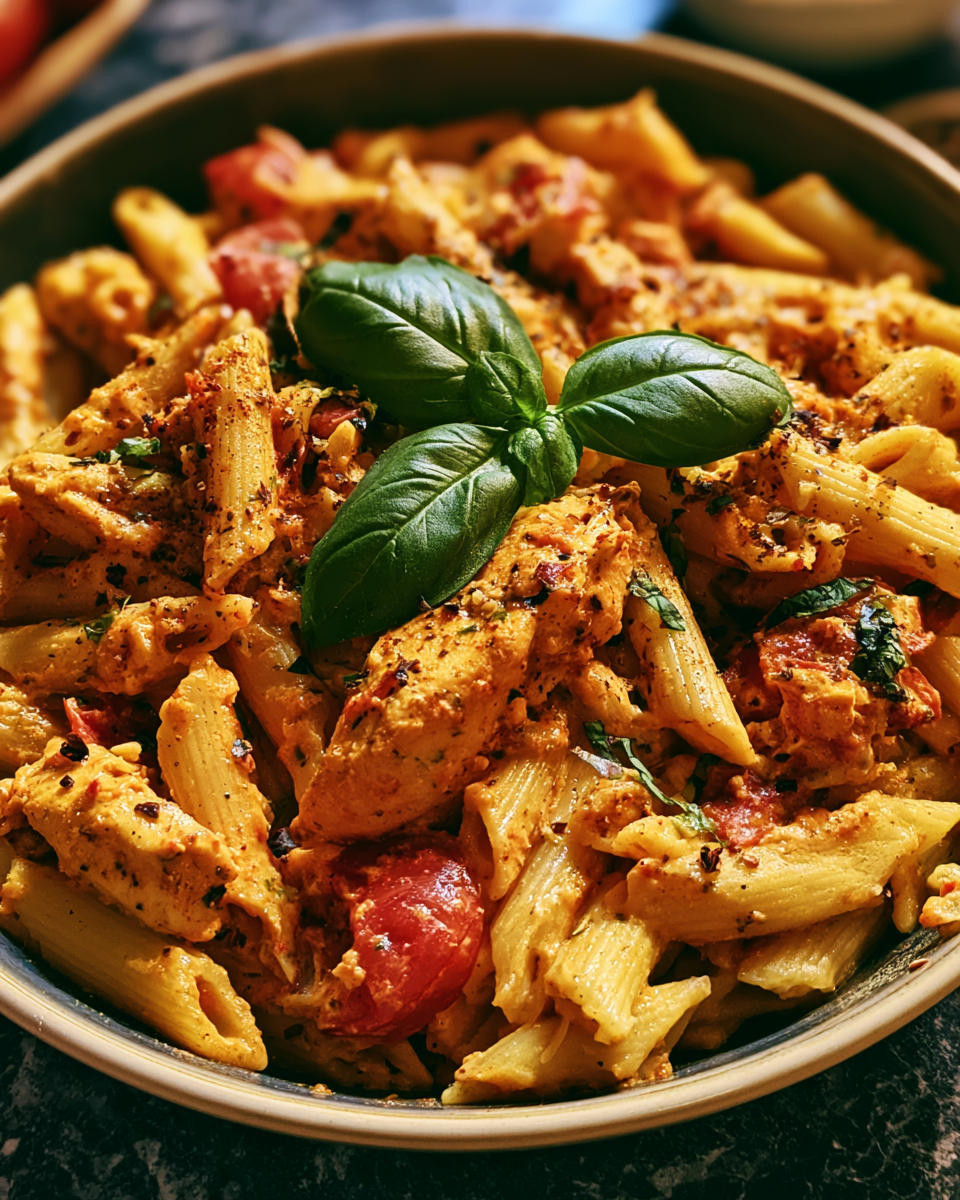
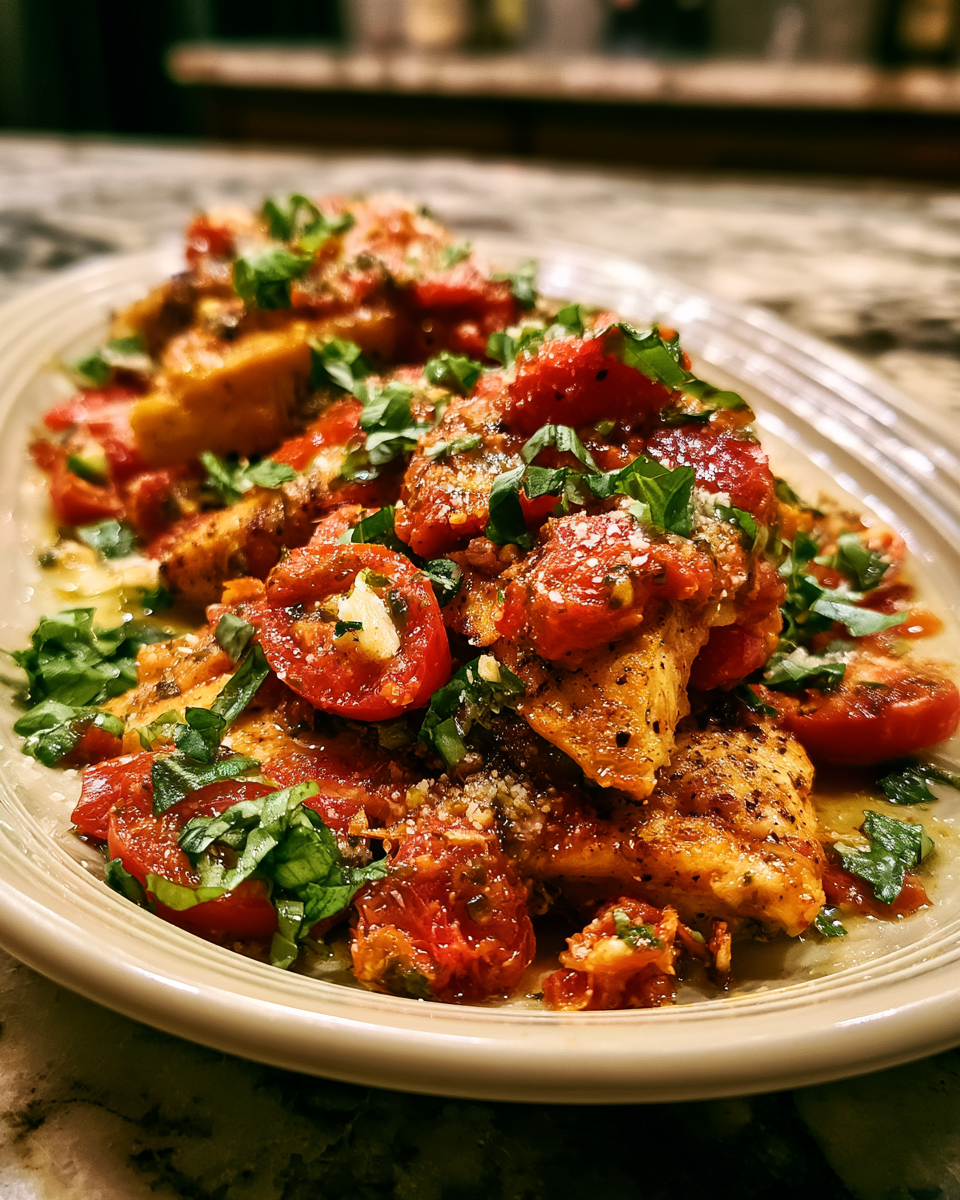
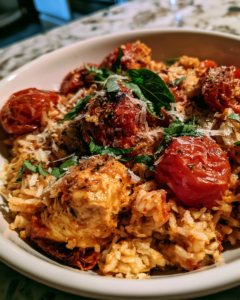
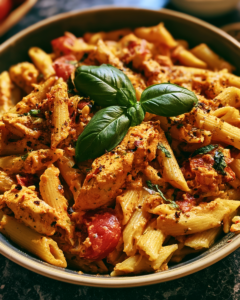
Creamy Beef and Broccoli Pasta brings together tender beef, fresh broccoli, and a rich sauce wrapped around warm pasta for a comforting dinner that fits busy evenings and relaxed family meals alike. The hearty texture of the beef pairs beautifully with the soft pasta and lightly crisp broccoli, giving every forkful balance and depth without feeling overly heavy.
This dish borrows familiar flavors from classic beef and broccoli while blending them into a creamy pasta supper that feels satisfying during cooler evenings or whenever a filling meal is needed. The sauce coats the noodles smoothly while garlic, onion, and Parmesan add layers of savory flavor that settle into the beef as it cooks.
One reason Creamy Beef and Broccoli Pasta remains popular is its flexibility. It works with several pasta shapes, different cuts of beef, and even lighter dairy choices without losing its rich texture. The entire meal also comes together in one skillet and one pot, making cleanup manageable after dinner.
The broccoli brightens the dish with color and freshness while adding slight crunch beside the creamy sauce. Together, the ingredients create a meal that tastes homemade and welcoming without requiring difficult preparation.
Ingredients Overview
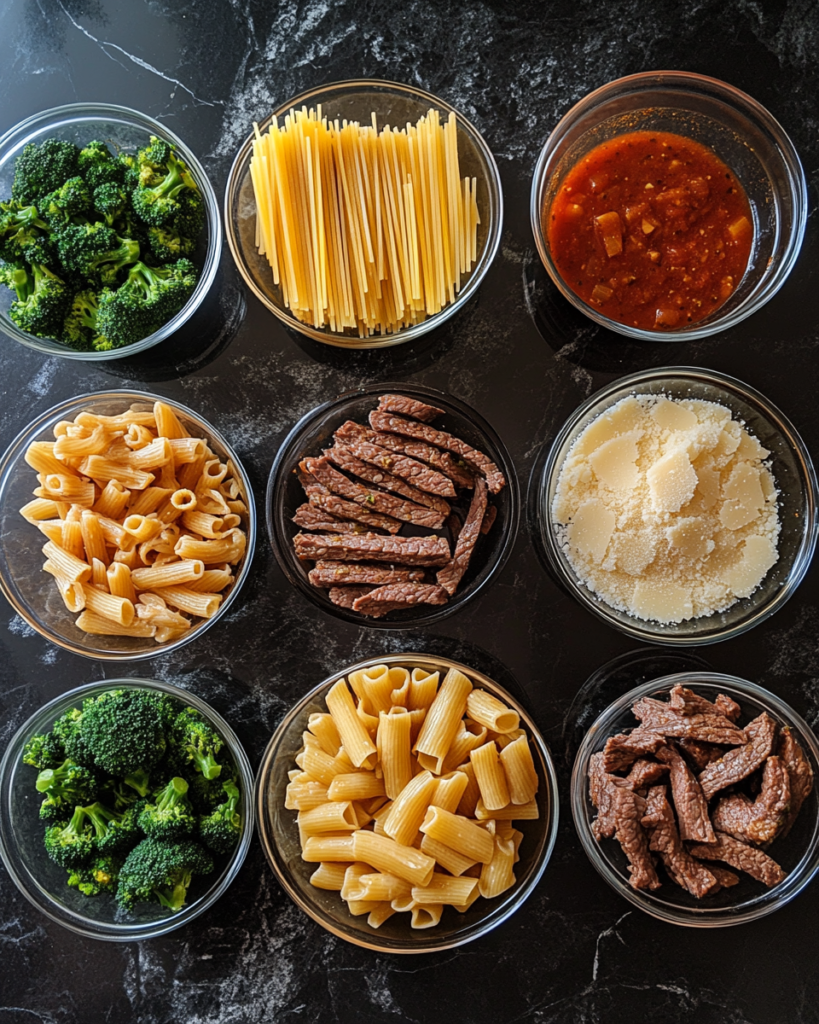
The heart of Creamy Beef and Broccoli Pasta starts with thinly sliced beef. Sirloin works especially well because it cooks quickly and stays tender when seared over medium-high heat. Ground beef also works nicely for a more budget-friendly version with a slightly richer texture. The beef adds savory depth that balances the creamy sauce and pasta.
Broccoli plays an important role beyond color. Fresh florets bring mild earthiness and slight firmness that keeps the dish from feeling overly rich. Small florets cook evenly and blend more naturally into the pasta. Frozen broccoli can also work when fresh broccoli is unavailable, though it should be thawed and drained first to avoid excess moisture.
Pasta acts as the foundation of the meal. Penne, rotini, or fettuccine all hold sauce well. Short pasta shapes catch bits of beef and broccoli in every bite, while long noodles create a softer, more traditional creamy pasta texture.
Heavy cream gives the sauce its velvety consistency, while beef broth deepens the flavor without making the dish too thick. Parmesan cheese melts into the sauce and adds salty richness that ties everything together. Garlic and onion provide aromatic flavor during the first stage of cooking and help build a fuller taste throughout the skillet.
Butter and olive oil work together during cooking. Olive oil helps brown the beef while butter softens the onions and builds richness in the sauce. A small amount of Italian seasoning rounds out the dish with mild herbal flavor without overpowering the beef and broccoli.
Ingredients
12 ounces penne pasta
1 pound sirloin steak, thinly sliced
3 cups broccoli florets
2 tablespoons olive oil
2 tablespoons butter
1 small yellow onion, diced
4 cloves garlic, minced
1 teaspoon salt
1/2 teaspoon black pepper
1 teaspoon Italian seasoning
2 tablespoons all-purpose flour
2 cups beef broth
1 cup heavy cream
1 cup freshly grated Parmesan cheese
1/2 teaspoon crushed red pepper flakes
1 tablespoon soy sauce
1 tablespoon chopped parsley
Step-by-Step Instructions
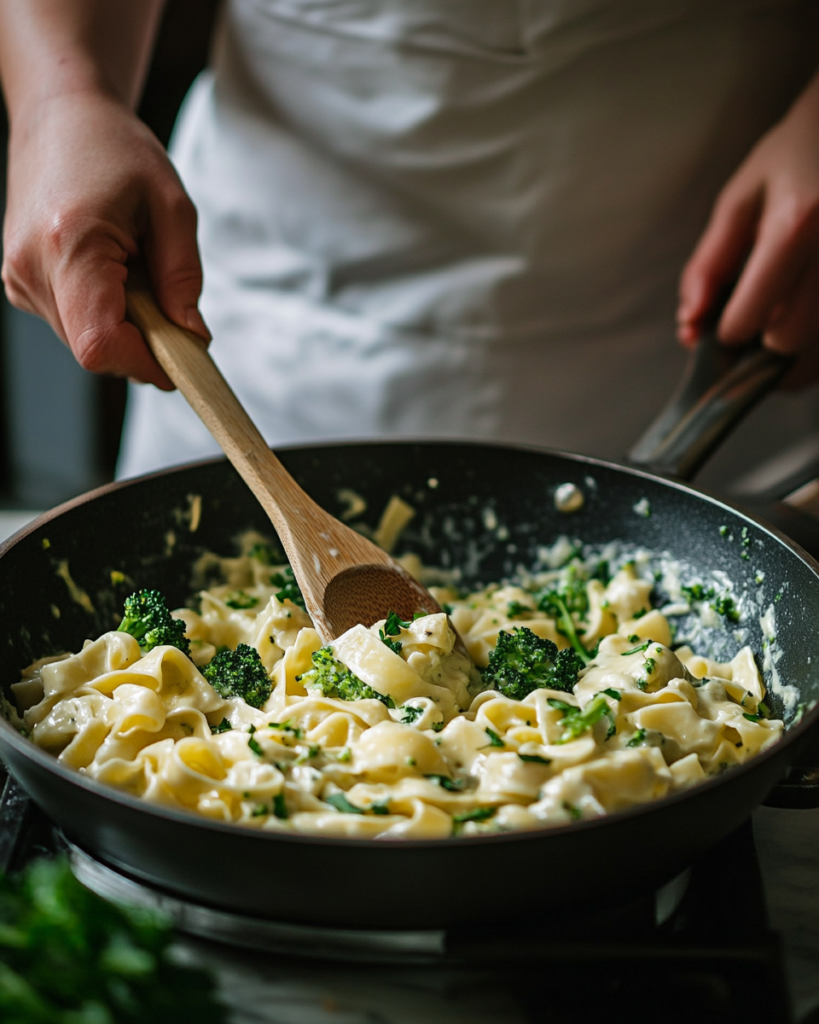
Bring a large pot of salted water to a boil. Cook the penne according to package directions until just tender. During the final three minutes of cooking, add the broccoli florets directly into the pasta water. This keeps the broccoli bright and slightly firm while saving time and dishes. Drain everything together and set aside.
Pat the sliced beef dry with paper towels before cooking. Dry beef browns more effectively and develops deeper flavor. Heat olive oil in a large skillet over medium-high heat. Add the beef in a single layer and cook for about two minutes per side until browned. Avoid overcrowding the skillet because crowded beef releases moisture and steams rather than browns. Transfer the cooked beef to a plate.
Reduce the heat to medium. Add butter and diced onion to the same skillet. Cook for four to five minutes until the onion softens and becomes lightly golden around the edges. Stir in the garlic and cook for another thirty seconds until fragrant.
Sprinkle the flour into the skillet and stir continuously for one minute. This step thickens the sauce later and prevents a watery texture. Slowly pour in the beef broth while whisking constantly to remove lumps. Stir in the heavy cream, soy sauce, Italian seasoning, salt, black pepper, and crushed red pepper flakes.
Allow the sauce to simmer gently for about five minutes. It should thicken enough to lightly coat the back of a spoon. Stir frequently so the dairy does not stick to the skillet.
Lower the heat and gradually stir in the Parmesan cheese. Add small handfuls at a time so the cheese melts smoothly into the sauce rather than clumping. Once the sauce looks creamy and glossy, return the beef to the skillet.
Fold in the cooked pasta and broccoli. Toss gently until everything becomes evenly coated with sauce. If the sauce appears too thick, add a splash of warm broth or reserved pasta water to loosen it slightly.
Cook for another two minutes so the flavors settle together. Taste the sauce and adjust seasoning if needed. Scatter chopped parsley over the top before serving.
For the richest texture, serve the pasta immediately while the sauce remains smooth and creamy. Waiting too long may cause the pasta to absorb excess sauce and become dry.
Tips, Variations & Substitutions
Thin slices of beef cook rapidly and stay tender when cooked over high heat. Placing the steak in the freezer for about fifteen minutes before slicing can help create thinner, cleaner cuts. Always slice against the grain for softer texture.
For extra richness, stir a spoonful of cream cheese into the sauce near the end of cooking. It creates a slightly thicker consistency that clings beautifully to pasta. If a lighter version is preferred, half-and-half can replace heavy cream, though the sauce may become thinner.
Ground beef creates a more rustic version of Creamy Beef and Broccoli Pasta. Drain excess fat before adding the sauce ingredients so the final dish does not feel greasy. Chicken breast also works nicely for a different flavor profile.
Freshly grated Parmesan melts more smoothly than packaged shredded cheese. Pre-shredded cheese often contains anti-caking ingredients that affect the texture of creamy sauces.
Rotini and rigatoni both hold sauce extremely well, though fettuccine creates a softer texture that resembles classic Alfredo-style pasta dishes. Whole wheat pasta can be used for additional fiber and slightly nutty flavor.
For additional vegetables, sliced mushrooms, peas, or spinach blend naturally into the sauce. Spinach should be stirred in during the final minute of cooking so it wilts gently without overcooking.
Serving Ideas & Occasions
Creamy Beef and Broccoli Pasta fits naturally into weeknight dinners, casual family gatherings, and cool-weather suppers. The hearty texture makes it filling enough as a main course while still pairing nicely with simple side dishes.
Warm garlic bread or a crusty loaf works beautifully beside the creamy sauce. A crisp green salad with light vinaigrette balances the richness of the pasta and adds freshness to the plate. Roasted carrots or green beans also pair nicely without competing with the flavors in the skillet.
For drinks, sparkling water with lemon offers a refreshing contrast. Iced tea or light red wine also complements the savory beef and Parmesan flavors.
This pasta travels well for potlucks and reheats smoothly for next-day lunches. Because the ingredients are familiar and comforting, it often appeals to both children and adults. The dish also works well during colder months when warm pasta suppers feel especially welcoming.
Nutritional & Health Notes
Creamy Beef and Broccoli Pasta contains a balanced mix of protein, carbohydrates, and vegetables. Beef contributes iron and protein that help make the dish satisfying and hearty. Broccoli adds fiber, vitamin C, and natural freshness that balances the creamy sauce.
Using whole grain pasta can increase fiber content and create a more filling meal. Reduced-fat dairy products may lower overall richness while still keeping the sauce creamy enough for everyday dinners.
Portion size matters because creamy pasta dishes can become quite filling. Serving the pasta with a vegetable side dish or salad creates a more balanced plate and adds additional texture to the meal.
Broccoli provides nutrients while helping lighten the overall feel of the dish. The vegetable also absorbs some of the sauce, creating flavorful bites throughout the pasta.
Homemade versions often contain less sodium than many restaurant-style creamy pasta dishes, especially when low-sodium broth is used. Cooking at home also allows better control over ingredients and seasoning levels.
FAQs
Can I prepare Creamy Beef and Broccoli Pasta ahead of time?
Creamy Beef and Broccoli Pasta can be prepared several hours ahead and gently reheated before serving. For the smoothest texture, keep the pasta slightly undercooked during the initial boiling stage because it softens more during reheating. Store the pasta in an airtight container in the refrigerator for up to three days.
When reheating, place the pasta in a skillet over medium-low heat with a splash of broth, cream, or milk. Stir frequently so the sauce loosens gradually and becomes creamy again. Microwaving also works, though shorter heating intervals prevent the sauce from separating. Fresh parsley and additional Parmesan added after reheating help refresh the flavor and appearance of the dish.
Which cut of beef works best for this pasta?
Sirloin remains one of the strongest choices because it cooks quickly while staying tender and flavorful. Flank steak also works nicely when sliced thinly against the grain. Ribeye creates an especially rich version due to its marbling, though it can produce slightly more grease in the skillet.
Ground beef is another practical option for busy evenings. It changes the texture of the dish but still creates a hearty and comforting meal. Whichever cut is selected, avoid overcooking the beef because prolonged cooking may create toughness. Brief high-heat cooking keeps the meat tender and juicy before it finishes warming in the sauce.
Can frozen broccoli be used instead of fresh broccoli?
Frozen broccoli works very well in Creamy Beef and Broccoli Pasta when prepared properly. Thaw the broccoli first and gently pat away excess moisture before adding it to the skillet. Too much water can thin the sauce and affect the final texture.
Fresh broccoli generally keeps firmer texture and brighter color, though frozen broccoli offers convenience and shorter preparation time. Smaller florets blend more evenly into the pasta and distribute better throughout the sauce. Avoid overcooking frozen broccoli because it softens rapidly once heated. Stirring it into the sauce during the final few minutes often provides the best texture.
How do I keep the sauce smooth and creamy?
A smooth sauce begins with moderate heat. Very high heat can cause dairy products to separate and become grainy. After adding cream, keep the sauce at a gentle simmer rather than a rapid boil. Parmesan cheese should also be added slowly in small amounts while stirring constantly.
Freshly grated cheese melts more evenly than packaged shredded cheese. If the sauce becomes too thick, a splash of warm broth or pasta water usually restores the creamy consistency. Stirring frequently during cooking also prevents sticking and keeps the sauce glossy from beginning to end.
What pasta shapes work best in this recipe?
Penne and rotini are especially suitable because their shapes catch the creamy sauce and small pieces of beef and broccoli. Rigatoni also works nicely for a heartier texture. Long noodles such as fettuccine create a softer and more classic creamy pasta presentation.
Short pasta shapes are often easier for serving families and gatherings because the ingredients stay evenly mixed throughout the dish. Whole wheat pasta can add a slightly nutty flavor and firmer texture. Gluten-free pasta also works successfully, though careful cooking prevents it from becoming overly soft before mixing with the sauce.
Can I freeze leftovers?
Cream-based pasta dishes can be frozen, though the texture may shift slightly after thawing. For stronger results, cool the pasta completely before transferring it into freezer-safe containers. Freeze for up to two months.
Thaw overnight in the refrigerator before reheating gently in a skillet. Adding a small amount of broth or cream during reheating helps restore moisture and improve texture. Pasta may soften slightly after freezing, though the flavor usually remains rich and satisfying. If planning specifically for freezing, cooking the pasta one minute less than package instructions may help maintain firmer texture later.
How can I add extra flavor without overpowering the dish?
Garlic, Parmesan, and beef already create a strong savory base, though small additions can deepen the flavor further. A splash of Worcestershire sauce or a pinch of smoked paprika can add subtle depth without changing the overall character of the pasta.
Fresh herbs such as parsley or basil brighten the richness near the end of cooking. Crushed red pepper flakes provide gentle warmth for those who enjoy slight heat. Roasted mushrooms or caramelized onions can also add earthy flavor that blends naturally into the creamy sauce. Keeping additions balanced allows the beef, broccoli, and Parmesan to remain the central flavors of the meal.