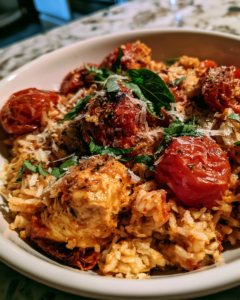
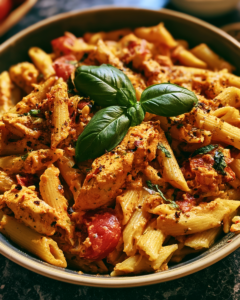
Cheesy Beef Ravioli Skillet brings rich pasta, seasoned beef, and bubbling cheese together in one pan for a filling family dinner with very little cleanup. Soft ravioli cooks directly in a savory tomato sauce while melted mozzarella forms a creamy layer across the top. Every bite carries tender pasta, hearty beef, herbs, and warm cheese.
This skillet dinner fits busy evenings because the cooking process stays simple and quick. Frozen or refrigerated ravioli both work nicely, giving plenty of flexibility with grocery choices. The sauce thickens gently while the ravioli absorbs flavor from the beef and seasonings, creating a rich texture without hours near the stove.
A large skillet handles the full meal from start to finish, which keeps kitchen work light after dinner. The finished dish tastes like baked pasta yet comes together much faster than a traditional casserole. Cheesy Beef Ravioli Skillet also stores well for lunch the following day, since the sauce keeps the pasta tender without becoming dry.
Ingredients Overview

The heart of Cheesy Beef Ravioli Skillet starts with cheese ravioli. Refrigerated ravioli cooks quickly and carries a soft texture that blends beautifully with the meat sauce. Frozen ravioli works equally well, though it may need a few extra minutes in the skillet. Cheese-filled pasta gives the dish creamy flavor from the inside while melted cheese on top adds richness across the full pan.
Ground beef forms the savory base of the sauce. An 85/15 blend gives enough fat for flavor without leaving the skillet greasy. Italian seasoning, garlic, onion, and tomato sauce create a balanced mixture with mild herb notes and gentle acidity. Crushed tomatoes add body and a slightly chunky texture that coats the ravioli evenly.
Mozzarella melts into smooth strands across the skillet while Parmesan adds a salty finish. Fresh parsley brightens the rich sauce and adds a fresh contrast near serving time. A small amount of beef broth loosens the sauce and helps the ravioli cook evenly.
Several ingredient swaps fit nicely in this recipe. Ground turkey or Italian sausage can replace the beef. Spinach ravioli or beef ravioli both pair nicely with the tomato sauce. Cottage cheese mixed into the sauce creates extra creaminess without becoming overly heavy. Crushed red pepper flakes bring mild heat for households that enjoy spicier pasta dishes.
The combination of pasta, beef, tomato, and cheese creates a cozy skillet dinner with balanced flavor and hearty texture.
Ingredients
1 pound ground beef
1 small yellow onion, diced
3 cloves garlic, minced
1 teaspoon Italian seasoning
1/2 teaspoon dried basil
1/2 teaspoon salt
1/4 teaspoon black pepper
1 tablespoon olive oil
1 jar (24 ounces) marinara sauce
1 can (14 ounces) crushed tomatoes
1/2 cup beef broth
1 package (20 ounces) refrigerated cheese ravioli
2 cups shredded mozzarella cheese
1/3 cup grated Parmesan cheese
2 tablespoons chopped fresh parsley
1/4 teaspoon crushed red pepper flakes, optional
Step-by-Step Instructions

Place a large deep skillet over medium heat. Add olive oil and diced onion. Cook for about 4 minutes, stirring occasionally, until the onion softens and becomes slightly translucent. Stir in the garlic and cook for 30 seconds. The garlic should smell fragrant but not dark brown.
Add the ground beef to the skillet. Break the meat into small crumbles with a wooden spoon while cooking. Continue cooking for 6 to 8 minutes until no pink remains. Drain excess grease if needed so the sauce does not become overly oily.
Sprinkle in the Italian seasoning, basil, salt, black pepper, and optional red pepper flakes. Stir thoroughly so the seasoning coats the beef mixture evenly.
Pour the marinara sauce, crushed tomatoes, and beef broth into the skillet. Stir until fully combined. Bring the sauce to a gentle simmer. The sauce should bubble lightly around the edges without rapid boiling.
Add the ravioli directly into the skillet. Press the pasta gently into the sauce so each piece becomes coated. Cover the skillet with a lid and cook for 5 to 7 minutes, stirring once halfway through cooking. Refrigerated ravioli cooks quickly, while frozen ravioli may need closer to 10 minutes.
Watch the ravioli carefully during this stage. Overcooked ravioli can split and release filling into the sauce. The pasta should feel tender while still holding its shape.
Reduce the heat to low once the ravioli becomes tender. Scatter the mozzarella cheese evenly across the top. Sprinkle Parmesan over the mozzarella for extra savory flavor.
Cover the skillet again for 2 to 3 minutes until the cheese melts completely. The cheese should appear smooth and slightly stretchy across the surface. If a lightly browned top is preferred, place the skillet under a broiler for 2 minutes. Keep close watch during broiling because cheese can darken quickly.
Scatter fresh parsley over the finished skillet before serving. Allow the pasta to rest for several minutes before scooping portions onto plates. Resting helps the sauce thicken slightly and keeps the ravioli intact.
A few small details help this recipe turn out nicely every time. Keep the sauce at a gentle simmer instead of a hard boil so the ravioli remains tender. Stir carefully with a silicone spoon rather than vigorous mixing. If the sauce thickens too much during cooking, add a splash of broth or water.
Serve the skillet hot while the cheese still stretches across the pasta. Garlic bread, roasted vegetables, or a crisp salad pair beautifully with the rich sauce and beef.
Tips, Variations & Substitutions
Cheesy Beef Ravioli Skillet adapts nicely to different flavor preferences and pantry ingredients. Ground Italian sausage creates a richer, slightly spicy version. Ground turkey offers a lighter option while still pairing nicely with the tomato sauce and cheese.
Fresh spinach stirred into the skillet during the final few minutes adds color and a mild earthy flavor. Mushrooms, diced zucchini, or roasted bell peppers also blend nicely into the sauce without changing the cooking process very much.
For extra creaminess, stir a few spoonfuls of ricotta into the sauce before adding the ravioli. Heavy cream can also soften the acidity from the tomatoes and create a smoother texture. A smoked cheese blend adds deeper flavor without requiring additional seasoning.
If refrigerated ravioli is unavailable, frozen ravioli works perfectly. Simply extend the covered cooking stage by several minutes. Stir gently so the pasta remains intact while softening in the sauce.
Leftovers reheat nicely in a covered skillet over low heat with a splash of broth. Microwaving also works well, though shorter heating intervals help prevent the ravioli from becoming overly soft.
A cast-iron skillet holds heat especially well for this dish and creates slight browning around the cheese near the edges. Families that enjoy stronger herb flavor can finish the skillet with chopped basil or oregano before serving.
Serving Ideas & Occasions
Cheesy Beef Ravioli Skillet fits many casual dinner settings because the recipe feels hearty and comforting without requiring extensive kitchen time. Busy weeknights, relaxed Sunday suppers, and chilly evenings all suit this rich pasta skillet beautifully.
A crisp green salad with vinaigrette balances the creamy cheese and beef nicely. Roasted broccoli, green beans, or asparagus also bring fresh flavor beside the rich tomato sauce. Garlic bread or warm breadsticks pair beautifully with the extra sauce left in the skillet.
Sparkling water with lemon, iced tea, or a medium-bodied red wine all complement the savory flavor profile. Since the skillet stays filling on its own, lighter side dishes usually work best.
This pasta dish also suits casual gatherings because the large skillet serves several people comfortably. Bringing the bubbling pan directly to the table creates a warm family-style presentation that feels inviting and relaxed.
Nutritional & Health Notes
Cheesy Beef Ravioli Skillet provides a balanced mixture of protein, carbohydrates, and fat. Ground beef contributes protein and iron, while cheese ravioli supplies carbohydrates for a filling meal. Tomato sauce adds vitamin C and natural acidity that balances the richness from the beef and cheese.
Using lean ground beef helps reduce excess grease without sacrificing flavor. Part-skim mozzarella also lowers overall fat content while still melting smoothly across the skillet. Fresh herbs add brightness without additional sodium.
Portion size plays an important role since pasta and cheese create a hearty combination. Pairing the skillet with vegetables or salad creates a more balanced plate and adds fiber alongside the pasta.
Families seeking lower sodium options can select reduced-sodium broth and marinara sauce. Whole wheat ravioli may also add additional fiber and a slightly nuttier flavor. While rich and comforting, this skillet still fits comfortably into a balanced dinner routine when paired thoughtfully with lighter side dishes.
FAQs
Can I prepare Cheesy Beef Ravioli Skillet ahead of time?
Yes, several portions of the recipe can be prepared earlier in the day. The beef sauce may be cooked fully and stored in the refrigerator until dinner time. When ready to serve, warm the sauce in a skillet, add the ravioli, and continue with the remaining cooking stages. Keeping the ravioli separate until later helps prevent overly soft pasta. The finished skillet also reheats nicely the following day. Add a splash of broth before warming leftovers so the sauce stays smooth rather than thick and sticky. Low heat works best during reheating because high heat may split the ravioli filling or overcook the cheese layer.
Which ravioli works nicely in this recipe?
Cheese ravioli remains the classic choice because it balances beautifully with the savory beef sauce. Spinach and cheese ravioli adds mild earthy flavor while beef ravioli creates an even heartier dinner. Refrigerated ravioli cooks slightly faster and often carries a softer texture, though frozen ravioli still works beautifully. Smaller ravioli pieces fit the skillet especially well because they absorb sauce evenly and stay easier to stir gently. Fresh homemade ravioli can also work, though cooking time may shorten slightly. Whichever variety gets selected, avoid overcooking because delicate pasta edges can split if left simmering too long.
How do I prevent the ravioli from breaking apart?
Gentle cooking remains the most important detail for keeping ravioli intact. Keep the sauce at a light simmer instead of rapid bubbling because aggressive boiling can tear the pasta edges. Stir with a silicone spoon rather than vigorous metal utensils. During the covered cooking stage, stir only once if possible. Ravioli softens quickly while absorbing the sauce, so constant movement is unnecessary. If frozen ravioli gets used, separate pieces carefully before adding them to the skillet. Allowing the finished skillet to rest briefly before serving also helps the sauce thicken slightly around the pasta and reduces tearing during serving.
Can I freeze leftovers from this skillet dinner?
Yes, leftovers freeze fairly well when stored properly. Allow the skillet to cool fully before transferring portions into airtight containers. Freeze for up to two months. During reheating, thaw overnight in the refrigerator for more even warming. Heat gently in a covered skillet with a splash of broth or water to refresh the sauce texture. Pasta may soften slightly after freezing, though the flavor remains rich and satisfying. Cheese sometimes separates during reheating if exposed to very high heat, so moderate temperatures work best. Freezing individual portions also creates convenient ready-to-warm lunches for busy days.
What cheese melts nicely for this skillet?
Mozzarella remains the top choice because it melts into smooth strands across the ravioli without becoming greasy. Parmesan adds salty depth and slightly nutty flavor. Provolone, fontina, or Monterey Jack also melt beautifully and create slightly different textures. Mixing several cheeses together creates a richer topping with deeper flavor throughout the skillet. Freshly shredded cheese melts more evenly than packaged shredded cheese because it lacks anti-caking powder. For a slightly sharper finish, a small amount of white cheddar can blend nicely into the mozzarella without overpowering the tomato sauce and herbs.
Can I add vegetables to the skillet?
Vegetables fit beautifully into this recipe and bring extra texture and color. Mushrooms, spinach, zucchini, and bell peppers all pair naturally with the tomato sauce and beef. Mushrooms should cook alongside the onions so excess moisture cooks away before adding sauce. Spinach works best near the end because it wilts quickly. Roasted vegetables may also be stirred into the skillet shortly before serving. Adding vegetables creates a slightly lighter balance beside the cheese and pasta while stretching the meal further for larger households. Gentle seasoning keeps the vegetable flavors balanced with the rich sauce rather than overpowering the ravioli.
What side dishes pair nicely with Cheesy Beef Ravioli Skillet?
Lighter side dishes pair especially well with this rich pasta skillet. Crisp green salad with vinaigrette adds freshness and balances the creamy cheese nicely. Roasted broccoli, asparagus, or green beans also work beautifully beside the savory tomato sauce. Garlic bread remains a classic option because it soaks up extra sauce from the skillet. For casual gatherings, a simple antipasto tray with olives and marinated vegetables creates a relaxed Italian-inspired dinner spread. Sparkling water with citrus or iced tea complements the hearty flavors without overwhelming the meal. Since the skillet already feels filling, lighter sides usually create the most balanced dinner plate.
………………..