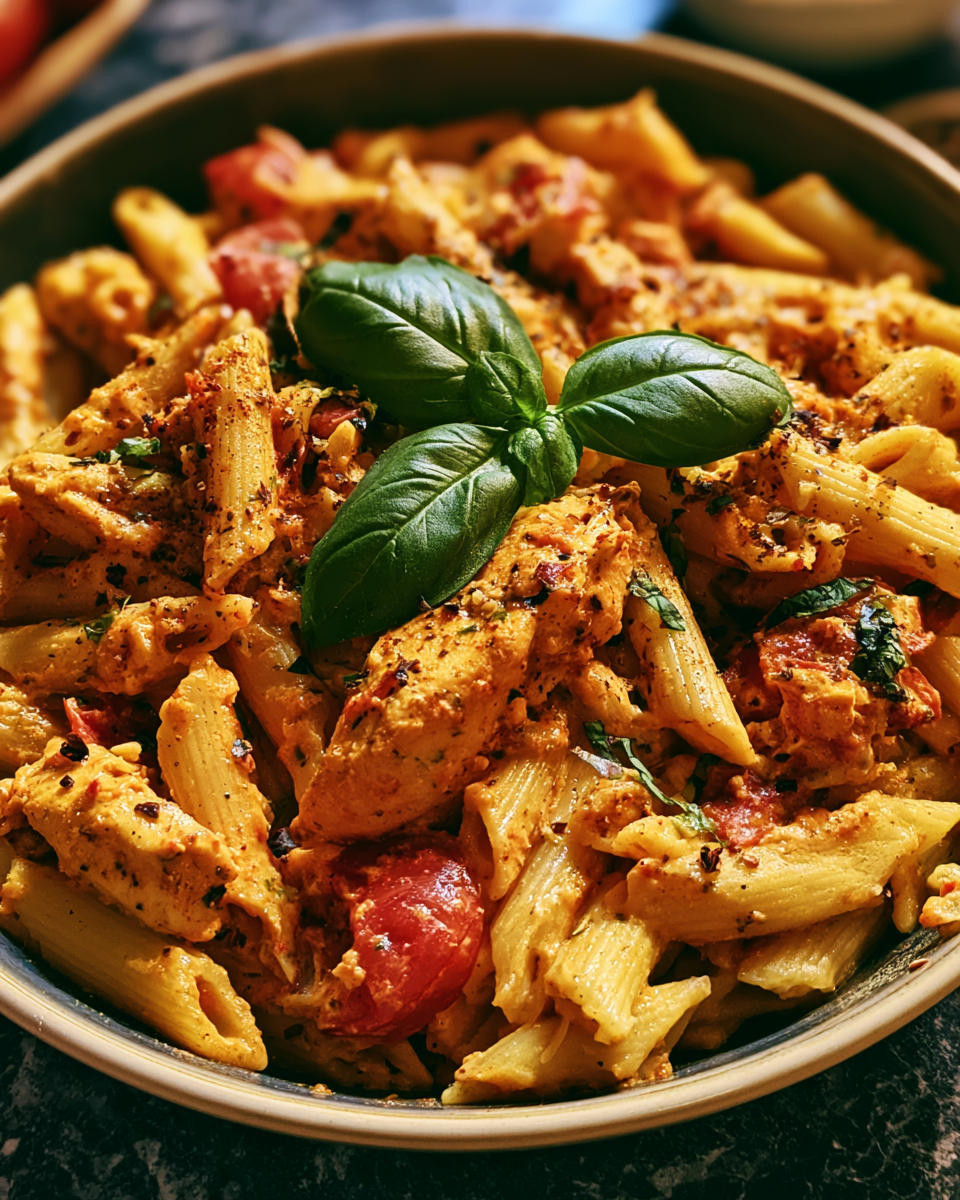
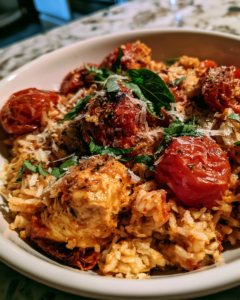
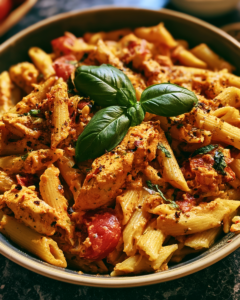
Italian Beef Marinara Pasta brings rich tomato sauce, tender beef, herbs, and pasta into one hearty skillet meal that feels warm and filling after a long day. The deep flavor from slow-simmered marinara coats every piece of pasta while seasoned beef adds savory richness that fits beautifully with garlic, onion, and Italian herbs.
This dish works well for weeknight dinners, relaxed Sunday meals, or casual family gatherings. It uses pantry staples and simple cooking steps, yet the final plate tastes like something from a cozy neighborhood Italian kitchen. The pasta absorbs the sauce while melted parmesan adds a creamy finish without making the dish heavy.
Another reason many home cooks enjoy Italian Beef Marinara Pasta comes from its flexibility. Different pasta shapes, extra vegetables, or spicy seasoning can shift the flavor while keeping the comforting heart of the meal intact. Leftovers also reheat nicely, making this recipe useful for meal planning during busy weeks.
Ingredients Overview

The flavor base of Italian Beef Marinara Pasta starts with ground beef. An 85/15 blend gives enough fat for rich flavor without leaving the dish greasy. Leaner beef works too, though the sauce may taste slightly lighter. Onion and garlic build savory depth and create the classic aroma many people connect with Italian-style meals.
Marinara sauce forms the heart of the recipe. A smooth tomato sauce with basil, oregano, and garlic creates balanced flavor and coats the pasta evenly. Crushed tomatoes can replace part of the marinara for a chunkier texture. Tomato paste also helps deepen color and adds mild sweetness after cooking for several minutes with the beef.
Pasta shape matters more than many cooks realize. Penne, rigatoni, or rotini hold sauce inside their ridges and corners, giving each bite extra flavor. Long noodles such as spaghetti work too, though short pasta tends to mix more evenly with the beef.
Italian seasoning ties the dish together. Basil, oregano, parsley, and a small amount of red pepper flakes bring warmth without overpowering the tomato sauce. Fresh parsley added near the end brightens the final dish.
Parmesan cheese gives a salty finish and mild creaminess. Mozzarella can also melt over the top for a baked-style version. A splash of pasta water helps the sauce cling to the noodles and keeps the texture smooth rather than thick or dry.
Ingredients
1 pound ground beef
12 ounces penne pasta
1 tablespoon olive oil
1 medium yellow onion, diced
4 cloves garlic, minced
1 teaspoon salt
1/2 teaspoon black pepper
1 teaspoon dried oregano
1 teaspoon dried basil
1/2 teaspoon Italian seasoning
1/4 teaspoon red pepper flakes
2 tablespoons tomato paste
1 jar marinara sauce, about 24 ounces
1 can crushed tomatoes, 14 ounces
1/2 cup beef broth
1/3 cup reserved pasta water
1/2 cup grated parmesan cheese
1 cup shredded mozzarella cheese
2 tablespoons chopped fresh parsley
Step-by-Step Instructions

Bring a large pot of salted water to a boil. Add the penne pasta and cook until slightly firm in the center, usually about one minute less than package directions. The pasta will finish cooking later in the sauce, so slightly undercooking it keeps the texture from turning soft. Reserve about one-third cup of pasta water before draining.
While the pasta cooks, place a large deep skillet or Dutch oven over medium heat. Add olive oil and diced onion. Cook for about five minutes until the onion softens and turns lightly golden around the edges. Stir often so the onion cooks evenly without burning.
Add the garlic and cook for about thirty seconds. Garlic burns quickly, so keep the heat moderate and stir constantly once it enters the pan.
Add the ground beef and break it into small pieces using a wooden spoon. Cook until the meat browns fully and no pink remains. Drain excess grease if needed, though leaving a small amount helps carry flavor through the sauce.
Stir in salt, pepper, oregano, basil, Italian seasoning, red pepper flakes, and tomato paste. Cook the tomato paste for about two minutes. This short cooking time deepens the tomato flavor and removes raw acidity.
Pour in the marinara sauce, crushed tomatoes, and beef broth. Stir well and bring the mixture to a gentle simmer. Lower the heat slightly and cook uncovered for about fifteen minutes. The sauce should thicken slightly while the flavors blend together.
Add the drained pasta directly into the skillet. Pour in reserved pasta water a little at a time while stirring. The starch from the water helps the sauce coat the noodles evenly and keeps the mixture glossy.
Sprinkle in parmesan cheese and stir until melted. For a cheesier finish, spread mozzarella across the top and cover the skillet for two to three minutes until melted. The cheese should become soft and stretchy without browning too heavily.
Taste the sauce before serving. Add a small pinch of salt if needed or extra red pepper flakes for mild heat.
Scatter fresh parsley across the top before serving. The bright herb flavor balances the richness of the beef and cheese.
One common mistake comes from boiling the sauce aggressively. A gentle simmer works far better because it keeps the tomato flavor rich without becoming bitter. Another mistake involves overcooking the pasta before adding it to the sauce. Slightly firm pasta keeps its shape and texture after mixing.
Tips, Variations & Substitutions
Ground turkey or Italian sausage can replace the beef for a different flavor profile. Sausage adds extra herbs and spice while turkey creates a lighter texture. If using sausage, reduce added salt slightly because many sausage blends already contain seasoning.
Extra vegetables fit naturally into this recipe. Mushrooms, spinach, diced zucchini, or bell peppers blend nicely into the marinara sauce. Add mushrooms during the onion step so they release moisture properly. Spinach should go in near the end since it wilts quickly.
For a richer texture, stir in a splash of heavy cream during the final few minutes of cooking. The sauce becomes slightly creamy while still holding its tomato flavor.
Gluten-free pasta works well if cooked carefully. Many gluten-free noodles soften faster than regular pasta, so checking texture early helps avoid mushy results.
Fresh herbs can replace dried seasoning for a brighter flavor. Use about three times more fresh herbs than dried. Fresh basil added at serving time gives the dish a fragrant finish that pairs nicely with parmesan.
If the sauce thickens too much during storage, add a spoonful of broth or water while reheating. Pasta naturally absorbs liquid over time, especially overnight in the refrigerator.
A baked version also tastes wonderful. Transfer the finished pasta into a baking dish, top with mozzarella, and bake at 375 degrees Fahrenheit until bubbly and lightly golden.
Serving Ideas & Occasions
Italian Beef Marinara Pasta pairs beautifully with garlic bread, roasted vegetables, or a crisp green salad dressed with olive oil and lemon. Caesar salad also balances the rich tomato sauce and savory beef with fresh crunch and mild tanginess.
For drinks, sparkling water with citrus works nicely alongside the hearty pasta. Red wine such as Chianti or Merlot also pairs comfortably with the tomato-based sauce and beef.
This recipe suits family dinners, game nights, or relaxed weekend meals when people gather around large bowls of comforting food. Since the recipe makes generous portions, it also fits potlucks and casual celebrations.
During cooler months, many cooks enjoy serving this pasta alongside roasted broccoli or warm bread because the rich marinara sauce feels especially comforting in colder weather. The leftovers travel well for lunches, making the dish practical for busy schedules.
Nutritional & Health Notes
Italian Beef Marinara Pasta contains protein from beef and calcium from cheese while tomato sauce adds vitamins and natural antioxidants. Using lean beef can reduce overall fat without changing the core flavor too much.
Whole wheat pasta adds fiber and creates a slightly nuttier taste. Extra vegetables such as spinach, mushrooms, or zucchini can increase nutritional value while blending naturally into the sauce.
Portion balance matters with hearty pasta dishes. Serving the pasta with vegetables or salad creates a more balanced meal and keeps the richness from feeling too heavy.
Tomato-based sauces often feel lighter than cream-heavy pasta dishes while still delivering strong savory flavor. Parmesan and mozzarella add richness in moderate amounts without overwhelming the recipe.
Homemade marinara or lower-sodium sauce options may help reduce salt content. Since many packaged sauces already contain seasoning, tasting before adding extra salt keeps the dish balanced.
FAQs
Can I prepare Italian Beef Marinara Pasta ahead of time?
Yes, this pasta works very well as a make-ahead meal. Prepare the beef sauce up to two days early and store it in the refrigerator inside an airtight container. Cook the pasta separately and keep it slightly firm so it does not soften too much later. When ready to serve, combine the sauce and pasta in a skillet with a splash of broth or water. Warm everything slowly over medium-low heat while stirring gently. If adding mozzarella on top, cover the pan briefly so the cheese melts evenly. Fresh parsley should go on just before serving for the brightest flavor and color.
Which pasta shape works best for this recipe?
Short pasta shapes usually work best because they hold the sauce and beef inside ridges and curves. Penne, rigatoni, rotini, and ziti all perform nicely in this recipe. Their sturdy texture stands up well to the thick marinara sauce without becoming overly soft. Spaghetti or linguine can still taste delicious, though the beef may settle more at the bottom of the bowl instead of coating the noodles evenly. If using fresh pasta, reduce cooking time carefully because fresh noodles soften much faster than dried pasta during the final simmer in the sauce.
Can I freeze Italian Beef Marinara Pasta?
This dish freezes quite nicely when stored properly. Allow the pasta to cool fully before placing portions into freezer-safe containers. Leaving a little space at the top helps prevent cracking as the food freezes. The pasta can stay frozen for about two months. For the best texture, thaw overnight in the refrigerator before reheating. Warm the pasta slowly on the stove with a spoonful of broth or water to loosen the sauce. Cheese may separate slightly after freezing, though stirring during reheating usually brings the sauce back together smoothly.
How can I make the sauce thicker?
If the sauce feels too thin, simmer it uncovered for several additional minutes before adding the pasta. This allows extra moisture to evaporate naturally while deepening the tomato flavor. Tomato paste also helps thicken the sauce while adding richness. Another useful method involves adding reserved pasta water gradually rather than all at once. The starch in the pasta water helps the sauce cling to the noodles without becoming watery. Avoid adding flour because it can dull the fresh tomato flavor and create a heavy texture that does not fit this style of pasta.
What vegetables pair nicely with this pasta?
Many vegetables blend naturally into Italian Beef Marinara Pasta without changing its comforting character. Mushrooms add savory depth and absorb the tomato sauce beautifully. Spinach wilts quickly and brings freshness and color. Zucchini, bell peppers, and eggplant also work nicely, especially when sautéed before entering the sauce. Roasted broccoli served on the side creates pleasant contrast with the rich pasta. Some cooks also stir peas into the finished dish for a touch of sweetness. Vegetables not only add flavor and texture but also stretch the meal into larger portions for gatherings.
Can I use homemade marinara sauce?
Homemade marinara sauce tastes wonderful in this recipe and allows full control over seasoning and texture. A simple blend of tomatoes, garlic, onion, olive oil, basil, and oregano creates a rich base for the beef and pasta. Simmering homemade sauce slowly often produces deeper flavor than many packaged versions. If the sauce tastes very acidic, a small pinch of sugar can soften the sharpness without making the dish sweet. Homemade marinara also gives room for personal touches such as extra herbs, roasted garlic, or mild chili flakes depending on flavor preference.
How do I keep the pasta from turning soft?
Cooking the pasta slightly under package directions helps prevent softness later. Since the noodles continue cooking after entering the hot sauce, fully cooked pasta can become overly tender by serving time. Rinsing the pasta is not recommended because it removes surface starch that helps the sauce stick. Keeping the sauce at a gentle simmer instead of a rolling boil also protects the pasta texture. If storing leftovers, keeping extra sauce separate from the pasta can help maintain firmer noodles for reheated meals the next day.