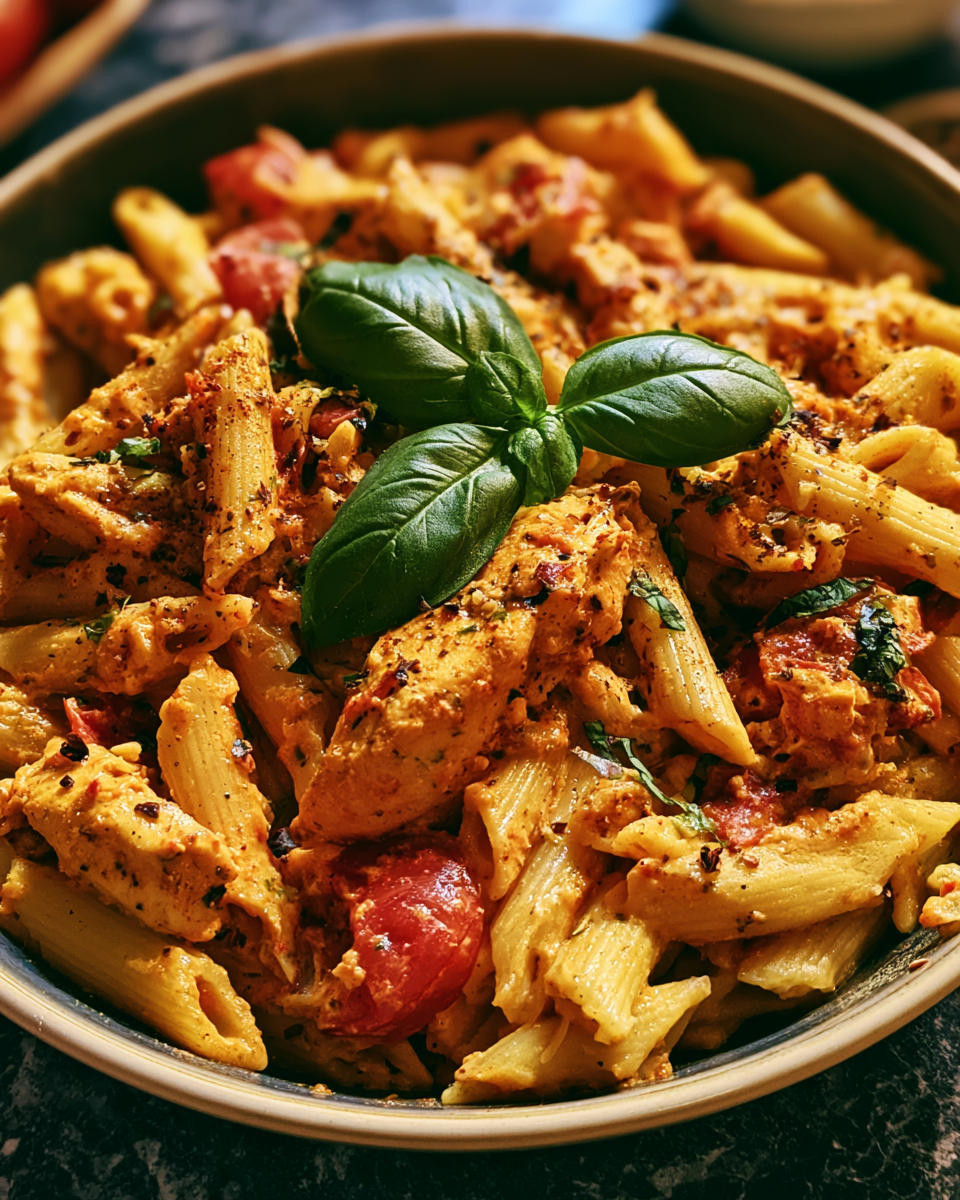
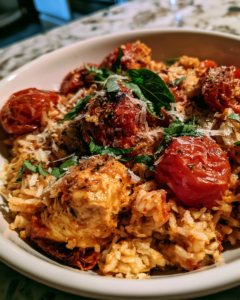
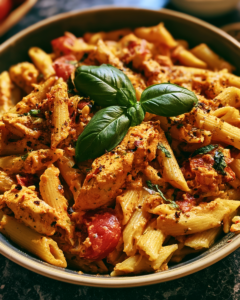
Garlic Herb Beef Spaghetti brings rich pasta flavor, tender beef, and fragrant herbs into one hearty skillet meal. The sauce coats each strand of spaghetti with buttery garlic notes, tomato richness, and savory seasoning that suits weeknight suppers or relaxed family gatherings.
This pasta dish carries classic comfort through simple pantry staples. Ground beef cooks into a deeply seasoned mixture while garlic, parsley, basil, and oregano create warm aroma throughout the kitchen. A finishing sprinkle of parmesan adds creamy depth without turning the sauce overly heavy.
Balanced flavor and practical preparation keep this recipe dependable for busy evenings. The sauce simmers gently while the pasta cooks, allowing dinner to reach the table without lengthy preparation or complicated methods.
Ingredients Overview

Garlic serves as the backbone of Garlic Herb Beef Spaghetti. Fresh minced cloves release fragrant aroma during sautéing and blend smoothly into the tomato sauce. Using fresh garlic rather than jarred varieties creates fuller flavor and softer sweetness once cooked.
Ground beef gives the dish hearty texture and savory richness. An 85/15 blend works nicely because the modest fat content keeps the meat tender while avoiding greasy sauce. Leaner beef may dry slightly during simmering, though a small drizzle of olive oil can balance that issue.
Herbs shape the personality of the sauce. Dried oregano and basil provide earthy depth while fresh parsley brightens the finished pasta. Italian seasoning also works nicely when individual herbs are unavailable. Crushed red pepper flakes bring mild warmth without overwhelming the garlic flavor.
Tomato sauce and diced tomatoes form the body of the dish. Tomato paste deepens color and creates fuller texture during simmering. A splash of beef broth loosens the sauce while adding savory character.
Spaghetti absorbs the sauce beautifully because its long strands hold the garlic herb coating from plate to plate. Thin spaghetti or linguine may replace traditional spaghetti if desired. Parmesan cheese finishes the dish with nutty richness and slight saltiness.
Butter rounds out the flavor by softening acidity from the tomatoes. Combined with olive oil, it creates silky texture throughout the pasta.
Ingredients
1 pound ground beef
12 ounces spaghetti
2 tablespoons olive oil
2 tablespoons butter
6 cloves garlic, minced
1 small yellow onion, finely chopped
1 teaspoon dried basil
1 teaspoon dried oregano
1 teaspoon Italian seasoning
1/2 teaspoon crushed red pepper flakes
1 teaspoon kosher salt
1/2 teaspoon black pepper
2 tablespoons tomato paste
1 can tomato sauce (15 ounces)
1 can diced tomatoes (14 ounces)
1/2 cup beef broth
1/4 cup chopped fresh parsley
1/2 cup grated parmesan cheese
Extra parmesan for serving
Fresh basil leaves for garnish
Step-by-Step Instructions

Fill a large pot with salted water and bring it to a rolling boil. Add the spaghetti and cook until just al dente according to package timing. Reserve about 1 cup of pasta water before draining. The reserved liquid helps loosen the sauce later without thinning flavor excessively.
While the pasta cooks, warm olive oil and butter in a large deep skillet over medium heat. Add the chopped onion and cook for about 4 minutes until softened and lightly translucent. Stir frequently so the onion cooks evenly without darkening too quickly.
Add the ground beef to the skillet. Break the meat into small crumbles using a wooden spoon. Cook for 6 to 8 minutes until browned fully with minimal pink remaining. Drain excess grease if necessary, though leaving a small amount keeps the sauce rich.
Stir in the minced garlic, basil, oregano, Italian seasoning, crushed red pepper flakes, salt, and black pepper. Cook for about 1 minute. Garlic burns rapidly, so steady stirring during this stage matters greatly. The mixture should smell fragrant rather than sharp or bitter.
Mix in the tomato paste and cook for another minute to deepen the flavor. Pour in the tomato sauce, diced tomatoes, and beef broth. Stir thoroughly until the sauce becomes evenly combined.
Lower the heat and allow the sauce to simmer gently for 12 to 15 minutes. Stir occasionally so the tomatoes do not stick along the skillet bottom. During simmering, the flavors blend while the sauce thickens gradually.
Add the drained spaghetti directly into the skillet. Toss carefully until every strand becomes coated in sauce. If the pasta appears overly thick or dry, stir in a few spoonfuls of reserved pasta water until the texture turns silky.
Fold in the chopped parsley and parmesan cheese. Continue tossing for another minute so the cheese melts smoothly throughout the dish. Taste the pasta and adjust seasoning if necessary.
Serve immediately with additional parmesan and fresh basil leaves scattered across each bowl. The finished spaghetti should appear glossy, richly coated, and fragrant with garlic and herbs.
One frequent mistake involves overcooking the spaghetti before combining it with the sauce. Slightly firm pasta holds texture far more nicely once simmered together briefly. Another common issue comes from rushing the garlic stage. Burned garlic introduces bitterness that lingers throughout the entire skillet.
Tips, Variations & Substitutions
Ground turkey or Italian sausage may replace ground beef for slightly different flavor and texture. Sausage brings extra seasoning while turkey creates a lighter profile. When using turkey, adding an additional tablespoon of butter keeps the sauce from tasting dry.
Fresh herbs create brighter flavor than dried varieties. Basil, thyme, or parsley added near serving time bring lively aroma throughout the dish. During colder months, dried herbs remain practical and still create rich flavor.
For extra vegetable content, stir sautéed mushrooms, spinach, or zucchini into the sauce during simmering. Finely shredded carrots also blend smoothly into the tomatoes while adding subtle sweetness.
Whole wheat spaghetti adds nutty flavor and additional fiber. Gluten-free pasta also works nicely, though gentle stirring helps prevent breakage during tossing.
Parmesan may be replaced with pecorino romano for sharper flavor. A splash of heavy cream creates richer sauce texture for special suppers.
Leftovers store nicely in the refrigerator for up to four days. Reheat slowly in a skillet with a splash of broth or water to maintain smooth texture. Microwaving at lower power also helps avoid dry pasta edges.
Garlic lovers may roast several garlic cloves separately and mash them into the sauce during simmering. This creates mellow sweetness alongside the sharper fresh garlic flavor already present in the skillet.
Serving Ideas & Occasions
Garlic Herb Beef Spaghetti pairs beautifully with warm garlic bread, crisp green salad, or roasted vegetables. Caesar salad offers refreshing crunch beside the rich tomato sauce while roasted broccoli adds earthy balance.
Sparkling water with lemon, iced tea, or red wine complement the savory pasta nicely. A medium-bodied red wine such as merlot pairs especially well with the beef and herbs.
This recipe suits busy weeknights because preparation stays practical while still tasting comforting and hearty. It also works nicely for relaxed weekend suppers, casual gatherings, or chilly evenings during colder seasons.
Large batches hold warmth well for buffet-style family meals. The pasta also travels nicely for potlucks since the sauce remains flavorful even after resting briefly.
For a cozy presentation, serve the spaghetti in shallow bowls with extra parmesan and chopped parsley scattered across the surface just before serving.
Nutritional & Health Notes
Garlic Herb Beef Spaghetti offers balanced portions of protein, carbohydrates, and fat within one filling meal. Ground beef supplies protein and iron while the tomato sauce contributes vitamin C and lycopene.
Using moderate parmesan rather than heavy cream keeps the sauce rich without becoming overly dense. Whole wheat pasta may raise fiber content while vegetables such as spinach or mushrooms add additional nutrients.
Portion balance matters because pasta dishes may become heavy quickly when oversized servings are used. Pairing the spaghetti with salad or roasted vegetables creates satisfying balance across the meal.
Garlic and herbs contribute strong flavor naturally, allowing moderate salt usage without sacrificing taste. Lean ground beef may reduce fat content slightly while still providing hearty texture.
Homemade pasta dishes also allow greater ingredient awareness compared with heavily processed frozen meals. Fresh ingredients create fuller flavor and fresher aroma throughout the finished dish.
FAQs
Can I prepare Garlic Herb Beef Spaghetti ahead of time?
Garlic Herb Beef Spaghetti works nicely for advance preparation because the sauce develops fuller flavor after resting. Cook the sauce completely, then store it separately from the pasta whenever possible. Keeping them apart prevents the spaghetti from absorbing excessive liquid during refrigeration.
When ready to serve, warm the sauce gently in a skillet and toss with freshly cooked spaghetti. If the pasta and sauce have already been combined, add a splash of broth or water during reheating to restore smooth texture. Refrigerated leftovers generally stay pleasant for about four days when stored in sealed containers.
Which pasta shapes work nicely besides spaghetti?
Although spaghetti remains traditional for this dish, several pasta shapes hold the sauce nicely. Linguine creates slightly broader strands that capture the garlic herb mixture beautifully. Fettuccine creates richer texture because the wider noodles carry additional sauce.
Short pasta varieties such as penne or rigatoni also perform nicely because the sauce settles inside the hollow centers. Thin angel hair cooks rapidly but may soften too much during tossing. Whichever pasta shape you select, cooking it just until al dente remains important because the noodles continue softening slightly once combined with the warm sauce.
Can fresh tomatoes replace canned tomatoes?
Fresh tomatoes may replace canned products during peak tomato season. Roma tomatoes work particularly nicely because they contain less excess moisture and maintain balanced acidity. Peel and chop them before adding to the skillet for smoother sauce texture.
Fresh tomatoes generally require slightly longer simmering because they release additional liquid during cooking. Tomato paste becomes especially useful in this version because it thickens the sauce while deepening flavor. During colder months, canned tomatoes often provide steadier flavor and color since they are packed at peak ripeness.
How spicy is this recipe?
Garlic Herb Beef Spaghetti carries mild warmth rather than strong heat. The crushed red pepper flakes simply add gentle background flavor that balances the tomato richness and savory beef.
For completely mild pasta, leave the pepper flakes out entirely. Those preferring additional heat may stir extra pepper flakes into the skillet or finish the bowls with spicy chili oil. Adjusting spice gradually remains helpful because the sauce intensifies slightly during simmering. Parmesan cheese also softens heat naturally once mixed into the pasta.
What is the finest method for reheating leftovers?
Reheating slowly on the stovetop usually creates the nicest texture. Place the pasta into a skillet with a splash of broth, water, or tomato sauce. Warm over medium-low heat while stirring gently until heated through.
Microwaving also works, though lower power settings help prevent dry edges and uneven heating. Covering the bowl loosely traps moisture and keeps the pasta softer. Additional parmesan stirred in during reheating freshens the flavor nicely and restores creamy texture throughout the sauce.
Can Garlic Herb Beef Spaghetti be frozen?
The meat sauce freezes very nicely for future meals. Allow the sauce to cool fully before transferring it into freezer-safe containers. Frozen sauce generally maintains pleasant flavor for around three months.
Freezing fully assembled spaghetti remains possible, though the noodles may soften slightly once thawed. For the finest texture, freeze only the sauce and prepare fresh pasta during serving time. Thaw the sauce overnight in the refrigerator before reheating gently on the stovetop.
Which herbs create the fullest flavor in this recipe?
Basil, oregano, parsley, and Italian seasoning create balanced flavor throughout Garlic Herb Beef Spaghetti. Basil contributes gentle sweetness while oregano adds earthy depth. Fresh parsley brightens the finished pasta and balances the richness from the beef.
Fresh herbs added near serving time create lighter aroma compared with dried herbs cooked earlier in the process. Combining both fresh and dried herbs often creates layered flavor because dried herbs deepen during simmering while fresh herbs remain vibrant at the finish.