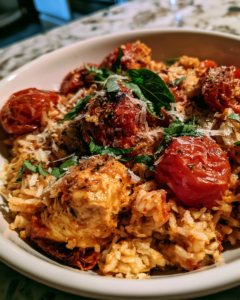
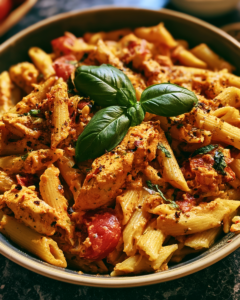
Cheddar Ranch Beef Pasta: 5 Amazing Cozy Bowls

Posted on

Uncategorized

Difficulty

Prep time

Cooking time

Total time

Servings

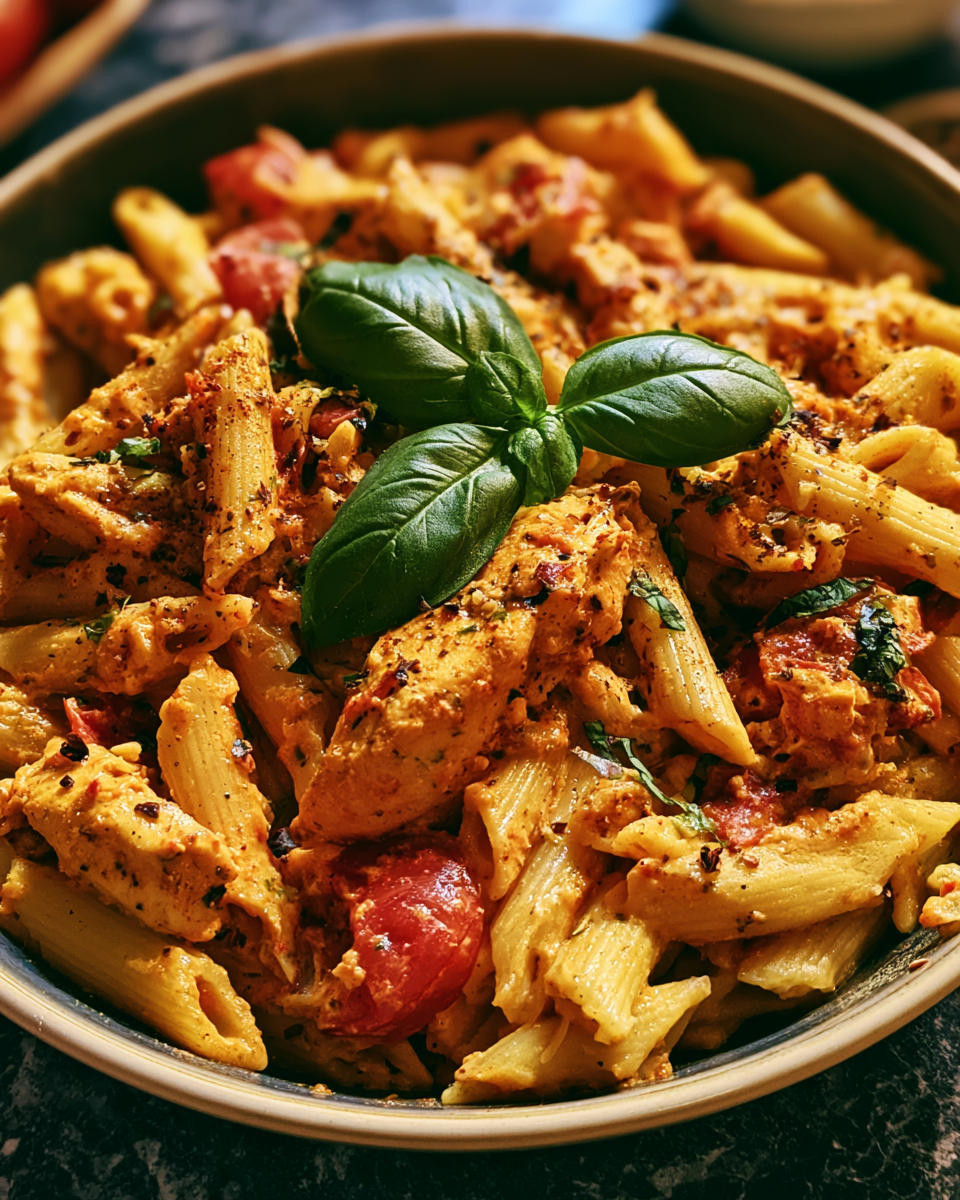
Cheddar Ranch Beef Pasta brings creamy cheddar, savory beef, tender pasta, and ranch seasoning into a rich skillet dinner suited for busy evenings or relaxed family suppers. Each forkful carries hearty texture alongside smooth cheese sauce with gentle herb flavor from ranch seasoning.

This pasta dinner fits weeknight cooking since preparation stays straightforward and cooking finishes within roughly half an hour. Ground beef browns quickly while pasta cooks separately, allowing the sauce to come together without complicated steps or lengthy simmering.

Warm cheddar sauce coats every piece of pasta, creating a satisfying dinner suited for cooler evenings, potluck tables, or casual gatherings. Ranch seasoning adds onion, garlic, parsley, and dill notes that pair naturally alongside beef and cheese.

Ingredients Overview

Cheddar Ranch Beef Pasta depends upon balanced ingredients that create creamy texture alongside savory flavor. Ground beef forms the hearty foundation. An 85/15 blend works nicely since slight fat content keeps the skillet rich without becoming greasy. Leaner beef also works, though an extra splash of milk may help maintain creamy texture.

Cheddar cheese brings sharp, tangy flavor. Freshly shredded cheddar melts far smoother than pre-shredded varieties because packaged cheese often carries anti-caking starch. Sharp cheddar gives fuller flavor, though mild cheddar creates softer cheese character.

Ranch seasoning supplies herbs and savory depth. A packet offers convenience, though homemade ranch seasoning with dried parsley, dill, garlic powder, onion powder, salt, and pepper works beautifully.

Pasta choice matters as well. Rotini, shells, cavatappi, or penne hold sauce nicely thanks to ridges and curved surfaces. Short pasta shapes also stay easier for serving.

Milk and cream cheese combine into silky sauce texture. Cream cheese thickens naturally while adding slight tang. Whole milk produces richer consistency, though reduced-fat milk remains suitable.

Garlic and onion build savory aroma beneath the cheese sauce. Butter helps soften both ingredients gently without scorching. Chicken broth loosens the sauce slightly while adding depth across the skillet.

Fresh parsley scattered across finished pasta brightens the dish visually and balances richness with fresh herbal flavor.

Ingredients

1 pound ground beef

12 ounces rotini pasta

2 tablespoons butter

1 small yellow onion, finely diced

3 cloves garlic, minced

1 packet ranch seasoning mix

2 tablespoons flour

2 cups whole milk

1/2 cup chicken broth

4 ounces cream cheese, softened

2 cups freshly shredded sharp cheddar cheese

1/2 teaspoon black pepper

1/2 teaspoon paprika

1 tablespoon chopped fresh parsley

Salt, as needed

Step-by-Step Instructions

Fill a large pot with salted water and bring it to a rolling boil. Add the rotini pasta and cook until slightly past al dente according to package directions. Since the pasta later simmers briefly within the sauce, avoiding overly firm pasta helps the final texture stay creamy rather than chewy. Drain the pasta and set aside.

Place a large deep skillet across medium heat. Add the ground beef and cook for roughly 7 to 8 minutes, breaking it into small crumbles with a wooden spoon. Continue cooking until browned fully with zero pink remaining. Drain excess grease carefully if needed.

Transfer cooked beef onto a plate temporarily. Return the skillet to medium heat and melt the butter. Add diced onion and cook for roughly 4 minutes until softened and lightly golden around the edges. Stir frequently so the onion softens evenly rather than browning too rapidly.

Add minced garlic and stir for roughly 30 seconds until fragrant. Sprinkle flour across the skillet and stir continuously for roughly 1 minute. This brief cooking period removes raw flour flavor while helping thicken the sauce later.

Slowly pour in milk while whisking steadily. Add chicken broth and ranch seasoning. Continue whisking until the mixture appears smooth. Allow the sauce to simmer gently for roughly 3 to 4 minutes until slightly thickened.

Reduce heat to low. Add cream cheese in small portions, stirring patiently until fully melted. Gradually stir in shredded cheddar cheese handful by handful. Adding cheese slowly prevents clumping and keeps the sauce silky.

Return the cooked beef to the skillet. Add paprika and black pepper. Stir thoroughly until combined.

Fold drained pasta into the sauce. Stir gently until every piece becomes coated evenly. Allow the pasta to cook within the skillet for roughly 2 minutes so flavors blend fully.

Taste the pasta before adding salt since ranch seasoning and cheddar already contain sodium. Scatter chopped parsley across the surface immediately before serving.

Avoid high heat once cheese enters the skillet. Excess heat may cause separation or grainy texture. Slow melting creates smooth, creamy sauce with richer consistency.

Tips, Variations & Substitutions

Freshly shredded cheese melts smoother and creates richer texture than packaged shredded cheese. If packaged cheese remains the only available option, adding an extra splash of milk may help soften the sauce.

Ground turkey or ground chicken can replace beef for lighter flavor. Italian sausage also pairs nicely alongside ranch seasoning and cheddar. For smoky depth, stir cooked bacon crumbles into the finished pasta.

Pepper jack cheese adds gentle heat while mozzarella creates stretchier texture. Colby jack supplies milder creaminess suited for younger diners.

Gluten-free pasta works successfully within this recipe. Cook it slightly under package timing since gluten-free pasta softens rapidly once combined with sauce.

Extra vegetables bring color and texture. Diced bell peppers, sautéed mushrooms, spinach, or sweet corn fold naturally into the skillet without overpowering the ranch and cheddar flavor.

For thicker sauce, allow the skillet to simmer slightly longer before adding pasta. For thinner consistency, stir in additional broth or milk gradually until reaching preferred texture.

Leftovers reheat nicely within a skillet over low heat. Stirring in a small amount of milk during reheating helps restore creamy texture.

Serving Ideas & Occasions

Cheddar Ranch Beef Pasta suits casual suppers, game-day gatherings, and relaxed weekend dinners. Since the dish cooks quickly within a single skillet after pasta preparation, it also fits hectic evening schedules.

Garlic bread pairs naturally alongside the creamy sauce while roasted broccoli or green beans bring fresh contrast. Crisp green salad with light vinaigrette balances the richness beautifully.

Sparkling water with lemon, iced tea, or light lager complement the savory cheddar flavor without overpowering the meal. During colder months, the creamy pasta works wonderfully alongside roasted vegetables or warm dinner rolls.

This dish also travels nicely for potlucks since the sauce remains creamy for quite awhile after cooking. Large batches can feed several guests comfortably without complicated preparation.

Nutritional & Health Notes

Cheddar Ranch Beef Pasta contains balanced portions of protein, carbohydrates, and dairy-based fat. Ground beef contributes protein alongside iron and vitamin B12, while cheddar supplies calcium and additional protein.

Pasta provides carbohydrates that help create filling texture suitable for dinner. Choosing whole wheat pasta adds fiber and slightly nuttier flavor.

Cream cheese and cheddar create rich consistency, though reduced-fat dairy products may lower overall richness slightly. Leaner beef can also reduce fat content while maintaining hearty texture.

Adding vegetables such as spinach, peas, or broccoli increases fiber and nutrients naturally. Portion balance alongside salad or roasted vegetables creates a satisfying dinner without feeling excessively heavy.

Since ranch seasoning and cheddar contain sodium, tasting before adding additional salt helps maintain balanced flavor throughout the dish.

FAQs

Can cheddar ranch beef pasta stay creamy during reheating?

Yes, though gentle reheating works far better than intense heat. Place leftovers into a skillet across low heat and stir occasionally. Adding several spoonfuls of milk helps loosen the sauce while restoring creamy texture. Microwave reheating also works, though shorter heating intervals with stirring between rounds prevent the cheese sauce from becoming oily or thick. Pasta naturally absorbs sauce during storage, so slight thinning during reheating helps restore original consistency. Refrigerated leftovers typically remain enjoyable for roughly three days within an airtight container.

Which pasta shape works nicely within this recipe?

Short pasta shapes hold creamy sauce particularly nicely. Rotini, cavatappi, shells, and penne remain excellent choices because ridges and curves catch cheddar sauce effectively. Larger noodles may feel slightly heavy within the rich sauce, while delicate pasta shapes soften rapidly during reheating. Cooking the pasta slightly past firm texture also helps since the noodles continue absorbing sauce once folded into the skillet. Whole wheat pasta adds hearty texture while gluten-free varieties remain suitable with careful cooking.

Can homemade ranch seasoning replace packaged seasoning?

Absolutely. Homemade ranch seasoning allows control over salt and herb balance. A mixture containing dried parsley, dill, garlic powder, onion powder, black pepper, and salt creates flavor very close to packaged seasoning blends. Homemade seasoning also avoids preservatives sometimes present within packaged versions. Since herb potency varies between brands and homemade mixtures, tasting the sauce before final seasoning helps maintain balanced flavor. Fresh dill and parsley can also brighten the finished skillet beautifully.

Why did the cheese sauce become grainy?

Grainy cheese sauce usually develops from excessive heat or rapid cheese addition. Cheese melts smoothly across low heat, so reducing temperature before stirring cheddar into the skillet remains important. Adding cheese gradually also helps maintain silky consistency. Pre-shredded cheese occasionally creates grainier texture because anti-caking powders interfere with smooth melting. Freshly shredding cheese directly before cooking produces richer, smoother sauce with far better texture throughout the pasta.

Can this pasta freeze successfully?

Freezing remains possible, though cream-based sauces occasionally separate slightly after thawing. Allow the pasta to cool fully before transferring into freezer-safe containers. Freeze for roughly two months. Thaw overnight within the refrigerator before reheating gently across low heat. Stirring milk into the pasta during reheating helps restore creaminess. Pasta texture softens slightly after freezing, though flavor remains hearty and satisfying for quick future dinners.

Which vegetables pair naturally alongside cheddar ranch beef pasta?

Broccoli, spinach, mushrooms, sweet corn, and bell peppers all pair beautifully alongside cheddar and ranch flavors. Broccoli brings slight crispness and earthy flavor while spinach wilts quickly into the sauce without lengthy cooking. Mushrooms contribute savory depth that complements beef nicely. Corn introduces subtle sweetness that balances the tangy cheddar. Vegetables can cook separately before folding into the finished skillet or sauté directly after browning the beef.

Can cheddar ranch beef pasta cook within a single pot?

Yes, though careful liquid balance matters. Browning beef first within a deep pot creates the savory foundation. After sautéing onion and garlic, broth and milk can simmer alongside uncooked pasta until tender. Stirring frequently prevents sticking while helping starch naturally thicken the sauce. Cheese enters near the final stage after pasta softens fully. Single-pot preparation reduces cleanup considerably while still creating creamy texture throughout the dish.

………………..

[rank_math_breadcrumb]

Cheddar Ranch Beef Pasta: 5 Amazing Cozy Bowls

Photo of author
Author: liv
Published:

Cheddar Ranch Beef Pasta brings creamy cheddar, savory beef, tender pasta, and ranch seasoning into a rich skillet dinner suited for busy evenings or relaxed family suppers. Each forkful carries hearty texture alongside smooth cheese sauce with gentle herb flavor from ranch seasoning.

This pasta dinner fits weeknight cooking since preparation stays straightforward and cooking finishes within roughly half an hour. Ground beef browns quickly while pasta cooks separately, allowing the sauce to come together without complicated steps or lengthy simmering.

Warm cheddar sauce coats every piece of pasta, creating a satisfying dinner suited for cooler evenings, potluck tables, or casual gatherings. Ranch seasoning adds onion, garlic, parsley, and dill notes that pair naturally alongside beef and cheese.

Ingredients Overview

Cheddar Ranch Beef Pasta depends upon balanced ingredients that create creamy texture alongside savory flavor. Ground beef forms the hearty foundation. An 85/15 blend works nicely since slight fat content keeps the skillet rich without becoming greasy. Leaner beef also works, though an extra splash of milk may help maintain creamy texture.

Cheddar cheese brings sharp, tangy flavor. Freshly shredded cheddar melts far smoother than pre-shredded varieties because packaged cheese often carries anti-caking starch. Sharp cheddar gives fuller flavor, though mild cheddar creates softer cheese character.

Ranch seasoning supplies herbs and savory depth. A packet offers convenience, though homemade ranch seasoning with dried parsley, dill, garlic powder, onion powder, salt, and pepper works beautifully.

Pasta choice matters as well. Rotini, shells, cavatappi, or penne hold sauce nicely thanks to ridges and curved surfaces. Short pasta shapes also stay easier for serving.

Milk and cream cheese combine into silky sauce texture. Cream cheese thickens naturally while adding slight tang. Whole milk produces richer consistency, though reduced-fat milk remains suitable.

Garlic and onion build savory aroma beneath the cheese sauce. Butter helps soften both ingredients gently without scorching. Chicken broth loosens the sauce slightly while adding depth across the skillet.

Fresh parsley scattered across finished pasta brightens the dish visually and balances richness with fresh herbal flavor.

Ingredients

1 pound ground beef

12 ounces rotini pasta

2 tablespoons butter

1 small yellow onion, finely diced

3 cloves garlic, minced

1 packet ranch seasoning mix

2 tablespoons flour

2 cups whole milk

1/2 cup chicken broth

4 ounces cream cheese, softened

2 cups freshly shredded sharp cheddar cheese

1/2 teaspoon black pepper

1/2 teaspoon paprika

1 tablespoon chopped fresh parsley

Salt, as needed

Step-by-Step Instructions

Fill a large pot with salted water and bring it to a rolling boil. Add the rotini pasta and cook until slightly past al dente according to package directions. Since the pasta later simmers briefly within the sauce, avoiding overly firm pasta helps the final texture stay creamy rather than chewy. Drain the pasta and set aside.

Place a large deep skillet across medium heat. Add the ground beef and cook for roughly 7 to 8 minutes, breaking it into small crumbles with a wooden spoon. Continue cooking until browned fully with zero pink remaining. Drain excess grease carefully if needed.

Transfer cooked beef onto a plate temporarily. Return the skillet to medium heat and melt the butter. Add diced onion and cook for roughly 4 minutes until softened and lightly golden around the edges. Stir frequently so the onion softens evenly rather than browning too rapidly.

Add minced garlic and stir for roughly 30 seconds until fragrant. Sprinkle flour across the skillet and stir continuously for roughly 1 minute. This brief cooking period removes raw flour flavor while helping thicken the sauce later.

Slowly pour in milk while whisking steadily. Add chicken broth and ranch seasoning. Continue whisking until the mixture appears smooth. Allow the sauce to simmer gently for roughly 3 to 4 minutes until slightly thickened.

Reduce heat to low. Add cream cheese in small portions, stirring patiently until fully melted. Gradually stir in shredded cheddar cheese handful by handful. Adding cheese slowly prevents clumping and keeps the sauce silky.

Return the cooked beef to the skillet. Add paprika and black pepper. Stir thoroughly until combined.

Fold drained pasta into the sauce. Stir gently until every piece becomes coated evenly. Allow the pasta to cook within the skillet for roughly 2 minutes so flavors blend fully.

Taste the pasta before adding salt since ranch seasoning and cheddar already contain sodium. Scatter chopped parsley across the surface immediately before serving.

Avoid high heat once cheese enters the skillet. Excess heat may cause separation or grainy texture. Slow melting creates smooth, creamy sauce with richer consistency.

Tips, Variations & Substitutions

Freshly shredded cheese melts smoother and creates richer texture than packaged shredded cheese. If packaged cheese remains the only available option, adding an extra splash of milk may help soften the sauce.

Ground turkey or ground chicken can replace beef for lighter flavor. Italian sausage also pairs nicely alongside ranch seasoning and cheddar. For smoky depth, stir cooked bacon crumbles into the finished pasta.

Pepper jack cheese adds gentle heat while mozzarella creates stretchier texture. Colby jack supplies milder creaminess suited for younger diners.

Gluten-free pasta works successfully within this recipe. Cook it slightly under package timing since gluten-free pasta softens rapidly once combined with sauce.

Extra vegetables bring color and texture. Diced bell peppers, sautéed mushrooms, spinach, or sweet corn fold naturally into the skillet without overpowering the ranch and cheddar flavor.

For thicker sauce, allow the skillet to simmer slightly longer before adding pasta. For thinner consistency, stir in additional broth or milk gradually until reaching preferred texture.

Leftovers reheat nicely within a skillet over low heat. Stirring in a small amount of milk during reheating helps restore creamy texture.

Serving Ideas & Occasions

Cheddar Ranch Beef Pasta suits casual suppers, game-day gatherings, and relaxed weekend dinners. Since the dish cooks quickly within a single skillet after pasta preparation, it also fits hectic evening schedules.

Garlic bread pairs naturally alongside the creamy sauce while roasted broccoli or green beans bring fresh contrast. Crisp green salad with light vinaigrette balances the richness beautifully.

Sparkling water with lemon, iced tea, or light lager complement the savory cheddar flavor without overpowering the meal. During colder months, the creamy pasta works wonderfully alongside roasted vegetables or warm dinner rolls.

This dish also travels nicely for potlucks since the sauce remains creamy for quite awhile after cooking. Large batches can feed several guests comfortably without complicated preparation.

Nutritional & Health Notes

Cheddar Ranch Beef Pasta contains balanced portions of protein, carbohydrates, and dairy-based fat. Ground beef contributes protein alongside iron and vitamin B12, while cheddar supplies calcium and additional protein.

Pasta provides carbohydrates that help create filling texture suitable for dinner. Choosing whole wheat pasta adds fiber and slightly nuttier flavor.

Cream cheese and cheddar create rich consistency, though reduced-fat dairy products may lower overall richness slightly. Leaner beef can also reduce fat content while maintaining hearty texture.

Adding vegetables such as spinach, peas, or broccoli increases fiber and nutrients naturally. Portion balance alongside salad or roasted vegetables creates a satisfying dinner without feeling excessively heavy.

Since ranch seasoning and cheddar contain sodium, tasting before adding additional salt helps maintain balanced flavor throughout the dish.

FAQs

Can cheddar ranch beef pasta stay creamy during reheating?

Yes, though gentle reheating works far better than intense heat. Place leftovers into a skillet across low heat and stir occasionally. Adding several spoonfuls of milk helps loosen the sauce while restoring creamy texture. Microwave reheating also works, though shorter heating intervals with stirring between rounds prevent the cheese sauce from becoming oily or thick. Pasta naturally absorbs sauce during storage, so slight thinning during reheating helps restore original consistency. Refrigerated leftovers typically remain enjoyable for roughly three days within an airtight container.

Which pasta shape works nicely within this recipe?

Short pasta shapes hold creamy sauce particularly nicely. Rotini, cavatappi, shells, and penne remain excellent choices because ridges and curves catch cheddar sauce effectively. Larger noodles may feel slightly heavy within the rich sauce, while delicate pasta shapes soften rapidly during reheating. Cooking the pasta slightly past firm texture also helps since the noodles continue absorbing sauce once folded into the skillet. Whole wheat pasta adds hearty texture while gluten-free varieties remain suitable with careful cooking.

Can homemade ranch seasoning replace packaged seasoning?

Absolutely. Homemade ranch seasoning allows control over salt and herb balance. A mixture containing dried parsley, dill, garlic powder, onion powder, black pepper, and salt creates flavor very close to packaged seasoning blends. Homemade seasoning also avoids preservatives sometimes present within packaged versions. Since herb potency varies between brands and homemade mixtures, tasting the sauce before final seasoning helps maintain balanced flavor. Fresh dill and parsley can also brighten the finished skillet beautifully.

Why did the cheese sauce become grainy?

Grainy cheese sauce usually develops from excessive heat or rapid cheese addition. Cheese melts smoothly across low heat, so reducing temperature before stirring cheddar into the skillet remains important. Adding cheese gradually also helps maintain silky consistency. Pre-shredded cheese occasionally creates grainier texture because anti-caking powders interfere with smooth melting. Freshly shredding cheese directly before cooking produces richer, smoother sauce with far better texture throughout the pasta.

Can this pasta freeze successfully?

Freezing remains possible, though cream-based sauces occasionally separate slightly after thawing. Allow the pasta to cool fully before transferring into freezer-safe containers. Freeze for roughly two months. Thaw overnight within the refrigerator before reheating gently across low heat. Stirring milk into the pasta during reheating helps restore creaminess. Pasta texture softens slightly after freezing, though flavor remains hearty and satisfying for quick future dinners.

Which vegetables pair naturally alongside cheddar ranch beef pasta?

Broccoli, spinach, mushrooms, sweet corn, and bell peppers all pair beautifully alongside cheddar and ranch flavors. Broccoli brings slight crispness and earthy flavor while spinach wilts quickly into the sauce without lengthy cooking. Mushrooms contribute savory depth that complements beef nicely. Corn introduces subtle sweetness that balances the tangy cheddar. Vegetables can cook separately before folding into the finished skillet or sauté directly after browning the beef.

Can cheddar ranch beef pasta cook within a single pot?

Yes, though careful liquid balance matters. Browning beef first within a deep pot creates the savory foundation. After sautéing onion and garlic, broth and milk can simmer alongside uncooked pasta until tender. Stirring frequently prevents sticking while helping starch naturally thicken the sauce. Cheese enters near the final stage after pasta softens fully. Single-pot preparation reduces cleanup considerably while still creating creamy texture throughout the dish.

………………..

Name

Lorem ipsum dolor sit amet, consectetur adipiscing elit. Suspendisse varius enim in eros elementum tristique. Duis cursus, mi quis viverra ornare, eros dolor interdum nulla, ut commodo diam libero vitae erat.

You Might Also Like...

Egg & Pasta Budget Spaghetti Frittata: 5 Simple Happy Bites

Egg & Pasta Budget Spaghetti Frittata: 5 Simple Happy Bites

Dollar Stretcher Spaghetti with Canned Tomatoes: 5 Simple Delighted

Dollar Stretcher Spaghetti with Canned Tomatoes: 5 Simple Delighted

Roasted Vegetable Homemade Spaghetti Sauce: 7 Authentic Comforting Ideas

Roasted Vegetable Homemade Spaghetti Sauce: 7 Authentic Comforting Ideas

Fresh Tomato Homemade Spaghetti Sauce: 7 Authentic Hope

Fresh Tomato Homemade Spaghetti Sauce: 7 Authentic Hope

Tags:

You might also like these recipes

Leave a Comment