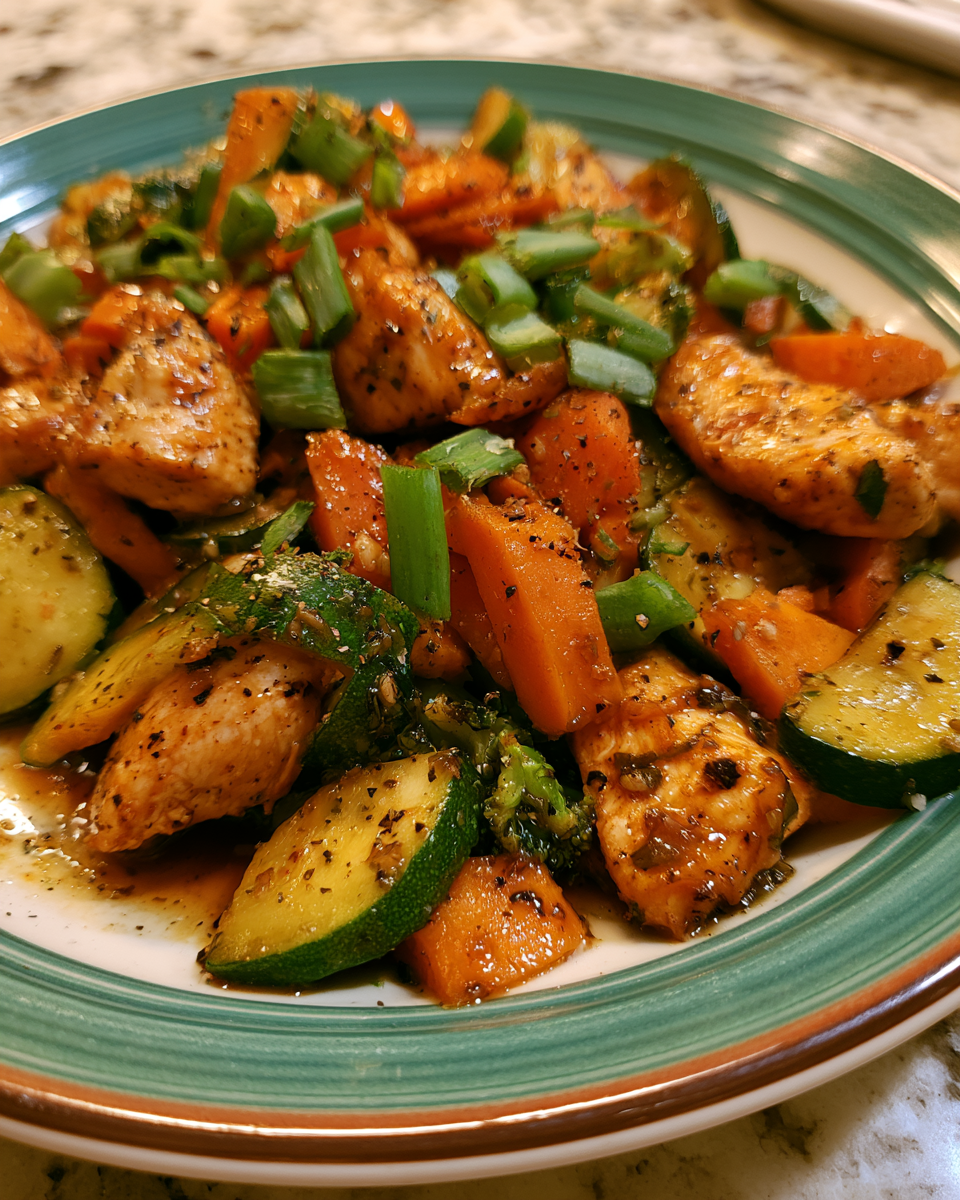
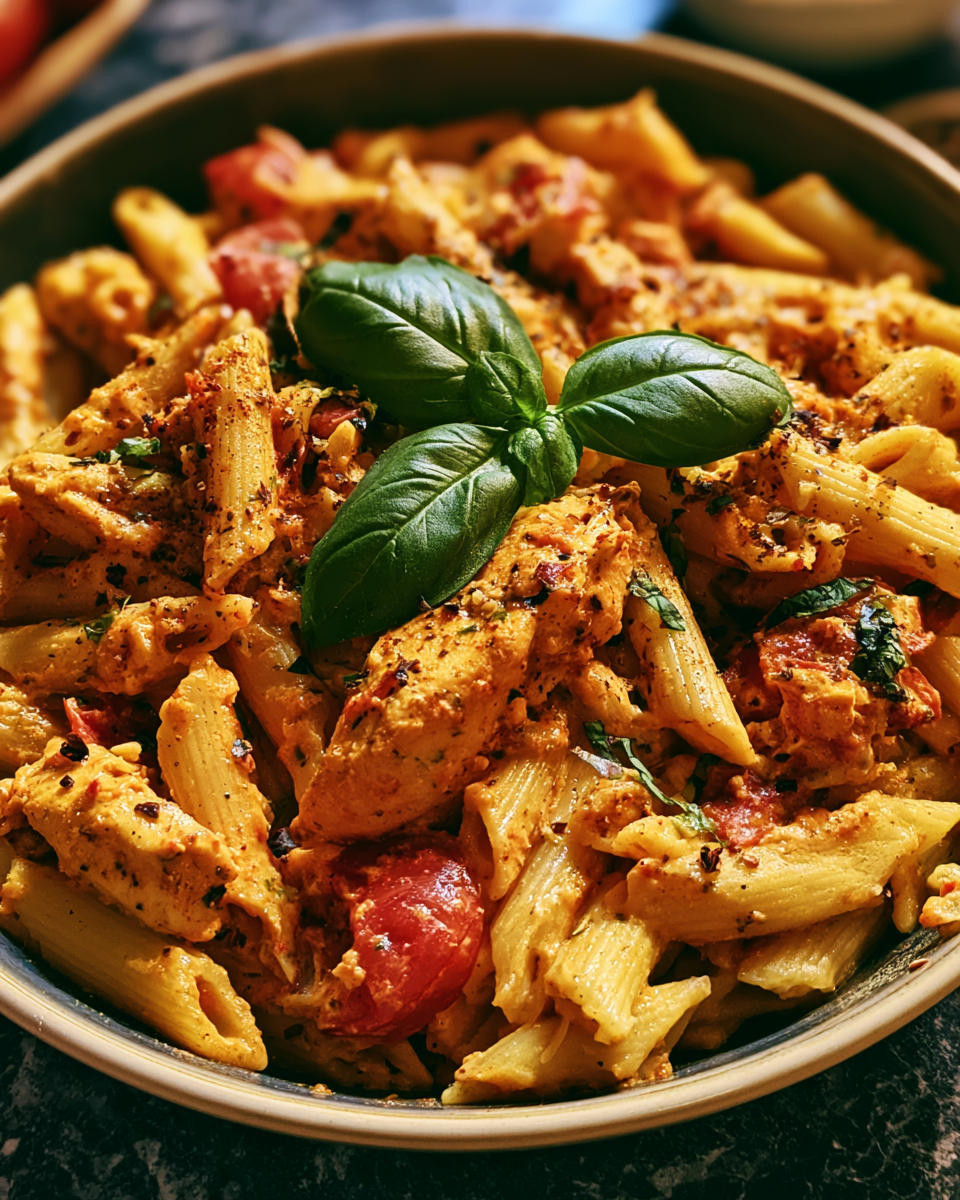
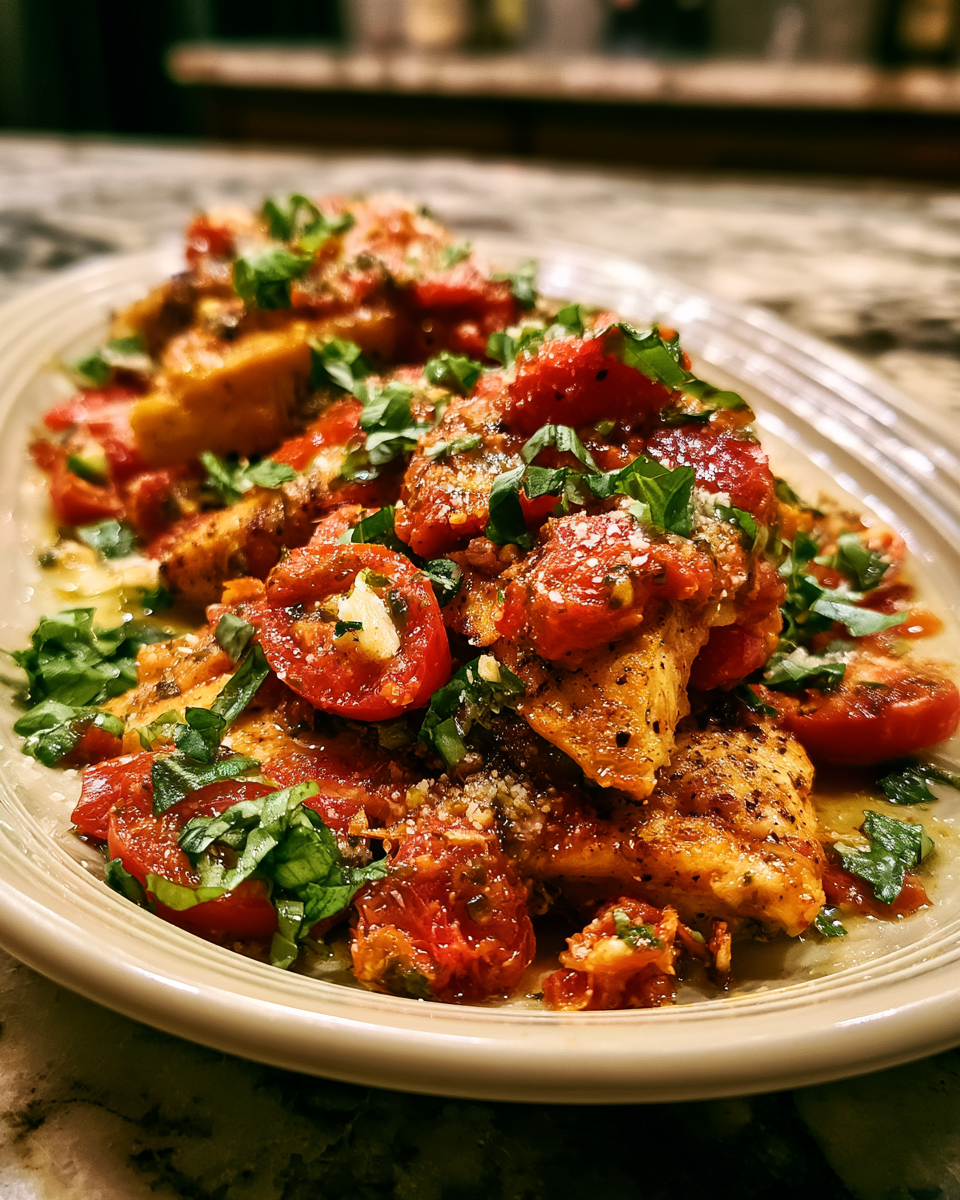
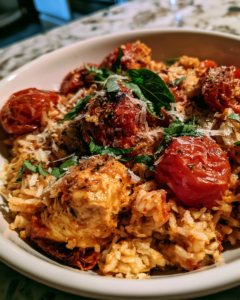
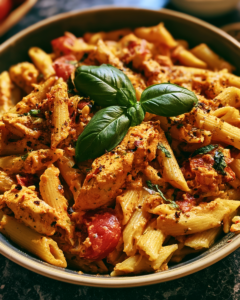
Smoky Paprika Beef Pasta brings together tender beef, sweet onions, garlic, tomato sauce, and warm paprika in a rich skillet meal that fits busy evenings and relaxed family dinners alike. The sauce clings to the pasta with a velvety texture while the paprika adds depth without overwhelming heat. A small splash of cream softens the tomato base and gives the dish a smooth finish.
This pasta works well during cooler months, though it also suits casual summer suppers when paired with crisp salad greens or roasted vegetables. The recipe uses pantry staples and simple cooking steps, making it approachable for cooks at any skill level. Each forkful carries balanced savory flavor with a gentle smoky note that pairs beautifully with beef and pasta.
Ingredients Overview

The heart of Smoky Paprika Beef Pasta comes from a balance of beef, paprika, tomatoes, and pasta. Ground beef gives the sauce rich flavor while also keeping the cooking process quick enough for weeknight meals. Lean ground beef works nicely because it creates enough savory depth without leaving the sauce greasy. If preferred, ground turkey or ground chicken may stand in for beef, though the final dish will taste lighter.
Paprika shapes the entire character of the recipe. Smoked paprika adds warmth and a gentle wood-fired note that blends naturally with tomato sauce. Sweet paprika rounds out the flavor and keeps the seasoning balanced. A small amount of crushed red pepper may be added for mild heat, though it is optional.
Onion and garlic form the savory base of the skillet sauce. As they soften, they bring sweetness and body that support the paprika. Crushed tomatoes provide acidity and moisture while tomato paste thickens the sauce and deepens the color.
Heavy cream softens the tomato base and gives the pasta a silky finish. Half-and-half may replace cream for a lighter texture. Parmesan cheese adds salty richness while pasta water helps the sauce coat every piece evenly. Short pasta shapes such as penne, rigatoni, or rotini hold the sauce particularly well because the ridges catch the creamy tomato mixture.
Ingredients
1 pound lean ground beef
12 ounces penne pasta
1 tablespoon olive oil
1 medium yellow onion, finely chopped
4 garlic cloves, minced
2 tablespoons tomato paste
1 can crushed tomatoes, 28 ounces
1 cup beef broth
1 cup heavy cream
1 1/2 teaspoons smoked paprika
1 teaspoon sweet paprika
1/2 teaspoon dried oregano
1/2 teaspoon salt
1/4 teaspoon black pepper
1/4 teaspoon crushed red pepper flakes, optional
3/4 cup grated Parmesan cheese
2 tablespoons chopped parsley
Reserved pasta water as needed
Step-by-Step Instructions

Fill a large pot with salted water and bring it to a rolling boil. Add the pasta and cook until just shy of fully tender according to the package timing. The pasta will finish cooking in the sauce later, which helps it absorb flavor. Before draining, reserve about one cup of pasta water.
While the pasta cooks, place a large skillet or deep sauté pan over medium heat. Add the olive oil followed by the chopped onion. Cook for about five minutes, stirring often, until the onion turns soft and lightly golden around the edges. Stir in the garlic and cook for about thirty seconds. Garlic burns quickly, so keep the heat moderate.
Add the ground beef to the skillet. Break it apart with a wooden spoon and cook until no pink remains. This usually takes seven to eight minutes. If excess fat gathers in the pan, spoon off part of it so the sauce stays balanced rather than heavy.
Stir in the tomato paste and cook for one minute. This short cooking time deepens the flavor and removes any raw taste. Sprinkle in the smoked paprika, sweet paprika, oregano, salt, black pepper, and red pepper flakes if using. Stir well so the seasonings coat the beef evenly.
Pour in the crushed tomatoes and beef broth. Stir until fully combined, then reduce the heat to medium-low. Let the sauce simmer gently for about ten minutes. The sauce should thicken slightly while the flavors blend together. Stir every few minutes to prevent sticking near the bottom of the skillet.
Lower the heat further before adding the cream. Stir slowly until the sauce becomes smooth and creamy. Adding cream over high heat may cause separation, so gentle heat matters here. Sprinkle in the Parmesan cheese and stir until melted.
Add the drained pasta directly into the skillet. Toss until every piece is coated in sauce. If the mixture feels too thick, add a splash of reserved pasta water a little at a time. The starch in the water helps the sauce cling to the pasta without becoming watery.
Taste the pasta and adjust the seasoning if needed. Scatter chopped parsley across the top before serving. The finished dish should look glossy with a rich reddish color and smell warmly spiced from the paprika.
A common issue with creamy pasta sauces comes from overheating after the cream goes in. Keep the heat low during the final stage to maintain a smooth texture. Another helpful step involves cooking the pasta just under al dente before combining it with the sauce, which keeps the final texture from turning overly soft.
Tips, Variations & Substitutions
Rigatoni and rotini both work nicely in place of penne because their shapes trap the creamy sauce well. Long pasta such as fettuccine may also be used, though the skillet sauce coats shorter pasta more evenly.
For deeper smoky flavor, add a small amount of fire-roasted tomatoes. A spoonful of cream cheese may replace part of the heavy cream for a thicker sauce with gentle tanginess. Those who enjoy additional heat may stir in diced jalapeño while cooking the onions.
Ground turkey creates a lighter version while still pairing nicely with paprika. Plant-based meat substitutes also work surprisingly well in this recipe since the sauce carries rich seasoning. Gluten-free pasta may replace standard pasta, though it should be cooked carefully because it softens faster once mixed into hot sauce.
Fresh spinach may be stirred into the skillet during the final minutes of cooking. Mushrooms, roasted red peppers, or zucchini also blend naturally with the beef and tomato mixture. If the sauce thickens too much during storage, loosen it with a splash of broth or milk while reheating.
Freshly grated Parmesan melts more smoothly than packaged shredded cheese. Keeping the skillet at gentle heat during the finishing stage also helps maintain a creamy texture.
Serving Ideas & Occasions
Smoky Paprika Beef Pasta pairs beautifully with garlic bread, roasted broccoli, or crisp green salad topped with vinaigrette. The creamy tomato sauce also tastes wonderful beside roasted carrots or sautéed green beans.
For drinks, sparkling water with lemon keeps the meal balanced while iced tea works nicely during warm weather. A light red wine also pairs naturally with the paprika and beef combination.
This pasta suits busy weeknights because it cooks in under an hour and uses familiar ingredients. It also works well for relaxed weekend suppers when served family-style in a large bowl at the center of the table. Since the recipe reheats well, it fits meal preparation plans and packed lunches throughout the week.
The warm smoky flavor makes the dish particularly fitting during cool autumn evenings and winter gatherings, though it remains comforting during any season.
Nutritional & Health Notes
Smoky Paprika Beef Pasta contains protein from beef and Parmesan while the tomato base contributes vitamins and acidity that balance the creamy sauce. Choosing lean ground beef helps reduce excess grease without sacrificing flavor.
The recipe also provides carbohydrates from pasta, making it filling enough for hearty dinners. Pairing the dish with vegetables or salad can add fiber and freshness to the meal. Using whole wheat pasta creates a slightly nuttier flavor while adding additional fiber.
Heavy cream gives the sauce its rich texture, though half-and-half may be used for a lighter result. Parmesan contributes savory depth, so a moderate amount still creates satisfying flavor.
Portion size plays an important role since creamy pasta dishes can become heavy when served in very large amounts. Dividing the pasta among several servings alongside vegetables creates a balanced meal that still feels comforting and rich.
FAQs
Can I prepare Smoky Paprika Beef Pasta ahead of time?
Yes, this pasta works well as a make-ahead meal. Cook the sauce fully, then store it separately from the pasta if possible. Keeping them apart helps maintain the best texture during reheating. The sauce may stay refrigerated for up to three days in a sealed container. When ready to serve, warm the sauce slowly over medium-low heat and add a splash of broth or milk if it thickened during storage. Freshly cooked pasta gives the best texture, though fully assembled leftovers still taste very good. If reheating the combined pasta and sauce, stir gently and avoid high heat so the creamy sauce stays smooth rather than separating.
Which pasta shape works best for this recipe?
Short pasta shapes generally perform best because they hold the creamy tomato sauce nicely. Penne, rigatoni, and rotini all work especially well since their ridges trap the beef and sauce mixture. Shells also create nice pockets for the sauce. Long noodles such as spaghetti or linguine may still be used, though the texture feels slightly different because the sauce spreads more thinly across the strands. Whole wheat pasta brings additional texture while gluten-free pasta remains a practical option for dietary needs. Whichever shape you choose, cooking the pasta just shy of fully tender helps maintain a pleasant bite once it finishes in the skillet.
Can I freeze the leftovers?
The sauce freezes better than fully assembled pasta because cream-based sauces sometimes change texture after thawing. For best results, freeze only the beef and paprika sauce in airtight containers for up to two months. Thaw it overnight in the refrigerator before reheating slowly on the stove. Stirring during reheating helps restore the creamy consistency. If the sauce looks slightly thick after thawing, a small splash of milk or broth usually smooths it out again. While frozen assembled pasta remains safe to eat, the noodles may soften more than desired after reheating. Fresh pasta paired with thawed sauce gives the strongest final texture.
What can I use instead of heavy cream?
Half-and-half works nicely for a lighter version while still creating a creamy finish. Whole milk may also be used, though the sauce will turn slightly thinner. Some cooks prefer cream cheese because it creates a richer texture with mild tanginess. Plain Greek yogurt may stand in for part of the cream, though it should be stirred in over low heat to avoid curdling. Dairy-free cooking cream also performs well for those avoiding milk products. No matter which substitute you choose, adding it slowly over gentle heat helps maintain a smooth sauce without separation or graininess.
How smoky does the paprika taste in this pasta?
The smoky flavor remains balanced rather than overpowering. Smoked paprika brings warmth and depth similar to food cooked over gentle wood fire, though the tomato and cream soften the intensity. Using both smoked paprika and sweet paprika keeps the seasoning rounded and comfortable for most tastes. If you prefer stronger smoky flavor, slightly increase the smoked paprika or add a few spoonfuls of fire-roasted tomatoes. For a milder version, reduce the smoked paprika and use mostly sweet paprika instead. The seasoning should support the beef and tomato base rather than dominate every bite.
Can I add vegetables to the pasta?
Yes, several vegetables blend naturally into this dish. Spinach works particularly well because it wilts quickly into the warm sauce without changing the cooking process much. Mushrooms add savory flavor while zucchini contributes softer texture and freshness. Roasted red peppers pair beautifully with paprika and tomatoes. Broccoli or peas may also be stirred in near the end of cooking. When adding vegetables with high moisture content, cook them long enough to release excess liquid so the sauce stays creamy rather than watery. Vegetable additions also help stretch the recipe into additional servings without losing flavor.
Why did my sauce become too thick?
Creamy pasta sauces often thicken as they sit because the pasta absorbs liquid from the sauce. This happens naturally during resting and refrigeration. Reserved pasta water provides the simplest fix since the starch helps loosen the sauce while maintaining its silky texture. Beef broth or milk may also work. Another possible cause comes from simmering the sauce too long before adding the pasta. Keeping the sauce at gentle heat rather than rapid boiling helps maintain the right consistency. Stirring frequently during the finishing stage also prevents sticking and keeps the creamy texture smooth from the skillet to the table.
………………..