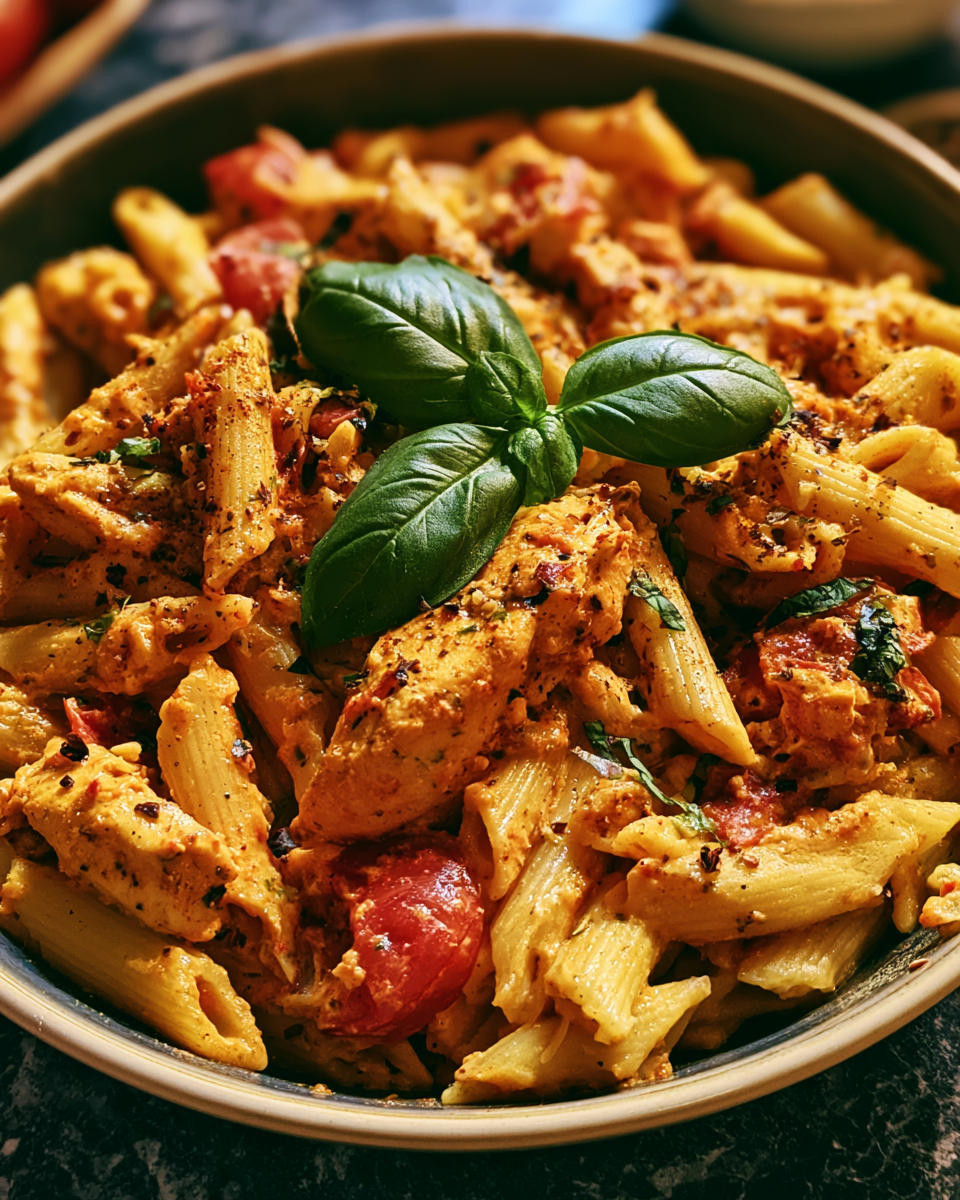
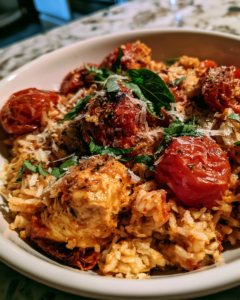
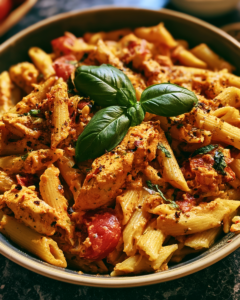
Italian Herb Beef Rigatoni Bake layers tender rigatoni, savory beef, creamy herb sauce, and bubbling cheese into a hearty baked dinner suited for comforting weeknight meals or relaxed weekend gatherings. Ridged rigatoni catches rich sauce inside every bite while melted mozzarella creates golden cheesy texture across the casserole surface.
Garlic, basil, oregano, and parsley bring warm Italian-inspired flavor without overpowering the beef. Parmesan deepens the savory character while tomato paste adds slight sweetness beneath the creamy cheese sauce. This baked pasta pairs beautifully with roasted vegetables, crisp salads, or warm bread during cooler evenings.
Ingredients Overview

Rigatoni works beautifully for baked pasta dishes because the thick tubes hold creamy sauce both inside and outside each piece. The sturdy shape also stays tender without turning mushy after baking. Penne or ziti may replace rigatoni whenever necessary.
Ground beef creates hearty flavor throughout the casserole. Lean ground chuck performs nicely because it keeps the dish rich while limiting excessive grease. Italian sausage may replace part of the beef for stronger savory flavor.
Butter, garlic, onion, and Italian herbs create aromatic depth throughout the sauce. Basil and oregano contribute classic Italian-style warmth while parsley brightens heavier cheese notes. Small amounts of crushed red pepper bring mild warmth without making the casserole overly spicy.
Heavy cream and beef broth combine into smooth creamy sauce consistency. Parmesan adds nutty sharpness while mozzarella creates creamy melted texture. Provolone contributes gentle smoky richness across the baked topping.
Tomato paste balances the dairy ingredients with deeper savory flavor and subtle sweetness. Freshly grated cheese melts far smoother compared with packaged shredded cheese varieties.
Slightly firm pasta texture matters greatly because the oven continues cooking the noodles during baking. Overcooked pasta before baking often creates soft casserole texture afterward.
Ingredients
1 pound lean ground beef
12 ounces rigatoni pasta
2 tablespoons butter
1 tablespoon olive oil
1 small yellow onion, finely chopped
4 garlic cloves, minced
2 tablespoons tomato paste
1 teaspoon dried basil
1 teaspoon dried oregano
1/2 teaspoon dried parsley
1/2 teaspoon kosher salt
1/2 teaspoon black pepper
1/4 teaspoon crushed red pepper flakes
1 cup beef broth
3/4 cup heavy cream
1/2 cup cream cheese
1 cup shredded mozzarella cheese
3/4 cup grated parmesan cheese
1/2 cup shredded provolone cheese
2 tablespoons chopped fresh parsley
Step-by-Step Instructions

Preheat the oven toward 375 degrees Fahrenheit. Lightly grease a 9×13-inch baking dish and place aside. Bring a large pot filled with salted water toward a rolling boil.
Cook rigatoni until slightly firm in the center. The pasta continues softening during oven baking, so slightly firm texture creates better final consistency. Drain pasta and reserve a small amount of pasta water.
Place a large skillet across medium heat. Add olive oil and butter. Once butter melts fully, stir chopped onion into the skillet. Cook several minutes until softened and lightly golden around the edges.
Add ground beef into the skillet. Break larger pieces apart using a wooden spoon while cooking. Continue cooking until beef browns completely with little pink remaining. Drain excess grease whenever necessary so the casserole remains creamy rather than oily.
Stir garlic, tomato paste, basil, oregano, parsley, salt, black pepper, and crushed red pepper into the skillet. Cook roughly 1 minute until fragrant aromas rise from the pan. Tomato paste should darken slightly during this stage, creating deeper savory flavor.
Pour beef broth into the skillet while scraping browned bits from the pan surface. Simmer several minutes until liquid reduces slightly. Lower heat before stirring heavy cream and cream cheese into the skillet. Continue stirring until smooth sauce forms.
Gradually add parmesan and half the mozzarella while stirring continuously. Slow additions help cheese melt evenly without clumping. Sauce should appear creamy and thick enough to coat a spoon.
Fold cooked rigatoni into the sauce mixture until evenly coated. Whenever sauce appears too thick, stir small splashes of reserved pasta water into the skillet.
Transfer the pasta mixture into the prepared baking dish. Scatter remaining mozzarella plus provolone evenly across the surface.
Bake uncovered for roughly 20 minutes until cheese melts fully and edges bubble gently. For slightly deeper golden color, place the casserole beneath the broiler for 1 to 2 minutes while watching carefully.
Allow the casserole to rest for several minutes before serving. Resting helps the sauce settle throughout the pasta layers. Scatter fresh parsley across the top shortly before bringing the dish toward the table.
Avoid excessive baking time since the pasta may dry around the edges. Creamy baked texture depends upon balanced oven timing and slightly firm pasta before baking begins.
Tips, Variations & Substitutions
Ground turkey or chicken may replace beef whenever lighter flavor feels suitable. Italian sausage also pairs beautifully with herb sauce for diners preferring richer savory depth.
Spinach, mushrooms, roasted peppers, or broccoli all blend comfortably beside creamy herb sauce. Vegetables should remain lightly cooked before baking so texture stays balanced inside the casserole.
Whole milk may replace heavy cream whenever lighter texture feels suitable, though the sauce becomes less rich. Slightly extra parmesan often helps restore thicker consistency.
Fresh basil creates brighter herbal notes while rosemary contributes deeper earthy flavor. Garlic lovers may stir roasted garlic puree into the sauce for stronger savory character.
Rigatoni generally performs best because thick tubes hold creamy sauce beautifully, though penne, cavatappi, and ziti also work nicely.
Leftovers store comfortably inside sealed refrigeration containers for roughly three days. Gentle reheating with small splashes of broth or milk helps soften the sauce again.
Serving Ideas & Occasions
Italian Herb Beef Rigatoni Bake suits family suppers, relaxed Sunday meals, neighborhood gatherings, or chilly weather dinners. The casserole also travels comfortably for potlucks because the creamy sauce holds nicely after resting briefly.
Garlic bread pairs naturally beside cheesy baked pasta while roasted asparagus, zucchini, or green beans balance the richness. Caesar salad also works beautifully through crisp lettuce and tangy dressing.
Sparkling water with lemon slices refreshes the palate throughout richer servings. Iced tea or red grape juice also pair comfortably beside savory herb-seasoned beef.
Large casserole dishes placed directly onto the dining table create warm family-style presentation. Fresh parsley and extra parmesan across each serving create inviting finishing touches without requiring complicated preparation.
Nutritional & Health Notes
Ground beef contributes protein and iron while parmesan and mozzarella provide calcium. Rigatoni supplies carbohydrates supporting hearty balanced dinners whenever paired beside vegetables or salad greens.
Lean ground beef limits excessive grease while still carrying rich savory flavor. Reduced-fat cheese may lower richness slightly, though the sauce becomes less creamy.
Garlic, onion, tomato paste, and herbs contribute deep flavor without relying heavily upon excess butter or salt. Spinach, mushrooms, or broccoli additions naturally increase vegetable content.
Moderate serving sizes help balance richer ingredients like cream and cheese. Pairing baked pasta beside roasted vegetables creates satisfying dinners without feeling excessively heavy afterward.
Homemade casseroles also allow direct control across sodium levels, spice quantity, and cheese amounts compared with many frozen baked pasta meals.
FAQs
Can this casserole enter refrigeration before baking?
This pasta bake may enter refrigeration several hours before baking begins. Assemble the casserole fully, cover tightly, and refrigerate until needed. Before placing the dish into the oven, allow it to sit at room temperature for roughly 20 minutes. Cold casserole dishes placed directly into hot ovens sometimes heat unevenly. Additional baking time may become necessary whenever the center starts very cold.
Why should pasta remain slightly firm before baking?
Rigatoni continues absorbing moisture and softening while baking inside creamy sauce. Fully cooked pasta before baking often becomes overly soft afterward. Slightly firm pasta creates balanced texture after oven cooking finishes. Salted boiling water also helps pasta maintain pleasant flavor throughout the casserole. Careful timing during boiling creates better baked results later.
Which cheeses work nicely inside this recipe?
Mozzarella creates creamy melted texture while parmesan contributes nutty salty flavor. Provolone melts smoothly and adds slight smoky richness. Romano or asiago also pair nicely whenever sharper flavor feels suitable. Freshly grated cheese generally melts more evenly compared with packaged shredded varieties containing anti-caking powders.
Can vegetables enter this rigatoni bake?
Spinach, mushrooms, broccoli, zucchini, peas, and roasted peppers all blend comfortably beside beef and herb sauce. Vegetables should remain lightly cooked before baking so they maintain pleasant texture afterward. Mushrooms contribute earthy depth while spinach brightens richer cheese flavors. Roasted vegetables often create deeper flavor compared with boiled vegetables.
Why did the cheese sauce separate?
Separated sauce usually comes from excessive heat after adding cheese. Lower heat before stirring cheese into the cream mixture. Gradual cheese additions plus continuous stirring help create smoother consistency. Freshly grated cheese also melts more evenly and supports creamier sauce texture throughout the casserole.
Can milk replace heavy cream?
Whole milk may replace heavy cream whenever lighter texture feels suitable, though the sauce becomes thinner and slightly less rich. Additional parmesan or cream cheese often restores some body throughout the casserole. Lower-fat dairy products occasionally separate during baking, so gentle simmering before baking helps maintain smoother consistency.
How should leftovers be reheated?
Leftovers reheat nicely inside microwaves or low-temperature ovens. Adding small splashes of milk, broth, or cream before reheating helps soften thickened sauce. Covering the casserole during oven reheating also preserves moisture. Stirring midway through microwave reheating creates more even warmth throughout the pasta layers.