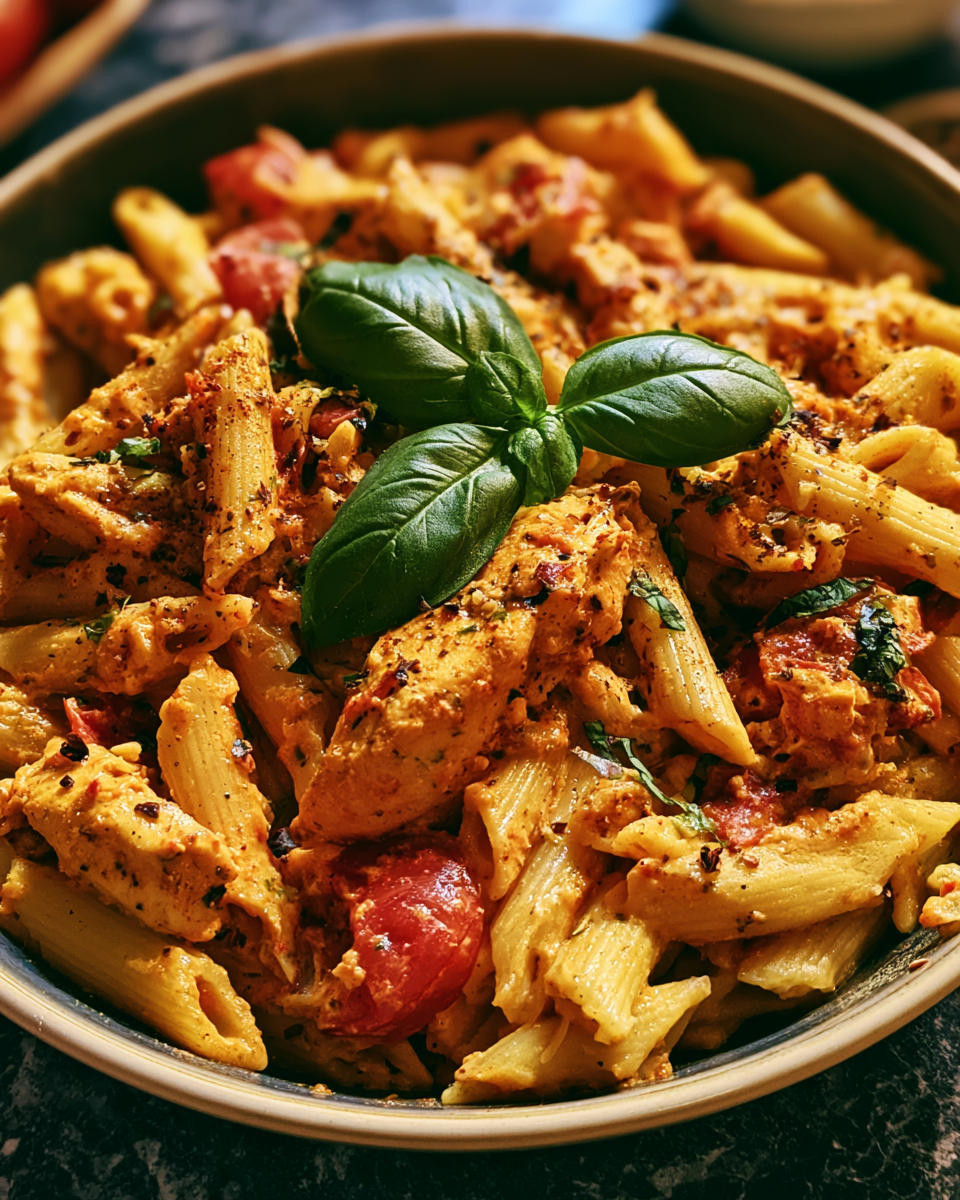
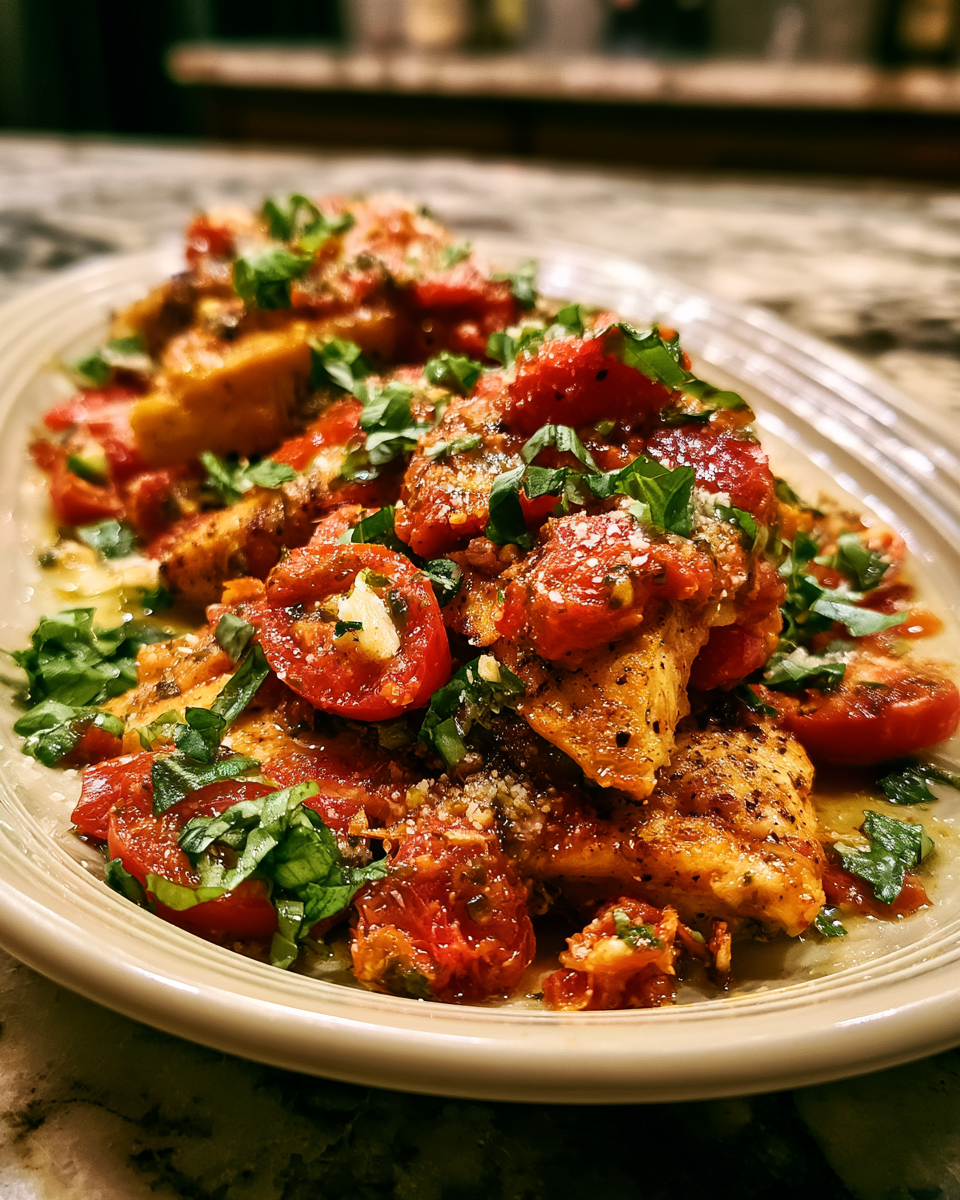
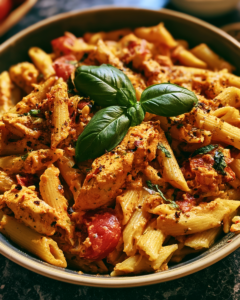
Spicy Arrabbiata Spaghetti with Garlic, Chili Flakes, and Fresh Herbs

Posted on

Uncategorized

Difficulty

Prep time

Cooking time

Total time

Servings

Baked Lemon Pepper Chicken Breast with Quinoa and Broccoli brings bright citrus flavor, tender poultry, fluffy quinoa, and crisp green broccoli into a balanced dinner plate suited for busy evenings or relaxed weekend suppers. The chicken develops a lightly golden surface during baking while the lemon pepper seasoning adds a fresh savory layer without heavy sauces or lengthy preparation.

This recipe fits families, meal prep plans, and simple home cooking routines. Quinoa supplies a soft nutty texture beside juicy chicken, while broccoli adds color and gentle crunch. Each component cooks with straightforward timing, creating a reliable dinner that feels satisfying without excessive richness.

Ingredients Overview

Chicken breast forms the centerpiece of this recipe because it cooks evenly in the oven and absorbs seasoning quickly. Boneless skinless chicken breast stays tender when baked at moderate heat and rested briefly before slicing. Lemon juice brightens the savory profile while cracked black pepper adds warmth across every bite. Olive oil coats the poultry lightly, helping the seasoning cling during roasting.

Quinoa contributes a delicate earthy flavor along with a soft fluffy texture. Rinsing quinoa before cooking removes bitterness and leaves a cleaner finish. Chicken broth deepens the grain flavor, though vegetable broth also works nicely. A small amount of garlic blends naturally with the citrus notes from the chicken.

Broccoli balances the plate with freshness and texture. Roasting or steaming both suit this recipe well. Roasted broccoli gains lightly crisp edges while steamed broccoli remains softer and milder. Fresh florets hold texture better than frozen versions, though frozen broccoli remains practical during busy weeks.

Garlic powder, onion powder, paprika, sea salt, and parsley round out the seasoning blend. Fresh parsley scattered across the finished plate adds color and gentle herbal fragrance. For dairy-free diners, the recipe already suits that preference naturally. Brown rice may replace quinoa for a heartier grain option, while cauliflower rice creates a lighter variation.

Ingredients

4 boneless skinless chicken breasts

2 tablespoons olive oil

2 tablespoons fresh lemon juice

1 teaspoon lemon zest

1 1/2 teaspoons cracked black pepper

1 teaspoon sea salt

1 teaspoon garlic powder

1 teaspoon onion powder

1/2 teaspoon paprika

1 cup uncooked quinoa, rinsed

2 cups chicken broth

3 cups broccoli florets

1 tablespoon olive oil for broccoli

1/2 teaspoon sea salt for broccoli

1 tablespoon chopped fresh parsley

Lemon wedges for serving

Step-by-Step Instructions

Preheat the oven to 400 degrees Fahrenheit. Lightly grease a large baking dish or sheet pan with olive oil. Pat the chicken breasts dry using paper towels so the seasoning clings evenly and the surface browns properly during baking.

Place the chicken breasts inside a shallow bowl. Drizzle with olive oil and fresh lemon juice, then scatter lemon zest across the poultry. Sprinkle black pepper, sea salt, garlic powder, onion powder, and paprika over every side. Rub the seasoning mixture across the chicken until fully coated.

Arrange the chicken breasts in the prepared baking dish with slight spacing between each piece. Crowding traps steam and prevents proper browning. Transfer the dish into the hot oven and bake for 22 to 28 minutes depending upon thickness. Thicker pieces may require several extra minutes.

During baking, prepare the quinoa. Add rinsed quinoa and chicken broth into a medium saucepan. Bring the liquid to a gentle boil, then reduce the heat to low. Cover the saucepan tightly and cook for about 15 minutes until the liquid absorbs fully. Remove the saucepan from the heat and let the quinoa rest covered for 5 minutes before fluffing with a fork.

While the quinoa cooks, prepare the broccoli. Toss the florets with olive oil and sea salt. Spread them across a baking sheet in a single layer. Roast during the final 15 minutes of the chicken cooking time until the edges turn lightly browned yet the centers remain bright green. Steaming also works for diners preferring softer vegetables.

Check the chicken using a meat thermometer inserted into the thickest section. The internal temperature should reach 165 degrees Fahrenheit. Avoid slicing immediately after baking because resting allows the juices to settle throughout the meat. Rest the chicken for about 5 minutes before serving.

Fluff the quinoa with a fork until light and separated. Arrange quinoa across serving plates followed by roasted broccoli. Slice the chicken breast if desired and place it beside the vegetables and grains. Scatter chopped parsley across the finished plate and serve with lemon wedges for added citrus brightness.

Avoid overbaking because chicken breast can dry rapidly once the temperature climbs too high. Thin chicken pieces also cook faster, so checking early prevents toughness. Rinsing quinoa thoroughly remains another helpful step because unrinsed quinoa sometimes carries a bitter finish.

Tips, Variations & Substitutions

Thin chicken breasts cook more evenly than extra-thick cuts. If several pieces vary greatly in size, gently pound thicker portions with a rolling pin before seasoning. Uniform thickness supports steady cooking and juicier texture.

Fresh lemon juice delivers brighter flavor than bottled varieties. Freshly cracked pepper also creates stronger aroma compared with finely ground pepper from older spice jars. A small sprinkle of red pepper flakes adds mild heat without overpowering the citrus seasoning.

Brown rice, farro, or couscous can replace quinoa depending upon pantry availability. Cauliflower rice works nicely for lighter dinner plans. Sweet potatoes also pair naturally beside lemon pepper chicken and roasted broccoli.

Broccoli may roast alongside sliced zucchini, asparagus, green beans, or bell peppers for extra vegetable variety. Parmesan cheese sprinkled across roasted broccoli adds savory richness for diners who enjoy dairy.

Boneless chicken thighs remain another practical option. They usually require slightly longer baking time yet stay especially juicy. Turkey breast cutlets also fit this seasoning blend nicely.

For meal preparation, store the cooked components separately inside airtight containers. Reheating the chicken gently with a splash of broth helps maintain tenderness during later servings.

Serving Ideas & Occasions

Baked Lemon Pepper Chicken Breast with Quinoa and Broccoli suits weeknight family dinners, Sunday meal preparation, casual gatherings, and balanced lunch portions for busy schedules. The bright citrus seasoning feels especially fitting during spring and summer months, though the warm roasted elements also suit cooler evenings.

Warm whole grain dinner rolls or a crisp garden salad pair naturally beside this plate. Cucumber salad with dill and yogurt offers a cool contrast against the peppery chicken seasoning. Roasted carrots or asparagus also complement the citrus profile nicely.

Sparkling water with lemon slices, unsweetened iced tea, or light white grape juice all balance the savory flavors pleasantly. For heartier appetites, additional roasted potatoes or wild rice can round out the dinner table.

This recipe also travels well inside packed lunches because the flavors remain pleasant after reheating. The balanced portions of protein, grains, and vegetables support steady energy throughout busy afternoons.

Nutritional & Health Notes

Chicken breast supplies lean protein that supports fullness without excessive saturated fat. Quinoa contributes fiber, plant protein, magnesium, and iron while remaining naturally gluten-free. Broccoli adds vitamin C, potassium, and fiber alongside vibrant color and fresh texture.

Olive oil supplies heart-friendly fats and helps carry the citrus and pepper flavors throughout the dish. Since the seasoning blend relies heavily upon herbs, lemon, and pepper, the recipe avoids heavy cream sauces or excessive butter.

Portion balance remains another appealing feature of this dinner. Protein, grains, and vegetables share equal space across the plate, creating a satisfying meal without overwhelming richness. Roasting rather than deep frying also keeps the overall texture lighter.

Lower-sodium broth can reduce salt content further. Additional vegetables may increase fiber and volume for diners seeking larger portions without heavier ingredients. Fresh ingredients and moderate seasoning keep the flavors clean and bright from the first bite through the final forkful.

FAQs

Can chicken thighs replace chicken breast?

Chicken thighs work very nicely within this recipe because their slightly higher fat content keeps the meat juicy during baking. Boneless skinless thighs usually require around 25 to 30 minutes inside a 400-degree oven depending upon thickness. The lemon pepper seasoning blends naturally with darker poultry cuts and creates rich savory flavor throughout the meat. A meat thermometer still remains the safest method for checking doneness, with the internal temperature reaching 165 degrees Fahrenheit before serving. Resting the cooked thighs for several minutes also helps retain moisture. Since thighs contain richer flavor naturally, several diners prefer them during colder months or larger family suppers.

How should leftovers remain stored?

Store leftover chicken, quinoa, and broccoli inside airtight containers within the refrigerator for up to four days. Keeping the components separated often helps preserve texture because broccoli can soften if stored directly beside warm grains. Reheat gently inside a skillet with a small splash of broth or water to prevent the chicken from drying. Microwave reheating also works well when covered loosely with a damp paper towel. Quinoa sometimes thickens slightly during refrigeration, though fluffing with a fork restores texture quickly. These leftovers fit lunch bowls, wraps, or salad toppings nicely during busy weekdays.

Can frozen broccoli replace fresh broccoli?

Frozen broccoli works successfully when fresh produce is unavailable. Thawing first helps remove excess moisture and supports better roasting texture. Pat the florets dry before tossing with olive oil and seasoning. Frozen broccoli generally cooks slightly faster than fresh broccoli, so checking early prevents overly soft vegetables. Roasting at high heat still creates pleasant browned edges even with frozen florets. Steaming remains another practical option for softer texture. Since frozen vegetables often contain added moisture, spreading them across a wide baking sheet rather than crowding them together supports more even cooking and better color.

Why should quinoa remain rinsed before cooking?

Quinoa carries a natural outer coating called saponin that can leave bitterness after cooking if not rinsed thoroughly. Running cold water across the grains inside a fine mesh strainer removes this coating and creates cleaner flavor. Several packaged quinoa brands arrive pre-rinsed, though an additional quick rinse still helps improve texture and flavor. Proper rinsing also helps the cooked grains stay lighter and fluffier rather than sticky. Cooking quinoa with broth rather than plain water adds savory depth that pairs especially nicely beside lemon pepper chicken and roasted vegetables.

Can this recipe support meal preparation plans?

This dinner fits meal preparation routines very well because the ingredients store and reheat nicely across several days. Cooked chicken breasts can remain whole or sliced before refrigeration. Quinoa maintains texture nicely without becoming mushy, while roasted broccoli reheats quickly inside a skillet or microwave. Dividing portions into separate containers creates practical grab-and-go lunches throughout the week. Fresh lemon wedges packed separately help refresh the flavors before serving. Several diners also add spinach, chickpeas, or roasted peppers into the containers for additional variety and color during repeated meals.

What side dishes pair naturally beside this dinner?

This recipe already contains protein, vegetables, and grains, though additional side dishes can create a larger spread for gatherings or family suppers. Mixed green salad with cucumber and light vinaigrette complements the citrus seasoning nicely. Roasted carrots, asparagus, Brussels sprouts, or sweet potatoes also pair naturally beside lemon pepper chicken. Warm whole grain bread or soft dinner rolls provide additional comfort during colder evenings. Lighter beverages such as sparkling water with lemon or herbal iced tea balance the savory pepper seasoning pleasantly without overpowering the meal.

How can the chicken remain juicy during baking?

Avoiding overcooking remains the largest factor in maintaining juicy chicken breast. Thin pieces cook rapidly, so checking the temperature several minutes early helps prevent dryness. A meat thermometer offers the most reliable indicator, with 165 degrees Fahrenheit marking safe doneness. Resting the chicken after baking also keeps juices distributed throughout the meat rather than spilling onto the plate immediately after slicing. Lightly coating the chicken with olive oil before seasoning helps protect the surface during roasting. Uniform thickness across the chicken breasts also supports even cooking from edge to center.

[rank_math_breadcrumb]

Spicy Arrabbiata Spaghetti with Garlic, Chili Flakes, and Fresh Herbs

Photo of author
Author: liv
Published:

Baked Lemon Pepper Chicken Breast with Quinoa and Broccoli brings bright citrus flavor, tender poultry, fluffy quinoa, and crisp green broccoli into a balanced dinner plate suited for busy evenings or relaxed weekend suppers. The chicken develops a lightly golden surface during baking while the lemon pepper seasoning adds a fresh savory layer without heavy sauces or lengthy preparation.

This recipe fits families, meal prep plans, and simple home cooking routines. Quinoa supplies a soft nutty texture beside juicy chicken, while broccoli adds color and gentle crunch. Each component cooks with straightforward timing, creating a reliable dinner that feels satisfying without excessive richness.

Ingredients Overview

Chicken breast forms the centerpiece of this recipe because it cooks evenly in the oven and absorbs seasoning quickly. Boneless skinless chicken breast stays tender when baked at moderate heat and rested briefly before slicing. Lemon juice brightens the savory profile while cracked black pepper adds warmth across every bite. Olive oil coats the poultry lightly, helping the seasoning cling during roasting.

Quinoa contributes a delicate earthy flavor along with a soft fluffy texture. Rinsing quinoa before cooking removes bitterness and leaves a cleaner finish. Chicken broth deepens the grain flavor, though vegetable broth also works nicely. A small amount of garlic blends naturally with the citrus notes from the chicken.

Broccoli balances the plate with freshness and texture. Roasting or steaming both suit this recipe well. Roasted broccoli gains lightly crisp edges while steamed broccoli remains softer and milder. Fresh florets hold texture better than frozen versions, though frozen broccoli remains practical during busy weeks.

Garlic powder, onion powder, paprika, sea salt, and parsley round out the seasoning blend. Fresh parsley scattered across the finished plate adds color and gentle herbal fragrance. For dairy-free diners, the recipe already suits that preference naturally. Brown rice may replace quinoa for a heartier grain option, while cauliflower rice creates a lighter variation.

Ingredients

4 boneless skinless chicken breasts

2 tablespoons olive oil

2 tablespoons fresh lemon juice

1 teaspoon lemon zest

1 1/2 teaspoons cracked black pepper

1 teaspoon sea salt

1 teaspoon garlic powder

1 teaspoon onion powder

1/2 teaspoon paprika

1 cup uncooked quinoa, rinsed

2 cups chicken broth

3 cups broccoli florets

1 tablespoon olive oil for broccoli

1/2 teaspoon sea salt for broccoli

1 tablespoon chopped fresh parsley

Lemon wedges for serving

Step-by-Step Instructions

Preheat the oven to 400 degrees Fahrenheit. Lightly grease a large baking dish or sheet pan with olive oil. Pat the chicken breasts dry using paper towels so the seasoning clings evenly and the surface browns properly during baking.

Place the chicken breasts inside a shallow bowl. Drizzle with olive oil and fresh lemon juice, then scatter lemon zest across the poultry. Sprinkle black pepper, sea salt, garlic powder, onion powder, and paprika over every side. Rub the seasoning mixture across the chicken until fully coated.

Arrange the chicken breasts in the prepared baking dish with slight spacing between each piece. Crowding traps steam and prevents proper browning. Transfer the dish into the hot oven and bake for 22 to 28 minutes depending upon thickness. Thicker pieces may require several extra minutes.

During baking, prepare the quinoa. Add rinsed quinoa and chicken broth into a medium saucepan. Bring the liquid to a gentle boil, then reduce the heat to low. Cover the saucepan tightly and cook for about 15 minutes until the liquid absorbs fully. Remove the saucepan from the heat and let the quinoa rest covered for 5 minutes before fluffing with a fork.

While the quinoa cooks, prepare the broccoli. Toss the florets with olive oil and sea salt. Spread them across a baking sheet in a single layer. Roast during the final 15 minutes of the chicken cooking time until the edges turn lightly browned yet the centers remain bright green. Steaming also works for diners preferring softer vegetables.

Check the chicken using a meat thermometer inserted into the thickest section. The internal temperature should reach 165 degrees Fahrenheit. Avoid slicing immediately after baking because resting allows the juices to settle throughout the meat. Rest the chicken for about 5 minutes before serving.

Fluff the quinoa with a fork until light and separated. Arrange quinoa across serving plates followed by roasted broccoli. Slice the chicken breast if desired and place it beside the vegetables and grains. Scatter chopped parsley across the finished plate and serve with lemon wedges for added citrus brightness.

Avoid overbaking because chicken breast can dry rapidly once the temperature climbs too high. Thin chicken pieces also cook faster, so checking early prevents toughness. Rinsing quinoa thoroughly remains another helpful step because unrinsed quinoa sometimes carries a bitter finish.

Tips, Variations & Substitutions

Thin chicken breasts cook more evenly than extra-thick cuts. If several pieces vary greatly in size, gently pound thicker portions with a rolling pin before seasoning. Uniform thickness supports steady cooking and juicier texture.

Fresh lemon juice delivers brighter flavor than bottled varieties. Freshly cracked pepper also creates stronger aroma compared with finely ground pepper from older spice jars. A small sprinkle of red pepper flakes adds mild heat without overpowering the citrus seasoning.

Brown rice, farro, or couscous can replace quinoa depending upon pantry availability. Cauliflower rice works nicely for lighter dinner plans. Sweet potatoes also pair naturally beside lemon pepper chicken and roasted broccoli.

Broccoli may roast alongside sliced zucchini, asparagus, green beans, or bell peppers for extra vegetable variety. Parmesan cheese sprinkled across roasted broccoli adds savory richness for diners who enjoy dairy.

Boneless chicken thighs remain another practical option. They usually require slightly longer baking time yet stay especially juicy. Turkey breast cutlets also fit this seasoning blend nicely.

For meal preparation, store the cooked components separately inside airtight containers. Reheating the chicken gently with a splash of broth helps maintain tenderness during later servings.

Serving Ideas & Occasions

Baked Lemon Pepper Chicken Breast with Quinoa and Broccoli suits weeknight family dinners, Sunday meal preparation, casual gatherings, and balanced lunch portions for busy schedules. The bright citrus seasoning feels especially fitting during spring and summer months, though the warm roasted elements also suit cooler evenings.

Warm whole grain dinner rolls or a crisp garden salad pair naturally beside this plate. Cucumber salad with dill and yogurt offers a cool contrast against the peppery chicken seasoning. Roasted carrots or asparagus also complement the citrus profile nicely.

Sparkling water with lemon slices, unsweetened iced tea, or light white grape juice all balance the savory flavors pleasantly. For heartier appetites, additional roasted potatoes or wild rice can round out the dinner table.

This recipe also travels well inside packed lunches because the flavors remain pleasant after reheating. The balanced portions of protein, grains, and vegetables support steady energy throughout busy afternoons.

Nutritional & Health Notes

Chicken breast supplies lean protein that supports fullness without excessive saturated fat. Quinoa contributes fiber, plant protein, magnesium, and iron while remaining naturally gluten-free. Broccoli adds vitamin C, potassium, and fiber alongside vibrant color and fresh texture.

Olive oil supplies heart-friendly fats and helps carry the citrus and pepper flavors throughout the dish. Since the seasoning blend relies heavily upon herbs, lemon, and pepper, the recipe avoids heavy cream sauces or excessive butter.

Portion balance remains another appealing feature of this dinner. Protein, grains, and vegetables share equal space across the plate, creating a satisfying meal without overwhelming richness. Roasting rather than deep frying also keeps the overall texture lighter.

Lower-sodium broth can reduce salt content further. Additional vegetables may increase fiber and volume for diners seeking larger portions without heavier ingredients. Fresh ingredients and moderate seasoning keep the flavors clean and bright from the first bite through the final forkful.

FAQs

Can chicken thighs replace chicken breast?

Chicken thighs work very nicely within this recipe because their slightly higher fat content keeps the meat juicy during baking. Boneless skinless thighs usually require around 25 to 30 minutes inside a 400-degree oven depending upon thickness. The lemon pepper seasoning blends naturally with darker poultry cuts and creates rich savory flavor throughout the meat. A meat thermometer still remains the safest method for checking doneness, with the internal temperature reaching 165 degrees Fahrenheit before serving. Resting the cooked thighs for several minutes also helps retain moisture. Since thighs contain richer flavor naturally, several diners prefer them during colder months or larger family suppers.

How should leftovers remain stored?

Store leftover chicken, quinoa, and broccoli inside airtight containers within the refrigerator for up to four days. Keeping the components separated often helps preserve texture because broccoli can soften if stored directly beside warm grains. Reheat gently inside a skillet with a small splash of broth or water to prevent the chicken from drying. Microwave reheating also works well when covered loosely with a damp paper towel. Quinoa sometimes thickens slightly during refrigeration, though fluffing with a fork restores texture quickly. These leftovers fit lunch bowls, wraps, or salad toppings nicely during busy weekdays.

Can frozen broccoli replace fresh broccoli?

Frozen broccoli works successfully when fresh produce is unavailable. Thawing first helps remove excess moisture and supports better roasting texture. Pat the florets dry before tossing with olive oil and seasoning. Frozen broccoli generally cooks slightly faster than fresh broccoli, so checking early prevents overly soft vegetables. Roasting at high heat still creates pleasant browned edges even with frozen florets. Steaming remains another practical option for softer texture. Since frozen vegetables often contain added moisture, spreading them across a wide baking sheet rather than crowding them together supports more even cooking and better color.

Why should quinoa remain rinsed before cooking?

Quinoa carries a natural outer coating called saponin that can leave bitterness after cooking if not rinsed thoroughly. Running cold water across the grains inside a fine mesh strainer removes this coating and creates cleaner flavor. Several packaged quinoa brands arrive pre-rinsed, though an additional quick rinse still helps improve texture and flavor. Proper rinsing also helps the cooked grains stay lighter and fluffier rather than sticky. Cooking quinoa with broth rather than plain water adds savory depth that pairs especially nicely beside lemon pepper chicken and roasted vegetables.

Can this recipe support meal preparation plans?

This dinner fits meal preparation routines very well because the ingredients store and reheat nicely across several days. Cooked chicken breasts can remain whole or sliced before refrigeration. Quinoa maintains texture nicely without becoming mushy, while roasted broccoli reheats quickly inside a skillet or microwave. Dividing portions into separate containers creates practical grab-and-go lunches throughout the week. Fresh lemon wedges packed separately help refresh the flavors before serving. Several diners also add spinach, chickpeas, or roasted peppers into the containers for additional variety and color during repeated meals.

What side dishes pair naturally beside this dinner?

This recipe already contains protein, vegetables, and grains, though additional side dishes can create a larger spread for gatherings or family suppers. Mixed green salad with cucumber and light vinaigrette complements the citrus seasoning nicely. Roasted carrots, asparagus, Brussels sprouts, or sweet potatoes also pair naturally beside lemon pepper chicken. Warm whole grain bread or soft dinner rolls provide additional comfort during colder evenings. Lighter beverages such as sparkling water with lemon or herbal iced tea balance the savory pepper seasoning pleasantly without overpowering the meal.

How can the chicken remain juicy during baking?

Avoiding overcooking remains the largest factor in maintaining juicy chicken breast. Thin pieces cook rapidly, so checking the temperature several minutes early helps prevent dryness. A meat thermometer offers the most reliable indicator, with 165 degrees Fahrenheit marking safe doneness. Resting the chicken after baking also keeps juices distributed throughout the meat rather than spilling onto the plate immediately after slicing. Lightly coating the chicken with olive oil before seasoning helps protect the surface during roasting. Uniform thickness across the chicken breasts also supports even cooking from edge to center.
Name

Lorem ipsum dolor sit amet, consectetur adipiscing elit. Suspendisse varius enim in eros elementum tristique. Duis cursus, mi quis viverra ornare, eros dolor interdum nulla, ut commodo diam libero vitae erat.

You Might Also Like...

Egg & Pasta Budget Spaghetti Frittata: 5 Simple Happy Bites

Egg & Pasta Budget Spaghetti Frittata: 5 Simple Happy Bites

Dollar Stretcher Spaghetti with Canned Tomatoes: 5 Simple Delighted

Dollar Stretcher Spaghetti with Canned Tomatoes: 5 Simple Delighted

Roasted Vegetable Homemade Spaghetti Sauce: 7 Authentic Comforting Ideas

Roasted Vegetable Homemade Spaghetti Sauce: 7 Authentic Comforting Ideas

Fresh Tomato Homemade Spaghetti Sauce: 7 Authentic Hope

Fresh Tomato Homemade Spaghetti Sauce: 7 Authentic Hope

Tags:

You might also like these recipes

Leave a Comment