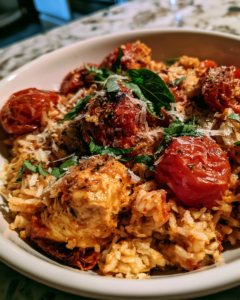
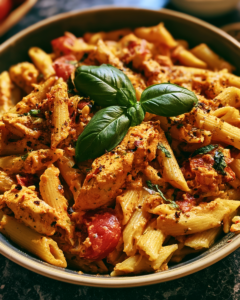
Beef-Stuffed Spaghetti Shells with Marinara is a hearty pasta dinner that brings together tender jumbo shells, seasoned beef, creamy cheese, and rich tomato sauce in a single baking dish. Each shell is filled with a savory mixture that becomes wonderfully satisfying after baking beneath a blanket of marinara.
This family-style meal combines classic Italian-American flavors with a presentation that feels special enough for gatherings while remaining simple enough for a weeknight dinner. The shells hold their shape beautifully, creating individual portions packed with flavor in every bite.
The combination of seasoned ground beef, ricotta, mozzarella, Parmesan, and marinara creates a balanced dish with rich texture and comforting warmth. Once baked until bubbly and lightly golden, the shells become a centerpiece that pairs well with salads, vegetables, and crusty bread.
Ingredients Overview
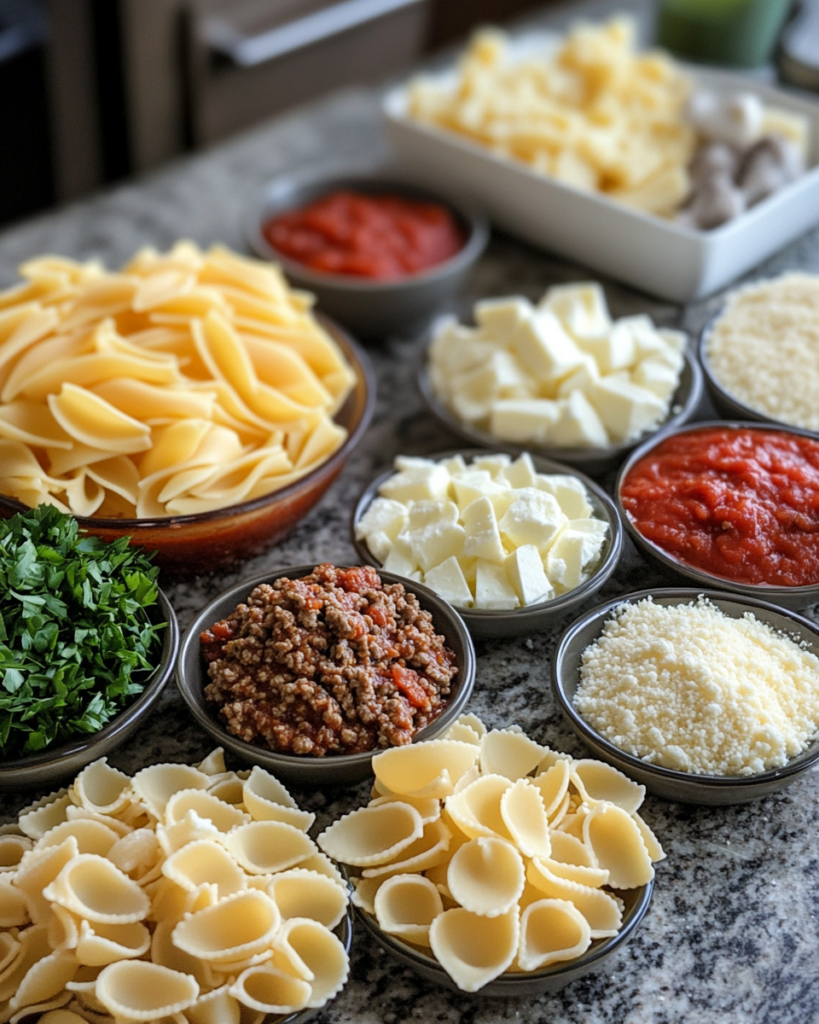
The foundation of Beef-Stuffed Spaghetti Shells with Marinara starts with jumbo pasta shells. These large shells are ideal because they create pockets that hold a generous amount of filling while remaining sturdy after baking. Cooking them just until al dente helps prevent tearing during assembly.
Ground beef provides the savory backbone of the filling. An 85/15 blend offers a balance between flavor and texture without creating excess grease. The beef is browned with onion and garlic, creating a flavorful base that complements the tomato sauce.
Ricotta cheese contributes creaminess and helps bind the filling. Mozzarella adds a mild dairy richness and melts beautifully throughout the shells. Parmesan supplies a deeper, slightly nutty character that rounds out the cheese mixture.
Marinara sauce ties the entire dish together. A well-seasoned tomato sauce keeps the shells moist during baking while adding brightness that balances the richness of the beef and cheese. Dried Italian seasoning and fresh parsley contribute additional flavor without overpowering the dish.
Egg is often included in the filling because it helps hold the cheese mixture together while baking. This results in shells that remain neatly filled when served.
Several substitutions work well. Ground turkey can replace beef for a lighter version. Cottage cheese may be used instead of ricotta if desired. Spinach can be added to the filling for extra vegetables, and a dairy-free cheese alternative can accommodate certain dietary preferences. These adjustments still preserve the comforting character that makes this dish so popular.
Ingredients
24 jumbo pasta shells
1 tablespoon olive oil
1 pound ground beef
1 small yellow onion, finely diced
3 cloves garlic, minced
1 teaspoon Italian seasoning
1/2 teaspoon salt
1/2 teaspoon black pepper
15 ounces ricotta cheese
1 large egg
1 cup shredded mozzarella cheese
1/2 cup grated Parmesan cheese
2 tablespoons chopped fresh parsley
4 cups marinara sauce
1 cup shredded mozzarella cheese, for topping
2 tablespoons grated Parmesan cheese, for topping
Fresh parsley for garnish
Step-by-Step Instructions

Begin by heating a large pot of generously salted water. Cook the jumbo shells according to package directions until just al dente. Since the shells will continue cooking in the oven, avoid overcooking them. Drain carefully and rinse briefly with cool water to stop the cooking process. Arrange the shells on a baking sheet so they do not stick together.
While the pasta cooks, heat olive oil in a large skillet over medium heat. Add the diced onion and cook for about 4 to 5 minutes until softened. Stir in the garlic and cook for about 30 seconds.
Add the ground beef and break it apart with a spoon. Cook until browned and no longer pink, about 7 to 8 minutes. Drain excess fat if necessary. Stir in the Italian seasoning, salt, and black pepper. Remove the skillet from the heat and allow the mixture to cool slightly.
In a large mixing bowl, combine ricotta cheese, egg, 1 cup mozzarella, 1/2 cup Parmesan, parsley, and the cooked beef mixture. Stir until evenly blended.
Preheat the oven to 375°F (190°C).
Spread about 1 1/2 cups marinara sauce across the bottom of a 9×13-inch baking dish. This layer prevents sticking and helps keep the shells moist.
Using a spoon, fill each cooked shell with the beef and cheese mixture. Place the filled shells in the baking dish in a single layer. Arrange them closely together so they remain upright during baking.
Pour the remaining marinara sauce evenly over the shells. Cover most of the pasta while allowing portions of the shells to remain visible. Sprinkle the remaining mozzarella and Parmesan over the top.
Cover the baking dish with foil. Bake for 25 minutes. Remove the foil and continue baking for another 10 to 15 minutes until the cheese is melted and lightly golden around the edges.
The sauce should be bubbling gently, and the internal filling should be hot throughout. Allow the dish to rest for about 10 minutes before serving. This resting period helps the filling set slightly and makes serving easier.
A common mistake is overfilling the shells. Excess filling can spill into the baking dish during cooking. Another issue is under-saucing the pasta, which can lead to dry shells. Maintaining a generous layer of marinara helps create a tender final texture.
Finish with fresh parsley immediately before serving.
Tips, Variations & Substitutions
Cooking the shells slightly under the package recommendation is one of the most useful techniques for this recipe. The shells continue softening in the oven, and this approach helps them retain their structure.
For a richer filling, blend a small amount of cream cheese into the ricotta mixture. For extra vegetables, add finely chopped spinach, mushrooms, or zucchini to the beef mixture after cooking.
Ground turkey, chicken, or Italian sausage can replace the ground beef. Each option creates a slightly different flavor profile while maintaining the spirit of the dish.
If ricotta is unavailable, small-curd cottage cheese can be substituted. Draining excess moisture beforehand helps maintain the proper consistency.
A spicy variation can include crushed red pepper flakes mixed into the marinara or beef filling. For additional herb flavor, basil and oregano work well alongside parsley.
This recipe also freezes nicely. Assemble the shells in the baking dish, cover tightly, and freeze before baking. When ready to serve, thaw overnight in the refrigerator and bake as directed.
For a gluten-free version, use gluten-free jumbo shells if available. Dairy-free cheeses can also be substituted for the traditional cheese mixture.
Keeping extra marinara nearby for serving is a helpful touch. Some diners enjoy an additional spoonful of warm sauce over each portion.
Serving Ideas & Occasions
Beef-Stuffed Spaghetti Shells with Marinara pairs beautifully with a crisp green salad dressed with a simple vinaigrette. The freshness of leafy greens balances the richness of the pasta and cheese.
Roasted broccoli, green beans, asparagus, or garlic sautéed spinach complement the meal without competing with the main flavors. Warm bread or garlic bread is another popular companion, especially for soaking up extra marinara.
For beverages, sparkling water with lemon, iced tea, or a medium-bodied red wine can accompany the dish nicely.
This meal works well for family dinners, holiday gatherings, potlucks, and casual entertaining. Since the shells can be assembled in advance, they are especially convenient when hosting guests.
The individual portions also create an attractive presentation on the table. Garnishing with parsley and a sprinkle of Parmesan adds a polished appearance suitable for special occasions while maintaining a welcoming, home-cooked feel.
Nutritional & Health Notes
Beef-Stuffed Spaghetti Shells with Marinara provides a balance of protein, carbohydrates, and fats. The ground beef contributes protein and minerals, while the pasta supplies energy-providing carbohydrates.
Ricotta, mozzarella, and Parmesan contribute calcium and protein. Marinara sauce adds tomatoes, which contain beneficial nutrients and contribute freshness to the dish.
Portion size plays an important role in balancing the meal. Pairing the shells with vegetables or salad can create a more varied plate while adding fiber and additional nutrients.
Choosing lean ground beef can reduce the overall fat content. Incorporating vegetables such as spinach or mushrooms into the filling is another simple adjustment that adds nutritional variety.
Because the recipe includes cheese and sauce, sodium levels can vary depending on ingredient selection. Lower-sodium products may be used if preferred.
When enjoyed as part of a balanced eating pattern, this pasta dish can fit comfortably into a wide range of meal plans while delivering satisfying flavor and texture.
FAQs
Can I prepare the shells in advance?
Yes. This dish is particularly suitable for advance preparation. The shells can be assembled up to a day before baking and stored covered in the refrigerator. Arrange the filled shells in the baking dish, add the marinara and cheese topping, then cover tightly. When ready to cook, remove the dish from the refrigerator while the oven preheats. Because the ingredients are chilled, a few additional minutes of baking time may be needed. This preparation method is useful for gatherings, busy weekdays, and holiday meals. The flavors often blend even more fully after resting overnight, creating a deeply satisfying finished dish with very little last-minute work.
How do I keep the shells from tearing?
The most effective approach is cooking the shells only until al dente. Overcooked shells become fragile and can split during filling. Stir gently during boiling and avoid overcrowding the pot. After draining, place the shells in a single layer so they do not stick together. If a few shells tear, reserve them for backup or place them at the bottom of the dish. Having several extra shells available is helpful since occasional breakage is common. Gentle handling throughout the process keeps the shells intact and ready for filling.
Can I freeze Beef-Stuffed Spaghetti Shells with Marinara?
Yes. This recipe freezes very well either before or after baking. For uncooked shells, assemble the dish completely, wrap tightly, and freeze for up to three months. Thaw overnight before baking. For cooked leftovers, allow the shells to cool completely before storing in freezer-safe containers. Individual portions can be convenient for future lunches or dinners. Reheat covered in the oven or microwave until thoroughly heated. Adding a spoonful of extra marinara during reheating helps maintain moisture and texture after freezing.
Which marinara sauce works best?
A tomato-forward marinara with balanced seasoning is ideal. Both homemade and store-bought sauces can produce excellent results. Look for a sauce that is not excessively sweet and contains traditional ingredients such as tomatoes, garlic, onion, and herbs. Chunky sauces add texture, while smoother sauces create a more uniform finish. If using a plain marinara, additional herbs such as basil or oregano may be stirred in. The sauce plays a major role in the finished flavor, so selecting one with a rich tomato character contributes greatly to the overall dish.
Can vegetables be added to the filling?
Absolutely. Finely chopped spinach, mushrooms, zucchini, or bell peppers blend nicely with the beef mixture. Cooking vegetables before adding them helps remove excess moisture and prevents a watery filling. Spinach is especially popular because it pairs naturally with ricotta and Parmesan. Mushrooms contribute a savory depth that complements the beef. These additions can add texture variety and create a more substantial filling without changing the overall style of the dish. The vegetables should be finely chopped so the shells remain easy to fill and serve.
How long do leftovers stay fresh?
Stored in an airtight container in the refrigerator, leftovers typically remain fresh for three to four days. Reheat portions in the microwave or oven until heated throughout. Covering the shells during reheating helps retain moisture. A small amount of extra marinara can refresh the texture if the pasta has absorbed some sauce during storage. Many people find that the flavors become even more blended after a day in the refrigerator. Properly stored leftovers often provide an excellent second meal with very little effort.
What cheese combinations work well in this recipe?
Ricotta, mozzarella, and Parmesan form a classic combination because they provide creaminess, meltability, and savory depth. Cottage cheese can replace ricotta if desired. Provolone or fontina may be added for additional richness, while Romano cheese can contribute a sharper flavor than Parmesan. Blending different cheeses allows subtle customization without changing the structure of the filling. The key is maintaining a balance between creamy and flavorful cheeses so the beef remains prominent while the filling stays smooth and cohesive throughout the baking process.