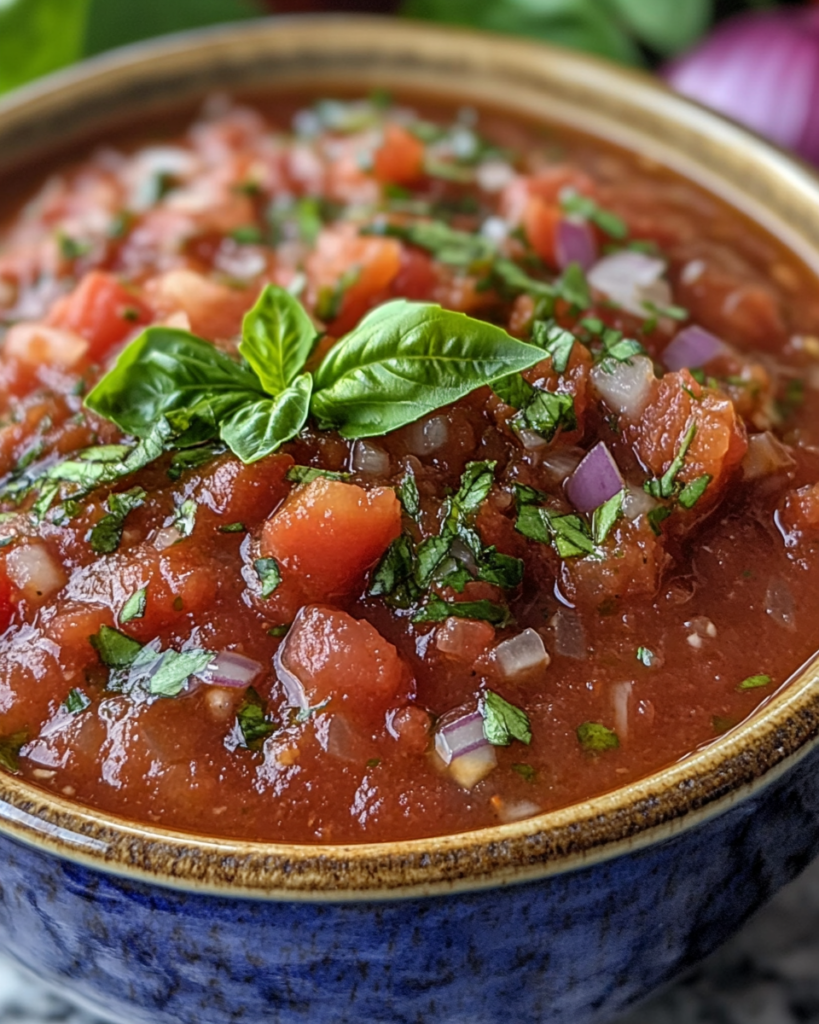
Grandma’s Homemade Spaghetti Sauce from Scratch carries the kind of slow-cooked comfort that fills a kitchen with rich tomato aroma and brings everyone to the table without calling twice. This style of sauce relies on patience, simple pantry staples, and gentle simmering rather than shortcuts.
A pot of homemade spaghetti sauce has long been part of family cooking traditions because it turns basic ingredients into something deeply satisfying. The long simmer develops sweetness in the tomatoes, softens the onions, and gives herbs and garlic enough cooking time to blend into a balanced, full-bodied sauce.
Unlike heavily processed jarred sauces, this version keeps the texture rustic and the flavor layered. Served over hot spaghetti or tucked into baked pasta dishes, it becomes a reliable recipe that feels familiar and comforting.
Ingredients Overview

The foundation of Grandma’s Homemade Spaghetti Sauce from Scratch is tomatoes. Using a combination of crushed tomatoes and tomato sauce creates body while still keeping the texture smooth enough to coat pasta. Crushed tomatoes contribute a hearty consistency, while tomato sauce rounds out the liquid base.
Olive oil begins the cooking process and helps soften the vegetables. Onion adds sweetness as it cooks slowly, while garlic gives the sauce a warm savory depth. Cooking these ingredients gently prevents bitterness and creates a richer finished result.
Ground beef is optional in many family versions, but including it creates a heartier sauce with deeper flavor. Browning the meat first develops savory notes that continue building during simmering.
Italian seasoning brings dried herbs together in a balanced way. A little basil and oregano strengthen the traditional flavor profile without overpowering the tomatoes. Bay leaf contributes subtle depth during the long simmer.
Tomato paste thickens the sauce and adds concentrated tomato richness. A small amount of sugar can soften acidity when needed, though the amount should stay modest.
Fresh parsley added near serving gives freshness and color. Parmesan served at the table introduces a salty finishing touch.
Substitutions work well. Ground turkey can replace beef. Canned whole tomatoes may be crushed by hand. Vegetable broth can replace water for additional savory character. Fresh herbs may replace dried herbs when available.
Ingredients
2 tablespoons olive oil
1 pound ground beef
1 medium yellow onion, finely chopped
5 garlic cloves, minced
2 cans (28 ounces each) crushed tomatoes
1 can (15 ounces) tomato sauce
1 can (6 ounces) tomato paste
1 cup water
2 teaspoons Italian seasoning
1 teaspoon dried basil
1 teaspoon dried oregano
1 teaspoon salt
1/2 teaspoon black pepper
1 teaspoon granulated sugar
1 bay leaf
2 tablespoons chopped fresh parsley
Freshly grated Parmesan, for serving
1 pound spaghetti, cooked for serving
Step-by-Step Instructions

Start by heating a large heavy-bottomed pot over medium heat. Add olive oil and allow it to warm for about thirty seconds. Add chopped onion and cook for 6 to 8 minutes, stirring often until softened and lightly golden around the edges.
Add the minced garlic and stir for about 30 seconds. Garlic cooks quickly, so avoid leaving it unattended because burned garlic can give the entire sauce a bitter taste.
Add the ground beef and break it into small pieces with a wooden spoon. Cook for 8 to 10 minutes until browned and no pink remains. Drain excess fat if necessary while leaving a small amount behind for flavor.
Stir in tomato paste and cook for about 1 minute. This brief cooking period deepens the tomato character and removes the raw taste.
Pour in crushed tomatoes, tomato sauce, and water. Stir thoroughly so the tomato paste dissolves evenly. Add Italian seasoning, basil, oregano, salt, pepper, sugar, and the bay leaf.
Bring the mixture to a gentle simmer rather than a rapid boil. Once bubbles appear across the surface, reduce heat to low and partially cover the pot.
Cook for 60 to 90 minutes, stirring every 15 minutes. During simmering, the sauce gradually thickens and the flavors settle together. If the sauce becomes too thick, stir in small splashes of water.
Taste after the first hour. Add additional salt only if needed. If the tomatoes still taste sharp, allow another 15 to 20 minutes of cooking rather than adding extra sugar immediately.
Remove the bay leaf before serving. Stir in chopped parsley during the final few minutes.
Cook spaghetti according to package instructions until tender with slight firmness in the center. Reserve a small amount of pasta water.
Toss spaghetti with some sauce before plating so the noodles become coated. Spoon additional sauce over the top and finish with grated Parmesan.
Common problems usually come from cooking at high heat or rushing the simmer. Gentle heat and occasional stirring create the richest texture.
Tips, Variations & Substitutions
For a deeper flavor, prepare the sauce a day ahead and refrigerate overnight. The texture often becomes richer after resting.
For a meat-free version, omit beef and add finely chopped mushrooms, carrots, and celery. These vegetables provide body and savory character.
Italian sausage can replace ground beef for a more robust profile. Use mild sausage if serving children or guests who prefer gentler seasoning.
If using fresh tomatoes, peel and seed them before cooking and expect a longer simmer to reach the proper thickness.
Red pepper flakes add mild warmth without changing the traditional character of the dish.
For thicker sauce, simmer uncovered during the final 20 minutes. For thinner sauce, stir in reserved pasta water little by little.
This sauce also works in baked ziti, stuffed shells, lasagna, and meatball dishes. Leftovers keep well refrigerated for several days and freeze successfully for longer storage.
Serving Ideas & Occasions
Grandma’s Homemade Spaghetti Sauce from Scratch pairs naturally with spaghetti, though it also complements fettuccine, rigatoni, and penne.
Serve alongside garlic bread, a crisp green salad, roasted vegetables, or lightly dressed greens for a balanced meal. Parmesan and fresh parsley complete the presentation.
For drinks, sparkling water, iced tea, or a simple table wine pair comfortably with the rich tomato flavor.
This dish suits family dinners, relaxed weekend meals, holiday gatherings, potlucks, and shared celebrations. Large batches are practical because the sauce reheats well and feeds groups comfortably.
Leftover sauce can become a quick next-day meal when paired with fresh pasta or spooned over toasted bread.
Nutritional & Health Notes
This recipe provides protein from beef and carbohydrates from pasta, creating a filling and balanced meal when paired with vegetables.
Tomatoes contribute vitamin C and naturally occurring antioxidants. Onion and garlic add aromatic depth while keeping ingredient lists simple.
Portion size plays a major role in overall balance. Serving the sauce with a moderate amount of pasta and including salad or vegetables creates variety on the plate.
Choosing lean ground beef reduces saturated fat. Ground turkey offers another lighter option while maintaining hearty texture.
Homemade sauce also allows control over salt and added sugar levels, which can be adjusted according to personal preference.
FAQs
Can I cook the sauce longer?
Yes. Longer simmering often develops a richer taste and thicker consistency. Many family recipes simmer for two to three hours on very low heat. Stir regularly and add small amounts of water if the sauce reduces too much. Longer cooking softens the acidity of tomatoes and creates a smoother texture.
Can I freeze homemade spaghetti sauce?
Absolutely. Cool the sauce fully before transferring it into freezer-safe containers. Leave a little space at the top because liquids expand during freezing. Frozen sauce keeps quality for several months. Thaw overnight in the refrigerator and reheat gently on the stove.
Can I skip the meat?
Yes. The recipe works very well without meat. Mushrooms, diced vegetables, or cooked lentils can provide body and savory flavor. Increase seasoning slightly and allow enough simmer time for ingredients to soften properly.
Why does my sauce taste acidic?
Tomato varieties differ in acidity. Longer simmering usually softens sharp notes. Cooking onions thoroughly and using a small amount of sugar can also balance the flavor. Avoid adding too much sugar because the sauce should still taste tomato-forward.
Can I prepare this in advance?
This recipe is well suited for advance preparation. Many cooks prefer the flavor after resting overnight because the ingredients settle together. Reheat slowly and stir occasionally before serving.
What pasta works besides spaghetti?
Rigatoni, penne, linguine, and fettuccine all pair nicely with this sauce. Shapes with ridges hold thicker sauces particularly well. Baked pasta dishes also benefit from the rich texture.
How do I keep the sauce from becoming watery?
Simmer uncovered during the final portion of cooking and avoid adding too much liquid early. Tomato paste helps create body. Stir occasionally and allow enough cooking time for excess moisture to evaporate naturally.