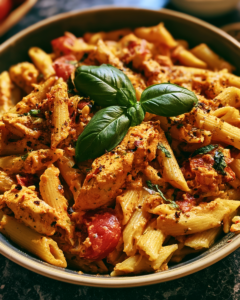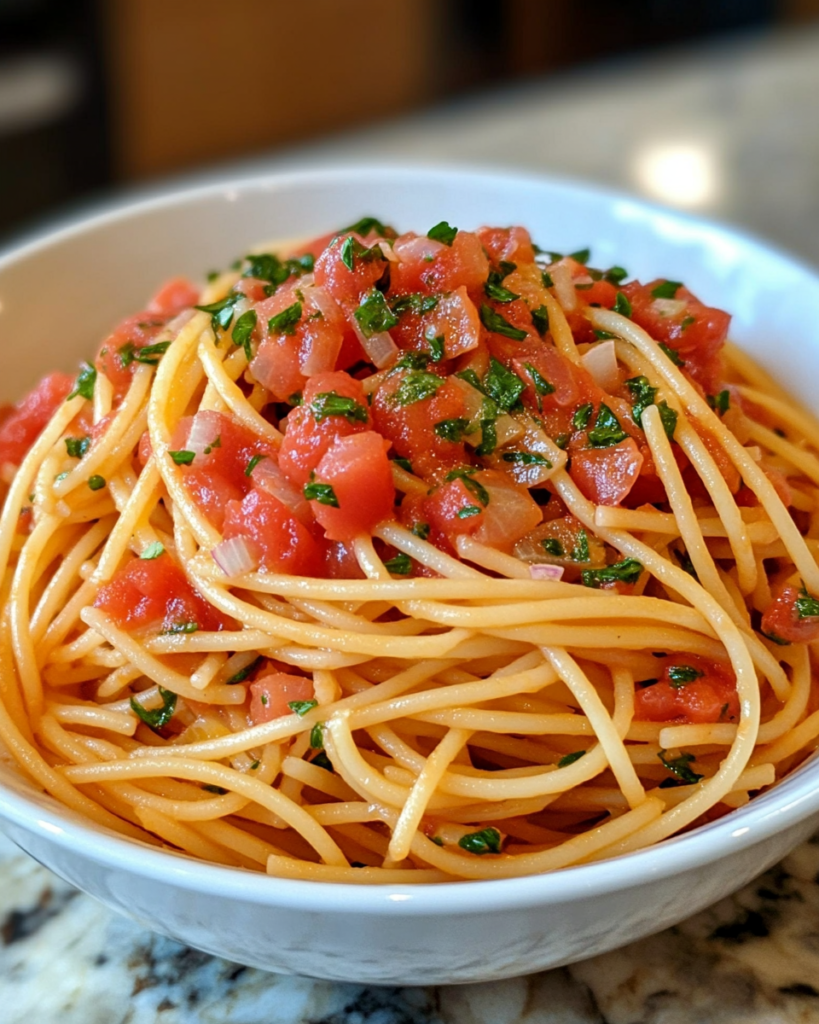
Dollar Stretcher Spaghetti with Canned Tomatoes: 5 Simple Delighted

Posted on

Uncategorized

Difficulty

Prep time

Cooking time

Total time

Servings

Dollar Stretcher Spaghetti with Canned Tomatoes is the kind of meal that turns pantry basics into a warm and satisfying dinner without asking for a long shopping list. This classic budget-minded pasta depends on canned tomatoes, dried spaghetti, and a handful of kitchen staples to create rich flavor from simple cooking.

The sauce cooks gently until the tomatoes soften and become silky around the pasta. Garlic, onion, and dried herbs bring depth, while a small amount of olive oil gives the finished dish a rounded texture.

This recipe works well for weeknight dinners, shared family meals, or meal prep for the days ahead. It keeps the ingredient list practical and turns familiar pantry items into a plate that feels comforting and filling.

Ingredients Overview
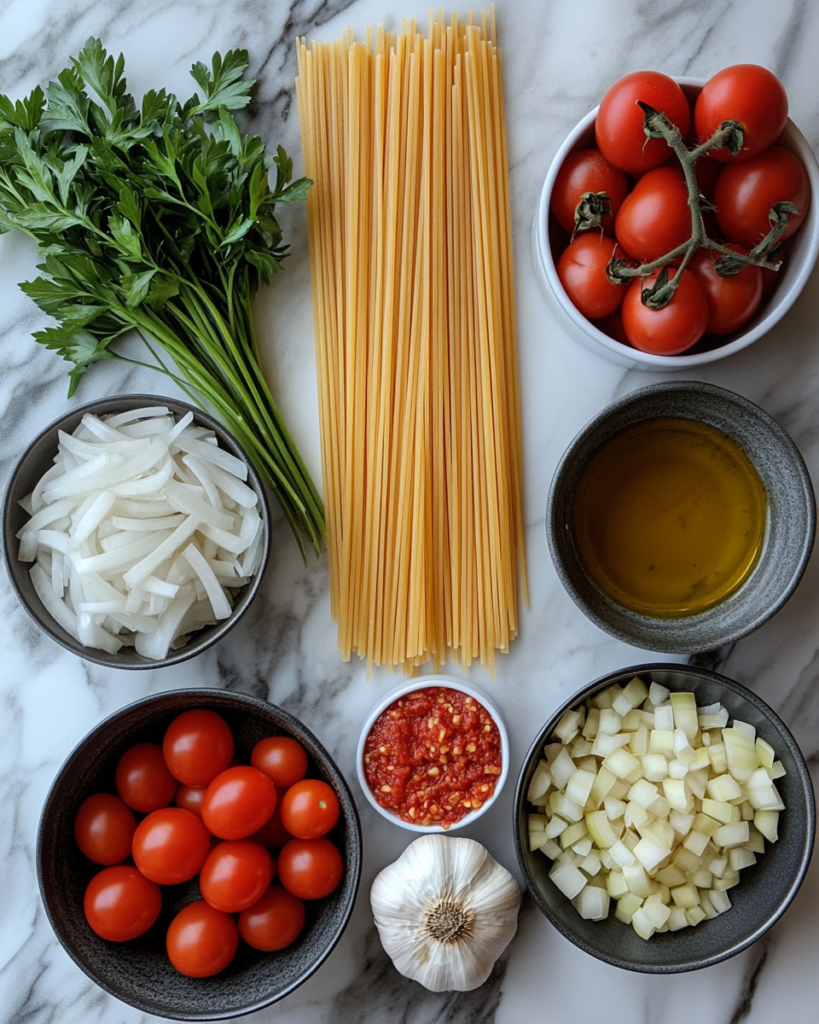
The heart of Dollar Stretcher Spaghetti with Canned Tomatoes is the canned tomato base. Whole peeled tomatoes, diced tomatoes, or crushed tomatoes all work well. Crushed tomatoes create a smoother sauce, while diced tomatoes leave more texture. If whole tomatoes are used, breaking them apart while cooking gives a balanced consistency.

Spaghetti forms the structure of the dish. Standard dried spaghetti cooks evenly and absorbs the tomato sauce well. Thin spaghetti cooks faster, while thicker varieties create a heavier bite.

Onion and garlic create the savory foundation. A yellow onion becomes mellow during cooking and blends naturally into the tomatoes. Fresh garlic brings aroma and depth without requiring many ingredients.

Olive oil helps soften the onion and carries flavor through the sauce. Even a modest amount changes the texture and keeps the sauce from feeling flat.

Dried oregano and basil give familiar Italian-style notes. These pantry herbs bloom during simmering and add warmth without extra cost. Red pepper flakes can be added for gentle heat.

Salt and black pepper round out the dish. Parmesan cheese is optional but gives richness and a slightly nutty finish.

Fresh parsley, if available, brightens the plate and adds contrast to the cooked tomatoes.

Simple substitutions work well. Any long pasta can replace spaghetti. Garlic powder can stand in for fresh garlic in small amounts. Canned tomato sauce may replace crushed tomatoes, though simmering for a shorter period helps maintain texture.

Ingredients

12 ounces dried spaghetti
2 tablespoons olive oil
1 medium yellow onion, finely diced
4 cloves garlic, minced
2 cans (14 ounces each) crushed tomatoes
1 tablespoon tomato paste
1 teaspoon dried oregano
1 teaspoon dried basil
1/2 teaspoon salt
1/2 teaspoon black pepper
1/4 teaspoon red pepper flakes (optional)
1/2 teaspoon granulated sugar
1/3 cup reserved pasta water
1/4 cup grated Parmesan cheese (optional)
2 tablespoons chopped fresh parsley

Step-by-Step Instructions
Fill a large pot with water and season it generously with salt. Bring the water to a rolling boil over high heat.

While the water heats, place a wide skillet or saucepan over medium heat. Add olive oil and diced onion. Cook for about 6 to 8 minutes, stirring occasionally, until the onion softens and becomes lightly golden around the edges.

Add minced garlic and cook for about 30 seconds. Stir continuously so the garlic does not darken. Burned garlic can create bitterness and overpower the tomato flavor.

Stir in tomato paste and cook for 1 minute. This brief cooking deepens the tomato character and gives the sauce a richer body.

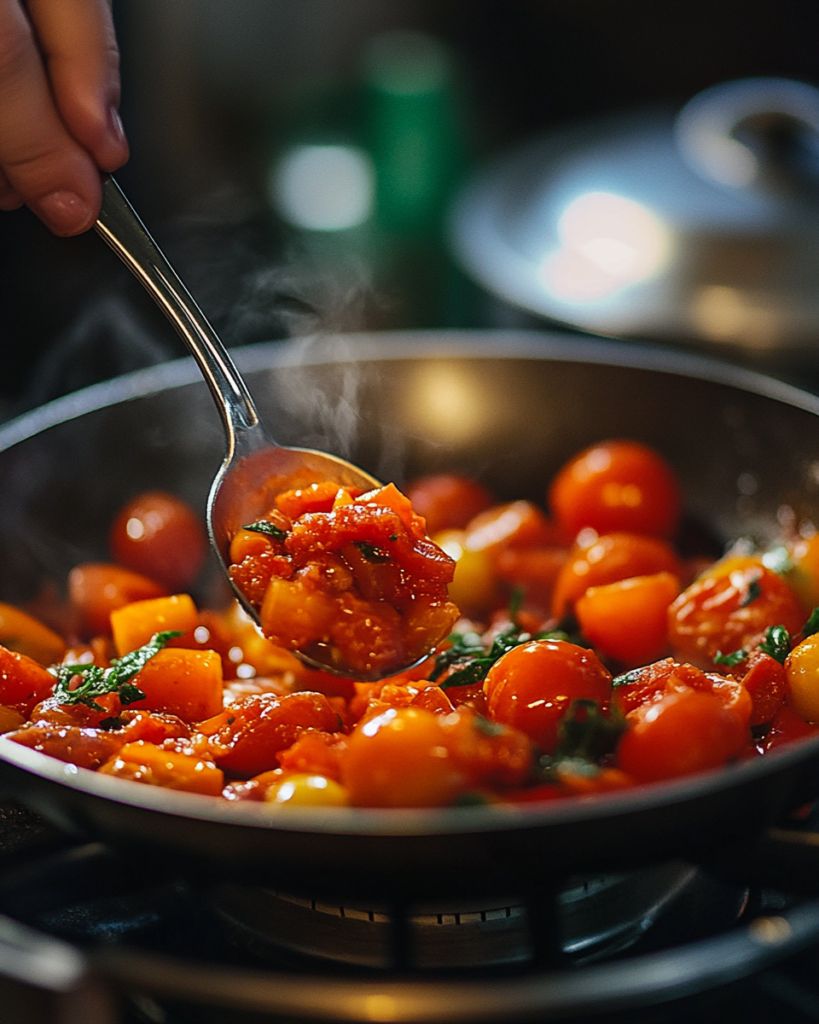
Pour in the canned crushed tomatoes. Add oregano, basil, salt, black pepper, red pepper flakes if using, and sugar. Stir thoroughly.

Lower the heat and let the sauce simmer gently for 20 to 25 minutes. Stir every few minutes so the sauce cooks evenly. During this stage, the tomatoes lose their canned sharpness and become fuller and smoother.

Cook the spaghetti according to package directions until al dente. Reserve about 1/3 cup of pasta water before draining.

Transfer the drained spaghetti directly into the tomato sauce. Toss gently with tongs until the strands are coated. Add reserved pasta water a little at a time if the sauce feels thick.

Continue cooking the pasta in the sauce for 1 to 2 minutes. This final step allows the spaghetti to absorb flavor instead of leaving the sauce sitting underneath the noodles.

Taste and adjust seasoning if needed.

Scatter Parmesan cheese and chopped parsley over the top before serving.

Common mistakes include rushing the onion stage, adding garlic too early, or skipping pasta water. Another frequent issue is overcooking the pasta before combining it with the sauce, which can leave the finished dish soft rather than pleasantly firm.

Serve immediately while the sauce is glossy and the spaghetti remains tender.

Tips, Variations & Substitutions

For deeper flavor, allow the sauce to simmer an extra 10 minutes. Tomatoes mellow noticeably with a slightly longer cook.

A small grated carrot can be added with the onion for subtle sweetness and body. This works particularly well if the canned tomatoes taste acidic.

If fresh herbs are available, stir them in at the end rather than cooking them for the entire sauce time.

Whole wheat spaghetti creates a heartier texture and adds fiber. Gluten-free spaghetti also works, though cooking times vary by brand.

For additional protein, browned ground turkey, lentils, or cooked white beans can be folded into the sauce.

If Parmesan is unavailable, a small amount of grated cheddar can provide richness, though the flavor changes slightly.

For a smoother sauce, blend part of the tomato mixture after simmering and return it to the pan.

Leftovers keep well refrigerated for up to four days and often taste even more settled after resting overnight.

Serving Ideas & Occasions

Dollar Stretcher Spaghetti with Canned Tomatoes pairs nicely with toasted garlic bread, a crisp green salad, or roasted vegetables.

For a fuller dinner, serve it alongside baked chicken or simple meatballs. A bowl of sautéed zucchini or green beans keeps the meal balanced without adding many ingredients.

Sparkling water with lemon, iced tea, or light red wine pair comfortably with the tomato-based sauce.

This recipe suits busy weekdays, casual family dinners, shared apartment cooking, and pantry-cleanout evenings. It also works for potluck gatherings because the sauce can be prepared in advance and reheated without losing texture.

Large batches are practical for meal planning and can be portioned for lunches during the week.

Nutritional & Health Notes

This dish offers a balanced mix of carbohydrates, moderate fat, and optional protein depending on additions.

Tomatoes contribute vitamin C, potassium, and naturally occurring antioxidants. Onion and garlic add aromatic depth while keeping the ingredient list simple.

Using olive oil gives a moderate amount of heart-friendly unsaturated fat. Choosing whole wheat pasta increases fiber and can help the meal feel more filling.

Parmesan contributes calcium and savory richness but can be reduced or omitted for a lighter finish.

Portion size and toppings influence the final nutritional profile. Pairing the pasta with vegetables or lean protein creates a more rounded meal.

Because this recipe depends mostly on shelf-stable ingredients, it remains practical while still delivering satisfying texture and familiar flavor.

FAQs

Can I use whole canned tomatoes instead of crushed tomatoes?

Yes. Whole canned tomatoes work very well in this recipe. Crush them by hand before adding them to the pan or break them apart with a spoon during cooking. Whole tomatoes often create a fresher texture because the pieces remain larger after simmering. The sauce may require a few extra minutes to thicken depending on the liquid level in the can. If a smoother finish is preferred, blend part of the cooked sauce briefly before combining it with the pasta.

Can this recipe be prepared ahead?

This spaghetti recipe adapts nicely to advance preparation. Cook the sauce fully and refrigerate it in a sealed container. When ready to serve, reheat the sauce gently and cook fresh spaghetti. Keeping the pasta separate helps preserve texture and prevents it from absorbing too much liquid. If storing fully assembled leftovers, add a spoonful of water while reheating so the sauce loosens and coats the noodles again.

What canned tomatoes work well?

Crushed tomatoes produce a balanced sauce with little effort. Diced tomatoes create more texture, while tomato sauce gives a smoother result. Fire-roasted varieties add smoky notes. Lower-sodium options are useful if salt intake is being watched. Since canned tomatoes differ by brand, tasting before final seasoning helps maintain balance in the finished dish.

Can I freeze the sauce?

The tomato sauce freezes very well. Allow it to cool completely, then place it into freezer-safe containers. Leave some space for expansion during freezing. It keeps its quality for up to three months. Thaw overnight in the refrigerator and warm slowly on the stovetop. Freshly cooked spaghetti gives the strongest texture after reheating.

How do I keep the sauce from tasting acidic?

Simmering longer often softens sharp tomato notes naturally. Cooking onion thoroughly also helps create balance. A small amount of sugar, like the quantity listed in this recipe, can soften acidity without making the sauce sweet. Stirring in Parmesan at serving can mellow the flavor further.

Can vegetables be added?

Absolutely. Bell peppers, mushrooms, spinach, zucchini, and grated carrots fit comfortably into this recipe. Add firm vegetables with the onion so they soften properly. Leafy vegetables should be stirred in near the end to prevent overcooking. Vegetables stretch the dish and add texture while keeping the overall style simple.

Which pasta shapes can replace spaghetti?

Long noodles such as linguine and fettuccine work naturally with this sauce. Short shapes like penne, rotini, and rigatoni also perform well because the ridges catch the tomato mixture. Cooking until just al dente remains important regardless of shape so the pasta stays pleasant after combining with the sauce.

[rank_math_breadcrumb]

Dollar Stretcher Spaghetti with Canned Tomatoes: 5 Simple Delighted

Photo of author
Author: liv
Published:

Dollar Stretcher Spaghetti with Canned Tomatoes is the kind of meal that turns pantry basics into a warm and satisfying dinner without asking for a long shopping list. This classic budget-minded pasta depends on canned tomatoes, dried spaghetti, and a handful of kitchen staples to create rich flavor from simple cooking.

The sauce cooks gently until the tomatoes soften and become silky around the pasta. Garlic, onion, and dried herbs bring depth, while a small amount of olive oil gives the finished dish a rounded texture.

This recipe works well for weeknight dinners, shared family meals, or meal prep for the days ahead. It keeps the ingredient list practical and turns familiar pantry items into a plate that feels comforting and filling.

Ingredients Overview

The heart of Dollar Stretcher Spaghetti with Canned Tomatoes is the canned tomato base. Whole peeled tomatoes, diced tomatoes, or crushed tomatoes all work well. Crushed tomatoes create a smoother sauce, while diced tomatoes leave more texture. If whole tomatoes are used, breaking them apart while cooking gives a balanced consistency.

Spaghetti forms the structure of the dish. Standard dried spaghetti cooks evenly and absorbs the tomato sauce well. Thin spaghetti cooks faster, while thicker varieties create a heavier bite.

Onion and garlic create the savory foundation. A yellow onion becomes mellow during cooking and blends naturally into the tomatoes. Fresh garlic brings aroma and depth without requiring many ingredients.

Olive oil helps soften the onion and carries flavor through the sauce. Even a modest amount changes the texture and keeps the sauce from feeling flat.

Dried oregano and basil give familiar Italian-style notes. These pantry herbs bloom during simmering and add warmth without extra cost. Red pepper flakes can be added for gentle heat.

Salt and black pepper round out the dish. Parmesan cheese is optional but gives richness and a slightly nutty finish.

Fresh parsley, if available, brightens the plate and adds contrast to the cooked tomatoes.

Simple substitutions work well. Any long pasta can replace spaghetti. Garlic powder can stand in for fresh garlic in small amounts. Canned tomato sauce may replace crushed tomatoes, though simmering for a shorter period helps maintain texture.

Ingredients

12 ounces dried spaghetti
2 tablespoons olive oil
1 medium yellow onion, finely diced
4 cloves garlic, minced
2 cans (14 ounces each) crushed tomatoes
1 tablespoon tomato paste
1 teaspoon dried oregano
1 teaspoon dried basil
1/2 teaspoon salt
1/2 teaspoon black pepper
1/4 teaspoon red pepper flakes (optional)
1/2 teaspoon granulated sugar
1/3 cup reserved pasta water
1/4 cup grated Parmesan cheese (optional)
2 tablespoons chopped fresh parsley

Step-by-Step Instructions

Fill a large pot with water and season it generously with salt. Bring the water to a rolling boil over high heat.

While the water heats, place a wide skillet or saucepan over medium heat. Add olive oil and diced onion. Cook for about 6 to 8 minutes, stirring occasionally, until the onion softens and becomes lightly golden around the edges.

Add minced garlic and cook for about 30 seconds. Stir continuously so the garlic does not darken. Burned garlic can create bitterness and overpower the tomato flavor.

Stir in tomato paste and cook for 1 minute. This brief cooking deepens the tomato character and gives the sauce a richer body.

Pour in the canned crushed tomatoes. Add oregano, basil, salt, black pepper, red pepper flakes if using, and sugar. Stir thoroughly.

Lower the heat and let the sauce simmer gently for 20 to 25 minutes. Stir every few minutes so the sauce cooks evenly. During this stage, the tomatoes lose their canned sharpness and become fuller and smoother.

Cook the spaghetti according to package directions until al dente. Reserve about 1/3 cup of pasta water before draining.

Transfer the drained spaghetti directly into the tomato sauce. Toss gently with tongs until the strands are coated. Add reserved pasta water a little at a time if the sauce feels thick.

Continue cooking the pasta in the sauce for 1 to 2 minutes. This final step allows the spaghetti to absorb flavor instead of leaving the sauce sitting underneath the noodles.

Taste and adjust seasoning if needed.

Scatter Parmesan cheese and chopped parsley over the top before serving.

Common mistakes include rushing the onion stage, adding garlic too early, or skipping pasta water. Another frequent issue is overcooking the pasta before combining it with the sauce, which can leave the finished dish soft rather than pleasantly firm.

Serve immediately while the sauce is glossy and the spaghetti remains tender.

Tips, Variations & Substitutions

For deeper flavor, allow the sauce to simmer an extra 10 minutes. Tomatoes mellow noticeably with a slightly longer cook.

A small grated carrot can be added with the onion for subtle sweetness and body. This works particularly well if the canned tomatoes taste acidic.

If fresh herbs are available, stir them in at the end rather than cooking them for the entire sauce time.

Whole wheat spaghetti creates a heartier texture and adds fiber. Gluten-free spaghetti also works, though cooking times vary by brand.

For additional protein, browned ground turkey, lentils, or cooked white beans can be folded into the sauce.

If Parmesan is unavailable, a small amount of grated cheddar can provide richness, though the flavor changes slightly.

For a smoother sauce, blend part of the tomato mixture after simmering and return it to the pan.

Leftovers keep well refrigerated for up to four days and often taste even more settled after resting overnight.

Serving Ideas & Occasions

Dollar Stretcher Spaghetti with Canned Tomatoes pairs nicely with toasted garlic bread, a crisp green salad, or roasted vegetables.

For a fuller dinner, serve it alongside baked chicken or simple meatballs. A bowl of sautéed zucchini or green beans keeps the meal balanced without adding many ingredients.

Sparkling water with lemon, iced tea, or light red wine pair comfortably with the tomato-based sauce.

This recipe suits busy weekdays, casual family dinners, shared apartment cooking, and pantry-cleanout evenings. It also works for potluck gatherings because the sauce can be prepared in advance and reheated without losing texture.

Large batches are practical for meal planning and can be portioned for lunches during the week.

Nutritional & Health Notes

This dish offers a balanced mix of carbohydrates, moderate fat, and optional protein depending on additions.

Tomatoes contribute vitamin C, potassium, and naturally occurring antioxidants. Onion and garlic add aromatic depth while keeping the ingredient list simple.

Using olive oil gives a moderate amount of heart-friendly unsaturated fat. Choosing whole wheat pasta increases fiber and can help the meal feel more filling.

Parmesan contributes calcium and savory richness but can be reduced or omitted for a lighter finish.

Portion size and toppings influence the final nutritional profile. Pairing the pasta with vegetables or lean protein creates a more rounded meal.

Because this recipe depends mostly on shelf-stable ingredients, it remains practical while still delivering satisfying texture and familiar flavor.

FAQs

Can I use whole canned tomatoes instead of crushed tomatoes?

Yes. Whole canned tomatoes work very well in this recipe. Crush them by hand before adding them to the pan or break them apart with a spoon during cooking. Whole tomatoes often create a fresher texture because the pieces remain larger after simmering. The sauce may require a few extra minutes to thicken depending on the liquid level in the can. If a smoother finish is preferred, blend part of the cooked sauce briefly before combining it with the pasta.

Can this recipe be prepared ahead?

This spaghetti recipe adapts nicely to advance preparation. Cook the sauce fully and refrigerate it in a sealed container. When ready to serve, reheat the sauce gently and cook fresh spaghetti. Keeping the pasta separate helps preserve texture and prevents it from absorbing too much liquid. If storing fully assembled leftovers, add a spoonful of water while reheating so the sauce loosens and coats the noodles again.

What canned tomatoes work well?

Crushed tomatoes produce a balanced sauce with little effort. Diced tomatoes create more texture, while tomato sauce gives a smoother result. Fire-roasted varieties add smoky notes. Lower-sodium options are useful if salt intake is being watched. Since canned tomatoes differ by brand, tasting before final seasoning helps maintain balance in the finished dish.

Can I freeze the sauce?

The tomato sauce freezes very well. Allow it to cool completely, then place it into freezer-safe containers. Leave some space for expansion during freezing. It keeps its quality for up to three months. Thaw overnight in the refrigerator and warm slowly on the stovetop. Freshly cooked spaghetti gives the strongest texture after reheating.

How do I keep the sauce from tasting acidic?

Simmering longer often softens sharp tomato notes naturally. Cooking onion thoroughly also helps create balance. A small amount of sugar, like the quantity listed in this recipe, can soften acidity without making the sauce sweet. Stirring in Parmesan at serving can mellow the flavor further.

Can vegetables be added?

Absolutely. Bell peppers, mushrooms, spinach, zucchini, and grated carrots fit comfortably into this recipe. Add firm vegetables with the onion so they soften properly. Leafy vegetables should be stirred in near the end to prevent overcooking. Vegetables stretch the dish and add texture while keeping the overall style simple.

Which pasta shapes can replace spaghetti?

Long noodles such as linguine and fettuccine work naturally with this sauce. Short shapes like penne, rotini, and rigatoni also perform well because the ridges catch the tomato mixture. Cooking until just al dente remains important regardless of shape so the pasta stays pleasant after combining with the sauce.
Name

Lorem ipsum dolor sit amet, consectetur adipiscing elit. Suspendisse varius enim in eros elementum tristique. Duis cursus, mi quis viverra ornare, eros dolor interdum nulla, ut commodo diam libero vitae erat.

You Might Also Like...

Egg & Pasta Budget Spaghetti Frittata: 5 Simple Happy Bites

Egg & Pasta Budget Spaghetti Frittata: 5 Simple Happy Bites

Roasted Vegetable Homemade Spaghetti Sauce: 7 Authentic Comforting Ideas

Roasted Vegetable Homemade Spaghetti Sauce: 7 Authentic Comforting Ideas

Fresh Tomato Homemade Spaghetti Sauce: 7 Authentic Hope

Fresh Tomato Homemade Spaghetti Sauce: 7 Authentic Hope

Grandma’s Homemade Spaghetti Sauce from Scratch: 7 Authentic Hope

Grandma’s Homemade Spaghetti Sauce from Scratch: 7 Authentic Hope

Tags:

You might also like these recipes

Leave a Comment