One Pot Tomato Basil Spaghetti – 7 Authentic Cozy Bites

Posted on

Uncategorized

Difficulty

Prep time

Cooking time

Total time

Servings

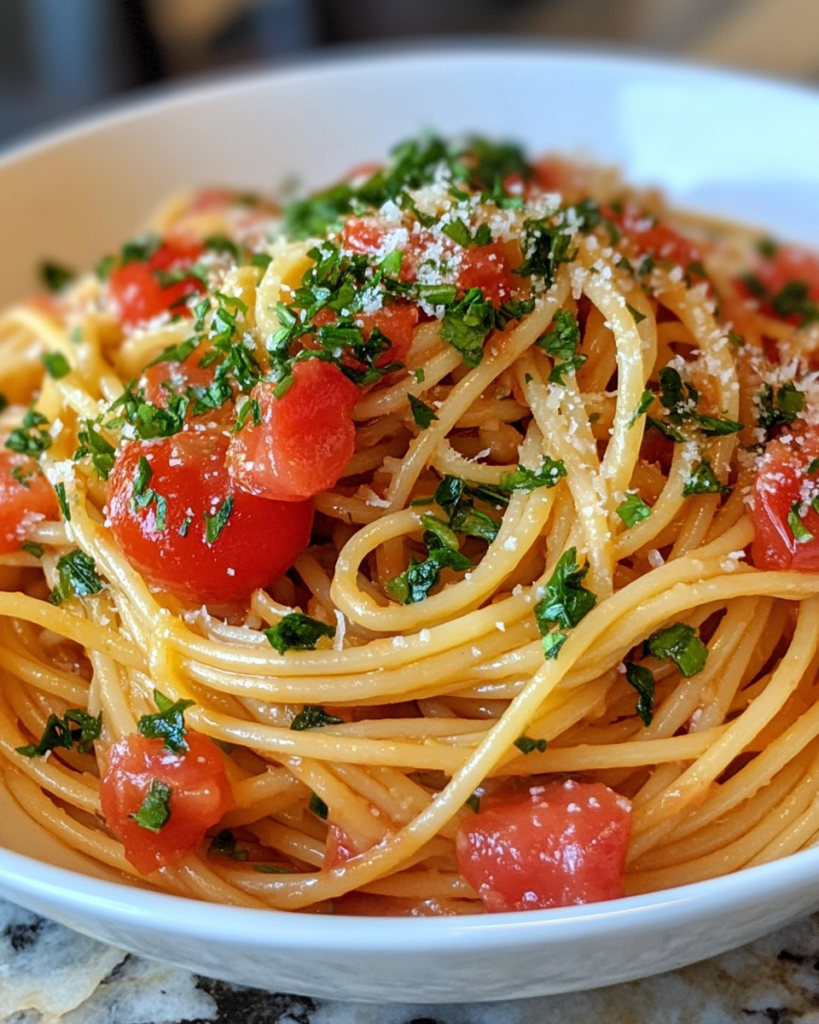
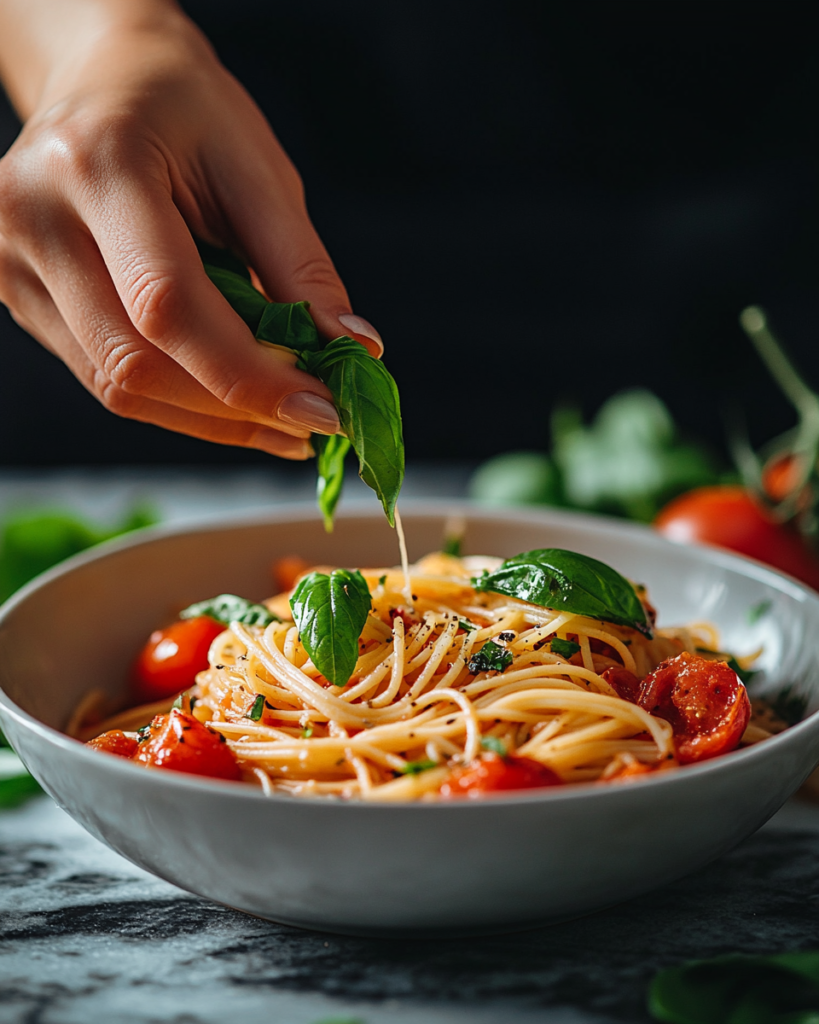
One Pot Tomato Basil Spaghetti turns pantry staples into a rich, comforting dinner with very little cleanup. Pasta cooks directly in a tomato-based sauce, allowing every strand to absorb savory flavor while creating a naturally silky finish.

Fresh basil adds brightness while garlic and onion build depth from the beginning of cooking. This dish suits busy evenings, relaxed family meals, and simple gatherings when a warm plate of pasta feels welcome. The entire meal comes together in a single pot, creating a balanced blend of tender spaghetti, mellow tomato richness, and fragrant herbs.

Ingredients Overview
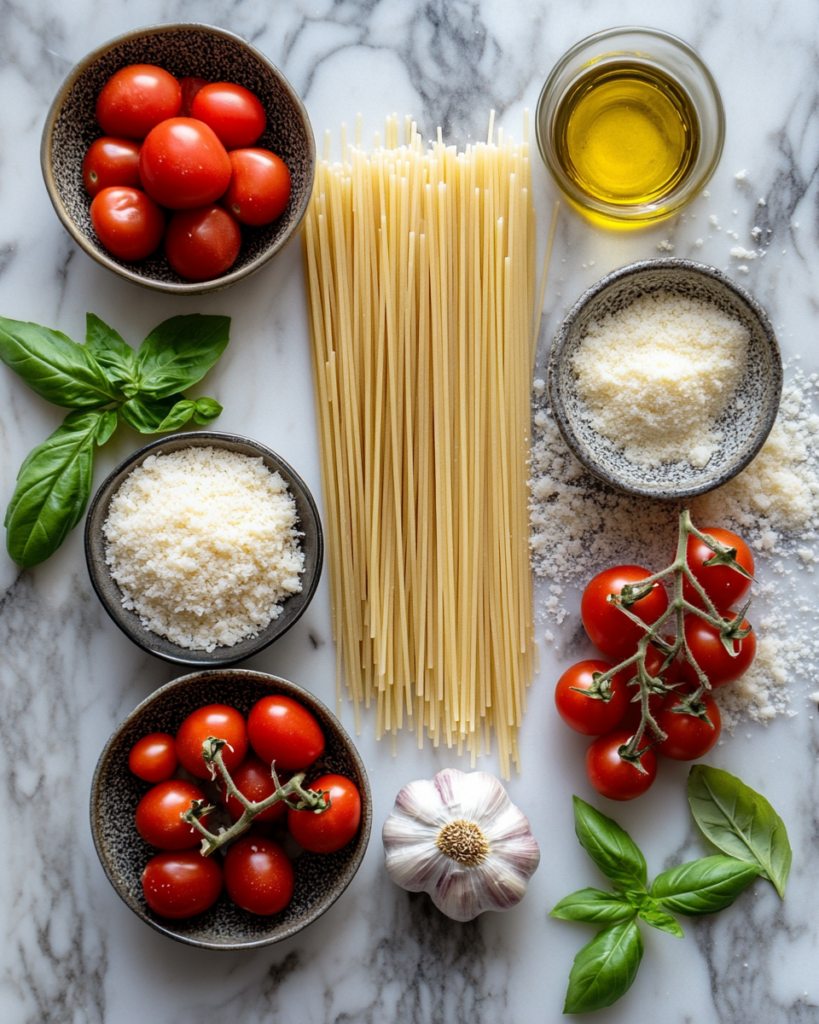
The beauty of One Pot Tomato Basil Spaghetti comes from a short list of familiar ingredients that work together during cooking rather than in separate stages.

Spaghetti serves as the foundation and releases starch into the liquid while it cooks. That starch lightly thickens the sauce and helps create a smooth texture without extra cream or complicated steps. Standard dried spaghetti works well because it holds structure while absorbing flavor.

Tomatoes are the heart of the dish. Crushed tomatoes provide body and concentrated taste, while broth keeps the mixture fluid enough for the pasta to cook evenly. Vegetable broth creates a lighter profile, while chicken broth gives a richer background.

Onion and garlic form the savory base. Cooking them briefly in olive oil softens sharpness and brings gentle sweetness. Red pepper flakes are optional but add subtle warmth.

Fresh basil changes the character of the finished dish. Added at the end, it keeps its fresh aroma instead of becoming dull during long cooking.

Parmesan cheese contributes saltiness and a creamy finish. For a dairy-free version, leave it out or use a plant-based alternative.

Olive oil rounds everything together and supports the flavor of the tomatoes. A small amount is enough because the starch from the pasta already helps create body.

Ingredients

12 ounces dried spaghetti

2 tablespoons olive oil

1 medium yellow onion, thinly sliced

4 garlic cloves, minced

1/4 teaspoon red pepper flakes (optional)

1 can (28 ounces) crushed tomatoes

4 cups vegetable broth

1 teaspoon kosher salt

1/2 teaspoon black pepper

1 tablespoon tomato paste

1 teaspoon dried oregano

1/2 teaspoon granulated sugar

1 cup loosely packed fresh basil leaves, sliced

1/2 cup finely grated Parmesan cheese

Extra basil leaves for serving

Step-by-Step Instructions
Place a large deep pot or Dutch oven over medium heat. Add olive oil and allow it to warm for about 30 seconds. Add sliced onion and cook for 4 to 5 minutes until softened and lightly translucent. Stir often so the onion cooks evenly without browning too much.

Add garlic and red pepper flakes if using. Cook for about 30 seconds until fragrant. Stir constantly because garlic can darken quickly and become bitter.

Mix in tomato paste and oregano. Stir for another minute to coat the onions and deepen the tomato flavor.

Pour in crushed tomatoes and broth. Add salt, pepper, and sugar. Stir thoroughly so the tomato mixture becomes smooth.

Break the spaghetti in half only if needed to fit comfortably into the pot. Lay the pasta into the liquid and gently press it down. Once the lower portion softens after a minute or two, stir so the strands separate.

Bring the mixture to a gentle boil. Reduce heat to medium-low and cook uncovered for 10 to 12 minutes. Stir every minute or two, especially during the middle and final stages. Frequent stirring prevents sticking and helps the pasta cook evenly.

Watch the liquid level as cooking progresses. The sauce should gradually reduce while the pasta becomes tender. If the mixture thickens too early and the spaghetti still feels firm, add a splash of hot broth or water.

Taste a strand after about 10 minutes. The center should feel tender with a slight bite. Avoid overcooking because the pasta continues softening after heat is turned off.

Remove the pot from heat. Stir in sliced basil and Parmesan cheese. The sauce will appear slightly loose at first but thickens within a couple of minutes.

Allow the spaghetti to rest for 2 minutes before serving. Scatter additional basil across the top.

Common mistakes include using too little liquid, leaving the pot unstirred, or cooking at a rolling boil. Gentle bubbling and regular stirring create the smooth texture that makes this dish successful.

Tips, Variations & Substitutions

Fresh basil delivers the brightest finish, though a small amount of dried basil can stand in during colder seasons. Add dried basil earlier in cooking so it softens properly.

Whole wheat spaghetti gives a nuttier character and slightly firmer texture. Gluten-free spaghetti also works but may need extra broth and closer attention because cooking times vary.

For extra vegetables, stir in sliced zucchini, spinach, mushrooms, or halved cherry tomatoes during the final few minutes.

To add protein, mix in shredded chicken, cooked Italian sausage, or white beans after the pasta reaches tenderness.

If you prefer a smoother sauce, use strained tomatoes rather than crushed tomatoes. For a richer texture, stir in a spoonful of mascarpone or a splash of heavy cream after removing the pot from heat.

When reheating leftovers, add a spoonful of water before warming. Pasta naturally absorbs sauce while stored.

Serving Ideas & Occasions

One Pot Tomato Basil Spaghetti fits both everyday dinners and relaxed weekend meals. Since the dish already combines starch and sauce, pair it with lighter sides.

Serve with a crisp green salad dressed in lemon and olive oil for balance. Garlic bread or toasted rustic bread works well for gathering up the remaining sauce.

Roasted vegetables such as broccoli, asparagus, or eggplant complement the tomato and basil flavors without competing.

For drinks, sparkling water with citrus, iced tea, or a light red wine pair nicely.

This recipe also suits casual hosting because everything stays warm in the cooking pot for several minutes before serving.

Nutritional & Health Notes

One Pot Tomato Basil Spaghetti provides carbohydrates for energy along with moderate protein from Parmesan cheese.

Tomatoes contribute vitamin C and natural compounds associated with a balanced diet. Basil adds fresh herbal character without extra sodium or fat.

Using broth rather than large amounts of cream keeps the dish lighter while still delivering satisfying texture.

Whole wheat pasta increases fiber content, while added vegetables can contribute more variety and volume.

Portion balance matters with pasta dishes. Serving alongside vegetables or salad creates a more rounded meal while keeping the flavors fresh and satisfying.

FAQs

Can I prepare this recipe ahead of time?

Yes. One Pot Tomato Basil Spaghetti can be prepared earlier in the day and reheated shortly before serving. Store the cooked pasta in a sealed container in the refrigerator for up to three days. Because pasta continues absorbing liquid during storage, the sauce may become thicker than when freshly cooked. Add a few spoonfuls of water or broth while reheating to loosen the texture. Warm gently over medium-low heat and stir often so the sauce returns to a smooth consistency.

Can I freeze leftovers?

Freezing is possible, although texture changes slightly after thawing. Cool the pasta completely before placing it into freezer-safe containers. Freeze for up to two months. Defrost overnight in the refrigerator before reheating. Add a splash of broth and warm slowly while stirring. Fresh basil is best added after reheating because frozen basil loses some aroma and color.

Which tomatoes work best?

Crushed canned tomatoes usually produce the most reliable texture because they combine smooth sauce with small pieces of tomato. Whole canned tomatoes can also work if crushed by hand before adding. Fresh tomatoes are possible during peak season but may require extra cooking and additional seasoning to reach the same richness.

Can I use another pasta shape?

Yes. Long pasta such as linguine or fettuccine works well with minor timing changes. Short pasta like penne or fusilli also cooks successfully in one pot but may absorb liquid differently. Keep extra broth nearby and test texture frequently toward the end of cooking.

Why did my sauce become too thick?

The most common reason is rapid evaporation or insufficient stirring. Cooking at lower heat helps maintain enough liquid for the pasta to cook evenly. If the sauce thickens before the pasta softens, add hot broth in small amounts and continue cooking until tender.

Is this recipe suitable for dairy-free meals?

It can be adapted easily. Omit the Parmesan cheese and finish the pasta with extra basil and a drizzle of olive oil. Nutritional yeast may add a savory note if desired. Check that the broth used also matches dietary preferences.

How do I keep the basil fresh in the finished dish?

Add most of the basil only after cooking ends. High heat for extended periods reduces aroma and darkens the leaves. Stir basil into the hot pasta just before serving and reserve a few fresh leaves for garnish to keep the final dish bright and fragrant.

………………..

[rank_math_breadcrumb]

One Pot Tomato Basil Spaghetti – 7 Authentic Cozy Bites

Photo of author
Author: liv
Published:

One Pot Tomato Basil Spaghetti turns pantry staples into a rich, comforting dinner with very little cleanup. Pasta cooks directly in a tomato-based sauce, allowing every strand to absorb savory flavor while creating a naturally silky finish.

Fresh basil adds brightness while garlic and onion build depth from the beginning of cooking. This dish suits busy evenings, relaxed family meals, and simple gatherings when a warm plate of pasta feels welcome. The entire meal comes together in a single pot, creating a balanced blend of tender spaghetti, mellow tomato richness, and fragrant herbs.

Ingredients Overview

The beauty of One Pot Tomato Basil Spaghetti comes from a short list of familiar ingredients that work together during cooking rather than in separate stages.

Spaghetti serves as the foundation and releases starch into the liquid while it cooks. That starch lightly thickens the sauce and helps create a smooth texture without extra cream or complicated steps. Standard dried spaghetti works well because it holds structure while absorbing flavor.

Tomatoes are the heart of the dish. Crushed tomatoes provide body and concentrated taste, while broth keeps the mixture fluid enough for the pasta to cook evenly. Vegetable broth creates a lighter profile, while chicken broth gives a richer background.

Onion and garlic form the savory base. Cooking them briefly in olive oil softens sharpness and brings gentle sweetness. Red pepper flakes are optional but add subtle warmth.

Fresh basil changes the character of the finished dish. Added at the end, it keeps its fresh aroma instead of becoming dull during long cooking.

Parmesan cheese contributes saltiness and a creamy finish. For a dairy-free version, leave it out or use a plant-based alternative.

Olive oil rounds everything together and supports the flavor of the tomatoes. A small amount is enough because the starch from the pasta already helps create body.

Ingredients

12 ounces dried spaghetti

2 tablespoons olive oil

1 medium yellow onion, thinly sliced

4 garlic cloves, minced

1/4 teaspoon red pepper flakes (optional)

1 can (28 ounces) crushed tomatoes

4 cups vegetable broth

1 teaspoon kosher salt

1/2 teaspoon black pepper

1 tablespoon tomato paste

1 teaspoon dried oregano

1/2 teaspoon granulated sugar

1 cup loosely packed fresh basil leaves, sliced

1/2 cup finely grated Parmesan cheese

Extra basil leaves for serving

Step-by-Step Instructions

Place a large deep pot or Dutch oven over medium heat. Add olive oil and allow it to warm for about 30 seconds. Add sliced onion and cook for 4 to 5 minutes until softened and lightly translucent. Stir often so the onion cooks evenly without browning too much.

Add garlic and red pepper flakes if using. Cook for about 30 seconds until fragrant. Stir constantly because garlic can darken quickly and become bitter.

Mix in tomato paste and oregano. Stir for another minute to coat the onions and deepen the tomato flavor.

Pour in crushed tomatoes and broth. Add salt, pepper, and sugar. Stir thoroughly so the tomato mixture becomes smooth.

Break the spaghetti in half only if needed to fit comfortably into the pot. Lay the pasta into the liquid and gently press it down. Once the lower portion softens after a minute or two, stir so the strands separate.

Bring the mixture to a gentle boil. Reduce heat to medium-low and cook uncovered for 10 to 12 minutes. Stir every minute or two, especially during the middle and final stages. Frequent stirring prevents sticking and helps the pasta cook evenly.

Watch the liquid level as cooking progresses. The sauce should gradually reduce while the pasta becomes tender. If the mixture thickens too early and the spaghetti still feels firm, add a splash of hot broth or water.

Taste a strand after about 10 minutes. The center should feel tender with a slight bite. Avoid overcooking because the pasta continues softening after heat is turned off.

Remove the pot from heat. Stir in sliced basil and Parmesan cheese. The sauce will appear slightly loose at first but thickens within a couple of minutes.

Allow the spaghetti to rest for 2 minutes before serving. Scatter additional basil across the top.

Common mistakes include using too little liquid, leaving the pot unstirred, or cooking at a rolling boil. Gentle bubbling and regular stirring create the smooth texture that makes this dish successful.

Tips, Variations & Substitutions

Fresh basil delivers the brightest finish, though a small amount of dried basil can stand in during colder seasons. Add dried basil earlier in cooking so it softens properly.

Whole wheat spaghetti gives a nuttier character and slightly firmer texture. Gluten-free spaghetti also works but may need extra broth and closer attention because cooking times vary.

For extra vegetables, stir in sliced zucchini, spinach, mushrooms, or halved cherry tomatoes during the final few minutes.

To add protein, mix in shredded chicken, cooked Italian sausage, or white beans after the pasta reaches tenderness.

If you prefer a smoother sauce, use strained tomatoes rather than crushed tomatoes. For a richer texture, stir in a spoonful of mascarpone or a splash of heavy cream after removing the pot from heat.

When reheating leftovers, add a spoonful of water before warming. Pasta naturally absorbs sauce while stored.

Serving Ideas & Occasions

One Pot Tomato Basil Spaghetti fits both everyday dinners and relaxed weekend meals. Since the dish already combines starch and sauce, pair it with lighter sides.

Serve with a crisp green salad dressed in lemon and olive oil for balance. Garlic bread or toasted rustic bread works well for gathering up the remaining sauce.

Roasted vegetables such as broccoli, asparagus, or eggplant complement the tomato and basil flavors without competing.

For drinks, sparkling water with citrus, iced tea, or a light red wine pair nicely.

This recipe also suits casual hosting because everything stays warm in the cooking pot for several minutes before serving.

Nutritional & Health Notes

One Pot Tomato Basil Spaghetti provides carbohydrates for energy along with moderate protein from Parmesan cheese.

Tomatoes contribute vitamin C and natural compounds associated with a balanced diet. Basil adds fresh herbal character without extra sodium or fat.

Using broth rather than large amounts of cream keeps the dish lighter while still delivering satisfying texture.

Whole wheat pasta increases fiber content, while added vegetables can contribute more variety and volume.

Portion balance matters with pasta dishes. Serving alongside vegetables or salad creates a more rounded meal while keeping the flavors fresh and satisfying.

FAQs

Can I prepare this recipe ahead of time?

Yes. One Pot Tomato Basil Spaghetti can be prepared earlier in the day and reheated shortly before serving. Store the cooked pasta in a sealed container in the refrigerator for up to three days. Because pasta continues absorbing liquid during storage, the sauce may become thicker than when freshly cooked. Add a few spoonfuls of water or broth while reheating to loosen the texture. Warm gently over medium-low heat and stir often so the sauce returns to a smooth consistency.

Can I freeze leftovers?

Freezing is possible, although texture changes slightly after thawing. Cool the pasta completely before placing it into freezer-safe containers. Freeze for up to two months. Defrost overnight in the refrigerator before reheating. Add a splash of broth and warm slowly while stirring. Fresh basil is best added after reheating because frozen basil loses some aroma and color.

Which tomatoes work best?

Crushed canned tomatoes usually produce the most reliable texture because they combine smooth sauce with small pieces of tomato. Whole canned tomatoes can also work if crushed by hand before adding. Fresh tomatoes are possible during peak season but may require extra cooking and additional seasoning to reach the same richness.

Can I use another pasta shape?

Yes. Long pasta such as linguine or fettuccine works well with minor timing changes. Short pasta like penne or fusilli also cooks successfully in one pot but may absorb liquid differently. Keep extra broth nearby and test texture frequently toward the end of cooking.

Why did my sauce become too thick?

The most common reason is rapid evaporation or insufficient stirring. Cooking at lower heat helps maintain enough liquid for the pasta to cook evenly. If the sauce thickens before the pasta softens, add hot broth in small amounts and continue cooking until tender.

Is this recipe suitable for dairy-free meals?

It can be adapted easily. Omit the Parmesan cheese and finish the pasta with extra basil and a drizzle of olive oil. Nutritional yeast may add a savory note if desired. Check that the broth used also matches dietary preferences.

How do I keep the basil fresh in the finished dish?

Add most of the basil only after cooking ends. High heat for extended periods reduces aroma and darkens the leaves. Stir basil into the hot pasta just before serving and reserve a few fresh leaves for garnish to keep the final dish bright and fragrant.

………………..

Name

Lorem ipsum dolor sit amet, consectetur adipiscing elit. Suspendisse varius enim in eros elementum tristique. Duis cursus, mi quis viverra ornare, eros dolor interdum nulla, ut commodo diam libero vitae erat.

You Might Also Like...

Chicken Zucchini Stir Fry: 30-Minute Simple Comforting

Chicken Zucchini Stir Fry: 30-Minute Simple Comforting

Chicken Pomodoro Rice Bowl: 5 Authentic Hope Flavors

Chicken Pomodoro Rice Bowl: 5 Authentic Hope Flavors

Creamy Chicken Pomodoro Pasta: 7 Simple Happy Plates

Creamy Chicken Pomodoro Pasta: 7 Simple Happy Plates

Chicken Pomodoro with Fresh Basil: 5 Authentic Cozy

Chicken Pomodoro with Fresh Basil: 5 Authentic Cozy

Tags:

You might also like these recipes

Leave a Comment