Quick Spaghetti Stir Fry with Veggies: 20 Simple Comforting

Posted on

Uncategorized

Difficulty

Prep time

Cooking time

Total time

Servings

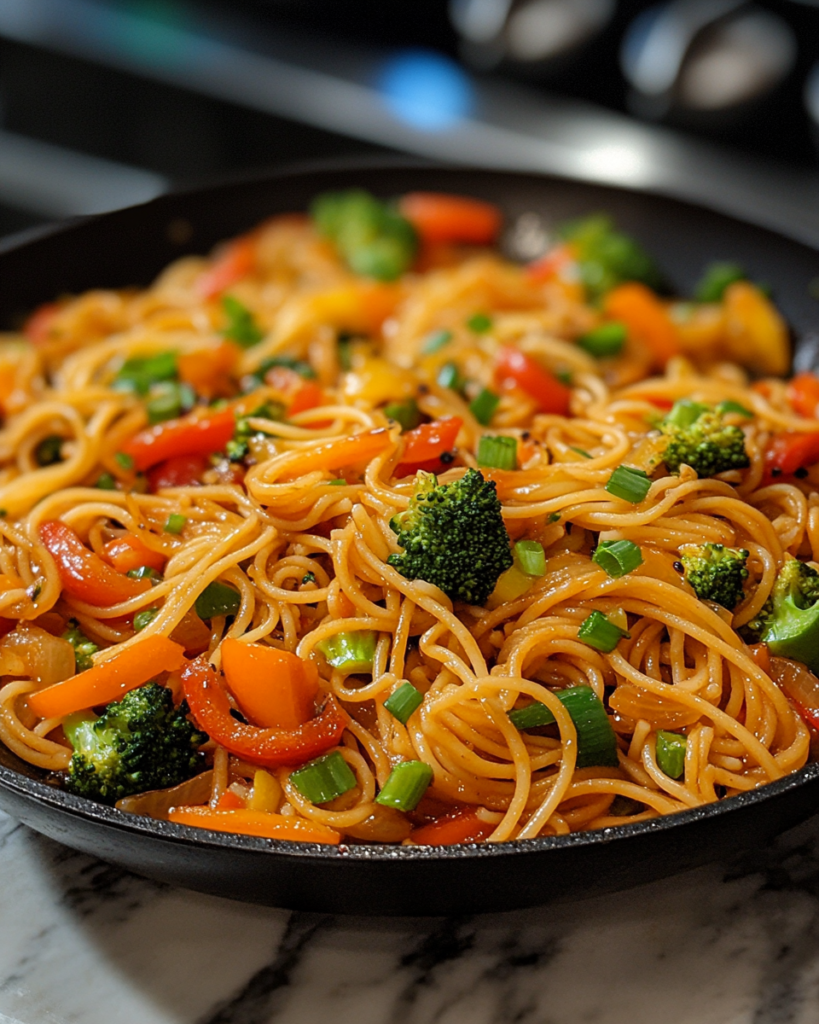
Quick Spaghetti Stir Fry with Veggies is the kind of meal that turns everyday pantry staples into a colorful, satisfying dinner with very little fuss. Traditional stir fry often starts with rice noodles or fresh noodles, but spaghetti brings a familiar texture that cooks quickly and holds sauce beautifully.

This recipe combines tender spaghetti with crisp vegetables, a savory stir fry sauce, and fast high-heat cooking for a balanced meal that fits busy weeknights. The vegetables stay bright and lightly crisp while the spaghetti absorbs the flavors of garlic, soy sauce, and a touch of toasted sesame.

Because everything cooks in stages and comes together in a single pan, cleanup stays manageable and the finished dish feels fresh rather than heavy. It is flexible, budget-friendly, and easy to adjust with seasonal vegetables or pantry substitutions.

Ingredients Overview
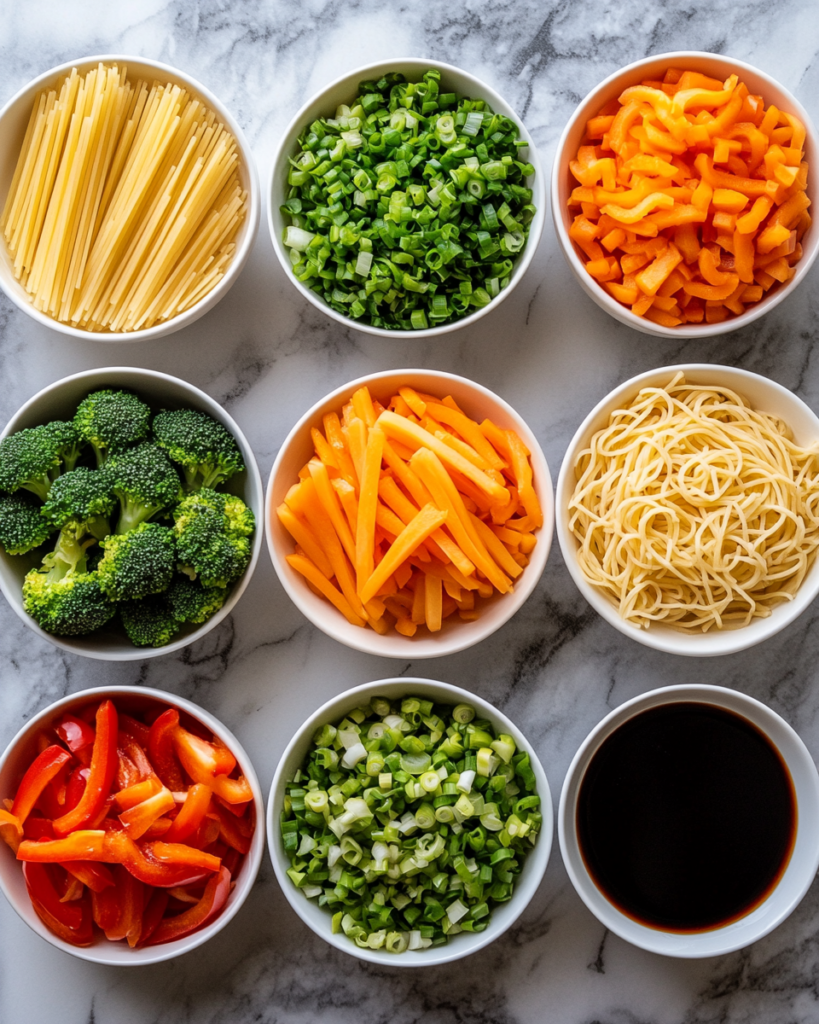
The foundation of this recipe is spaghetti. Although spaghetti is usually paired with Italian-style sauces, it works surprisingly well in stir fry because its smooth surface absorbs sauce while keeping a pleasant bite. Cooking it just shy of fully done prevents soft noodles later in the pan.

Vegetables bring texture, color, and freshness. Bell peppers add sweetness and light crunch, while carrots contribute subtle earthiness and structure. Broccoli gives body and holds sauce in its small florets. Snap peas provide freshness and maintain a pleasant crisp finish after brief cooking.

Garlic and ginger build the savory base. Fresh garlic creates depth, while ginger adds gentle warmth and brightness that balances the noodles.

For the sauce, soy sauce gives saltiness and umami. Oyster sauce adds richness and rounds out the flavors. A small amount of sesame oil provides a nutty finish. Cornstarch mixed with water lightly coats the noodles and vegetables without creating a thick sauce.

Neutral cooking oil works best because stir frying uses higher heat. Green onions scattered at the end bring freshness and contrast.

Substitutions are simple. Whole wheat spaghetti works well if preferred. Mushrooms, zucchini, cabbage, baby corn, or spinach can replace any of the vegetables. Vegetarian versions can skip oyster sauce and use mushroom-based stir fry sauce instead. Gluten-free spaghetti and tamari also work if dietary adjustments are needed.

The combination of noodles, vegetables, aromatics, and sauce creates a meal that tastes balanced while keeping preparation approachable.

Ingredients

8 ounces spaghetti

1 tablespoon salt for pasta water

2 tablespoons neutral cooking oil

3 cloves garlic, minced

1 tablespoon fresh ginger, finely grated

1 medium carrot, cut into thin matchsticks

1 red bell pepper, thinly sliced

2 cups broccoli florets

1 cup sugar snap peas

3 green onions, sliced

3 tablespoons soy sauce

1 tablespoon oyster sauce

1 teaspoon toasted sesame oil

1 teaspoon cornstarch

2 tablespoons water

1/4 teaspoon black pepper

1 tablespoon sesame seeds

Step-by-Step Instructions
Begin by bringing a large pot of water to a boil. Add salt and cook the spaghetti according to package directions, reducing the cooking time by about one minute. The noodles should remain slightly firm because they will finish cooking in the pan later.

Drain the spaghetti and rinse briefly with cool water to stop cooking. Toss with a small drizzle of oil to keep the strands from sticking.

While the pasta cooks, prepare all vegetables and sauce ingredients. Stir frying moves quickly, so having everything ready before heating the pan keeps the vegetables from overcooking.

In a small bowl, combine soy sauce, oyster sauce, sesame oil, cornstarch, water, and black pepper. Stir until smooth.

Heat a large skillet or wok over medium-high heat. Add the cooking oil and allow it to heat until shimmering but not smoking.

Add garlic and ginger. Stir constantly for about 20 seconds until fragrant. Avoid browning them because garlic can become bitter quickly.

Add carrots and broccoli first because they need slightly more cooking time. Stir fry for about 2 minutes. Add bell pepper and snap peas and continue cooking another 2 to 3 minutes. The vegetables should soften slightly while staying bright and crisp.

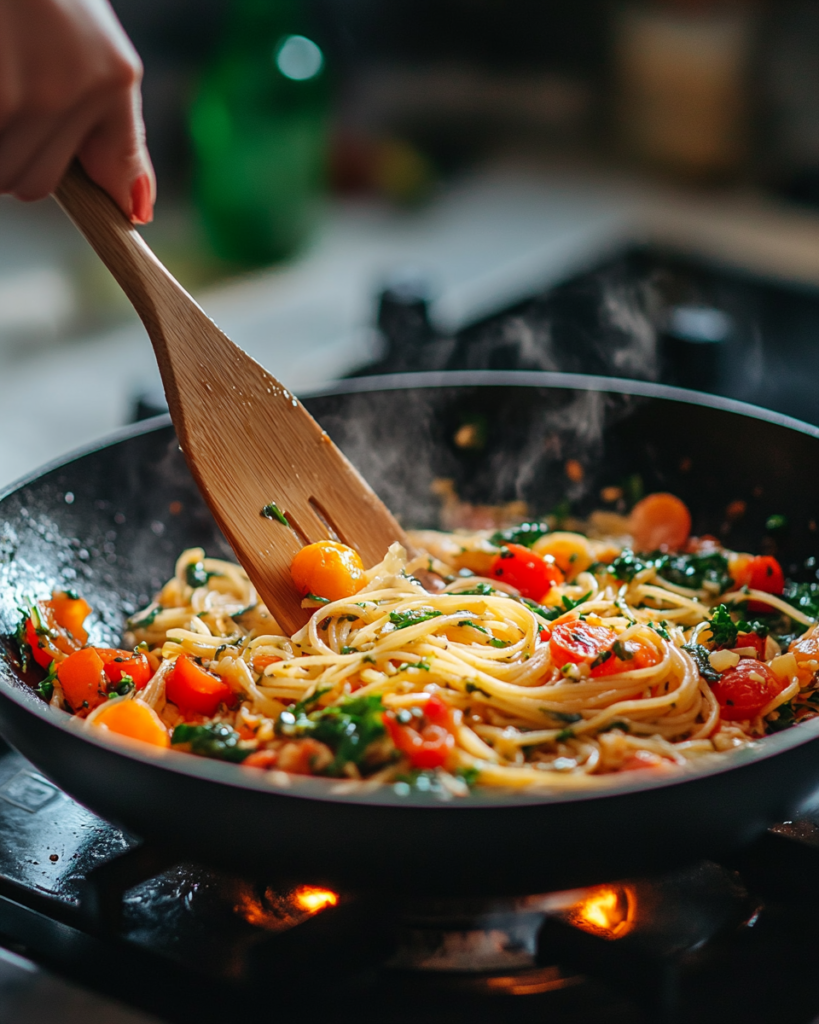
Add the cooked spaghetti to the pan. Using tongs or two spatulas, gently lift and toss the noodles with the vegetables so they distribute evenly.

Pour the sauce over everything. Continue tossing for 2 to 3 minutes until the spaghetti becomes glossy and heated through. The cornstarch lightly coats the noodles and helps the sauce cling.

Taste and adjust with a splash of soy sauce if needed.

Turn off the heat and fold in most of the green onions.

Transfer to serving bowls and finish with sesame seeds and remaining green onions.

A common mistake is overcrowding the pan. If your skillet is small, cook the vegetables in batches. Another issue is overcooked spaghetti, which can become too soft once stir fried. Slightly undercooked pasta creates the best texture in the finished dish.

Serve immediately while the vegetables still have a fresh bite.

Tips, Variations & Substitutions

For stronger texture contrast, cook vegetables in stages rather than adding them all at once. Dense vegetables such as carrots and broccoli benefit from extra time, while softer vegetables need only brief heat.

Protein can be added easily. Thinly sliced chicken, shrimp, tofu, or scrambled egg pair naturally with the noodle base. Cook protein first, remove it from the pan, and return it near the end.

Whole wheat spaghetti creates a heartier dish with a firmer bite. Gluten-free spaghetti also performs well, though it should be handled gently after boiling.

If you prefer additional heat, add chili flakes or sliced fresh chili while cooking the garlic and ginger.

Vegetable choices can shift throughout the year. Snow peas, mushrooms, shredded cabbage, zucchini, spinach, and bok choy all fit naturally into the recipe.

For deeper flavor, allow the noodles to sit in the sauce for one minute before the final toss.

Leftovers store well in a sealed container for up to three days. Reheat in a skillet with a spoonful of water to loosen the noodles and refresh the texture.

Serving Ideas & Occasions

Quick Spaghetti Stir Fry with Veggies works as both a complete meal and a flexible side dish.

For lunch, pair it with sliced cucumber salad or lightly dressed greens. At dinner, add grilled chicken, baked tofu, or simple pan-cooked shrimp for extra protein.

Light beverages such as sparkling water with citrus, iced green tea, or cold jasmine tea complement the savory flavors without overpowering the meal.

This recipe fits busy weekdays, casual family dinners, meal prep sessions, and relaxed gatherings with friends. Since it cooks quickly and scales easily, it is also practical for feeding a group.

Presentation can stay simple. Serve in wide bowls and scatter green onions and sesame seeds across the top for color and texture.

Nutritional & Health Notes

This dish offers a balanced mix of carbohydrates, vegetables, and moderate fat.

Spaghetti supplies energy and creates a filling base. Vegetables contribute fiber, texture, and a range of nutrients while keeping the meal lighter than many takeout noodle dishes.

Using a moderate amount of oil keeps the stir fry satisfying without feeling heavy. Choosing whole wheat spaghetti can increase fiber and create a slower-digesting meal.

The sauce contains sodium, so reducing soy sauce or selecting lower-sodium versions may suit some preferences.

Adding lean protein such as chicken, tofu, or shrimp creates a more filling plate and supports balanced meal planning.

Portion size and ingredient choices can easily adjust the recipe to match different eating styles.

FAQs

Can I prepare the vegetables ahead of time?

Yes. All vegetables can be sliced and stored in airtight containers in the refrigerator one day ahead. Garlic and ginger can also be prepared in advance, though their flavor stays strongest when freshly cut.

If meal prepping, keep the sauce separate until cooking time. Spaghetti can be boiled earlier in the day and lightly coated with oil to reduce sticking.

When ready to cook, the entire dish comes together quickly because most of the work is already done. Preparing ahead is especially useful for busy evenings and keeps the vegetables from staying too long over the heat.

Can I use leftover cooked spaghetti?

Leftover spaghetti works well as long as it has not been heavily coated in another sauce. Cold noodles separate more easily during stir frying and often develop slightly firmer texture.

Before adding them to the pan, loosen the noodles with your hands or rinse briefly with warm water.

Watch the cooking time carefully because reheated pasta warms faster than freshly cooked noodles. Add the sauce gradually and toss gently so the noodles stay intact.

Which vegetables work best in this recipe?

Vegetables with a balance of firmness and moisture perform best. Bell peppers, broccoli, carrots, peas, cabbage, mushrooms, and zucchini all cook quickly and keep pleasant texture.

Leafy vegetables such as spinach should be added at the end because they wilt rapidly.

Frozen vegetables can also be used. Thaw and drain them first so excess moisture does not dilute the sauce.

Mixing different colors and textures creates a more satisfying bowl and keeps each bite interesting.

How do I keep the noodles from sticking together?

Cooking the spaghetti until slightly firm is the first step. After draining, rinse briefly with cool water and toss with a small amount of oil.

Avoid leaving cooked noodles piled together for long periods.

During stir frying, use tongs or broad spatulas to lift and fold rather than aggressively stirring. This keeps strands separated and distributes sauce evenly.

Adding sauce after combining noodles and vegetables also helps maintain texture.

Can I turn this into a protein-rich meal?

Absolutely. Chicken breast, shrimp, tofu, lean beef, or eggs fit naturally into the recipe.

Cook the protein separately before the vegetables and return it to the pan during the final toss. This approach prevents overcrowding and keeps everything cooking evenly.

For vegetarian versions, firm tofu or edamame add satisfying texture and protein while blending smoothly with the sauce.

The recipe remains flexible and works with small or larger additions depending on appetite.

Is this recipe suitable for meal prep?

This dish stores surprisingly well for short-term meal preparation. Divide cooled portions into containers and refrigerate for up to three days.

For reheating, a skillet gives the best texture. Add a tablespoon of water and toss over medium heat until warmed through.

Microwaving also works, though vegetables may soften slightly.

Keeping toppings such as green onions and sesame seeds separate until serving helps maintain freshness.

Can I adjust the sauce flavor?

The sauce is highly adaptable. Increase soy sauce for a stronger savory profile or add a small splash of rice vinegar for brightness.

Additional garlic or ginger changes the overall character without changing the structure of the dish.

For a lighter coating, reduce the cornstarch mixture slightly. For richer flavor, add a small amount of extra oyster sauce.

Taste during the final stage and adjust gradually so the noodles stay balanced rather than overly salty.

[rank_math_breadcrumb]

Quick Spaghetti Stir Fry with Veggies: 20 Simple Comforting

Photo of author
Author: liv
Published:

Quick Spaghetti Stir Fry with Veggies is the kind of meal that turns everyday pantry staples into a colorful, satisfying dinner with very little fuss. Traditional stir fry often starts with rice noodles or fresh noodles, but spaghetti brings a familiar texture that cooks quickly and holds sauce beautifully.

This recipe combines tender spaghetti with crisp vegetables, a savory stir fry sauce, and fast high-heat cooking for a balanced meal that fits busy weeknights. The vegetables stay bright and lightly crisp while the spaghetti absorbs the flavors of garlic, soy sauce, and a touch of toasted sesame.

Because everything cooks in stages and comes together in a single pan, cleanup stays manageable and the finished dish feels fresh rather than heavy. It is flexible, budget-friendly, and easy to adjust with seasonal vegetables or pantry substitutions.

Ingredients Overview

The foundation of this recipe is spaghetti. Although spaghetti is usually paired with Italian-style sauces, it works surprisingly well in stir fry because its smooth surface absorbs sauce while keeping a pleasant bite. Cooking it just shy of fully done prevents soft noodles later in the pan.

Vegetables bring texture, color, and freshness. Bell peppers add sweetness and light crunch, while carrots contribute subtle earthiness and structure. Broccoli gives body and holds sauce in its small florets. Snap peas provide freshness and maintain a pleasant crisp finish after brief cooking.

Garlic and ginger build the savory base. Fresh garlic creates depth, while ginger adds gentle warmth and brightness that balances the noodles.

For the sauce, soy sauce gives saltiness and umami. Oyster sauce adds richness and rounds out the flavors. A small amount of sesame oil provides a nutty finish. Cornstarch mixed with water lightly coats the noodles and vegetables without creating a thick sauce.

Neutral cooking oil works best because stir frying uses higher heat. Green onions scattered at the end bring freshness and contrast.

Substitutions are simple. Whole wheat spaghetti works well if preferred. Mushrooms, zucchini, cabbage, baby corn, or spinach can replace any of the vegetables. Vegetarian versions can skip oyster sauce and use mushroom-based stir fry sauce instead. Gluten-free spaghetti and tamari also work if dietary adjustments are needed.

The combination of noodles, vegetables, aromatics, and sauce creates a meal that tastes balanced while keeping preparation approachable.

Ingredients

8 ounces spaghetti

1 tablespoon salt for pasta water

2 tablespoons neutral cooking oil

3 cloves garlic, minced

1 tablespoon fresh ginger, finely grated

1 medium carrot, cut into thin matchsticks

1 red bell pepper, thinly sliced

2 cups broccoli florets

1 cup sugar snap peas

3 green onions, sliced

3 tablespoons soy sauce

1 tablespoon oyster sauce

1 teaspoon toasted sesame oil

1 teaspoon cornstarch

2 tablespoons water

1/4 teaspoon black pepper

1 tablespoon sesame seeds

Step-by-Step Instructions

Begin by bringing a large pot of water to a boil. Add salt and cook the spaghetti according to package directions, reducing the cooking time by about one minute. The noodles should remain slightly firm because they will finish cooking in the pan later.

Drain the spaghetti and rinse briefly with cool water to stop cooking. Toss with a small drizzle of oil to keep the strands from sticking.

While the pasta cooks, prepare all vegetables and sauce ingredients. Stir frying moves quickly, so having everything ready before heating the pan keeps the vegetables from overcooking.

In a small bowl, combine soy sauce, oyster sauce, sesame oil, cornstarch, water, and black pepper. Stir until smooth.

Heat a large skillet or wok over medium-high heat. Add the cooking oil and allow it to heat until shimmering but not smoking.

Add garlic and ginger. Stir constantly for about 20 seconds until fragrant. Avoid browning them because garlic can become bitter quickly.

Add carrots and broccoli first because they need slightly more cooking time. Stir fry for about 2 minutes. Add bell pepper and snap peas and continue cooking another 2 to 3 minutes. The vegetables should soften slightly while staying bright and crisp.

Add the cooked spaghetti to the pan. Using tongs or two spatulas, gently lift and toss the noodles with the vegetables so they distribute evenly.

Pour the sauce over everything. Continue tossing for 2 to 3 minutes until the spaghetti becomes glossy and heated through. The cornstarch lightly coats the noodles and helps the sauce cling.

Taste and adjust with a splash of soy sauce if needed.

Turn off the heat and fold in most of the green onions.

Transfer to serving bowls and finish with sesame seeds and remaining green onions.

A common mistake is overcrowding the pan. If your skillet is small, cook the vegetables in batches. Another issue is overcooked spaghetti, which can become too soft once stir fried. Slightly undercooked pasta creates the best texture in the finished dish.

Serve immediately while the vegetables still have a fresh bite.

Tips, Variations & Substitutions

For stronger texture contrast, cook vegetables in stages rather than adding them all at once. Dense vegetables such as carrots and broccoli benefit from extra time, while softer vegetables need only brief heat.

Protein can be added easily. Thinly sliced chicken, shrimp, tofu, or scrambled egg pair naturally with the noodle base. Cook protein first, remove it from the pan, and return it near the end.

Whole wheat spaghetti creates a heartier dish with a firmer bite. Gluten-free spaghetti also performs well, though it should be handled gently after boiling.

If you prefer additional heat, add chili flakes or sliced fresh chili while cooking the garlic and ginger.

Vegetable choices can shift throughout the year. Snow peas, mushrooms, shredded cabbage, zucchini, spinach, and bok choy all fit naturally into the recipe.

For deeper flavor, allow the noodles to sit in the sauce for one minute before the final toss.

Leftovers store well in a sealed container for up to three days. Reheat in a skillet with a spoonful of water to loosen the noodles and refresh the texture.

Serving Ideas & Occasions

Quick Spaghetti Stir Fry with Veggies works as both a complete meal and a flexible side dish.

For lunch, pair it with sliced cucumber salad or lightly dressed greens. At dinner, add grilled chicken, baked tofu, or simple pan-cooked shrimp for extra protein.

Light beverages such as sparkling water with citrus, iced green tea, or cold jasmine tea complement the savory flavors without overpowering the meal.

This recipe fits busy weekdays, casual family dinners, meal prep sessions, and relaxed gatherings with friends. Since it cooks quickly and scales easily, it is also practical for feeding a group.

Presentation can stay simple. Serve in wide bowls and scatter green onions and sesame seeds across the top for color and texture.

Nutritional & Health Notes

This dish offers a balanced mix of carbohydrates, vegetables, and moderate fat.

Spaghetti supplies energy and creates a filling base. Vegetables contribute fiber, texture, and a range of nutrients while keeping the meal lighter than many takeout noodle dishes.

Using a moderate amount of oil keeps the stir fry satisfying without feeling heavy. Choosing whole wheat spaghetti can increase fiber and create a slower-digesting meal.

The sauce contains sodium, so reducing soy sauce or selecting lower-sodium versions may suit some preferences.

Adding lean protein such as chicken, tofu, or shrimp creates a more filling plate and supports balanced meal planning.

Portion size and ingredient choices can easily adjust the recipe to match different eating styles.

FAQs

Can I prepare the vegetables ahead of time?

Yes. All vegetables can be sliced and stored in airtight containers in the refrigerator one day ahead. Garlic and ginger can also be prepared in advance, though their flavor stays strongest when freshly cut.

If meal prepping, keep the sauce separate until cooking time. Spaghetti can be boiled earlier in the day and lightly coated with oil to reduce sticking.

When ready to cook, the entire dish comes together quickly because most of the work is already done. Preparing ahead is especially useful for busy evenings and keeps the vegetables from staying too long over the heat.

Can I use leftover cooked spaghetti?

Leftover spaghetti works well as long as it has not been heavily coated in another sauce. Cold noodles separate more easily during stir frying and often develop slightly firmer texture.

Before adding them to the pan, loosen the noodles with your hands or rinse briefly with warm water.

Watch the cooking time carefully because reheated pasta warms faster than freshly cooked noodles. Add the sauce gradually and toss gently so the noodles stay intact.

Which vegetables work best in this recipe?

Vegetables with a balance of firmness and moisture perform best. Bell peppers, broccoli, carrots, peas, cabbage, mushrooms, and zucchini all cook quickly and keep pleasant texture.

Leafy vegetables such as spinach should be added at the end because they wilt rapidly.

Frozen vegetables can also be used. Thaw and drain them first so excess moisture does not dilute the sauce.

Mixing different colors and textures creates a more satisfying bowl and keeps each bite interesting.

How do I keep the noodles from sticking together?

Cooking the spaghetti until slightly firm is the first step. After draining, rinse briefly with cool water and toss with a small amount of oil.

Avoid leaving cooked noodles piled together for long periods.

During stir frying, use tongs or broad spatulas to lift and fold rather than aggressively stirring. This keeps strands separated and distributes sauce evenly.

Adding sauce after combining noodles and vegetables also helps maintain texture.

Can I turn this into a protein-rich meal?

Absolutely. Chicken breast, shrimp, tofu, lean beef, or eggs fit naturally into the recipe.

Cook the protein separately before the vegetables and return it to the pan during the final toss. This approach prevents overcrowding and keeps everything cooking evenly.

For vegetarian versions, firm tofu or edamame add satisfying texture and protein while blending smoothly with the sauce.

The recipe remains flexible and works with small or larger additions depending on appetite.

Is this recipe suitable for meal prep?

This dish stores surprisingly well for short-term meal preparation. Divide cooled portions into containers and refrigerate for up to three days.

For reheating, a skillet gives the best texture. Add a tablespoon of water and toss over medium heat until warmed through.

Microwaving also works, though vegetables may soften slightly.

Keeping toppings such as green onions and sesame seeds separate until serving helps maintain freshness.

Can I adjust the sauce flavor?

The sauce is highly adaptable. Increase soy sauce for a stronger savory profile or add a small splash of rice vinegar for brightness.

Additional garlic or ginger changes the overall character without changing the structure of the dish.

For a lighter coating, reduce the cornstarch mixture slightly. For richer flavor, add a small amount of extra oyster sauce.

Taste during the final stage and adjust gradually so the noodles stay balanced rather than overly salty.
Name

Lorem ipsum dolor sit amet, consectetur adipiscing elit. Suspendisse varius enim in eros elementum tristique. Duis cursus, mi quis viverra ornare, eros dolor interdum nulla, ut commodo diam libero vitae erat.

You Might Also Like...

Chicken Zucchini Stir Fry: 30-Minute Simple Comforting

Chicken Zucchini Stir Fry: 30-Minute Simple Comforting

Chicken Pomodoro Rice Bowl: 5 Authentic Hope Flavors

Chicken Pomodoro Rice Bowl: 5 Authentic Hope Flavors

Creamy Chicken Pomodoro Pasta: 7 Simple Happy Plates

Creamy Chicken Pomodoro Pasta: 7 Simple Happy Plates

Chicken Pomodoro with Fresh Basil: 5 Authentic Cozy

Chicken Pomodoro with Fresh Basil: 5 Authentic Cozy

Tags:

You might also like these recipes

Leave a Comment