Southern Comfort Spaghetti with Beef Gravy: 5 Authentic Happy Plates

Posted on

Uncategorized

Difficulty

Prep time

Cooking time

Total time

Servings

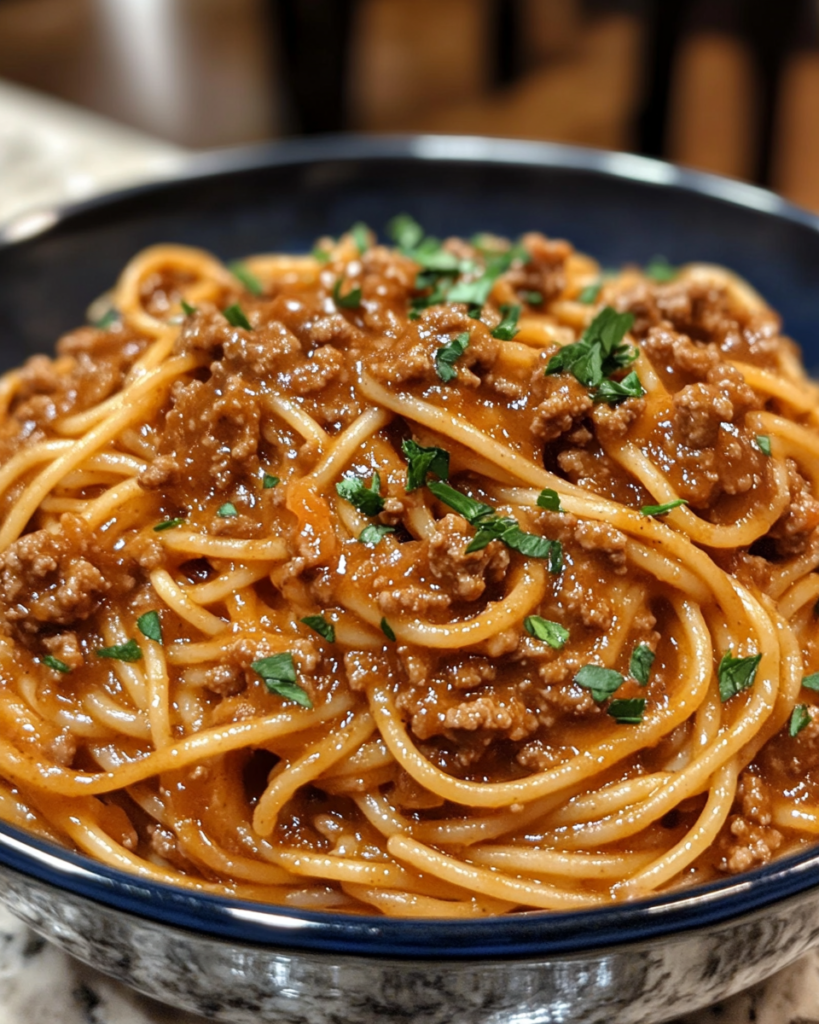
Southern Comfort Spaghetti with Beef Gravy brings together slow-cooked flavor, tender pasta, and rich beef gravy in a way that feels familiar and deeply satisfying. This dish takes the spirit of Southern kitchen traditions and pairs it with a generous serving of spaghetti for a hearty meal that works equally well for weeknight dinners and relaxed family gatherings.

Unlike a tomato-heavy pasta dinner, this version centers on savory beef gravy built from onions, garlic, broth, and gentle seasoning. The spaghetti absorbs the gravy while still keeping its texture, creating a dish that tastes full and balanced without becoming heavy.

Warm, filling, and uncomplicated, Southern Comfort Spaghetti with Beef Gravy is the kind of recipe that rewards patience and simple ingredients.

Ingredients Overview
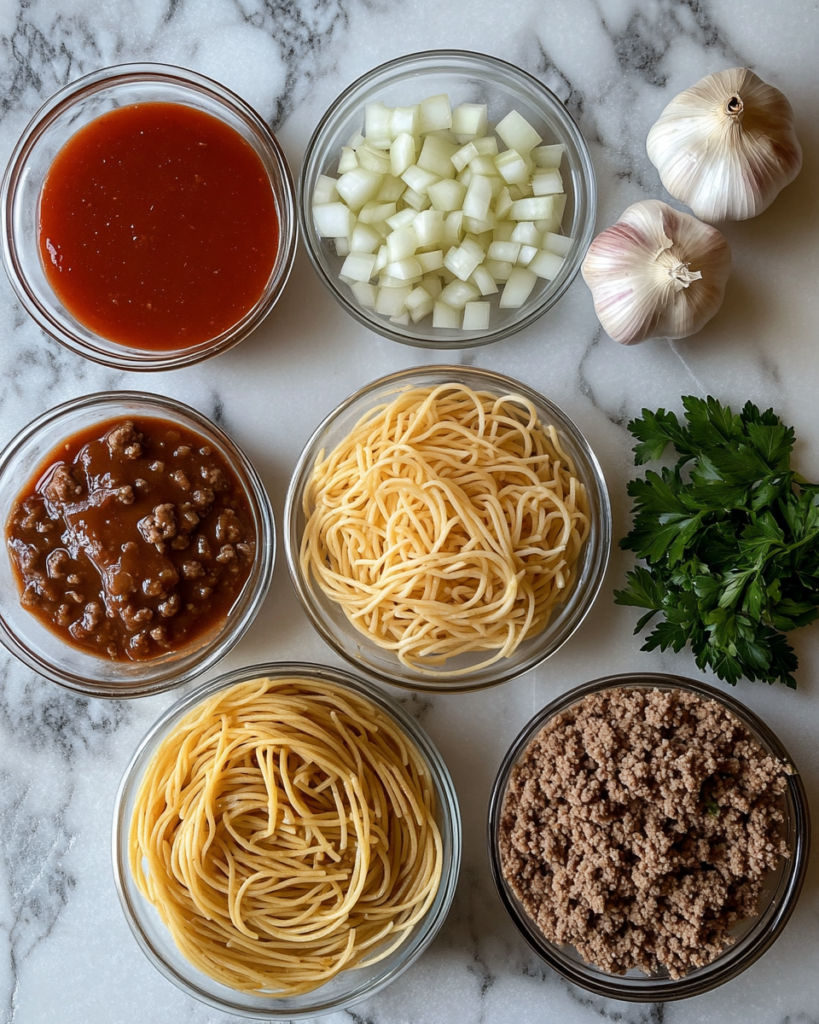
The foundation of Southern Comfort Spaghetti with Beef Gravy starts with beef. Ground beef is practical and cooks quickly while still producing rich flavor. A blend around 85% lean provides enough fat to build depth without leaving excess grease in the pan.

Onion and garlic form the aromatic base. Onion softens into the gravy and adds natural sweetness, while garlic gives a savory background that supports the beef rather than dominating it.

Flour and butter create the body of the gravy. When cooked together briefly, they help thicken the broth into a smooth sauce that coats every strand of spaghetti. Beef broth carries the savory profile and creates the classic gravy character associated with comfort cooking.

A small amount of Worcestershire sauce contributes depth and mild tang without turning the dish into barbecue flavor. Paprika and black pepper round out the seasoning. Salt should remain moderate until the broth reduces.

Spaghetti acts as the neutral base that absorbs the gravy. Standard dried spaghetti works well because it keeps structure after mixing with the sauce.

Fresh parsley added at the end gives color and a lighter finish. If desired, sliced mushrooms can join the onions for extra texture, and turkey can replace beef for a lighter variation. Gluten-free spaghetti and a gluten-free flour blend also work successfully with only minor texture differences.

Ingredients

1 pound ground beef (85% lean)
12 ounces dried spaghetti
1 medium yellow onion, finely diced
3 cloves garlic, minced
2 tablespoons butter
2 tablespoons all-purpose flour
3 cups beef broth
1 tablespoon Worcestershire sauce
1 teaspoon paprika
1 teaspoon kosher salt
1/2 teaspoon black pepper
1/2 teaspoon onion powder
1 tablespoon tomato paste
1 tablespoon olive oil
2 tablespoons chopped fresh parsley

Step-by-Step Instructions
Bring a large pot of salted water to a gentle boil. Add the spaghetti and cook until just tender according to package timing. Reserve 1 cup of pasta water before draining. Set the cooked spaghetti aside and toss lightly with a small drizzle of olive oil to prevent sticking.

Heat a large skillet or Dutch oven over medium heat. Add the olive oil followed by the ground beef. Break the meat apart with a wooden spoon and cook until browned with no visible pink areas, about 8 to 10 minutes.

Transfer the cooked beef to a plate while leaving about 2 tablespoons of drippings in the pan. Add the diced onion and cook for 5 minutes until softened. Stir in the garlic and cook for another 30 seconds.

Add the butter to the pan. Once melted, sprinkle in the flour and stir continuously for about 1 minute. The mixture should appear lightly golden and smooth. Avoid cooking too long or the flour can develop a darker flavor that changes the character of the gravy.

Whisk in the beef broth gradually. Stir steadily to prevent lumps. Add Worcestershire sauce, paprika, onion powder, black pepper, salt, and tomato paste.

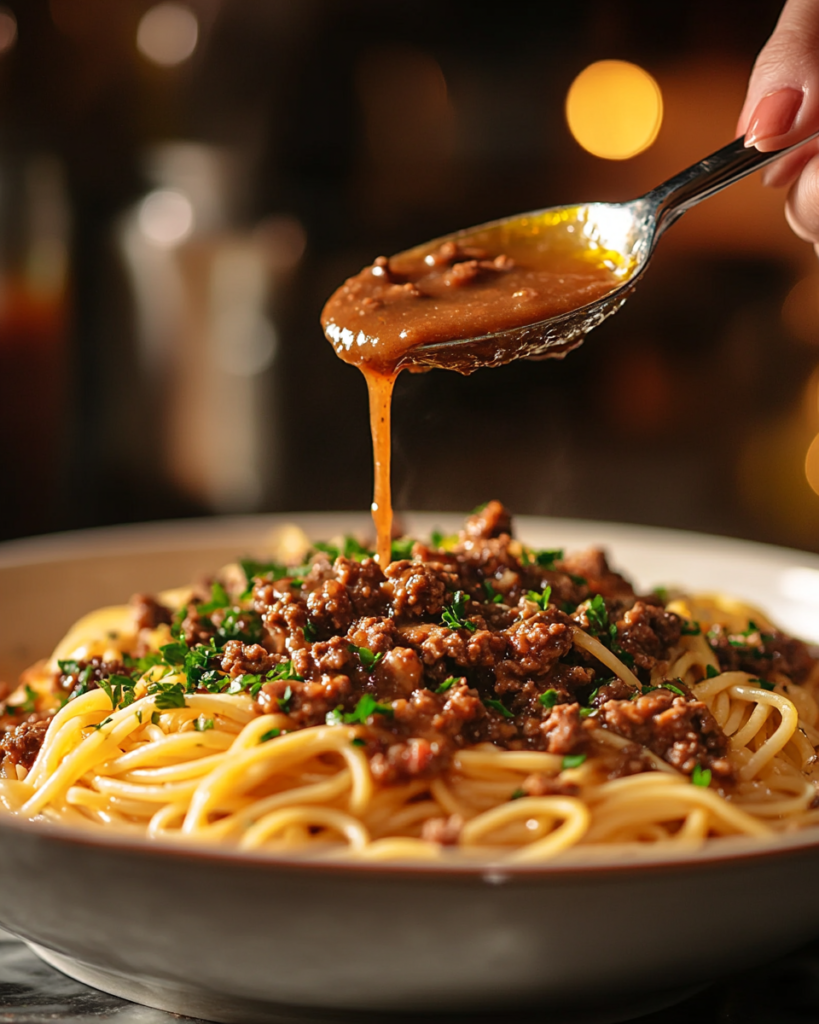
Return the cooked beef to the pan. Reduce heat to low and let the gravy simmer for 10 to 12 minutes. During this stage the sauce should thicken enough to coat the back of a spoon while still flowing easily.

If the gravy becomes thicker than desired, stir in reserved pasta water a few tablespoons at a time.

Add the drained spaghetti directly into the skillet. Toss carefully so every strand becomes coated. Continue cooking for 2 to 3 minutes to allow the pasta to absorb some of the gravy.

Taste and adjust salt if needed.

Scatter chopped parsley over the top and serve immediately.

A common mistake is reducing the gravy too aggressively before adding pasta. Spaghetti continues absorbing liquid after mixing, so the sauce should remain slightly looser in the pan than the final serving texture.

Another frequent issue comes from overcrowding the skillet while browning beef. Cook in batches if necessary so the meat browns rather than steams.

Tips, Variations & Substitutions

For deeper flavor, cook the onions until lightly golden before adding garlic. This small adjustment creates a richer gravy without adding extra ingredients.

If you prefer more texture, add sliced mushrooms or diced bell peppers during the onion stage. Both pair naturally with beef gravy and blend smoothly into the finished dish.

Ground chuck creates fuller flavor, while lean ground beef produces a lighter result. Ground turkey can substitute for beef; in that case, add an extra teaspoon of butter during the gravy stage.

For a mild Southern-style variation, stir in a small handful of shredded sharp cheddar just before serving. The cheese melts into the gravy and gives the sauce extra richness.

Whole wheat spaghetti adds more fiber and a slightly nutty flavor. Gluten-free spaghetti also performs well when cooked carefully and mixed gently.

Leftovers store well in a sealed container in the refrigerator for up to three days. Reheat with a splash of broth or water to loosen the sauce.

Serving Ideas & Occasions

Southern Comfort Spaghetti with Beef Gravy fits comfortably into many occasions. It works as a family dinner, a casual Sunday meal, or a practical dish for sharing during potlucks.

Serve it with warm cornbread, skillet biscuits, or toasted garlic bread to soak up extra gravy. A crisp green salad with a light vinaigrette balances the richness of the beef.

Roasted green beans, sautéed cabbage, or steamed broccoli also pair nicely and keep the plate balanced.

For beverages, sweet tea offers a classic Southern pairing. Unsweetened iced tea, sparkling water with citrus, or simple lemonade also complement the savory profile.

This recipe scales easily for larger gatherings and stays satisfying without requiring complicated preparation.

Nutritional & Health Notes

Southern Comfort Spaghetti with Beef Gravy combines protein, carbohydrates, and moderate fat in one complete meal. Ground beef supplies protein and iron, while spaghetti contributes energy through carbohydrates.

Using lean beef reduces saturated fat without removing the rich flavor associated with gravy-based dishes.

Adding vegetables such as mushrooms, spinach, or peppers can increase fiber and create additional texture. Whole wheat pasta is another practical adjustment for added fiber.

Portion size matters because gravy-based pasta dishes can become filling quickly. Pairing with vegetables creates a more balanced plate.

The recipe uses straightforward pantry ingredients and avoids heavy cream, keeping the sauce rich through broth and cooking technique rather than excessive dairy.

FAQs

Can I prepare Southern Comfort Spaghetti with Beef Gravy ahead of time?

Yes. Cook the beef gravy fully and store it separately from the spaghetti whenever possible. Refrigerate both components and combine during reheating. This helps the pasta keep a better texture and prevents it from absorbing too much liquid overnight.

Warm the gravy in a skillet over medium heat and add a splash of broth if needed. Toss in the cooked spaghetti only after the sauce loosens slightly. Finish with parsley before serving.

Prepared this way, the dish remains flavorful and practical for busy schedules.

Can I freeze leftovers?

This recipe freezes well, particularly if the pasta and gravy are stored separately. Place cooled gravy in freezer-safe containers and freeze for up to three months.

Cooked spaghetti can also be frozen, though its texture softens slightly after reheating.

Thaw overnight in the refrigerator and warm slowly on the stovetop. Add broth to restore the smooth consistency of the gravy.

Avoid repeated reheating cycles because they can dry the sauce and soften the pasta excessively.

Which spaghetti works for this recipe?

Traditional dried spaghetti is the most reliable choice because it absorbs the gravy while keeping structure.

Thicker noodles such as bucatini also work if you prefer a heartier bite. Thin spaghetti cooks faster and creates a softer final texture.

Whole wheat and gluten-free varieties remain suitable substitutes. Follow package timing carefully and stop cooking once the noodles become just tender.

Since the pasta cooks briefly again with the gravy, slightly undercooking during boiling often gives the ideal final texture.

Can I add vegetables directly into the gravy?

Yes. Vegetables blend naturally into this recipe and can stretch servings without changing the overall character.

Mushrooms, diced peppers, chopped spinach, and finely diced carrots all cook well with the onions.

Vegetables should soften before broth is added so they integrate smoothly into the sauce.

If using watery vegetables, simmer a little longer before adding spaghetti so the gravy reaches the desired consistency.

Why did my gravy turn lumpy?

Lumps usually form when flour and liquid combine too quickly.

After adding butter and flour, stir briefly until smooth before slowly whisking in broth. Adding broth in stages helps create a silky sauce.

If small lumps remain, continue whisking during simmering and they often dissolve naturally.

Another helpful practice is using room-temperature broth rather than very cold liquid straight from refrigeration.

Can I turn this into a baked pasta dish?

Yes. Prepare the recipe as directed, then transfer everything to a baking dish.

Top lightly with shredded cheddar or mozzarella and bake at 375°F for about 15 minutes until heated through.

The baked version develops slightly firmer edges while keeping the interior rich and tender.

If baking, keep the gravy a little thinner than usual because oven heat reduces moisture further.

What cuts of beef work besides ground beef?

Ground beef remains the easiest option, but shredded chuck roast or finely chopped cooked brisket also pair well with gravy.

Slow-cooked beef creates deeper texture and a more traditional comfort-food feel.

If using leftover roast, skip the browning stage and stir the cooked meat into the gravy during simmering.

Season carefully because cooked meats often already contain salt.

[rank_math_breadcrumb]

Southern Comfort Spaghetti with Beef Gravy: 5 Authentic Happy Plates

Photo of author
Author: liv
Published:

Southern Comfort Spaghetti with Beef Gravy brings together slow-cooked flavor, tender pasta, and rich beef gravy in a way that feels familiar and deeply satisfying. This dish takes the spirit of Southern kitchen traditions and pairs it with a generous serving of spaghetti for a hearty meal that works equally well for weeknight dinners and relaxed family gatherings.

Unlike a tomato-heavy pasta dinner, this version centers on savory beef gravy built from onions, garlic, broth, and gentle seasoning. The spaghetti absorbs the gravy while still keeping its texture, creating a dish that tastes full and balanced without becoming heavy.

Warm, filling, and uncomplicated, Southern Comfort Spaghetti with Beef Gravy is the kind of recipe that rewards patience and simple ingredients.

Ingredients Overview

The foundation of Southern Comfort Spaghetti with Beef Gravy starts with beef. Ground beef is practical and cooks quickly while still producing rich flavor. A blend around 85% lean provides enough fat to build depth without leaving excess grease in the pan.

Onion and garlic form the aromatic base. Onion softens into the gravy and adds natural sweetness, while garlic gives a savory background that supports the beef rather than dominating it.

Flour and butter create the body of the gravy. When cooked together briefly, they help thicken the broth into a smooth sauce that coats every strand of spaghetti. Beef broth carries the savory profile and creates the classic gravy character associated with comfort cooking.

A small amount of Worcestershire sauce contributes depth and mild tang without turning the dish into barbecue flavor. Paprika and black pepper round out the seasoning. Salt should remain moderate until the broth reduces.

Spaghetti acts as the neutral base that absorbs the gravy. Standard dried spaghetti works well because it keeps structure after mixing with the sauce.

Fresh parsley added at the end gives color and a lighter finish. If desired, sliced mushrooms can join the onions for extra texture, and turkey can replace beef for a lighter variation. Gluten-free spaghetti and a gluten-free flour blend also work successfully with only minor texture differences.

Ingredients

1 pound ground beef (85% lean)
12 ounces dried spaghetti
1 medium yellow onion, finely diced
3 cloves garlic, minced
2 tablespoons butter
2 tablespoons all-purpose flour
3 cups beef broth
1 tablespoon Worcestershire sauce
1 teaspoon paprika
1 teaspoon kosher salt
1/2 teaspoon black pepper
1/2 teaspoon onion powder
1 tablespoon tomato paste
1 tablespoon olive oil
2 tablespoons chopped fresh parsley

Step-by-Step Instructions

Bring a large pot of salted water to a gentle boil. Add the spaghetti and cook until just tender according to package timing. Reserve 1 cup of pasta water before draining. Set the cooked spaghetti aside and toss lightly with a small drizzle of olive oil to prevent sticking.

Heat a large skillet or Dutch oven over medium heat. Add the olive oil followed by the ground beef. Break the meat apart with a wooden spoon and cook until browned with no visible pink areas, about 8 to 10 minutes.

Transfer the cooked beef to a plate while leaving about 2 tablespoons of drippings in the pan. Add the diced onion and cook for 5 minutes until softened. Stir in the garlic and cook for another 30 seconds.

Add the butter to the pan. Once melted, sprinkle in the flour and stir continuously for about 1 minute. The mixture should appear lightly golden and smooth. Avoid cooking too long or the flour can develop a darker flavor that changes the character of the gravy.

Whisk in the beef broth gradually. Stir steadily to prevent lumps. Add Worcestershire sauce, paprika, onion powder, black pepper, salt, and tomato paste.

Return the cooked beef to the pan. Reduce heat to low and let the gravy simmer for 10 to 12 minutes. During this stage the sauce should thicken enough to coat the back of a spoon while still flowing easily.

If the gravy becomes thicker than desired, stir in reserved pasta water a few tablespoons at a time.

Add the drained spaghetti directly into the skillet. Toss carefully so every strand becomes coated. Continue cooking for 2 to 3 minutes to allow the pasta to absorb some of the gravy.

Taste and adjust salt if needed.

Scatter chopped parsley over the top and serve immediately.

A common mistake is reducing the gravy too aggressively before adding pasta. Spaghetti continues absorbing liquid after mixing, so the sauce should remain slightly looser in the pan than the final serving texture.

Another frequent issue comes from overcrowding the skillet while browning beef. Cook in batches if necessary so the meat browns rather than steams.

Tips, Variations & Substitutions

For deeper flavor, cook the onions until lightly golden before adding garlic. This small adjustment creates a richer gravy without adding extra ingredients.

If you prefer more texture, add sliced mushrooms or diced bell peppers during the onion stage. Both pair naturally with beef gravy and blend smoothly into the finished dish.

Ground chuck creates fuller flavor, while lean ground beef produces a lighter result. Ground turkey can substitute for beef; in that case, add an extra teaspoon of butter during the gravy stage.

For a mild Southern-style variation, stir in a small handful of shredded sharp cheddar just before serving. The cheese melts into the gravy and gives the sauce extra richness.

Whole wheat spaghetti adds more fiber and a slightly nutty flavor. Gluten-free spaghetti also performs well when cooked carefully and mixed gently.

Leftovers store well in a sealed container in the refrigerator for up to three days. Reheat with a splash of broth or water to loosen the sauce.

Serving Ideas & Occasions

Southern Comfort Spaghetti with Beef Gravy fits comfortably into many occasions. It works as a family dinner, a casual Sunday meal, or a practical dish for sharing during potlucks.

Serve it with warm cornbread, skillet biscuits, or toasted garlic bread to soak up extra gravy. A crisp green salad with a light vinaigrette balances the richness of the beef.

Roasted green beans, sautéed cabbage, or steamed broccoli also pair nicely and keep the plate balanced.

For beverages, sweet tea offers a classic Southern pairing. Unsweetened iced tea, sparkling water with citrus, or simple lemonade also complement the savory profile.

This recipe scales easily for larger gatherings and stays satisfying without requiring complicated preparation.

Nutritional & Health Notes

Southern Comfort Spaghetti with Beef Gravy combines protein, carbohydrates, and moderate fat in one complete meal. Ground beef supplies protein and iron, while spaghetti contributes energy through carbohydrates.

Using lean beef reduces saturated fat without removing the rich flavor associated with gravy-based dishes.

Adding vegetables such as mushrooms, spinach, or peppers can increase fiber and create additional texture. Whole wheat pasta is another practical adjustment for added fiber.

Portion size matters because gravy-based pasta dishes can become filling quickly. Pairing with vegetables creates a more balanced plate.

The recipe uses straightforward pantry ingredients and avoids heavy cream, keeping the sauce rich through broth and cooking technique rather than excessive dairy.

FAQs

Can I prepare Southern Comfort Spaghetti with Beef Gravy ahead of time?

Yes. Cook the beef gravy fully and store it separately from the spaghetti whenever possible. Refrigerate both components and combine during reheating. This helps the pasta keep a better texture and prevents it from absorbing too much liquid overnight.

Warm the gravy in a skillet over medium heat and add a splash of broth if needed. Toss in the cooked spaghetti only after the sauce loosens slightly. Finish with parsley before serving.

Prepared this way, the dish remains flavorful and practical for busy schedules.

Can I freeze leftovers?

This recipe freezes well, particularly if the pasta and gravy are stored separately. Place cooled gravy in freezer-safe containers and freeze for up to three months.

Cooked spaghetti can also be frozen, though its texture softens slightly after reheating.

Thaw overnight in the refrigerator and warm slowly on the stovetop. Add broth to restore the smooth consistency of the gravy.

Avoid repeated reheating cycles because they can dry the sauce and soften the pasta excessively.

Which spaghetti works for this recipe?

Traditional dried spaghetti is the most reliable choice because it absorbs the gravy while keeping structure.

Thicker noodles such as bucatini also work if you prefer a heartier bite. Thin spaghetti cooks faster and creates a softer final texture.

Whole wheat and gluten-free varieties remain suitable substitutes. Follow package timing carefully and stop cooking once the noodles become just tender.

Since the pasta cooks briefly again with the gravy, slightly undercooking during boiling often gives the ideal final texture.

Can I add vegetables directly into the gravy?

Yes. Vegetables blend naturally into this recipe and can stretch servings without changing the overall character.

Mushrooms, diced peppers, chopped spinach, and finely diced carrots all cook well with the onions.

Vegetables should soften before broth is added so they integrate smoothly into the sauce.

If using watery vegetables, simmer a little longer before adding spaghetti so the gravy reaches the desired consistency.

Why did my gravy turn lumpy?

Lumps usually form when flour and liquid combine too quickly.

After adding butter and flour, stir briefly until smooth before slowly whisking in broth. Adding broth in stages helps create a silky sauce.

If small lumps remain, continue whisking during simmering and they often dissolve naturally.

Another helpful practice is using room-temperature broth rather than very cold liquid straight from refrigeration.

Can I turn this into a baked pasta dish?

Yes. Prepare the recipe as directed, then transfer everything to a baking dish.

Top lightly with shredded cheddar or mozzarella and bake at 375°F for about 15 minutes until heated through.

The baked version develops slightly firmer edges while keeping the interior rich and tender.

If baking, keep the gravy a little thinner than usual because oven heat reduces moisture further.

What cuts of beef work besides ground beef?

Ground beef remains the easiest option, but shredded chuck roast or finely chopped cooked brisket also pair well with gravy.

Slow-cooked beef creates deeper texture and a more traditional comfort-food feel.

If using leftover roast, skip the browning stage and stir the cooked meat into the gravy during simmering.

Season carefully because cooked meats often already contain salt.

Name

Lorem ipsum dolor sit amet, consectetur adipiscing elit. Suspendisse varius enim in eros elementum tristique. Duis cursus, mi quis viverra ornare, eros dolor interdum nulla, ut commodo diam libero vitae erat.

You Might Also Like...

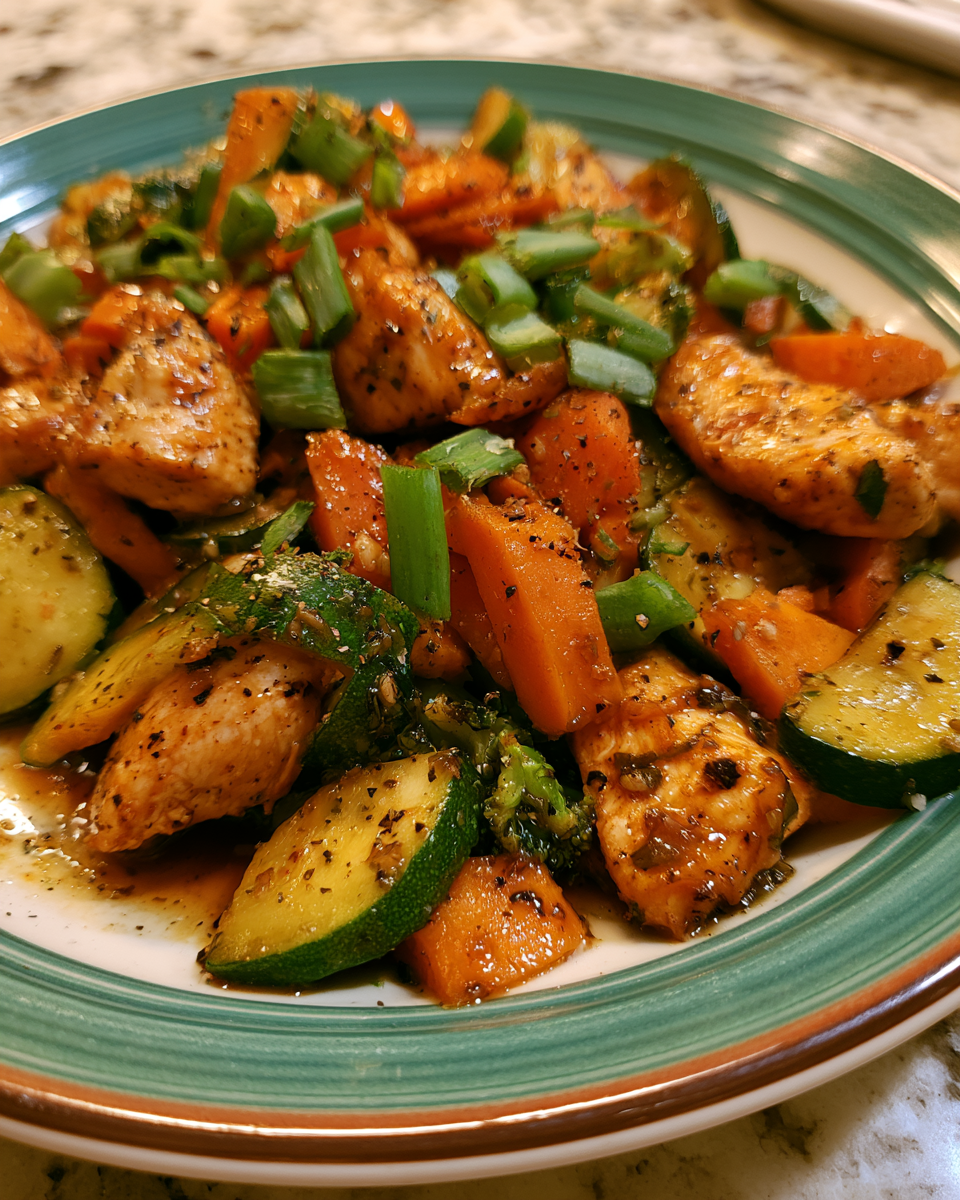
Chicken Zucchini Stir Fry: 30-Minute Simple Comforting

Chicken Zucchini Stir Fry: 30-Minute Simple Comforting

Chicken Pomodoro Rice Bowl: 5 Authentic Hope Flavors

Chicken Pomodoro Rice Bowl: 5 Authentic Hope Flavors

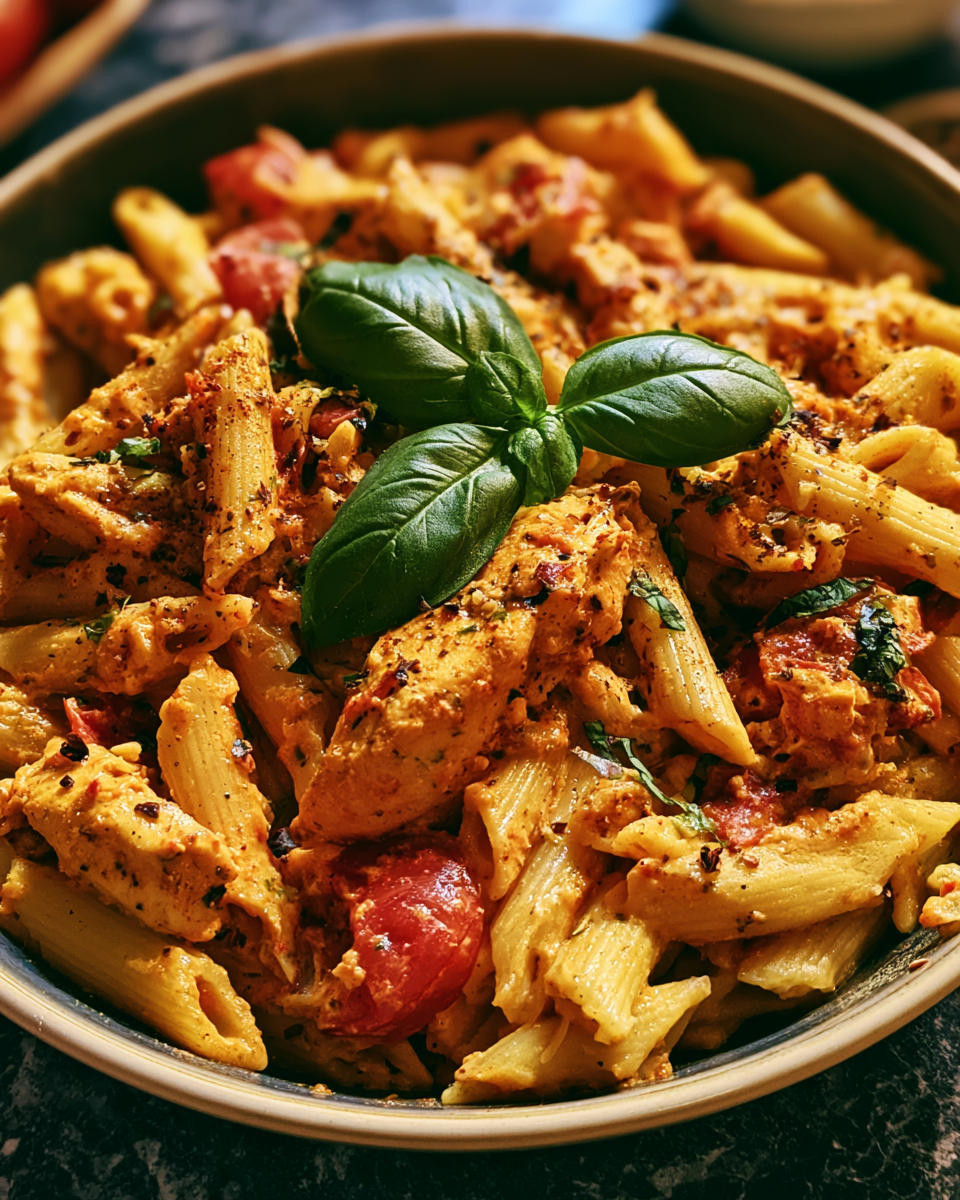
Creamy Chicken Pomodoro Pasta: 7 Simple Happy Plates

Creamy Chicken Pomodoro Pasta: 7 Simple Happy Plates

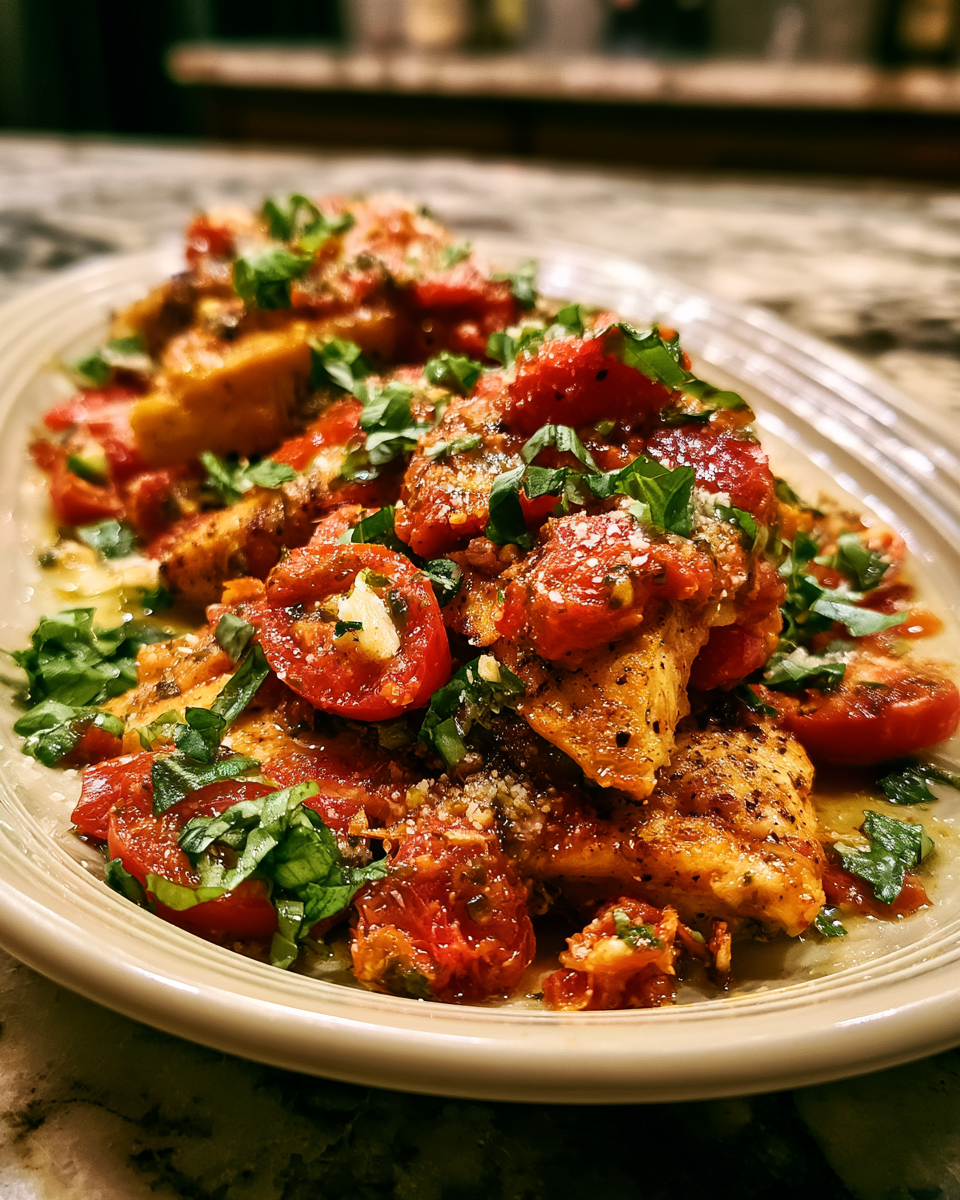
Chicken Pomodoro with Fresh Basil: 5 Authentic Cozy

Chicken Pomodoro with Fresh Basil: 5 Authentic Cozy

Tags:

You might also like these recipes

Leave a Comment