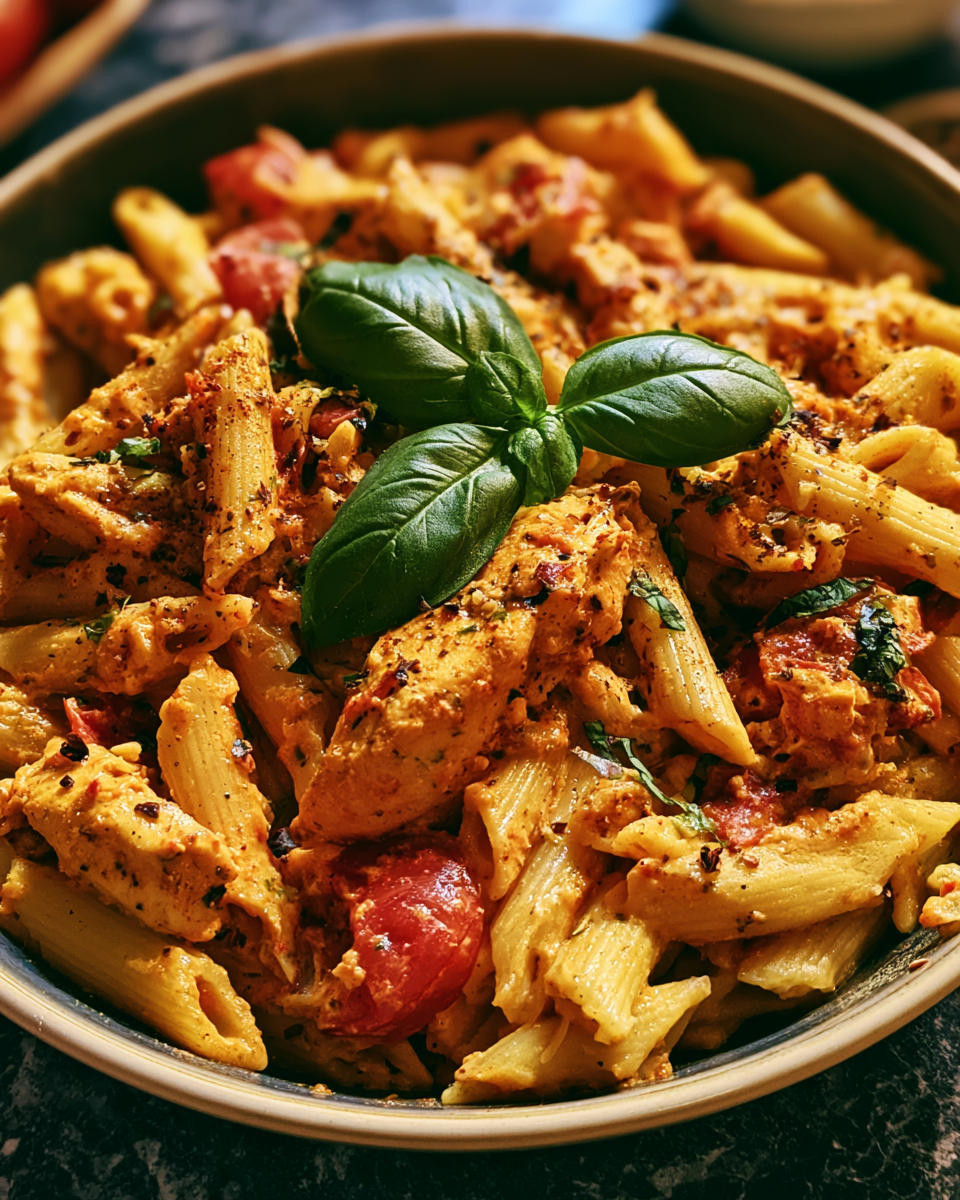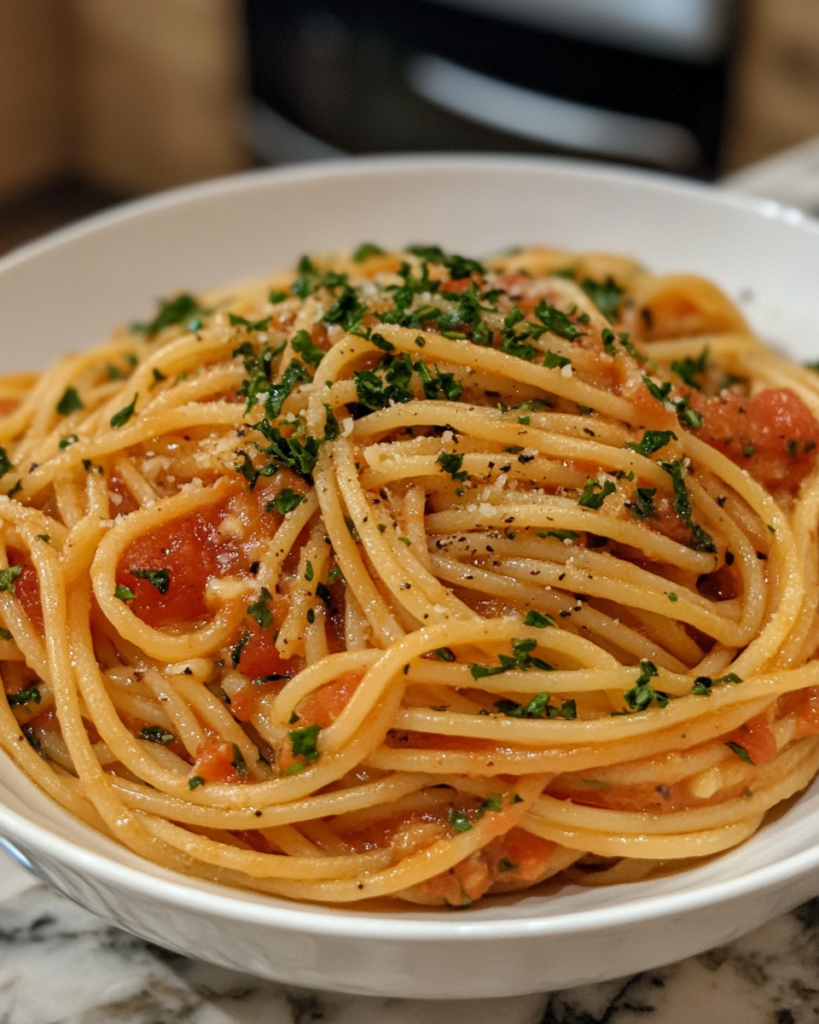
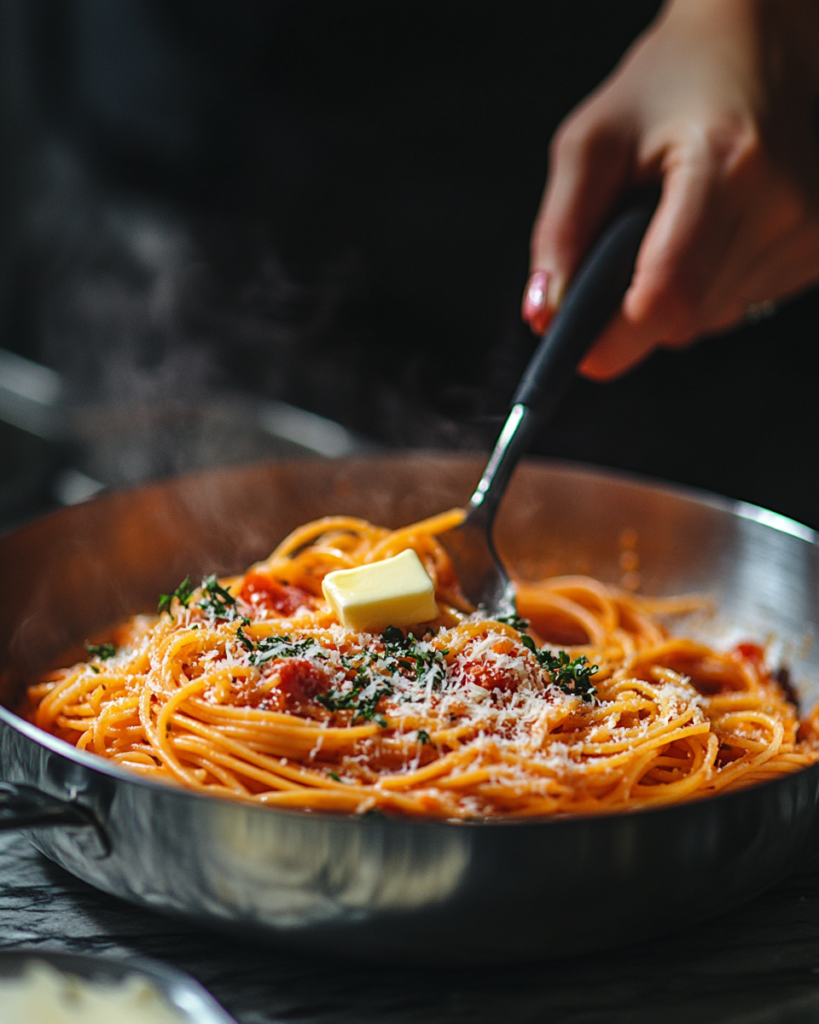
3-Ingredient Butter Tomato Spaghetti turns a short ingredient list into a rich, comforting pasta dish with very little effort. Butter softens the sharp edges of tomato and gives the sauce a silky texture, while spaghetti carries every bit of flavor across each forkful.
This style of pasta is rooted in the idea that careful cooking can do more than long ingredient lists. Slow simmering, proper seasoning, and attention to texture create a balanced plate that feels comforting yet light enough for everyday meals.
The result is tender spaghetti coated in glossy tomato butter sauce with a gentle richness and bright tomato character.
Ingredients Overview
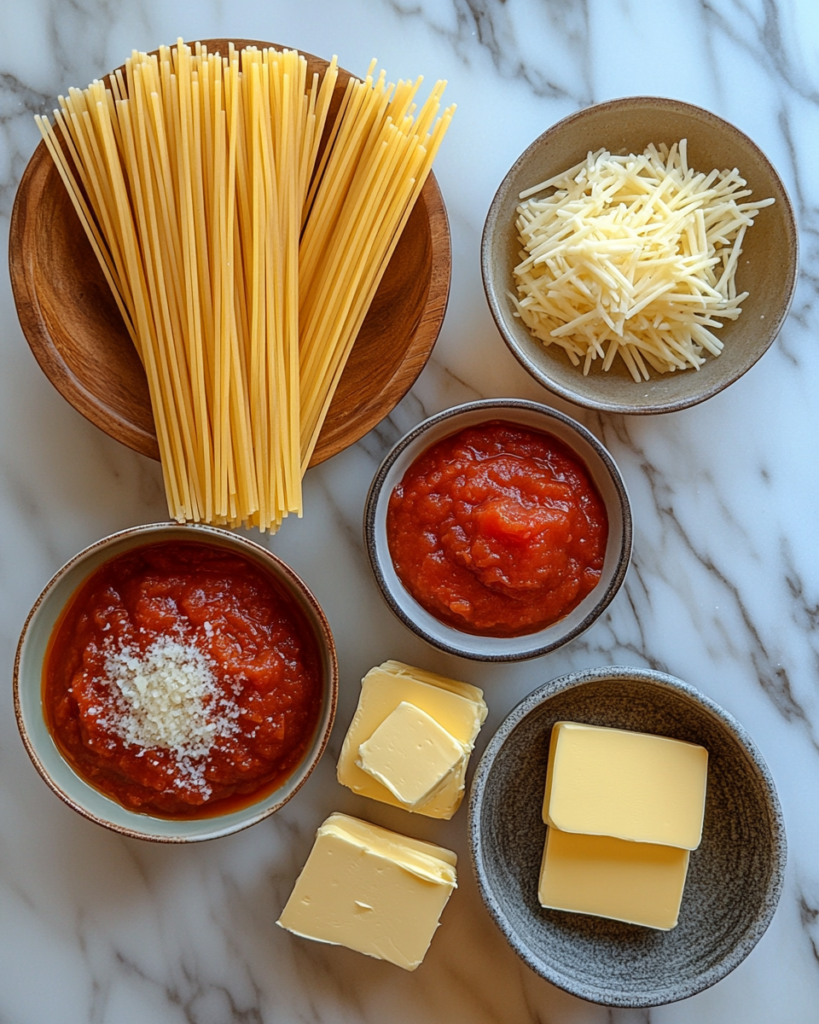
One reason 3-Ingredient Butter Tomato Spaghetti remains popular is its short ingredient list and dependable results. Each ingredient carries an important role, so quality matters.
Tomatoes form the foundation of the dish. Canned whole peeled tomatoes work especially well because they contain concentrated flavor and break down into a smooth sauce during cooking. Crushed tomatoes also work if that is what you have available. Fresh tomatoes may be used when fully ripe, though they often need extra simmering to soften and deepen.
Butter creates the body of the sauce. As it melts into the tomatoes, it rounds out acidity and creates a silky coating for the pasta. Unsalted butter gives greater control over seasoning, though salted butter works if adjusted carefully.
Spaghetti contributes structure and texture. Long strands hold the sauce evenly and create the classic feel associated with this dish. Standard dried spaghetti is ideal, though thin spaghetti cooks faster and thicker pasta creates a heartier bite.
Salt and pasta water are small additions that shape the final texture. Reserved pasta water helps bind sauce and noodles into a smooth finish rather than a separated mixture.
Simple substitutions work well. Gluten-free spaghetti cooks nicely with careful timing. Plant-based butter can replace dairy butter for a dairy-free variation. San Marzano-style tomatoes create a slightly sweeter finish, while standard canned tomatoes bring a brighter character.
Ingredients
1 pound dried spaghetti
1 can (28 ounces) whole peeled tomatoes with juices
8 tablespoons unsalted butter
1 tablespoon kosher salt for pasta water
1/2 teaspoon fine salt, or to taste
1/4 cup reserved pasta water as needed
Step-by-Step Instructions
Fill a large pot with water and bring it to a rolling boil. Add kosher salt. The water should taste lightly seasoned rather than heavily salty.
While the water heats, place the tomatoes and their juices into a wide skillet or saucepan. Break the tomatoes gently with clean hands or a spoon until chunky but not completely smooth.
Add the butter directly into the tomatoes. Place the pan over medium heat and allow the butter to melt slowly into the tomatoes.
Stir occasionally while the sauce cooks for about 20 to 25 minutes. During this stage the tomatoes soften, the butter blends into the liquid, and the sauce thickens slightly. A gentle simmer works better than aggressive boiling because rapid cooking can separate the butter.
Taste the sauce after about 15 minutes. Add fine salt gradually. Since pasta water also contributes seasoning, avoid adding too much early.
Cook the spaghetti according to package timing until just shy of tender. Stir during the first minute so strands do not stick together.
Reserve about one cup of pasta water before draining. Transfer the spaghetti directly into the simmering sauce.
Toss continuously over low heat. Add reserved pasta water a few tablespoons at a time until the sauce lightly coats the noodles. The starch in the water helps create a smooth finish.
Continue tossing for another minute or two. The spaghetti should appear glossy rather than watery. The sauce should cling to the strands instead of collecting at the bottom of the pan.
Common problems are easy to avoid. If the sauce feels oily, add a small splash of pasta water and stir. If the sauce seems too thin, allow the pasta and sauce to cook together slightly longer. If the spaghetti turns soft too early, reduce the package cooking time next round.
Serve immediately while warm and glossy.
Tips, Variations & Substitutions
Choose tomatoes with balanced acidity and rich flavor. Whole peeled tomatoes often produce a smoother sauce than diced varieties.
For extra body, simmer the sauce a few minutes longer before adding the pasta. A shorter simmer creates a lighter coating.
A small pinch of black pepper can add gentle warmth while staying true to the minimal style of the dish.
Plant-based butter produces a dairy-free version with a similar silky texture. Select a butter substitute intended for cooking rather than spreading.
Spaghetti can be swapped with linguine, fettuccine, or long gluten-free noodles. Short pasta shapes also work, though the final texture changes.
If serving guests, finish with a spoonful of extra warm butter stirred into the sauce just before plating.
Avoid adding garlic, onion, cream, or cheese if the goal is preserving the original three-ingredient concept. The beauty of this dish comes from restraint and careful cooking.
Serving Ideas & Occasions
3-Ingredient Butter Tomato Spaghetti fits many occasions because it feels both relaxed and satisfying.
Serve it with a crisp green salad dressed lightly with olive oil and vinegar. Roasted vegetables such as zucchini or asparagus pair nicely without competing with the sauce.
Warm bread works well for gathering extra sauce from the plate.
For drinks, sparkling water, iced tea, or a light red wine complement the tomato and butter combination.
This pasta suits weeknight dinners, quiet weekends, casual gatherings, or meals when pantry ingredients are all that is available. Since preparation stays simple, it also works as an entry dish for beginner cooks.
Nutritional & Health Notes
This pasta balances carbohydrates from spaghetti with richness from butter and naturally occurring nutrients in tomatoes.
Tomatoes provide vitamin C, potassium, and compounds associated with their red color. Cooking tomatoes changes their texture and deepens flavor.
Butter contributes richness and satiety. Since the recipe uses only a few ingredients, moderate portions keep the dish balanced.
Pairing the meal with vegetables or a side salad can create a broader nutritional profile.
Whole wheat spaghetti can add extra fiber and a slightly nutty flavor.
As with many classic comfort dishes, portion size and accompaniment shape how rich or light the overall meal feels.
FAQs
Can I use fresh tomatoes instead of canned?
Fresh tomatoes can work well when they are ripe and flavorful. Peel them if possible and chop them before cooking. Because fresh tomatoes contain more water than canned varieties, simmering often takes longer. Continue cooking until the mixture thickens and the butter blends smoothly into the sauce. Plum-style tomatoes usually create the richest texture.
Why does butter work so well in tomato sauce?
Butter softens tomato acidity and creates a smooth mouthfeel. During simmering, fat mixes with the natural juices from the tomatoes and forms a glossy coating that clings to pasta. This creates richness without needing cream or cheese. Slow cooking helps the ingredients blend into a balanced sauce.
Can I prepare the sauce ahead?
Yes. The sauce can be cooked a day ahead and refrigerated in a sealed container. Warm it gently over low heat before combining with freshly cooked spaghetti. Add a splash of water if the texture feels too thick after chilling.
What pasta shapes work besides spaghetti?
Long noodles such as linguine and fettuccine perform very well. Short pasta like rigatoni or penne also works and catches small pockets of sauce. Cooking times vary, so check package directions and keep the noodles slightly firm before mixing with the sauce.
How do I store leftovers?
Cool leftovers before placing them in a covered container. Refrigerate for up to three days. Warm gently in a skillet with a splash of water. Gentle reheating helps restore the sauce texture and keeps the pasta from drying out.
Can I freeze this recipe?
The tomato butter sauce freezes more successfully than fully assembled pasta. Store cooled sauce in freezer-safe containers for up to two months. Thaw overnight in the refrigerator and warm slowly before tossing with fresh spaghetti.
Why did my sauce separate?
Sauce separation usually happens from high heat or adding butter too quickly. Keep the sauce at a gentle simmer and stir occasionally. Reserved pasta water also helps bind the mixture into a smoother finish. Tossing the spaghetti directly in the sauce brings everything together.
………………..