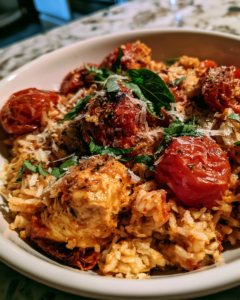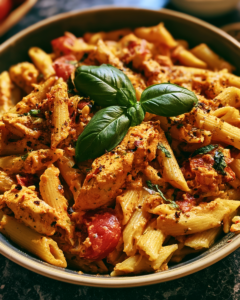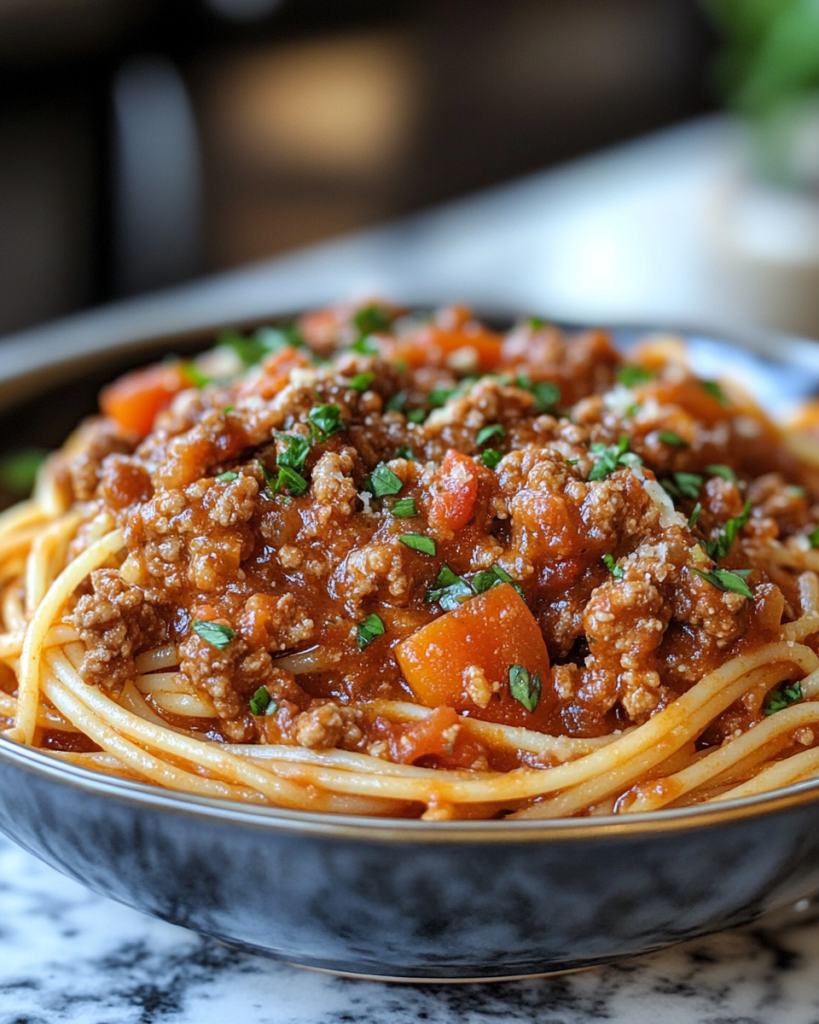
Thick & Chunky Beef Meat Sauce Spaghetti is the kind of pasta dinner that fills the kitchen with rich aroma and turns simple pantry staples into a deeply satisfying meal. This version focuses on a hearty meat sauce with visible pieces of beef, tender vegetables, slow-cooked tomatoes, and spaghetti that holds every spoonful of sauce.
Unlike thinner pasta sauces, this recipe creates a dense and rustic texture. Ground beef browns until flavorful, vegetables soften into the base, and tomatoes slowly reduce into a thick coating rather than a loose topping. Every bite carries savory depth with balanced acidity and gentle herb notes.
This dish works equally well for family dinners, weekend cooking, or preparing extra portions for later meals. The sauce develops even more character after resting, which makes leftovers especially enjoyable.
Ingredients Overview
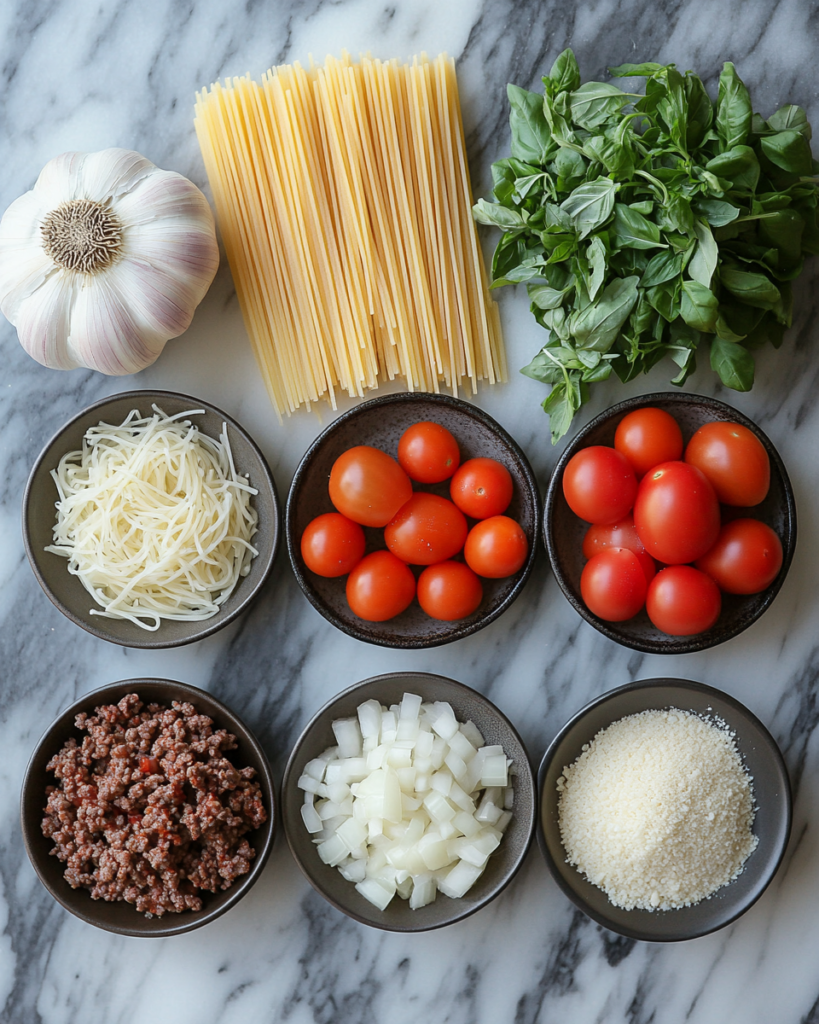
The heart of Thick & Chunky Beef Meat Sauce Spaghetti is the beef. Choose ground beef with moderate fat content, ideally around 85/15 to 90/10. This ratio gives rich flavor while avoiding excessive grease. Browning the meat properly creates deeper savory notes and contributes to the chunky texture.
Onion, carrot, and celery form the vegetable base. Finely chopped vegetables soften during cooking and bring natural sweetness that balances the tomatoes. Garlic adds warmth and depth without overpowering the sauce.
Tomatoes carry the structure of the dish. A combination of crushed tomatoes and tomato paste creates body and concentrated flavor. Crushed tomatoes provide texture while tomato paste thickens and deepens the color.
Broth and a small amount of milk soften acidity and round out the sauce. Italian seasoning, oregano, black pepper, and bay leaf add gentle herbal character.
Spaghetti should remain slightly firm after cooking so it can finish absorbing flavor when tossed with the sauce. Parmesan contributes a savory finishing touch.
If desired, ground chuck can replace standard ground beef. Ground turkey works for a lighter variation, though the texture becomes less rich. Gluten-free spaghetti performs well when cooked carefully and served immediately.
Fresh parsley adds brightness at the end, while olive oil brings everything together during the early cooking stage.
Ingredients
2 tablespoons olive oil
1 large yellow onion, finely chopped
1 medium carrot, finely diced
2 celery stalks, finely diced
4 garlic cloves, minced
2 pounds ground beef
1 teaspoon salt
1 teaspoon black pepper
1 tablespoon Italian seasoning
1 teaspoon dried oregano
2 tablespoons tomato paste
1 can (28 ounces) crushed tomatoes
1 can (14 ounces) diced tomatoes, drained
1 cup beef broth
1/3 cup whole milk
1 bay leaf
1 teaspoon sugar
1 pound spaghetti
1/2 cup grated Parmesan cheese
2 tablespoons chopped fresh parsley
Step-by-Step Instructions
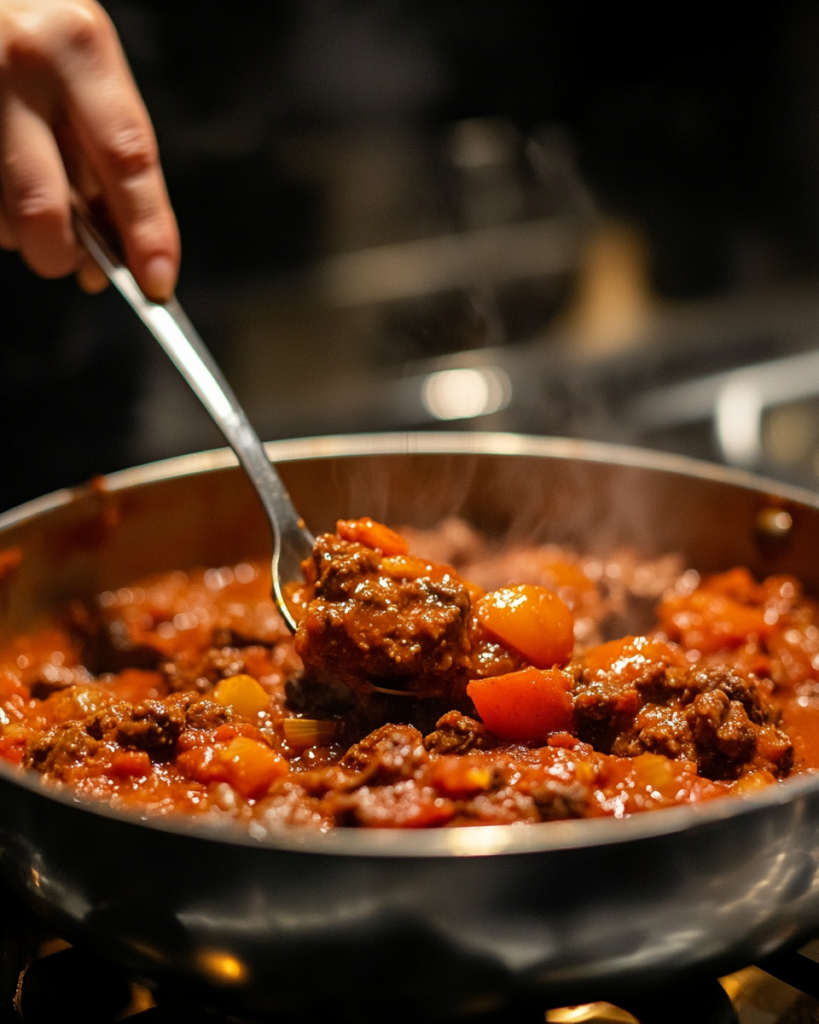
Begin by placing a large heavy pot or Dutch oven over medium heat. Add olive oil and allow it to warm for about 30 seconds. Add onion, carrot, and celery. Cook for 8 to 10 minutes, stirring occasionally, until softened and lightly golden. Do not rush this stage because these vegetables create the foundation of the sauce.
Add garlic and stir for about 30 seconds until aromatic.
Increase heat slightly and add ground beef. Break the meat into large chunks rather than very fine crumbles. Allow sections to brown before stirring too often. Proper browning develops richer flavor and gives the sauce its hearty appearance.
Season with salt, pepper, Italian seasoning, and oregano. Continue cooking until no pink remains and excess moisture evaporates.
Stir in tomato paste and cook for 2 minutes. This brief cooking period removes raw tomato flavor and builds depth.
Add crushed tomatoes, diced tomatoes, broth, milk, bay leaf, and sugar. Stir thoroughly and bring the mixture to a gentle simmer.
Reduce heat to low and cook uncovered for 45 to 60 minutes. Stir every 10 minutes so the bottom does not catch. During this stage the sauce thickens and large pieces of beef remain visible.
If the sauce reduces too quickly, add a small splash of broth. If it appears loose near the end, simmer a few additional minutes.
Bring a separate large pot of salted water to a boil. Cook spaghetti according to package directions until slightly firm.
Reserve 1 cup pasta water before draining.
Remove bay leaf from the sauce. Add cooked spaghetti directly into the pot of meat sauce or combine in a large serving bowl. Toss gently. Add reserved pasta water only if needed to loosen the texture.
Finish with Parmesan and parsley.
Common issues include overcrowding the beef during browning, adding too much liquid, or cooking pasta too long. The finished sauce should cling to the noodles and remain thick enough to hold chunky spoonfuls.
Allow the pasta to rest for 2 to 3 minutes before serving so the sauce settles around the strands.
Tips, Variations & Substitutions
For richer flavor, prepare the sauce a day ahead and refrigerate overnight. Gentle reheating allows the ingredients to settle into a deeper profile.
If you enjoy additional texture, replace part of the ground beef with chopped beef chuck browned separately. Small mushroom pieces can also blend naturally into the sauce.
A mild spicy variation can include red pepper flakes. Add them while cooking the vegetables so the heat spreads evenly.
For a dairy-free version, omit the milk and finish with a splash of extra broth. Parmesan can be served separately.
Whole wheat spaghetti adds extra fiber and creates a slightly nuttier taste. Short pasta shapes such as rigatoni or penne also work because they capture the thick sauce.
For freezer preparation, cool the sauce completely and store without pasta. Freshly cooked spaghetti delivers better texture during serving.
When reheating, add a spoonful of water or broth to restore consistency. Heat gradually rather than aggressively to preserve the chunky structure.
Fresh basil at serving time gives a lighter finish, while extra Parmesan adds deeper savory notes.
Serving Ideas & Occasions
Thick & Chunky Beef Meat Sauce Spaghetti pairs naturally with warm garlic bread, toasted country bread, or a crisp green salad with a light vinaigrette.
Roasted vegetables such as zucchini, peppers, or asparagus provide balance alongside the rich sauce. For drinks, sparkling water with lemon, iced tea, or red grape juice complement the savory profile.
This meal suits weeknight family dinners because the ingredients are familiar and filling. It also fits casual gatherings where large portions are helpful.
For colder months, serve in wide bowls with extra cheese and parsley. During celebrations or relaxed weekend meals, place the sauce in the center of the table and allow everyone to portion their own plates.
Leftover sauce can also become the base for baked pasta dishes later in the week.
Nutritional & Health Notes
This recipe offers a balanced combination of protein, carbohydrates, and vegetables. Ground beef contributes protein and minerals, while tomatoes provide natural acidity and color.
Carrots, onions, and celery add vegetable content without changing the classic character of the dish. Using moderate oil and controlling cheese portions keeps richness balanced.
Choosing leaner beef lowers total fat while still maintaining satisfying texture. Whole wheat pasta raises fiber content and can support longer-lasting fullness.
Portion size matters because thick meat sauces are naturally hearty. Pairing with vegetables instead of additional bread creates a more balanced meal.
This recipe focuses on traditional comfort while still including vegetables and moderate ingredient choices.
FAQs
Can I prepare the sauce ahead of serving?
Yes. The sauce stores exceptionally well and often tastes richer after resting overnight. Cool it fully before refrigerating in sealed containers. Reheat over low heat and stir occasionally. Add a small amount of broth if the sauce becomes overly thick. Cook fresh spaghetti separately for the most enjoyable texture. Storing pasta directly in sauce can soften it more than desired. The prepared sauce can also be portioned into containers for quick dinners later in the week.
Which beef works well for chunky meat sauce?
Ground beef with moderate fat gives strong flavor and pleasant texture. Very lean beef can become dry, while higher-fat blends may require draining. Ground chuck is a strong option because it stays juicy during long simmering. Some cooks combine ground beef with small cubes of beef for additional texture. Browning thoroughly before adding tomatoes creates richer character and helps preserve visible chunks throughout cooking.
Can I freeze Thick & Chunky Beef Meat Sauce Spaghetti?
The sauce freezes very well, although storing pasta separately is recommended. Cool the sauce completely and transfer into freezer-safe containers. Freeze for up to three months. Defrost overnight in the refrigerator and reheat slowly on the stove. Add a little broth if necessary. Freshly cooked spaghetti restores the original texture and prevents overly soft noodles after reheating.
Why did my sauce turn watery?
Watery sauce usually comes from insufficient simmering or adding too much liquid. Draining diced tomatoes helps control moisture. Browning beef until excess liquid evaporates also improves thickness. Simmer uncovered so steam escapes gradually. Pasta water should only be added in small amounts at the final stage. Allowing the finished dish to rest briefly also helps the sauce cling better.
Can different pasta shapes replace spaghetti?
Absolutely. Thick meat sauces pair beautifully with shapes that catch sauce in ridges and pockets. Rigatoni, penne, fusilli, and tagliatelle all work nicely. Cooking times differ slightly depending on the pasta shape and brand. Drain while still slightly firm because the pasta continues softening after combining with hot sauce. Shape choice mainly changes texture rather than flavor.
How do I create deeper tomato flavor?
Cooking tomato paste briefly before adding liquid ingredients builds richer tomato character. Slow simmering also thickens the sauce naturally. A small amount of milk softens acidity and rounds the final flavor. Avoid adding too much sugar because vegetables already contribute sweetness. Using quality canned tomatoes can also noticeably improve the finished result.
Is this recipe suitable for larger gatherings?
Yes. This recipe scales well and works for serving groups. The sauce can stay warm over low heat while pasta cooks in batches. Prepare the sauce several hours in advance and reheat gently before serving. Offer grated cheese, herbs, and bread on the side so guests can customize their plates. Large-b