Turkey Spaghetti Meat Sauce (Lighter Version): 7 Simple Comforting Meals

Posted on

Uncategorized

Difficulty

Prep time

Cooking time

Total time

Servings

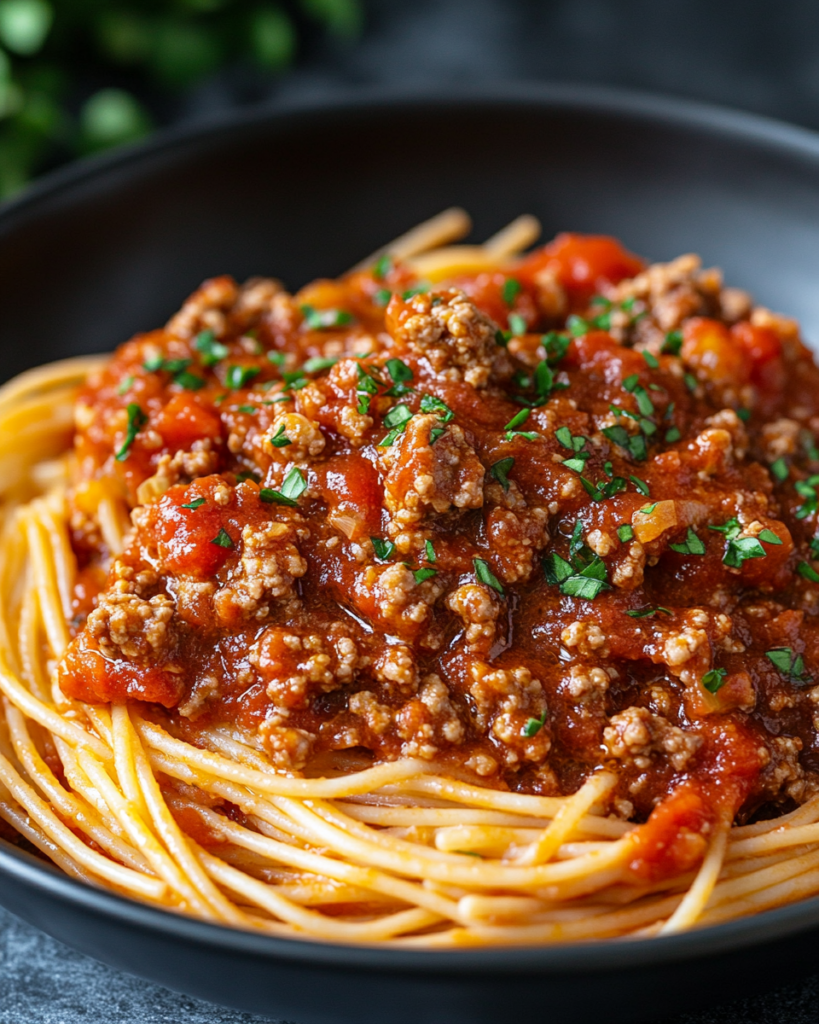
Turkey Spaghetti Meat Sauce (Lighter Version) brings the familiar richness of a classic pasta dinner while keeping the dish lighter and balanced. Lean ground turkey cooks into a savory tomato sauce that clings to spaghetti and creates a satisfying bowl without the heaviness that often comes from traditional meat sauces.

This recipe focuses on layered flavor rather than excess fat. Onion, garlic, herbs, and tomato combine with turkey to create depth, while a gentle simmer gives the sauce body and a slow-cooked character.

It works well for busy weeknights, meal prep sessions, and family dinners. The sauce reheats beautifully, and the ingredients are easy to keep on hand. With thoughtful seasoning and proper cooking technique, ground turkey becomes tender and flavorful instead of dry.

The result is a hearty plate of spaghetti that feels comforting while staying lighter in style.

Ingredients Overview
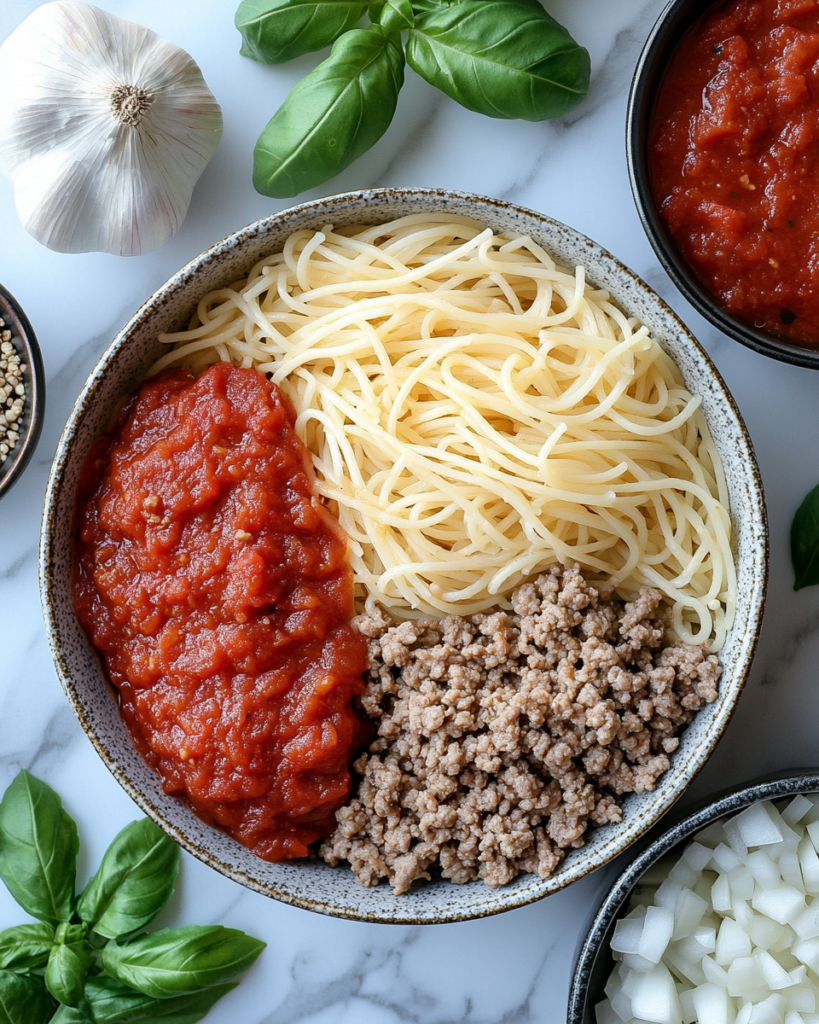
The heart of this recipe is lean ground turkey. Choosing turkey with a small amount of fat, such as 93% lean, creates a richer texture than ultra-lean varieties while still keeping the dish lighter than many beef-based sauces. Turkey absorbs seasoning very well, which allows herbs and aromatics to shine.

Olive oil starts the cooking process and helps soften the onion while carrying flavor throughout the sauce. Onion and garlic create a savory base that gives the finished dish warmth and depth.

Tomato paste plays an important role because it concentrates flavor and creates body. Crushed tomatoes and tomato sauce work together to form a balanced texture—thick enough to coat pasta but still spoonable.

Italian seasoning, oregano, basil, and a small amount of red pepper flakes create classic spaghetti sauce flavor. A touch of sugar is optional and balances acidity if the tomatoes taste sharp.

Whole wheat spaghetti works nicely for a lighter meal, although standard spaghetti cooks equally well. Parmesan adds a savory finish without requiring a large amount.

Substitutions are simple. Ground chicken can replace turkey. Gluten-free spaghetti works if needed. Fresh herbs may stand in for dried herbs, though larger quantities are required. If a richer sauce is preferred, stir in a splash of milk at the end for softness.

Ingredients

1 tablespoon olive oil
1 medium yellow onion, finely diced
3 cloves garlic, minced
1 pound lean ground turkey (93% lean)
2 tablespoons tomato paste
1 can (28 ounces) crushed tomatoes
1 can (15 ounces) tomato sauce
1/2 cup low-sodium chicken broth
1 teaspoon dried oregano
1 teaspoon Italian seasoning
1/2 teaspoon dried basil
1/4 teaspoon red pepper flakes
1 teaspoon kosher salt
1/2 teaspoon ground black pepper
1 teaspoon sugar (optional)
12 ounces spaghetti or whole wheat spaghetti
1/4 cup grated Parmesan cheese
2 tablespoons chopped fresh parsley

Step-by-Step Instructions
Begin by bringing a large pot of water to a boil. Salt the water generously so the pasta develops flavor while cooking. Keep the water heating while preparing the sauce.

Place a large deep skillet or Dutch oven over medium heat. Add olive oil and the diced onion. Cook for about 5 to 6 minutes until softened and lightly golden. Stir often so the onion cooks evenly without browning too deeply.

Add garlic and cook for about 30 seconds until fragrant.

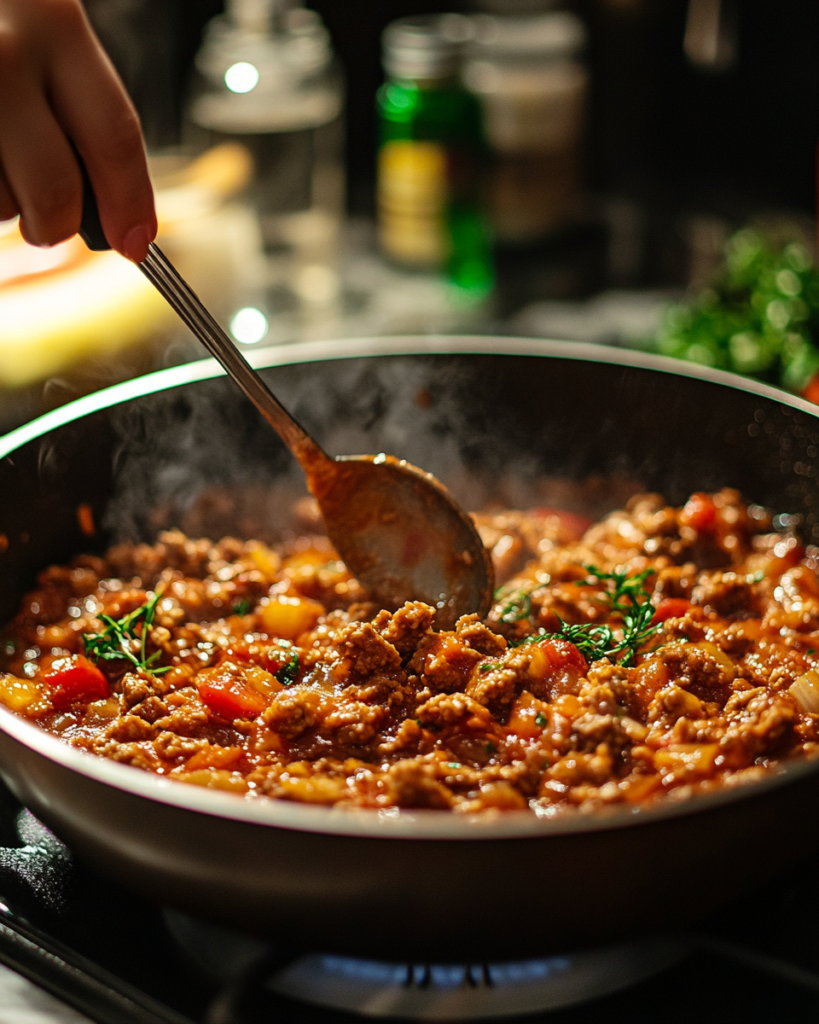
Add the ground turkey. Break it apart with a wooden spoon into small pieces. Cook for 6 to 8 minutes until no pink remains. Turkey releases moisture as it cooks, so continue stirring until that liquid mostly evaporates. Browning at this stage creates richer flavor.

Stir in tomato paste and cook for 1 minute. This brief cooking step deepens the tomato flavor and removes any raw taste.

Pour in crushed tomatoes, tomato sauce, and chicken broth. Add oregano, Italian seasoning, basil, red pepper flakes, salt, black pepper, and optional sugar.

Bring the sauce to a gentle bubble, then reduce heat to low. Let it simmer uncovered for 25 to 35 minutes. Stir occasionally. During this time the flavors combine and the texture thickens.

While the sauce simmers, cook spaghetti according to package directions until al dente. Reserve about 1/2 cup pasta water before draining.

Taste the sauce and adjust seasoning if needed. If the sauce becomes thicker than preferred, stir in a few tablespoons of reserved pasta water.

Add cooked spaghetti directly into the sauce or serve the sauce spooned over individual portions. Toss lightly so the noodles become coated.

Finish with Parmesan and chopped parsley.

A common mistake with turkey sauce is rushing the browning stage. Another issue is overcooking the pasta before combining it with sauce. Keeping the noodles slightly firm helps maintain texture.

The finished sauce should look rich, coat the pasta easily, and hold small tender pieces of turkey throughout.

Tips, Variations & Substitutions

For deeper flavor, cook the onions a few extra minutes before adding garlic. Slow cooking at the beginning creates a richer base.

If the sauce tastes acidic, stir in a small splash of milk or add a pinch of sugar. Either approach softens the tomato profile.

For added vegetables, include finely diced carrots, mushrooms, zucchini, or spinach. These blend smoothly into the sauce and add texture without changing the overall character.

A lower-carb version can be served over roasted spaghetti squash or zucchini noodles.

Ground chicken works well as a turkey substitute and cooks in nearly the same way. For a dairy-free version, simply leave out the Parmesan.

Fresh herbs create a brighter finish. Stir chopped basil or parsley into the sauce shortly before serving.

Meal prep cooks often double the batch because the sauce stores very well. Refrigerate for up to four days or freeze portions for up to three months.

If serving children, reduce or omit the red pepper flakes. For a heartier dinner, add extra turkey and slightly increase tomato sauce.

Serving Ideas & Occasions

Turkey Spaghetti Meat Sauce (Lighter Version) fits many occasions because it feels hearty without becoming overly rich.

Serve it with a crisp green salad dressed lightly with olive oil and lemon. Roasted vegetables such as broccoli, asparagus, or green beans pair well and keep the meal balanced.

Garlic bread can be added for guests or weekend dinners. A small portion often complements the lighter sauce nicely.

For drinks, sparkling water with citrus, iced tea, or light red wine pair naturally with tomato-based pasta.

This dish suits family dinners, meal prep Sundays, casual gatherings, and cooler evenings when a warm pasta meal feels especially welcome.

Leftovers also pack well for lunch and tend to taste richer after resting overnight.

Nutritional & Health Notes

This lighter spaghetti sauce offers protein from lean turkey while reducing the saturated fat commonly found in traditional meat sauces.

Tomatoes contribute vitamins, natural acidity, and a rich base with relatively modest calories. Whole wheat spaghetti can increase fiber and create longer-lasting fullness.

Using moderate amounts of Parmesan keeps the dish flavorful without relying heavily on cheese.

Portion balance matters. Pairing the pasta with vegetables or salad creates a more rounded meal and helps keep the dinner satisfying.

Sodium levels vary depending on canned tomato products and broth, so lower-sodium options are useful when preferred.

Because the sauce contains protein, carbohydrates, and moderate fat, it works as a balanced main course for many eating styles.

FAQs

Can I prepare the sauce in advance?

Yes. This sauce is well suited for advance preparation because the flavors continue blending as it rests. Cook the sauce fully, cool it, and store it in sealed containers in the refrigerator for up to four days. Reheat gently on the stovetop over medium-low heat and stir occasionally. If it thickens during storage, add a splash of broth or water. Some cooks prefer preparing the sauce a day early and cooking fresh spaghetti later. This approach keeps the pasta texture pleasant while giving the sauce additional resting time.

Can I freeze Turkey Spaghetti Meat Sauce (Lighter Version)?

The sauce freezes very well. Let it cool fully before transferring into freezer-safe containers or bags. Store portions in amounts that fit future meals. Freeze for up to three months. Thaw overnight in the refrigerator when possible, then warm slowly in a saucepan. Stir occasionally to restore texture. Freezing the sauce separately from the spaghetti usually gives the strongest results because pasta can soften after thawing. Adding a small amount of water while reheating can refresh consistency.

Why does turkey sometimes taste dry in pasta sauce?

Turkey contains less fat than traditional beef blends, so cooking technique matters. Browning too aggressively or simmering for excessive periods can remove moisture. Using 93% lean turkey often gives a better balance than very lean varieties. Adding broth and simmering gently helps maintain tenderness. Another useful step is cooking the turkey only until no pink remains before adding liquid ingredients. Once submerged in the tomato mixture, the meat continues cooking and stays softer.

Can I use fresh tomatoes instead of canned?

Fresh tomatoes can work, though the flavor and texture will change slightly. Roma tomatoes or other meaty varieties are usually the strongest option. Peel and chop them before cooking, then simmer longer so excess moisture cooks away. Tomato paste still helps build richness. Canned tomatoes are often selected for consistency and convenience, but fresh tomatoes create a lighter and brighter sauce during peak season. Taste and adjust salt carefully because sweetness levels vary.

Which pasta shapes pair well with this sauce?

Spaghetti remains the classic pairing because the sauce coats the strands evenly. Linguine and fettuccine also work well. If a thicker bite is preferred, penne or rigatoni catch small pieces of turkey and sauce inside the tubes. Whole wheat versions provide extra texture and pair naturally with the lighter profile of the recipe. Cooking the pasta to al dente helps the noodles hold their shape after mixing with sauce.

Can I add vegetables directly into the sauce?

Yes. Finely chopped vegetables blend naturally into this dish. Carrots add subtle sweetness, mushrooms create a savory note, and zucchini softens into the sauce during simmering. Spinach can be stirred in during the final few minutes. When adding vegetables with higher water content, simmer slightly longer so the sauce stays rich rather than watery. Cutting vegetables into small pieces creates a smoother finished texture.

How can I increase flavor without adding much fat?

Flavor comes from layering ingredients rather than relying on extra oil. Cooking onions slowly, browning turkey properly, and briefly cooking tomato paste all contribute depth. Herbs added during simmering continue developing flavor over time. Parmesan at the end contributes savory character without requiring a large amount. A small amount of reserved pasta water also helps the sauce coat noodles and creates a richer eating experience.

[rank_math_breadcrumb]

Turkey Spaghetti Meat Sauce (Lighter Version): 7 Simple Comforting Meals

Photo of author
Author: liv
Published:

Turkey Spaghetti Meat Sauce (Lighter Version) brings the familiar richness of a classic pasta dinner while keeping the dish lighter and balanced. Lean ground turkey cooks into a savory tomato sauce that clings to spaghetti and creates a satisfying bowl without the heaviness that often comes from traditional meat sauces.

This recipe focuses on layered flavor rather than excess fat. Onion, garlic, herbs, and tomato combine with turkey to create depth, while a gentle simmer gives the sauce body and a slow-cooked character.

It works well for busy weeknights, meal prep sessions, and family dinners. The sauce reheats beautifully, and the ingredients are easy to keep on hand. With thoughtful seasoning and proper cooking technique, ground turkey becomes tender and flavorful instead of dry.

The result is a hearty plate of spaghetti that feels comforting while staying lighter in style.

Ingredients Overview

The heart of this recipe is lean ground turkey. Choosing turkey with a small amount of fat, such as 93% lean, creates a richer texture than ultra-lean varieties while still keeping the dish lighter than many beef-based sauces. Turkey absorbs seasoning very well, which allows herbs and aromatics to shine.

Olive oil starts the cooking process and helps soften the onion while carrying flavor throughout the sauce. Onion and garlic create a savory base that gives the finished dish warmth and depth.

Tomato paste plays an important role because it concentrates flavor and creates body. Crushed tomatoes and tomato sauce work together to form a balanced texture—thick enough to coat pasta but still spoonable.

Italian seasoning, oregano, basil, and a small amount of red pepper flakes create classic spaghetti sauce flavor. A touch of sugar is optional and balances acidity if the tomatoes taste sharp.

Whole wheat spaghetti works nicely for a lighter meal, although standard spaghetti cooks equally well. Parmesan adds a savory finish without requiring a large amount.

Substitutions are simple. Ground chicken can replace turkey. Gluten-free spaghetti works if needed. Fresh herbs may stand in for dried herbs, though larger quantities are required. If a richer sauce is preferred, stir in a splash of milk at the end for softness.

Ingredients

1 tablespoon olive oil
1 medium yellow onion, finely diced
3 cloves garlic, minced
1 pound lean ground turkey (93% lean)
2 tablespoons tomato paste
1 can (28 ounces) crushed tomatoes
1 can (15 ounces) tomato sauce
1/2 cup low-sodium chicken broth
1 teaspoon dried oregano
1 teaspoon Italian seasoning
1/2 teaspoon dried basil
1/4 teaspoon red pepper flakes
1 teaspoon kosher salt
1/2 teaspoon ground black pepper
1 teaspoon sugar (optional)
12 ounces spaghetti or whole wheat spaghetti
1/4 cup grated Parmesan cheese
2 tablespoons chopped fresh parsley

Step-by-Step Instructions

Begin by bringing a large pot of water to a boil. Salt the water generously so the pasta develops flavor while cooking. Keep the water heating while preparing the sauce.

Place a large deep skillet or Dutch oven over medium heat. Add olive oil and the diced onion. Cook for about 5 to 6 minutes until softened and lightly golden. Stir often so the onion cooks evenly without browning too deeply.

Add garlic and cook for about 30 seconds until fragrant.

Add the ground turkey. Break it apart with a wooden spoon into small pieces. Cook for 6 to 8 minutes until no pink remains. Turkey releases moisture as it cooks, so continue stirring until that liquid mostly evaporates. Browning at this stage creates richer flavor.

Stir in tomato paste and cook for 1 minute. This brief cooking step deepens the tomato flavor and removes any raw taste.

Pour in crushed tomatoes, tomato sauce, and chicken broth. Add oregano, Italian seasoning, basil, red pepper flakes, salt, black pepper, and optional sugar.

Bring the sauce to a gentle bubble, then reduce heat to low. Let it simmer uncovered for 25 to 35 minutes. Stir occasionally. During this time the flavors combine and the texture thickens.

While the sauce simmers, cook spaghetti according to package directions until al dente. Reserve about 1/2 cup pasta water before draining.

Taste the sauce and adjust seasoning if needed. If the sauce becomes thicker than preferred, stir in a few tablespoons of reserved pasta water.

Add cooked spaghetti directly into the sauce or serve the sauce spooned over individual portions. Toss lightly so the noodles become coated.

Finish with Parmesan and chopped parsley.

A common mistake with turkey sauce is rushing the browning stage. Another issue is overcooking the pasta before combining it with sauce. Keeping the noodles slightly firm helps maintain texture.

The finished sauce should look rich, coat the pasta easily, and hold small tender pieces of turkey throughout.

Tips, Variations & Substitutions

For deeper flavor, cook the onions a few extra minutes before adding garlic. Slow cooking at the beginning creates a richer base.

If the sauce tastes acidic, stir in a small splash of milk or add a pinch of sugar. Either approach softens the tomato profile.

For added vegetables, include finely diced carrots, mushrooms, zucchini, or spinach. These blend smoothly into the sauce and add texture without changing the overall character.

A lower-carb version can be served over roasted spaghetti squash or zucchini noodles.

Ground chicken works well as a turkey substitute and cooks in nearly the same way. For a dairy-free version, simply leave out the Parmesan.

Fresh herbs create a brighter finish. Stir chopped basil or parsley into the sauce shortly before serving.

Meal prep cooks often double the batch because the sauce stores very well. Refrigerate for up to four days or freeze portions for up to three months.

If serving children, reduce or omit the red pepper flakes. For a heartier dinner, add extra turkey and slightly increase tomato sauce.

Serving Ideas & Occasions

Turkey Spaghetti Meat Sauce (Lighter Version) fits many occasions because it feels hearty without becoming overly rich.

Serve it with a crisp green salad dressed lightly with olive oil and lemon. Roasted vegetables such as broccoli, asparagus, or green beans pair well and keep the meal balanced.

Garlic bread can be added for guests or weekend dinners. A small portion often complements the lighter sauce nicely.

For drinks, sparkling water with citrus, iced tea, or light red wine pair naturally with tomato-based pasta.

This dish suits family dinners, meal prep Sundays, casual gatherings, and cooler evenings when a warm pasta meal feels especially welcome.

Leftovers also pack well for lunch and tend to taste richer after resting overnight.

Nutritional & Health Notes

This lighter spaghetti sauce offers protein from lean turkey while reducing the saturated fat commonly found in traditional meat sauces.

Tomatoes contribute vitamins, natural acidity, and a rich base with relatively modest calories. Whole wheat spaghetti can increase fiber and create longer-lasting fullness.

Using moderate amounts of Parmesan keeps the dish flavorful without relying heavily on cheese.

Portion balance matters. Pairing the pasta with vegetables or salad creates a more rounded meal and helps keep the dinner satisfying.

Sodium levels vary depending on canned tomato products and broth, so lower-sodium options are useful when preferred.

Because the sauce contains protein, carbohydrates, and moderate fat, it works as a balanced main course for many eating styles.

FAQs

Can I prepare the sauce in advance?

Yes. This sauce is well suited for advance preparation because the flavors continue blending as it rests. Cook the sauce fully, cool it, and store it in sealed containers in the refrigerator for up to four days. Reheat gently on the stovetop over medium-low heat and stir occasionally. If it thickens during storage, add a splash of broth or water. Some cooks prefer preparing the sauce a day early and cooking fresh spaghetti later. This approach keeps the pasta texture pleasant while giving the sauce additional resting time.

Can I freeze Turkey Spaghetti Meat Sauce (Lighter Version)?

The sauce freezes very well. Let it cool fully before transferring into freezer-safe containers or bags. Store portions in amounts that fit future meals. Freeze for up to three months. Thaw overnight in the refrigerator when possible, then warm slowly in a saucepan. Stir occasionally to restore texture. Freezing the sauce separately from the spaghetti usually gives the strongest results because pasta can soften after thawing. Adding a small amount of water while reheating can refresh consistency.

Why does turkey sometimes taste dry in pasta sauce?

Turkey contains less fat than traditional beef blends, so cooking technique matters. Browning too aggressively or simmering for excessive periods can remove moisture. Using 93% lean turkey often gives a better balance than very lean varieties. Adding broth and simmering gently helps maintain tenderness. Another useful step is cooking the turkey only until no pink remains before adding liquid ingredients. Once submerged in the tomato mixture, the meat continues cooking and stays softer.

Can I use fresh tomatoes instead of canned?

Fresh tomatoes can work, though the flavor and texture will change slightly. Roma tomatoes or other meaty varieties are usually the strongest option. Peel and chop them before cooking, then simmer longer so excess moisture cooks away. Tomato paste still helps build richness. Canned tomatoes are often selected for consistency and convenience, but fresh tomatoes create a lighter and brighter sauce during peak season. Taste and adjust salt carefully because sweetness levels vary.

Which pasta shapes pair well with this sauce?

Spaghetti remains the classic pairing because the sauce coats the strands evenly. Linguine and fettuccine also work well. If a thicker bite is preferred, penne or rigatoni catch small pieces of turkey and sauce inside the tubes. Whole wheat versions provide extra texture and pair naturally with the lighter profile of the recipe. Cooking the pasta to al dente helps the noodles hold their shape after mixing with sauce.

Can I add vegetables directly into the sauce?

Yes. Finely chopped vegetables blend naturally into this dish. Carrots add subtle sweetness, mushrooms create a savory note, and zucchini softens into the sauce during simmering. Spinach can be stirred in during the final few minutes. When adding vegetables with higher water content, simmer slightly longer so the sauce stays rich rather than watery. Cutting vegetables into small pieces creates a smoother finished texture.

How can I increase flavor without adding much fat?

Flavor comes from layering ingredients rather than relying on extra oil. Cooking onions slowly, browning turkey properly, and briefly cooking tomato paste all contribute depth. Herbs added during simmering continue developing flavor over time. Parmesan at the end contributes savory character without requiring a large amount. A small amount of reserved pasta water also helps the sauce coat noodles and creates a richer eating experience.
Name

Lorem ipsum dolor sit amet, consectetur adipiscing elit. Suspendisse varius enim in eros elementum tristique. Duis cursus, mi quis viverra ornare, eros dolor interdum nulla, ut commodo diam libero vitae erat.

You Might Also Like...

Chicken Zucchini Stir Fry: 30-Minute Simple Comforting

Chicken Zucchini Stir Fry: 30-Minute Simple Comforting

Chicken Pomodoro Rice Bowl: 5 Authentic Hope Flavors

Chicken Pomodoro Rice Bowl: 5 Authentic Hope Flavors

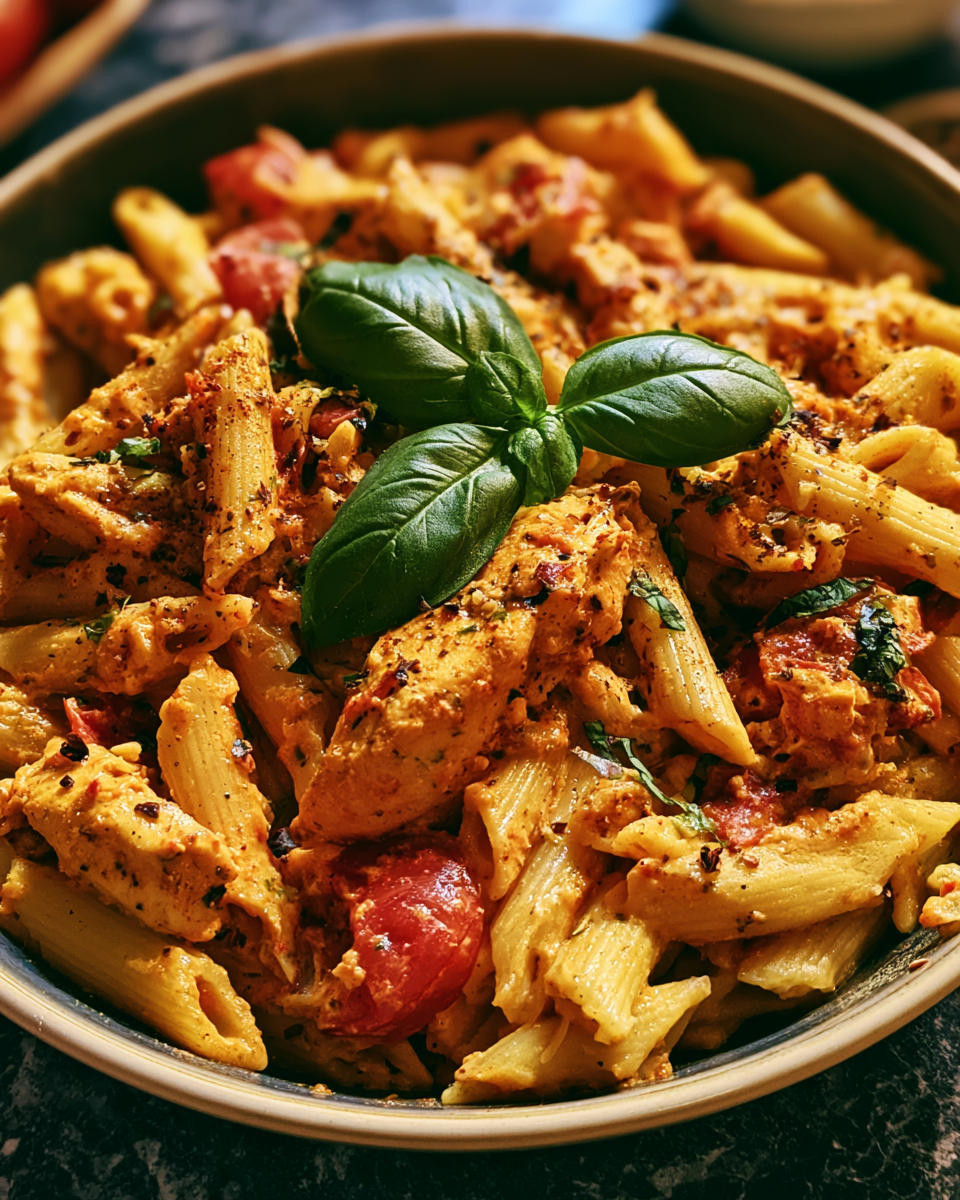
Creamy Chicken Pomodoro Pasta: 7 Simple Happy Plates

Creamy Chicken Pomodoro Pasta: 7 Simple Happy Plates

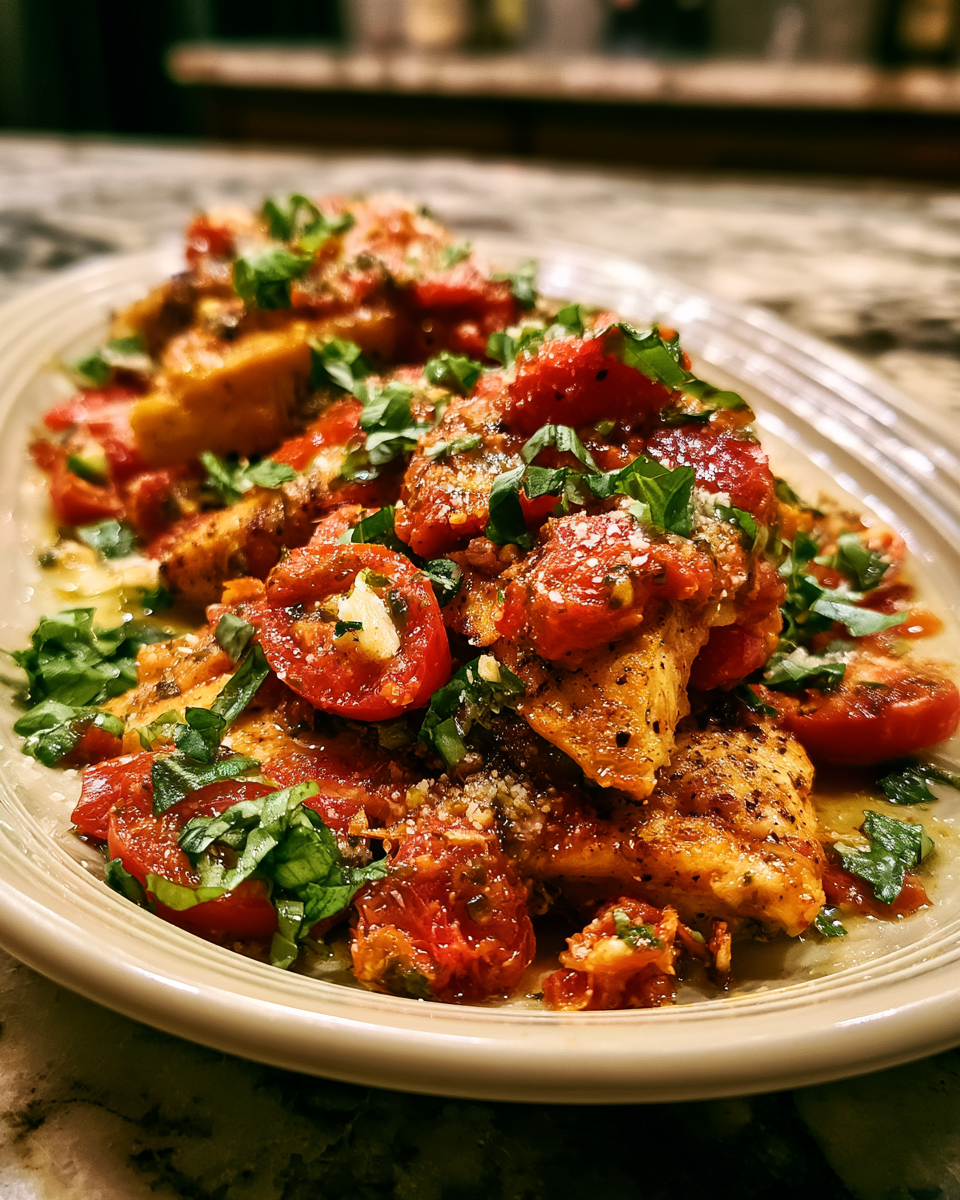
Chicken Pomodoro with Fresh Basil: 5 Authentic Cozy

Chicken Pomodoro with Fresh Basil: 5 Authentic Cozy

Tags:

You might also like these recipes

Leave a Comment