Garlic Parmesan Chicken Skillet: 5 Authentic Cozy

Posted on

Uncategorized

Difficulty

Prep time

Cooking time

Total time

Servings

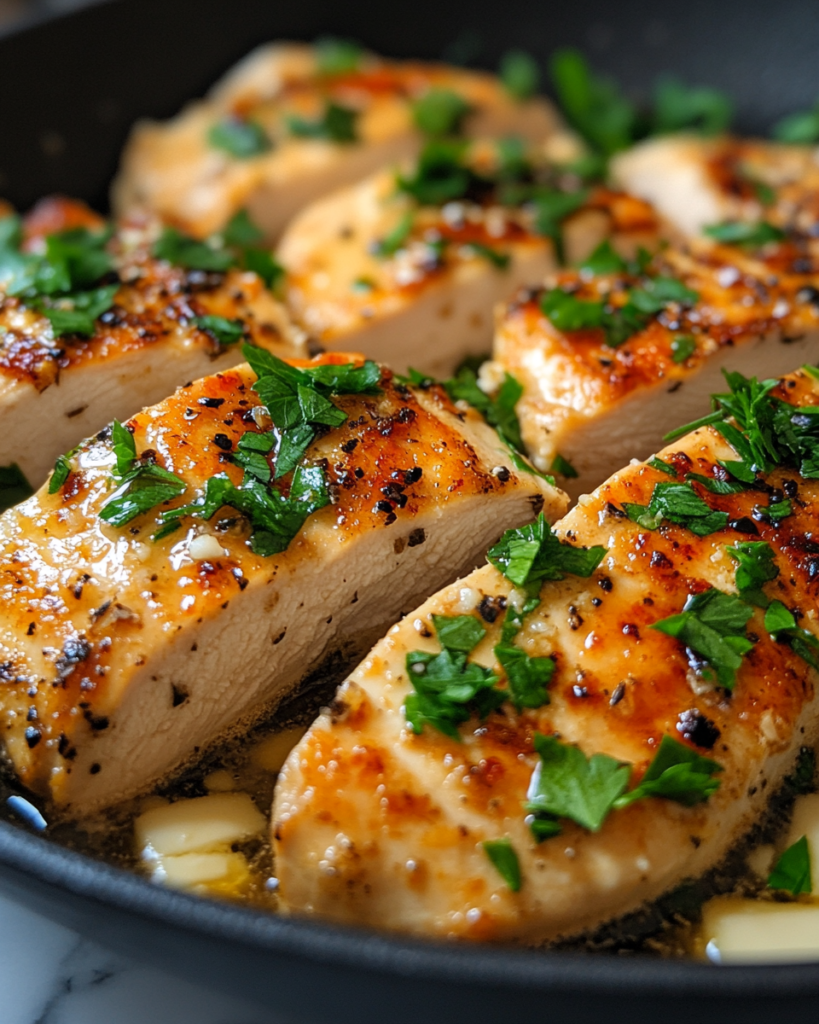
Garlic Parmesan Chicken Skillet is a comforting dinner built from simple kitchen staples and cooked in a single pan. Tender chicken, aromatic garlic, a creamy parmesan finish, and a rich pan sauce come together into a meal that feels satisfying without requiring complicated steps.

This dish works well for busy evenings, casual family meals, or a relaxed weekend dinner. The skillet method creates flavorful browned bits on the bottom of the pan, which blend into the sauce and give the finished dish depth and balance.

Ingredients Overview
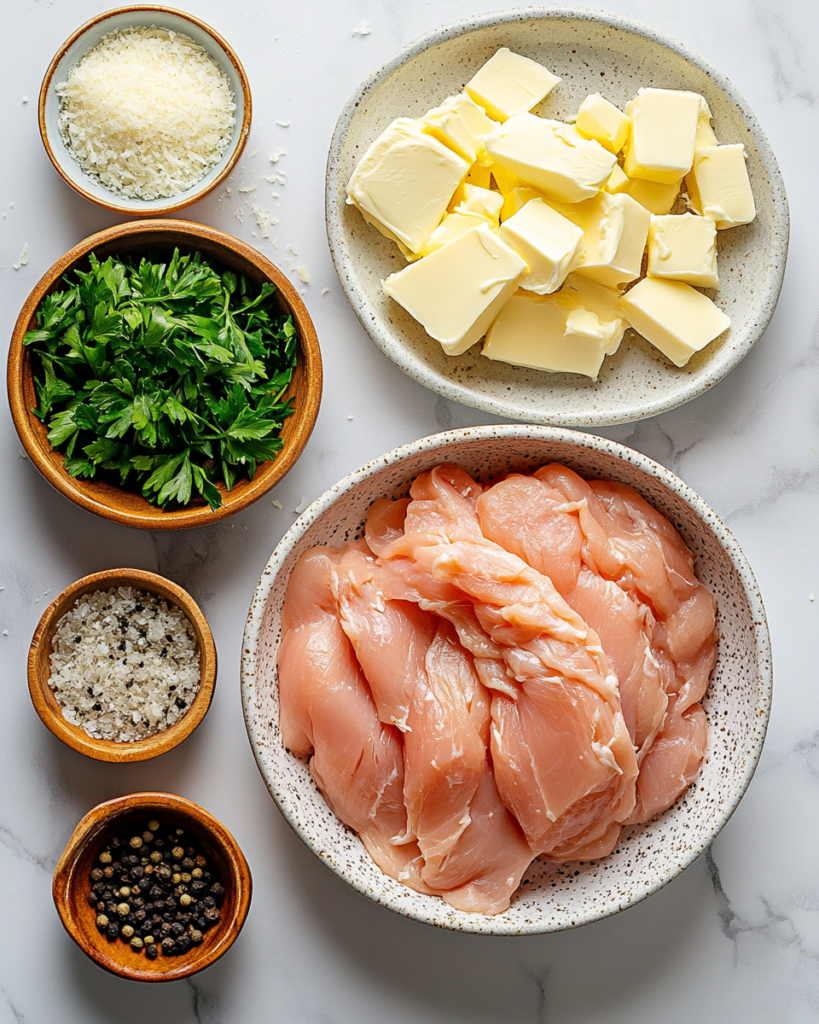
The success of Garlic Parmesan Chicken Skillet comes from a short ingredient list that works in layers. Chicken serves as the hearty base of the meal. Boneless skinless chicken breasts are common because they cook evenly and slice neatly, though chicken thighs also work and stay slightly richer.

Garlic is central to the recipe. Fresh cloves create a mellow aroma after cooking and blend naturally into the creamy sauce. Pre-minced garlic can be used if needed, although fresh usually gives a fuller flavor.

Parmesan cheese adds saltiness, body, and a nutty finish. Freshly grated parmesan melts more smoothly than packaged shredded varieties and helps create a velvety texture.

Heavy cream gives the sauce its silky consistency. A lighter option such as half-and-half may be used, though the sauce will be thinner. Chicken broth loosens the mixture and keeps the dish from feeling overly rich.

Butter and olive oil work together during cooking. Oil helps prevent burning while butter contributes depth and color.

Seasonings stay straightforward: salt, black pepper, Italian seasoning, and a small amount of paprika. Paprika contributes gentle color without dominating the dish.

Fresh parsley finishes the skillet with brightness. If parsley is unavailable, chopped chives or a small amount of fresh basil can be added.

Ingredients

2 large boneless skinless chicken breasts

1 teaspoon salt

1/2 teaspoon black pepper

1 teaspoon Italian seasoning

1/2 teaspoon paprika

2 tablespoons olive oil

1 tablespoon unsalted butter

5 garlic cloves, minced

1 cup chicken broth

3/4 cup heavy cream

1 cup freshly grated parmesan cheese

1 tablespoon cream cheese

2 tablespoons chopped fresh parsley

Extra parmesan for serving

Step-by-Step Instructions
Begin by slicing each chicken breast horizontally into thinner cutlets. Pat them dry with paper towels so the surface browns properly. Season both sides with salt, pepper, Italian seasoning, and paprika.

Place a large skillet over medium heat. Add olive oil and allow it to warm for about a minute. Lay the chicken into the pan without overcrowding. Cook for 5 to 6 minutes on the first side until golden.

Turn the chicken and cook another 4 to 5 minutes. Internal temperature should reach 165°F. Transfer the cooked chicken to a plate and keep it loosely covered.

Reduce heat to medium-low and add butter to the same skillet. Stir in the minced garlic and cook for about 30 seconds. Avoid letting the garlic darken because it can become bitter.

Pour in the chicken broth and scrape the bottom of the skillet using a wooden spoon. This releases flavorful browned bits and builds the sauce.

Add heavy cream and stir until combined. Bring the mixture to a gentle simmer rather than a full boil. Stir in cream cheese until smooth.

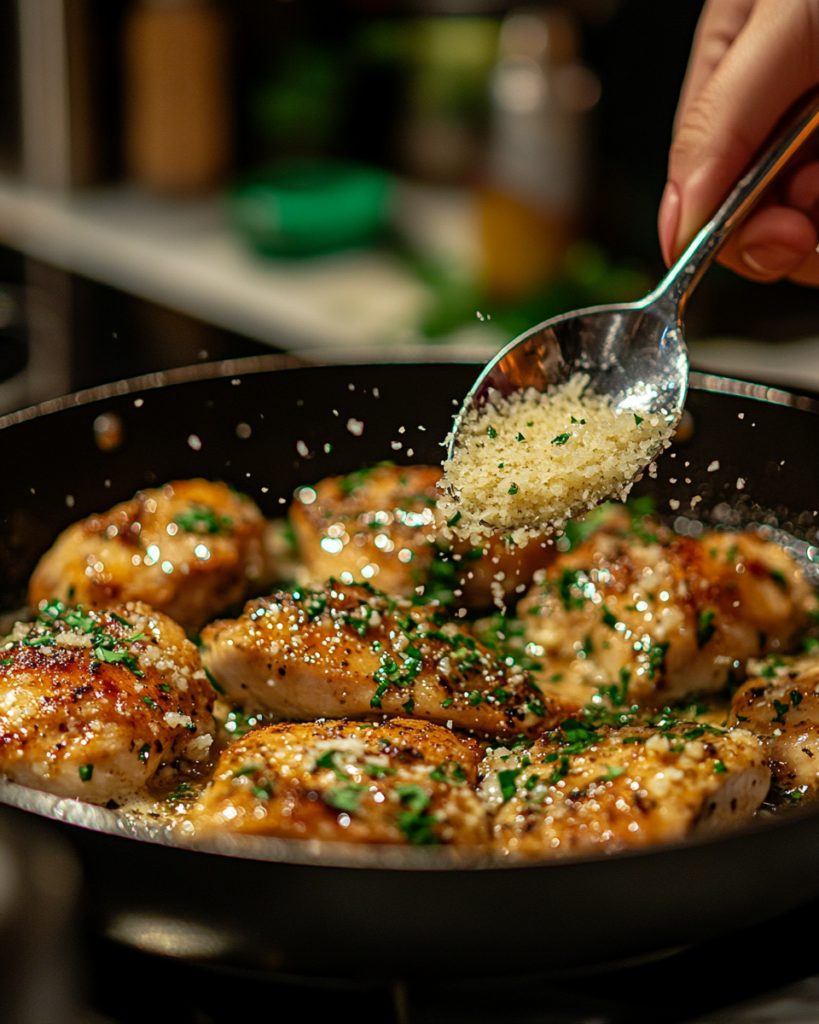
Gradually add grated parmesan while stirring continuously. The cheese should melt into the sauce and create a creamy consistency. If the sauce becomes too thick, add a splash of broth.

Return the chicken to the skillet and spoon sauce over each piece. Simmer for another 2 to 3 minutes so the flavors blend.

Scatter chopped parsley across the top and finish with additional parmesan if desired.

A common mistake is overheating the sauce after adding cheese. High heat can cause separation and graininess. Another issue is adding wet chicken directly to the skillet, which reduces browning.

Serve immediately while the sauce remains smooth and glossy.

Tips, Variations & Substitutions

For deeper flavor, season the chicken about twenty minutes before cooking. This gives the seasoning time to settle into the meat.

Chicken thighs can replace chicken breasts with no major changes to the method. Cooking time may increase slightly depending on thickness.

For additional texture, sauté sliced mushrooms after removing the chicken and add them back with the sauce. Fresh spinach can also be stirred in during the final minutes.

A lower-dairy version can use evaporated milk instead of heavy cream, although the sauce will feel lighter. Dairy-free parmesan alternatives may work, though texture varies.

If a thicker sauce is preferred, simmer for an extra minute before returning the chicken. For a thinner sauce suitable for pasta, add extra broth.

This skillet pairs naturally with cooked pasta, rice, mashed potatoes, or roasted vegetables.

Leftovers keep well in a sealed container for up to three days. Reheat slowly on the stove with a splash of broth or cream.

Serving Ideas & Occasions

Garlic Parmesan Chicken Skillet fits comfortably into weeknight dinners while still feeling suitable for guests. The rich sauce pairs especially well with buttery mashed potatoes, steamed green beans, roasted broccoli, or warm bread.

For a lighter meal, serve the chicken beside a crisp green salad with a mild vinaigrette. Rice and pasta also absorb the sauce beautifully.

Cold sparkling water with lemon, unsweetened iced tea, or a mild white wine can complement the creamy flavors.

This recipe suits family gatherings, relaxed dinner parties, and meal preparation for the week ahead. Since everything cooks in one skillet, cleanup stays manageable even after a busy day.

Nutritional & Health Notes

Garlic Parmesan Chicken Skillet offers a balanced mix of protein and satisfying fats. Chicken provides substantial protein that supports fullness and helps create a hearty meal.

The cream and parmesan contribute richness and body while also adding calcium. Because cheese and broth contain sodium, seasoning should be adjusted to personal preference.

Serving the chicken with vegetables increases fiber and creates a more balanced plate. Roasted vegetables, sautéed greens, or a salad pair especially well.

Portion size matters because creamy sauces can become filling quickly. A moderate serving with a vegetable side often creates a comfortable meal without feeling overly heavy.

FAQs

Can I prepare Garlic Parmesan Chicken Skillet ahead of time?

Yes. Cook the chicken and sauce fully, then cool and refrigerate. Store in a sealed container for up to three days. Reheat slowly in a skillet over low heat with a small splash of broth or cream to restore the sauce texture. Avoid rapid reheating because dairy sauces can separate. If preparing ahead for guests, keep the chicken and sauce separate and combine them during reheating for a fresher result.

Can I freeze this dish?

Freezing is possible, though creamy sauces can change texture after thawing. Freeze cooled chicken and sauce in an airtight container for up to two months. Thaw overnight in the refrigerator before reheating. Stir gently while warming and add a small amount of cream or broth if the sauce appears thick or uneven.

What vegetables work well in the skillet?

Mushrooms, spinach, zucchini, and broccoli fit naturally into this recipe. Mushrooms should cook first to release moisture. Leafy vegetables can be added during the final few minutes. Vegetables bring freshness and balance to the creamy sauce while keeping the meal satisfying.

Can I use pre-shredded parmesan?

You can, though freshly grated parmesan usually melts more smoothly. Packaged shredded cheese often contains anti-caking ingredients that may leave the sauce less silky. If using packaged cheese, add it gradually and stir thoroughly between additions.

How do I keep the chicken juicy?

Thin, even cutlets cook more consistently than thick pieces. Avoid overcrowding the skillet and remove the chicken as soon as it reaches 165°F. Resting the chicken briefly before returning it to the sauce also helps maintain moisture.

Can this recipe be served over pasta?

Yes. Garlic Parmesan Chicken Skillet pairs very well with fettuccine, linguine, penne, or egg noodles. If serving with pasta, slightly loosen the sauce using additional broth so it coats the noodles evenly rather than becoming too thick.

What if my sauce turns grainy?

Grainy sauce usually happens when cheese is added over high heat. Lower the temperature before stirring in parmesan and add it gradually. Stir continuously and avoid boiling once the cheese has melted. A spoonful of cream can help smooth the texture if needed.

[rank_math_breadcrumb]

Garlic Parmesan Chicken Skillet: 5 Authentic Cozy

Photo of author
Author: liv
Published:

Garlic Parmesan Chicken Skillet is a comforting dinner built from simple kitchen staples and cooked in a single pan. Tender chicken, aromatic garlic, a creamy parmesan finish, and a rich pan sauce come together into a meal that feels satisfying without requiring complicated steps.

This dish works well for busy evenings, casual family meals, or a relaxed weekend dinner. The skillet method creates flavorful browned bits on the bottom of the pan, which blend into the sauce and give the finished dish depth and balance.

Ingredients Overview

The success of Garlic Parmesan Chicken Skillet comes from a short ingredient list that works in layers. Chicken serves as the hearty base of the meal. Boneless skinless chicken breasts are common because they cook evenly and slice neatly, though chicken thighs also work and stay slightly richer.

Garlic is central to the recipe. Fresh cloves create a mellow aroma after cooking and blend naturally into the creamy sauce. Pre-minced garlic can be used if needed, although fresh usually gives a fuller flavor.

Parmesan cheese adds saltiness, body, and a nutty finish. Freshly grated parmesan melts more smoothly than packaged shredded varieties and helps create a velvety texture.

Heavy cream gives the sauce its silky consistency. A lighter option such as half-and-half may be used, though the sauce will be thinner. Chicken broth loosens the mixture and keeps the dish from feeling overly rich.

Butter and olive oil work together during cooking. Oil helps prevent burning while butter contributes depth and color.

Seasonings stay straightforward: salt, black pepper, Italian seasoning, and a small amount of paprika. Paprika contributes gentle color without dominating the dish.

Fresh parsley finishes the skillet with brightness. If parsley is unavailable, chopped chives or a small amount of fresh basil can be added.

Ingredients

2 large boneless skinless chicken breasts

1 teaspoon salt

1/2 teaspoon black pepper

1 teaspoon Italian seasoning

1/2 teaspoon paprika

2 tablespoons olive oil

1 tablespoon unsalted butter

5 garlic cloves, minced

1 cup chicken broth

3/4 cup heavy cream

1 cup freshly grated parmesan cheese

1 tablespoon cream cheese

2 tablespoons chopped fresh parsley

Extra parmesan for serving

Step-by-Step Instructions

Begin by slicing each chicken breast horizontally into thinner cutlets. Pat them dry with paper towels so the surface browns properly. Season both sides with salt, pepper, Italian seasoning, and paprika.

Place a large skillet over medium heat. Add olive oil and allow it to warm for about a minute. Lay the chicken into the pan without overcrowding. Cook for 5 to 6 minutes on the first side until golden.

Turn the chicken and cook another 4 to 5 minutes. Internal temperature should reach 165°F. Transfer the cooked chicken to a plate and keep it loosely covered.

Reduce heat to medium-low and add butter to the same skillet. Stir in the minced garlic and cook for about 30 seconds. Avoid letting the garlic darken because it can become bitter.

Pour in the chicken broth and scrape the bottom of the skillet using a wooden spoon. This releases flavorful browned bits and builds the sauce.

Add heavy cream and stir until combined. Bring the mixture to a gentle simmer rather than a full boil. Stir in cream cheese until smooth.

Gradually add grated parmesan while stirring continuously. The cheese should melt into the sauce and create a creamy consistency. If the sauce becomes too thick, add a splash of broth.

Return the chicken to the skillet and spoon sauce over each piece. Simmer for another 2 to 3 minutes so the flavors blend.

Scatter chopped parsley across the top and finish with additional parmesan if desired.

A common mistake is overheating the sauce after adding cheese. High heat can cause separation and graininess. Another issue is adding wet chicken directly to the skillet, which reduces browning.

Serve immediately while the sauce remains smooth and glossy.

Tips, Variations & Substitutions

For deeper flavor, season the chicken about twenty minutes before cooking. This gives the seasoning time to settle into the meat.

Chicken thighs can replace chicken breasts with no major changes to the method. Cooking time may increase slightly depending on thickness.

For additional texture, sauté sliced mushrooms after removing the chicken and add them back with the sauce. Fresh spinach can also be stirred in during the final minutes.

A lower-dairy version can use evaporated milk instead of heavy cream, although the sauce will feel lighter. Dairy-free parmesan alternatives may work, though texture varies.

If a thicker sauce is preferred, simmer for an extra minute before returning the chicken. For a thinner sauce suitable for pasta, add extra broth.

This skillet pairs naturally with cooked pasta, rice, mashed potatoes, or roasted vegetables.

Leftovers keep well in a sealed container for up to three days. Reheat slowly on the stove with a splash of broth or cream.

Serving Ideas & Occasions

Garlic Parmesan Chicken Skillet fits comfortably into weeknight dinners while still feeling suitable for guests. The rich sauce pairs especially well with buttery mashed potatoes, steamed green beans, roasted broccoli, or warm bread.

For a lighter meal, serve the chicken beside a crisp green salad with a mild vinaigrette. Rice and pasta also absorb the sauce beautifully.

Cold sparkling water with lemon, unsweetened iced tea, or a mild white wine can complement the creamy flavors.

This recipe suits family gatherings, relaxed dinner parties, and meal preparation for the week ahead. Since everything cooks in one skillet, cleanup stays manageable even after a busy day.

Nutritional & Health Notes

Garlic Parmesan Chicken Skillet offers a balanced mix of protein and satisfying fats. Chicken provides substantial protein that supports fullness and helps create a hearty meal.

The cream and parmesan contribute richness and body while also adding calcium. Because cheese and broth contain sodium, seasoning should be adjusted to personal preference.

Serving the chicken with vegetables increases fiber and creates a more balanced plate. Roasted vegetables, sautéed greens, or a salad pair especially well.

Portion size matters because creamy sauces can become filling quickly. A moderate serving with a vegetable side often creates a comfortable meal without feeling overly heavy.

FAQs

Can I prepare Garlic Parmesan Chicken Skillet ahead of time?

Yes. Cook the chicken and sauce fully, then cool and refrigerate. Store in a sealed container for up to three days. Reheat slowly in a skillet over low heat with a small splash of broth or cream to restore the sauce texture. Avoid rapid reheating because dairy sauces can separate. If preparing ahead for guests, keep the chicken and sauce separate and combine them during reheating for a fresher result.

Can I freeze this dish?

Freezing is possible, though creamy sauces can change texture after thawing. Freeze cooled chicken and sauce in an airtight container for up to two months. Thaw overnight in the refrigerator before reheating. Stir gently while warming and add a small amount of cream or broth if the sauce appears thick or uneven.

What vegetables work well in the skillet?

Mushrooms, spinach, zucchini, and broccoli fit naturally into this recipe. Mushrooms should cook first to release moisture. Leafy vegetables can be added during the final few minutes. Vegetables bring freshness and balance to the creamy sauce while keeping the meal satisfying.

Can I use pre-shredded parmesan?

You can, though freshly grated parmesan usually melts more smoothly. Packaged shredded cheese often contains anti-caking ingredients that may leave the sauce less silky. If using packaged cheese, add it gradually and stir thoroughly between additions.

How do I keep the chicken juicy?

Thin, even cutlets cook more consistently than thick pieces. Avoid overcrowding the skillet and remove the chicken as soon as it reaches 165°F. Resting the chicken briefly before returning it to the sauce also helps maintain moisture.

Can this recipe be served over pasta?

Yes. Garlic Parmesan Chicken Skillet pairs very well with fettuccine, linguine, penne, or egg noodles. If serving with pasta, slightly loosen the sauce using additional broth so it coats the noodles evenly rather than becoming too thick.

What if my sauce turns grainy?

Grainy sauce usually happens when cheese is added over high heat. Lower the temperature before stirring in parmesan and add it gradually. Stir continuously and avoid boiling once the cheese has melted. A spoonful of cream can help smooth the texture if needed.
Name

Lorem ipsum dolor sit amet, consectetur adipiscing elit. Suspendisse varius enim in eros elementum tristique. Duis cursus, mi quis viverra ornare, eros dolor interdum nulla, ut commodo diam libero vitae erat.

You Might Also Like...

Chicken Zucchini Stir Fry: 30-Minute Simple Comforting

Chicken Zucchini Stir Fry: 30-Minute Simple Comforting

Chicken Pomodoro Rice Bowl: 5 Authentic Hope Flavors

Chicken Pomodoro Rice Bowl: 5 Authentic Hope Flavors

Creamy Chicken Pomodoro Pasta: 7 Simple Happy Plates

Creamy Chicken Pomodoro Pasta: 7 Simple Happy Plates

Chicken Pomodoro with Fresh Basil: 5 Authentic Cozy

Chicken Pomodoro with Fresh Basil: 5 Authentic Cozy

Tags:

You might also like these recipes

Leave a Comment