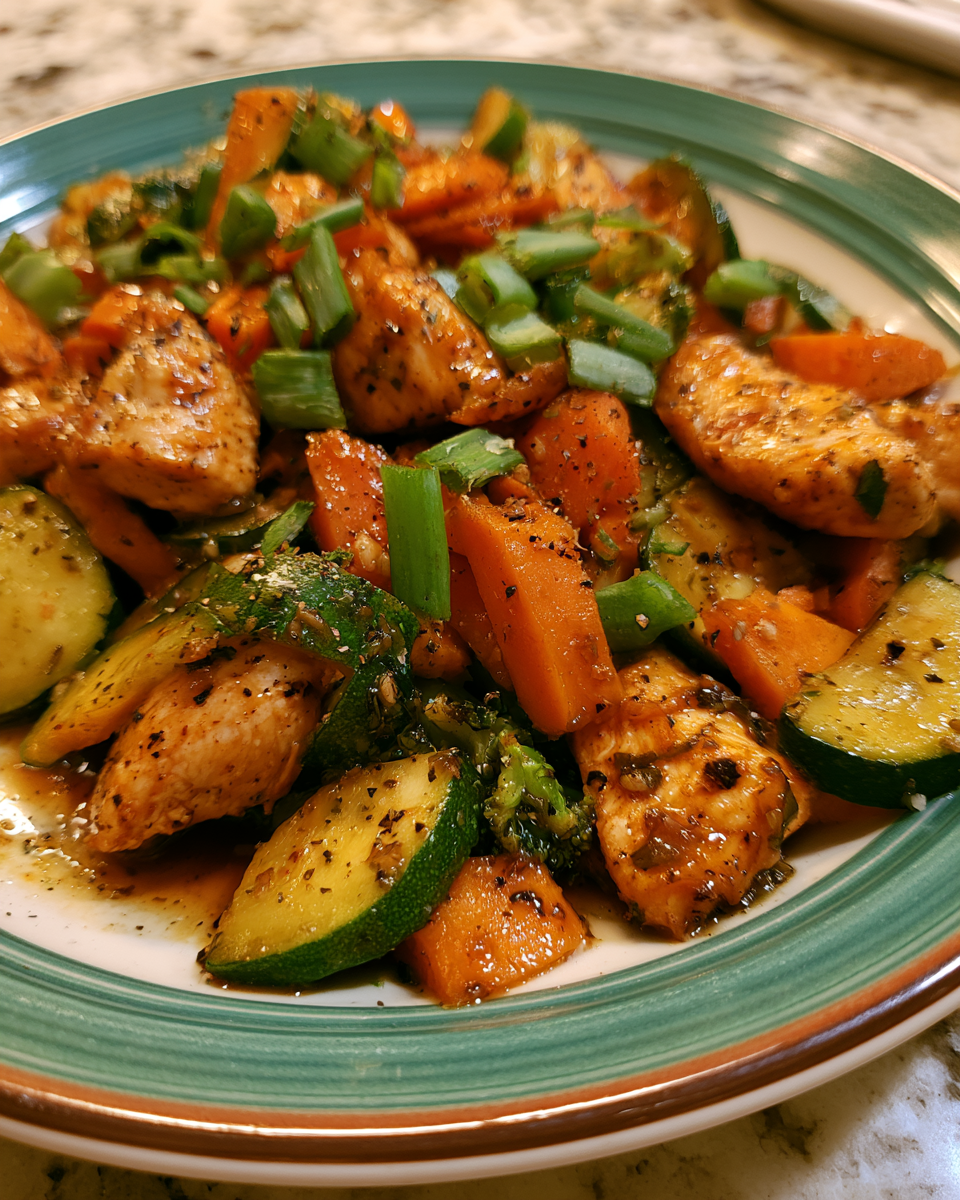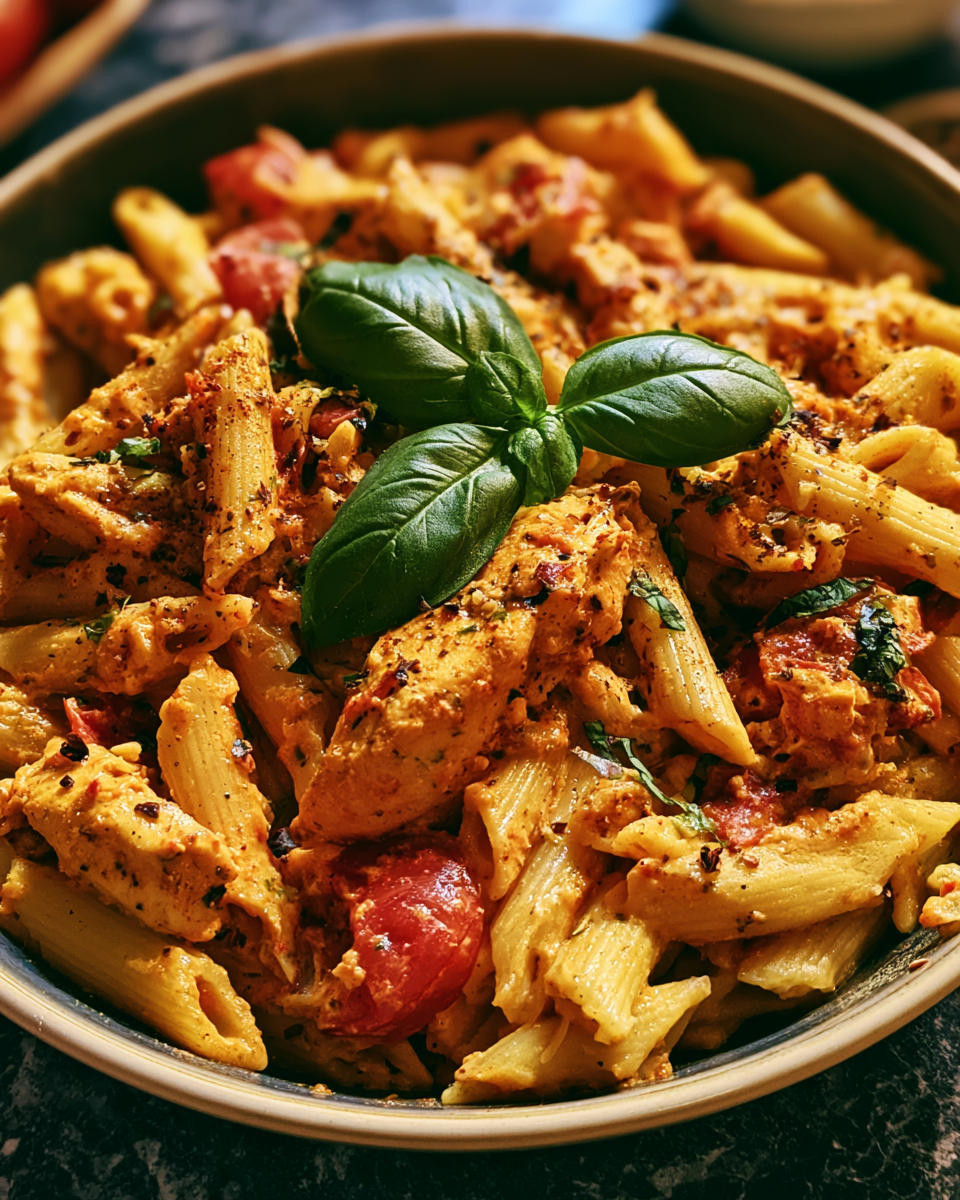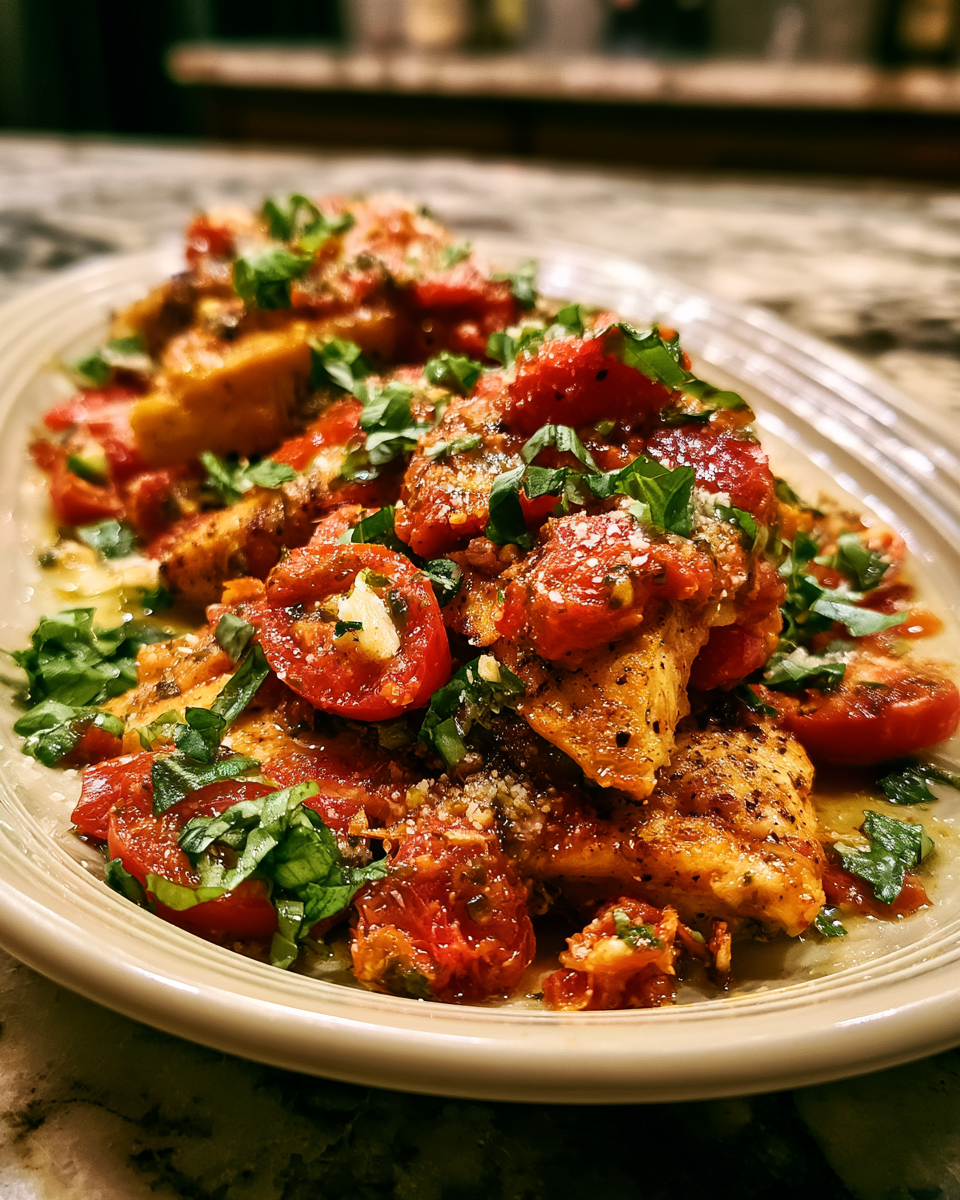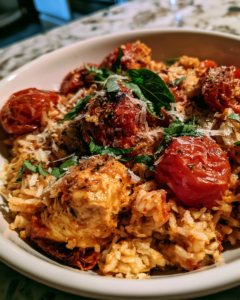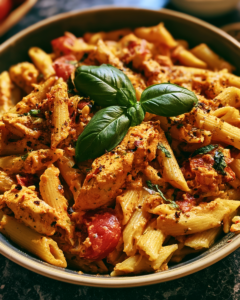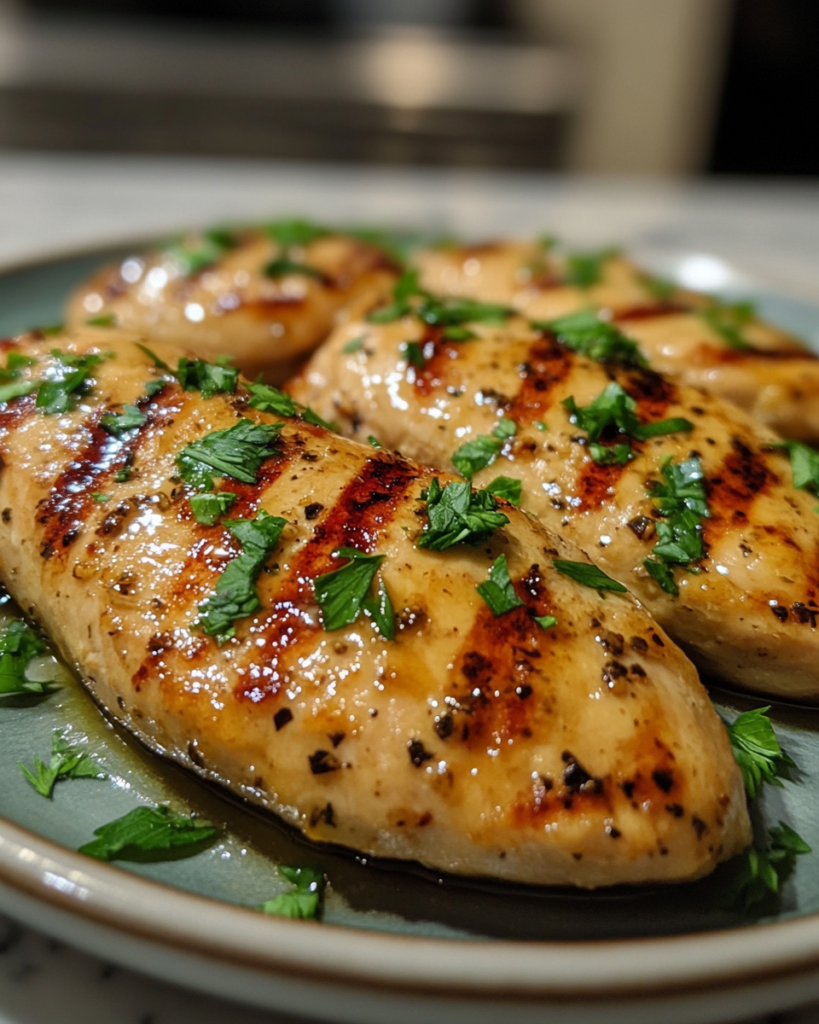
Honey Garlic Chicken Breast brings together tender chicken, gentle sweetness from honey, and the deep savory character of garlic in a simple skillet meal that feels right at home on both busy evenings and relaxed family dinners. The sauce lightly coats each piece, creating glossy chicken with balanced flavor and a soft caramel finish.
This recipe works because it relies on pantry staples and straightforward cooking. A quick sear creates color on the surface while the sauce reduces into a smooth glaze. The result is chicken that stays juicy inside while carrying rich garlic notes and subtle sweetness in every bite.
The dish pairs easily with rice, roasted vegetables, mashed potatoes, or fresh greens. It also stores well, which adds flexibility for meal preparation during the week.
Ingredients Overview
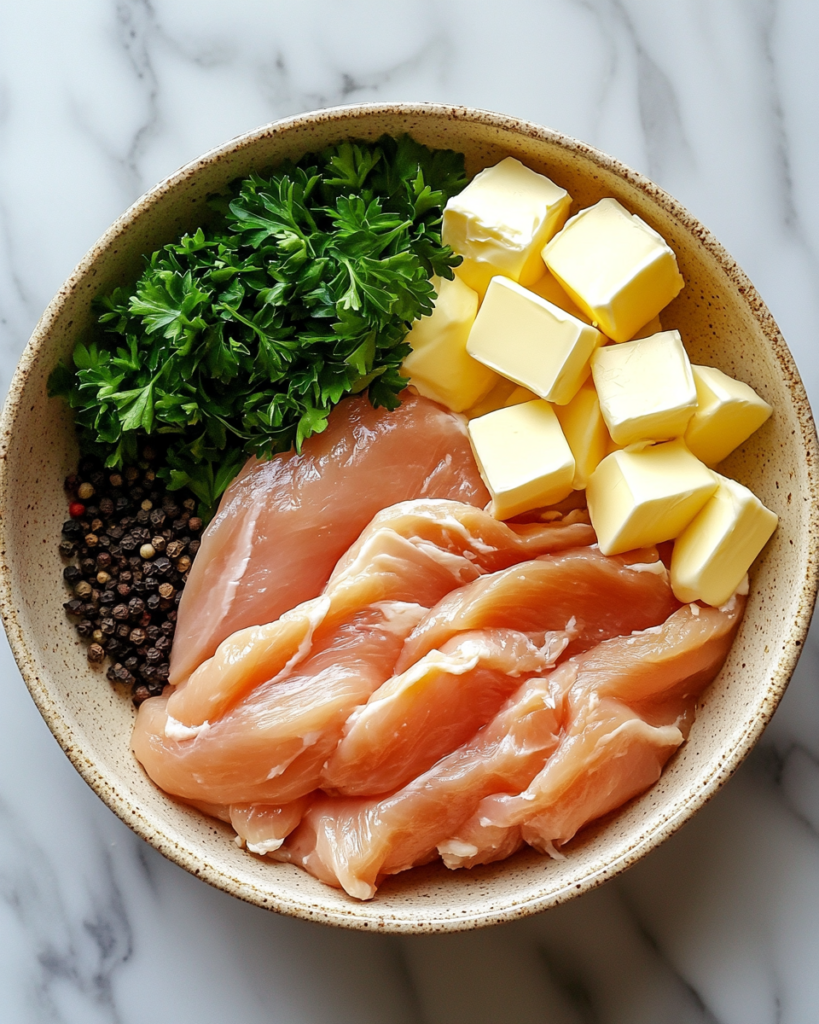
Honey Garlic Chicken Breast uses a short ingredient list, yet each ingredient plays an important role in the final dish.
Chicken breasts form the foundation of the recipe. Boneless skinless chicken breasts cook quickly and absorb flavor well. Choosing pieces of similar thickness helps them cook evenly and stay tender. If the breasts are thick, slicing them horizontally into cutlets supports even cooking.
Honey gives the sauce its signature gentle sweetness and helps create a glossy coating. During cooking, honey combines with the pan juices and develops light caramel notes without becoming overly sweet.
Fresh garlic provides the bold savory layer that defines the dish. Freshly minced cloves bring fuller flavor compared with jarred versions, though prepared garlic can still work in a pinch.
Soy sauce adds saltiness and depth while balancing the sweetness from the honey. Reduced-sodium soy sauce gives greater control over seasoning.
Chicken broth loosens the sauce and creates enough liquid for simmering. A small amount of vinegar adds brightness and balances richness.
Olive oil helps create color during the initial sear, and a touch of butter rounds out the sauce with a smooth finish.
Cornstarch creates a light coating on the chicken and contributes to a slightly thicker glaze. For a gluten-free version, use certified gluten-free cornstarch and tamari instead of standard soy sauce.
Fresh parsley offers color and a clean finish before serving.
Ingredients
4 boneless skinless chicken breasts (about 2 pounds)
1 teaspoon salt
1/2 teaspoon black pepper
3 tablespoons cornstarch
2 tablespoons olive oil
5 cloves garlic, minced
1/3 cup honey
1/4 cup reduced-sodium soy sauce
1/2 cup chicken broth
1 tablespoon apple cider vinegar
1 tablespoon unsalted butter
2 tablespoons chopped fresh parsley
Step-by-Step Instructions
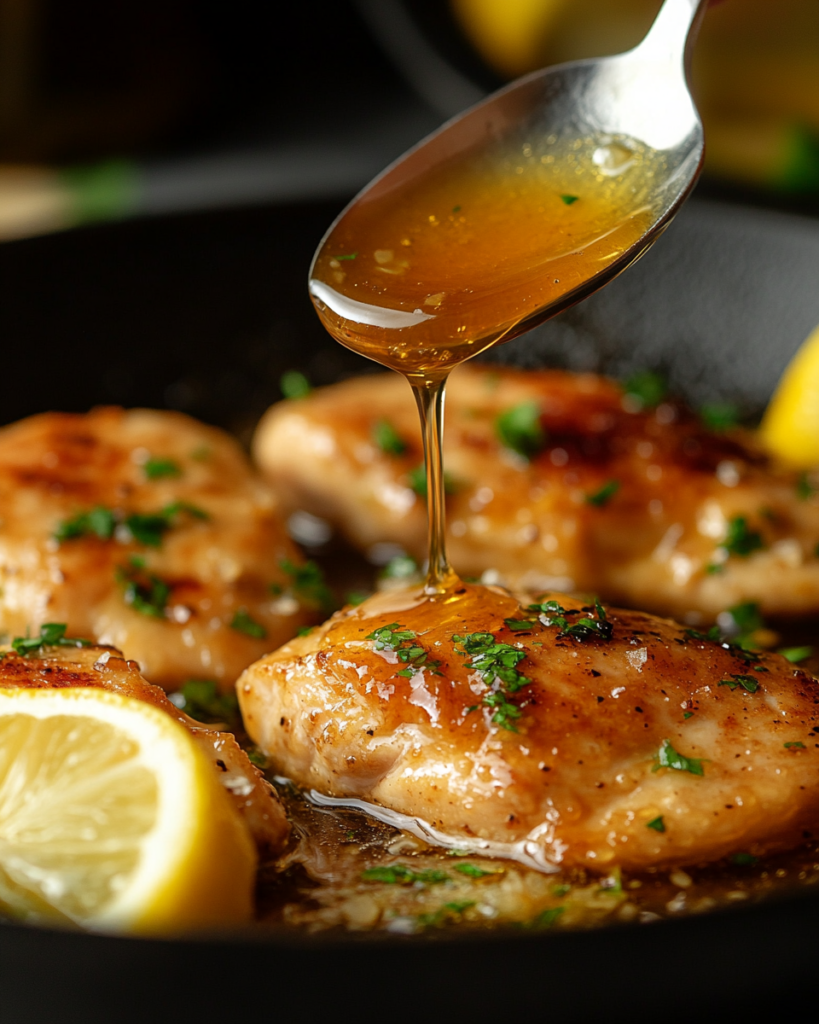
Begin by preparing the chicken. Pat the chicken breasts dry with paper towels. Dry surfaces brown more effectively and create a richer pan flavor. If the breasts are very thick, slice them into thinner cutlets so the center cooks at the same rate as the edges.
Season both sides with salt and black pepper. Sprinkle the cornstarch over the chicken and lightly coat each piece. Shake off any excess rather than leaving heavy patches.
Place a large skillet over medium-high heat and add olive oil. Once the oil appears glossy, arrange the chicken in a single layer. Avoid overcrowding because trapped steam reduces browning.
Cook the chicken for about 5–6 minutes on the first side without moving it too often. Turn and continue cooking for another 4–5 minutes. The outside should appear lightly golden while the interior approaches full doneness.
Transfer the chicken to a plate.
Reduce the heat to medium. Add the minced garlic directly to the skillet. Stir constantly for about 30 seconds until fragrant. Garlic cooks quickly and can turn bitter if left too long.
Pour in the honey, soy sauce, chicken broth, and apple cider vinegar. Stir and scrape the pan surface to lift the browned bits left from the chicken. Bring the mixture to a gentle simmer.
Allow the sauce to cook for 3–5 minutes until slightly reduced. Stir in the butter until fully melted.
Return the chicken to the skillet along with any collected juices. Spoon the sauce over the top and cook for another 3–4 minutes. The internal temperature should reach 165°F (74°C).
Watch for visual signs of doneness. The sauce should lightly cling to the chicken rather than run thinly across the pan. The chicken should feel firm but still juicy when sliced.
If the sauce thickens too quickly, add a splash of broth. If it remains too thin, simmer slightly longer.
Scatter chopped parsley over the finished dish and serve immediately.
Tips, Variations & Substitutions
Thin chicken cutlets cook more evenly and reduce the chance of dry edges. If only large breasts are available, slicing them before cooking gives a more tender result.
For extra garlic character, stir in one additional clove during the final minute instead of cooking all the garlic at the beginning.
Chicken thighs can replace chicken breasts and provide a slightly richer texture. Cooking time may increase depending on thickness.
For a lighter version, reduce the honey slightly and use less butter. The sauce still remains flavorful with modest adjustments.
Add gentle warmth with a pinch of red pepper flakes or a small amount of chili paste.
Tamari works well in place of soy sauce for gluten-conscious cooking.
This recipe also adapts nicely for meal preparation. Slice the cooked chicken and store with extra sauce so the meat stays moist during reheating.
If reheating later, warm the chicken slowly in a covered skillet with a spoonful of broth rather than prolonged microwave heating.
Serving Ideas & Occasions
Honey Garlic Chicken Breast fits naturally into many meal settings. For everyday dinners, serve it with steamed jasmine rice and roasted broccoli. The sauce settles beautifully over grains and vegetables.
For a slightly richer plate, pair it with mashed potatoes and sautéed green beans. A crisp salad with a light vinaigrette balances the sweetness of the glaze.
This dish also works for casual gatherings because it stays attractive on a serving platter and can be prepared in advance.
For beverages, sparkling water with citrus, iced tea, or a lightly chilled white wine pair comfortably with the savory and sweet balance of the chicken.
During cooler months, serve alongside warm vegetables and rice. During warmer seasons, pair with fresh cucumber salad and lighter sides.
Nutritional & Health Notes
Honey Garlic Chicken Breast offers a balanced combination of lean protein and moderate carbohydrates from the sauce ingredients.
Chicken breast provides substantial protein while remaining lower in fat compared with darker cuts. Protein supports fullness and pairs well with vegetable-based sides.
Honey contributes sweetness along with quick energy, though portion size still matters if reducing sugar intake.
Using reduced-sodium soy sauce can lower overall salt content without changing the character of the dish significantly.
Olive oil contributes fats that support cooking and texture. Butter appears in a modest quantity and rounds out the sauce.
Serving this chicken with vegetables and whole grains creates a balanced plate that includes protein, fiber, and varied textures.
FAQs
Can I prepare Honey Garlic Chicken Breast ahead of time?
Yes. Honey Garlic Chicken Breast works very well as a prepare-ahead meal. Cook the chicken fully, cool it, and store it with the sauce in a sealed container. Keeping the sauce with the chicken helps preserve moisture during storage.
When reheating, place the chicken in a skillet over low heat with a spoonful of broth or water. Cover the pan briefly so gentle steam warms the center without drying the meat. Refrigerated leftovers are usually enjoyable for up to three days.
Can I bake the chicken instead of using a skillet?
Baking is a practical option. Season and coat the chicken lightly, place it in a baking dish, and bake at 400°F (204°C) until cooked through, usually around 20–25 minutes depending on thickness.
Prepare the sauce separately on the stovetop and spoon it over the baked chicken during the final few minutes. This method gives tender chicken while still producing the glossy honey garlic finish associated with the recipe.
Why did my sauce turn too thick?
Sauce thickness usually changes because of heat level, pan size, or cooking duration. Honey reduces quickly, especially in wide skillets.
If the sauce thickens too much, stir in additional broth a tablespoon at a time until it loosens. Lowering the heat once simmering begins also helps. Stirring regularly prevents concentrated areas from reducing too rapidly.
How do I keep chicken breast juicy?
Start with evenly sized pieces and avoid overcooking. Thin sections cook rapidly and benefit from close attention during the final minutes.
A quick sear followed by finishing in the sauce keeps moisture inside. Resting the chicken briefly before slicing also helps retain juices. Using an instant-read thermometer can support consistent results.
Can I freeze Honey Garlic Chicken Breast?
Yes. Allow the cooked chicken and sauce to cool fully before transferring to freezer-safe containers.
Freeze in individual portions for easier reheating later. Thaw overnight in the refrigerator and warm slowly on the stovetop with a small amount of broth. Texture remains pleasant, especially when the chicken stays coated in sauce.
What vegetables pair well with this dish?
Many vegetables pair nicely with the sweet and savory profile. Roasted carrots, broccoli, green beans, snap peas, and sautéed zucchini all complement the sauce.
Steamed vegetables work well when serving the chicken over rice. Crisp vegetables add contrast against the soft texture of the glazed chicken.
Can I use pre-minced garlic?
Pre-minced garlic can work when convenience matters, though fresh garlic generally provides fuller flavor and a more balanced finish.
If using prepared garlic, begin with a slightly smaller quantity since flavor intensity may differ across brands. Stir it briefly into the pan to avoid bitterness and preserve the clean garlic character of the sauce.