Chicken Pomodoro with Fresh Basil: 5 Authentic Cozy

Posted on

Uncategorized

Difficulty

Prep time

Cooking time

Total time

Servings

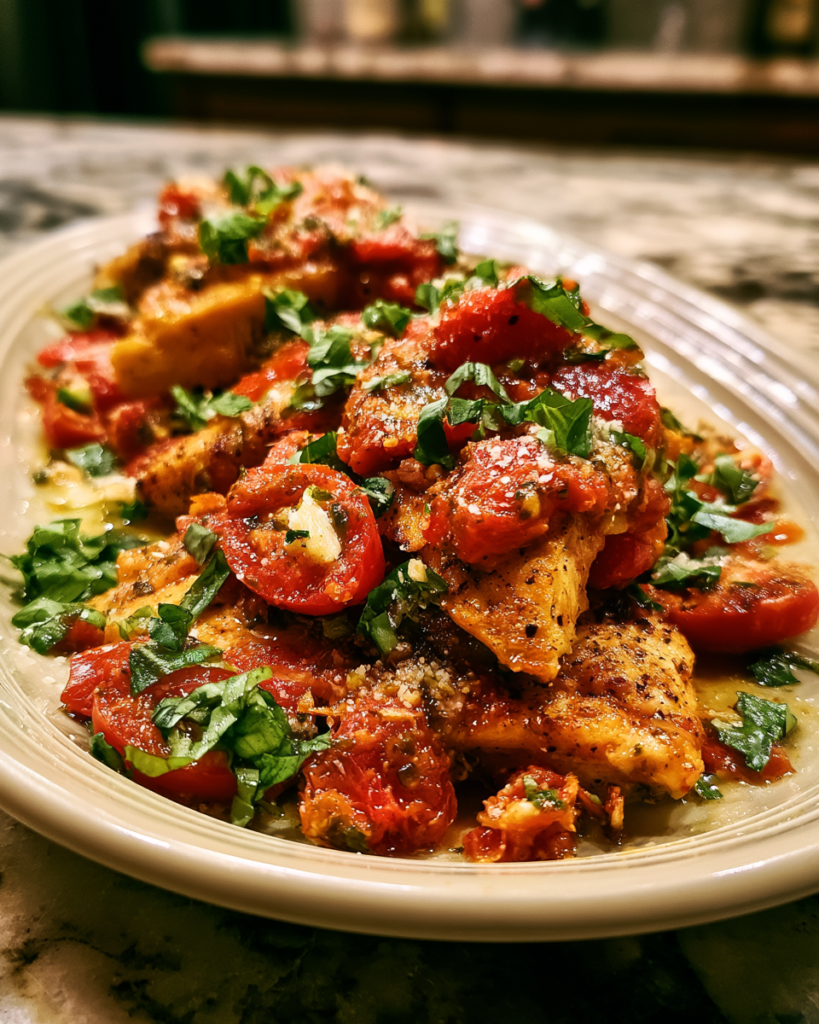
The current image has no alternative text. The file name is: madlok98_close_up_view_of_Chicken_Pomodoro_with_Fresh_Basil___a4b7c598-f079-4cd4-9d3c-e861e71382b6_2.png

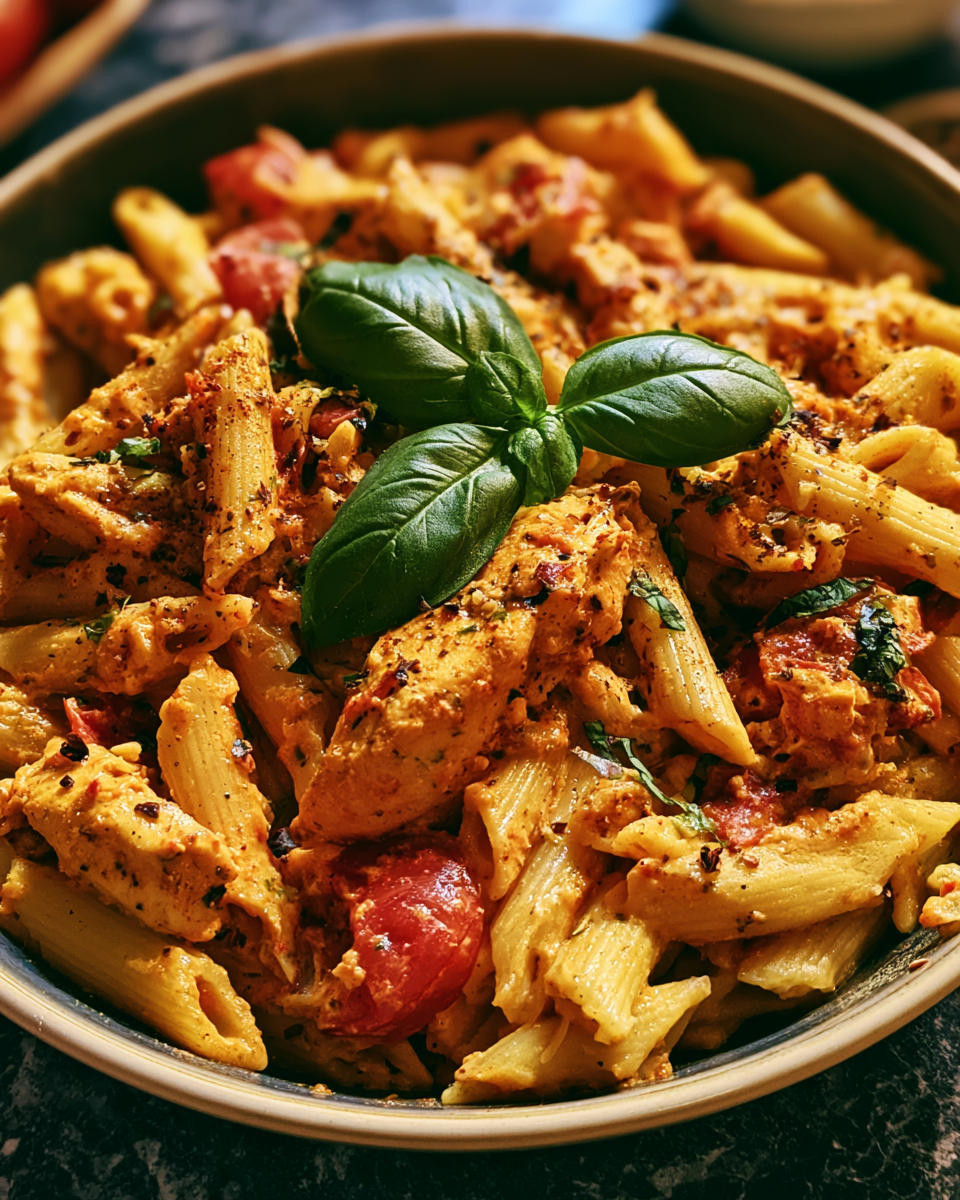
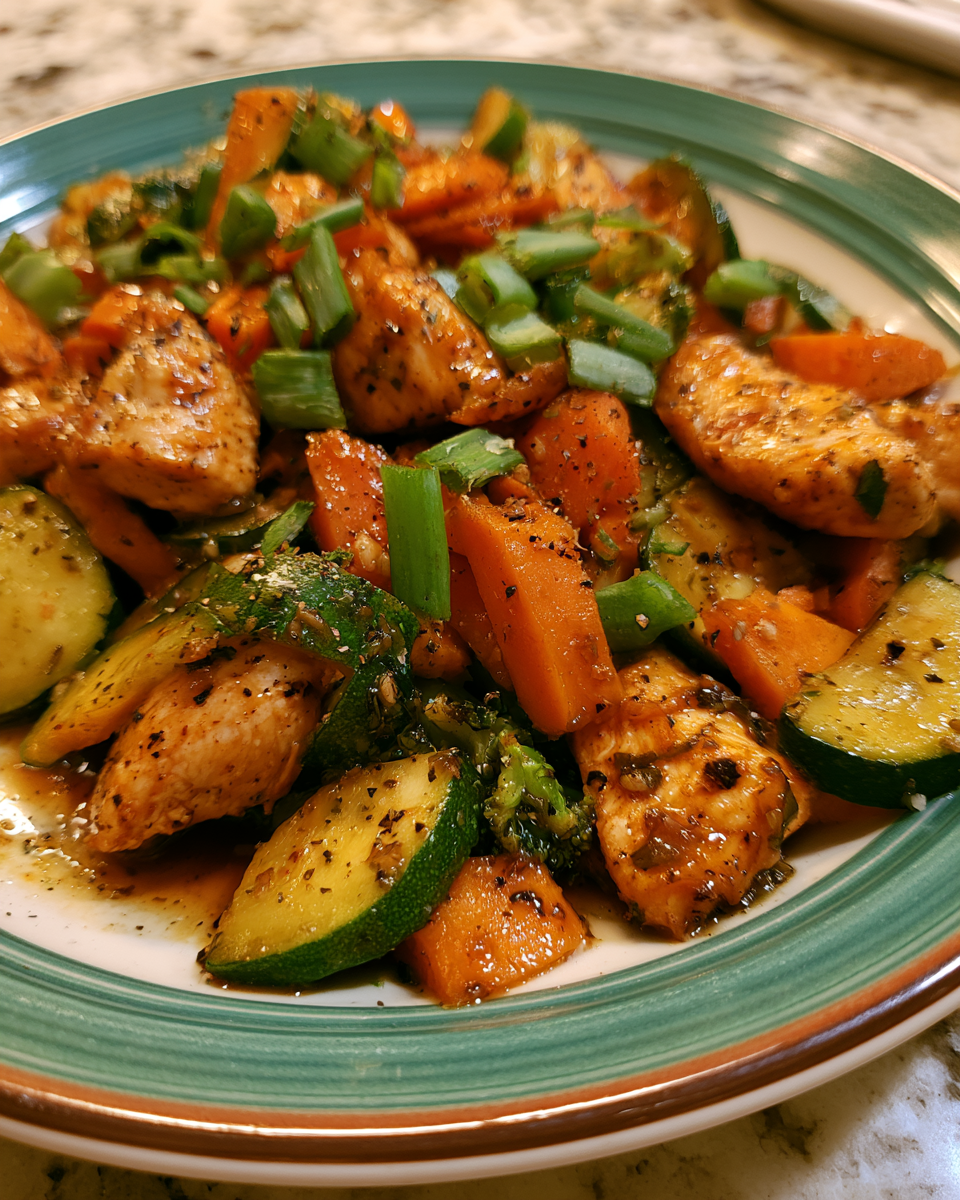
Chicken Pomodoro with Fresh Basil is a classic Italian-inspired meal centered around tender chicken, a bright tomato sauce, and fragrant basil leaves. This dish balances simple pantry ingredients with fresh flavor and creates a satisfying dinner that feels welcoming yet approachable for everyday cooking.

The sauce is light rather than heavy, allowing the chicken and basil to remain the focus. Ripe tomatoes simmer into a silky base while garlic and olive oil bring richness and depth. Fresh basil added near the end keeps the finished dish fragrant and lively.

Whether served for a family dinner, a quiet evening meal, or a casual gathering, this recipe offers a comforting plate that pairs beautifully with pasta, crusty bread, or vegetables.

Ingredients Overview
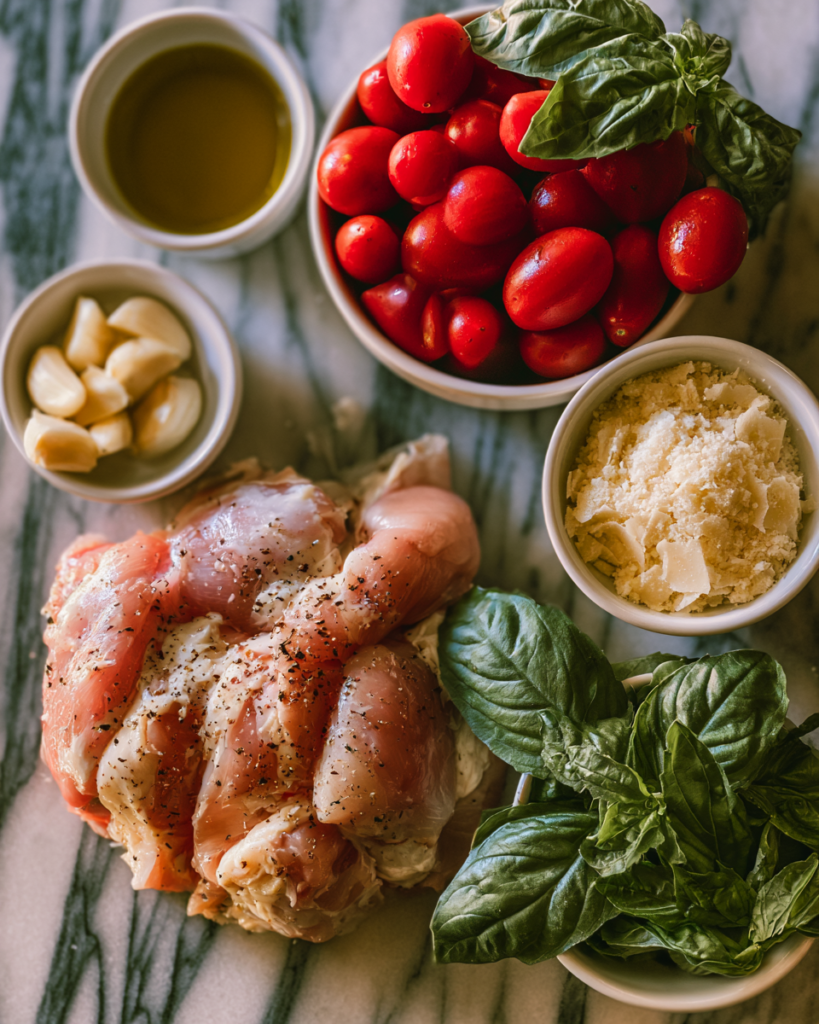
The character of Chicken Pomodoro with Fresh Basil comes from a short list of carefully chosen ingredients that work together naturally. Chicken breasts are often preferred because they cook quickly and absorb the sauce well, though boneless chicken thighs also create a slightly richer result with extra tenderness.

Tomatoes form the foundation of the pomodoro sauce. Fresh ripe Roma tomatoes produce a lighter texture and brighter flavor, while canned crushed tomatoes create consistency throughout the year. A combination of both works especially well for balance.

Olive oil contributes richness and carries the garlic throughout the sauce. Garlic should remain aromatic rather than deeply browned so the finished dish stays delicate and balanced.

Fresh basil is essential. Adding it at the end preserves its aroma and prevents bitterness. Dried basil cannot fully replace the fresh leaves but can be added in small amounts if needed.

Onion softens into the sauce and adds subtle sweetness. A small amount of tomato paste deepens color and flavor without overwhelming the tomatoes.

Chicken broth loosens the sauce and allows gentle simmering. Parmesan can be added for a savory finish, although it remains optional.

For substitutions, chicken thighs can replace breasts, and cherry tomatoes can stand in for Roma tomatoes. Gluten-free and low-carb serving options work well since the main dish itself contains no flour.

Ingredients

4 boneless skinless chicken breasts (about 1½ pounds)
1 teaspoon kosher salt
1/2 teaspoon black pepper
1 teaspoon Italian seasoning
2 tablespoons olive oil
1 medium yellow onion, finely chopped
4 garlic cloves, minced
1 tablespoon tomato paste
2 cups crushed tomatoes
3 Roma tomatoes, diced
1/2 cup low-sodium chicken broth
1/4 teaspoon red pepper flakes
1 tablespoon unsalted butter
1/3 cup fresh basil leaves, sliced
1/4 cup grated Parmesan cheese (optional)
Extra basil leaves for serving

Step-by-Step Instructions
Begin by preparing the chicken. Pat the chicken breasts dry with paper towels and season both sides with salt, pepper, and Italian seasoning. Dry surfaces help produce better browning and prevent steaming.

Heat a large skillet over medium heat. Add olive oil and allow it to warm for about a minute. Place the chicken into the pan without crowding. Cook for 5 to 6 minutes per side until the exterior turns lightly golden. The chicken does not need to finish cooking fully during this stage because it will return to the sauce later.

Transfer the browned chicken to a plate and keep any juices.

Reduce the heat slightly and add chopped onion to the same skillet. Cook for 4 minutes, stirring occasionally, until softened and translucent. Add garlic and cook for about 30 seconds until fragrant.

Stir in tomato paste and cook briefly. This short cooking step deepens the tomato flavor and removes raw sharpness.

Add crushed tomatoes, diced Roma tomatoes, chicken broth, and red pepper flakes. Stir thoroughly and scrape any browned bits from the bottom of the skillet. Those caramelized pieces contribute rich flavor.

Allow the sauce to simmer gently for 10 to 12 minutes. During this stage the tomatoes soften and the sauce thickens slightly.

Return the chicken and collected juices to the skillet. Spoon sauce across the top of each piece. Cover loosely and cook over medium-low heat for another 8 to 10 minutes.

The chicken is finished when the thickest portion reaches 165°F and the juices run clear. Avoid cooking far beyond this point because lean chicken can become dry.

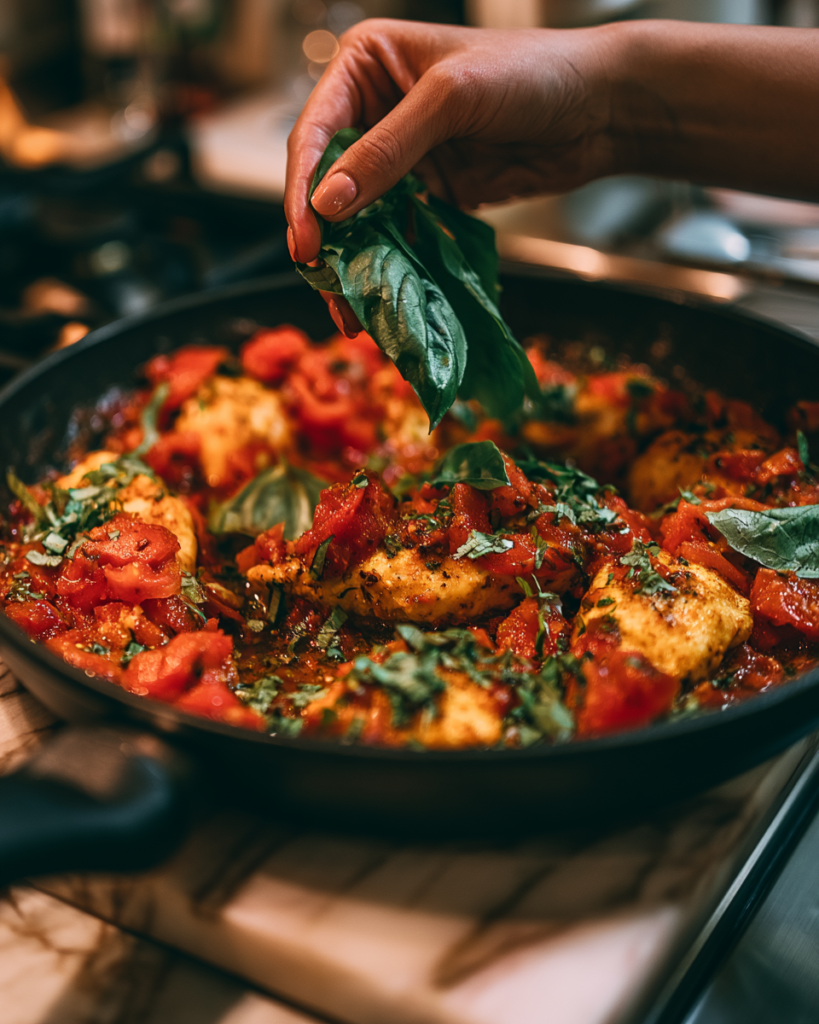
Add butter and stir gently into the sauce for a smoother texture. Scatter in the sliced basil and stir lightly. Fresh basil should only cook briefly to preserve aroma and color.

If using Parmesan, sprinkle it over the finished dish just before serving.

A frequent mistake is cooking the garlic too long, which creates bitterness. Another common issue is boiling the sauce aggressively instead of simmering it. Gentle heat keeps the tomatoes balanced and the chicken tender.

Serve immediately with extra basil leaves across the top.

Tips, Variations & Substitutions

For particularly tender chicken, flatten thicker portions before cooking so each piece cooks evenly. Uniform thickness helps prevent dry edges and undercooked centers.

Boneless thighs work beautifully in this recipe and remain juicy even after simmering. Cooking times may increase slightly depending on thickness.

For extra vegetable content, stir spinach into the sauce during the final few minutes or add sliced zucchini after cooking the onions.

A creamier version can include a splash of heavy cream at the end, creating a softer tomato profile while keeping the basil prominent.

Those avoiding dairy can skip butter and Parmesan entirely and finish with additional olive oil.

If fresh tomatoes are especially ripe, reduce the amount of broth to prevent an overly loose sauce.

Leftovers store well in a sealed container in the refrigerator for up to three days. Reheat gently on the stovetop with a small splash of broth.

This dish also adapts nicely for meal preparation. Slice cooked chicken and portion it with sauce and vegetables for quick lunches.

Serving Ideas & Occasions

Chicken Pomodoro with Fresh Basil pairs naturally with a variety of side dishes. Traditional pasta such as spaghetti, linguine, or penne allows the sauce to coat every bite. Crusty bread also works beautifully for soaking up extra tomato sauce.

For lighter meals, pair the chicken with roasted green beans, sautéed spinach, or steamed asparagus. Creamy polenta offers another satisfying option.

A crisp green salad with lemon dressing creates contrast against the warm tomato base.

Sparkling water with citrus, iced tea, or a light white wine complements the brightness of basil and tomatoes.

This dish fits many occasions including weeknight dinners, relaxed gatherings, Sunday meals, or simple celebrations where comfort and fresh ingredients matter.

Nutritional & Health Notes

Chicken Pomodoro with Fresh Basil offers a balanced combination of protein, vegetables, and moderate fat. Chicken provides substantial protein while tomatoes contribute vitamins, minerals, and natural acidity.

Using olive oil adds heart-conscious fats and supports overall richness without relying heavily on cream or large amounts of cheese.

Fresh basil contributes aroma with very few calories and complements the tomatoes naturally.

Choosing low-sodium broth allows greater control over seasoning. Serving the dish with vegetables or moderate portions of pasta helps create a balanced plate.

Since the sauce relies mostly on tomatoes rather than cream, the finished meal remains lighter than many richer skillet chicken dishes.

Portion size and side choices will affect total nutrition, especially if cheese or bread is included.

FAQs

Can I prepare the sauce ahead of time?

Yes. The pomodoro sauce can be prepared one or two days in advance and refrigerated in a sealed container. When ready to cook, warm the sauce gently in a skillet before adding freshly cooked chicken. Preparing the sauce ahead often allows the flavors to settle together and can simplify dinner preparation. If the sauce thickens in storage, stir in a small amount of broth while reheating. Add fresh basil only at the final stage so it remains aromatic and bright.

Can I use canned tomatoes instead of fresh?

Canned tomatoes are an excellent option and provide consistent flavor year-round. Crushed tomatoes create a smoother sauce while diced tomatoes produce more texture. If canned tomatoes taste particularly acidic, a small piece of butter added at the end softens the flavor. Combining canned tomatoes with a handful of fresh diced tomatoes can create a pleasant balance. Select varieties without excessive added seasoning so the basil remains noticeable.

What type of chicken works best?

Boneless skinless chicken breasts create a classic presentation and cook relatively quickly. Chicken thighs are another excellent option and remain especially tender during simmering. Thick breasts can be sliced horizontally or gently flattened for even cooking. Whichever cut is selected, avoid overcrowding the skillet because browning contributes much of the finished flavor. Temperature remains the most reliable indicator of doneness.

Can I freeze Chicken Pomodoro with Fresh Basil?

This recipe freezes well, particularly if the basil is added after reheating rather than before freezing. Allow the chicken and sauce to cool completely before transferring to freezer-safe containers. Freeze for up to three months. Thaw overnight in the refrigerator and warm slowly on the stovetop. Add a splash of broth if the sauce appears thick after reheating. Finish with fresh basil before serving.

What pasta pairs well with this dish?

Long noodles such as spaghetti and linguine pair nicely because they catch the tomato sauce while remaining light. Short pasta such as penne or rigatoni also works because the sauce settles inside the shapes. For alternatives, try creamy polenta, rice, or roasted potatoes. If serving pasta, reserve a spoonful of cooking water to loosen the sauce if needed.

How do I keep the chicken from drying out?

Dry chicken often results from cooking over excessive heat or leaving it in the pan too long. Browning first and finishing in the sauce helps maintain moisture. Using a thermometer helps prevent overcooking. Allow the chicken to rest briefly before serving so juices settle inside the meat. A little butter stirred into the sauce also contributes a softer texture around the chicken.

Can I add extra vegetables?

Additional vegetables fit naturally into this recipe. Spinach, mushrooms, zucchini, and bell peppers all pair well with the tomato and basil flavors. Add firmer vegetables earlier so they soften properly and reserve delicate greens for the final minutes. Keep the total volume moderate so the sauce remains balanced and does not become watery. The goal is supporting the chicken and pomodoro rather than overshadowing them.

[rank_math_breadcrumb]

Chicken Pomodoro with Fresh Basil: 5 Authentic Cozy

Photo of author
Author: liv
Published:
The current image has no alternative text. The file name is: madlok98_close_up_view_of_Chicken_Pomodoro_with_Fresh_Basil___a4b7c598-f079-4cd4-9d3c-e861e71382b6_2.png

Chicken Pomodoro with Fresh Basil is a classic Italian-inspired meal centered around tender chicken, a bright tomato sauce, and fragrant basil leaves. This dish balances simple pantry ingredients with fresh flavor and creates a satisfying dinner that feels welcoming yet approachable for everyday cooking.

The sauce is light rather than heavy, allowing the chicken and basil to remain the focus. Ripe tomatoes simmer into a silky base while garlic and olive oil bring richness and depth. Fresh basil added near the end keeps the finished dish fragrant and lively.

Whether served for a family dinner, a quiet evening meal, or a casual gathering, this recipe offers a comforting plate that pairs beautifully with pasta, crusty bread, or vegetables.

Ingredients Overview

The character of Chicken Pomodoro with Fresh Basil comes from a short list of carefully chosen ingredients that work together naturally. Chicken breasts are often preferred because they cook quickly and absorb the sauce well, though boneless chicken thighs also create a slightly richer result with extra tenderness.

Tomatoes form the foundation of the pomodoro sauce. Fresh ripe Roma tomatoes produce a lighter texture and brighter flavor, while canned crushed tomatoes create consistency throughout the year. A combination of both works especially well for balance.

Olive oil contributes richness and carries the garlic throughout the sauce. Garlic should remain aromatic rather than deeply browned so the finished dish stays delicate and balanced.

Fresh basil is essential. Adding it at the end preserves its aroma and prevents bitterness. Dried basil cannot fully replace the fresh leaves but can be added in small amounts if needed.

Onion softens into the sauce and adds subtle sweetness. A small amount of tomato paste deepens color and flavor without overwhelming the tomatoes.

Chicken broth loosens the sauce and allows gentle simmering. Parmesan can be added for a savory finish, although it remains optional.

For substitutions, chicken thighs can replace breasts, and cherry tomatoes can stand in for Roma tomatoes. Gluten-free and low-carb serving options work well since the main dish itself contains no flour.

Ingredients

4 boneless skinless chicken breasts (about 1½ pounds)
1 teaspoon kosher salt
1/2 teaspoon black pepper
1 teaspoon Italian seasoning
2 tablespoons olive oil
1 medium yellow onion, finely chopped
4 garlic cloves, minced
1 tablespoon tomato paste
2 cups crushed tomatoes
3 Roma tomatoes, diced
1/2 cup low-sodium chicken broth
1/4 teaspoon red pepper flakes
1 tablespoon unsalted butter
1/3 cup fresh basil leaves, sliced
1/4 cup grated Parmesan cheese (optional)
Extra basil leaves for serving

Step-by-Step Instructions

Begin by preparing the chicken. Pat the chicken breasts dry with paper towels and season both sides with salt, pepper, and Italian seasoning. Dry surfaces help produce better browning and prevent steaming.

Heat a large skillet over medium heat. Add olive oil and allow it to warm for about a minute. Place the chicken into the pan without crowding. Cook for 5 to 6 minutes per side until the exterior turns lightly golden. The chicken does not need to finish cooking fully during this stage because it will return to the sauce later.

Transfer the browned chicken to a plate and keep any juices.

Reduce the heat slightly and add chopped onion to the same skillet. Cook for 4 minutes, stirring occasionally, until softened and translucent. Add garlic and cook for about 30 seconds until fragrant.

Stir in tomato paste and cook briefly. This short cooking step deepens the tomato flavor and removes raw sharpness.

Add crushed tomatoes, diced Roma tomatoes, chicken broth, and red pepper flakes. Stir thoroughly and scrape any browned bits from the bottom of the skillet. Those caramelized pieces contribute rich flavor.

Allow the sauce to simmer gently for 10 to 12 minutes. During this stage the tomatoes soften and the sauce thickens slightly.

Return the chicken and collected juices to the skillet. Spoon sauce across the top of each piece. Cover loosely and cook over medium-low heat for another 8 to 10 minutes.

The chicken is finished when the thickest portion reaches 165°F and the juices run clear. Avoid cooking far beyond this point because lean chicken can become dry.

Add butter and stir gently into the sauce for a smoother texture. Scatter in the sliced basil and stir lightly. Fresh basil should only cook briefly to preserve aroma and color.

If using Parmesan, sprinkle it over the finished dish just before serving.

A frequent mistake is cooking the garlic too long, which creates bitterness. Another common issue is boiling the sauce aggressively instead of simmering it. Gentle heat keeps the tomatoes balanced and the chicken tender.

Serve immediately with extra basil leaves across the top.

Tips, Variations & Substitutions

For particularly tender chicken, flatten thicker portions before cooking so each piece cooks evenly. Uniform thickness helps prevent dry edges and undercooked centers.

Boneless thighs work beautifully in this recipe and remain juicy even after simmering. Cooking times may increase slightly depending on thickness.

For extra vegetable content, stir spinach into the sauce during the final few minutes or add sliced zucchini after cooking the onions.

A creamier version can include a splash of heavy cream at the end, creating a softer tomato profile while keeping the basil prominent.

Those avoiding dairy can skip butter and Parmesan entirely and finish with additional olive oil.

If fresh tomatoes are especially ripe, reduce the amount of broth to prevent an overly loose sauce.

Leftovers store well in a sealed container in the refrigerator for up to three days. Reheat gently on the stovetop with a small splash of broth.

This dish also adapts nicely for meal preparation. Slice cooked chicken and portion it with sauce and vegetables for quick lunches.

Serving Ideas & Occasions

Chicken Pomodoro with Fresh Basil pairs naturally with a variety of side dishes. Traditional pasta such as spaghetti, linguine, or penne allows the sauce to coat every bite. Crusty bread also works beautifully for soaking up extra tomato sauce.

For lighter meals, pair the chicken with roasted green beans, sautéed spinach, or steamed asparagus. Creamy polenta offers another satisfying option.

A crisp green salad with lemon dressing creates contrast against the warm tomato base.

Sparkling water with citrus, iced tea, or a light white wine complements the brightness of basil and tomatoes.

This dish fits many occasions including weeknight dinners, relaxed gatherings, Sunday meals, or simple celebrations where comfort and fresh ingredients matter.

Nutritional & Health Notes

Chicken Pomodoro with Fresh Basil offers a balanced combination of protein, vegetables, and moderate fat. Chicken provides substantial protein while tomatoes contribute vitamins, minerals, and natural acidity.

Using olive oil adds heart-conscious fats and supports overall richness without relying heavily on cream or large amounts of cheese.

Fresh basil contributes aroma with very few calories and complements the tomatoes naturally.

Choosing low-sodium broth allows greater control over seasoning. Serving the dish with vegetables or moderate portions of pasta helps create a balanced plate.

Since the sauce relies mostly on tomatoes rather than cream, the finished meal remains lighter than many richer skillet chicken dishes.

Portion size and side choices will affect total nutrition, especially if cheese or bread is included.

FAQs

Can I prepare the sauce ahead of time?

Yes. The pomodoro sauce can be prepared one or two days in advance and refrigerated in a sealed container. When ready to cook, warm the sauce gently in a skillet before adding freshly cooked chicken. Preparing the sauce ahead often allows the flavors to settle together and can simplify dinner preparation. If the sauce thickens in storage, stir in a small amount of broth while reheating. Add fresh basil only at the final stage so it remains aromatic and bright.

Can I use canned tomatoes instead of fresh?

Canned tomatoes are an excellent option and provide consistent flavor year-round. Crushed tomatoes create a smoother sauce while diced tomatoes produce more texture. If canned tomatoes taste particularly acidic, a small piece of butter added at the end softens the flavor. Combining canned tomatoes with a handful of fresh diced tomatoes can create a pleasant balance. Select varieties without excessive added seasoning so the basil remains noticeable.

What type of chicken works best?

Boneless skinless chicken breasts create a classic presentation and cook relatively quickly. Chicken thighs are another excellent option and remain especially tender during simmering. Thick breasts can be sliced horizontally or gently flattened for even cooking. Whichever cut is selected, avoid overcrowding the skillet because browning contributes much of the finished flavor. Temperature remains the most reliable indicator of doneness.

Can I freeze Chicken Pomodoro with Fresh Basil?

This recipe freezes well, particularly if the basil is added after reheating rather than before freezing. Allow the chicken and sauce to cool completely before transferring to freezer-safe containers. Freeze for up to three months. Thaw overnight in the refrigerator and warm slowly on the stovetop. Add a splash of broth if the sauce appears thick after reheating. Finish with fresh basil before serving.

What pasta pairs well with this dish?

Long noodles such as spaghetti and linguine pair nicely because they catch the tomato sauce while remaining light. Short pasta such as penne or rigatoni also works because the sauce settles inside the shapes. For alternatives, try creamy polenta, rice, or roasted potatoes. If serving pasta, reserve a spoonful of cooking water to loosen the sauce if needed.

How do I keep the chicken from drying out?

Dry chicken often results from cooking over excessive heat or leaving it in the pan too long. Browning first and finishing in the sauce helps maintain moisture. Using a thermometer helps prevent overcooking. Allow the chicken to rest briefly before serving so juices settle inside the meat. A little butter stirred into the sauce also contributes a softer texture around the chicken.

Can I add extra vegetables?

Additional vegetables fit naturally into this recipe. Spinach, mushrooms, zucchini, and bell peppers all pair well with the tomato and basil flavors. Add firmer vegetables earlier so they soften properly and reserve delicate greens for the final minutes. Keep the total volume moderate so the sauce remains balanced and does not become watery. The goal is supporting the chicken and pomodoro rather than overshadowing them.
Name

Lorem ipsum dolor sit amet, consectetur adipiscing elit. Suspendisse varius enim in eros elementum tristique. Duis cursus, mi quis viverra ornare, eros dolor interdum nulla, ut commodo diam libero vitae erat.

You Might Also Like...

Chicken Zucchini Stir Fry: 30-Minute Simple Comforting

Chicken Zucchini Stir Fry: 30-Minute Simple Comforting

Chicken Pomodoro Rice Bowl: 5 Authentic Hope Flavors

Chicken Pomodoro Rice Bowl: 5 Authentic Hope Flavors

Creamy Chicken Pomodoro Pasta: 7 Simple Happy Plates

Creamy Chicken Pomodoro Pasta: 7 Simple Happy Plates

Spinach Stuffed Chicken Breast: 5 Simple Happy Meals

Spinach Stuffed Chicken Breast: 5 Simple Happy Meals

Tags:

You might also like these recipes

Leave a Comment