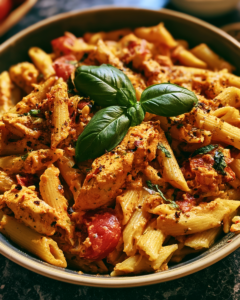
20-Minute Spaghetti Aglio e Olio: 5 Quick Happy Plates

Posted on

Uncategorized

Difficulty

Prep time

Cooking time

Total time

Servings

20-Minute Spaghetti Aglio e Olio is a classic Italian pasta dish built from a short ingredient list and straightforward cooking. Garlic, olive oil, red pepper flakes, and spaghetti come together for a flavorful meal that feels satisfying without requiring a lengthy kitchen session.

This pasta is associated with southern Italian cooking, where pantry staples often form the foundation of memorable dishes. The combination of fragrant garlic and silky olive oil coats each strand of spaghetti, while a touch of chili adds gentle warmth. Fresh parsley brightens the finished plate and adds color.

Because preparation is fast, attention to detail matters. Properly cooked pasta, carefully toasted garlic, and reserved pasta water all contribute to the final texture. Despite its simplicity, this dish delivers depth, aroma, and balance.

Ingredients Overview

The success of 20-Minute Spaghetti Aglio e Olio depends on a handful of carefully selected ingredients. Since there are few components, quality plays a significant role in the final flavor.

Spaghetti serves as the base. Traditional spaghetti works particularly well because its shape allows the garlic-infused oil to cling evenly across the pasta. Other long pasta varieties such as linguine or fettuccine can also perform nicely if spaghetti is unavailable.

Extra-virgin olive oil provides richness and carries the flavor of the garlic throughout the dish. A flavorful olive oil contributes fruity, peppery notes that complement the remaining ingredients.

Garlic is the star ingredient. Thin slices gently cook in olive oil until fragrant and lightly golden. Proper cooking creates a mellow sweetness while avoiding bitterness. Overcooked garlic can quickly affect the entire dish, so careful attention during this step is important.

Red pepper flakes contribute mild heat. The quantity can be adjusted according to preference. A small amount creates warmth, while a larger amount adds a sharper kick.

Fresh parsley brings freshness and contrast. Its herbal notes balance the richness of the olive oil and garlic.

Pasta water plays an important supporting role. The starch within the water helps the oil form a light sauce that coats the spaghetti rather than pooling at the bottom of the serving bowl.

Freshly grated Parmesan is optional. Traditional versions vary, though a small sprinkle can add savory depth. For dairy-free preparation, simply leave it out.

Ingredients

12 ounces spaghetti

1/2 cup extra-virgin olive oil

6 cloves garlic, thinly sliced

1 teaspoon red pepper flakes

1 teaspoon kosher salt, plus additional salt for pasta water

1/4 cup fresh parsley, finely chopped

1/2 cup reserved pasta water

2 tablespoons freshly grated Parmesan cheese (optional)

Freshly ground black pepper, to taste

Step-by-Step Instructions

Fill a large pot with water and bring it to a rolling boil. Add a generous amount of salt. Properly seasoned water helps flavor the pasta from the inside rather than relying entirely on the sauce afterward.

Add the spaghetti and cook according to package directions until al dente. The pasta should remain slightly firm at the center. During the final few minutes of cooking, scoop out about 1/2 cup of pasta water and set it aside.

While the spaghetti cooks, place a large skillet over medium heat. Pour in the olive oil and allow it to warm gently. Add the sliced garlic and stir frequently.

Cook the garlic slowly for several minutes. The slices should turn lightly golden and fragrant. Avoid dark brown coloring, which can introduce bitterness. Lower the heat if the garlic begins coloring too quickly.

Add the red pepper flakes and stir for about 30 seconds. This brief cooking period allows the chili flavor to infuse into the oil without scorching.

Drain the spaghetti once it reaches al dente texture. Transfer it directly into the skillet containing the garlic oil mixture.

Add a portion of the reserved pasta water. Toss continuously until the oil and water combine into a light, glossy coating. Continue adding small splashes of pasta water as required. The spaghetti should appear silky rather than dry.

Sprinkle in the chopped parsley and toss again. Season with black pepper and additional salt if required.

If using Parmesan, add it just before serving and toss lightly. The cheese should blend gently into the pasta without forming clumps.

Serve immediately while the spaghetti remains hot. The aroma of garlic and olive oil is at its peak shortly after cooking.

Common issues are easy to avoid. Garlic cooked over high heat can become bitter. Excess water can dilute flavor, while insufficient pasta water can leave the dish greasy rather than silky. Frequent tossing helps distribute the sauce evenly across every strand.

The finished spaghetti should appear glossy, lightly coated, and fragrant. Garlic slices should remain golden rather than dark, and the parsley should retain its fresh green appearance.

Tips, Variations & Substitutions

Thinly sliced garlic cooks evenly and creates a pleasant texture throughout the dish. A mandoline or sharp knife can help produce consistent slices.

For a richer flavor profile, add a few anchovy fillets to the olive oil before introducing the garlic. They dissolve into the oil and contribute savory depth without a pronounced fish flavor.

Lemon zest can brighten the pasta and add a fresh citrus note. A small amount goes a long way.

For additional texture, sprinkle toasted breadcrumbs across the finished pasta. This traditional touch contributes a pleasant crunch.

Gluten-free spaghetti works well for guests avoiding wheat. Follow package directions carefully because cooking periods vary among brands.

Fresh basil can replace part of the parsley for a slightly different herbal character. Chopped chives also pair nicely with the garlic.

Protein additions such as grilled shrimp or roasted chicken can transform the dish into a heartier dinner. Add cooked protein during the final tossing stage.

A dairy-free version requires no changes beyond omitting Parmesan. The olive oil already supplies richness and body.

When preparing larger batches, cook the pasta in a generously sized pot. Adequate space allows the strands to cook evenly and reduces sticking.

Serving Ideas & Occasions

20-Minute Spaghetti Aglio e Olio suits busy weeknights, casual family dinners, and relaxed gatherings with friends. Its straightforward ingredient list allows preparation even when refrigerator supplies are limited.

A crisp green salad with a light vinaigrette pairs nicely alongside the pasta. The freshness balances the richness of the olive oil.

Roasted vegetables such as zucchini, asparagus, or broccoli provide additional color and texture. Garlic bread is another popular companion for guests seeking a larger meal.

Sparkling water with lemon complements the dish beautifully. Dry white wine also pairs well with the garlic and olive oil flavors.

This pasta can serve as either a main course or a side dish. It works particularly well during warm months when lighter meals are often preferred, though its comforting character suits cooler evenings just as successfully.

Nutritional & Health Notes

This dish contains carbohydrates from spaghetti, which provide energy and satisfying texture. Olive oil contributes beneficial unsaturated fats and helps create the signature silky coating.

Garlic supplies flavor without requiring heavy sauces or large quantities of additional ingredients. Fresh parsley contributes vitamins and freshness while adding minimal calories.

Portion size plays an important role in overall nutritional balance. Pairing the pasta with vegetables or a salad can create a meal with additional fiber and variety.

Since the ingredient list is relatively short, sodium content can be adjusted easily by controlling the amount of salt used during cooking and serving.

For guests seeking additional protein, grilled seafood, chicken, or legumes can accompany the pasta. These additions can create a balanced plate while preserving the classic flavor profile that defines 20-Minute Spaghetti Aglio e Olio.

FAQs

Can I prepare 20-Minute Spaghetti Aglio e Olio ahead of serving?

This pasta delivers peak flavor and texture shortly after cooking. Garlic aromas are freshest, and the sauce maintains its silky consistency when served promptly. If advance preparation is necessary, cook the spaghetti slightly under al dente and store it separately from the garlic oil. Shortly before serving, reheat the oil gently, combine with the pasta, and add a splash of water. This approach helps restore the glossy coating. Extended storage can cause the pasta to absorb the sauce, resulting in a drier texture, so brief holding periods generally produce the strongest results.

Why did my garlic become bitter?

Bitterness usually develops when garlic cooks at excessive heat or remains in the skillet too long. Thin slices can shift from golden to dark brown quite rapidly. Medium heat works well because it allows gradual flavor development without scorching. Stirring frequently also promotes even cooking. If the garlic darkens significantly, starting again may provide a superior result since burnt flavors can spread throughout the entire dish. Gentle cooking encourages sweetness and aroma, creating the balanced flavor associated with traditional Spaghetti Aglio e Olio.

Which olive oil works well for this recipe?

A flavorful extra-virgin olive oil is typically preferred because the oil forms a major component of the dish. Fruity, peppery varieties contribute depth and complexity. Since there are few ingredients involved, the character of the olive oil remains highly noticeable. Mild oils can still produce pleasant results, though they may create a less distinctive flavor profile. Freshness also matters. Recently bottled olive oil generally offers brighter aromas and cleaner taste. Selecting a quality oil can significantly influence the finished plate despite the recipe’s simplicity.

Can I increase the spice level?

Yes. Red pepper flakes are easy to adjust according to personal preference. A small quantity produces gentle warmth, while larger amounts create a bolder character. Adding the flakes directly into the warm oil helps distribute flavor evenly across the pasta. For additional heat, finely chopped fresh chili peppers can accompany the garlic during cooking. Introduce stronger heat gradually, tasting as preparation progresses. This method allows control over the final result while preserving the balance between garlic, olive oil, herbs, and spice.

Is Parmesan traditionally included?

Traditional approaches vary across households and regions. Some versions contain only pasta, garlic, olive oil, chili flakes, and parsley. Others include a light sprinkle of Parmesan shortly before serving. Both styles can be delicious. Parmesan contributes savory richness and a slightly nutty flavor, while versions without cheese maintain a lighter character. Guests following dairy-free diets can comfortably enjoy the dish without cheese because the olive oil already supplies substantial richness. The choice depends largely on personal preference rather than strict requirements.

Can other pasta shapes replace spaghetti?

Certainly. Linguine, bucatini, and fettuccine all pair nicely with garlic-infused olive oil. Long pasta shapes generally perform particularly well because the sauce coats them evenly. Short shapes such as penne or fusilli can also work, though the overall presentation differs from the classic version. Regardless of shape, proper cooking remains important. Al dente texture helps the pasta hold its structure during tossing and prevents a soft or heavy result. Selecting a favorite pasta shape offers flexibility without dramatically changing the spirit of the dish.

How should leftovers be stored and reheated?

Allow leftovers to cool slightly before transferring them into an airtight container. Refrigerate for up to three days. For reheating, place the pasta in a skillet over low heat with a small splash of water. Gentle warming helps restore moisture and encourages the sauce to coat the pasta evenly again. Microwave reheating is possible, though stovetop warming often provides a superior texture. Fresh parsley added after reheating can refresh the flavor and appearance. While leftovers remain enjoyable, freshly cooked Spaghetti Aglio e Olio typically delivers the finest texture and aroma.

[rank_math_breadcrumb]

20-Minute Spaghetti Aglio e Olio: 5 Quick Happy Plates

Photo of author
Author: liv
Published:

20-Minute Spaghetti Aglio e Olio is a classic Italian pasta dish built from a short ingredient list and straightforward cooking. Garlic, olive oil, red pepper flakes, and spaghetti come together for a flavorful meal that feels satisfying without requiring a lengthy kitchen session.

This pasta is associated with southern Italian cooking, where pantry staples often form the foundation of memorable dishes. The combination of fragrant garlic and silky olive oil coats each strand of spaghetti, while a touch of chili adds gentle warmth. Fresh parsley brightens the finished plate and adds color.

Because preparation is fast, attention to detail matters. Properly cooked pasta, carefully toasted garlic, and reserved pasta water all contribute to the final texture. Despite its simplicity, this dish delivers depth, aroma, and balance.

Ingredients Overview

The success of 20-Minute Spaghetti Aglio e Olio depends on a handful of carefully selected ingredients. Since there are few components, quality plays a significant role in the final flavor.

Spaghetti serves as the base. Traditional spaghetti works particularly well because its shape allows the garlic-infused oil to cling evenly across the pasta. Other long pasta varieties such as linguine or fettuccine can also perform nicely if spaghetti is unavailable.

Extra-virgin olive oil provides richness and carries the flavor of the garlic throughout the dish. A flavorful olive oil contributes fruity, peppery notes that complement the remaining ingredients.

Garlic is the star ingredient. Thin slices gently cook in olive oil until fragrant and lightly golden. Proper cooking creates a mellow sweetness while avoiding bitterness. Overcooked garlic can quickly affect the entire dish, so careful attention during this step is important.

Red pepper flakes contribute mild heat. The quantity can be adjusted according to preference. A small amount creates warmth, while a larger amount adds a sharper kick.

Fresh parsley brings freshness and contrast. Its herbal notes balance the richness of the olive oil and garlic.

Pasta water plays an important supporting role. The starch within the water helps the oil form a light sauce that coats the spaghetti rather than pooling at the bottom of the serving bowl.

Freshly grated Parmesan is optional. Traditional versions vary, though a small sprinkle can add savory depth. For dairy-free preparation, simply leave it out.

Ingredients

12 ounces spaghetti

1/2 cup extra-virgin olive oil

6 cloves garlic, thinly sliced

1 teaspoon red pepper flakes

1 teaspoon kosher salt, plus additional salt for pasta water

1/4 cup fresh parsley, finely chopped

1/2 cup reserved pasta water

2 tablespoons freshly grated Parmesan cheese (optional)

Freshly ground black pepper, to taste

Step-by-Step Instructions

Fill a large pot with water and bring it to a rolling boil. Add a generous amount of salt. Properly seasoned water helps flavor the pasta from the inside rather than relying entirely on the sauce afterward.

Add the spaghetti and cook according to package directions until al dente. The pasta should remain slightly firm at the center. During the final few minutes of cooking, scoop out about 1/2 cup of pasta water and set it aside.

While the spaghetti cooks, place a large skillet over medium heat. Pour in the olive oil and allow it to warm gently. Add the sliced garlic and stir frequently.

Cook the garlic slowly for several minutes. The slices should turn lightly golden and fragrant. Avoid dark brown coloring, which can introduce bitterness. Lower the heat if the garlic begins coloring too quickly.

Add the red pepper flakes and stir for about 30 seconds. This brief cooking period allows the chili flavor to infuse into the oil without scorching.

Drain the spaghetti once it reaches al dente texture. Transfer it directly into the skillet containing the garlic oil mixture.

Add a portion of the reserved pasta water. Toss continuously until the oil and water combine into a light, glossy coating. Continue adding small splashes of pasta water as required. The spaghetti should appear silky rather than dry.

Sprinkle in the chopped parsley and toss again. Season with black pepper and additional salt if required.

If using Parmesan, add it just before serving and toss lightly. The cheese should blend gently into the pasta without forming clumps.

Serve immediately while the spaghetti remains hot. The aroma of garlic and olive oil is at its peak shortly after cooking.

Common issues are easy to avoid. Garlic cooked over high heat can become bitter. Excess water can dilute flavor, while insufficient pasta water can leave the dish greasy rather than silky. Frequent tossing helps distribute the sauce evenly across every strand.

The finished spaghetti should appear glossy, lightly coated, and fragrant. Garlic slices should remain golden rather than dark, and the parsley should retain its fresh green appearance.

Tips, Variations & Substitutions

Thinly sliced garlic cooks evenly and creates a pleasant texture throughout the dish. A mandoline or sharp knife can help produce consistent slices.

For a richer flavor profile, add a few anchovy fillets to the olive oil before introducing the garlic. They dissolve into the oil and contribute savory depth without a pronounced fish flavor.

Lemon zest can brighten the pasta and add a fresh citrus note. A small amount goes a long way.

For additional texture, sprinkle toasted breadcrumbs across the finished pasta. This traditional touch contributes a pleasant crunch.

Gluten-free spaghetti works well for guests avoiding wheat. Follow package directions carefully because cooking periods vary among brands.

Fresh basil can replace part of the parsley for a slightly different herbal character. Chopped chives also pair nicely with the garlic.

Protein additions such as grilled shrimp or roasted chicken can transform the dish into a heartier dinner. Add cooked protein during the final tossing stage.

A dairy-free version requires no changes beyond omitting Parmesan. The olive oil already supplies richness and body.

When preparing larger batches, cook the pasta in a generously sized pot. Adequate space allows the strands to cook evenly and reduces sticking.

Serving Ideas & Occasions

20-Minute Spaghetti Aglio e Olio suits busy weeknights, casual family dinners, and relaxed gatherings with friends. Its straightforward ingredient list allows preparation even when refrigerator supplies are limited.

A crisp green salad with a light vinaigrette pairs nicely alongside the pasta. The freshness balances the richness of the olive oil.

Roasted vegetables such as zucchini, asparagus, or broccoli provide additional color and texture. Garlic bread is another popular companion for guests seeking a larger meal.

Sparkling water with lemon complements the dish beautifully. Dry white wine also pairs well with the garlic and olive oil flavors.

This pasta can serve as either a main course or a side dish. It works particularly well during warm months when lighter meals are often preferred, though its comforting character suits cooler evenings just as successfully.

Nutritional & Health Notes

This dish contains carbohydrates from spaghetti, which provide energy and satisfying texture. Olive oil contributes beneficial unsaturated fats and helps create the signature silky coating.

Garlic supplies flavor without requiring heavy sauces or large quantities of additional ingredients. Fresh parsley contributes vitamins and freshness while adding minimal calories.

Portion size plays an important role in overall nutritional balance. Pairing the pasta with vegetables or a salad can create a meal with additional fiber and variety.

Since the ingredient list is relatively short, sodium content can be adjusted easily by controlling the amount of salt used during cooking and serving.

For guests seeking additional protein, grilled seafood, chicken, or legumes can accompany the pasta. These additions can create a balanced plate while preserving the classic flavor profile that defines 20-Minute Spaghetti Aglio e Olio.

FAQs

Can I prepare 20-Minute Spaghetti Aglio e Olio ahead of serving?

This pasta delivers peak flavor and texture shortly after cooking. Garlic aromas are freshest, and the sauce maintains its silky consistency when served promptly. If advance preparation is necessary, cook the spaghetti slightly under al dente and store it separately from the garlic oil. Shortly before serving, reheat the oil gently, combine with the pasta, and add a splash of water. This approach helps restore the glossy coating. Extended storage can cause the pasta to absorb the sauce, resulting in a drier texture, so brief holding periods generally produce the strongest results.

Why did my garlic become bitter?

Bitterness usually develops when garlic cooks at excessive heat or remains in the skillet too long. Thin slices can shift from golden to dark brown quite rapidly. Medium heat works well because it allows gradual flavor development without scorching. Stirring frequently also promotes even cooking. If the garlic darkens significantly, starting again may provide a superior result since burnt flavors can spread throughout the entire dish. Gentle cooking encourages sweetness and aroma, creating the balanced flavor associated with traditional Spaghetti Aglio e Olio.

Which olive oil works well for this recipe?

A flavorful extra-virgin olive oil is typically preferred because the oil forms a major component of the dish. Fruity, peppery varieties contribute depth and complexity. Since there are few ingredients involved, the character of the olive oil remains highly noticeable. Mild oils can still produce pleasant results, though they may create a less distinctive flavor profile. Freshness also matters. Recently bottled olive oil generally offers brighter aromas and cleaner taste. Selecting a quality oil can significantly influence the finished plate despite the recipe’s simplicity.

Can I increase the spice level?

Yes. Red pepper flakes are easy to adjust according to personal preference. A small quantity produces gentle warmth, while larger amounts create a bolder character. Adding the flakes directly into the warm oil helps distribute flavor evenly across the pasta. For additional heat, finely chopped fresh chili peppers can accompany the garlic during cooking. Introduce stronger heat gradually, tasting as preparation progresses. This method allows control over the final result while preserving the balance between garlic, olive oil, herbs, and spice.

Is Parmesan traditionally included?

Traditional approaches vary across households and regions. Some versions contain only pasta, garlic, olive oil, chili flakes, and parsley. Others include a light sprinkle of Parmesan shortly before serving. Both styles can be delicious. Parmesan contributes savory richness and a slightly nutty flavor, while versions without cheese maintain a lighter character. Guests following dairy-free diets can comfortably enjoy the dish without cheese because the olive oil already supplies substantial richness. The choice depends largely on personal preference rather than strict requirements.

Can other pasta shapes replace spaghetti?

Certainly. Linguine, bucatini, and fettuccine all pair nicely with garlic-infused olive oil. Long pasta shapes generally perform particularly well because the sauce coats them evenly. Short shapes such as penne or fusilli can also work, though the overall presentation differs from the classic version. Regardless of shape, proper cooking remains important. Al dente texture helps the pasta hold its structure during tossing and prevents a soft or heavy result. Selecting a favorite pasta shape offers flexibility without dramatically changing the spirit of the dish.

How should leftovers be stored and reheated?

Allow leftovers to cool slightly before transferring them into an airtight container. Refrigerate for up to three days. For reheating, place the pasta in a skillet over low heat with a small splash of water. Gentle warming helps restore moisture and encourages the sauce to coat the pasta evenly again. Microwave reheating is possible, though stovetop warming often provides a superior texture. Fresh parsley added after reheating can refresh the flavor and appearance. While leftovers remain enjoyable, freshly cooked Spaghetti Aglio e Olio typically delivers the finest texture and aroma.
Name

Lorem ipsum dolor sit amet, consectetur adipiscing elit. Suspendisse varius enim in eros elementum tristique. Duis cursus, mi quis viverra ornare, eros dolor interdum nulla, ut commodo diam libero vitae erat.

You Might Also Like...

Egg & Pasta Budget Spaghetti Frittata: 5 Simple Happy Bites

Egg & Pasta Budget Spaghetti Frittata: 5 Simple Happy Bites

Dollar Stretcher Spaghetti with Canned Tomatoes: 5 Simple Delighted

Dollar Stretcher Spaghetti with Canned Tomatoes: 5 Simple Delighted

Roasted Vegetable Homemade Spaghetti Sauce: 7 Authentic Comforting Ideas

Roasted Vegetable Homemade Spaghetti Sauce: 7 Authentic Comforting Ideas

Fresh Tomato Homemade Spaghetti Sauce: 7 Authentic Hope

Fresh Tomato Homemade Spaghetti Sauce: 7 Authentic Hope

Tags:

You might also like these recipes

Leave a Comment