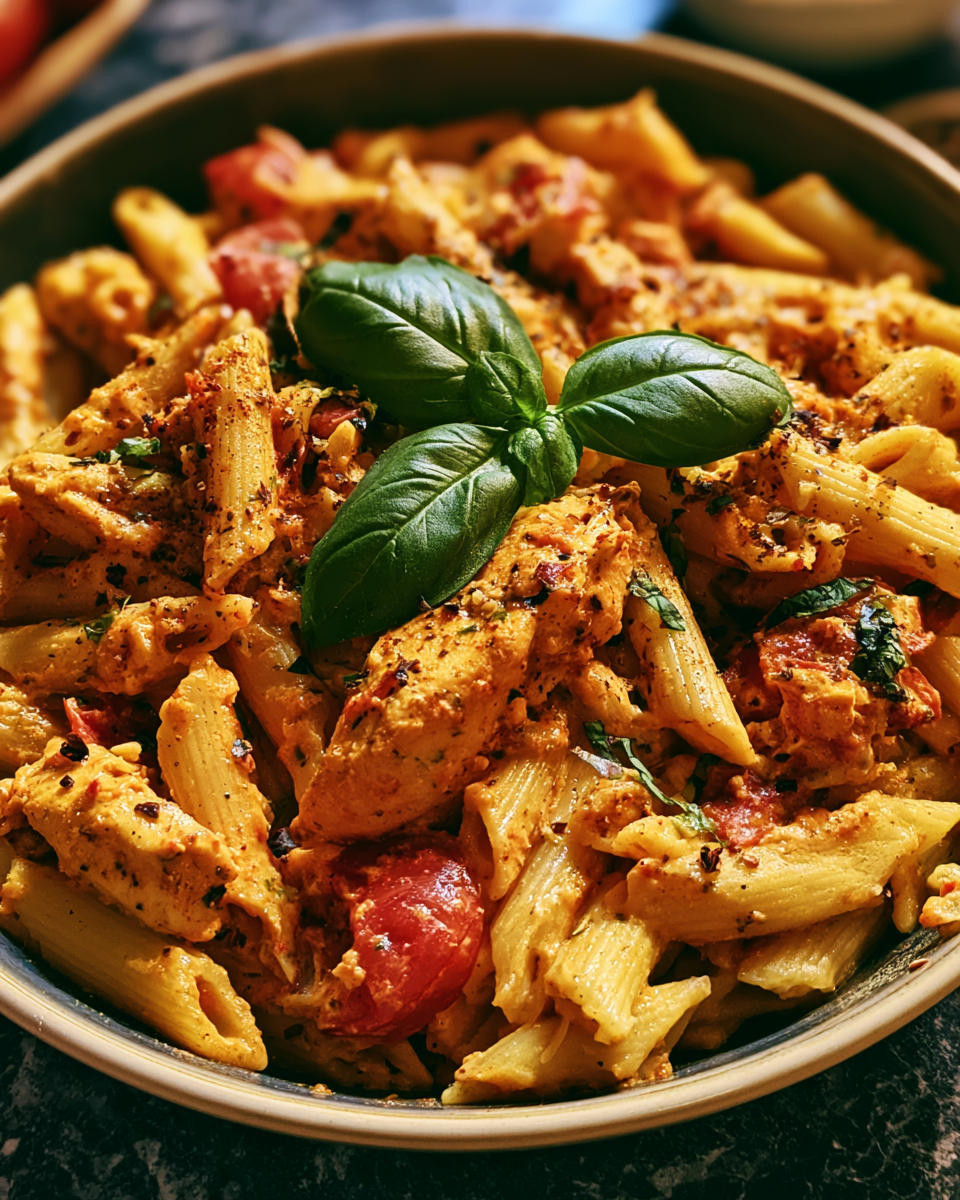
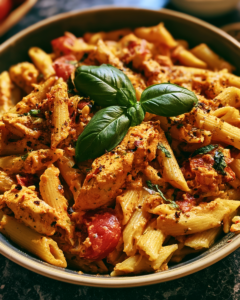
Beef Alfredo Tortellini: 7 Amazing Cozy Bowls

Posted on

Uncategorized

Difficulty

Prep time

Cooking time

Total time

Servings

Beef Alfredo Tortellini brings together tender pasta, rich cream sauce, savory beef, and melted parmesan in one deeply comforting skillet meal. The soft cheese-filled tortellini pairs beautifully with seasoned beef, while garlic and cream create a silky Alfredo sauce that coats every bite.

This hearty pasta dinner fits busy weeknights, casual family suppers, and relaxed gatherings with friends. The recipe comes together in one pan with simple pantry staples, yet the finished dish tastes rich and satisfying. A sprinkle of parsley and extra parmesan at the table gives the final plate a fresh finish without extra effort.

The creamy sauce clings to the tortellini pockets while the browned beef adds depth and texture. Each forkful balances buttery pasta, savory meat, and creamy cheese in a way that feels warm and comforting from the first bite to the last.

Ingredients Overview

The heart of Beef Alfredo Tortellini is cheese tortellini. Refrigerated tortellini cooks quickly and holds its shape beautifully in creamy sauces. Cheese-filled varieties create a rich and balanced flavor that blends naturally with Alfredo sauce and seasoned beef. Frozen tortellini also works well if thawed slightly before cooking.

Ground beef adds savory depth and hearty texture. Lean ground beef keeps the dish rich without becoming greasy. An 85/15 blend works especially well because it browns nicely while still providing enough flavor for the sauce. Italian sausage may replace part of the beef for a bolder flavor profile.

Heavy cream forms the foundation of the Alfredo sauce. It thickens gently while simmering and creates a smooth coating for the pasta. Whole milk can replace part of the cream for a lighter texture, though the sauce may become slightly thinner.

Freshly grated parmesan cheese melts smoothly into the sauce and gives the dish its classic Alfredo flavor. Pre-shredded cheese often contains anti-caking ingredients that can create a grainy texture, so fresh parmesan produces the best result.

Garlic, butter, onion powder, salt, black pepper, and parsley round out the flavor. Garlic brings warmth and aroma while butter creates a velvety finish. Fresh parsley adds brightness that balances the richness of the cream sauce.

Ingredients

1 pound cheese tortellini

1 pound lean ground beef

2 tablespoons butter

4 cloves garlic, minced

2 cups heavy cream

1 cup whole milk

1 1/2 cups freshly grated parmesan cheese

1 teaspoon onion powder

1 teaspoon Italian seasoning

1/2 teaspoon salt

1/2 teaspoon black pepper

1 tablespoon olive oil

2 tablespoons chopped fresh parsley

1/4 teaspoon crushed red pepper flakes

Extra parmesan for serving

Step-by-Step Instructions

Bring a large pot of salted water to a gentle boil. Add the tortellini and cook according to package directions until tender. Stir occasionally so the pasta does not stick together. Drain the tortellini and set aside while preparing the sauce.

Heat a large deep skillet over medium heat. Add the olive oil and ground beef. Break the meat into small crumbles with a wooden spoon while cooking. Continue cooking for about 7 to 8 minutes until the beef is browned and fully cooked through. Drain excess grease if needed.

Add the butter and minced garlic to the skillet. Stir continuously for about 1 minute until the garlic smells fragrant but not browned. Burned garlic can create bitterness in the sauce, so keep the heat moderate during this step.

Pour in the heavy cream and milk. Stir slowly while scraping any browned bits from the bottom of the skillet. Those flavorful bits add richness throughout the sauce. Sprinkle in the onion powder, Italian seasoning, salt, black pepper, and crushed red pepper flakes.

Allow the sauce to simmer gently for 3 to 4 minutes. Avoid a rolling boil because high heat can cause dairy sauces to separate. The mixture should look smooth and slightly thickened.

Reduce the heat to low and gradually stir in the parmesan cheese. Add small handfuls at a time while stirring continuously. This method helps the cheese melt evenly into the sauce without clumping.

Once the sauce becomes creamy and smooth, add the cooked tortellini to the skillet. Fold the pasta carefully into the sauce so the tortellini stays intact. Let everything simmer together for 2 to 3 minutes until fully heated through.

Taste the sauce and adjust seasoning if needed. A small pinch of salt or extra parmesan can deepen the flavor at the end of cooking.

Scatter chopped parsley over the skillet before serving. The fresh herbs balance the creamy richness beautifully. Serve hot with extra parmesan at the table.

One common mistake with Alfredo sauce is overheating the dairy. Gentle simmering keeps the sauce silky and smooth. Another frequent issue is overcooking the tortellini, which can cause the pasta pockets to split. Cooking the tortellini just until tender prevents that problem.

Tips, Variations & Substitutions

Fresh parmesan melts far better than packaged shredded cheese. Grating the cheese directly before cooking gives the sauce a smoother consistency and fuller flavor.

For a richer skillet, stir in sautéed mushrooms or caramelized onions before adding the cream. Spinach also blends beautifully into the sauce and adds color without changing the overall flavor profile too much.

Ground turkey may replace the beef for a lighter version. Italian sausage creates a bolder and slightly spiced variation that pairs beautifully with the creamy sauce. Chicken also works well if cut into small bite-sized pieces before cooking.

Gluten-free tortellini can be used for dietary adjustments. Some grocery stores carry refrigerated gluten-free pasta varieties that hold up nicely in cream sauces.

If the sauce thickens too much after resting, stir in a splash of warm milk before serving. Cream sauces naturally become thicker as they cool.

A dash of nutmeg gives the Alfredo sauce subtle warmth and depth. Fresh basil or chives can replace parsley for a slightly different herb finish.

Leftovers reheat best over low heat on the stovetop. Adding a small amount of milk while reheating helps restore the creamy texture without drying out the pasta.

Serving Ideas & Occasions

Beef Alfredo Tortellini pairs wonderfully with garlic bread, roasted broccoli, Caesar salad, or buttery green beans. The creamy pasta also works beautifully alongside crisp vegetables because the fresh textures balance the richness of the sauce.

For drinks, sparkling water with lemon, iced tea, or red wine complement the savory beef and parmesan flavors nicely. A light white wine also pairs well with the creamy Alfredo base.

This dish fits many occasions, from relaxed family dinners to cozy winter gatherings. It also works beautifully for potlucks because the skillet stays warm and creamy for quite a while after cooking.

During colder months, Beef Alfredo Tortellini feels especially comforting and filling. The rich sauce and hearty pasta create a satisfying meal that feels welcoming and homey after a long day.

Nutritional & Health Notes

Beef Alfredo Tortellini contains protein from both the beef and cheese, creating a filling and balanced dinner option. The pasta supplies carbohydrates for energy while the dairy ingredients contribute calcium and richness.

Using lean ground beef helps reduce excess grease while still providing hearty flavor. Whole milk may replace part of the heavy cream for a lighter sauce with fewer calories and less fat.

Adding vegetables such as spinach, broccoli, peas, or mushrooms can increase fiber and nutritional value without changing the comforting nature of the dish. Fresh herbs also add flavor naturally without requiring extra salt.

Portion size plays an important role because Alfredo sauce is naturally rich. Serving the pasta alongside vegetables or salad creates a balanced meal that feels satisfying without becoming overly heavy.

Homemade Alfredo sauce also allows better control over sodium levels compared to many packaged pasta sauces.

FAQs

Can I prepare Beef Alfredo Tortellini ahead of time?

Yes, this dish can be prepared ahead with a few simple adjustments. Cook the beef and Alfredo sauce first, then store them separately from the tortellini if possible. Keeping the pasta separate prevents it from absorbing too much sauce during storage. When ready to serve, warm the sauce slowly over low heat and stir in a splash of milk if the sauce becomes too thick. Add the tortellini during the final few minutes of reheating. This method helps the pasta remain tender instead of overly soft. The completed dish keeps well in the refrigerator for up to three days when stored in an airtight container.

Can frozen tortellini work in this recipe?

Frozen tortellini works very well in Beef Alfredo Tortellini. There is no need to thaw the pasta fully before cooking. Simply add the frozen tortellini directly into boiling salted water and cook according to package directions. Frozen tortellini sometimes requires an extra minute or two compared to refrigerated varieties. Keep an eye on the pasta while cooking because overcooked tortellini can split open easily. Once drained, fold the pasta gently into the Alfredo sauce. Frozen tortellini often holds its shape nicely in creamy sauces, making it a reliable choice for busy evenings when refrigerated pasta is unavailable.

How do I keep Alfredo sauce smooth?

The key to smooth Alfredo sauce is gentle heat and gradual cheese addition. High heat can cause dairy sauces to separate or become grainy. Simmer the cream slowly rather than allowing it to boil rapidly. When adding parmesan cheese, lower the heat and stir continuously while sprinkling in small amounts at a time. Freshly grated parmesan melts far more smoothly than packaged shredded cheese. If the sauce thickens excessively, stir in warm milk little by little until the desired texture returns. Constant stirring during cooking also helps maintain a silky and creamy consistency from beginning to end.

What vegetables pair well with this pasta?

Many vegetables pair beautifully with Beef Alfredo Tortellini. Spinach blends naturally into the creamy sauce and wilts quickly during the final few minutes of cooking. Broccoli adds freshness and texture while mushrooms contribute earthy flavor that complements the beef beautifully. Peas, roasted asparagus, and sautéed zucchini also fit nicely into the dish. Vegetables can either be stirred directly into the skillet or served on the side. Roasted vegetables provide a slight contrast to the creamy pasta and help balance the richness of the Alfredo sauce without overpowering the savory flavors.

Can I use jarred Alfredo sauce instead?

Jarred Alfredo sauce can work when short on time, though homemade sauce usually tastes fresher and richer. If using a prepared sauce, warm it gently in the skillet after browning the beef. Stirring in extra parmesan, garlic, or a splash of cream can improve the flavor and texture. Some prepared sauces become very thick during heating, so a little milk may help loosen the consistency. Homemade Alfredo sauce gives better control over seasoning and richness, though a quality jarred sauce still creates a comforting and satisfying dinner with minimal preparation.

What type of beef works best?

Lean ground beef works best because it provides hearty flavor without creating an oily sauce. An 85/15 blend strikes a nice balance between flavor and texture. Very lean beef can sometimes taste slightly dry, while higher-fat blends may leave excess grease in the skillet. Ground sirloin is another excellent option for a slightly richer flavor. Browning the beef thoroughly before adding the sauce develops deeper savory flavor throughout the dish. Draining excess grease before adding the cream keeps the Alfredo sauce smooth and balanced rather than heavy.

How should leftovers be reheated?

Leftovers should be reheated slowly over low heat for the best texture. Cream sauces tend to thicken after refrigeration, so adding a splash of milk while reheating helps restore creaminess. Stir frequently to prevent the sauce from sticking to the pan or separating. Microwave reheating also works, though shorter intervals with stirring between each round produce better results than continuous heating. Avoid overheating because tortellini can become overly soft if exposed to high heat for too long. Properly reheated leftovers remain creamy, rich, and satisfying even the next day.

[rank_math_breadcrumb]

Beef Alfredo Tortellini: 7 Amazing Cozy Bowls

Photo of author
Author: liv
Published:

Beef Alfredo Tortellini brings together tender pasta, rich cream sauce, savory beef, and melted parmesan in one deeply comforting skillet meal. The soft cheese-filled tortellini pairs beautifully with seasoned beef, while garlic and cream create a silky Alfredo sauce that coats every bite.

This hearty pasta dinner fits busy weeknights, casual family suppers, and relaxed gatherings with friends. The recipe comes together in one pan with simple pantry staples, yet the finished dish tastes rich and satisfying. A sprinkle of parsley and extra parmesan at the table gives the final plate a fresh finish without extra effort.

The creamy sauce clings to the tortellini pockets while the browned beef adds depth and texture. Each forkful balances buttery pasta, savory meat, and creamy cheese in a way that feels warm and comforting from the first bite to the last.

Ingredients Overview

The heart of Beef Alfredo Tortellini is cheese tortellini. Refrigerated tortellini cooks quickly and holds its shape beautifully in creamy sauces. Cheese-filled varieties create a rich and balanced flavor that blends naturally with Alfredo sauce and seasoned beef. Frozen tortellini also works well if thawed slightly before cooking.

Ground beef adds savory depth and hearty texture. Lean ground beef keeps the dish rich without becoming greasy. An 85/15 blend works especially well because it browns nicely while still providing enough flavor for the sauce. Italian sausage may replace part of the beef for a bolder flavor profile.

Heavy cream forms the foundation of the Alfredo sauce. It thickens gently while simmering and creates a smooth coating for the pasta. Whole milk can replace part of the cream for a lighter texture, though the sauce may become slightly thinner.

Freshly grated parmesan cheese melts smoothly into the sauce and gives the dish its classic Alfredo flavor. Pre-shredded cheese often contains anti-caking ingredients that can create a grainy texture, so fresh parmesan produces the best result.

Garlic, butter, onion powder, salt, black pepper, and parsley round out the flavor. Garlic brings warmth and aroma while butter creates a velvety finish. Fresh parsley adds brightness that balances the richness of the cream sauce.

Ingredients

1 pound cheese tortellini

1 pound lean ground beef

2 tablespoons butter

4 cloves garlic, minced

2 cups heavy cream

1 cup whole milk

1 1/2 cups freshly grated parmesan cheese

1 teaspoon onion powder

1 teaspoon Italian seasoning

1/2 teaspoon salt

1/2 teaspoon black pepper

1 tablespoon olive oil

2 tablespoons chopped fresh parsley

1/4 teaspoon crushed red pepper flakes

Extra parmesan for serving

Step-by-Step Instructions

Bring a large pot of salted water to a gentle boil. Add the tortellini and cook according to package directions until tender. Stir occasionally so the pasta does not stick together. Drain the tortellini and set aside while preparing the sauce.

Heat a large deep skillet over medium heat. Add the olive oil and ground beef. Break the meat into small crumbles with a wooden spoon while cooking. Continue cooking for about 7 to 8 minutes until the beef is browned and fully cooked through. Drain excess grease if needed.

Add the butter and minced garlic to the skillet. Stir continuously for about 1 minute until the garlic smells fragrant but not browned. Burned garlic can create bitterness in the sauce, so keep the heat moderate during this step.

Pour in the heavy cream and milk. Stir slowly while scraping any browned bits from the bottom of the skillet. Those flavorful bits add richness throughout the sauce. Sprinkle in the onion powder, Italian seasoning, salt, black pepper, and crushed red pepper flakes.

Allow the sauce to simmer gently for 3 to 4 minutes. Avoid a rolling boil because high heat can cause dairy sauces to separate. The mixture should look smooth and slightly thickened.

Reduce the heat to low and gradually stir in the parmesan cheese. Add small handfuls at a time while stirring continuously. This method helps the cheese melt evenly into the sauce without clumping.

Once the sauce becomes creamy and smooth, add the cooked tortellini to the skillet. Fold the pasta carefully into the sauce so the tortellini stays intact. Let everything simmer together for 2 to 3 minutes until fully heated through.

Taste the sauce and adjust seasoning if needed. A small pinch of salt or extra parmesan can deepen the flavor at the end of cooking.

Scatter chopped parsley over the skillet before serving. The fresh herbs balance the creamy richness beautifully. Serve hot with extra parmesan at the table.

One common mistake with Alfredo sauce is overheating the dairy. Gentle simmering keeps the sauce silky and smooth. Another frequent issue is overcooking the tortellini, which can cause the pasta pockets to split. Cooking the tortellini just until tender prevents that problem.

Tips, Variations & Substitutions

Fresh parmesan melts far better than packaged shredded cheese. Grating the cheese directly before cooking gives the sauce a smoother consistency and fuller flavor.

For a richer skillet, stir in sautéed mushrooms or caramelized onions before adding the cream. Spinach also blends beautifully into the sauce and adds color without changing the overall flavor profile too much.

Ground turkey may replace the beef for a lighter version. Italian sausage creates a bolder and slightly spiced variation that pairs beautifully with the creamy sauce. Chicken also works well if cut into small bite-sized pieces before cooking.

Gluten-free tortellini can be used for dietary adjustments. Some grocery stores carry refrigerated gluten-free pasta varieties that hold up nicely in cream sauces.

If the sauce thickens too much after resting, stir in a splash of warm milk before serving. Cream sauces naturally become thicker as they cool.

A dash of nutmeg gives the Alfredo sauce subtle warmth and depth. Fresh basil or chives can replace parsley for a slightly different herb finish.

Leftovers reheat best over low heat on the stovetop. Adding a small amount of milk while reheating helps restore the creamy texture without drying out the pasta.

Serving Ideas & Occasions

Beef Alfredo Tortellini pairs wonderfully with garlic bread, roasted broccoli, Caesar salad, or buttery green beans. The creamy pasta also works beautifully alongside crisp vegetables because the fresh textures balance the richness of the sauce.

For drinks, sparkling water with lemon, iced tea, or red wine complement the savory beef and parmesan flavors nicely. A light white wine also pairs well with the creamy Alfredo base.

This dish fits many occasions, from relaxed family dinners to cozy winter gatherings. It also works beautifully for potlucks because the skillet stays warm and creamy for quite a while after cooking.

During colder months, Beef Alfredo Tortellini feels especially comforting and filling. The rich sauce and hearty pasta create a satisfying meal that feels welcoming and homey after a long day.

Nutritional & Health Notes

Beef Alfredo Tortellini contains protein from both the beef and cheese, creating a filling and balanced dinner option. The pasta supplies carbohydrates for energy while the dairy ingredients contribute calcium and richness.

Using lean ground beef helps reduce excess grease while still providing hearty flavor. Whole milk may replace part of the heavy cream for a lighter sauce with fewer calories and less fat.

Adding vegetables such as spinach, broccoli, peas, or mushrooms can increase fiber and nutritional value without changing the comforting nature of the dish. Fresh herbs also add flavor naturally without requiring extra salt.

Portion size plays an important role because Alfredo sauce is naturally rich. Serving the pasta alongside vegetables or salad creates a balanced meal that feels satisfying without becoming overly heavy.

Homemade Alfredo sauce also allows better control over sodium levels compared to many packaged pasta sauces.

FAQs

Can I prepare Beef Alfredo Tortellini ahead of time?

Yes, this dish can be prepared ahead with a few simple adjustments. Cook the beef and Alfredo sauce first, then store them separately from the tortellini if possible. Keeping the pasta separate prevents it from absorbing too much sauce during storage. When ready to serve, warm the sauce slowly over low heat and stir in a splash of milk if the sauce becomes too thick. Add the tortellini during the final few minutes of reheating. This method helps the pasta remain tender instead of overly soft. The completed dish keeps well in the refrigerator for up to three days when stored in an airtight container.

Can frozen tortellini work in this recipe?

Frozen tortellini works very well in Beef Alfredo Tortellini. There is no need to thaw the pasta fully before cooking. Simply add the frozen tortellini directly into boiling salted water and cook according to package directions. Frozen tortellini sometimes requires an extra minute or two compared to refrigerated varieties. Keep an eye on the pasta while cooking because overcooked tortellini can split open easily. Once drained, fold the pasta gently into the Alfredo sauce. Frozen tortellini often holds its shape nicely in creamy sauces, making it a reliable choice for busy evenings when refrigerated pasta is unavailable.

How do I keep Alfredo sauce smooth?

The key to smooth Alfredo sauce is gentle heat and gradual cheese addition. High heat can cause dairy sauces to separate or become grainy. Simmer the cream slowly rather than allowing it to boil rapidly. When adding parmesan cheese, lower the heat and stir continuously while sprinkling in small amounts at a time. Freshly grated parmesan melts far more smoothly than packaged shredded cheese. If the sauce thickens excessively, stir in warm milk little by little until the desired texture returns. Constant stirring during cooking also helps maintain a silky and creamy consistency from beginning to end.

What vegetables pair well with this pasta?

Many vegetables pair beautifully with Beef Alfredo Tortellini. Spinach blends naturally into the creamy sauce and wilts quickly during the final few minutes of cooking. Broccoli adds freshness and texture while mushrooms contribute earthy flavor that complements the beef beautifully. Peas, roasted asparagus, and sautéed zucchini also fit nicely into the dish. Vegetables can either be stirred directly into the skillet or served on the side. Roasted vegetables provide a slight contrast to the creamy pasta and help balance the richness of the Alfredo sauce without overpowering the savory flavors.

Can I use jarred Alfredo sauce instead?

Jarred Alfredo sauce can work when short on time, though homemade sauce usually tastes fresher and richer. If using a prepared sauce, warm it gently in the skillet after browning the beef. Stirring in extra parmesan, garlic, or a splash of cream can improve the flavor and texture. Some prepared sauces become very thick during heating, so a little milk may help loosen the consistency. Homemade Alfredo sauce gives better control over seasoning and richness, though a quality jarred sauce still creates a comforting and satisfying dinner with minimal preparation.

What type of beef works best?

Lean ground beef works best because it provides hearty flavor without creating an oily sauce. An 85/15 blend strikes a nice balance between flavor and texture. Very lean beef can sometimes taste slightly dry, while higher-fat blends may leave excess grease in the skillet. Ground sirloin is another excellent option for a slightly richer flavor. Browning the beef thoroughly before adding the sauce develops deeper savory flavor throughout the dish. Draining excess grease before adding the cream keeps the Alfredo sauce smooth and balanced rather than heavy.

How should leftovers be reheated?

Leftovers should be reheated slowly over low heat for the best texture. Cream sauces tend to thicken after refrigeration, so adding a splash of milk while reheating helps restore creaminess. Stir frequently to prevent the sauce from sticking to the pan or separating. Microwave reheating also works, though shorter intervals with stirring between each round produce better results than continuous heating. Avoid overheating because tortellini can become overly soft if exposed to high heat for too long. Properly reheated leftovers remain creamy, rich, and satisfying even the next day.
Name

Lorem ipsum dolor sit amet, consectetur adipiscing elit. Suspendisse varius enim in eros elementum tristique. Duis cursus, mi quis viverra ornare, eros dolor interdum nulla, ut commodo diam libero vitae erat.

You Might Also Like...

Egg & Pasta Budget Spaghetti Frittata: 5 Simple Happy Bites

Egg & Pasta Budget Spaghetti Frittata: 5 Simple Happy Bites

Dollar Stretcher Spaghetti with Canned Tomatoes: 5 Simple Delighted

Dollar Stretcher Spaghetti with Canned Tomatoes: 5 Simple Delighted

Roasted Vegetable Homemade Spaghetti Sauce: 7 Authentic Comforting Ideas

Roasted Vegetable Homemade Spaghetti Sauce: 7 Authentic Comforting Ideas

Fresh Tomato Homemade Spaghetti Sauce: 7 Authentic Hope

Fresh Tomato Homemade Spaghetti Sauce: 7 Authentic Hope

Tags:

You might also like these recipes

Leave a Comment