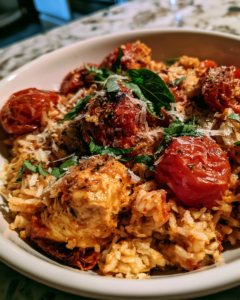
Beef and rice is a timeless comfort dish that brings together hearty protein, fluffy grains, and rich, savory flavor in every bite. This simple combination has been enjoyed across many cultures, each adding its own twist while keeping the core elements familiar and satisfying.
In this version, tender ground beef is cooked with aromatic ingredients and blended with perfectly cooked rice to create a balanced, filling meal. The flavors are warm and comforting, making it ideal for both quick weeknight dinners and relaxed family meals.
The beauty of beef and rice lies in its simplicity. With a few pantry staples and fresh ingredients, you can create a dish that feels both nourishing and deeply satisfying without requiring complicated techniques.
Ingredients Overview
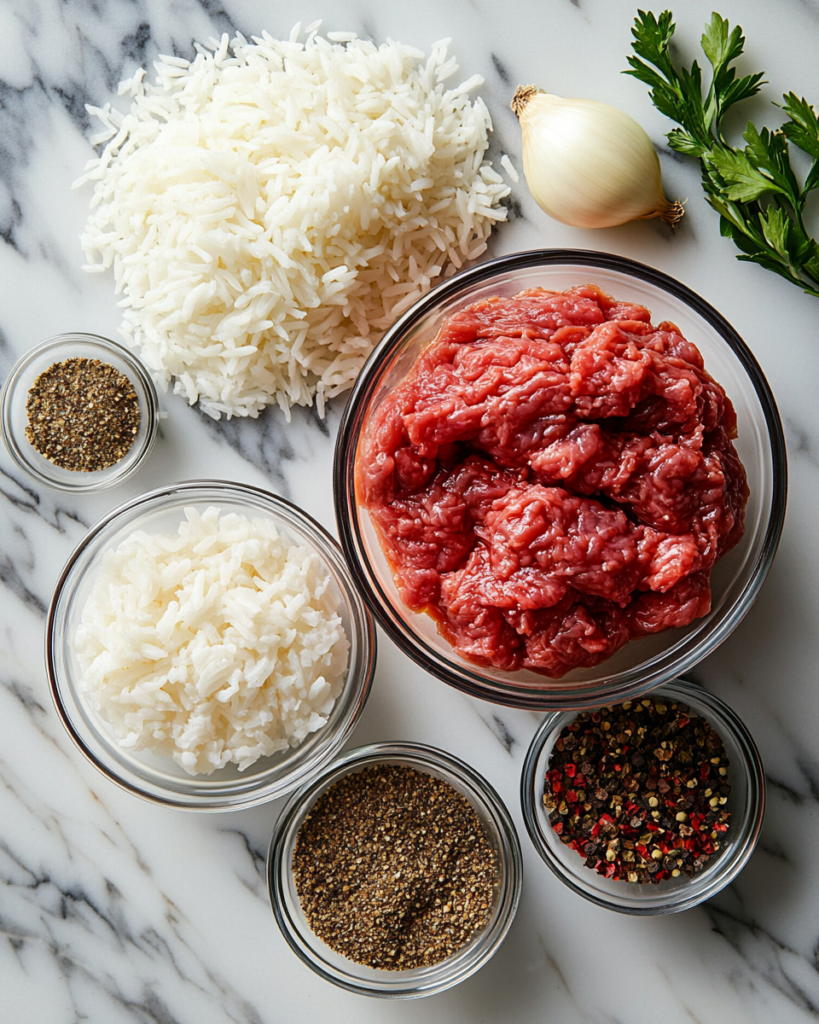
The success of beef and rice depends on a few key ingredients working together to build flavor and texture. Ground beef serves as the foundation, offering a rich and savory base. Choosing beef with a moderate fat content, such as 80/20, helps keep the meat juicy while adding depth to the dish.
Rice provides structure and balance. Long-grain white rice is commonly used because it cooks up light and separate, allowing it to absorb flavors without becoming sticky. Brown rice can also be used for a heartier texture and added fiber, though it requires a longer cooking time.
Onion and garlic form the aromatic base, adding warmth and depth. When sautéed, they release natural sweetness that complements the savory beef.
Broth is essential for infusing the rice with flavor as it cooks. Beef broth enhances the richness, while chicken broth offers a slightly lighter taste. A blend of simple seasonings such as salt, black pepper, and paprika rounds out the flavor without overpowering the dish.
Optional vegetables like peas or diced carrots can be added for color, texture, and a hint of natural sweetness. These ingredients bring balance and make the dish more complete.
Ingredients
1 pound ground beef
1 cup long-grain white rice
2 cups beef broth
1 small onion, finely chopped
3 cloves garlic, minced
1 tablespoon olive oil
1 teaspoon paprika
1 teaspoon salt
1/2 teaspoon black pepper
1/2 teaspoon dried oregano
1/2 cup frozen peas (optional)
1/2 cup diced carrots (optional)
2 tablespoons chopped parsley (optional)
Step-by-Step Instructions
Start by rinsing the rice under cold water until the water runs clear. This removes excess starch and helps keep the grains separate during cooking. Set the rice aside to drain.
Heat olive oil in a large skillet or deep pan over medium heat. Add the chopped onion and cook for about 3–4 minutes until softened and slightly translucent. Stir in the minced garlic and cook for another 30 seconds until fragrant.
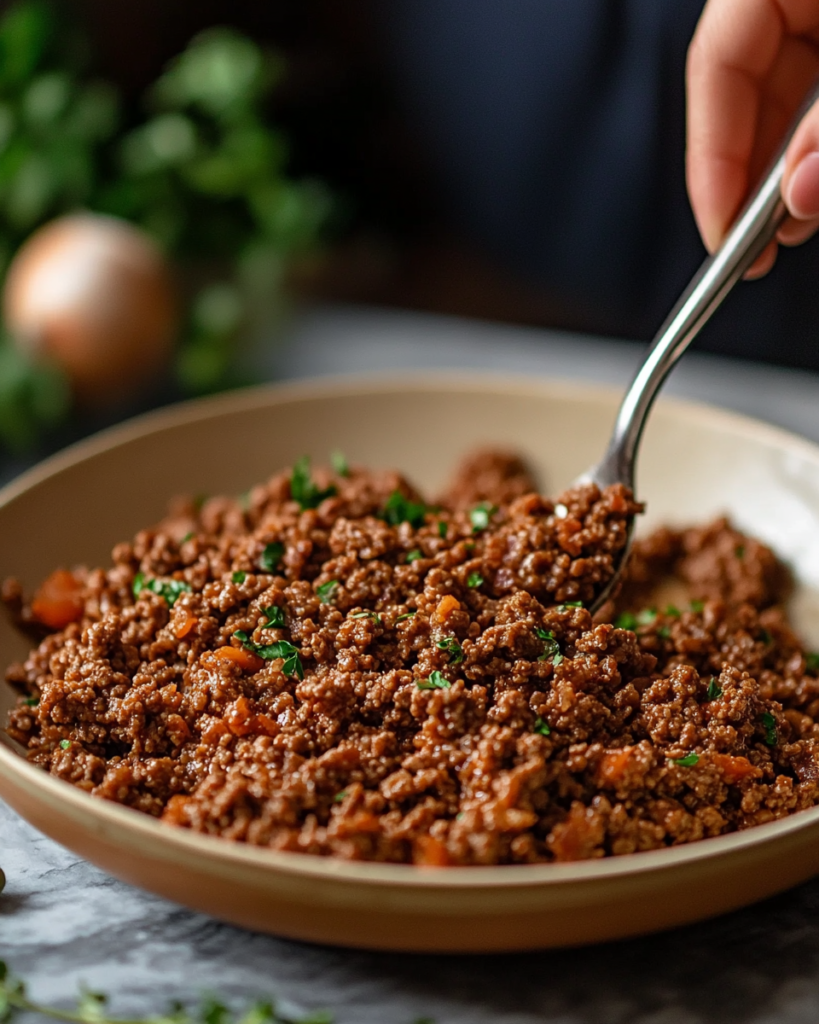
Add the ground beef to the pan. Break it apart with a spoon as it cooks, allowing it to brown evenly. Cook for about 6–8 minutes until no pink remains. Drain excess fat if necessary, but leave a small amount for flavor.
Season the beef with salt, black pepper, paprika, and oregano. Stir well to coat the meat evenly with the spices.
Add the rinsed rice directly into the pan with the beef. Stir to combine, letting the rice toast lightly for 1–2 minutes. This step adds a subtle nutty flavor and helps the grains maintain their structure.
Pour in the beef broth and stir everything together. Bring the mixture to a gentle boil, then reduce the heat to low. Cover the pan with a lid and let it simmer for about 15 minutes.
If using carrots, add them at the same time as the broth so they soften as the rice cooks. If using peas, stir them in during the last 5 minutes of cooking to keep their color and texture.
Avoid lifting the lid too often, as this releases steam needed for proper cooking. After 15 minutes, check the rice. It should be tender and most of the liquid absorbed.
Turn off the heat and let the dish sit covered for 5 minutes. This resting time allows the rice to finish absorbing any remaining moisture.
Fluff the rice gently with a fork, mixing the beef and grains evenly. Garnish with chopped parsley if desired and serve warm.
Common mistakes include adding too much liquid, which can make the rice mushy, or cooking at too high a temperature, which can cause uneven cooking. Keeping the heat low and steady is key to a consistent result.
Tips, Variations & Substitutions
For a deeper flavor, you can brown the beef slightly longer to develop a richer base before adding the rice. Just be careful not to burn the aromatics.
If you prefer a lighter version, ground turkey or chicken can replace the beef. The cooking method remains the same, though you may want to add a bit more seasoning for depth.
Brown rice is a great alternative for added fiber, but it requires about 40–45 minutes of cooking time and additional liquid. Adjust accordingly to avoid undercooked grains.
You can also add spices like cumin or a pinch of chili flakes for a slightly different flavor profile. A splash of soy sauce can introduce a savory note without changing the overall character of the dish.
For a vegetable-rich version, increase the amount of carrots, peas, or even add chopped bell peppers or spinach. These additions blend well without overpowering the main ingredients.
Serving Ideas & Occasions
Beef and rice works well as a complete meal on its own, but it can also be paired with simple sides to round out the plate. A crisp green salad with a light dressing adds freshness and contrast to the savory flavors.
Warm flatbread or a slice of crusty bread can be served alongside for a more filling meal. For drinks, a glass of iced tea or sparkling water complements the dish without competing with its flavors.
This meal is ideal for weeknight dinners when time is limited but a satisfying dish is still desired. It also works well for meal prep, as it reheats easily and maintains its flavor over time.
It can be served at casual gatherings or as a reliable family dinner option that appeals to a wide range of tastes.
Nutritional & Health Notes
Beef and rice provides a balanced combination of protein, carbohydrates, and fats. The ground beef supplies protein and essential nutrients like iron, while the rice offers energy through carbohydrates.
Adding vegetables such as carrots and peas increases the fiber and vitamin content, making the dish more nutritionally complete. Choosing leaner beef can help reduce the overall fat content without sacrificing too much flavor.
Portion size plays an important role in maintaining balance. Pairing this dish with fresh vegetables or a salad can help create a more rounded meal.
For those watching sodium intake, using low-sodium broth and adjusting seasoning can help control salt levels while still maintaining flavor.
FAQs
Can I use leftover rice instead of cooking it fresh?
Yes, leftover rice can be used, but the method changes slightly. Cook the beef and aromatics as directed, then stir in the cooked rice at the end. Add a small amount of broth to help blend the flavors and prevent dryness. This approach is quicker and works well for reducing food waste.
How do I store and reheat beef and rice?
Store leftovers in an airtight container in the refrigerator for up to three days. When reheating, add a splash of broth or water to restore moisture. Heat gently on the stove or in the microwave, stirring occasionally to keep the texture even.
Can I freeze this dish?
Yes, beef and rice freezes well. Allow it to cool completely before placing it in freezer-safe containers. It can be frozen for up to two months. Thaw in the refrigerator overnight and reheat with a bit of added liquid to maintain texture.
What type of beef works best?
Ground beef with moderate fat content, such as 80/20, provides a good balance of flavor and moisture. Leaner beef can be used, but the dish may be slightly less rich. Adjust seasoning if needed to maintain depth.
Can I make this dish in one pot?
Yes, this recipe is designed as a one-pot meal. Cooking everything in the same pan allows the flavors to blend and reduces cleanup time. Just make sure the pan has a tight-fitting lid for proper rice cooking.
How do I keep the rice from getting mushy?
Rinsing the rice before cooking helps remove excess starch. Using the correct ratio of liquid and keeping the heat low during simmering are also important. Avoid stirring too much once the rice begins cooking.
Can I add sauce to this dish?
Yes, a light sauce such as a tomato-based mixture or a splash of soy sauce can be added for variation. Add it gradually so it complements rather than overwhelms the dish. Adjust seasoning as needed to keep the balance of flavors.