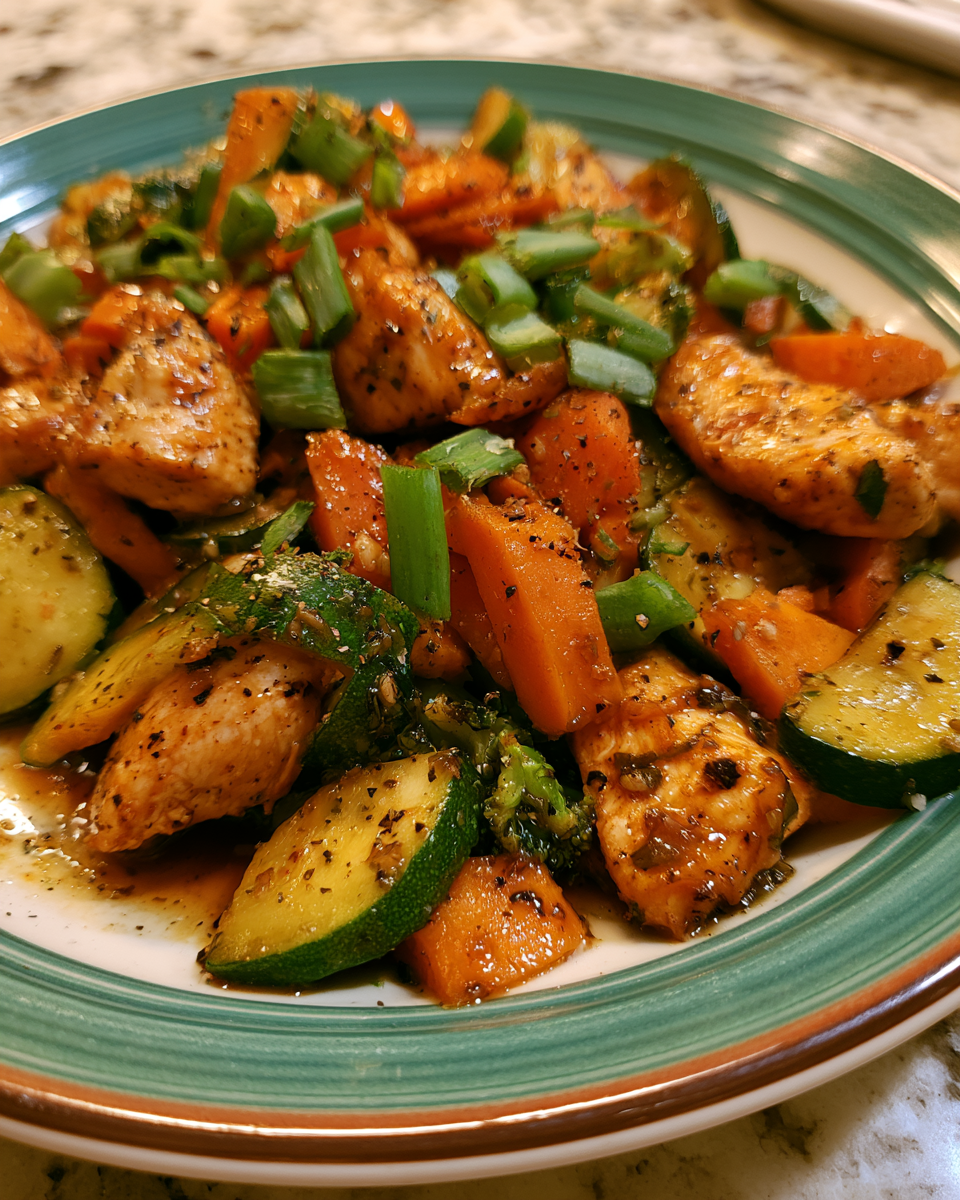
Beef and Veggie Couscous Skillet brings hearty flavor, colorful vegetables, and fluffy couscous together within one pan for a satisfying family supper. Tender ground beef cooks alongside onion, zucchini, bell pepper, and tomatoes, while warm spices bring depth without overwhelming the dish. The couscous absorbs savory broth and juices from the skillet, creating a balanced texture with every forkful.
This skillet supper fits busy evenings since preparation stays straightforward and cleanup stays minimal. The combination of beef, vegetables, and couscous creates a filling meal that works during every season. Fresh parsley and a squeeze of lemon brighten the final dish, adding freshness against the rich savory base.
The skillet method also allows each ingredient to cook gradually, helping the vegetables soften while still holding shape. Couscous cooks quickly, so dinner reaches the table fast without sacrificing flavor or texture. Whether served during a quiet weekday evening or shared during a relaxed gathering, Beef and Veggie Couscous Skillet delivers warmth and comfort within every serving.
Ingredients Overview

Ground beef forms the savory foundation for Beef and Veggie Couscous Skillet. Lean beef works particularly well because it delivers rich flavor while preventing excess grease from pooling inside the skillet. An 85/15 blend creates tenderness without becoming overly heavy.
Couscous cooks rapidly and absorbs broth beautifully, giving the skillet a soft yet fluffy texture. Standard couscous remains ideal since it cooks evenly and blends smoothly with vegetables and beef. Whole wheat couscous also works nicely for additional fiber and a slightly nuttier flavor.
Onion and garlic create an aromatic base that deepens the savory character of the dish. Zucchini adds softness and moisture, while bell pepper contributes slight sweetness and color. Diced tomatoes bring acidity that balances the richness from the beef.
Beef broth carries flavor throughout the couscous while helping every ingredient blend together. Paprika and cumin provide earthy warmth that pairs naturally with both beef and vegetables. A small amount of black pepper sharpens the overall flavor profile without overpowering the skillet.
Fresh parsley brightens the finished dish and introduces herbal freshness. Lemon wedges served alongside the skillet provide gentle acidity that lifts the savory notes from the beef and couscous.
Several substitutions work successfully within this recipe. Ground turkey or ground chicken may replace beef for a lighter version. Yellow squash may replace zucchini, while spinach may join the skillet during the final minutes for additional greens. Vegetable broth may replace beef broth when preferred.
Ingredients
1 pound lean ground beef
1 tablespoon olive oil
1 medium yellow onion, diced
3 cloves garlic, minced
1 medium zucchini, diced
1 red bell pepper, diced
1 cup diced tomatoes
1 teaspoon paprika
1/2 teaspoon ground cumin
1/2 teaspoon salt
1/4 teaspoon black pepper
1 1/2 cups beef broth
1 cup couscous
2 tablespoons chopped fresh parsley
Lemon wedges for serving
Step-by-Step Instructions

Place a large deep skillet over medium-high heat. Add olive oil and allow it to warm for about one minute. Add the diced onion and cook for roughly four minutes, stirring occasionally, until the onion softens and turns slightly translucent. Stir in the garlic and cook for another thirty seconds until fragrant.
Add the ground beef directly into the skillet. Break the meat apart using a wooden spoon while cooking. Continue cooking for six to eight minutes until the beef loses its pink color and develops light browning around the edges. Drain excess grease if necessary so the skillet remains balanced rather than oily.
Stir in the diced zucchini and bell pepper. Cook for approximately five minutes until the vegetables begin softening while still holding slight firmness. Add the diced tomatoes along with paprika, cumin, salt, and black pepper. Stir thoroughly so the spices coat both the vegetables and beef evenly.
Pour the beef broth into the skillet and raise the heat slightly until the liquid reaches a gentle boil. Once boiling, stir in the couscous carefully so it distributes evenly throughout the skillet. Remove the skillet from direct heat immediately after stirring.
Cover the skillet tightly using a lid and allow the couscous to absorb the broth for roughly five minutes. During this resting period, the couscous becomes tender while drawing flavor from the beef, tomatoes, and spices.
After five minutes, remove the lid and fluff the couscous gently using a fork. The grains should appear soft and separate rather than clumped together. If excess liquid remains, allow the skillet to sit uncovered for another minute or two.
Scatter fresh parsley across the skillet before serving. Lemon wedges served alongside the dish provide brightness that pairs beautifully with the savory beef and warm spices.
Several small details help this skillet turn out successfully every time. Avoid overcrowding the pan during the beef stage because proper browning deepens flavor significantly. Stirring too frequently may prevent caramelization from forming on the meat.
The vegetables should remain slightly firm rather than overly soft. Overcooking zucchini may release too much moisture, causing the couscous texture to become mushy. Diced vegetables of similar size help everything cook evenly.
Adding couscous after the broth reaches a boil remains important because the heat activates rapid absorption. Leaving the lid untouched during resting time also allows the grains to steam properly. Opening the skillet too early may interrupt the cooking process.
Taste the finished skillet before serving and adjust seasoning if necessary. A final squeeze of lemon often balances the savory richness beautifully.
Tips, Variations & Substitutions
Lean ground beef keeps the skillet balanced, though richer beef blends create deeper savory flavor. Ground lamb also pairs wonderfully with couscous and warm spices for a slightly richer variation.
Additional vegetables fit naturally into this recipe. Mushrooms add earthiness, while spinach folds easily into the skillet near the end of cooking. Diced carrots contribute slight sweetness and additional texture. Frozen peas may also join during the final resting period since residual heat warms them quickly.
For additional spice, stir red pepper flakes into the skillet alongside paprika and cumin. Smoked paprika introduces deeper savory warmth without overwhelming the vegetables.
Whole wheat couscous adds nuttier flavor and slightly firmer texture. Pearl couscous may also work, though cooking time increases slightly because the grains remain larger.
Fresh herbs brighten the finished skillet beautifully. Parsley remains classic, though cilantro or mint also pair nicely with the warm spices and tomatoes.
Leftovers store well inside an airtight container within the refrigerator for roughly three days. Reheat gently over medium-low heat with a splash of broth so the couscous stays tender rather than dry.
A small amount of crumbled feta scattered across the finished skillet creates a creamy salty contrast against the savory beef and vegetables. Toasted almonds or pine nuts also provide pleasant crunch.
Serving Ideas & Occasions
Beef and Veggie Couscous Skillet pairs beautifully with crisp cucumber salad, roasted green beans, or warm flatbread. A spoonful of plain yogurt alongside the skillet introduces cool creamy contrast against the warm savory spices.
This dish works particularly well during busy weeknights because the entire meal cooks within one skillet. It also suits relaxed weekend suppers since the hearty texture feels comforting without requiring extensive preparation.
Sparkling water with lemon complements the freshness from parsley and tomatoes, while iced tea pairs nicely during warmer months. During colder evenings, warm vegetable soup served beforehand creates an especially cozy supper spread.
The skillet also fits casual gatherings because servings scale easily. A larger skillet accommodates additional vegetables and extra couscous without complicating preparation. Since the dish stays satisfying yet balanced, it suits family-style dining where guests serve themselves directly from the pan.
Lunch leftovers also taste wonderful the following day because the flavors continue blending overnight.
Nutritional & Health Notes
Beef and Veggie Couscous Skillet provides balanced nutrition through protein, vegetables, and grains. Lean ground beef contributes protein along with iron and vitamin B12, supporting a filling and satisfying meal.
Zucchini, tomatoes, onion, and bell pepper contribute fiber along with several vitamins and minerals. Their moisture also helps keep the skillet tender without relying upon heavy sauces or cream.
Couscous supplies carbohydrates that pair naturally with the protein from beef, creating a balanced supper with steady energy. Whole wheat couscous may raise fiber content further for those preferring additional whole grains.
Olive oil contributes heart-friendly fats while helping the vegetables soften smoothly during cooking. Fresh parsley and lemon brighten flavor naturally, reducing reliance upon excess salt or heavier toppings.
Portion size remains flexible depending upon serving preferences. Pairing the skillet with fresh salad or additional vegetables creates an even lighter meal while maintaining satisfaction.
FAQs
Can ground turkey replace beef within this skillet?
Ground turkey works very nicely within this skillet and creates a lighter variation while still pairing beautifully with couscous and vegetables. Since turkey contains less fat than beef, adding a slightly larger drizzle of olive oil during cooking helps maintain tenderness and flavor. Dark meat turkey generally stays juicier than extremely lean breast meat alone.
The cooking method remains identical. Brown the turkey thoroughly before adding vegetables so savory flavor develops properly. Turkey also pairs nicely with additional herbs such as oregano or parsley. Since turkey carries milder flavor compared with beef, slightly increasing paprika or cumin may help deepen the overall taste profile without overwhelming the skillet.
Which vegetables pair especially well with couscous?
Couscous pairs wonderfully with vegetables that soften quickly while retaining pleasant texture. Zucchini, bell pepper, onion, and tomatoes remain especially successful because their flavors blend naturally with savory broth and warm spices. Mushrooms also contribute earthy richness that complements beef beautifully.
Spinach works nicely stirred into the skillet during the final resting stage since residual heat wilts the leaves gently. Carrots contribute slight sweetness and firmer texture, while peas add color and freshness. Eggplant also fits beautifully when diced small and sautéed until tender.
Vegetables containing extremely high moisture may require slightly longer cooking so excess liquid cooks away before couscous enters the skillet.
Can this skillet remain suitable for meal preparation?
This skillet remains excellent for meal preparation because the ingredients hold texture well after refrigeration. Allow the skillet to cool slightly before transferring portions into airtight containers. Refrigerated portions generally stay fresh for roughly three days.
When reheating, add a small splash of broth or water before warming gently over medium-low heat. This prevents the couscous from drying excessively. Microwave reheating also works well when covered loosely to trap moisture.
Fresh parsley and lemon taste brightest when added shortly before serving rather than during storage. Some families even prepare double batches specifically for weekday lunches because the savory flavors continue deepening overnight.
Does pearl couscous work within this recipe?
Pearl couscous works beautifully, though cooking adjustments become necessary because the grains remain larger and firmer compared with standard couscous. Pearl couscous usually requires simmering directly inside the broth for roughly ten minutes until tender.
Additional broth may also become necessary because pearl couscous absorbs more liquid during cooking. Stir occasionally while simmering so the grains cook evenly without sticking to the skillet bottom.
The final texture becomes slightly chewier and heartier, which many families enjoy alongside beef and vegetables. Pearl couscous also holds shape exceptionally well during reheating, making it especially useful for leftovers or meal preparation.
How should leftovers remain stored?
Allow leftovers to cool slightly before transferring them into sealed containers. Refrigerate promptly and consume within roughly three days for ideal flavor and texture. Since couscous absorbs liquid gradually during storage, reheating with a small splash of broth helps restore tenderness.
Warm leftovers slowly over medium-low heat or inside the microwave using short intervals. Stir occasionally during reheating so heat distributes evenly throughout the skillet. Excessively high heat may dry the couscous or toughen the beef slightly.
Fresh herbs and lemon wedges taste brightest when added after reheating rather than before storage. Some households also enjoy leftovers stuffed inside warm pita bread for an easy midday meal.
Which spices pair naturally with beef and couscous?
Paprika and cumin create warm savory flavor that complements both couscous and beef beautifully. Garlic, onion, and black pepper further deepen the overall flavor profile without overwhelming the vegetables.
Coriander introduces slight citrus notes that pair nicely with tomatoes and parsley. Cinnamon may sound unusual, though a very small pinch creates subtle warmth that blends beautifully with couscous dishes. Turmeric also contributes gentle earthy flavor alongside vibrant color.
Fresh herbs remain equally important. Parsley brightens the skillet nicely, while mint or cilantro create slightly different regional flavor profiles. Lemon juice squeezed across the finished dish ties everything together beautifully through freshness and acidity.
Can this skillet remain dairy-free?
This skillet naturally stays dairy-free when prepared exactly as written. Olive oil provides richness without requiring butter or cream, while the vegetables and broth keep the couscous moist and flavorful.
Several optional toppings may also remain dairy-free. Toasted almonds, pine nuts, or additional fresh herbs all pair wonderfully with the savory beef and couscous. Plain dairy-free yogurt alternatives also create pleasant creamy contrast alongside the warm skillet.
Always confirm broth ingredients if preparing meals for guests with dietary restrictions because packaged broths occasionally contain unexpected additives. Aside from optional toppings such as feta cheese, the core recipe stays comfortably suitable for dairy-free dining.