Beef Lasagna Casserole: 7 Ultimate Comforting Layers

Posted on

Uncategorized

Difficulty

Prep time

Cooking time

Total time

Servings

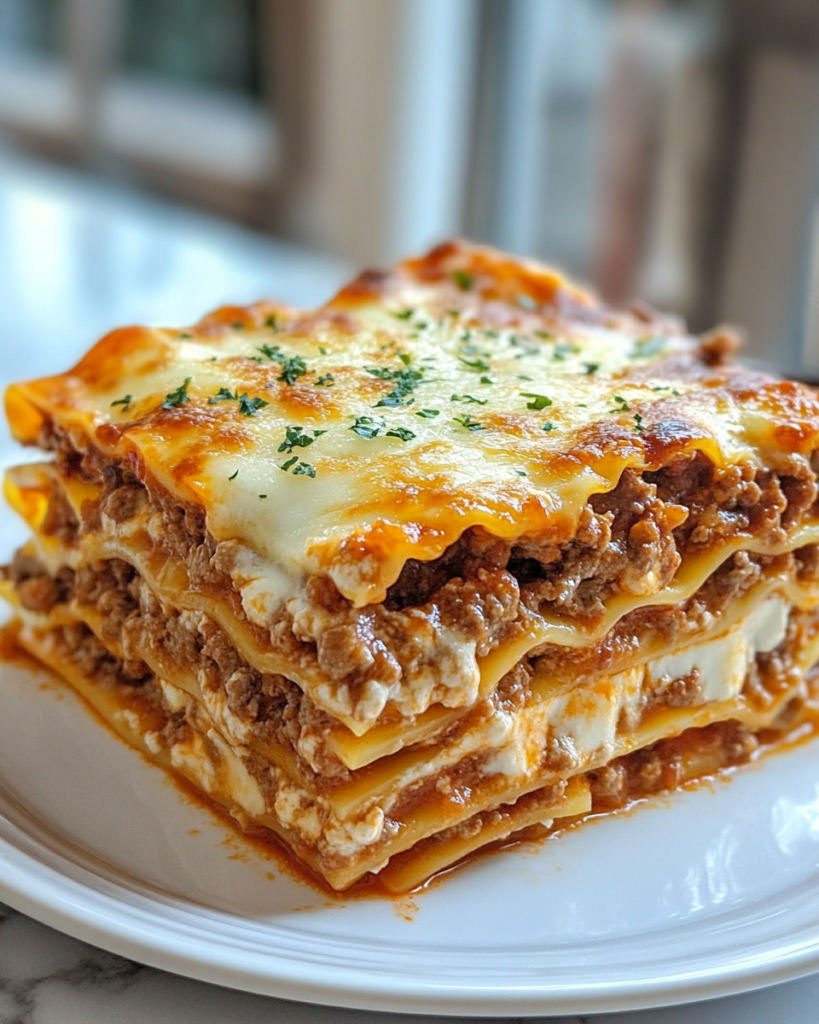
Beef lasagna casserole is a hearty, oven-baked dish that brings together rich meat sauce, tender pasta, and layers of creamy cheese in every bite. It takes the classic idea of lasagna and presents it in a slightly more relaxed, family-style form that’s easier to assemble without sacrificing flavor.

This dish is known for its deep, savory taste and satisfying texture. The slow-simmered beef sauce blends beautifully with melted cheese and soft noodles, creating a balanced combination that feels warm and filling. Whether prepared for a weekend dinner or a gathering, beef lasagna casserole remains a dependable choice that consistently delivers.

Ingredients Overview
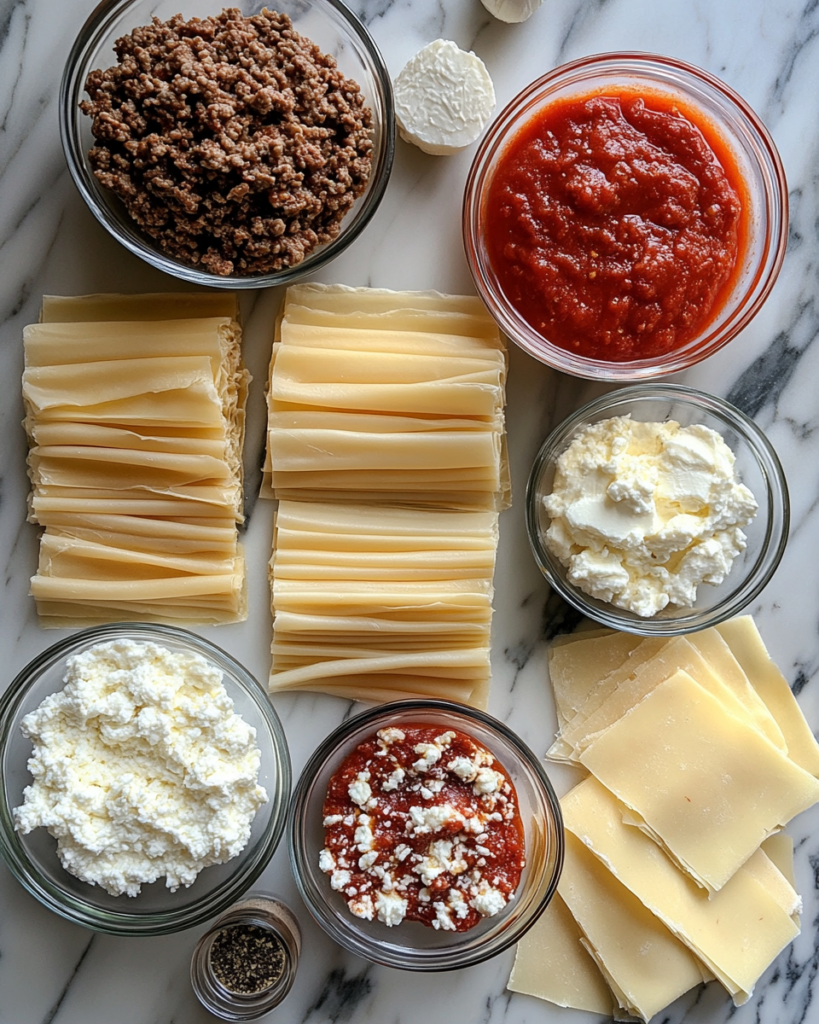
The success of beef lasagna casserole begins with its core ingredients, each playing an important role in building flavor and texture. Ground beef forms the base of the dish, providing a rich and savory backbone. Choosing an 80/20 blend gives a balance of flavor and moisture without excessive grease.

Tomato-based sauce is essential, combining crushed tomatoes, tomato paste, and seasoning. This mixture adds depth and acidity, cutting through the richness of the meat and cheese. Garlic and onion are key aromatics that build a strong flavor foundation when sautéed properly.

Lasagna noodles provide structure. Traditional noodles work well, but oven-ready varieties can save time without compromising texture. The noodles absorb the sauce during baking, becoming tender while holding the layers together.

Cheese is what brings everything into harmony. Ricotta adds creaminess, mozzarella delivers that melted stretch, and Parmesan contributes a slightly salty, nutty finish. Together, they create a balanced cheese layer that complements the meat sauce.

For substitutions, ground turkey can replace beef for a lighter option. Cottage cheese can stand in for ricotta if preferred. Gluten-free noodles also work well, as long as they are cooked according to package instructions before layering.

Ingredients

1 pound ground beef
1 small onion, finely chopped
3 cloves garlic, minced
1 tablespoon olive oil
1 can (28 ounces) crushed tomatoes
2 tablespoons tomato paste
1 teaspoon dried oregano
1 teaspoon dried basil
1/2 teaspoon salt
1/2 teaspoon black pepper
9 lasagna noodles (regular or oven-ready)
1 1/2 cups ricotta cheese
2 cups shredded mozzarella cheese
1/2 cup grated Parmesan cheese
1 large egg
2 tablespoons chopped fresh parsley

Step-by-Step Instructions
Start by preheating your oven to 375°F (190°C). Lightly grease a 9×13-inch baking dish to prevent sticking and make serving easier later.

In a large skillet, heat olive oil over medium heat. Add the chopped onion and cook for about 4–5 minutes until soft and translucent. Stir in the garlic and cook for another minute until fragrant. Add the ground beef and cook until browned, breaking it apart with a spoon as it cooks.

Once the beef is fully cooked, drain any excess fat. Stir in the crushed tomatoes, tomato paste, oregano, basil, salt, and black pepper. Let the sauce simmer for about 15–20 minutes, allowing the flavors to blend and slightly thicken.

If using regular lasagna noodles, cook them according to package instructions until just al dente. Drain and set aside. If using oven-ready noodles, you can skip this step.

In a separate bowl, mix ricotta cheese, egg, and parsley until smooth. This mixture will create a creamy layer that contrasts nicely with the meat sauce.

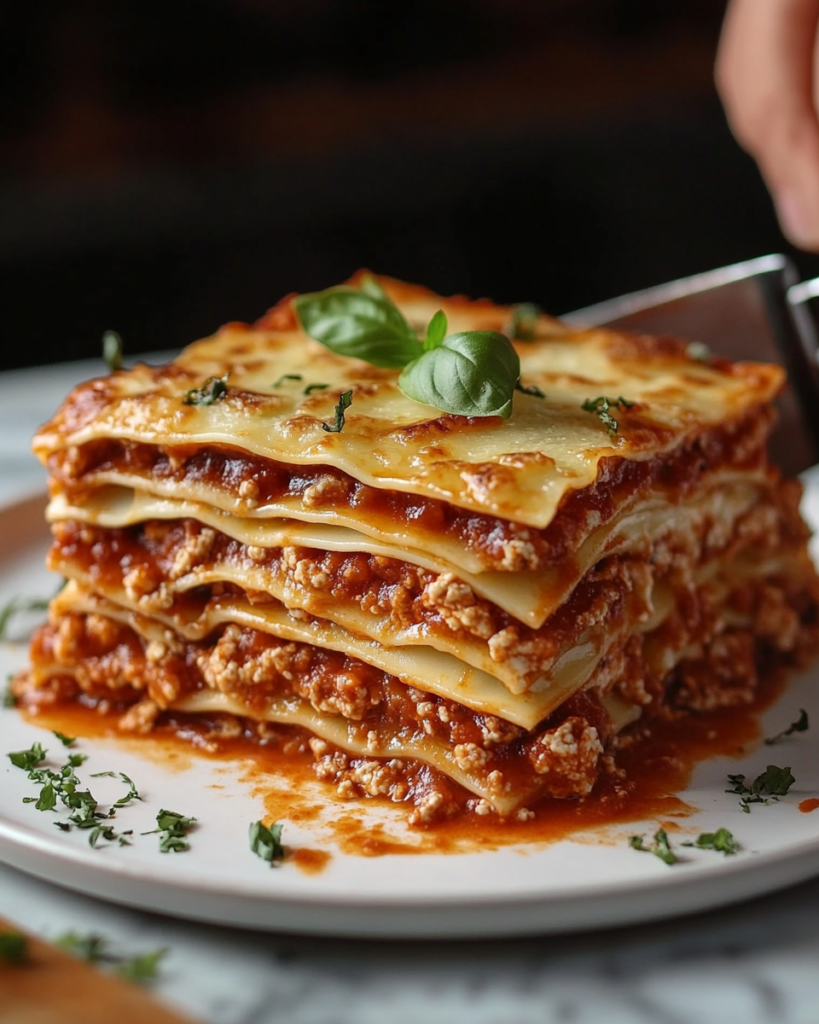
To assemble the casserole, spread a thin layer of meat sauce on the bottom of the baking dish. Add a layer of noodles, followed by a portion of the ricotta mixture, then a sprinkle of mozzarella. Repeat these layers until all ingredients are used, finishing with a generous layer of mozzarella and Parmesan on top.

Cover the dish with foil and bake for 25 minutes. Then remove the foil and bake for an additional 15–20 minutes until the cheese is melted and lightly golden. Let the casserole rest for at least 10–15 minutes before slicing. This helps the layers set and makes serving cleaner.

Avoid overcooking the noodles beforehand, as they will continue to soften in the oven. Also, do not skip the resting time, as cutting too early can cause the layers to fall apart.

Tips, Variations & Substitutions

For a deeper flavor, allow the meat sauce to simmer longer if time permits. This helps develop a richer taste that carries through the entire dish. Adding a splash of red wine during simmering can also deepen the flavor.

If you prefer a lighter version, substitute ground beef with ground turkey or chicken. These alternatives still provide a satisfying texture while reducing fat content. For a vegetarian option, replace the meat with sautéed mushrooms, zucchini, and spinach.

To change the cheese profile, try blending ricotta with a small amount of cream cheese for added richness. You can also include provolone for a slightly sharper taste.

If you want more structure, use slightly thicker layers of noodles and less sauce. For a softer, more traditional feel, increase the sauce slightly so the noodles absorb more moisture.

Fresh herbs like basil can be added just before serving for a brighter finish. A pinch of red pepper flakes can introduce a gentle heat without overpowering the dish.

Serving Ideas & Occasions

Beef lasagna casserole pairs well with simple side dishes that balance its richness. A crisp green salad with a light vinaigrette adds freshness and contrast. Garlic bread or a warm baguette complements the saucy layers and is ideal for soaking up any extra sauce.

This dish is commonly served at family dinners, potlucks, and casual gatherings because it can be prepared in advance and baked when needed. It also reheats well, making it suitable for meal planning.

For drinks, a glass of red wine such as a medium-bodied blend pairs nicely with the savory flavors. Non-alcoholic options like sparkling water with lemon provide a refreshing contrast.

Nutritional & Health Notes

Beef lasagna casserole provides a balanced combination of protein, carbohydrates, and fats. The ground beef contributes protein and iron, while the pasta offers energy through carbohydrates. Cheese adds calcium and richness but should be consumed in moderation due to its fat content.

Portion control plays an important role, as the dish can be dense. Pairing it with vegetables or a salad helps create a more balanced meal.

Using leaner meat or reducing the amount of cheese can lower overall fat content. Adding vegetables like spinach or zucchini increases fiber and nutritional variety without significantly changing the flavor.

FAQs

Can I make beef lasagna casserole ahead of time?

Yes, beef lasagna casserole can be assembled ahead of time and stored in the refrigerator for up to 24 hours before baking. Cover it tightly with foil or plastic wrap to prevent it from drying out. When ready to bake, remove it from the refrigerator and let it sit at room temperature for about 20–30 minutes before placing it in the oven. This helps it cook evenly. You may need to add an extra 5–10 minutes to the baking time if it is still slightly chilled.

Can I freeze beef lasagna casserole?

This casserole freezes very well both before and after baking. To freeze before baking, assemble the dish and wrap it tightly in foil. For best results, thaw it in the refrigerator overnight before baking. If freezing after baking, allow it to cool completely, then portion and store in airtight containers. Reheat in the oven or microwave until heated through. Freezing helps extend its shelf life without affecting flavor significantly.

What type of beef works best?

An 80/20 ground beef blend is ideal because it provides enough fat for flavor without making the dish greasy. Leaner beef can be used, but it may result in a slightly drier texture. If using higher-fat beef, draining excess grease after browning is important to keep the casserole balanced. The choice of beef directly affects the richness of the final dish.

Can I use oven-ready noodles?

Yes, oven-ready noodles are a convenient option and work well in this recipe. They absorb moisture from the sauce while baking, becoming tender without pre-cooking. Make sure there is enough sauce in each layer so the noodles soften properly. If the casserole seems dry before baking, adding a small amount of extra sauce can help achieve the desired texture.

How do I prevent watery lasagna?

To avoid excess liquid, simmer the meat sauce until it thickens slightly before assembling. Avoid overloading the layers with sauce, and drain cooked noodles thoroughly if using traditional ones. Letting the casserole rest after baking is also important, as it allows the layers to set and any remaining moisture to redistribute evenly.

Can I add vegetables to the casserole?

Yes, vegetables can be added to increase flavor and texture. Common options include spinach, mushrooms, zucchini, and bell peppers. It is best to cook these vegetables beforehand to remove excess moisture. Layer them alongside the meat or mix them into the sauce for even distribution throughout the casserole.

How long does it last in the refrigerator?

Beef lasagna casserole can be stored in the refrigerator for up to 3–4 days when kept in an airtight container. Reheat individual portions in the microwave or warm larger portions in the oven at 350°F (175°C) until heated through. Covering it while reheating helps retain moisture and prevents the top from drying out.

………………..

[rank_math_breadcrumb]

Beef Lasagna Casserole: 7 Ultimate Comforting Layers

Photo of author
Author: ahmed va
Published:

Beef lasagna casserole is a hearty, oven-baked dish that brings together rich meat sauce, tender pasta, and layers of creamy cheese in every bite. It takes the classic idea of lasagna and presents it in a slightly more relaxed, family-style form that’s easier to assemble without sacrificing flavor.

This dish is known for its deep, savory taste and satisfying texture. The slow-simmered beef sauce blends beautifully with melted cheese and soft noodles, creating a balanced combination that feels warm and filling. Whether prepared for a weekend dinner or a gathering, beef lasagna casserole remains a dependable choice that consistently delivers.

Ingredients Overview

The success of beef lasagna casserole begins with its core ingredients, each playing an important role in building flavor and texture. Ground beef forms the base of the dish, providing a rich and savory backbone. Choosing an 80/20 blend gives a balance of flavor and moisture without excessive grease.

Tomato-based sauce is essential, combining crushed tomatoes, tomato paste, and seasoning. This mixture adds depth and acidity, cutting through the richness of the meat and cheese. Garlic and onion are key aromatics that build a strong flavor foundation when sautéed properly.

Lasagna noodles provide structure. Traditional noodles work well, but oven-ready varieties can save time without compromising texture. The noodles absorb the sauce during baking, becoming tender while holding the layers together.

Cheese is what brings everything into harmony. Ricotta adds creaminess, mozzarella delivers that melted stretch, and Parmesan contributes a slightly salty, nutty finish. Together, they create a balanced cheese layer that complements the meat sauce.

For substitutions, ground turkey can replace beef for a lighter option. Cottage cheese can stand in for ricotta if preferred. Gluten-free noodles also work well, as long as they are cooked according to package instructions before layering.

Ingredients

1 pound ground beef
1 small onion, finely chopped
3 cloves garlic, minced
1 tablespoon olive oil
1 can (28 ounces) crushed tomatoes
2 tablespoons tomato paste
1 teaspoon dried oregano
1 teaspoon dried basil
1/2 teaspoon salt
1/2 teaspoon black pepper
9 lasagna noodles (regular or oven-ready)
1 1/2 cups ricotta cheese
2 cups shredded mozzarella cheese
1/2 cup grated Parmesan cheese
1 large egg
2 tablespoons chopped fresh parsley

Step-by-Step Instructions

Start by preheating your oven to 375°F (190°C). Lightly grease a 9×13-inch baking dish to prevent sticking and make serving easier later.

In a large skillet, heat olive oil over medium heat. Add the chopped onion and cook for about 4–5 minutes until soft and translucent. Stir in the garlic and cook for another minute until fragrant. Add the ground beef and cook until browned, breaking it apart with a spoon as it cooks.

Once the beef is fully cooked, drain any excess fat. Stir in the crushed tomatoes, tomato paste, oregano, basil, salt, and black pepper. Let the sauce simmer for about 15–20 minutes, allowing the flavors to blend and slightly thicken.

If using regular lasagna noodles, cook them according to package instructions until just al dente. Drain and set aside. If using oven-ready noodles, you can skip this step.

In a separate bowl, mix ricotta cheese, egg, and parsley until smooth. This mixture will create a creamy layer that contrasts nicely with the meat sauce.

To assemble the casserole, spread a thin layer of meat sauce on the bottom of the baking dish. Add a layer of noodles, followed by a portion of the ricotta mixture, then a sprinkle of mozzarella. Repeat these layers until all ingredients are used, finishing with a generous layer of mozzarella and Parmesan on top.

Cover the dish with foil and bake for 25 minutes. Then remove the foil and bake for an additional 15–20 minutes until the cheese is melted and lightly golden. Let the casserole rest for at least 10–15 minutes before slicing. This helps the layers set and makes serving cleaner.

Avoid overcooking the noodles beforehand, as they will continue to soften in the oven. Also, do not skip the resting time, as cutting too early can cause the layers to fall apart.

Tips, Variations & Substitutions

For a deeper flavor, allow the meat sauce to simmer longer if time permits. This helps develop a richer taste that carries through the entire dish. Adding a splash of red wine during simmering can also deepen the flavor.

If you prefer a lighter version, substitute ground beef with ground turkey or chicken. These alternatives still provide a satisfying texture while reducing fat content. For a vegetarian option, replace the meat with sautéed mushrooms, zucchini, and spinach.

To change the cheese profile, try blending ricotta with a small amount of cream cheese for added richness. You can also include provolone for a slightly sharper taste.

If you want more structure, use slightly thicker layers of noodles and less sauce. For a softer, more traditional feel, increase the sauce slightly so the noodles absorb more moisture.

Fresh herbs like basil can be added just before serving for a brighter finish. A pinch of red pepper flakes can introduce a gentle heat without overpowering the dish.

Serving Ideas & Occasions

Beef lasagna casserole pairs well with simple side dishes that balance its richness. A crisp green salad with a light vinaigrette adds freshness and contrast. Garlic bread or a warm baguette complements the saucy layers and is ideal for soaking up any extra sauce.

This dish is commonly served at family dinners, potlucks, and casual gatherings because it can be prepared in advance and baked when needed. It also reheats well, making it suitable for meal planning.

For drinks, a glass of red wine such as a medium-bodied blend pairs nicely with the savory flavors. Non-alcoholic options like sparkling water with lemon provide a refreshing contrast.

Nutritional & Health Notes

Beef lasagna casserole provides a balanced combination of protein, carbohydrates, and fats. The ground beef contributes protein and iron, while the pasta offers energy through carbohydrates. Cheese adds calcium and richness but should be consumed in moderation due to its fat content.

Portion control plays an important role, as the dish can be dense. Pairing it with vegetables or a salad helps create a more balanced meal.

Using leaner meat or reducing the amount of cheese can lower overall fat content. Adding vegetables like spinach or zucchini increases fiber and nutritional variety without significantly changing the flavor.

FAQs

Can I make beef lasagna casserole ahead of time?

Yes, beef lasagna casserole can be assembled ahead of time and stored in the refrigerator for up to 24 hours before baking. Cover it tightly with foil or plastic wrap to prevent it from drying out. When ready to bake, remove it from the refrigerator and let it sit at room temperature for about 20–30 minutes before placing it in the oven. This helps it cook evenly. You may need to add an extra 5–10 minutes to the baking time if it is still slightly chilled.

Can I freeze beef lasagna casserole?

This casserole freezes very well both before and after baking. To freeze before baking, assemble the dish and wrap it tightly in foil. For best results, thaw it in the refrigerator overnight before baking. If freezing after baking, allow it to cool completely, then portion and store in airtight containers. Reheat in the oven or microwave until heated through. Freezing helps extend its shelf life without affecting flavor significantly.

What type of beef works best?

An 80/20 ground beef blend is ideal because it provides enough fat for flavor without making the dish greasy. Leaner beef can be used, but it may result in a slightly drier texture. If using higher-fat beef, draining excess grease after browning is important to keep the casserole balanced. The choice of beef directly affects the richness of the final dish.

Can I use oven-ready noodles?

Yes, oven-ready noodles are a convenient option and work well in this recipe. They absorb moisture from the sauce while baking, becoming tender without pre-cooking. Make sure there is enough sauce in each layer so the noodles soften properly. If the casserole seems dry before baking, adding a small amount of extra sauce can help achieve the desired texture.

How do I prevent watery lasagna?

To avoid excess liquid, simmer the meat sauce until it thickens slightly before assembling. Avoid overloading the layers with sauce, and drain cooked noodles thoroughly if using traditional ones. Letting the casserole rest after baking is also important, as it allows the layers to set and any remaining moisture to redistribute evenly.

Can I add vegetables to the casserole?

Yes, vegetables can be added to increase flavor and texture. Common options include spinach, mushrooms, zucchini, and bell peppers. It is best to cook these vegetables beforehand to remove excess moisture. Layer them alongside the meat or mix them into the sauce for even distribution throughout the casserole.

How long does it last in the refrigerator?

Beef lasagna casserole can be stored in the refrigerator for up to 3–4 days when kept in an airtight container. Reheat individual portions in the microwave or warm larger portions in the oven at 350°F (175°C) until heated through. Covering it while reheating helps retain moisture and prevents the top from drying out.

………………..

Name

Lorem ipsum dolor sit amet, consectetur adipiscing elit. Suspendisse varius enim in eros elementum tristique. Duis cursus, mi quis viverra ornare, eros dolor interdum nulla, ut commodo diam libero vitae erat.

You Might Also Like...

Quick Beef Noodle Meals: 5 Easy Exciting Dinners

Quick Beef Noodle Meals: 5 Easy Exciting Dinners

Korean Beef Recipes: 5 Amazing Vibrant Dishes

Korean Beef Recipes: 5 Amazing Vibrant Dishes

Stir Fry Beef Recipes: 5 Amazing Irresistibly Tasty Ideas

Stir Fry Beef Recipes: 5 Amazing Irresistibly Tasty Ideas

Asian Ground Beef Dinner: 7 Easy Happy Meals

Asian Ground Beef Dinner: 7 Easy Happy Meals

Tags:

You might also like these recipes

Leave a Comment