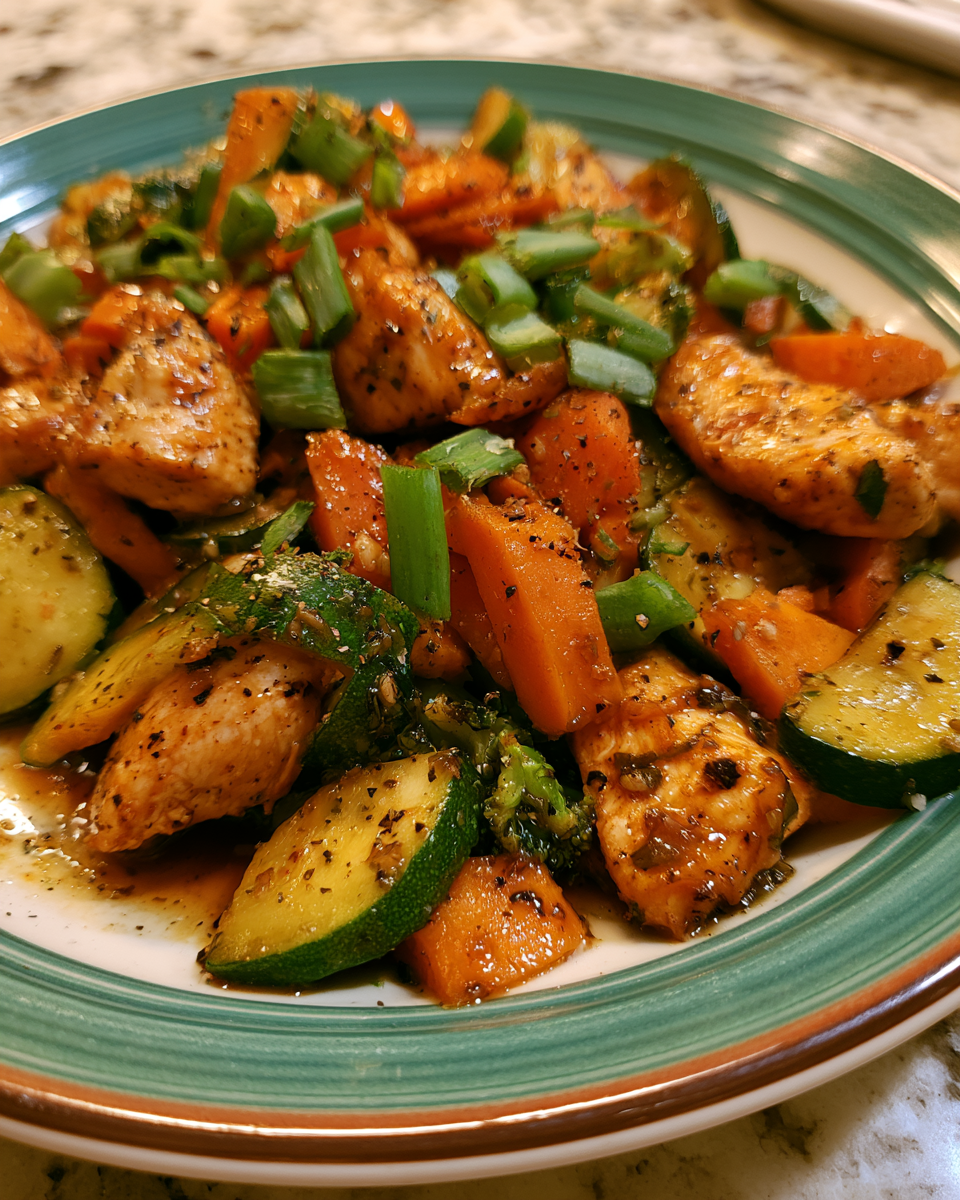
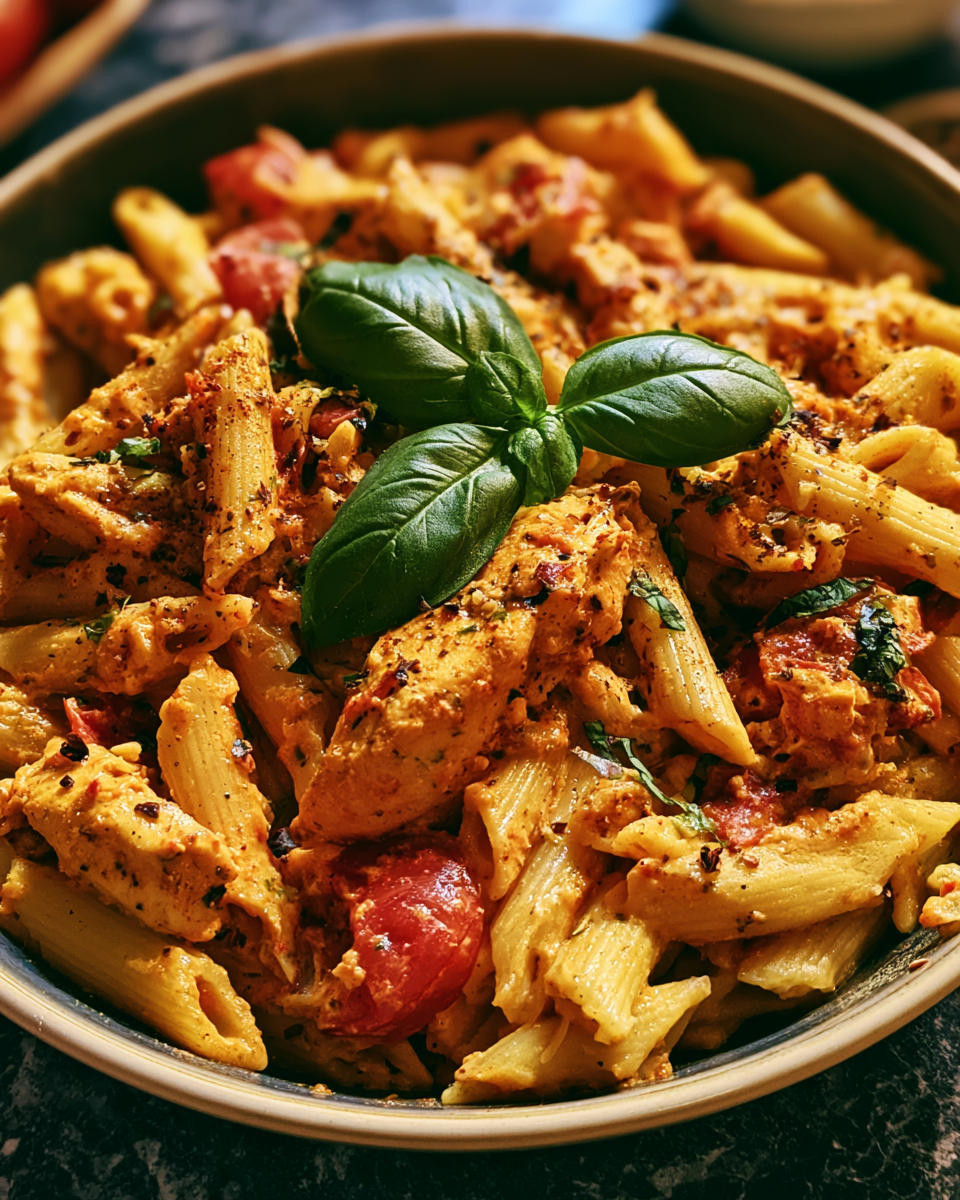
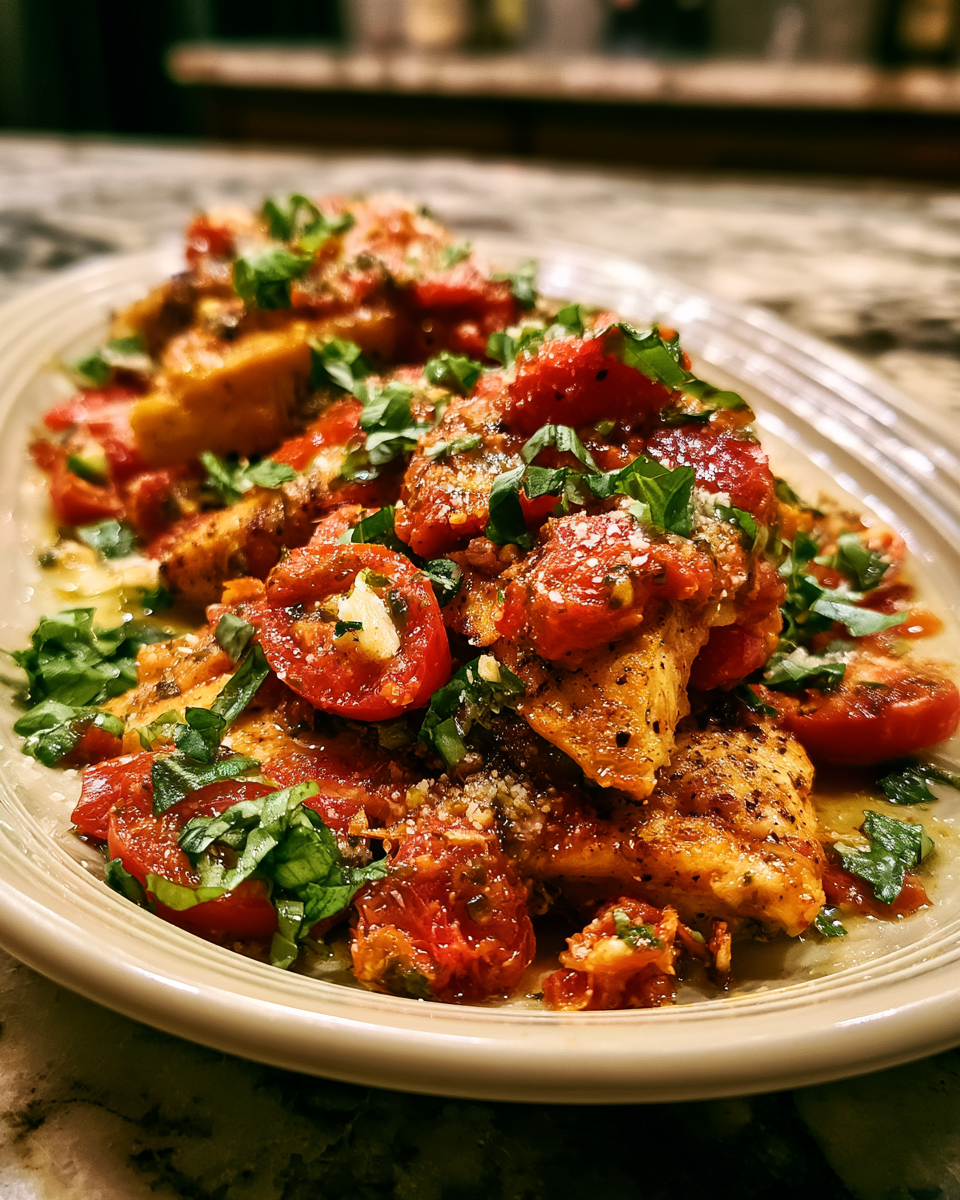
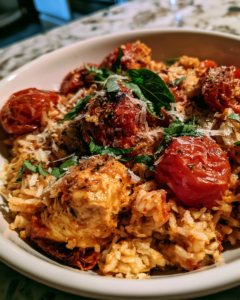
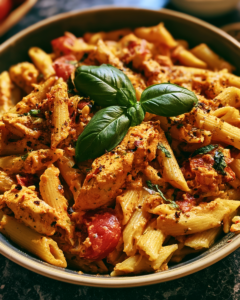
Beef Pasta with Italian Cheese Sauce brings rich pasta, browned beef, and creamy Italian-style cheese sauce into a hearty skillet dinner suited for family suppers, casual gatherings, or relaxed weekend dining. Tender pasta carries savory beef juices while parmesan, mozzarella, and romano create a silky coating across every forkful.
Italian seasoning, garlic, onion, and tomato paste bring depth across each bite. Heavy cream softens sharp cheese notes while beef broth carries savory richness through the sauce. This dish suits chilly evenings alongside garlic bread, roasted zucchini, or crisp salad greens.
Ingredients Overview

Ground beef forms the savory foundation across this pasta skillet. Lean ground chuck carries balanced richness without leaving greasy residue inside the sauce. Italian sausage also suits this recipe whenever richer flavor feels suitable.
Penne pasta holds creamy sauce inside each tube, creating balanced texture across every serving. Rigatoni, rotini, or shells also perform nicely since curved surfaces catch melted cheese sauce easily.
Garlic and onion bring aromatic depth while tomato paste contributes slight sweetness plus deeper color. Italian seasoning blends oregano, basil, thyme, and parsley into classic Italian-inspired flavor.
Heavy cream creates smooth texture throughout the sauce. Beef broth prevents excessive thickness while helping cheese melt evenly. Parmesan supplies salty nuttiness, mozzarella contributes creamy stretch, and romano brings sharper savory notes.
Fresh parsley brightens heavier flavors shortly before serving. Crushed red pepper suits diners preferring slight heat. Mushrooms, spinach, or roasted peppers also pair nicely alongside beef and pasta.
Freshly grated cheese performs far better than pre-shredded varieties since anti-caking powders often create grainy sauce texture. Full-fat dairy products also support smoother consistency.
Ingredients
1 pound lean ground beef
12 ounces penne pasta
1 tablespoon olive oil
1 small yellow onion, finely chopped
3 garlic cloves, minced
2 tablespoons tomato paste
1 teaspoon Italian seasoning
1/2 teaspoon kosher salt
1/2 teaspoon cracked black pepper
1/4 teaspoon crushed red pepper flakes
2 cups beef broth
1 cup heavy cream
1 cup shredded mozzarella cheese
3/4 cup grated parmesan cheese
1/4 cup grated romano cheese
2 tablespoons chopped fresh parsley
Step-by-Step Instructions

Bring a large pot filled with salted water toward a rolling boil. Add penne pasta and cook until slightly firm inside the center. Pasta continues cooking later inside the cheese sauce, so slightly firm texture prevents mushy results. Drain pasta and reserve roughly 1/2 cup pasta water.
Place a large skillet across medium-high heat. Add olive oil followed by chopped onion. Cook several minutes until onion softens and light golden edges appear. Stir frequently so onion pieces cook evenly without scorching.
Add ground beef into the skillet. Break larger sections apart using a wooden spoon. Continue cooking until browned fully with minimal pink remaining. Drain excessive grease whenever necessary so sauce texture stays creamy rather than oily.
Stir garlic, tomato paste, Italian seasoning, salt, black pepper, and crushed red pepper into the skillet. Cook roughly 1 minute until fragrant aromas rise from the pan. Tomato paste should darken slightly during this stage, creating deeper savory flavor.
Pour beef broth into the skillet while scraping browned bits from the bottom surface. Simmer several minutes until liquid reduces slightly. Lower heat toward medium-low before adding heavy cream. Stir continuously throughout this stage.
Gradually scatter mozzarella, parmesan, and romano across the skillet while stirring gently. Avoid dumping cheese rapidly since large clumps may form. Slow additions help create silky sauce texture.
Fold cooked pasta into the skillet. Stir thoroughly so sauce coats every pasta piece evenly. Whenever sauce appears overly thick, add reserved pasta water gradually until creamy consistency returns.
Allow pasta mixture to simmer gently for 2 to 3 minutes. Sauce thickens slightly while pasta absorbs surrounding flavor. Scatter chopped parsley across the skillet shortly before serving.
Avoid excessive heat after cheese enters the pan. High temperatures often create separated or grainy sauce. Freshly grated cheese plus gentle heat produce far smoother results.
Tips, Variations & Substitutions
Ground turkey suits diners preferring lighter flavor while Italian sausage creates richer savory character. Thinly sliced mushrooms pair nicely alongside beef since earthy flavor complements parmesan and romano.
Spinach leaves may enter shortly before serving. Residual skillet heat wilts greens quickly without overcooking. Roasted bell peppers also contribute subtle sweetness across the sauce.
Whole milk may replace heavy cream whenever lighter texture feels suitable, though sauce thickness becomes slightly thinner. Additional parmesan usually restores body whenever necessary.
Rigatoni, rotini, shells, or cavatappi all pair nicely alongside creamy cheese sauce. Short pasta shapes generally perform far better than spaghetti since thicker sauce clings more evenly.
Fresh basil scattered across finished servings introduces bright herbal notes. Diners preferring stronger garlic flavor may stir roasted garlic puree into the sauce shortly before pasta enters the skillet.
Leftovers store nicely inside sealed containers within refrigeration for roughly three days. Gentle stovetop reheating with small splashes of broth or milk helps restore creamy texture.
Serving Ideas & Occasions
Beef Pasta with Italian Cheese Sauce suits casual family suppers, relaxed Sunday dining, potluck tables, or chilly evening meals. Garlic bread pairs nicely alongside creamy pasta since crisp texture balances rich sauce.
Roasted broccoli, asparagus, zucchini, or green beans provide lighter vegetable contrast beside hearty beef and cheese. Caesar salad also pairs nicely through crisp lettuce plus tangy dressing.
Sparkling water with lemon slices refreshes the palate throughout richer servings. Red grape juice or iced tea also pair comfortably beside savory pasta flavors.
Large skillets placed directly onto dining tables create warm family-style presentation. Fresh parsley plus extra parmesan scattered across each bowl create inviting finishing touches without requiring complicated preparation.
Nutritional & Health Notes
Ground beef contributes protein plus iron while parmesan and romano provide calcium. Pasta supplies carbohydrates supporting balanced hearty meals whenever paired alongside vegetables or salad greens.
Lean ground beef reduces excessive grease while preserving savory flavor. Reduced-fat mozzarella may lower overall richness slightly, though sauce texture becomes somewhat lighter.
Fresh onion and garlic contribute aromatic depth without requiring large quantities of butter or oil. Spinach or broccoli additions increase fiber plus vegetable content naturally.
Portion balance remains helpful since creamy cheese sauce carries higher richness. Pairing moderate pasta servings beside roasted vegetables creates satisfying dinners without feeling excessively heavy afterward.
Homemade preparation also allows direct control across sodium, spice level, and dairy richness compared with many packaged pasta dinners.
FAQs
Which pasta shape suits creamy cheese sauce nicely?
Short pasta varieties generally pair nicely alongside thicker cheese sauces since curved surfaces catch sauce evenly. Penne works beautifully because hollow centers collect creamy beef sauce during serving. Rigatoni, shells, cavatappi, and rotini also perform nicely. Thin pasta varieties sometimes struggle beneath heavier sauces since creamy mixtures slide away rather than coating evenly. Slightly firm pasta texture also matters greatly because pasta continues softening after entering the skillet. Overcooked pasta often turns overly soft once simmered inside warm sauce.
Can ground turkey replace beef?
Ground turkey substitutes nicely whenever lighter flavor feels suitable. Turkey carries milder richness compared with beef, though Italian seasoning, garlic, onion, and cheese still create hearty flavor. Slightly additional olive oil sometimes helps turkey remain juicy during cooking since lean poultry contains reduced fat. Chicken sausage also suits this recipe whenever savory seasoned flavor feels appealing. Cooking temperatures plus sauce preparation remain largely identical regardless of protein selection.
Why did the cheese sauce turn grainy?
Grainy texture usually appears whenever cheese enters excessively hot liquid. Lower skillet heat before stirring cheese into cream sauce. Freshly grated cheese also melts far smoother compared with packaged shredded varieties containing anti-caking powders. Gradual cheese additions help maintain creamy consistency throughout the skillet. Stirring constantly while cheese melts also prevents clumping. Whenever sauce thickens excessively, small splashes of reserved pasta water often restore smoother texture.
Which vegetables pair nicely inside this pasta skillet?
Spinach, mushrooms, roasted peppers, zucchini, peas, and broccoli all blend comfortably alongside creamy Italian cheese sauce. Mushrooms contribute earthy depth while spinach introduces lighter freshness. Broccoli provides pleasant texture contrast beside tender pasta. Vegetables should remain lightly cooked rather than mushy so texture balance stays pleasant throughout each serving. Roasted vegetables generally contribute deeper flavor compared with boiled varieties.
Can this recipe enter refrigeration for later meals?
Leftover pasta stores comfortably inside sealed refrigeration containers for roughly three days. Cream-based sauces naturally thicken during chilling, so gentle reheating with small splashes of broth, milk, or cream helps restore smoother consistency. Low stovetop heat generally performs better compared with aggressive microwave heating since cheese sauces occasionally separate under intense heat. Stir occasionally during reheating for evenly warmed texture.
Which cheeses create strongest flavor balance?
Parmesan contributes nutty salty richness while mozzarella creates creamy texture plus mild stretch. Romano carries sharper savory flavor helping balance heavier cream. Combining multiple cheeses generally produces fuller flavor compared with relying upon only one variety. Asiago also suits this recipe whenever slightly deeper sharpness feels appealing. Freshly grated cheese melts more evenly and supports smoother sauce texture throughout cooking.
Can spicy seasoning enter this pasta?
Crushed red pepper flakes already contribute gentle warmth, though additional spice suits diners preferring bolder flavor. Calabrian chili paste, cayenne, or spicy Italian sausage all pair nicely alongside creamy cheese sauce. Spicy ingredients should enter gradually since cheese sauces sometimes soften heat intensity after simmering. Fresh parsley or basil scattered across finished servings balances stronger spice levels comfortably.