Beef Spaghetti Meat Sauce: 5 Easy Happy Favorite

Posted on

Uncategorized

Difficulty

Prep time

Cooking time

Total time

Servings

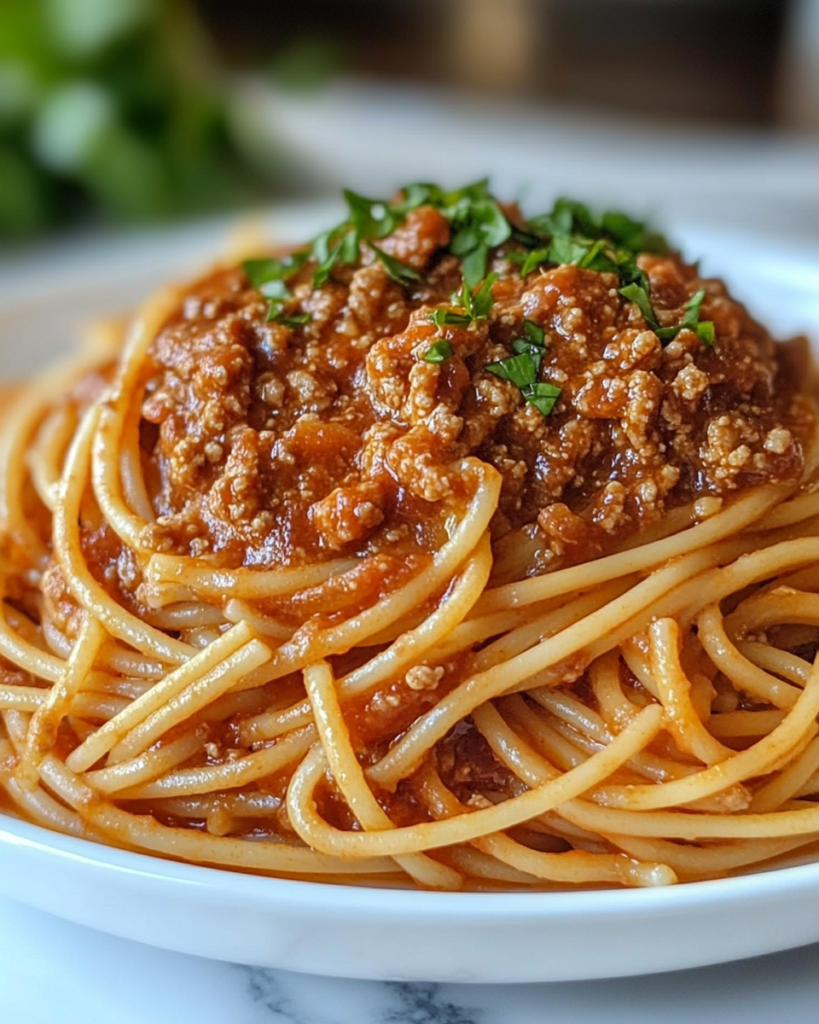
Beef spaghetti meat sauce is a timeless comfort dish that brings rich flavor and satisfying texture to the table. With tender ground beef simmered in a savory tomato base, this classic recipe creates a hearty meal that pairs perfectly with a bowl of warm pasta.

The beauty of beef spaghetti meat sauce lies in its simplicity and depth. A handful of pantry staples transform into a slow-simmered sauce that coats every strand of spaghetti. Whether served for a family dinner or prepared ahead for busy evenings, this dish delivers consistency and warmth in every bite.

Ingredients Overview
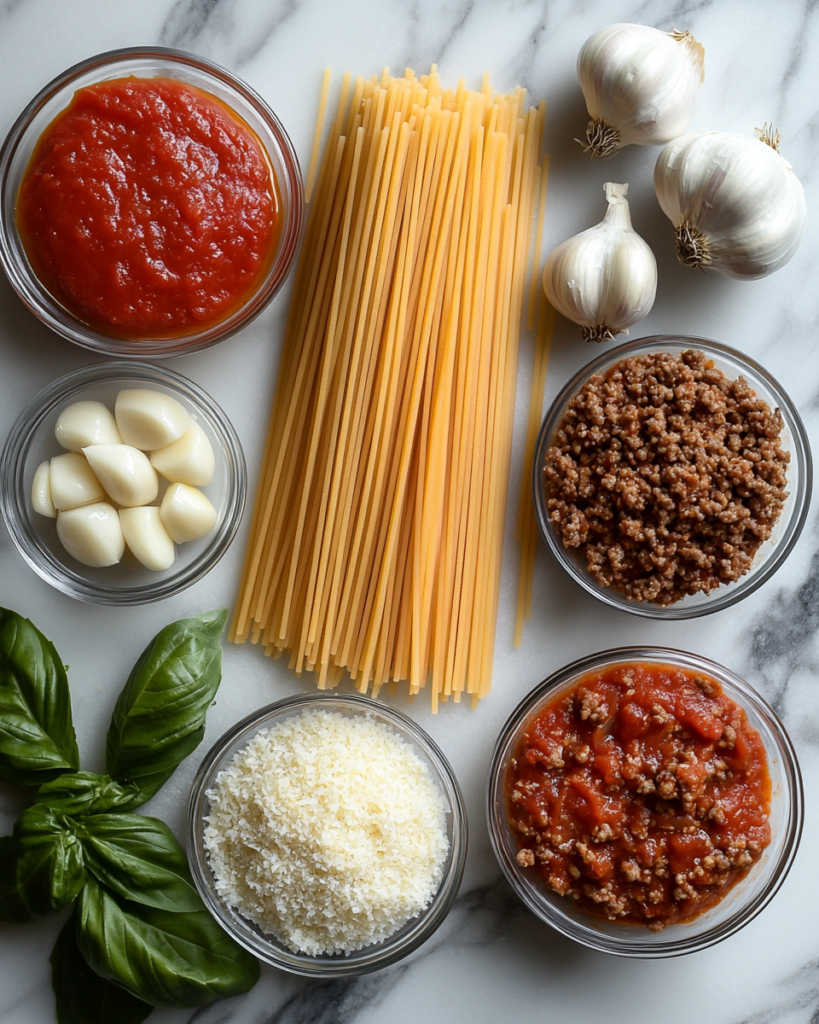
The foundation of beef spaghetti meat sauce begins with ground beef, which provides a rich, savory base. Choosing beef with a moderate fat content, such as 80/20, helps develop deeper flavor while still allowing excess grease to be drained for balance.

Tomatoes form the heart of the sauce. Crushed tomatoes create body, while tomato paste intensifies the flavor and adds thickness. Some cooks prefer diced tomatoes for texture, but a smoother consistency works best for even coating over pasta.

Aromatic ingredients such as onion and garlic build the initial flavor layer. When sautéed gently, they release sweetness and depth that complement the beef. Olive oil helps carry these flavors and prevents sticking during cooking.

Herbs and seasonings bring everything together. Dried oregano and basil give the sauce its classic Italian character, while salt and black pepper round out the taste. A pinch of sugar can balance acidity if the tomatoes taste too sharp.

For flexibility, ground turkey or chicken can replace beef for a lighter version. Fresh herbs can substitute dried ones for a brighter finish, though they should be added toward the end to preserve their flavor.

Ingredients

1 pound ground beef
1 tablespoon olive oil
1 small onion, finely chopped
3 cloves garlic, minced
1 can (28 ounces) crushed tomatoes
2 tablespoons tomato paste
1 teaspoon dried oregano
1 teaspoon dried basil
1/2 teaspoon salt
1/4 teaspoon black pepper
1/2 teaspoon sugar (optional)
1/2 cup water or beef broth
12 ounces spaghetti
Grated Parmesan cheese (for serving)
Fresh parsley, chopped (optional)

Step-by-Step Instructions
Begin by heating olive oil in a large skillet or saucepan over medium heat. Add the chopped onion and cook for about 4–5 minutes until softened and slightly translucent. Stir occasionally to prevent browning too quickly, as gentle cooking helps bring out natural sweetness.

Add the minced garlic and cook for another 30 seconds, just until fragrant. Be careful not to let it burn, as garlic can turn bitter if overcooked.

Next, add the ground beef to the pan. Break it apart with a wooden spoon and cook until fully browned, about 6–8 minutes. Stir occasionally to allow even cooking. Once browned, drain excess fat to keep the sauce from becoming greasy.

Stir in the tomato paste and cook for 1–2 minutes. This step deepens the tomato flavor and removes any raw taste. Then add the crushed tomatoes and water or broth, stirring until well combined.

Season the sauce with oregano, basil, salt, pepper, and sugar if needed. Reduce the heat to low and let the sauce simmer uncovered for 25–30 minutes. Stir occasionally to prevent sticking and allow the flavors to meld together. The sauce should thicken slightly and develop a rich aroma.

While the sauce simmers, bring a large pot of salted water to a boil. Cook the spaghetti according to package instructions until al dente. Reserve a small amount of pasta water before draining.

If the sauce becomes too thick, add a splash of the reserved pasta water to loosen it. Taste and adjust seasoning as needed.

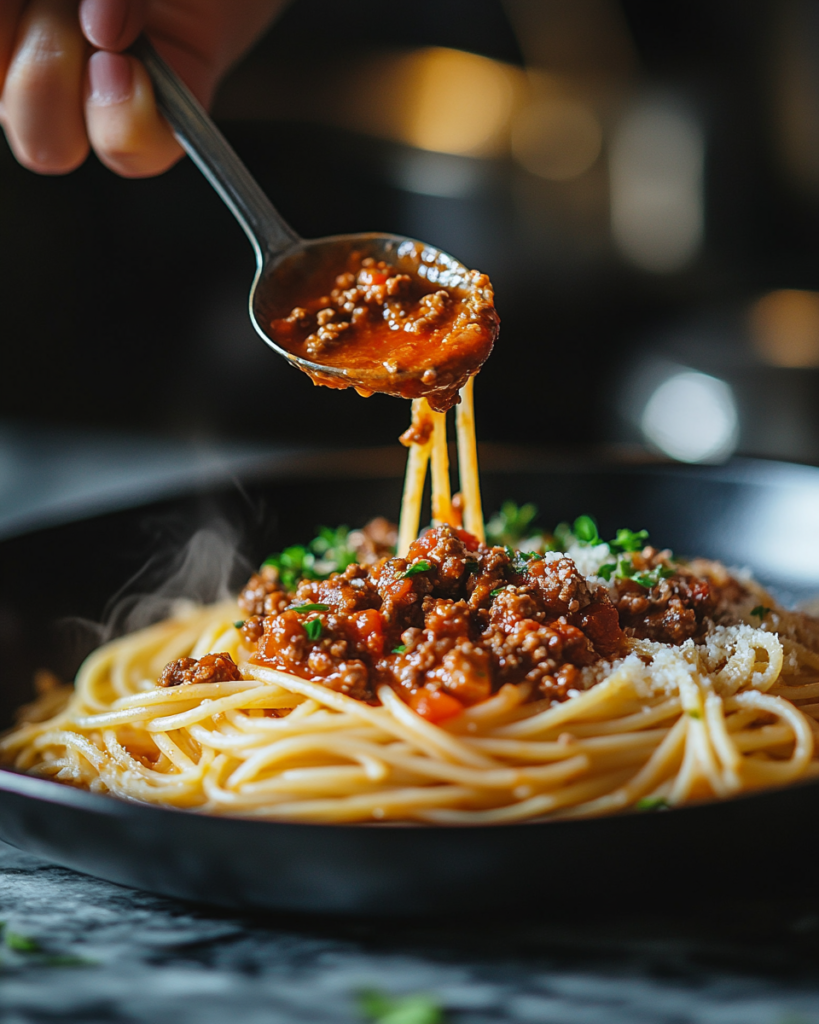
Serve the sauce over the cooked spaghetti, tossing lightly to coat. Finish with grated Parmesan cheese and a sprinkle of fresh parsley if desired.

Common mistakes include rushing the simmering process, which limits flavor development, and overcooking the pasta until too soft. Keeping an eye on both ensures a balanced final dish.

Tips, Variations & Substitutions

For a richer flavor, allow the sauce to simmer longer, up to 45 minutes. This extended cooking time deepens the taste and thickens the texture naturally.

Adding a splash of red wine during the simmering stage can introduce extra depth. Let it cook down before serving so the flavors blend smoothly.

For a vegetable boost, finely chopped carrots or bell peppers can be added along with the onions. These ingredients bring subtle sweetness and extra texture without overpowering the sauce.

Those seeking a lighter option can swap ground beef for ground turkey or chicken. Keep in mind that leaner meats may require a bit more seasoning to achieve the same depth.

To create a spicier version, include a pinch of red pepper flakes. Adjust the amount based on preference for heat.

For a dairy-free finish, skip the Parmesan cheese or replace it with a plant-based alternative. Gluten-free pasta can also be used without affecting the sauce itself.

Serving Ideas & Occasions

Beef spaghetti meat sauce pairs beautifully with a variety of sides that complement its rich flavor. Garlic bread or a crusty loaf is perfect for soaking up extra sauce, while a simple green salad adds freshness and balance to the meal.

This dish works well for weeknight dinners, as it can be prepared in advance and reheated easily. It is also a reliable option for gatherings, where it can be served in large portions without complicated preparation.

For drinks, a glass of red wine or sparkling water with lemon pairs nicely with the savory notes of the sauce. For a family-friendly setting, iced tea or a light fruit beverage works just as well.

Whether served casually or as part of a larger spread, this meal fits a wide range of occasions.

Nutritional & Health Notes

Beef spaghetti meat sauce provides a balance of protein, carbohydrates, and fats. The ground beef offers a strong source of protein and essential nutrients such as iron and vitamin B12.

Tomatoes contribute vitamins A and C, along with antioxidants that support overall wellness. Using olive oil adds healthy fats that complement the dish without overwhelming it.

Portion size plays an important role in maintaining balance. Pairing the sauce with whole-grain pasta can increase fiber content and support digestion.

Reducing added salt and choosing leaner cuts of beef can make the dish lighter while still maintaining its classic flavor. Including vegetables in the sauce is another simple way to improve its nutritional profile.

FAQs

Can I prepare beef spaghetti meat sauce ahead of time?

Yes, this sauce is ideal for preparing in advance. After cooking, allow it to cool completely before storing it in an airtight container. It can be refrigerated for up to four days. When reheating, warm it gently on the stovetop over low heat, adding a splash of water or broth if it has thickened too much. The flavors often deepen after resting, making it even more enjoyable the next day.

Can I freeze the sauce?

Beef spaghetti meat sauce freezes very well. Once cooled, transfer it to freezer-safe containers or bags, leaving a bit of space for expansion. It can be frozen for up to three months. Thaw overnight in the refrigerator before reheating. Stir well while warming to restore its smooth consistency and taste.

How can I thicken the sauce?

If the sauce appears too thin, allow it to simmer uncovered for a longer period so excess liquid evaporates. Adding a small amount of tomato paste can also help thicken it quickly. Stirring frequently during this stage prevents sticking and helps achieve the desired texture.

What type of pasta works best?

Spaghetti is the traditional choice, but other pasta shapes like linguine, fettuccine, or penne also pair well. Long noodles allow the sauce to cling evenly, while shorter shapes hold the sauce in their ridges and curves, creating a slightly different eating experience.

Can I add cheese directly into the sauce?

Yes, grated Parmesan can be stirred into the sauce during the final minutes of cooking for added richness. However, it is often preferred as a topping to maintain a cleaner texture and allow each person to adjust the amount to their taste.

How do I reduce acidity in the sauce?

If the tomatoes taste too sharp, a small pinch of sugar can help balance the acidity. Another option is to simmer the sauce longer, which naturally mellows the flavor. Avoid adding too much sugar, as it should only gently round out the taste.

Is it possible to make this sauce without onions or garlic?

Yes, the sauce can be prepared without onions or garlic if needed. Substitute with a pinch of onion powder or garlic powder for a milder flavor. While the taste will differ slightly, the sauce will still maintain its core character and richness.

[rank_math_breadcrumb]

Beef Spaghetti Meat Sauce: 5 Easy Happy Favorite

Photo of author
Author: ahmed va
Published:

Beef spaghetti meat sauce is a timeless comfort dish that brings rich flavor and satisfying texture to the table. With tender ground beef simmered in a savory tomato base, this classic recipe creates a hearty meal that pairs perfectly with a bowl of warm pasta.

The beauty of beef spaghetti meat sauce lies in its simplicity and depth. A handful of pantry staples transform into a slow-simmered sauce that coats every strand of spaghetti. Whether served for a family dinner or prepared ahead for busy evenings, this dish delivers consistency and warmth in every bite.

Ingredients Overview

The foundation of beef spaghetti meat sauce begins with ground beef, which provides a rich, savory base. Choosing beef with a moderate fat content, such as 80/20, helps develop deeper flavor while still allowing excess grease to be drained for balance.

Tomatoes form the heart of the sauce. Crushed tomatoes create body, while tomato paste intensifies the flavor and adds thickness. Some cooks prefer diced tomatoes for texture, but a smoother consistency works best for even coating over pasta.

Aromatic ingredients such as onion and garlic build the initial flavor layer. When sautéed gently, they release sweetness and depth that complement the beef. Olive oil helps carry these flavors and prevents sticking during cooking.

Herbs and seasonings bring everything together. Dried oregano and basil give the sauce its classic Italian character, while salt and black pepper round out the taste. A pinch of sugar can balance acidity if the tomatoes taste too sharp.

For flexibility, ground turkey or chicken can replace beef for a lighter version. Fresh herbs can substitute dried ones for a brighter finish, though they should be added toward the end to preserve their flavor.

Ingredients

1 pound ground beef
1 tablespoon olive oil
1 small onion, finely chopped
3 cloves garlic, minced
1 can (28 ounces) crushed tomatoes
2 tablespoons tomato paste
1 teaspoon dried oregano
1 teaspoon dried basil
1/2 teaspoon salt
1/4 teaspoon black pepper
1/2 teaspoon sugar (optional)
1/2 cup water or beef broth
12 ounces spaghetti
Grated Parmesan cheese (for serving)
Fresh parsley, chopped (optional)

Step-by-Step Instructions

Begin by heating olive oil in a large skillet or saucepan over medium heat. Add the chopped onion and cook for about 4–5 minutes until softened and slightly translucent. Stir occasionally to prevent browning too quickly, as gentle cooking helps bring out natural sweetness.

Add the minced garlic and cook for another 30 seconds, just until fragrant. Be careful not to let it burn, as garlic can turn bitter if overcooked.

Next, add the ground beef to the pan. Break it apart with a wooden spoon and cook until fully browned, about 6–8 minutes. Stir occasionally to allow even cooking. Once browned, drain excess fat to keep the sauce from becoming greasy.

Stir in the tomato paste and cook for 1–2 minutes. This step deepens the tomato flavor and removes any raw taste. Then add the crushed tomatoes and water or broth, stirring until well combined.

Season the sauce with oregano, basil, salt, pepper, and sugar if needed. Reduce the heat to low and let the sauce simmer uncovered for 25–30 minutes. Stir occasionally to prevent sticking and allow the flavors to meld together. The sauce should thicken slightly and develop a rich aroma.

While the sauce simmers, bring a large pot of salted water to a boil. Cook the spaghetti according to package instructions until al dente. Reserve a small amount of pasta water before draining.

If the sauce becomes too thick, add a splash of the reserved pasta water to loosen it. Taste and adjust seasoning as needed.

Serve the sauce over the cooked spaghetti, tossing lightly to coat. Finish with grated Parmesan cheese and a sprinkle of fresh parsley if desired.

Common mistakes include rushing the simmering process, which limits flavor development, and overcooking the pasta until too soft. Keeping an eye on both ensures a balanced final dish.

Tips, Variations & Substitutions

For a richer flavor, allow the sauce to simmer longer, up to 45 minutes. This extended cooking time deepens the taste and thickens the texture naturally.

Adding a splash of red wine during the simmering stage can introduce extra depth. Let it cook down before serving so the flavors blend smoothly.

For a vegetable boost, finely chopped carrots or bell peppers can be added along with the onions. These ingredients bring subtle sweetness and extra texture without overpowering the sauce.

Those seeking a lighter option can swap ground beef for ground turkey or chicken. Keep in mind that leaner meats may require a bit more seasoning to achieve the same depth.

To create a spicier version, include a pinch of red pepper flakes. Adjust the amount based on preference for heat.

For a dairy-free finish, skip the Parmesan cheese or replace it with a plant-based alternative. Gluten-free pasta can also be used without affecting the sauce itself.

Serving Ideas & Occasions

Beef spaghetti meat sauce pairs beautifully with a variety of sides that complement its rich flavor. Garlic bread or a crusty loaf is perfect for soaking up extra sauce, while a simple green salad adds freshness and balance to the meal.

This dish works well for weeknight dinners, as it can be prepared in advance and reheated easily. It is also a reliable option for gatherings, where it can be served in large portions without complicated preparation.

For drinks, a glass of red wine or sparkling water with lemon pairs nicely with the savory notes of the sauce. For a family-friendly setting, iced tea or a light fruit beverage works just as well.

Whether served casually or as part of a larger spread, this meal fits a wide range of occasions.

Nutritional & Health Notes

Beef spaghetti meat sauce provides a balance of protein, carbohydrates, and fats. The ground beef offers a strong source of protein and essential nutrients such as iron and vitamin B12.

Tomatoes contribute vitamins A and C, along with antioxidants that support overall wellness. Using olive oil adds healthy fats that complement the dish without overwhelming it.

Portion size plays an important role in maintaining balance. Pairing the sauce with whole-grain pasta can increase fiber content and support digestion.

Reducing added salt and choosing leaner cuts of beef can make the dish lighter while still maintaining its classic flavor. Including vegetables in the sauce is another simple way to improve its nutritional profile.

FAQs

Can I prepare beef spaghetti meat sauce ahead of time?

Yes, this sauce is ideal for preparing in advance. After cooking, allow it to cool completely before storing it in an airtight container. It can be refrigerated for up to four days. When reheating, warm it gently on the stovetop over low heat, adding a splash of water or broth if it has thickened too much. The flavors often deepen after resting, making it even more enjoyable the next day.

Can I freeze the sauce?

Beef spaghetti meat sauce freezes very well. Once cooled, transfer it to freezer-safe containers or bags, leaving a bit of space for expansion. It can be frozen for up to three months. Thaw overnight in the refrigerator before reheating. Stir well while warming to restore its smooth consistency and taste.

How can I thicken the sauce?

If the sauce appears too thin, allow it to simmer uncovered for a longer period so excess liquid evaporates. Adding a small amount of tomato paste can also help thicken it quickly. Stirring frequently during this stage prevents sticking and helps achieve the desired texture.

What type of pasta works best?

Spaghetti is the traditional choice, but other pasta shapes like linguine, fettuccine, or penne also pair well. Long noodles allow the sauce to cling evenly, while shorter shapes hold the sauce in their ridges and curves, creating a slightly different eating experience.

Can I add cheese directly into the sauce?

Yes, grated Parmesan can be stirred into the sauce during the final minutes of cooking for added richness. However, it is often preferred as a topping to maintain a cleaner texture and allow each person to adjust the amount to their taste.

How do I reduce acidity in the sauce?

If the tomatoes taste too sharp, a small pinch of sugar can help balance the acidity. Another option is to simmer the sauce longer, which naturally mellows the flavor. Avoid adding too much sugar, as it should only gently round out the taste.

Is it possible to make this sauce without onions or garlic?

Yes, the sauce can be prepared without onions or garlic if needed. Substitute with a pinch of onion powder or garlic powder for a milder flavor. While the taste will differ slightly, the sauce will still maintain its core character and richness.
Name

Lorem ipsum dolor sit amet, consectetur adipiscing elit. Suspendisse varius enim in eros elementum tristique. Duis cursus, mi quis viverra ornare, eros dolor interdum nulla, ut commodo diam libero vitae erat.

You Might Also Like...

Quick Beef Noodle Meals: 5 Easy Exciting Dinners

Quick Beef Noodle Meals: 5 Easy Exciting Dinners

Korean Beef Recipes: 5 Amazing Vibrant Dishes

Korean Beef Recipes: 5 Amazing Vibrant Dishes

Stir Fry Beef Recipes: 5 Amazing Irresistibly Tasty Ideas

Stir Fry Beef Recipes: 5 Amazing Irresistibly Tasty Ideas

Asian Ground Beef Dinner: 7 Easy Happy Meals

Asian Ground Beef Dinner: 7 Easy Happy Meals

Tags:

You might also like these recipes

Leave a Comment