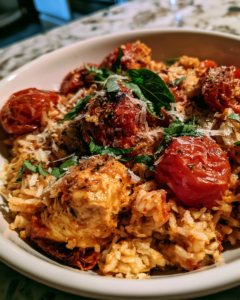
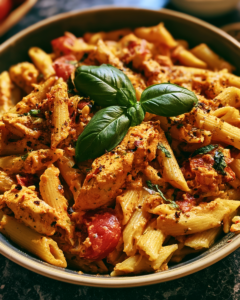
Cheesy Beef Taco Pasta brings together tender pasta, seasoned beef, rich tomato flavor, and melted cheese in one hearty skillet dinner. This family-style meal carries the bold character of classic tacos while delivering the creamy comfort of pasta night. Every forkful carries savory beef, silky cheese sauce, and gentle spice balanced by tomatoes and onions.
Busy evenings often call for a filling dish that comes together without complicated preparation. This recipe fits that role perfectly. A single pan handles most of the cooking, while pantry staples keep preparation simple and affordable. The result feels warm, hearty, and satisfying without requiring hours near the stove.
Soft pasta absorbs the taco-inspired seasoning beautifully, while cheddar creates a creamy finish that wraps around every bite. Fresh toppings such as cilantro, diced tomatoes, sliced jalapeños, or sour cream add freshness and texture right before serving.
Ingredients Overview

Several pantry staples join together to create the rich flavor and creamy texture found in Cheesy Beef Taco Pasta. Ground beef forms the savory foundation of the dish. An 85/15 blend carries enough fat for flavor while still draining easily after browning. Leaner beef also works, though slightly less richness develops during cooking.
Pasta acts as the hearty base. Medium shells, rotini, or elbow pasta hold sauce particularly well because the curves trap melted cheese and seasoned tomato mixture. Short pasta shapes remain ideal since they cook evenly and blend smoothly with the beef.
Onion and garlic bring aromatic depth that supports the taco seasoning. Diced tomatoes and tomato sauce create body while adding slight acidity that balances the richness from the cheese. Beef broth helps the pasta absorb flavor during simmering, creating a deeply seasoned final dish.
Cheddar cheese delivers creamy texture and classic taco-style flavor. Freshly shredded cheddar melts far more smoothly than pre-shredded varieties because packaged cheese often carries anti-caking agents that affect texture. Monterey Jack or pepper jack also pair beautifully with the beef mixture.
Taco seasoning ties everything together through cumin, chili powder, paprika, oregano, and garlic powder. Homemade seasoning offers greater control over salt and spice levels, though packaged seasoning remains perfectly suitable during busy weeknights.
Sour cream softens the spice and creates an extra creamy finish. Greek yogurt may replace sour cream for a slightly lighter texture while still keeping the sauce smooth and rich.
Ingredients
1 pound ground beef
8 ounces medium shell pasta
1 tablespoon olive oil
1 small yellow onion, finely diced
3 garlic cloves, minced
1 packet taco seasoning
1 teaspoon smoked paprika
1/2 teaspoon cumin
1 can diced tomatoes, drained
1 can tomato sauce
2 cups beef broth
1 cup whole milk
2 cups shredded sharp cheddar cheese
1 cup shredded Monterey Jack cheese
1/2 cup sour cream
1/2 teaspoon salt
1/4 teaspoon black pepper
1 tablespoon chopped cilantro
1 diced tomato for garnish
Sliced jalapeños for garnish
Step-by-Step Instructions

Begin by heating a large deep skillet or Dutch oven over medium heat. Add olive oil followed by the diced onion. Cook for roughly 4 minutes until the onion softens and turns translucent. Stir frequently so the onion cooks evenly without darkening too heavily.
Add the minced garlic and stir continuously for about 30 seconds. Garlic cooks rapidly, so prolonged heat may create bitterness. Once fragrant, add the ground beef. Break the meat into small crumbles using a wooden spoon while cooking for 6 to 8 minutes until fully browned.
Drain excess grease if necessary, though leaving a small amount carries richer flavor throughout the sauce. Sprinkle taco seasoning, paprika, cumin, salt, and black pepper across the beef mixture. Stir thoroughly so every portion becomes coated with seasoning.
Pour in diced tomatoes, tomato sauce, beef broth, and milk. Stir carefully while scraping any browned bits from the skillet bottom since those caramelized bits add substantial savory flavor. Add the uncooked pasta directly into the skillet mixture.
Raise heat slightly until gentle bubbling begins, then lower heat to medium-low. Cover the skillet and simmer for approximately 12 to 15 minutes. Stir every few minutes so the pasta cooks evenly and avoids sticking near the bottom. Pasta should become tender while much of the liquid thickens into a rich sauce.
Avoid cooking too aggressively during this stage. Rapid boiling may cause uneven pasta texture or reduce liquid too quickly before the pasta fully softens. If the skillet appears dry before the pasta finishes cooking, stir in a small splash of broth.
Once the pasta reaches tender texture, lower heat completely. Gradually stir in cheddar and Monterey Jack cheese one handful at a time. Slow addition helps create a smooth creamy sauce rather than clumps. Stir gently until fully melted.
Fold sour cream into the skillet right before serving. This final addition softens the seasoning and creates extra creaminess throughout the dish. Taste the sauce and adjust salt if necessary.
Scatter chopped cilantro across the top alongside diced tomatoes and sliced jalapeños. Serve immediately while the cheese remains creamy and silky.
Several small details strongly affect the final texture. Freshly shredded cheese melts more evenly than bagged cheese. Overcooked pasta may absorb excessive liquid and become mushy, so checking tenderness near the final minutes remains helpful. Gentle simmering rather than vigorous boiling creates the richest texture overall.
Tips, Variations & Substitutions
Ground turkey or ground chicken may replace beef for a lighter variation while still carrying taco-inspired flavor beautifully. Since poultry contains less fat, adding an additional teaspoon of olive oil during cooking helps maintain richness.
Black beans or pinto beans create additional texture and protein. Stir drained beans into the skillet during the final simmering stage so they warm thoroughly without becoming overly soft.
Pepper jack cheese introduces additional heat for households that enjoy stronger spice. Mild cheddar creates a gentler flavor suitable for younger diners. A small portion of cream cheese also creates extra richness when stirred into the finished skillet.
Several vegetable additions pair naturally with this pasta. Corn kernels contribute subtle sweetness, while diced bell peppers bring color and texture. Spinach folds easily into the hot sauce during the closing minutes for additional greens.
Gluten-free pasta functions successfully in this recipe, though cooking time occasionally differs slightly depending on brand. Additional broth may also become necessary because gluten-free pasta sometimes absorbs liquid differently.
Leftovers reheat beautifully. Store cooled pasta inside an airtight container for up to four days. During reheating, add a splash of milk or broth to loosen the sauce since refrigerated pasta naturally absorbs moisture over time.
For extra smoky character, stir chopped chipotle peppers into the tomato mixture. Fresh lime juice squeezed across the finished bowl brightens the entire skillet beautifully.
Serving Ideas & Occasions
Cheesy Beef Taco Pasta fits beautifully into relaxed family dinners, casual gatherings, potluck tables, and busy weekday evenings. Since the dish cooks primarily inside one skillet, cleanup stays manageable even during hectic schedules.
A crisp green salad with lime vinaigrette balances the creamy richness nicely. Warm garlic bread or toasted tortillas also pair beautifully alongside the cheesy sauce. Several households enjoy topping each bowl with crushed tortilla chips for added crunch.
Cold sparkling water with lime, iced tea, or citrus soda pair naturally with the savory seasoning profile. For larger gatherings, serving bowls filled with diced avocado, chopped cilantro, sour cream, and jalapeños allow guests to customize their portions.
During colder months, this hearty skillet dinner feels especially comforting. Summer gatherings also benefit from the recipe because preparation remains straightforward without requiring lengthy oven time.
Nutritional & Health Notes
Cheesy Beef Taco Pasta delivers protein, carbohydrates, and fat in a balanced combination that feels filling and satisfying. Ground beef contributes iron and protein, while cheese supplies calcium alongside creamy texture.
Choosing leaner beef lowers saturated fat slightly without sacrificing too much flavor. Additional vegetables such as spinach, peppers, or corn introduce fiber and nutrients while adding freshness throughout the skillet.
Portion size remains important because cheese and pasta naturally create a rich meal. Pairing smaller servings alongside salad or roasted vegetables creates balanced plates suitable for regular family dinners.
Greek yogurt may replace sour cream for additional protein and slightly lighter texture. Reduced-fat cheese also functions adequately, though the sauce may carry a slightly firmer consistency after cooling.
Homemade taco seasoning allows stronger control over sodium content compared with several packaged blends. Lower-sodium broth also assists households attempting to moderate salt intake while still enjoying bold savory flavor.
Can I prepare Cheesy Beef Taco Pasta ahead of dinner?
Yes. This recipe reheats very successfully, making it suitable for meal preparation or busy schedules. Cook the pasta fully, then cool the skillet slightly before transferring leftovers into airtight containers. Refrigerated portions usually remain fresh for roughly four days.
During reheating, the pasta naturally absorbs additional sauce, creating thicker texture. Adding several tablespoons of milk or broth while warming helps restore creaminess. Gentle stovetop reheating generally produces smoother texture compared with microwave reheating, though either method functions adequately.
For larger gatherings, the entire skillet may remain covered inside a low oven for short periods before serving. Stir occasionally so the cheese sauce stays smooth and evenly heated.
Which pasta shape works particularly well here?
Short pasta shapes remain ideal because they capture the sauce efficiently while blending evenly with the beef mixture. Medium shells, rotini, cavatappi, and elbow pasta all perform beautifully inside this recipe.
Shells trap melted cheese inside their curves, creating flavorful bites throughout the dish. Rotini also performs nicely because the spirals hold the creamy tomato sauce particularly well.
Long noodles such as spaghetti generally carry less suitable texture for this skillet dinner since they tangle heavily with the beef mixture. Short sturdy pasta creates easier serving and more balanced texture across every portion.
Cooking pasta directly inside the skillet also allows the noodles to absorb seasoning from the broth and taco spices during simmering, creating deeper flavor overall.
Can this recipe carry stronger spice?
Absolutely. Several simple additions increase heat without changing the overall texture of the dish. Pepper jack cheese introduces moderate spice while still melting smoothly into the sauce.
Finely chopped jalapeños or serrano peppers may cook alongside the onion during the opening stage. Chipotle peppers in adobo sauce also contribute smoky heat and richer depth.
Crushed red pepper flakes stirred into the sauce near the simmering stage create additional warmth throughout the skillet. Hot sauce added directly before serving allows each diner to adjust spice levels individually.
Balancing stronger spice with sour cream, avocado, or additional cheese keeps the dish rich and comfortable rather than overwhelmingly hot.
Can frozen beef function successfully?
Frozen ground beef works perfectly once fully thawed beforehand. Safe thawing inside the refrigerator overnight remains the preferred approach because it preserves texture while preventing uneven cooking.
After thawing, pat excess moisture lightly using paper towels before browning. Removing excess water helps the beef caramelize rather than steam inside the skillet. Rich browning contributes substantial savory depth to the finished dish.
If hurried preparation becomes necessary, cold water thawing also functions adequately. Keep the beef sealed tightly during thawing and cook immediately afterward.
Fully cooked leftovers may also freeze successfully for later dinners. Portion cooled pasta into freezer-safe containers for simpler reheating during future busy evenings.
Why did the cheese sauce turn grainy?
Grainy cheese sauce usually develops from excessive heat or rapid cheese addition. Cheese melts most smoothly when added gradually over low heat after simmering finishes.
Pre-shredded cheese occasionally creates slightly grainier texture because anti-caking ingredients affect melting behavior. Freshly shredding cheese directly from the block generally creates creamier sauce.
Milk with moderate fat content also contributes smoother texture compared with very low-fat dairy products. Stirring continuously while adding cheese prevents clumping and supports even melting.
If the sauce thickens excessively during cooking, stirring in additional warm milk often restores smoother consistency quickly without reducing flavor.
Which toppings pair nicely with this pasta?
Fresh toppings create beautiful contrast against the rich creamy sauce. Diced tomatoes, cilantro, avocado slices, jalapeños, and green onions all bring freshness and color.
Crushed tortilla chips add pleasant crunch while sour cream softens the seasoning slightly. Lime wedges served alongside the skillet brighten the savory flavor dramatically through fresh acidity.
Shredded lettuce occasionally appears as a finishing garnish for diners seeking stronger taco-inspired character. Pickled onions also contribute pleasant tanginess that balances the cheese beautifully.
Serving toppings separately allows households or guests to customize individual bowls according to personal preference.
Can this recipe function for gatherings?
Yes. Cheesy Beef Taco Pasta scales upward beautifully for parties, potlucks, and casual gatherings. Larger Dutch ovens accommodate doubled quantities without difficulty, though occasional stirring becomes increasingly important during simmering.
Because the recipe combines protein, pasta, and cheese within one skillet, it functions particularly well for buffet-style serving. Warm holding temperatures inside slow cookers or low ovens also help maintain creamy texture for extended periods.
Preparing topping stations nearby encourages customization while creating colorful presentation. Bowls filled with cilantro, tomatoes, jalapeños, avocado, and tortilla strips pair naturally with the creamy pasta.
Since preparation relies primarily upon pantry staples, this recipe remains convenient for feeding larger groups affordably and comfortably.