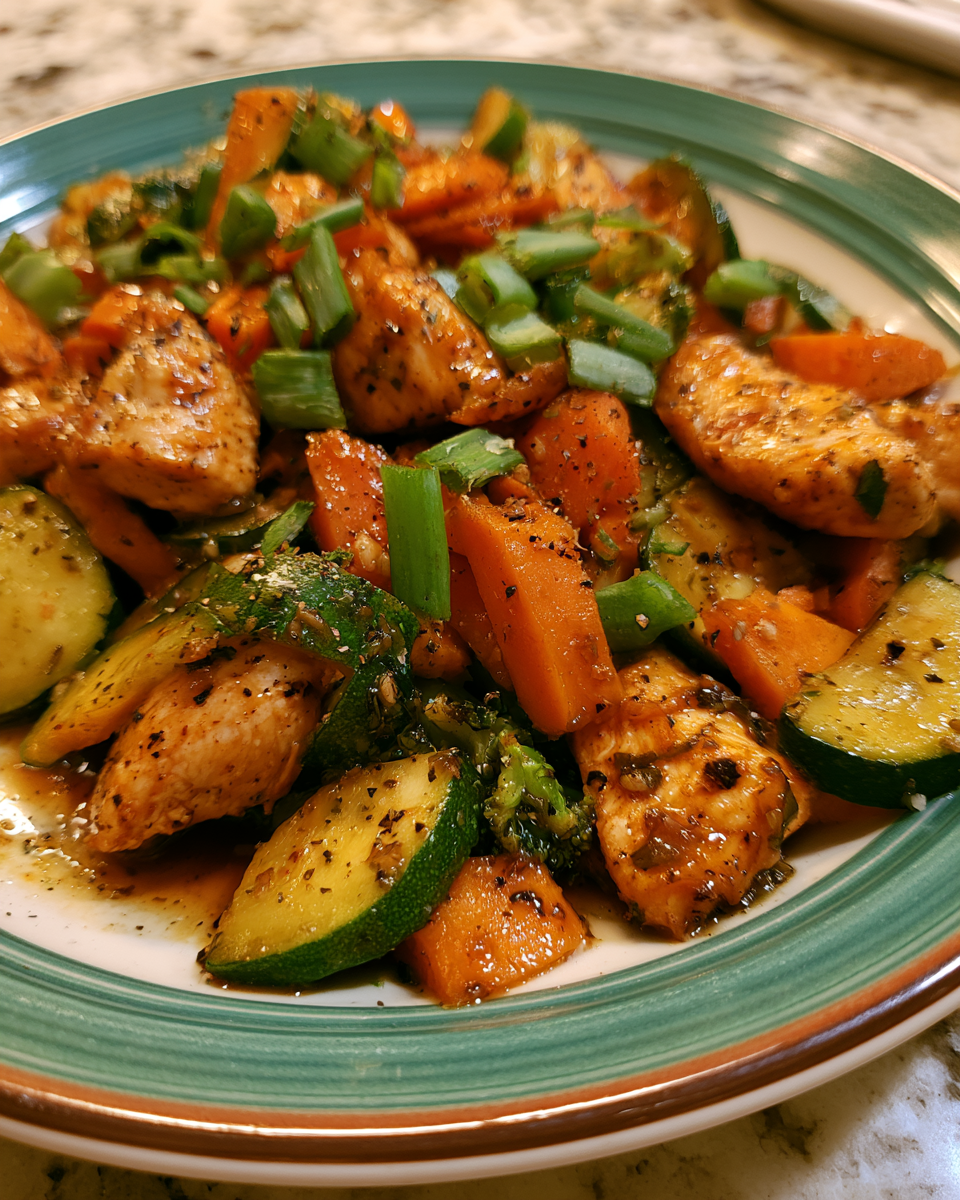
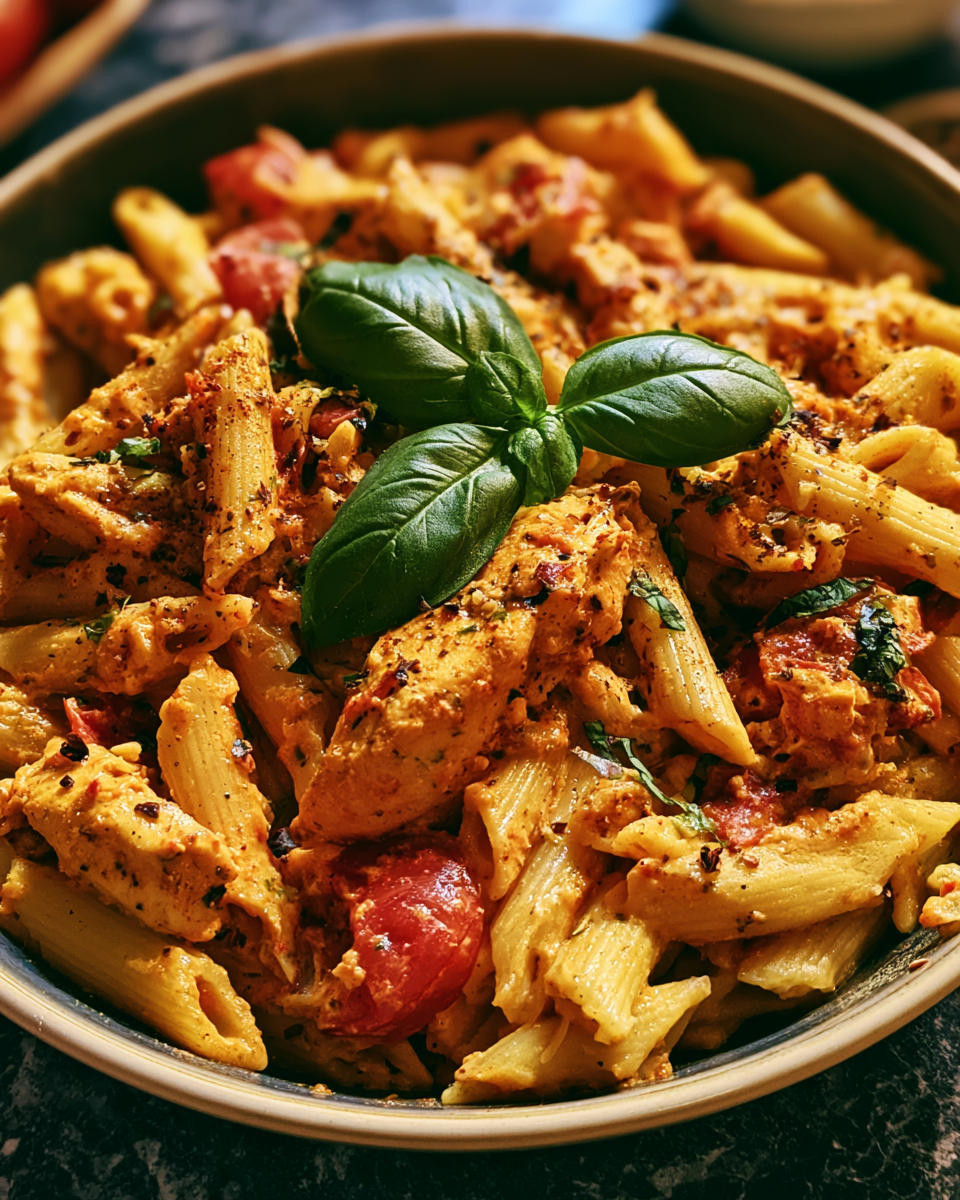
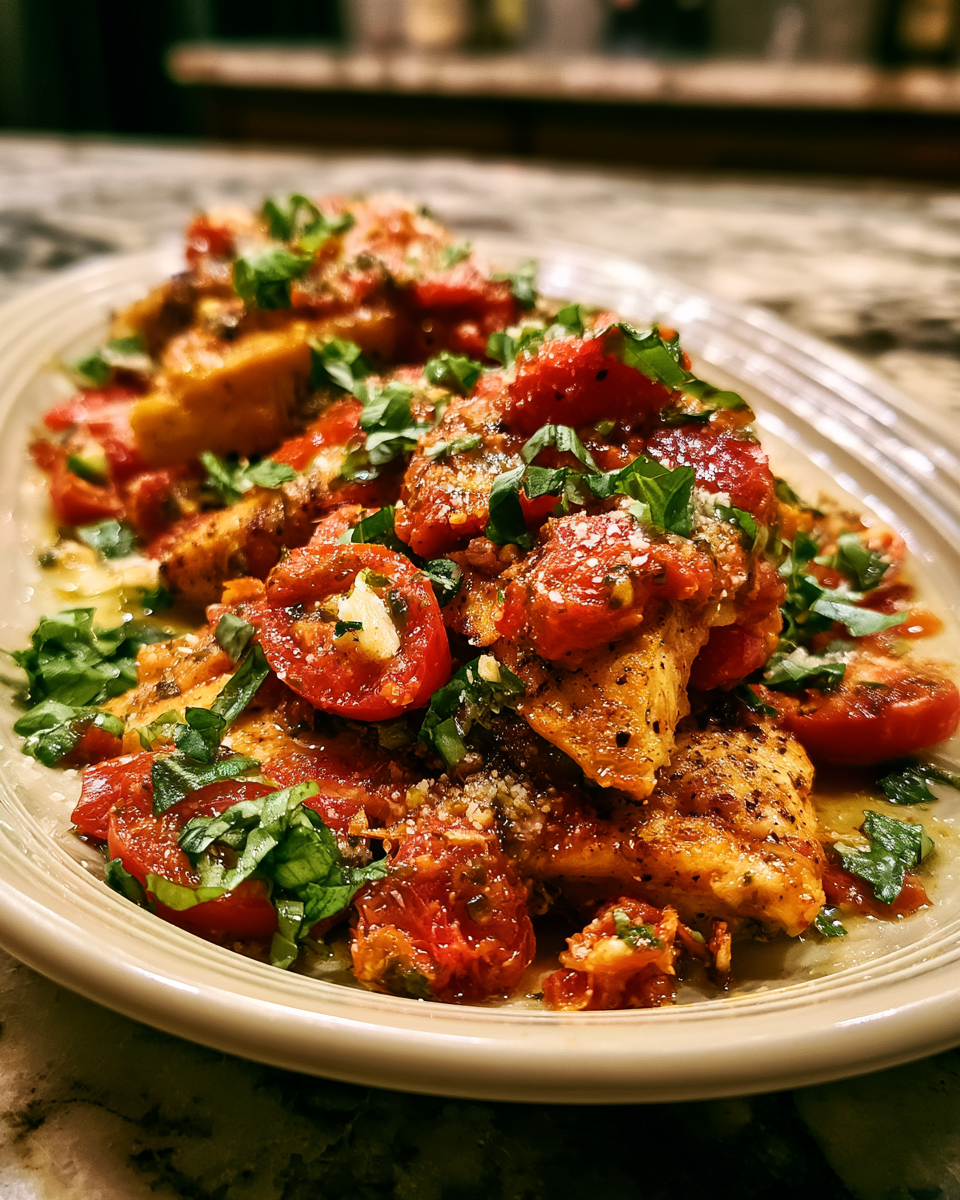
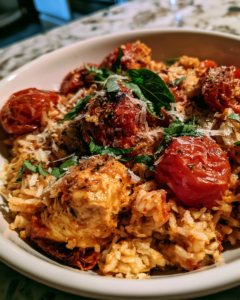
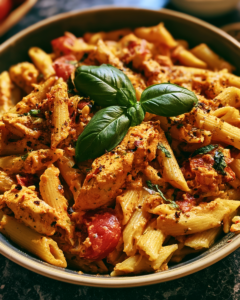
Cheesy Taco Beef Pasta brings together rich ground beef, tender pasta, taco seasoning, tomatoes, and melted cheese in one hearty skillet dinner. The combination delivers bold Tex-Mex flavor with creamy pasta in every forkful. It works beautifully for busy weeknights, family dinners, potlucks, and casual gatherings because the dish comes together with pantry staples and simple cooking steps.
The seasoned beef adds savory depth while the pasta absorbs the taco-inspired sauce during cooking. Cheese melts into the mixture and creates a creamy finish that balances the tomatoes and spices. The result feels cozy, filling, and satisfying without requiring complicated preparation.
This recipe also adapts well to different tastes. Mild cheese and traditional taco seasoning create a family-friendly version, while jalapeños or pepper jack cheese bring extra heat. Since the entire dish cooks in one pan, cleanup stays manageable, which makes this recipe especially practical during busy evenings.
Ingredients Overview

Ground beef forms the savory base of Cheesy Taco Beef Pasta. An 85/15 blend gives enough richness for flavor while still draining easily after browning. Leaner beef also works, though the finished pasta may taste slightly less rich. Ground turkey can replace beef for a lighter variation while still pairing nicely with taco seasoning.
Taco seasoning delivers the familiar Tex-Mex flavor profile with chili powder, cumin, paprika, onion, and garlic. A store-bought packet keeps preparation quick, though homemade seasoning works equally well. Diced tomatoes with green chilies contribute acidity and a subtle kick that balances the creamy cheese sauce.
Pasta acts as the hearty foundation of the meal. Medium shapes such as rotini, shells, or penne hold sauce well and remain tender without turning mushy. Beef broth deepens the savory flavor while helping the pasta cook evenly in the skillet.
Cheddar cheese supplies creamy texture and classic taco-inspired flavor. Monterey Jack or Colby Jack melt smoothly and create a softer finish. Cream cheese adds extra richness and helps the sauce cling to the pasta.
Fresh toppings brighten the finished dish. Chopped cilantro, green onions, diced tomatoes, sour cream, and sliced avocado all pair beautifully with the rich beef and cheese mixture. Small finishing touches bring contrast and freshness to the warm skillet meal.
Ingredients
1 pound ground beef
2 cups uncooked rotini pasta
1 tablespoon olive oil
1 small yellow onion, diced
3 cloves garlic, minced
1 packet taco seasoning
1 can diced tomatoes with green chilies, 10 ounces
2 cups beef broth
1 cup tomato sauce
4 ounces cream cheese, softened
2 cups shredded cheddar cheese
1 cup shredded Monterey Jack cheese
1/2 teaspoon salt
1/4 teaspoon black pepper
1/2 teaspoon smoked paprika
1 tablespoon chopped cilantro
2 green onions, sliced
Sour cream for serving
Diced avocado for serving
Step-by-Step Instructions
Heat a large deep skillet or Dutch oven over medium heat. Add the olive oil followed by the diced onion. Cook for about 4 minutes until the onion softens and turns translucent. Stir occasionally so the onion cooks evenly without browning too quickly. Add the minced garlic and cook for another 30 seconds until fragrant.
Add the ground beef to the skillet. Break it apart with a wooden spoon while cooking. Continue cooking for 6 to 8 minutes until the beef develops browned edges and no pink remains. Drain excess grease if necessary so the finished pasta does not taste heavy.
Sprinkle the taco seasoning, salt, pepper, and smoked paprika over the beef mixture. Stir thoroughly so the spices coat the meat evenly. The spices should become aromatic after about 1 minute in the warm skillet.
Pour in the diced tomatoes with green chilies, tomato sauce, and beef broth. Stir until fully combined. Add the uncooked pasta and press it gently into the liquid. Bring the mixture to a gentle boil over medium-high heat.
Reduce the heat to medium-low and cover the skillet. Let the pasta simmer for about 12 to 15 minutes. Stir every few minutes so the pasta cooks evenly and does not stick to the bottom. The pasta should become tender while most of the liquid thickens into a rich sauce.
Once the pasta reaches an al dente texture, lower the heat. Add the cream cheese in small pieces and stir until melted completely into the sauce. This step creates a creamy texture that balances the taco seasoning beautifully.
Gradually stir in the shredded cheddar and Monterey Jack cheese. Add the cheese in batches so it melts smoothly instead of clumping together. The sauce should appear thick, creamy, and glossy.
Taste the pasta and adjust seasoning if necessary. If the mixture becomes too thick, add a small splash of beef broth. If extra thickness is preferred, let the skillet sit uncovered for 2 to 3 minutes before serving.
Scatter chopped cilantro and sliced green onions across the top. Serve warm with sour cream and avocado for added creaminess and freshness.
One common issue with cheesy pasta recipes comes from overcooking the noodles. Stirring regularly and checking the pasta a few minutes before the suggested cooking time helps maintain the ideal texture. Another helpful step involves shredding cheese from a block rather than using pre-shredded cheese since freshly shredded cheese melts more smoothly into sauces.
Tips, Variations & Substitutions
Cheesy Taco Beef Pasta adapts beautifully to different flavor preferences and pantry ingredients. Ground turkey or ground chicken both work nicely as alternatives to beef. For a richer variation, a small amount of crumbled chorizo can replace part of the beef and bring smoky spice into the skillet.
Different cheeses create slightly different textures. Sharp cheddar gives bold flavor while Monterey Jack creates a creamier consistency. Pepper Jack introduces mild heat without overpowering the dish. A small amount of mozzarella also creates extra stretchiness in the sauce.
For extra vegetables, stir in corn, black beans, bell peppers, or spinach during the final cooking stage. These additions bring texture and color while stretching the recipe for larger servings.
If a thicker sauce is preferred, allow the skillet to rest uncovered after cooking. The pasta absorbs additional liquid as it sits. For a thinner consistency, stir in extra broth or a splash of milk before serving.
This recipe also reheats very well. Store leftovers in an airtight container for up to four days. Reheat slowly over medium-low heat with a spoonful of broth or milk to refresh the creamy texture.
Gluten-free pasta works successfully in this recipe, though cooking times may vary slightly depending on the brand. Reduced-fat cream cheese and cheese can lighten the dish while still keeping the sauce creamy and flavorful.
Serving Ideas & Occasions
Cheesy Taco Beef Pasta fits beautifully into casual family dinners because it feels hearty and comforting while requiring minimal cleanup. Since the recipe cooks in one skillet, it works especially well during busy weekdays when quick preparation matters.
Fresh toppings help balance the rich pasta. Sour cream, diced avocado, chopped cilantro, fresh tomatoes, and sliced jalapeños all bring brightness and contrast to the warm cheesy sauce. Crushed tortilla chips sprinkled across the top also add crunch.
For side dishes, crisp green salads with lime vinaigrette pair nicely with the creamy pasta. Mexican rice, roasted vegetables, or corn salad also complement the Tex-Mex flavors without overpowering the main dish.
This pasta also works beautifully for game nights, potlucks, and casual gatherings because it stays warm easily and serves a crowd comfortably. A cold sparkling water with lime or iced tea pairs nicely alongside the savory beef and cheese flavors.
Nutritional & Health Notes
Cheesy Taco Beef Pasta contains a balance of protein, carbohydrates, and fat, which makes it filling and satisfying as a complete meal. Ground beef supplies protein and iron while pasta contributes energy-rich carbohydrates. Cheese and cream cheese add richness along with calcium.
Choosing lean ground beef helps reduce excess grease while still delivering hearty flavor. Reduced-sodium taco seasoning and broth can lower the salt content without sacrificing taste. Adding vegetables such as bell peppers, spinach, or black beans increases fiber and nutritional value.
Portion size also plays an important role with creamy pasta dishes. Pairing the pasta with a crisp salad or roasted vegetables creates a more balanced plate while adding freshness to the meal.
Since the recipe stores well, leftovers offer a convenient lunch or dinner option during busy weeks. Reheating with a splash of broth keeps the sauce creamy and pleasant instead of thick or dry.
FAQs
Can I prepare Cheesy Taco Beef Pasta ahead of time?
Yes, this recipe works very well for advance preparation. The beef mixture can cook a full day ahead and stay refrigerated until needed. When ready to serve, warm the mixture gently in a skillet before adding freshly cooked pasta and cheese. Fully prepared leftovers also reheat beautifully for quick lunches or dinners. If storing the entire dish, allow it to cool completely before transferring it into airtight containers. During reheating, add a splash of broth or milk so the sauce regains its creamy consistency. Slow reheating over medium-low heat produces the smoothest texture and keeps the pasta from becoming overly soft.
Which pasta shapes work best for this recipe?
Short pasta varieties hold the sauce especially well in Cheesy Taco Beef Pasta. Rotini, shells, penne, cavatappi, and elbow macaroni all work beautifully because their shapes catch the creamy taco sauce and bits of beef. Smaller pasta shapes also cook evenly in a single skillet. Thin noodles such as spaghetti do not work quite as nicely because they can clump together during cooking. Whole wheat pasta may require slightly more liquid and cooking time. Gluten-free pasta also works successfully, though checking the texture frequently helps prevent overcooking since some gluten-free varieties soften quickly.
Can I freeze Cheesy Taco Beef Pasta?
This dish freezes fairly well, especially if slightly undercooked before storage. Let the pasta cool completely before placing portions into freezer-safe containers. Freeze for up to two months for the freshest flavor and texture. When reheating, thaw overnight in the refrigerator if possible. Warm the pasta slowly in a skillet with extra broth or milk to refresh the creamy sauce. Cheese sauces sometimes separate slightly after freezing, though gentle stirring during reheating usually brings the texture back together. Fresh toppings such as cilantro, avocado, and sour cream should always be added after reheating rather than frozen with the pasta.
How can I add more spice to the recipe?
Several simple additions bring extra heat into Cheesy Taco Beef Pasta. Diced jalapeños cooked with the onions create fresh spicy flavor throughout the dish. Pepper Jack cheese also adds gentle heat while keeping the sauce creamy. Extra chili powder, cayenne pepper, chipotle powder, or hot sauce can deepen the spice level further. Spicy diced tomatoes with green chilies work nicely as well. Adding heat gradually works best since cheese softens spice intensity slightly after melting into the sauce. Serving sliced fresh jalapeños on the side also allows each person to customize their preferred spice level.
What toppings pair nicely with this pasta?
Fresh toppings create contrast against the rich cheesy sauce and seasoned beef. Sour cream cools the spices slightly while diced avocado contributes creamy texture. Chopped cilantro and green onions brighten the overall flavor with fresh herbal notes. Crushed tortilla chips add crunch and help emphasize the taco-inspired character of the dish. Diced tomatoes contribute freshness while sliced jalapeños bring additional heat. A squeeze of fresh lime juice right before serving also balances the richness beautifully. Small topping combinations can completely change the final flavor profile while keeping the core recipe simple and comforting.
Can I cook this recipe in a slow cooker?
Yes, though the texture changes slightly compared to the stovetop version. Brown the beef, onions, and garlic first for the richest flavor before transferring everything except the pasta and cheese into the slow cooker. Cook on low for about 3 to 4 hours. Add the pasta during the final 30 minutes so it cooks without turning mushy. Stir in the cream cheese and shredded cheese at the very end until melted smoothly into the sauce. Watching the pasta carefully remains important because slow cookers vary in heat intensity and can soften pasta quickly.
How do I keep the cheese sauce smooth?
Smooth cheese sauce depends on heat control and gradual mixing. Lower the heat before adding cheese so the dairy melts gently rather than overheating. Stirring the cream cheese into the hot pasta first creates a creamy base that helps the shredded cheese melt evenly afterward. Adding cheese in small handfuls instead of all at once also improves texture. Freshly shredded cheese melts more smoothly because it lacks anti-caking powders commonly found in packaged shredded cheese. If the sauce thickens too much, a small splash of warm broth or milk loosens the consistency without weakening flavor.