Cheesy Taco Beef Pasta: 5 Terrific Family Comforts

Posted on

Uncategorized

Difficulty

Prep time

Cooking time

Total time

Servings

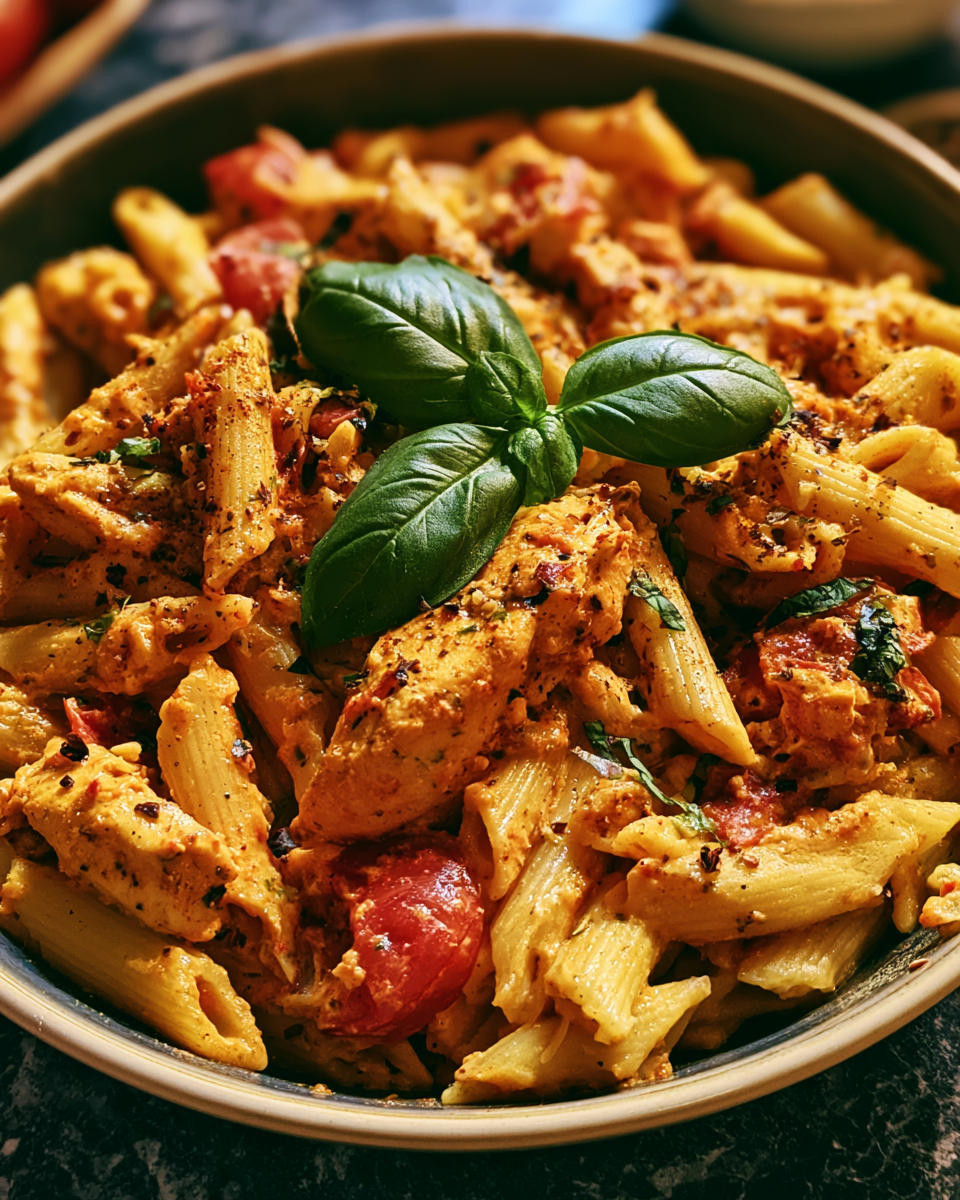
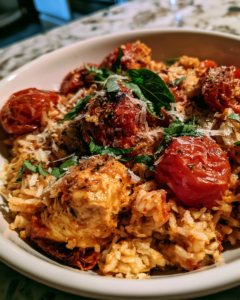
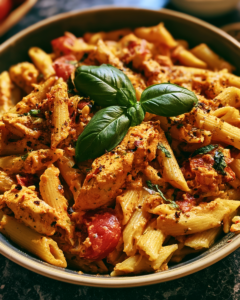
Cheesy Taco Beef Pasta combines seasoned beef, tender pasta, creamy cheese sauce, and taco-inspired spices into a hearty skillet dinner filled with rich savory flavor. Every bite carries creamy melted cheese, warm spices, and satisfying pasta texture that works beautifully for busy weeknight suppers or casual gatherings.

This comforting pasta dinner blends familiar taco flavors with creamy stovetop pasta for a filling meal requiring simple ingredients and straightforward preparation. Ground beef, tomatoes, garlic, and cheddar create bold flavor while pasta helps carry every bit of creamy taco sauce.

Ingredients Overview

Ground beef creates the hearty base throughout this cheesy taco pasta. Lean beef works nicely because it delivers rich flavor without leaving excessive grease inside the skillet. Ground turkey may replace beef whenever lighter flavor feels suitable.

Pasta provides satisfying texture and absorbs the creamy taco sauce beautifully. Rotini, penne, shells, or elbow pasta all work nicely because curved surfaces catch sauce evenly throughout every serving.

Taco seasoning blends chili powder, cumin, paprika, garlic powder, and onion powder into warm savory flavor. Tomato paste plus diced tomatoes deepen the sauce while adding slight sweetness and acidity that balance the richness from cheese and cream.

Cheddar cheese forms the creamy cheesy backbone across the dish. Monterey Jack melts smoothly while cream cheese supports thicker texture and richer consistency. Freshly grated cheese generally melts better compared with packaged shredded cheese.

Beef broth carries savory depth through the sauce while heavy cream softens spice levels. Onion and garlic create aromatic flavor beneath the cheese and taco spices.

Optional toppings like green onions, sour cream, jalapeños, or crushed tortilla chips create extra texture and freshness across each serving. Fresh cilantro also pairs beautifully with cheesy taco flavors.

Ingredients

1 pound lean ground beef
12 ounces rotini pasta
1 tablespoon olive oil
1 small yellow onion, finely chopped
3 garlic cloves, minced
2 tablespoons tomato paste
1 packet taco seasoning
1 can diced tomatoes, drained
2 cups beef broth
3/4 cup heavy cream
4 ounces cream cheese, softened
1 1/2 cups shredded cheddar cheese
1 cup shredded Monterey Jack cheese
1/2 teaspoon kosher salt
1/2 teaspoon black pepper
1/4 teaspoon crushed red pepper flakes
2 tablespoons chopped green onions

Step-by-Step Instructions

Bring a large pot filled with salted water toward a rolling boil. Add rotini pasta and cook until slightly firm in the center. Pasta continues softening later inside the sauce, so slightly firm texture prevents mushy results. Drain pasta and reserve roughly 1/2 cup pasta water.

Place a large skillet across medium-high heat. Add olive oil followed by chopped onion. Cook several minutes until softened and lightly golden. Stir frequently so onion cooks evenly without scorching.

Add ground beef into the skillet. Break larger sections apart using a wooden spoon while cooking. Continue cooking until beef browns fully with little pink remaining. Drain extra grease whenever necessary so the final dish remains creamy rather than oily.

Stir garlic, tomato paste, taco seasoning, salt, black pepper, and crushed red pepper into the skillet. Cook roughly 1 minute until fragrant aromas rise from the pan. Tomato paste should darken slightly during this stage, creating deeper savory flavor.

Add diced tomatoes and beef broth into the skillet while scraping browned bits from the pan surface. Simmer several minutes so flavors blend together smoothly.

Lower heat toward medium-low before stirring heavy cream and cream cheese into the skillet. Continue stirring until cream cheese melts fully and sauce becomes smooth.

Gradually add cheddar and Monterey Jack while stirring continuously. Slow additions help create creamy texture without clumping. Avoid excessive heat after cheese enters the skillet because high temperatures sometimes create grainy sauce.

Fold cooked pasta into the sauce mixture until evenly coated. Whenever sauce appears overly thick, stir reserved pasta water into the skillet a little at a time until creamy consistency returns.

Allow the pasta to simmer gently for 2 to 3 minutes. Sauce thickens slightly while pasta absorbs taco flavor. Scatter chopped green onions across the top shortly before serving.

For stronger taco flavor, additional taco seasoning may enter gradually near the end of cooking. Taste the sauce before adding extra salt because cheese and seasoning already contribute savory richness.

Tips, Variations & Substitutions

Ground turkey or chicken work beautifully whenever lighter flavor feels suitable. Mexican-style chorizo also creates richer smoky flavor for diners preferring deeper spice.

Black beans, corn, or diced bell peppers blend comfortably inside cheesy taco pasta. Vegetables should remain lightly cooked so texture stays balanced beside creamy sauce.

Whole milk may replace heavy cream whenever lighter consistency feels suitable, though the sauce becomes thinner. Additional cheddar often restores thicker texture.

Pepper Jack cheese creates extra warmth while smoked cheddar contributes deeper savory character. Fresh jalapeños scattered across finished servings create brighter spice compared with dried pepper flakes.

Rotini and shells generally perform best because curves trap sauce evenly. Thin pasta varieties sometimes struggle beneath thicker taco-style sauces.

Leftovers store comfortably inside sealed refrigeration containers for roughly three days. Small splashes of broth or milk help soften the sauce during reheating.

Crushed tortilla chips, avocado slices, sour cream, and fresh cilantro create satisfying toppings that bring taco-inspired texture across every serving.

Serving Ideas & Occasions

Cheesy Taco Beef Pasta suits busy family suppers, game-day gatherings, casual potlucks, or relaxed weekend dinners. The creamy cheesy sauce keeps the dish hearty enough for cooler evenings while taco spices create lively flavor throughout the meal.

Cornbread, garlic bread, or warm flour tortillas pair beautifully beside the pasta. Crisp salad greens with lime dressing balance the richness from cheese and beef.

Sparkling water with lime slices refreshes the palate during creamy servings. Iced tea or fruit punch also pair comfortably beside taco-seasoned dishes.

Serve this pasta inside large bowls topped with green onions, crushed tortilla chips, and extra shredded cheese for inviting presentation. Small bowls of toppings placed beside the skillet allow everyone to customize their serving.

Nutritional & Health Notes

Ground beef contributes protein and iron while cheddar and Monterey Jack provide calcium. Pasta supplies carbohydrates that help create satisfying balanced dinners whenever paired beside vegetables or salad greens.

Lean beef reduces excessive grease while preserving hearty flavor. Reduced-fat cheese may lower richness slightly, though sauce texture becomes somewhat lighter.

Tomatoes, onion, and garlic contribute flavor and texture without requiring excessive butter or oil. Bell peppers, beans, or corn naturally increase fiber and vegetable content inside the dish.

Moderate serving sizes help balance richer ingredients like cheese and cream. Pairing cheesy taco pasta beside fresh vegetables creates satisfying meals without feeling overly heavy afterward.

Homemade preparation also allows direct control across sodium levels, spice quantity, and cheese amounts compared with boxed taco pasta meals.

FAQs

Which pasta shapes work nicely for taco pasta?

Rotini, shells, penne, and elbow pasta all perform beautifully because their shapes hold creamy taco sauce evenly. Curved surfaces trap cheese sauce throughout every bite while sturdy texture stands up nicely beside seasoned beef. Thin noodles sometimes become overwhelmed beneath thicker sauces. Slightly firm pasta before mixing into the skillet helps maintain balanced texture after simmering inside the sauce.

Can ground turkey replace beef?

Ground turkey substitutes beautifully whenever lighter flavor feels suitable. Turkey carries milder richness compared with beef, though taco seasoning and cheese still create hearty flavor. Slightly extra olive oil may help lean turkey remain juicy while cooking. Chicken also works nicely, especially alongside pepper jack cheese and corn additions.

Why did the cheese sauce become grainy?

Grainy texture usually develops whenever cheese enters very hot liquid. Lower skillet heat before stirring cheese into the sauce. Freshly grated cheese also melts more smoothly compared with packaged shredded cheese containing anti-caking powders. Gradual cheese additions plus steady stirring help maintain creamy consistency throughout the skillet.

Can beans enter this pasta recipe?

Black beans or pinto beans blend beautifully with taco-seasoned beef and creamy cheese sauce. Beans create heartier texture while increasing fiber content naturally. Drain and rinse canned beans before stirring them into the skillet near the end of cooking. Corn and diced peppers also pair nicely beside bean additions.

Which toppings pair nicely with cheesy taco pasta?

Green onions, diced avocado, cilantro, sour cream, sliced jalapeños, and crushed tortilla chips all create satisfying texture and flavor contrast. Lime wedges also brighten the richness from cheese and beef beautifully. Toppings added shortly before serving help maintain fresh texture throughout each bowl.

Can this pasta enter refrigeration for later meals?

Leftovers store comfortably inside sealed containers within refrigeration for roughly three days. Creamy cheese sauces naturally thicken during chilling, so small splashes of broth or milk help restore smoother texture during reheating. Low stovetop heat generally works better compared with intense microwave heating because cheese sauces sometimes separate under excessive heat.

How spicy is cheesy taco beef pasta?

This recipe carries mild to moderate warmth depending upon taco seasoning and crushed red pepper quantity. Pepper Jack cheese, jalapeños, or additional chili powder create stronger heat whenever preferred. Sour cream or avocado toppings help soften spice levels across each serving while still preserving taco flavor.

………………..

[rank_math_breadcrumb]

Cheesy Taco Beef Pasta: 5 Terrific Family Comforts

Photo of author
Author: liv
Published:

Cheesy Taco Beef Pasta combines seasoned beef, tender pasta, creamy cheese sauce, and taco-inspired spices into a hearty skillet dinner filled with rich savory flavor. Every bite carries creamy melted cheese, warm spices, and satisfying pasta texture that works beautifully for busy weeknight suppers or casual gatherings.

This comforting pasta dinner blends familiar taco flavors with creamy stovetop pasta for a filling meal requiring simple ingredients and straightforward preparation. Ground beef, tomatoes, garlic, and cheddar create bold flavor while pasta helps carry every bit of creamy taco sauce.

Ingredients Overview

Ground beef creates the hearty base throughout this cheesy taco pasta. Lean beef works nicely because it delivers rich flavor without leaving excessive grease inside the skillet. Ground turkey may replace beef whenever lighter flavor feels suitable.

Pasta provides satisfying texture and absorbs the creamy taco sauce beautifully. Rotini, penne, shells, or elbow pasta all work nicely because curved surfaces catch sauce evenly throughout every serving.

Taco seasoning blends chili powder, cumin, paprika, garlic powder, and onion powder into warm savory flavor. Tomato paste plus diced tomatoes deepen the sauce while adding slight sweetness and acidity that balance the richness from cheese and cream.

Cheddar cheese forms the creamy cheesy backbone across the dish. Monterey Jack melts smoothly while cream cheese supports thicker texture and richer consistency. Freshly grated cheese generally melts better compared with packaged shredded cheese.

Beef broth carries savory depth through the sauce while heavy cream softens spice levels. Onion and garlic create aromatic flavor beneath the cheese and taco spices.

Optional toppings like green onions, sour cream, jalapeños, or crushed tortilla chips create extra texture and freshness across each serving. Fresh cilantro also pairs beautifully with cheesy taco flavors.

Ingredients

1 pound lean ground beef
12 ounces rotini pasta
1 tablespoon olive oil
1 small yellow onion, finely chopped
3 garlic cloves, minced
2 tablespoons tomato paste
1 packet taco seasoning
1 can diced tomatoes, drained
2 cups beef broth
3/4 cup heavy cream
4 ounces cream cheese, softened
1 1/2 cups shredded cheddar cheese
1 cup shredded Monterey Jack cheese
1/2 teaspoon kosher salt
1/2 teaspoon black pepper
1/4 teaspoon crushed red pepper flakes
2 tablespoons chopped green onions

Step-by-Step Instructions

Bring a large pot filled with salted water toward a rolling boil. Add rotini pasta and cook until slightly firm in the center. Pasta continues softening later inside the sauce, so slightly firm texture prevents mushy results. Drain pasta and reserve roughly 1/2 cup pasta water.

Place a large skillet across medium-high heat. Add olive oil followed by chopped onion. Cook several minutes until softened and lightly golden. Stir frequently so onion cooks evenly without scorching.

Add ground beef into the skillet. Break larger sections apart using a wooden spoon while cooking. Continue cooking until beef browns fully with little pink remaining. Drain extra grease whenever necessary so the final dish remains creamy rather than oily.

Stir garlic, tomato paste, taco seasoning, salt, black pepper, and crushed red pepper into the skillet. Cook roughly 1 minute until fragrant aromas rise from the pan. Tomato paste should darken slightly during this stage, creating deeper savory flavor.

Add diced tomatoes and beef broth into the skillet while scraping browned bits from the pan surface. Simmer several minutes so flavors blend together smoothly.

Lower heat toward medium-low before stirring heavy cream and cream cheese into the skillet. Continue stirring until cream cheese melts fully and sauce becomes smooth.

Gradually add cheddar and Monterey Jack while stirring continuously. Slow additions help create creamy texture without clumping. Avoid excessive heat after cheese enters the skillet because high temperatures sometimes create grainy sauce.

Fold cooked pasta into the sauce mixture until evenly coated. Whenever sauce appears overly thick, stir reserved pasta water into the skillet a little at a time until creamy consistency returns.

Allow the pasta to simmer gently for 2 to 3 minutes. Sauce thickens slightly while pasta absorbs taco flavor. Scatter chopped green onions across the top shortly before serving.

For stronger taco flavor, additional taco seasoning may enter gradually near the end of cooking. Taste the sauce before adding extra salt because cheese and seasoning already contribute savory richness.

Tips, Variations & Substitutions

Ground turkey or chicken work beautifully whenever lighter flavor feels suitable. Mexican-style chorizo also creates richer smoky flavor for diners preferring deeper spice.

Black beans, corn, or diced bell peppers blend comfortably inside cheesy taco pasta. Vegetables should remain lightly cooked so texture stays balanced beside creamy sauce.

Whole milk may replace heavy cream whenever lighter consistency feels suitable, though the sauce becomes thinner. Additional cheddar often restores thicker texture.

Pepper Jack cheese creates extra warmth while smoked cheddar contributes deeper savory character. Fresh jalapeños scattered across finished servings create brighter spice compared with dried pepper flakes.

Rotini and shells generally perform best because curves trap sauce evenly. Thin pasta varieties sometimes struggle beneath thicker taco-style sauces.

Leftovers store comfortably inside sealed refrigeration containers for roughly three days. Small splashes of broth or milk help soften the sauce during reheating.

Crushed tortilla chips, avocado slices, sour cream, and fresh cilantro create satisfying toppings that bring taco-inspired texture across every serving.

Serving Ideas & Occasions

Cheesy Taco Beef Pasta suits busy family suppers, game-day gatherings, casual potlucks, or relaxed weekend dinners. The creamy cheesy sauce keeps the dish hearty enough for cooler evenings while taco spices create lively flavor throughout the meal.

Cornbread, garlic bread, or warm flour tortillas pair beautifully beside the pasta. Crisp salad greens with lime dressing balance the richness from cheese and beef.

Sparkling water with lime slices refreshes the palate during creamy servings. Iced tea or fruit punch also pair comfortably beside taco-seasoned dishes.

Serve this pasta inside large bowls topped with green onions, crushed tortilla chips, and extra shredded cheese for inviting presentation. Small bowls of toppings placed beside the skillet allow everyone to customize their serving.

Nutritional & Health Notes

Ground beef contributes protein and iron while cheddar and Monterey Jack provide calcium. Pasta supplies carbohydrates that help create satisfying balanced dinners whenever paired beside vegetables or salad greens.

Lean beef reduces excessive grease while preserving hearty flavor. Reduced-fat cheese may lower richness slightly, though sauce texture becomes somewhat lighter.

Tomatoes, onion, and garlic contribute flavor and texture without requiring excessive butter or oil. Bell peppers, beans, or corn naturally increase fiber and vegetable content inside the dish.

Moderate serving sizes help balance richer ingredients like cheese and cream. Pairing cheesy taco pasta beside fresh vegetables creates satisfying meals without feeling overly heavy afterward.

Homemade preparation also allows direct control across sodium levels, spice quantity, and cheese amounts compared with boxed taco pasta meals.

FAQs

Which pasta shapes work nicely for taco pasta?

Rotini, shells, penne, and elbow pasta all perform beautifully because their shapes hold creamy taco sauce evenly. Curved surfaces trap cheese sauce throughout every bite while sturdy texture stands up nicely beside seasoned beef. Thin noodles sometimes become overwhelmed beneath thicker sauces. Slightly firm pasta before mixing into the skillet helps maintain balanced texture after simmering inside the sauce.

Can ground turkey replace beef?

Ground turkey substitutes beautifully whenever lighter flavor feels suitable. Turkey carries milder richness compared with beef, though taco seasoning and cheese still create hearty flavor. Slightly extra olive oil may help lean turkey remain juicy while cooking. Chicken also works nicely, especially alongside pepper jack cheese and corn additions.

Why did the cheese sauce become grainy?

Grainy texture usually develops whenever cheese enters very hot liquid. Lower skillet heat before stirring cheese into the sauce. Freshly grated cheese also melts more smoothly compared with packaged shredded cheese containing anti-caking powders. Gradual cheese additions plus steady stirring help maintain creamy consistency throughout the skillet.

Can beans enter this pasta recipe?

Black beans or pinto beans blend beautifully with taco-seasoned beef and creamy cheese sauce. Beans create heartier texture while increasing fiber content naturally. Drain and rinse canned beans before stirring them into the skillet near the end of cooking. Corn and diced peppers also pair nicely beside bean additions.

Which toppings pair nicely with cheesy taco pasta?

Green onions, diced avocado, cilantro, sour cream, sliced jalapeños, and crushed tortilla chips all create satisfying texture and flavor contrast. Lime wedges also brighten the richness from cheese and beef beautifully. Toppings added shortly before serving help maintain fresh texture throughout each bowl.

Can this pasta enter refrigeration for later meals?

Leftovers store comfortably inside sealed containers within refrigeration for roughly three days. Creamy cheese sauces naturally thicken during chilling, so small splashes of broth or milk help restore smoother texture during reheating. Low stovetop heat generally works better compared with intense microwave heating because cheese sauces sometimes separate under excessive heat.

How spicy is cheesy taco beef pasta?

This recipe carries mild to moderate warmth depending upon taco seasoning and crushed red pepper quantity. Pepper Jack cheese, jalapeños, or additional chili powder create stronger heat whenever preferred. Sour cream or avocado toppings help soften spice levels across each serving while still preserving taco flavor.

………………..

Name

Lorem ipsum dolor sit amet, consectetur adipiscing elit. Suspendisse varius enim in eros elementum tristique. Duis cursus, mi quis viverra ornare, eros dolor interdum nulla, ut commodo diam libero vitae erat.

You Might Also Like...

Egg & Pasta Budget Spaghetti Frittata: 5 Simple Happy Bites

Egg & Pasta Budget Spaghetti Frittata: 5 Simple Happy Bites

Dollar Stretcher Spaghetti with Canned Tomatoes: 5 Simple Delighted

Dollar Stretcher Spaghetti with Canned Tomatoes: 5 Simple Delighted

Roasted Vegetable Homemade Spaghetti Sauce: 7 Authentic Comforting Ideas

Roasted Vegetable Homemade Spaghetti Sauce: 7 Authentic Comforting Ideas

Fresh Tomato Homemade Spaghetti Sauce: 7 Authentic Hope

Fresh Tomato Homemade Spaghetti Sauce: 7 Authentic Hope

Tags:

You might also like these recipes

Leave a Comment