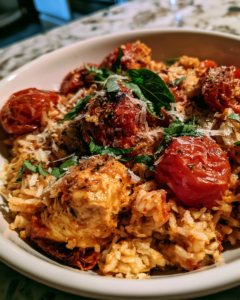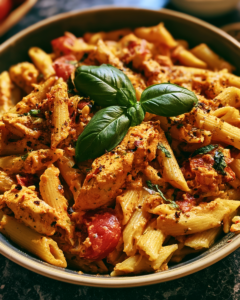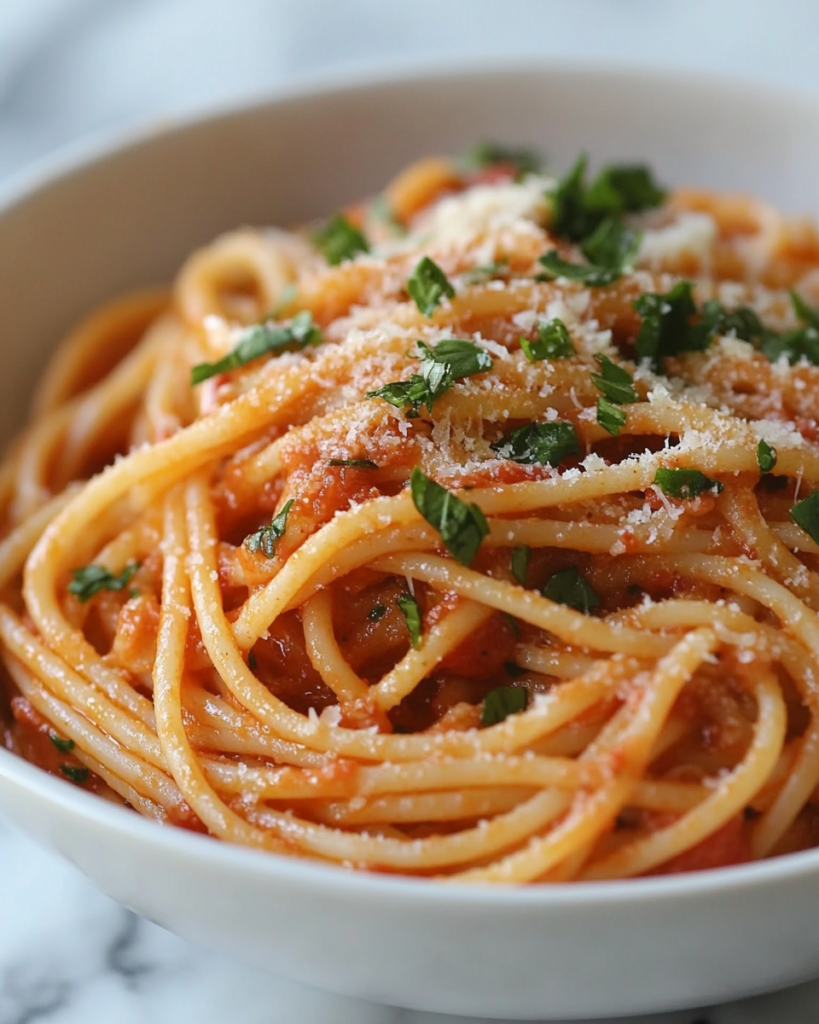
Classic Marinara Spaghetti with Fresh Basil is a timeless pasta dish built from pantry staples and a handful of fragrant herbs. Tender strands of spaghetti coated in a slow-simmered tomato sauce create a meal that feels comforting, balanced, and deeply rooted in Italian home cooking.
Fresh basil brings a bright herbal note that softens the richness of tomatoes and olive oil. The result is a plate of pasta with clean flavor, gentle acidity, and a silky texture that comes together without complicated preparation.
Whether served for a quiet weeknight dinner or placed at the center of a family table, Classic Marinara Spaghetti with Fresh Basil offers familiar flavor and dependable results.
Ingredients Overview
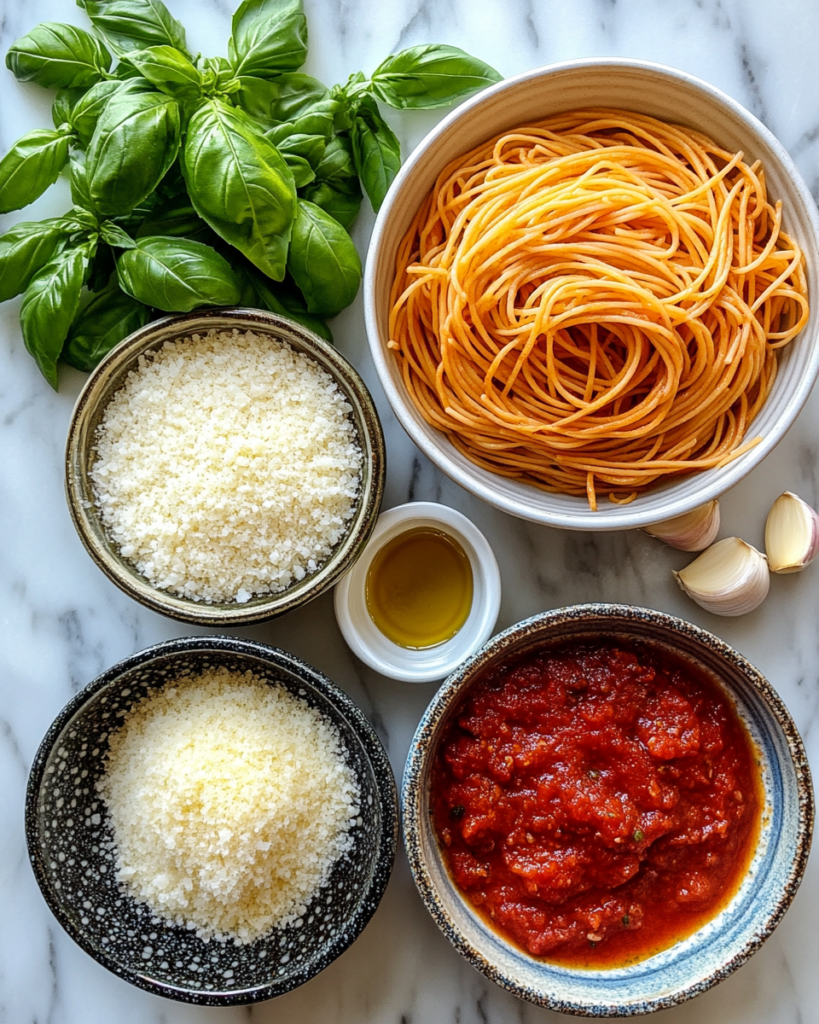
The foundation of Classic Marinara Spaghetti with Fresh Basil begins with quality canned whole tomatoes or crushed tomatoes. Tomatoes form the body of the sauce, creating sweetness, acidity, and natural richness after simmering. Whole San Marzano–style tomatoes work especially well because they break down into a smooth texture while keeping a bright flavor.
Olive oil is equally important. A moderate amount creates body and allows the garlic to gently infuse the sauce. Extra virgin olive oil gives a fruitier finish, although regular olive oil also works for cooking.
Garlic supplies aroma and depth. Thinly sliced or finely chopped garlic releases flavor gradually into the oil and gives the marinara its classic character. Onion adds sweetness and rounds out acidity without overpowering the tomatoes.
Fresh basil is added in stages. Some leaves simmer briefly in the sauce while additional basil is scattered at serving for a clean herbal finish. Using dried basil changes the character of the dish, though one teaspoon dried basil may stand in if necessary.
Spaghetti provides structure and absorbs sauce along its surface. Traditional spaghetti is ideal, yet linguine or thin spaghetti are suitable alternatives.
Salt and black pepper balance the final dish. A small pinch of sugar may soften highly acidic tomatoes, though many cooks skip it entirely.
Freshly grated Parmesan is optional and can be served separately so each person adjusts richness according to preference.
Ingredients
16 ounces spaghetti
2 tablespoons extra virgin olive oil
1 medium yellow onion, finely chopped
4 garlic cloves, thinly sliced
2 cans (28 ounces each) whole peeled tomatoes, crushed by hand
1 tablespoon tomato paste
1 teaspoon kosher salt
1/2 teaspoon freshly ground black pepper
1/2 teaspoon dried oregano
1 small pinch granulated sugar (optional)
1/2 cup loosely packed fresh basil leaves, torn
1/4 teaspoon red pepper flakes (optional)
1/4 cup reserved pasta water
Freshly grated Parmesan cheese, for serving
Extra basil leaves, for garnish
Step-by-Step Instructions
Fill a large pot with water and bring it to a rolling boil. Add enough salt so the water tastes lightly seasoned. While the water heats, begin the marinara.
Place a wide saucepan or Dutch oven over medium heat. Add olive oil and allow it to warm for about 30 seconds. Stir in the onion and cook for 6 to 8 minutes until softened and lightly translucent. Avoid deep browning because heavily browned onion changes the classic flavor profile.
Add sliced garlic and stir continuously for about 45 seconds. Garlic cooks quickly and can turn bitter if left unattended.
Stir in tomato paste and cook for one minute. The paste darkens slightly and develops richer flavor.
Add the crushed tomatoes with their juices. Stir well and season with salt, pepper, oregano, and optional red pepper flakes. If the tomatoes taste sharply acidic, add the small pinch of sugar.
Lower heat and simmer uncovered for 25 to 30 minutes. Stir occasionally. During the final 10 minutes, add half of the torn basil leaves.
Meanwhile, cook the spaghetti according to package directions until al dente. Taste a strand during the final minute rather than relying only on the clock. Proper spaghetti should remain tender with a slight bite in the center.
Before draining, reserve about one quarter cup pasta water.
Transfer drained spaghetti directly into the marinara. Add reserved pasta water gradually while tossing. The starch in the water helps the sauce cling to each strand and creates a smooth finish.
Cook the combined pasta and sauce together for another minute over low heat. Taste and adjust seasoning.
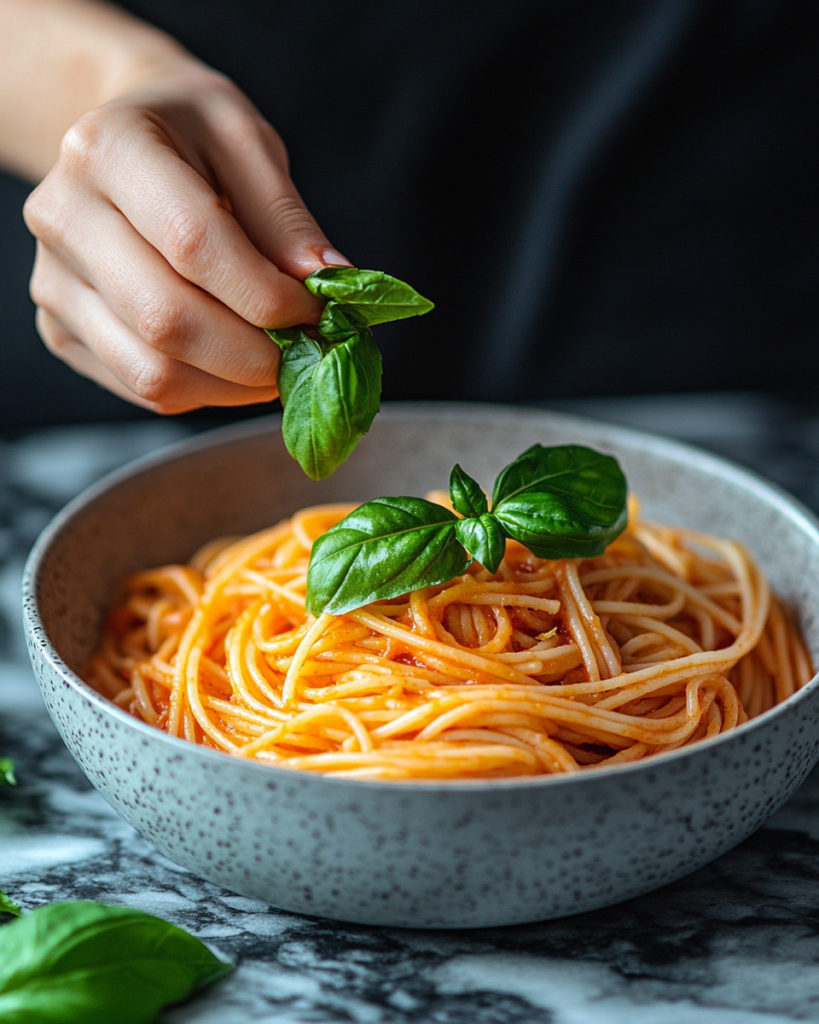
Scatter remaining basil over the pasta just before serving.
Common issues are easy to avoid. Watery sauce usually comes from insufficient simmering. Dry pasta often means skipping reserved pasta water. Mushy spaghetti usually results from overcooking before mixing with sauce.
Serve immediately with Parmesan on the side and additional basil leaves for color and aroma.
Tips, Variations & Substitutions
For deeper tomato flavor, simmer the marinara an additional 10 minutes. Slow cooking allows natural sweetness to develop without adding extra ingredients.
If fresh tomatoes are in season, substitute about 3 pounds ripe plum tomatoes. Peel and crush them before cooking.
Whole wheat spaghetti creates a nuttier flavor and slightly firmer texture. Gluten-free spaghetti also works, though cooking times vary and should be checked early.
For additional richness, stir in a tablespoon of butter during the final minute of cooking.
Vegetable additions can shift the character of the dish while staying close to tradition. Sautéed mushrooms, diced zucchini, or roasted eggplant blend smoothly with marinara.
Protein additions are simple as well. Grilled chicken, sautéed shrimp, or cooked Italian-style meatballs pair naturally with the sauce.
If serving dairy-free, skip Parmesan or use a plant-based alternative.
Fresh basil should be added near the end of cooking. Long simmering reduces its bright herbal character.
Leftover sauce stores well and often develops fuller flavor after resting overnight in the refrigerator.
Serving Ideas & Occasions
Classic Marinara Spaghetti with Fresh Basil fits many occasions because it feels both casual and welcoming.
For a traditional dinner, pair it with garlic bread and a crisp green salad dressed with olive oil and lemon. Roasted vegetables such as zucchini, asparagus, or peppers create a balanced plate.
Sparkling water with citrus or iced tea works nicely alongside the pasta. Adults who enjoy wine often pair marinara-based pasta with medium-bodied red varieties.
For gatherings, place the pasta in a warm serving bowl and set out bowls of Parmesan, basil, chili flakes, and olive oil so guests can adjust flavors individually.
This recipe suits weeknight dinners, relaxed weekends, shared family meals, and simple celebrations where comforting food belongs at the center of the table.
Nutritional & Health Notes
Classic Marinara Spaghetti with Fresh Basil offers a balanced combination of carbohydrates, plant ingredients, and moderate fat.
Tomatoes contribute vitamins, minerals, and naturally occurring compounds associated with colorful produce. Olive oil adds richness while supporting satisfying texture.
Spaghetti supplies energy and pairs well with vegetables or lean proteins for a more complete meal. Portion size influences the overall nutritional profile, particularly when adding cheese or bread.
Fresh basil contributes aroma without requiring heavy sauces or excess seasoning.
Reducing Parmesan lowers sodium and saturated fat. Choosing whole grain pasta adds extra fiber and changes texture slightly.
The dish remains flexible for different eating styles while keeping its traditional character intact.
FAQs
Can I prepare the marinara sauce ahead of time?
Yes. Marinara sauce often tastes fuller after resting. Cook the sauce completely, cool it, and store it in an airtight container in the refrigerator for up to four days. Reheat gently over medium-low heat before tossing with freshly cooked spaghetti.
If preparing for a gathering, the sauce can also be frozen for several months. Thaw overnight in the refrigerator and warm slowly while stirring occasionally. Add fresh basil after reheating rather than before storage so the herb keeps a brighter aroma and cleaner flavor.
Which tomatoes work well for marinara?
Whole peeled canned tomatoes are widely preferred because they offer consistent flavor throughout the year. Tomatoes labeled San Marzano style are a popular option because of their lower seed content and smoother texture.
Fresh plum tomatoes also produce excellent results when fully ripe. If fresh tomatoes seem watery, simmer slightly longer so excess moisture cooks away. Taste the sauce before adjusting salt because tomato varieties differ in acidity and sweetness.
Can I use dried basil instead of fresh basil?
Fresh basil gives the dish its signature herbal finish, though dried basil can stand in during preparation. Use about one teaspoon dried basil in place of the larger quantity of fresh leaves.
For stronger herbal character, combine dried basil with a little fresh parsley at serving. Dried herbs release flavor during simmering, while fresh herbs provide brighter aroma near the end of cooking. Using both styles can create a balanced result.
How do I keep spaghetti from sticking together?
Start with a large pot of rapidly boiling water and stir during the opening minutes of cooking. Pasta releases starch early, and movement prevents strands from clumping.
Avoid adding oil to the water because it can reduce how well sauce coats the pasta. Drain promptly and toss immediately with marinara rather than letting the pasta sit. A splash of reserved pasta water also keeps the texture smooth.
Is Parmesan required?
Parmesan is optional. Classic marinara stands on its own and still delivers rich tomato flavor without cheese.
If serving guests with different preferences, place grated Parmesan at the table instead of mixing it directly into the dish. Pecorino Romano gives a saltier finish, while dairy-free alternatives provide a similar serving style without changing the core recipe.
How should leftovers be stored?
Transfer cooled pasta into sealed containers and refrigerate within two hours of cooking. Leftovers generally keep well for up to three days.
Reheat gently in a skillet with a splash of water to loosen the sauce. Microwave reheating also works if done in short intervals with occasional stirring. Additional basil added after reheating restores aroma and freshness.
Can I turn this into a larger meal?
Absolutely. Classic Marinara Spaghetti with Fresh Basil pairs naturally with proteins and vegetable sides.
Add grilled chicken, baked fish, roasted vegetables, or traditional meatballs for a heartier table. A starter salad and warm bread complete the meal without overpowering the pasta. Keeping additions simple allows the marinara to remain the main focus.
………………..