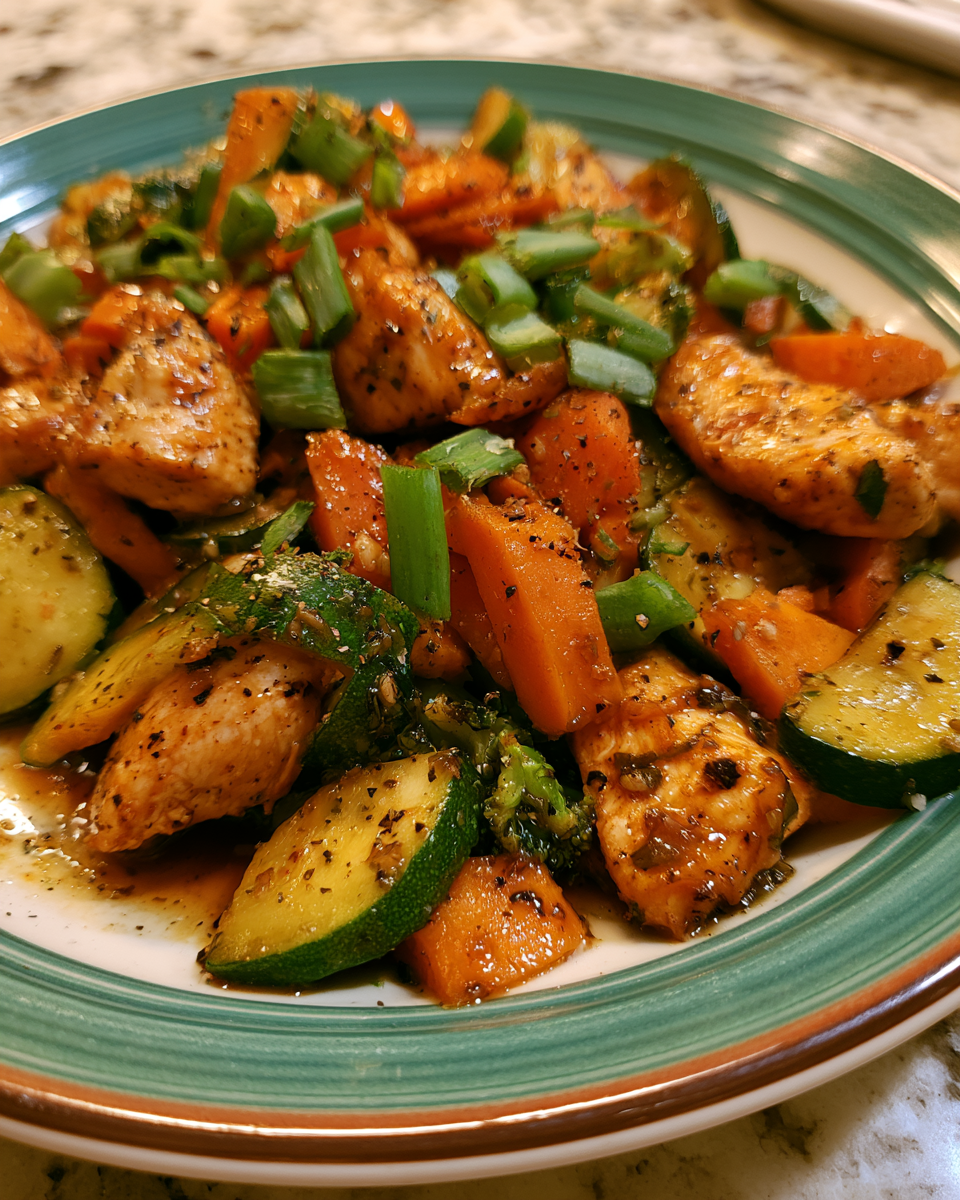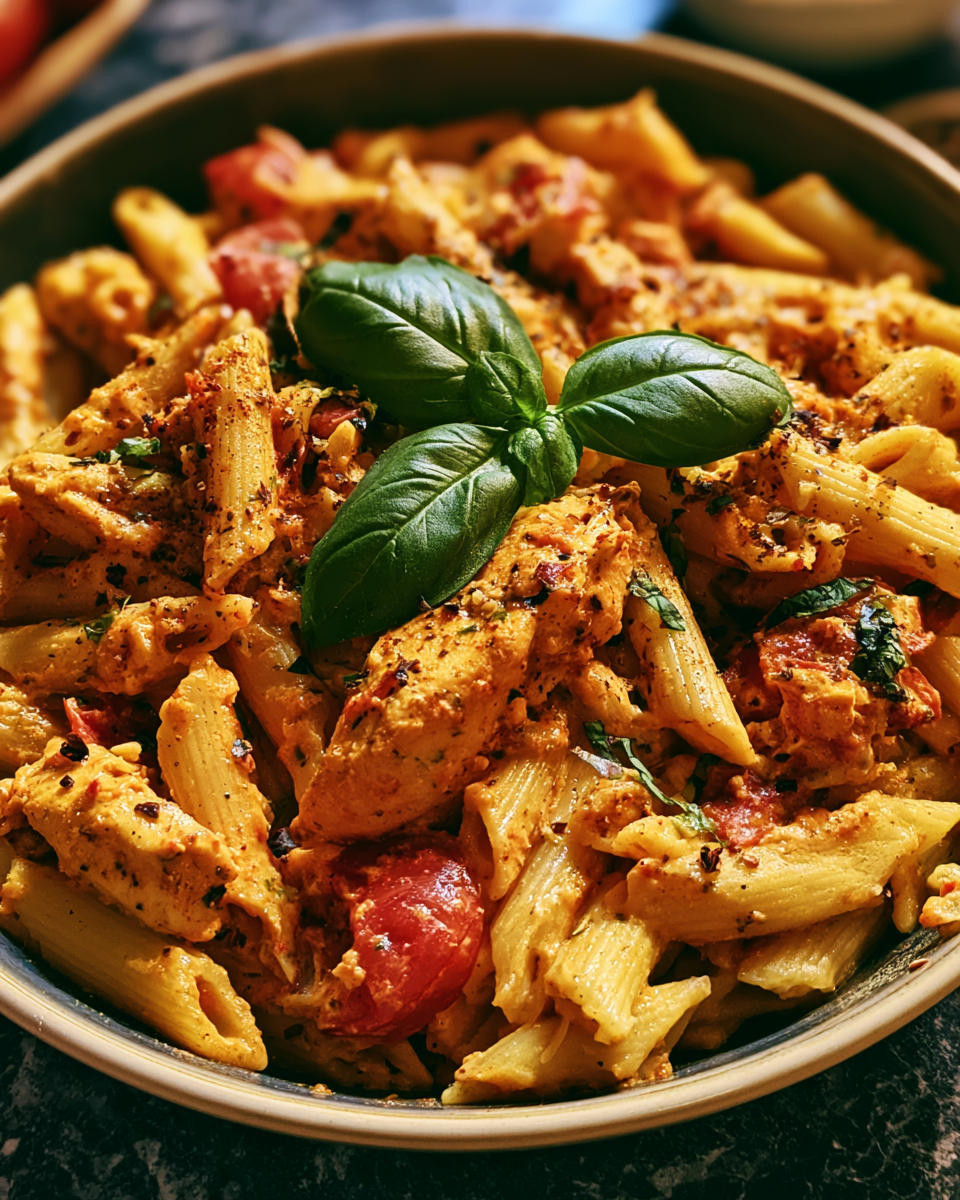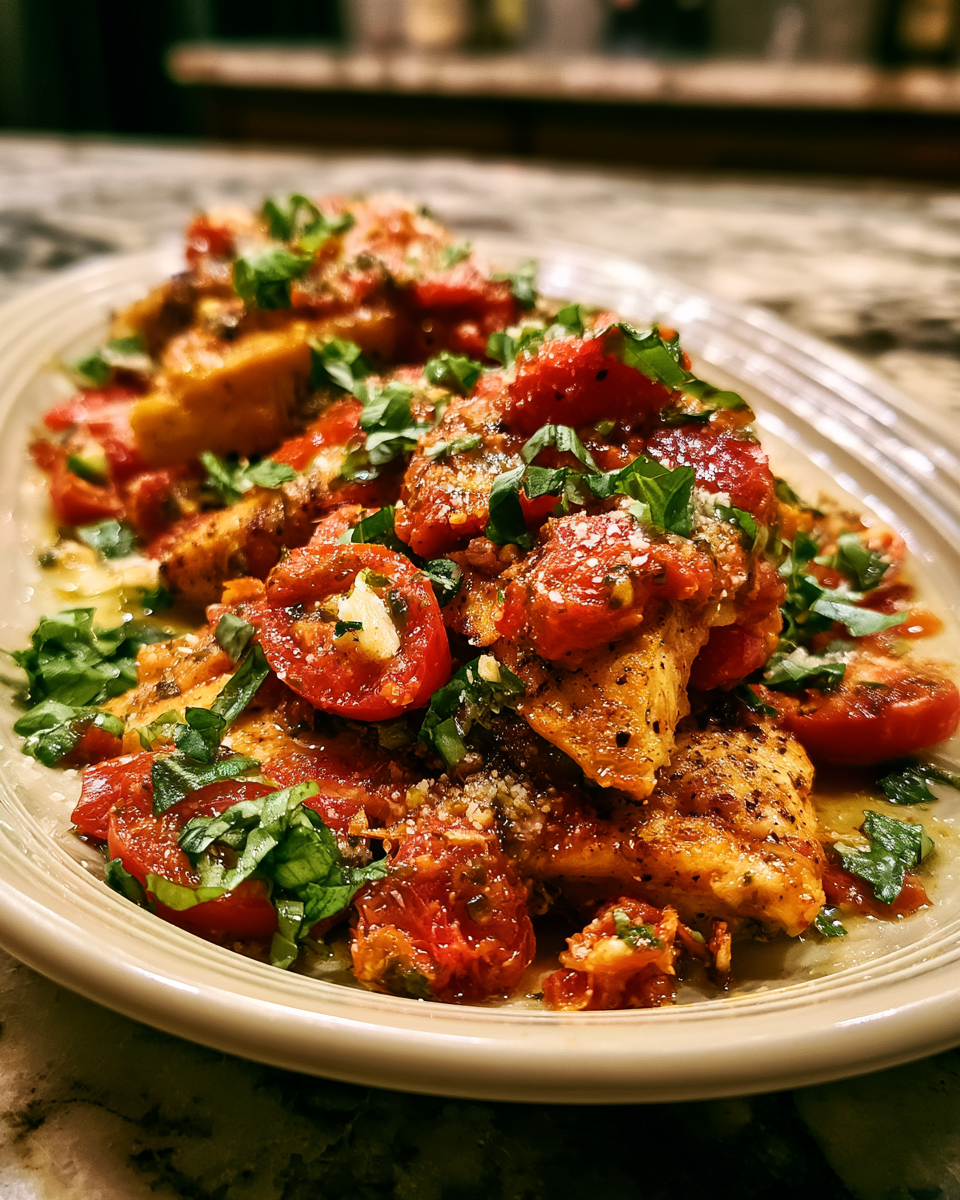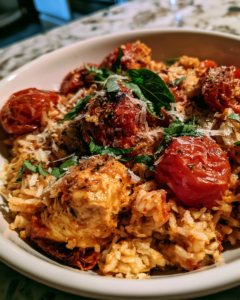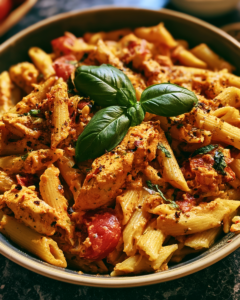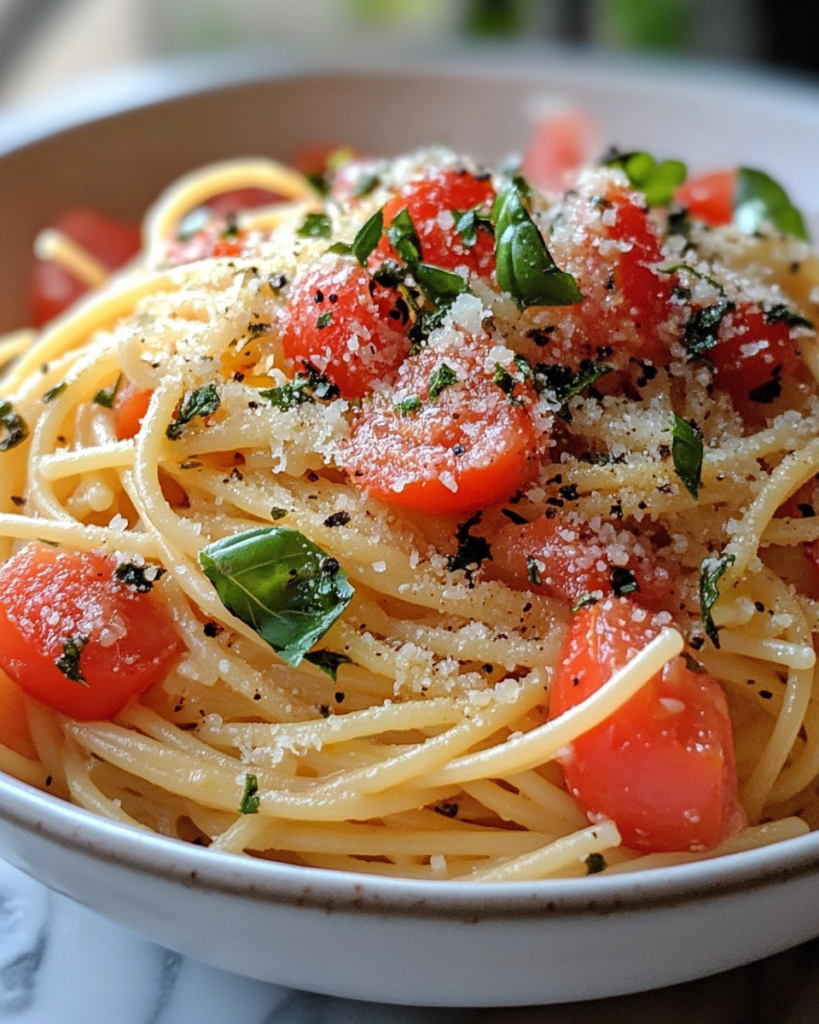
Classic Spaghetti Pomodoro (Simple & Fresh) is one of those Italian pasta dishes that shows how a short ingredient list can create deep flavor and comfort. Ripe tomatoes, olive oil, garlic, basil, and properly cooked spaghetti come together in a sauce that feels light yet satisfying.
This dish comes from a long tradition of home cooking where balance matters more than complexity. The tomatoes stay at the center, supported by olive oil and aromatic garlic rather than covered with heavy additions.
Classic Spaghetti Pomodoro (Simple & Fresh) works for weeknight dinners, relaxed family meals, and casual gatherings. It comes together in a reasonable amount of time and rewards careful attention to texture and timing.
Ingredients Overview
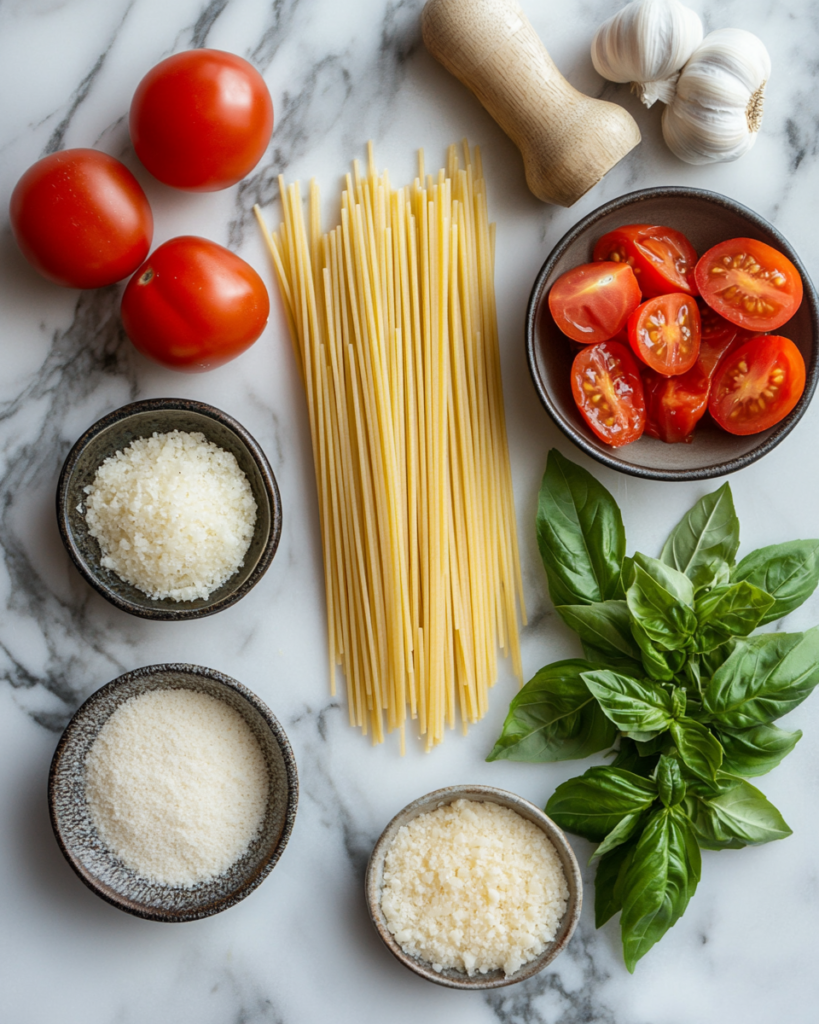
At the center of this recipe are tomatoes. Pomodoro sauce depends on tomatoes with balanced acidity and natural sweetness. Canned whole San Marzano tomatoes are a dependable option throughout the year, while ripe plum tomatoes also work during tomato season. Crushing them by hand creates a rustic texture that coats the pasta beautifully.
Spaghetti provides structure and texture. Traditional spaghetti gives enough surface contact for the sauce while maintaining a pleasant bite. Dried pasta is widely used for this recipe because its texture pairs well with light tomato sauces.
Olive oil contributes body and richness. A quality extra virgin olive oil creates a rounded finish and carries the flavor of garlic and basil across the dish.
Garlic adds aroma rather than sharpness. Thin slices cooked gently in oil become mellow and fragrant. Browning the garlic too much can create bitterness, so moderate heat matters.
Fresh basil brings brightness and contrast. Torn leaves release fragrance without bruising too heavily. Adding basil near the end preserves its character.
Salt affects every stage of cooking. Properly salted pasta water seasons the spaghetti from within, while final seasoning adjusts the sauce.
Parmigiano-Reggiano is optional yet traditional in many kitchens. A modest amount adds savory depth without overshadowing the tomato flavor.
Ingredients
14 ounces dried spaghetti
2 tablespoons extra virgin olive oil
3 cloves garlic, thinly sliced
1 can (28 ounces) whole peeled San Marzano tomatoes, crushed by hand
1 teaspoon kosher salt, plus more for pasta water
1/2 teaspoon freshly ground black pepper
1/4 teaspoon red pepper flakes (optional)
1/2 cup fresh basil leaves, torn
1 tablespoon unsalted butter
1/4 cup finely grated Parmigiano-Reggiano (optional)
Water for boiling pasta
Step-by-Step Instructions
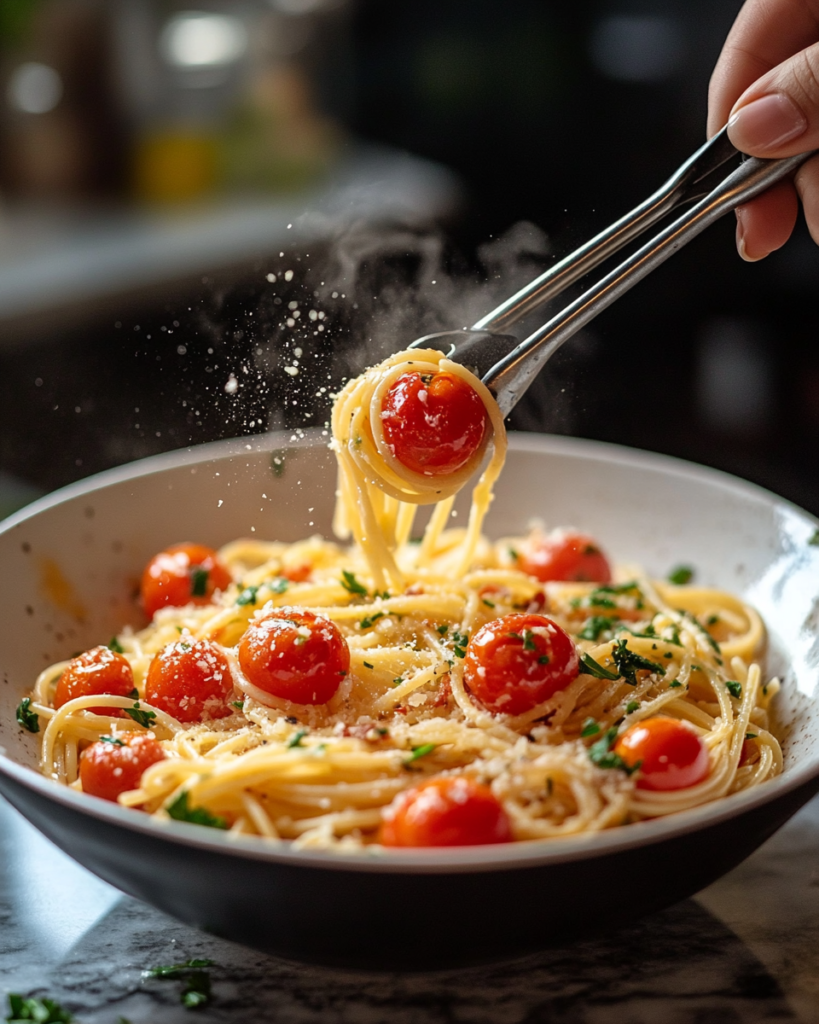
Fill a large pot with water and bring it to a rolling boil. Season generously with salt. Proper pasta water should taste lightly seasoned rather than bland.
While the water heats, place a wide skillet or sauté pan over medium heat. Add the olive oil and allow it to warm gently. Add the sliced garlic and cook for about 60 to 90 seconds until fragrant and lightly golden. Avoid dark brown edges because garlic turns bitter quickly.
If using red pepper flakes, stir them into the oil for a few seconds.
Add the crushed tomatoes along with their juices. Stir well and bring the mixture to a gentle simmer. Season with the measured salt and black pepper.
Cook the sauce for about 15 to 20 minutes. Stir occasionally. During cooking, the tomatoes soften and the sauce thickens slightly while staying loose enough to coat pasta. If the sauce thickens too much, add a splash of hot water.
Place the spaghetti into the boiling water and cook according to package directions until just shy of al dente, usually about 1 minute less than the stated cooking time.
Reserve about 1 cup of pasta water before draining.
Transfer the spaghetti directly into the skillet with the tomato sauce. Add a few tablespoons of reserved pasta water and toss continuously over low heat. This final cooking stage helps the sauce cling to the pasta.
Add the butter and stir until glossy. Tear in most of the basil and continue tossing for another minute.
Taste and adjust seasoning. Add more pasta water if the sauce feels tight or dry.
Serve immediately with the remaining basil scattered over the top. Add grated Parmigiano-Reggiano if desired.
A few common issues can affect the result. Overcooked pasta becomes soft and loses its pleasant bite. Too much garlic masks the tomato flavor. Cooking the sauce too aggressively reduces its brightness. Gentle heat and attention to timing create a balanced bowl of pasta.
Tips, Variations & Substitutions
For deeper tomato flavor, allow the sauce a few additional minutes of gentle simmering. Longer cooking develops sweetness while keeping the sauce light.
Whole peeled canned tomatoes usually produce a smoother and more balanced sauce than diced tomatoes. Crushing them by hand creates texture without requiring extra equipment.
For a richer finish, stir in an additional teaspoon of olive oil just before serving.
Whole wheat spaghetti can replace traditional pasta for a nuttier profile. Gluten-free spaghetti also works; monitor cooking time carefully because texture changes quickly.
For additional aroma, add a small piece of onion during simmering and remove it before combining with pasta.
Fresh cherry tomatoes may replace canned tomatoes during warmer months. Cook them until softened and lightly broken down.
Those who enjoy additional protein can serve the pasta alongside grilled chicken or roasted shrimp rather than mixing protein into the sauce.
Keep basil fresh by adding it at the end instead of cooking it for the entire sauce time.
Serving Ideas & Occasions
Classic Spaghetti Pomodoro (Simple & Fresh) pairs beautifully with crisp green salads dressed with olive oil and lemon. Roasted vegetables, grilled zucchini, or sautéed spinach also sit comfortably beside the pasta.
Warm crusty bread works well for collecting extra sauce without competing with the dish.
For drinks, sparkling water with citrus creates a clean pairing. Dry white wine or a medium-bodied Italian red can also complement the tomato notes.
This recipe fits many occasions. It works for weeknight dinners, casual weekend lunches, family gatherings, and relaxed dinner parties. Since the ingredient list remains approachable, it also serves as a dependable recipe for beginner cooks learning pasta technique.
Nutritional & Health Notes
Classic Spaghetti Pomodoro (Simple & Fresh) offers a balanced combination of carbohydrates, moderate fat, and naturally occurring nutrients from tomatoes.
Tomatoes contribute vitamin C, potassium, and lycopene. Olive oil supplies unsaturated fats that add richness without relying on heavy cream.
Using a moderate amount of cheese keeps the dish lighter while still delivering savory depth.
Portion balance can be adjusted by pairing the pasta with vegetables or a simple salad.
Because the sauce contains relatively few ingredients, ingredient quality has a noticeable effect on both flavor and nutritional character.
FAQs
Can I prepare the sauce ahead of time?
Yes. The tomato sauce can be cooked in advance and refrigerated for up to three days. Allow it to cool before storing in a sealed container.
When ready to serve, warm the sauce slowly over medium-low heat and add a splash of water if it has thickened. Cook the spaghetti separately and combine shortly before serving.
Adding basil after reheating preserves aroma and color. The final pasta texture remains strongest when the noodles are cooked close to serving time rather than stored in the sauce.
Which tomatoes work best for pomodoro sauce?
Whole peeled San Marzano tomatoes are a classic choice because they provide balanced acidity and smooth texture. Other quality canned whole tomatoes also produce excellent results.
If using fresh tomatoes, choose ripe plum or Roma varieties. Remove tough cores and roughly crush them before cooking.
Avoid watery tomatoes when possible because excess liquid can dilute the sauce and extend cooking time.
Can I freeze this recipe?
The sauce freezes well, though cooked spaghetti is less ideal for freezing.
Cool the sauce completely and transfer it into freezer-safe containers. Store for up to three months.
Defrost overnight in the refrigerator and warm gently before combining with newly cooked spaghetti. Adding fresh basil at serving keeps the flavor lively.
Why does restaurant pasta taste different?
Restaurants often finish pasta directly in the sauce rather than placing sauce over cooked noodles.
That final minute of cooking allows starch from the pasta water to blend into the sauce, creating a smoother coating.
Restaurants also tend to season pasta water properly and toss continuously during finishing. Those small details create a noticeable difference at home.
Can I add onions to this recipe?
Yes. A small amount of onion can add gentle sweetness.
Traditional versions vary from kitchen to kitchen. Some cooks sauté finely chopped onion before adding garlic, while others simmer a large onion piece and remove it later.
Keep the quantity modest so the tomato remains the leading flavor.
How do I keep spaghetti from sticking?
Use a large pot with abundant water and stir during the first minute after adding the pasta.
Avoid adding oil to the boiling water because it can reduce sauce adhesion later.
Once drained, transfer the spaghetti directly into the sauce rather than letting it sit alone in a colander.
Is this dish vegetarian?
This recipe is vegetarian when prepared without animal-based cheese.
Parmigiano-Reggiano contains traditional animal rennet, so substitute a vegetarian hard cheese if preferred.
The core ingredients—tomatoes, garlic, olive oil, basil, and pasta—fit comfortably into many vegetarian meal plans while remaining satisfying and flavorful.
………………..