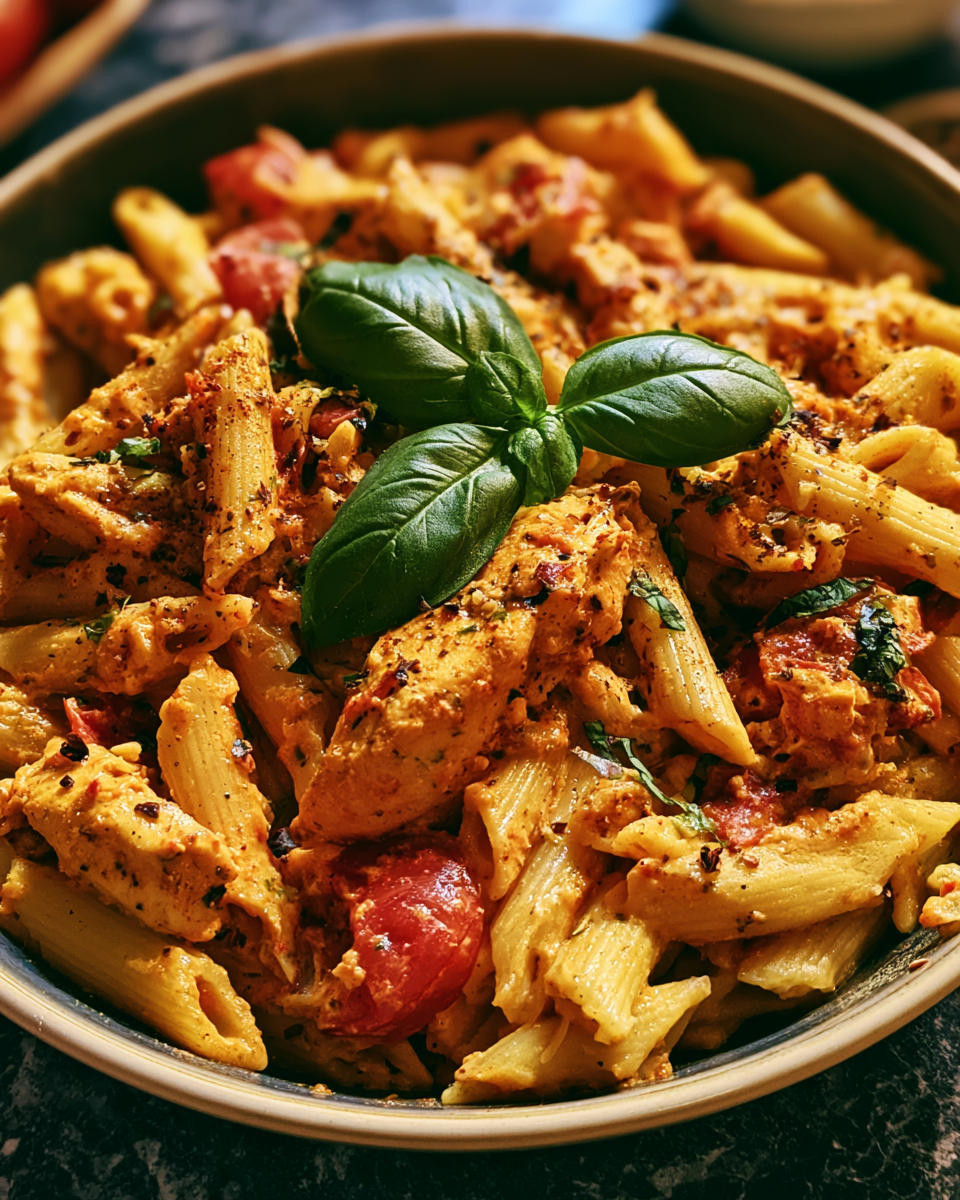
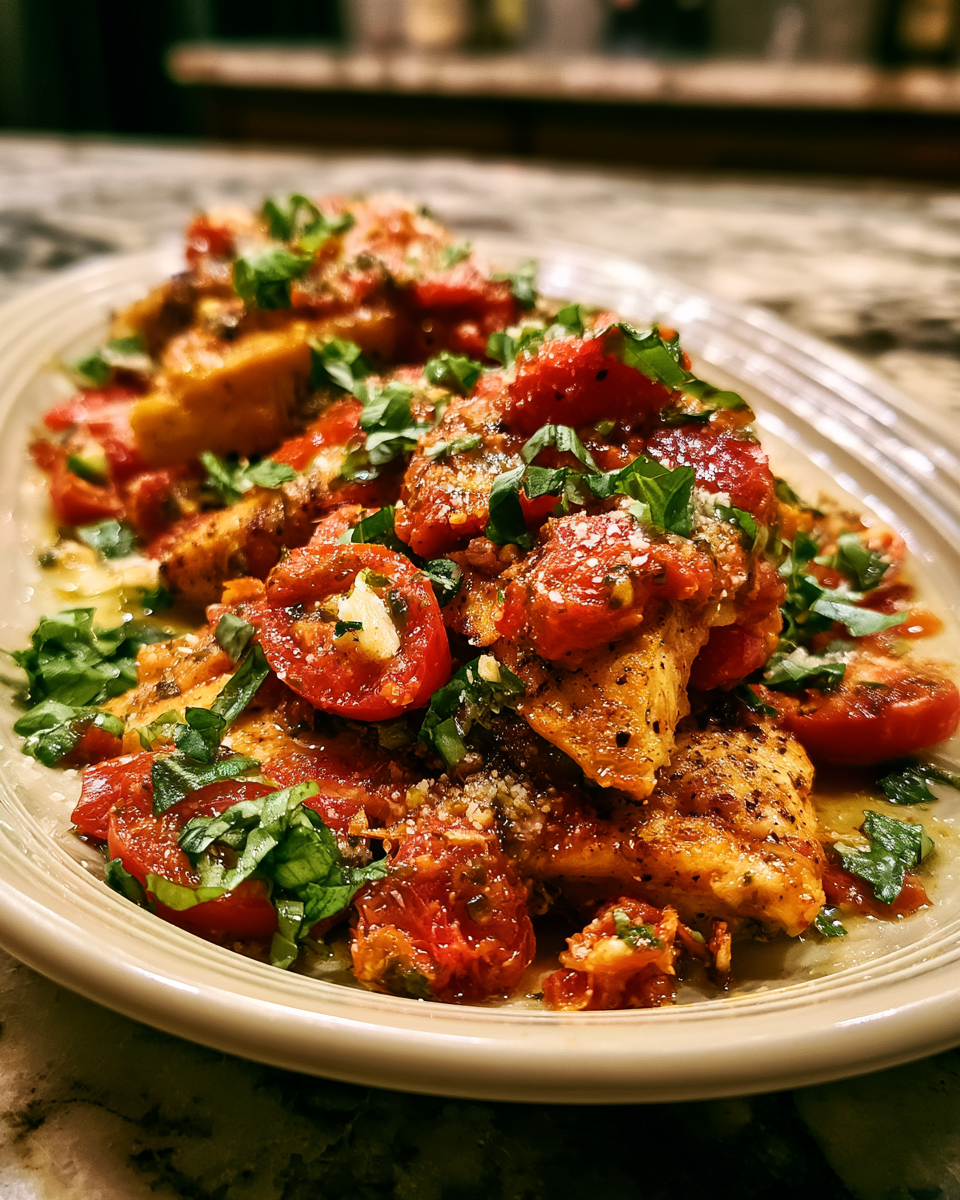
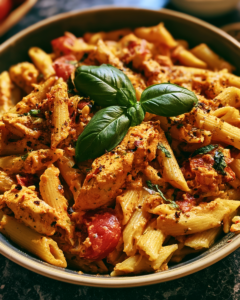
Creamy Avocado Spaghetti with Cherry Tomatoes: 5 Quick Comforting Bowls

Posted on

Uncategorized

Difficulty

Prep time

Cooking time

Total time

Servings

Creamy Avocado Spaghetti with Cherry Tomatoes brings together silky avocado, warm pasta, bright tomatoes, garlic, and fresh basil in a fresh stovetop dinner that comes together with very little effort. The avocado coats the spaghetti with a rich texture without relying on heavy cream, while cherry tomatoes add balance through their gentle sweetness and slight acidity.

This pasta works beautifully during warmer months when tomatoes and herbs are plentiful, though it also fits comfortably into weeknight cooking throughout the year. The sauce comes together in a blender or food processor, which keeps preparation straightforward and fast. Warm spaghetti softens the avocado mixture into a smooth coating that clings to every strand.

Fresh basil and lemon juice keep the dish lively, while Parmesan adds a savory finish. The result feels rich without becoming overly heavy. Creamy Avocado Spaghetti with Cherry Tomatoes also adapts well to different diets and pantry ingredients, making it a dependable option for busy evenings or casual gatherings.

Ingredients Overview
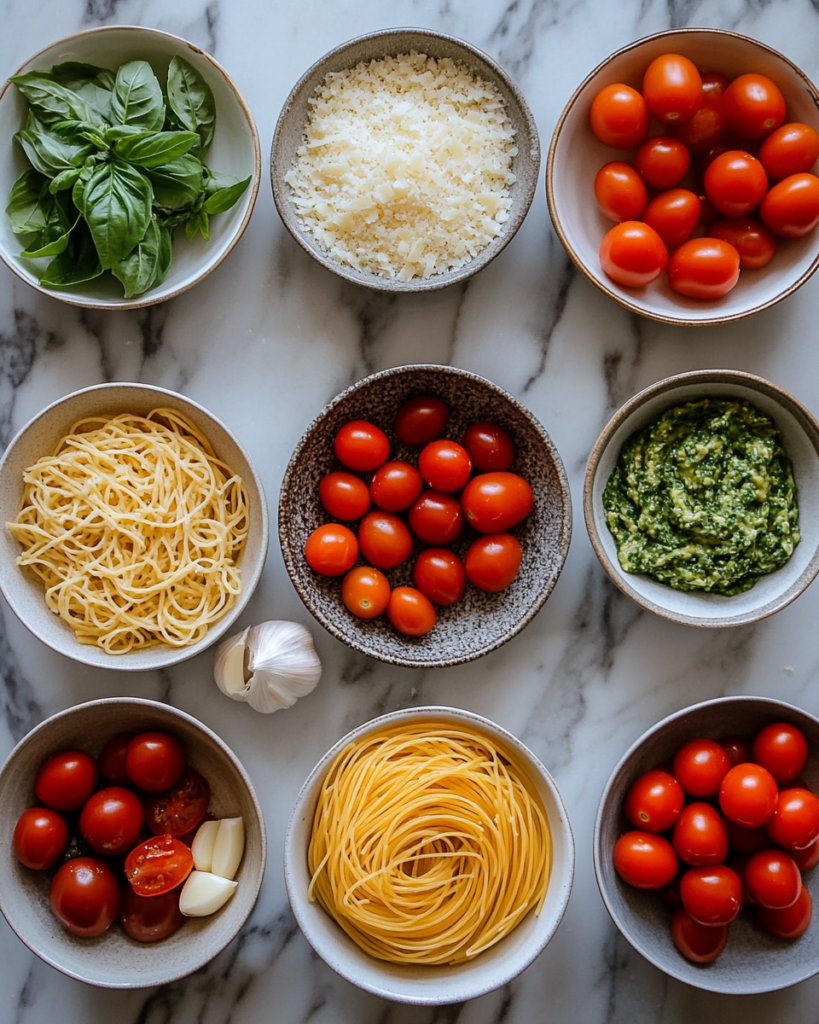
Avocados form the base of the sauce and create the creamy texture that defines this pasta. Ripe avocados blend into a smooth mixture that coats spaghetti beautifully once mixed with warm noodles. Their mild flavor also pairs naturally with garlic, lemon, and basil.

Cherry tomatoes bring freshness and slight sweetness to the dish. When lightly cooked in olive oil, the tomatoes soften and release juices that blend into the pasta. Grape tomatoes can replace cherry tomatoes if needed, since both varieties cook similarly and provide the same burst of flavor.

Garlic adds depth and sharpness that balances the richness of the avocado. Fresh garlic works especially well here because the flavor stays pronounced without becoming bitter. Basil contributes a fragrant herbal layer that keeps the pasta tasting light and fresh.

Lemon juice brightens the avocado mixture while helping maintain its green color. Parmesan cheese contributes saltiness and savory character. For a dairy-free version, nutritional yeast can stand in for Parmesan while still giving the sauce a savory edge.

Spaghetti creates the classic texture for this recipe, though linguine or fettuccine also work nicely. Whole wheat pasta brings a nuttier flavor and extra fiber. Olive oil ties everything together and gives the tomatoes a gentle richness during cooking.

Ingredients

12 ounces spaghetti

2 ripe avocados

1 1/2 cups cherry tomatoes, halved

3 cloves garlic

1/4 cup fresh basil leaves

1/4 cup grated Parmesan cheese

2 tablespoons lemon juice

1/4 cup olive oil

1/2 teaspoon kosher salt

1/4 teaspoon black pepper

1/4 teaspoon red pepper flakes

2 tablespoons reserved pasta water

Extra basil for serving

Extra Parmesan for serving

Step-by-Step Instructions

Bring a large pot of salted water to a rolling boil. Add the spaghetti and cook until al dente according to package directions. Before draining the pasta, reserve about one cup of pasta water. The starchy water helps loosen the avocado sauce later without thinning the flavor too much.

While the pasta cooks, prepare the avocado mixture. Cut the avocados in half, remove the pits, and scoop the flesh into a blender or food processor. Add garlic, basil, Parmesan, lemon juice, salt, black pepper, and two tablespoons of olive oil. Blend until the mixture becomes smooth and creamy. If the sauce appears too thick, add a small spoonful of reserved pasta water.

Heat the remaining olive oil in a large skillet over medium heat. Add the cherry tomatoes and red pepper flakes. Cook for about four to five minutes, stirring occasionally, until the tomatoes soften slightly and begin releasing juices. Avoid cooking them too long because they can collapse completely and lose their fresh texture.

Drain the spaghetti and transfer it directly into the skillet with the tomatoes. Toss gently so the noodles absorb some of the tomato juices. Remove the skillet from the heat before adding the avocado sauce. High heat can dull the fresh flavor and darken the avocado too quickly.

Add the avocado mixture to the warm pasta and toss steadily until the noodles become fully coated. If the sauce feels too thick, stir in additional pasta water one tablespoon at a time. The final texture should appear silky and smooth rather than dry or stiff.

Taste the pasta and adjust seasoning if needed. A small squeeze of lemon juice can brighten the dish further if the avocados taste especially rich. Scatter extra basil and Parmesan across the top before serving.

One common issue with avocado pasta comes from overheating the sauce. Keeping the skillet off the heat while mixing prevents the avocado from turning dull in color or flavor. Another frequent mistake involves under-seasoning the pasta water. Properly salted water helps the noodles carry flavor throughout the dish.

Serve the pasta immediately for the freshest texture and color. Creamy Avocado Spaghetti with Cherry Tomatoes tastes richest shortly after preparation, while the sauce remains smooth and vibrant.

Tips, Variations & Substitutions

Ripe avocados are the key to a smooth sauce. They should yield gently when pressed but still hold their shape. Overripe avocados can create a slightly bitter flavor and uneven texture.

For extra protein, grilled chicken, shrimp, or white beans pair naturally with the creamy pasta. Chickpeas also work nicely and bring a hearty texture without overpowering the sauce. A handful of baby spinach stirred into the warm spaghetti adds extra color and freshness.

Linguine and fettuccine provide a slightly broader noodle texture, while short pasta shapes like penne create a chunkier presentation. Whole wheat pasta contributes a nuttier flavor that works especially well with avocado and basil.

Those avoiding dairy can replace Parmesan with nutritional yeast. A spoonful of toasted pine nuts or walnuts blended into the avocado mixture also adds savory richness. Fresh parsley can stand in for basil if needed, though basil gives the most traditional flavor.

For additional texture, top the pasta with toasted breadcrumbs or chopped roasted almonds. Extra lemon zest scattered over the finished dish creates a brighter finish without overpowering the avocado.

If preparing this recipe ahead of time, store the avocado sauce separately and combine it with freshly cooked pasta right before serving. This keeps the sauce greener and smoother.

Serving Ideas & Occasions

Creamy Avocado Spaghetti with Cherry Tomatoes fits beautifully into casual family dinners, relaxed summer gatherings, or quick weeknight meals. Since the dish feels light yet satisfying, it works especially well during warmer weather when heavier cream sauces may feel overwhelming.

A crisp green salad with cucumbers and lemon vinaigrette pairs nicely beside the pasta. Garlic bread or toasted sourdough also complements the creamy texture. Roasted vegetables such as zucchini, asparagus, or broccoli add color and balance to the plate.

Sparkling water with lemon, iced herbal tea, or chilled white wine all pair comfortably with the bright flavors in the dish. For larger gatherings, the pasta can sit alongside grilled chicken skewers or seafood platters.

Since the recipe comes together quickly, it also suits busy evenings when time feels limited but a freshly cooked meal still sounds appealing. The colorful presentation makes it suitable for casual entertaining without requiring complicated preparation.

Nutritional & Health Notes

Avocados contribute heart-friendly fats along with fiber and potassium, giving this pasta a satisfying texture without relying heavily on cream or butter. The healthy fats also help the sauce feel rich while keeping the ingredient list fairly simple.

Cherry tomatoes provide vitamin C and natural sweetness, while basil contributes freshness without extra calories. Using olive oil instead of heavy cream keeps the dish lighter while still giving the pasta a smooth consistency.

Whole wheat spaghetti can increase fiber content and create a more filling meal. Adding grilled chicken, beans, or shrimp raises the protein level for those seeking a more balanced dinner.

Because avocado oxidizes naturally, the pasta tastes freshest shortly after preparation. Lemon juice slows browning slightly, though leftovers may darken somewhat during storage. The flavor generally remains pleasant for about one day when refrigerated in a sealed container.

Portion size also matters with this recipe since avocados and olive oil contribute significant richness. Pairing the pasta with vegetables or salad helps create a balanced meal.

FAQs

Can I prepare the avocado sauce ahead of time?

The avocado sauce can be prepared several hours ahead if stored carefully. Place the sauce in an airtight container and press plastic wrap directly against the surface before sealing the lid. This limits air exposure and slows discoloration. Adding slightly extra lemon juice also helps maintain the green color longer.

Even with careful storage, avocado naturally darkens over time. For the freshest appearance and flavor, combining the sauce with warm pasta shortly before serving remains the preferred approach. Stir the sauce before using since slight separation may occur in the refrigerator.

Which pasta shape works best for this recipe?

Spaghetti remains one of the strongest choices because the long strands hold the creamy avocado mixture evenly. Linguine and fettuccine also perform nicely because their wider surfaces carry plenty of sauce.

Short pasta shapes such as penne or fusilli can still work if that is what you have available. The sauce tends to settle inside grooves and folds, creating a slightly chunkier texture. Fresh pasta creates an especially tender result, though dried pasta offers more structure and convenience for weeknight cooking.

Can I serve this pasta cold?

Yes, Creamy Avocado Spaghetti with Cherry Tomatoes can be served chilled or at room temperature. Cold preparation creates a texture somewhat similar to pasta salad, especially during warm weather.

If serving cold, rinse the pasta briefly under cool water after cooking to stop the heat from softening the avocado sauce too much. Toss the noodles with a little olive oil before adding the sauce to prevent sticking. Fresh basil and extra lemon juice added right before serving help maintain brightness and freshness.

How do I keep the avocado sauce from turning brown?

Lemon juice plays the largest role in slowing browning because its acidity limits oxidation. Keeping the sauce away from excessive heat also helps preserve the bright green color.

If storing leftovers, transfer them immediately into a tightly sealed container. Pressing plastic wrap directly onto the surface reduces contact with air. While slight darkening may still occur, the flavor usually stays pleasant for at least one day. Stirring the pasta before serving can improve the appearance slightly.

Can I add protein to this pasta?

This recipe pairs comfortably with several proteins. Grilled chicken, shrimp, salmon, and scallops all complement the creamy avocado sauce without overpowering it. White beans and chickpeas create hearty vegetarian additions that blend naturally into the dish.

Cook proteins separately and stir them into the finished pasta shortly before serving. This keeps textures balanced and prevents overcooking. Mildly seasoned proteins generally work best since the avocado, basil, and lemon already contribute plenty of flavor.

Is this recipe suitable for dairy-free diets?

The recipe can easily become dairy-free by replacing Parmesan cheese with nutritional yeast or a dairy-free cheese substitute. Nutritional yeast contributes savory flavor while keeping the sauce creamy and rich.

Double-check packaged pasta ingredients as well, since some fresh pastas include eggs or dairy. Olive oil and avocado already provide plenty of richness, so the overall texture remains satisfying even without traditional cheese. Toasted nuts blended into the sauce can also deepen flavor naturally.

How should leftovers be stored?

Leftovers should be refrigerated in a sealed container and eaten within one day for the freshest taste and appearance. Avocado sauce tends to darken over time, though the flavor usually remains pleasant.

Before serving leftovers, allow the pasta to sit at room temperature for several minutes. A drizzle of olive oil or small squeeze of lemon juice can refresh the texture slightly. Reheating over strong heat is not recommended because the avocado may lose its creamy consistency and fresh flavor.

[rank_math_breadcrumb]

Creamy Avocado Spaghetti with Cherry Tomatoes: 5 Quick Comforting Bowls

Photo of author
Author: liv
Published:

Creamy Avocado Spaghetti with Cherry Tomatoes brings together silky avocado, warm pasta, bright tomatoes, garlic, and fresh basil in a fresh stovetop dinner that comes together with very little effort. The avocado coats the spaghetti with a rich texture without relying on heavy cream, while cherry tomatoes add balance through their gentle sweetness and slight acidity.

This pasta works beautifully during warmer months when tomatoes and herbs are plentiful, though it also fits comfortably into weeknight cooking throughout the year. The sauce comes together in a blender or food processor, which keeps preparation straightforward and fast. Warm spaghetti softens the avocado mixture into a smooth coating that clings to every strand.

Fresh basil and lemon juice keep the dish lively, while Parmesan adds a savory finish. The result feels rich without becoming overly heavy. Creamy Avocado Spaghetti with Cherry Tomatoes also adapts well to different diets and pantry ingredients, making it a dependable option for busy evenings or casual gatherings.

Ingredients Overview

Avocados form the base of the sauce and create the creamy texture that defines this pasta. Ripe avocados blend into a smooth mixture that coats spaghetti beautifully once mixed with warm noodles. Their mild flavor also pairs naturally with garlic, lemon, and basil.

Cherry tomatoes bring freshness and slight sweetness to the dish. When lightly cooked in olive oil, the tomatoes soften and release juices that blend into the pasta. Grape tomatoes can replace cherry tomatoes if needed, since both varieties cook similarly and provide the same burst of flavor.

Garlic adds depth and sharpness that balances the richness of the avocado. Fresh garlic works especially well here because the flavor stays pronounced without becoming bitter. Basil contributes a fragrant herbal layer that keeps the pasta tasting light and fresh.

Lemon juice brightens the avocado mixture while helping maintain its green color. Parmesan cheese contributes saltiness and savory character. For a dairy-free version, nutritional yeast can stand in for Parmesan while still giving the sauce a savory edge.

Spaghetti creates the classic texture for this recipe, though linguine or fettuccine also work nicely. Whole wheat pasta brings a nuttier flavor and extra fiber. Olive oil ties everything together and gives the tomatoes a gentle richness during cooking.

Ingredients

12 ounces spaghetti

2 ripe avocados

1 1/2 cups cherry tomatoes, halved

3 cloves garlic

1/4 cup fresh basil leaves

1/4 cup grated Parmesan cheese

2 tablespoons lemon juice

1/4 cup olive oil

1/2 teaspoon kosher salt

1/4 teaspoon black pepper

1/4 teaspoon red pepper flakes

2 tablespoons reserved pasta water

Extra basil for serving

Extra Parmesan for serving

Step-by-Step Instructions

Bring a large pot of salted water to a rolling boil. Add the spaghetti and cook until al dente according to package directions. Before draining the pasta, reserve about one cup of pasta water. The starchy water helps loosen the avocado sauce later without thinning the flavor too much.

While the pasta cooks, prepare the avocado mixture. Cut the avocados in half, remove the pits, and scoop the flesh into a blender or food processor. Add garlic, basil, Parmesan, lemon juice, salt, black pepper, and two tablespoons of olive oil. Blend until the mixture becomes smooth and creamy. If the sauce appears too thick, add a small spoonful of reserved pasta water.

Heat the remaining olive oil in a large skillet over medium heat. Add the cherry tomatoes and red pepper flakes. Cook for about four to five minutes, stirring occasionally, until the tomatoes soften slightly and begin releasing juices. Avoid cooking them too long because they can collapse completely and lose their fresh texture.

Drain the spaghetti and transfer it directly into the skillet with the tomatoes. Toss gently so the noodles absorb some of the tomato juices. Remove the skillet from the heat before adding the avocado sauce. High heat can dull the fresh flavor and darken the avocado too quickly.

Add the avocado mixture to the warm pasta and toss steadily until the noodles become fully coated. If the sauce feels too thick, stir in additional pasta water one tablespoon at a time. The final texture should appear silky and smooth rather than dry or stiff.

Taste the pasta and adjust seasoning if needed. A small squeeze of lemon juice can brighten the dish further if the avocados taste especially rich. Scatter extra basil and Parmesan across the top before serving.

One common issue with avocado pasta comes from overheating the sauce. Keeping the skillet off the heat while mixing prevents the avocado from turning dull in color or flavor. Another frequent mistake involves under-seasoning the pasta water. Properly salted water helps the noodles carry flavor throughout the dish.

Serve the pasta immediately for the freshest texture and color. Creamy Avocado Spaghetti with Cherry Tomatoes tastes richest shortly after preparation, while the sauce remains smooth and vibrant.

Tips, Variations & Substitutions

Ripe avocados are the key to a smooth sauce. They should yield gently when pressed but still hold their shape. Overripe avocados can create a slightly bitter flavor and uneven texture.

For extra protein, grilled chicken, shrimp, or white beans pair naturally with the creamy pasta. Chickpeas also work nicely and bring a hearty texture without overpowering the sauce. A handful of baby spinach stirred into the warm spaghetti adds extra color and freshness.

Linguine and fettuccine provide a slightly broader noodle texture, while short pasta shapes like penne create a chunkier presentation. Whole wheat pasta contributes a nuttier flavor that works especially well with avocado and basil.

Those avoiding dairy can replace Parmesan with nutritional yeast. A spoonful of toasted pine nuts or walnuts blended into the avocado mixture also adds savory richness. Fresh parsley can stand in for basil if needed, though basil gives the most traditional flavor.

For additional texture, top the pasta with toasted breadcrumbs or chopped roasted almonds. Extra lemon zest scattered over the finished dish creates a brighter finish without overpowering the avocado.

If preparing this recipe ahead of time, store the avocado sauce separately and combine it with freshly cooked pasta right before serving. This keeps the sauce greener and smoother.

Serving Ideas & Occasions

Creamy Avocado Spaghetti with Cherry Tomatoes fits beautifully into casual family dinners, relaxed summer gatherings, or quick weeknight meals. Since the dish feels light yet satisfying, it works especially well during warmer weather when heavier cream sauces may feel overwhelming.

A crisp green salad with cucumbers and lemon vinaigrette pairs nicely beside the pasta. Garlic bread or toasted sourdough also complements the creamy texture. Roasted vegetables such as zucchini, asparagus, or broccoli add color and balance to the plate.

Sparkling water with lemon, iced herbal tea, or chilled white wine all pair comfortably with the bright flavors in the dish. For larger gatherings, the pasta can sit alongside grilled chicken skewers or seafood platters.

Since the recipe comes together quickly, it also suits busy evenings when time feels limited but a freshly cooked meal still sounds appealing. The colorful presentation makes it suitable for casual entertaining without requiring complicated preparation.

Nutritional & Health Notes

Avocados contribute heart-friendly fats along with fiber and potassium, giving this pasta a satisfying texture without relying heavily on cream or butter. The healthy fats also help the sauce feel rich while keeping the ingredient list fairly simple.

Cherry tomatoes provide vitamin C and natural sweetness, while basil contributes freshness without extra calories. Using olive oil instead of heavy cream keeps the dish lighter while still giving the pasta a smooth consistency.

Whole wheat spaghetti can increase fiber content and create a more filling meal. Adding grilled chicken, beans, or shrimp raises the protein level for those seeking a more balanced dinner.

Because avocado oxidizes naturally, the pasta tastes freshest shortly after preparation. Lemon juice slows browning slightly, though leftovers may darken somewhat during storage. The flavor generally remains pleasant for about one day when refrigerated in a sealed container.

Portion size also matters with this recipe since avocados and olive oil contribute significant richness. Pairing the pasta with vegetables or salad helps create a balanced meal.

FAQs

Can I prepare the avocado sauce ahead of time?

The avocado sauce can be prepared several hours ahead if stored carefully. Place the sauce in an airtight container and press plastic wrap directly against the surface before sealing the lid. This limits air exposure and slows discoloration. Adding slightly extra lemon juice also helps maintain the green color longer.

Even with careful storage, avocado naturally darkens over time. For the freshest appearance and flavor, combining the sauce with warm pasta shortly before serving remains the preferred approach. Stir the sauce before using since slight separation may occur in the refrigerator.

Which pasta shape works best for this recipe?

Spaghetti remains one of the strongest choices because the long strands hold the creamy avocado mixture evenly. Linguine and fettuccine also perform nicely because their wider surfaces carry plenty of sauce.

Short pasta shapes such as penne or fusilli can still work if that is what you have available. The sauce tends to settle inside grooves and folds, creating a slightly chunkier texture. Fresh pasta creates an especially tender result, though dried pasta offers more structure and convenience for weeknight cooking.

Can I serve this pasta cold?

Yes, Creamy Avocado Spaghetti with Cherry Tomatoes can be served chilled or at room temperature. Cold preparation creates a texture somewhat similar to pasta salad, especially during warm weather.

If serving cold, rinse the pasta briefly under cool water after cooking to stop the heat from softening the avocado sauce too much. Toss the noodles with a little olive oil before adding the sauce to prevent sticking. Fresh basil and extra lemon juice added right before serving help maintain brightness and freshness.

How do I keep the avocado sauce from turning brown?

Lemon juice plays the largest role in slowing browning because its acidity limits oxidation. Keeping the sauce away from excessive heat also helps preserve the bright green color.

If storing leftovers, transfer them immediately into a tightly sealed container. Pressing plastic wrap directly onto the surface reduces contact with air. While slight darkening may still occur, the flavor usually stays pleasant for at least one day. Stirring the pasta before serving can improve the appearance slightly.

Can I add protein to this pasta?

This recipe pairs comfortably with several proteins. Grilled chicken, shrimp, salmon, and scallops all complement the creamy avocado sauce without overpowering it. White beans and chickpeas create hearty vegetarian additions that blend naturally into the dish.

Cook proteins separately and stir them into the finished pasta shortly before serving. This keeps textures balanced and prevents overcooking. Mildly seasoned proteins generally work best since the avocado, basil, and lemon already contribute plenty of flavor.

Is this recipe suitable for dairy-free diets?

The recipe can easily become dairy-free by replacing Parmesan cheese with nutritional yeast or a dairy-free cheese substitute. Nutritional yeast contributes savory flavor while keeping the sauce creamy and rich.

Double-check packaged pasta ingredients as well, since some fresh pastas include eggs or dairy. Olive oil and avocado already provide plenty of richness, so the overall texture remains satisfying even without traditional cheese. Toasted nuts blended into the sauce can also deepen flavor naturally.

How should leftovers be stored?

Leftovers should be refrigerated in a sealed container and eaten within one day for the freshest taste and appearance. Avocado sauce tends to darken over time, though the flavor usually remains pleasant.

Before serving leftovers, allow the pasta to sit at room temperature for several minutes. A drizzle of olive oil or small squeeze of lemon juice can refresh the texture slightly. Reheating over strong heat is not recommended because the avocado may lose its creamy consistency and fresh flavor.
Name

Lorem ipsum dolor sit amet, consectetur adipiscing elit. Suspendisse varius enim in eros elementum tristique. Duis cursus, mi quis viverra ornare, eros dolor interdum nulla, ut commodo diam libero vitae erat.

You Might Also Like...

Egg & Pasta Budget Spaghetti Frittata: 5 Simple Happy Bites

Egg & Pasta Budget Spaghetti Frittata: 5 Simple Happy Bites

Dollar Stretcher Spaghetti with Canned Tomatoes: 5 Simple Delighted

Dollar Stretcher Spaghetti with Canned Tomatoes: 5 Simple Delighted

Roasted Vegetable Homemade Spaghetti Sauce: 7 Authentic Comforting Ideas

Roasted Vegetable Homemade Spaghetti Sauce: 7 Authentic Comforting Ideas

Fresh Tomato Homemade Spaghetti Sauce: 7 Authentic Hope

Fresh Tomato Homemade Spaghetti Sauce: 7 Authentic Hope

Tags:

You might also like these recipes

Leave a Comment