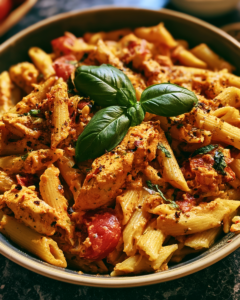
Creamy Beef Lasagna Pasta: 5 Amazing Comforting Bites

Posted on

Uncategorized

Difficulty

Prep time

Cooking time

Total time

Servings

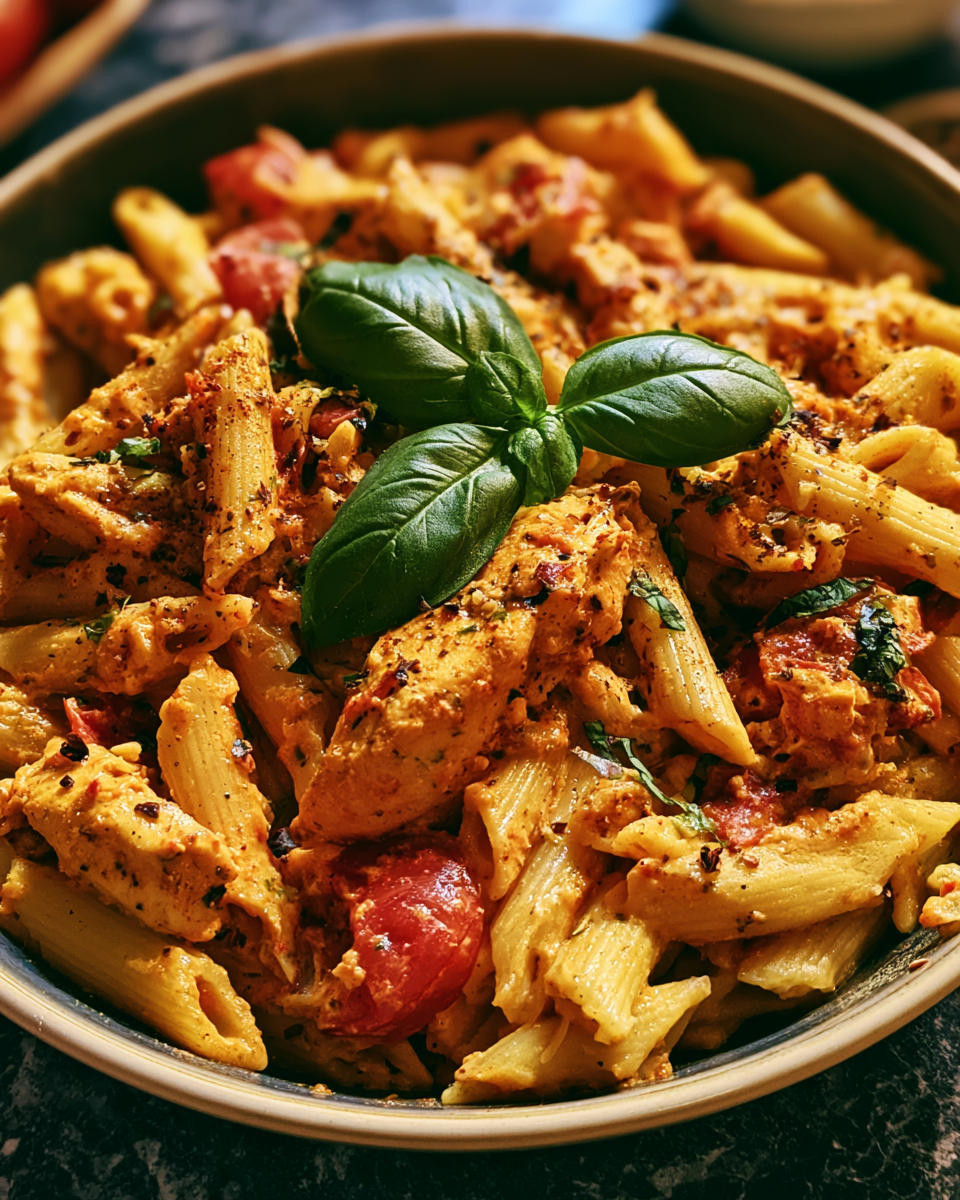
Creamy Beef Lasagna Pasta brings together the rich flavor of classic lasagna with the cozy feel of a one-pan pasta dinner. Tender pasta, seasoned ground beef, tomato sauce, cream, and melted cheese blend into a thick and hearty meal that fits busy weeknights and relaxed family dinners alike. The dish carries the familiar flavor of baked lasagna without the long layering process or extra baking trays.

The creamy sauce coats every piece of pasta while mozzarella and parmesan add a smooth and savory finish. Italian seasoning, garlic, and onion give the beef mixture depth without making the dish overly heavy. Each forkful has a balance of creamy texture, savory meat, and soft pasta that feels warm and satisfying.

This recipe works well for meal prep, casual gatherings, and chilly evenings when comfort food sounds appealing. Since everything cooks in one large skillet or pot, cleanup stays manageable while the flavors develop together during cooking.

Ingredients Overview

The foundation of Creamy Beef Lasagna Pasta starts with lean ground beef. Beef adds savory richness and gives the dish the hearty texture commonly linked with traditional lasagna. Using lean beef keeps the sauce thick without too much grease collecting in the pan. Ground turkey may replace beef for a lighter version, though the flavor becomes milder.

Pasta shapes such as mafalda, rotini, penne, or bow ties work nicely because they hold the creamy tomato sauce well. Mafalda noodles resemble miniature lasagna strips and create a classic lasagna feel without layering.

Onion and garlic build the savory base of the sauce. Fresh garlic gives stronger flavor than garlic powder and blends beautifully with the tomatoes and cream. Crushed tomatoes provide body while tomato sauce creates smooth consistency. A spoonful of tomato paste deepens the flavor and thickens the mixture during simmering.

Heavy cream softens the acidity of the tomatoes and creates the signature creamy texture. Whole milk may replace part of the cream for a lighter dish, though the sauce becomes thinner. Mozzarella melts into long strands while parmesan brings salty depth and nuttiness.

Italian seasoning combines dried herbs that complement both the beef and cheese. Red pepper flakes may be added for gentle heat. Fresh parsley at the end brightens the rich sauce and adds color before serving.

The ingredients blend together naturally during cooking, creating layers of flavor without requiring multiple complicated steps.

Ingredients

1 pound lean ground beef

12 ounces mafalda pasta or rotini

1 tablespoon olive oil

1 small yellow onion, diced

4 garlic cloves, minced

2 tablespoons tomato paste

1 can crushed tomatoes (28 ounces)

1 can tomato sauce (15 ounces)

2 cups beef broth

1 teaspoon Italian seasoning

1/2 teaspoon dried basil

1/2 teaspoon salt

1/2 teaspoon black pepper

1/4 teaspoon red pepper flakes

1 cup heavy cream

2 cups shredded mozzarella cheese

1/2 cup grated parmesan cheese

2 tablespoons chopped fresh parsley

Step-by-Step Instructions

Place a large deep skillet or Dutch oven over medium heat. Add the olive oil and allow it to warm for about 30 seconds. Add the diced onion and cook for 4 to 5 minutes until softened and lightly golden around the edges. Stir often so the onion cooks evenly without browning too quickly.

Add the minced garlic and cook for another 30 seconds. Garlic burns fast, so keep the heat moderate and stir continuously during this step.

Add the ground beef to the skillet. Break it apart with a wooden spoon while cooking. Continue cooking for 6 to 8 minutes until the meat loses its pink color and develops slight browning. Drain extra grease if necessary so the sauce does not become oily later.

Stir in the tomato paste and cook for 1 minute. This short cooking time deepens the tomato flavor and removes any raw taste. Add the crushed tomatoes, tomato sauce, beef broth, Italian seasoning, basil, salt, black pepper, and red pepper flakes. Stir until fully combined.

Add the uncooked pasta directly into the sauce mixture. Press the pasta gently beneath the liquid so it cooks evenly. Bring the mixture to a gentle boil, then reduce the heat to medium-low. Cover the skillet and simmer for about 14 to 16 minutes, stirring every few minutes to prevent sticking.

Check the pasta texture near the end of cooking. The noodles should feel tender but still slightly firm in the center. If the sauce thickens too quickly before the pasta finishes cooking, add a small splash of broth.

Lower the heat once the pasta reaches the desired texture. Slowly pour in the heavy cream while stirring continuously. The sauce will immediately become smoother and richer. Add the mozzarella and parmesan cheese in batches, stirring after each addition until melted.

Allow the pasta to cook uncovered for another 2 to 3 minutes so the sauce thickens slightly. Avoid high heat during this stage because dairy sauces can separate if overheated.

Taste the sauce and adjust the seasoning if needed. Sprinkle fresh parsley over the top before serving.

For extra cheese coverage, place the skillet under the broiler for 2 to 3 minutes if the pan is oven-safe. Watch closely so the cheese browns gently without burning.

A common mistake with creamy pasta dishes involves overcooking the noodles. Since the pasta continues softening in the hot sauce, removing the skillet from heat once the noodles become tender keeps the texture pleasant instead of mushy.

Tips, Variations & Substitutions

Mafalda pasta gives this dish a traditional lasagna feel, though several pasta shapes work nicely. Rotini, campanelle, shells, or penne all hold the sauce well and remain sturdy during simmering.

Ricotta cheese may be stirred into the finished pasta for another layer of creamy texture. Spoon small dollops into the skillet shortly before serving for a lasagna-inspired finish.

Ground turkey or Italian sausage can replace the beef. Sausage creates a richer flavor while turkey gives a lighter texture. When using sausage, reduce the added salt slightly because sausage already contains seasoning.

Spinach, mushrooms, or zucchini blend smoothly into the sauce. Add mushrooms with the onions so they soften fully. Stir spinach into the skillet near the end of cooking until wilted.

For a lighter version, substitute half-and-half for heavy cream. The sauce will feel less rich but still creamy. Dairy-free cream alternatives also work well in this recipe when paired with dairy-free shredded cheese.

If the sauce thickens after refrigeration, stir in a splash of milk or broth while reheating. Gentle heat keeps the cheese sauce smooth and prevents separation.

Fresh basil added before serving gives the pasta a brighter finish and pairs beautifully with parmesan cheese.

Serving Ideas & Occasions

Creamy Beef Lasagna Pasta pairs nicely with garlic bread, toasted baguette slices, or warm breadsticks. The rich sauce also works beautifully with lighter sides such as Caesar salad, roasted broccoli, or crisp green beans.

Sparkling water with lemon or iced tea balances the richness of the cheese and cream. For dinner gatherings, the pasta fits comfortably alongside roasted vegetables and a small antipasto platter.

This dish works well during cooler months when hearty meals feel especially comforting, though it also fits casual summer dinners because the cooking process stays much faster than traditional baked lasagna.

The recipe travels well for potlucks and reheats beautifully for leftovers the following day. Since the ingredients are familiar and family-friendly, children and adults often enjoy it equally. Large batches also suit meal preparation because the pasta keeps its flavor and creamy texture after refrigeration.

Nutritional & Health Notes

Creamy Beef Lasagna Pasta contains protein from the beef and cheese along with carbohydrates from the pasta, creating a filling and balanced dinner option. Using lean ground beef reduces excess fat while still keeping the savory flavor expected from lasagna-inspired dishes.

Tomatoes contribute vitamins, minerals, and natural acidity that balance the richness of the cream and cheese. Garlic and onion add flavor without requiring large amounts of butter or added sodium.

The dish can be adjusted to fit lighter preferences by using reduced-fat dairy products or whole wheat pasta. Adding vegetables such as spinach or zucchini increases fiber and creates more texture throughout the meal.

Portion size matters because creamy pasta dishes can feel quite rich. Pairing smaller servings with fresh vegetables or salad creates a balanced plate without losing the cozy flavor that makes the dish appealing.

Homemade pasta meals also allow more control over ingredients compared with heavily processed packaged dinners.

FAQs

Can I prepare Creamy Beef Lasagna Pasta ahead of time?

Yes, this recipe works very well for advance preparation. Cook the pasta according to the recipe directions, then allow it to cool slightly before storing it in airtight containers. Refrigerate for up to four days. When reheating, place the pasta in a skillet over low heat with a small splash of broth or milk to loosen the sauce. Stir gently while warming so the cheese stays smooth. Microwaving also works, though covering the bowl helps keep moisture inside. If preparing the recipe fully ahead for a gathering, slightly undercook the pasta during the original cooking process so the noodles keep a pleasant texture after reheating.

Which pasta shape works closest to traditional lasagna?

Mafalda pasta gives the closest resemblance to classic lasagna noodles because the edges resemble miniature lasagna strips. The ridges also help hold onto the creamy sauce. Broken lasagna noodles may also work if mafalda pasta is unavailable. Rotini, shells, and penne remain popular choices because they trap the meat sauce inside their curves or ridges. Thin pasta shapes such as spaghetti are less suitable because the creamy sauce does not cling as evenly. Choosing a sturdy pasta shape helps the dish maintain texture during simmering and reheating without becoming overly soft.

Can I freeze this pasta dish?

Yes, though creamy sauces sometimes change texture slightly after thawing. Allow the pasta to cool completely before transferring it into freezer-safe containers. Freeze for up to two months. Thaw overnight in the refrigerator before reheating. Warm the pasta slowly on the stovetop with a little milk or broth stirred in gradually. Slow reheating helps restore the creamy texture and keeps the cheese from becoming grainy. Slightly undercooking the pasta before freezing also helps prevent mushy noodles after reheating. Individual portions freeze especially well for quick lunches or busy evenings.

How can I make the sauce thicker?

A thicker sauce usually comes from simmering the pasta uncovered for several extra minutes after adding the cream and cheese. The sauce naturally thickens as moisture evaporates. Adding additional parmesan cheese also helps because parmesan absorbs liquid while adding savory flavor. If the sauce still feels too thin, stir in a small spoonful of tomato paste. Avoid adding flour because it can dull the flavor and create a heavy texture. Keeping the skillet over moderate heat rather than high heat allows the sauce to reduce gently while remaining smooth and creamy.

What vegetables pair nicely with this recipe?

Spinach, mushrooms, zucchini, bell peppers, and kale all pair beautifully with the beef and creamy tomato sauce. Mushrooms create earthy flavor while spinach softens into the sauce without overpowering the dish. Zucchini adds tenderness and blends naturally with the pasta. Roasted vegetables served alongside the meal also balance the richness nicely. Broccoli and asparagus remain popular side choices because their fresh flavor contrasts with the creamy pasta. Vegetables may be mixed directly into the skillet or served separately depending on texture preference.

Can I make this dish without heavy cream?

Yes, though the sauce texture changes slightly. Half-and-half or whole milk create a lighter consistency while still keeping the dish creamy. Cream cheese may also replace part of the heavy cream for thicker texture. Dairy-free cooking cream alternatives work nicely for those avoiding dairy products. Coconut milk can be used in small amounts, though it introduces a slightly sweeter flavor. When using lower-fat dairy products, keep the heat lower during cooking because thinner dairy products separate more easily when overheated.

Why did my cheese sauce become grainy?

Grainy cheese sauce often happens when cheese is added over heat that is too high. Cheese melts more smoothly over gentle heat. Adding the shredded cheese gradually while stirring continuously helps create a smooth sauce. Pre-shredded cheese sometimes contains anti-caking ingredients that affect melting texture, so freshly shredded cheese usually produces better results. Another common issue comes from boiling the cream after adding cheese. Once dairy enters the skillet, lower heat keeps the sauce creamy and stable while the ingredients blend together naturally.

[rank_math_breadcrumb]

Creamy Beef Lasagna Pasta: 5 Amazing Comforting Bites

Photo of author
Author: liv
Published:

Creamy Beef Lasagna Pasta brings together the rich flavor of classic lasagna with the cozy feel of a one-pan pasta dinner. Tender pasta, seasoned ground beef, tomato sauce, cream, and melted cheese blend into a thick and hearty meal that fits busy weeknights and relaxed family dinners alike. The dish carries the familiar flavor of baked lasagna without the long layering process or extra baking trays.

The creamy sauce coats every piece of pasta while mozzarella and parmesan add a smooth and savory finish. Italian seasoning, garlic, and onion give the beef mixture depth without making the dish overly heavy. Each forkful has a balance of creamy texture, savory meat, and soft pasta that feels warm and satisfying.

This recipe works well for meal prep, casual gatherings, and chilly evenings when comfort food sounds appealing. Since everything cooks in one large skillet or pot, cleanup stays manageable while the flavors develop together during cooking.

Ingredients Overview

The foundation of Creamy Beef Lasagna Pasta starts with lean ground beef. Beef adds savory richness and gives the dish the hearty texture commonly linked with traditional lasagna. Using lean beef keeps the sauce thick without too much grease collecting in the pan. Ground turkey may replace beef for a lighter version, though the flavor becomes milder.

Pasta shapes such as mafalda, rotini, penne, or bow ties work nicely because they hold the creamy tomato sauce well. Mafalda noodles resemble miniature lasagna strips and create a classic lasagna feel without layering.

Onion and garlic build the savory base of the sauce. Fresh garlic gives stronger flavor than garlic powder and blends beautifully with the tomatoes and cream. Crushed tomatoes provide body while tomato sauce creates smooth consistency. A spoonful of tomato paste deepens the flavor and thickens the mixture during simmering.

Heavy cream softens the acidity of the tomatoes and creates the signature creamy texture. Whole milk may replace part of the cream for a lighter dish, though the sauce becomes thinner. Mozzarella melts into long strands while parmesan brings salty depth and nuttiness.

Italian seasoning combines dried herbs that complement both the beef and cheese. Red pepper flakes may be added for gentle heat. Fresh parsley at the end brightens the rich sauce and adds color before serving.

The ingredients blend together naturally during cooking, creating layers of flavor without requiring multiple complicated steps.

Ingredients

1 pound lean ground beef

12 ounces mafalda pasta or rotini

1 tablespoon olive oil

1 small yellow onion, diced

4 garlic cloves, minced

2 tablespoons tomato paste

1 can crushed tomatoes (28 ounces)

1 can tomato sauce (15 ounces)

2 cups beef broth

1 teaspoon Italian seasoning

1/2 teaspoon dried basil

1/2 teaspoon salt

1/2 teaspoon black pepper

1/4 teaspoon red pepper flakes

1 cup heavy cream

2 cups shredded mozzarella cheese

1/2 cup grated parmesan cheese

2 tablespoons chopped fresh parsley

Step-by-Step Instructions

Place a large deep skillet or Dutch oven over medium heat. Add the olive oil and allow it to warm for about 30 seconds. Add the diced onion and cook for 4 to 5 minutes until softened and lightly golden around the edges. Stir often so the onion cooks evenly without browning too quickly.

Add the minced garlic and cook for another 30 seconds. Garlic burns fast, so keep the heat moderate and stir continuously during this step.

Add the ground beef to the skillet. Break it apart with a wooden spoon while cooking. Continue cooking for 6 to 8 minutes until the meat loses its pink color and develops slight browning. Drain extra grease if necessary so the sauce does not become oily later.

Stir in the tomato paste and cook for 1 minute. This short cooking time deepens the tomato flavor and removes any raw taste. Add the crushed tomatoes, tomato sauce, beef broth, Italian seasoning, basil, salt, black pepper, and red pepper flakes. Stir until fully combined.

Add the uncooked pasta directly into the sauce mixture. Press the pasta gently beneath the liquid so it cooks evenly. Bring the mixture to a gentle boil, then reduce the heat to medium-low. Cover the skillet and simmer for about 14 to 16 minutes, stirring every few minutes to prevent sticking.

Check the pasta texture near the end of cooking. The noodles should feel tender but still slightly firm in the center. If the sauce thickens too quickly before the pasta finishes cooking, add a small splash of broth.

Lower the heat once the pasta reaches the desired texture. Slowly pour in the heavy cream while stirring continuously. The sauce will immediately become smoother and richer. Add the mozzarella and parmesan cheese in batches, stirring after each addition until melted.

Allow the pasta to cook uncovered for another 2 to 3 minutes so the sauce thickens slightly. Avoid high heat during this stage because dairy sauces can separate if overheated.

Taste the sauce and adjust the seasoning if needed. Sprinkle fresh parsley over the top before serving.

For extra cheese coverage, place the skillet under the broiler for 2 to 3 minutes if the pan is oven-safe. Watch closely so the cheese browns gently without burning.

A common mistake with creamy pasta dishes involves overcooking the noodles. Since the pasta continues softening in the hot sauce, removing the skillet from heat once the noodles become tender keeps the texture pleasant instead of mushy.

Tips, Variations & Substitutions

Mafalda pasta gives this dish a traditional lasagna feel, though several pasta shapes work nicely. Rotini, campanelle, shells, or penne all hold the sauce well and remain sturdy during simmering.

Ricotta cheese may be stirred into the finished pasta for another layer of creamy texture. Spoon small dollops into the skillet shortly before serving for a lasagna-inspired finish.

Ground turkey or Italian sausage can replace the beef. Sausage creates a richer flavor while turkey gives a lighter texture. When using sausage, reduce the added salt slightly because sausage already contains seasoning.

Spinach, mushrooms, or zucchini blend smoothly into the sauce. Add mushrooms with the onions so they soften fully. Stir spinach into the skillet near the end of cooking until wilted.

For a lighter version, substitute half-and-half for heavy cream. The sauce will feel less rich but still creamy. Dairy-free cream alternatives also work well in this recipe when paired with dairy-free shredded cheese.

If the sauce thickens after refrigeration, stir in a splash of milk or broth while reheating. Gentle heat keeps the cheese sauce smooth and prevents separation.

Fresh basil added before serving gives the pasta a brighter finish and pairs beautifully with parmesan cheese.

Serving Ideas & Occasions

Creamy Beef Lasagna Pasta pairs nicely with garlic bread, toasted baguette slices, or warm breadsticks. The rich sauce also works beautifully with lighter sides such as Caesar salad, roasted broccoli, or crisp green beans.

Sparkling water with lemon or iced tea balances the richness of the cheese and cream. For dinner gatherings, the pasta fits comfortably alongside roasted vegetables and a small antipasto platter.

This dish works well during cooler months when hearty meals feel especially comforting, though it also fits casual summer dinners because the cooking process stays much faster than traditional baked lasagna.

The recipe travels well for potlucks and reheats beautifully for leftovers the following day. Since the ingredients are familiar and family-friendly, children and adults often enjoy it equally. Large batches also suit meal preparation because the pasta keeps its flavor and creamy texture after refrigeration.

Nutritional & Health Notes

Creamy Beef Lasagna Pasta contains protein from the beef and cheese along with carbohydrates from the pasta, creating a filling and balanced dinner option. Using lean ground beef reduces excess fat while still keeping the savory flavor expected from lasagna-inspired dishes.

Tomatoes contribute vitamins, minerals, and natural acidity that balance the richness of the cream and cheese. Garlic and onion add flavor without requiring large amounts of butter or added sodium.

The dish can be adjusted to fit lighter preferences by using reduced-fat dairy products or whole wheat pasta. Adding vegetables such as spinach or zucchini increases fiber and creates more texture throughout the meal.

Portion size matters because creamy pasta dishes can feel quite rich. Pairing smaller servings with fresh vegetables or salad creates a balanced plate without losing the cozy flavor that makes the dish appealing.

Homemade pasta meals also allow more control over ingredients compared with heavily processed packaged dinners.

FAQs

Can I prepare Creamy Beef Lasagna Pasta ahead of time?

Yes, this recipe works very well for advance preparation. Cook the pasta according to the recipe directions, then allow it to cool slightly before storing it in airtight containers. Refrigerate for up to four days. When reheating, place the pasta in a skillet over low heat with a small splash of broth or milk to loosen the sauce. Stir gently while warming so the cheese stays smooth. Microwaving also works, though covering the bowl helps keep moisture inside. If preparing the recipe fully ahead for a gathering, slightly undercook the pasta during the original cooking process so the noodles keep a pleasant texture after reheating.

Which pasta shape works closest to traditional lasagna?

Mafalda pasta gives the closest resemblance to classic lasagna noodles because the edges resemble miniature lasagna strips. The ridges also help hold onto the creamy sauce. Broken lasagna noodles may also work if mafalda pasta is unavailable. Rotini, shells, and penne remain popular choices because they trap the meat sauce inside their curves or ridges. Thin pasta shapes such as spaghetti are less suitable because the creamy sauce does not cling as evenly. Choosing a sturdy pasta shape helps the dish maintain texture during simmering and reheating without becoming overly soft.

Can I freeze this pasta dish?

Yes, though creamy sauces sometimes change texture slightly after thawing. Allow the pasta to cool completely before transferring it into freezer-safe containers. Freeze for up to two months. Thaw overnight in the refrigerator before reheating. Warm the pasta slowly on the stovetop with a little milk or broth stirred in gradually. Slow reheating helps restore the creamy texture and keeps the cheese from becoming grainy. Slightly undercooking the pasta before freezing also helps prevent mushy noodles after reheating. Individual portions freeze especially well for quick lunches or busy evenings.

How can I make the sauce thicker?

A thicker sauce usually comes from simmering the pasta uncovered for several extra minutes after adding the cream and cheese. The sauce naturally thickens as moisture evaporates. Adding additional parmesan cheese also helps because parmesan absorbs liquid while adding savory flavor. If the sauce still feels too thin, stir in a small spoonful of tomato paste. Avoid adding flour because it can dull the flavor and create a heavy texture. Keeping the skillet over moderate heat rather than high heat allows the sauce to reduce gently while remaining smooth and creamy.

What vegetables pair nicely with this recipe?

Spinach, mushrooms, zucchini, bell peppers, and kale all pair beautifully with the beef and creamy tomato sauce. Mushrooms create earthy flavor while spinach softens into the sauce without overpowering the dish. Zucchini adds tenderness and blends naturally with the pasta. Roasted vegetables served alongside the meal also balance the richness nicely. Broccoli and asparagus remain popular side choices because their fresh flavor contrasts with the creamy pasta. Vegetables may be mixed directly into the skillet or served separately depending on texture preference.

Can I make this dish without heavy cream?

Yes, though the sauce texture changes slightly. Half-and-half or whole milk create a lighter consistency while still keeping the dish creamy. Cream cheese may also replace part of the heavy cream for thicker texture. Dairy-free cooking cream alternatives work nicely for those avoiding dairy products. Coconut milk can be used in small amounts, though it introduces a slightly sweeter flavor. When using lower-fat dairy products, keep the heat lower during cooking because thinner dairy products separate more easily when overheated.

Why did my cheese sauce become grainy?

Grainy cheese sauce often happens when cheese is added over heat that is too high. Cheese melts more smoothly over gentle heat. Adding the shredded cheese gradually while stirring continuously helps create a smooth sauce. Pre-shredded cheese sometimes contains anti-caking ingredients that affect melting texture, so freshly shredded cheese usually produces better results. Another common issue comes from boiling the cream after adding cheese. Once dairy enters the skillet, lower heat keeps the sauce creamy and stable while the ingredients blend together naturally.
Name

Lorem ipsum dolor sit amet, consectetur adipiscing elit. Suspendisse varius enim in eros elementum tristique. Duis cursus, mi quis viverra ornare, eros dolor interdum nulla, ut commodo diam libero vitae erat.

You Might Also Like...

Egg & Pasta Budget Spaghetti Frittata: 5 Simple Happy Bites

Egg & Pasta Budget Spaghetti Frittata: 5 Simple Happy Bites

Dollar Stretcher Spaghetti with Canned Tomatoes: 5 Simple Delighted

Dollar Stretcher Spaghetti with Canned Tomatoes: 5 Simple Delighted

Roasted Vegetable Homemade Spaghetti Sauce: 7 Authentic Comforting Ideas

Roasted Vegetable Homemade Spaghetti Sauce: 7 Authentic Comforting Ideas

Fresh Tomato Homemade Spaghetti Sauce: 7 Authentic Hope

Fresh Tomato Homemade Spaghetti Sauce: 7 Authentic Hope

Tags:

You might also like these recipes

Leave a Comment