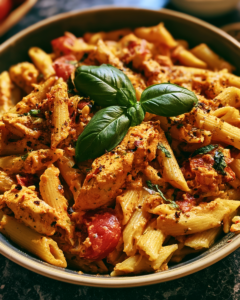
Creamy Cheddar Beef Pasta Bake: 5 Amazing Cozy Bites

Posted on

Uncategorized

Difficulty

Prep time

Cooking time

Total time

Servings

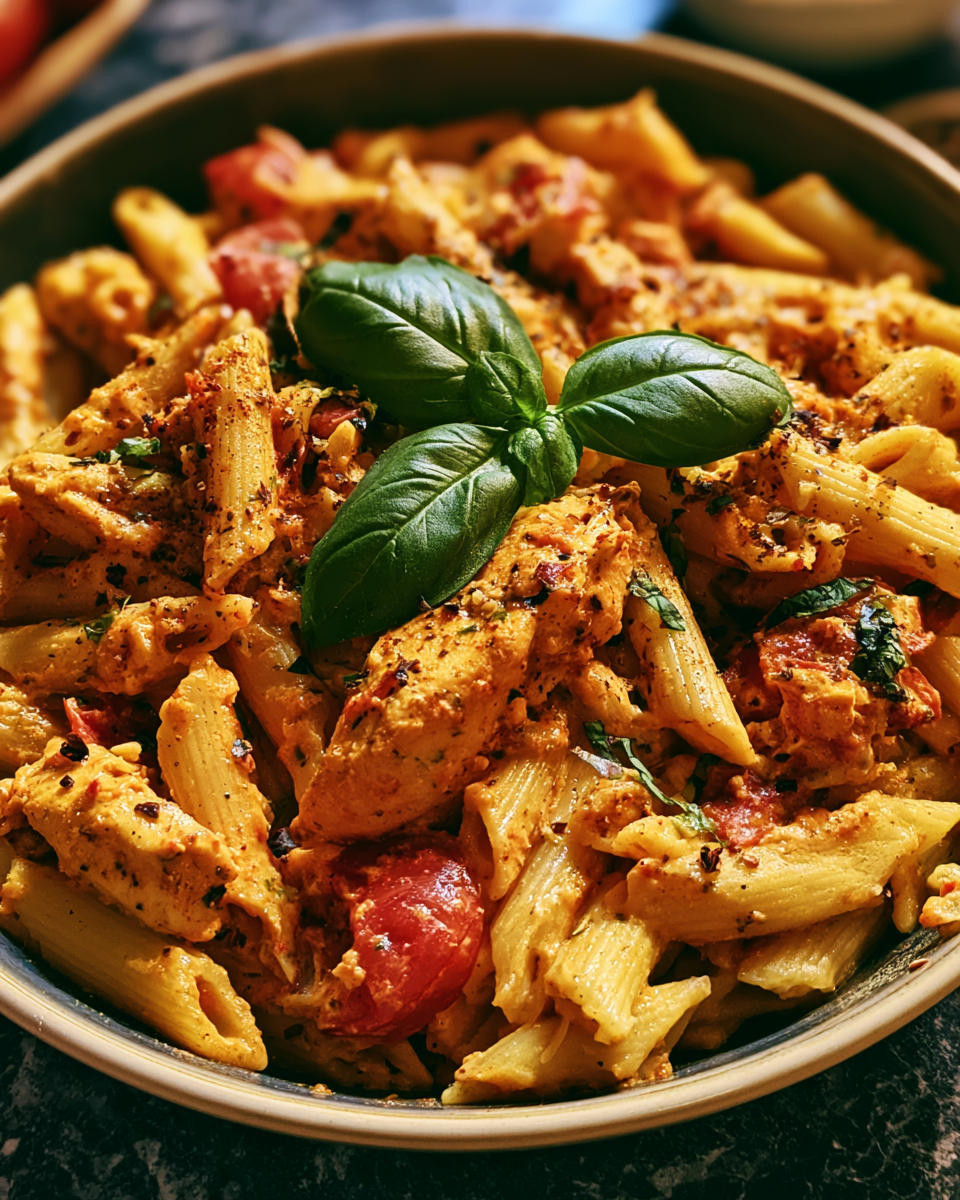
Creamy Cheddar Beef Pasta Bake is the kind of dinner that fills the kitchen with rich aromas and brings everyone to the table fast. Tender pasta, seasoned ground beef, and a creamy cheddar sauce come together in one bubbling casserole that feels hearty without being difficult to prepare. The golden layer of melted cheese on top adds a rich finish that pairs perfectly with the savory beef and soft pasta.

This dish works well for weeknight dinners, casual gatherings, and meal prep because it reheats beautifully and keeps its creamy texture. The balance of sharp cheddar, seasoned beef, and pasta creates a filling meal that tastes familiar and comforting. A simple side salad or warm garlic bread turns it into a complete dinner with very little extra work.

Ingredients Overview

The heart of Creamy Cheddar Beef Pasta Bake starts with sturdy pasta that can hold a thick cheese sauce. Penne, rotini, or medium shells all work well because their shapes trap the creamy sauce inside each bite. Cooking the pasta just until al dente is important since it continues cooking in the oven.

Ground beef brings savory flavor and richness to the casserole. An 85/15 blend offers enough fat for flavor while still keeping the dish balanced. Draining excess grease prevents the sauce from becoming heavy. Onion and garlic build a flavorful base that blends naturally with the beef and cheese.

Cheddar cheese is the key ingredient in the sauce. Sharp cheddar gives the strongest flavor, while mild cheddar creates a smoother and softer taste. Freshly shredded cheese melts more evenly than packaged shredded cheese because it does not contain anti-caking powders.

Cream cheese and milk create the creamy texture that coats the pasta. Cream cheese thickens the sauce while adding a subtle tang. A little sour cream can also be added for extra richness. Italian seasoning, paprika, salt, and black pepper season the casserole without overpowering the cheddar flavor.

Some cooks like adding vegetables such as spinach, mushrooms, or peas for extra texture and color. Ground turkey can replace beef for a lighter version, while gluten-free pasta works well for dietary adjustments. The recipe stays flexible while still keeping its rich and creamy character.

Ingredients

12 ounces penne pasta

1 tablespoon olive oil

1 pound ground beef

1 small yellow onion, diced

3 cloves garlic, minced

1 teaspoon salt

1/2 teaspoon black pepper

1 teaspoon paprika

1 teaspoon Italian seasoning

2 tablespoons all-purpose flour

2 cups whole milk

4 ounces cream cheese, softened

2 1/2 cups sharp cheddar cheese, shredded

1/2 cup sour cream

1/4 cup grated parmesan cheese

2 tablespoons chopped parsley

1 cup shredded mozzarella cheese

Cooking spray

Step-by-Step Instructions

Begin by heating the oven to 375 degrees Fahrenheit. Lightly coat a 9×13-inch baking dish with cooking spray to prevent sticking.

Bring a large pot of salted water to a boil. Add the pasta and cook until just al dente according to package directions. The pasta should still feel slightly firm because it continues cooking in the oven. Drain the pasta and set it aside.

Heat olive oil in a large skillet over medium heat. Add the diced onion and cook for about 4 minutes until softened. Stir in the garlic and cook for another 30 seconds. Add the ground beef and break it apart with a spoon while cooking. Continue cooking until the beef is browned and no pink remains.

Drain any excess grease from the skillet. Stir in the salt, black pepper, paprika, and Italian seasoning. Sprinkle the flour over the beef mixture and stir well for about 1 minute. This step helps thicken the sauce later.

Slowly pour in the milk while stirring constantly. The mixture may look thin at first, but it thickens as it cooks. Lower the heat slightly and stir in the cream cheese until smooth. Add 2 cups of cheddar cheese a little at a time, stirring until melted and creamy.

Mix in the sour cream and parmesan cheese. Taste the sauce and adjust seasoning if needed. Fold the cooked pasta into the skillet and stir until fully coated in the creamy sauce.

Transfer the pasta mixture into the prepared baking dish. Spread it evenly so every portion cooks consistently. Sprinkle the remaining cheddar cheese and mozzarella cheese evenly across the top.

Bake uncovered for 20 to 25 minutes until the cheese is melted and bubbling around the edges. For a slightly browned top, place the dish under the broiler for 2 to 3 minutes while watching carefully.

Allow the casserole to rest for about 10 minutes before serving. This resting time helps the sauce settle and keeps the portions neat when scooped.

One common mistake is overcooking the pasta before baking. Soft pasta can turn mushy after baking, so keeping it slightly firm is important. Another issue comes from using pre-shredded cheese, which sometimes melts unevenly. Freshly shredded cheddar creates the smoothest sauce.

If the sauce becomes too thick before baking, stir in a splash of milk. If it feels too thin, allow it to simmer for another minute before adding the pasta. The final texture should feel creamy but still thick enough to hold together in the casserole dish.

Tips, Variations & Substitutions

For deeper flavor, brown the beef well before adding the sauce ingredients. Small caramelized bits on the bottom of the pan add richness to the entire casserole. Stirring occasionally instead of constantly allows the beef to brown more evenly.

Different cheeses can slightly change the flavor profile. Monterey Jack creates a milder taste, while smoked cheddar adds extra richness. Pepper Jack brings gentle heat without overpowering the dish.

Ground turkey or ground chicken can replace the beef if desired. Italian sausage also works well and adds a stronger savory flavor. If using sausage, reduce the added salt slightly because sausage already contains seasoning.

Vegetables blend nicely into the casserole for added texture. Chopped spinach, sautéed mushrooms, peas, or roasted broccoli all work well. Add cooked vegetables before transferring the mixture to the baking dish.

For extra crunch, sprinkle buttery breadcrumbs on top during the final few minutes of baking. Crushed crackers also create a crisp topping that contrasts nicely with the creamy pasta underneath.

Leftovers keep well in the refrigerator for up to four days. Reheat portions gently with a splash of milk to keep the sauce creamy. The casserole can also be frozen before baking for a future meal.

Serving Ideas & Occasions

Creamy Cheddar Beef Pasta Bake fits naturally into busy family dinners because it comes together in one dish and feeds several people comfortably. It also works well for potlucks, casual weekend gatherings, and cold-weather meals when hearty food feels especially welcome.

A crisp green salad with a light vinaigrette balances the richness of the cheese sauce. Garlic bread, roasted vegetables, or steamed green beans also pair nicely with the casserole. The creamy texture of the pasta contrasts well with crunchy or fresh side dishes.

For drinks, iced tea, sparkling water, or a light red wine pair comfortably with the savory cheddar flavor. During colder months, the casserole tastes especially satisfying alongside warm soup or roasted vegetables.

Because the dish reheats so well, it is also useful for meal planning. Individual portions can be packed for lunches or quick dinners throughout the week without losing flavor or texture.

Nutritional & Health Notes

Creamy Cheddar Beef Pasta Bake contains a balance of protein, carbohydrates, and fats that makes it filling and satisfying. Ground beef contributes protein and iron, while cheddar cheese adds calcium and richness. Pasta provides energy and gives the casserole its hearty structure.

Using leaner beef can reduce overall fat while still keeping the dish flavorful. Whole wheat pasta adds additional fiber and creates a slightly nuttier taste. Reduced-fat cream cheese and milk can also lighten the sauce without removing the creamy texture completely.

Adding vegetables such as spinach, broccoli, or peas increases fiber, vitamins, and color. These additions blend naturally into the casserole and create a more balanced meal.

Portion size matters because cheese-based casseroles can feel rich quickly. Serving the pasta bake with fresh vegetables or salad helps balance the meal while keeping it satisfying.

FAQs

Can I prepare Creamy Cheddar Beef Pasta Bake ahead of time?

Yes, this casserole works very well as a make-ahead meal. Assemble the entire dish up to one day before baking and store it covered in the refrigerator. When ready to cook, allow the casserole to sit at room temperature for about 20 minutes before placing it in the oven. This helps it bake more evenly. If baking directly from the refrigerator, add a few extra minutes to the cooking time. The cheese sauce may thicken slightly during storage, but it becomes creamy again while baking. Make-ahead preparation is especially useful for busy evenings or gatherings because most of the work is already finished before dinner time.

Which pasta shape works best for this recipe?

Short pasta shapes hold the creamy cheese sauce best. Penne, rotini, medium shells, and rigatoni all work very well because the sauce clings to their surfaces and fills their grooves. Avoid very thin pasta such as spaghetti because it does not bake as evenly in casseroles. Cooking the pasta until just al dente is important regardless of shape. Slightly firm pasta keeps its structure during baking and prevents the casserole from becoming overly soft. Whole wheat and gluten-free pasta can also work successfully, though some gluten-free varieties may require careful timing to avoid overcooking.

Can I freeze the pasta bake?

This casserole freezes well both before and after baking. For best results, assemble the casserole and cool it completely before wrapping tightly with foil and freezing. It can usually be stored for up to three months. When ready to bake, thaw it overnight in the refrigerator before placing it in the oven. If reheating already baked portions, add a small splash of milk before warming to help refresh the creamy texture. Cheese sauces sometimes separate slightly after freezing, but gentle reheating usually brings the texture back together nicely. Freezing makes this recipe convenient for future quick dinners.

How do I keep the cheese sauce smooth?

Freshly shredded cheese is one of the most important factors in creating a smooth sauce. Packaged shredded cheese often contains powders that affect melting. Adding the cheese gradually over low heat also helps prevent clumping. Avoid boiling the sauce once the cheese is added because very high heat can create a grainy texture. Stirring consistently while adding milk and cream cheese also keeps the sauce even. If the sauce thickens too much, a small amount of warm milk can loosen it. Taking time during this stage creates a creamy casserole with consistent texture throughout.

Can I add vegetables to the casserole?

Vegetables work very well in this recipe and can add flavor, texture, and color. Spinach, peas, mushrooms, broccoli, and bell peppers are popular choices. Most vegetables should be cooked before adding them to the casserole so they do not release too much moisture while baking. Roasted vegetables add extra flavor because of their caramelized edges. Frozen peas can usually be stirred directly into the pasta mixture without additional cooking. Adding vegetables creates a more balanced dish while still keeping the rich and creamy character of the pasta bake intact.

What can I use instead of cream cheese?

If cream cheese is unavailable, several substitutes work well in the sauce. Sour cream creates a slightly tangier flavor while still keeping the sauce creamy. Heavy cream can also add richness, though the sauce may be thinner. Greek yogurt creates a lighter option with extra protein, though it should be stirred in gently over low heat to avoid curdling. A mixture of butter and additional cheddar cheese can also help maintain a rich texture. Each substitute slightly changes the flavor and consistency, but the casserole still stays creamy and satisfying when prepared carefully.

How long do leftovers stay fresh?

Leftovers generally stay fresh for up to four days when stored in an airtight container in the refrigerator. Reheat portions gently in the microwave or oven with a splash of milk to restore moisture. Covering the dish while reheating prevents the pasta from drying out. The flavors often deepen slightly after a day, making leftovers especially tasty. If freezing leftovers, store them in smaller portions for easier reheating later. Proper storage helps maintain the creamy texture and rich cheddar flavor without becoming dry or overly thick.

[rank_math_breadcrumb]

Creamy Cheddar Beef Pasta Bake: 5 Amazing Cozy Bites

Photo of author
Author: liv
Published:

Creamy Cheddar Beef Pasta Bake is the kind of dinner that fills the kitchen with rich aromas and brings everyone to the table fast. Tender pasta, seasoned ground beef, and a creamy cheddar sauce come together in one bubbling casserole that feels hearty without being difficult to prepare. The golden layer of melted cheese on top adds a rich finish that pairs perfectly with the savory beef and soft pasta.

This dish works well for weeknight dinners, casual gatherings, and meal prep because it reheats beautifully and keeps its creamy texture. The balance of sharp cheddar, seasoned beef, and pasta creates a filling meal that tastes familiar and comforting. A simple side salad or warm garlic bread turns it into a complete dinner with very little extra work.

Ingredients Overview

The heart of Creamy Cheddar Beef Pasta Bake starts with sturdy pasta that can hold a thick cheese sauce. Penne, rotini, or medium shells all work well because their shapes trap the creamy sauce inside each bite. Cooking the pasta just until al dente is important since it continues cooking in the oven.

Ground beef brings savory flavor and richness to the casserole. An 85/15 blend offers enough fat for flavor while still keeping the dish balanced. Draining excess grease prevents the sauce from becoming heavy. Onion and garlic build a flavorful base that blends naturally with the beef and cheese.

Cheddar cheese is the key ingredient in the sauce. Sharp cheddar gives the strongest flavor, while mild cheddar creates a smoother and softer taste. Freshly shredded cheese melts more evenly than packaged shredded cheese because it does not contain anti-caking powders.

Cream cheese and milk create the creamy texture that coats the pasta. Cream cheese thickens the sauce while adding a subtle tang. A little sour cream can also be added for extra richness. Italian seasoning, paprika, salt, and black pepper season the casserole without overpowering the cheddar flavor.

Some cooks like adding vegetables such as spinach, mushrooms, or peas for extra texture and color. Ground turkey can replace beef for a lighter version, while gluten-free pasta works well for dietary adjustments. The recipe stays flexible while still keeping its rich and creamy character.

Ingredients

12 ounces penne pasta

1 tablespoon olive oil

1 pound ground beef

1 small yellow onion, diced

3 cloves garlic, minced

1 teaspoon salt

1/2 teaspoon black pepper

1 teaspoon paprika

1 teaspoon Italian seasoning

2 tablespoons all-purpose flour

2 cups whole milk

4 ounces cream cheese, softened

2 1/2 cups sharp cheddar cheese, shredded

1/2 cup sour cream

1/4 cup grated parmesan cheese

2 tablespoons chopped parsley

1 cup shredded mozzarella cheese

Cooking spray

Step-by-Step Instructions

Begin by heating the oven to 375 degrees Fahrenheit. Lightly coat a 9×13-inch baking dish with cooking spray to prevent sticking.

Bring a large pot of salted water to a boil. Add the pasta and cook until just al dente according to package directions. The pasta should still feel slightly firm because it continues cooking in the oven. Drain the pasta and set it aside.

Heat olive oil in a large skillet over medium heat. Add the diced onion and cook for about 4 minutes until softened. Stir in the garlic and cook for another 30 seconds. Add the ground beef and break it apart with a spoon while cooking. Continue cooking until the beef is browned and no pink remains.

Drain any excess grease from the skillet. Stir in the salt, black pepper, paprika, and Italian seasoning. Sprinkle the flour over the beef mixture and stir well for about 1 minute. This step helps thicken the sauce later.

Slowly pour in the milk while stirring constantly. The mixture may look thin at first, but it thickens as it cooks. Lower the heat slightly and stir in the cream cheese until smooth. Add 2 cups of cheddar cheese a little at a time, stirring until melted and creamy.

Mix in the sour cream and parmesan cheese. Taste the sauce and adjust seasoning if needed. Fold the cooked pasta into the skillet and stir until fully coated in the creamy sauce.

Transfer the pasta mixture into the prepared baking dish. Spread it evenly so every portion cooks consistently. Sprinkle the remaining cheddar cheese and mozzarella cheese evenly across the top.

Bake uncovered for 20 to 25 minutes until the cheese is melted and bubbling around the edges. For a slightly browned top, place the dish under the broiler for 2 to 3 minutes while watching carefully.

Allow the casserole to rest for about 10 minutes before serving. This resting time helps the sauce settle and keeps the portions neat when scooped.

One common mistake is overcooking the pasta before baking. Soft pasta can turn mushy after baking, so keeping it slightly firm is important. Another issue comes from using pre-shredded cheese, which sometimes melts unevenly. Freshly shredded cheddar creates the smoothest sauce.

If the sauce becomes too thick before baking, stir in a splash of milk. If it feels too thin, allow it to simmer for another minute before adding the pasta. The final texture should feel creamy but still thick enough to hold together in the casserole dish.

Tips, Variations & Substitutions

For deeper flavor, brown the beef well before adding the sauce ingredients. Small caramelized bits on the bottom of the pan add richness to the entire casserole. Stirring occasionally instead of constantly allows the beef to brown more evenly.

Different cheeses can slightly change the flavor profile. Monterey Jack creates a milder taste, while smoked cheddar adds extra richness. Pepper Jack brings gentle heat without overpowering the dish.

Ground turkey or ground chicken can replace the beef if desired. Italian sausage also works well and adds a stronger savory flavor. If using sausage, reduce the added salt slightly because sausage already contains seasoning.

Vegetables blend nicely into the casserole for added texture. Chopped spinach, sautéed mushrooms, peas, or roasted broccoli all work well. Add cooked vegetables before transferring the mixture to the baking dish.

For extra crunch, sprinkle buttery breadcrumbs on top during the final few minutes of baking. Crushed crackers also create a crisp topping that contrasts nicely with the creamy pasta underneath.

Leftovers keep well in the refrigerator for up to four days. Reheat portions gently with a splash of milk to keep the sauce creamy. The casserole can also be frozen before baking for a future meal.

Serving Ideas & Occasions

Creamy Cheddar Beef Pasta Bake fits naturally into busy family dinners because it comes together in one dish and feeds several people comfortably. It also works well for potlucks, casual weekend gatherings, and cold-weather meals when hearty food feels especially welcome.

A crisp green salad with a light vinaigrette balances the richness of the cheese sauce. Garlic bread, roasted vegetables, or steamed green beans also pair nicely with the casserole. The creamy texture of the pasta contrasts well with crunchy or fresh side dishes.

For drinks, iced tea, sparkling water, or a light red wine pair comfortably with the savory cheddar flavor. During colder months, the casserole tastes especially satisfying alongside warm soup or roasted vegetables.

Because the dish reheats so well, it is also useful for meal planning. Individual portions can be packed for lunches or quick dinners throughout the week without losing flavor or texture.

Nutritional & Health Notes

Creamy Cheddar Beef Pasta Bake contains a balance of protein, carbohydrates, and fats that makes it filling and satisfying. Ground beef contributes protein and iron, while cheddar cheese adds calcium and richness. Pasta provides energy and gives the casserole its hearty structure.

Using leaner beef can reduce overall fat while still keeping the dish flavorful. Whole wheat pasta adds additional fiber and creates a slightly nuttier taste. Reduced-fat cream cheese and milk can also lighten the sauce without removing the creamy texture completely.

Adding vegetables such as spinach, broccoli, or peas increases fiber, vitamins, and color. These additions blend naturally into the casserole and create a more balanced meal.

Portion size matters because cheese-based casseroles can feel rich quickly. Serving the pasta bake with fresh vegetables or salad helps balance the meal while keeping it satisfying.

FAQs

Can I prepare Creamy Cheddar Beef Pasta Bake ahead of time?

Yes, this casserole works very well as a make-ahead meal. Assemble the entire dish up to one day before baking and store it covered in the refrigerator. When ready to cook, allow the casserole to sit at room temperature for about 20 minutes before placing it in the oven. This helps it bake more evenly. If baking directly from the refrigerator, add a few extra minutes to the cooking time. The cheese sauce may thicken slightly during storage, but it becomes creamy again while baking. Make-ahead preparation is especially useful for busy evenings or gatherings because most of the work is already finished before dinner time.

Which pasta shape works best for this recipe?

Short pasta shapes hold the creamy cheese sauce best. Penne, rotini, medium shells, and rigatoni all work very well because the sauce clings to their surfaces and fills their grooves. Avoid very thin pasta such as spaghetti because it does not bake as evenly in casseroles. Cooking the pasta until just al dente is important regardless of shape. Slightly firm pasta keeps its structure during baking and prevents the casserole from becoming overly soft. Whole wheat and gluten-free pasta can also work successfully, though some gluten-free varieties may require careful timing to avoid overcooking.

Can I freeze the pasta bake?

This casserole freezes well both before and after baking. For best results, assemble the casserole and cool it completely before wrapping tightly with foil and freezing. It can usually be stored for up to three months. When ready to bake, thaw it overnight in the refrigerator before placing it in the oven. If reheating already baked portions, add a small splash of milk before warming to help refresh the creamy texture. Cheese sauces sometimes separate slightly after freezing, but gentle reheating usually brings the texture back together nicely. Freezing makes this recipe convenient for future quick dinners.

How do I keep the cheese sauce smooth?

Freshly shredded cheese is one of the most important factors in creating a smooth sauce. Packaged shredded cheese often contains powders that affect melting. Adding the cheese gradually over low heat also helps prevent clumping. Avoid boiling the sauce once the cheese is added because very high heat can create a grainy texture. Stirring consistently while adding milk and cream cheese also keeps the sauce even. If the sauce thickens too much, a small amount of warm milk can loosen it. Taking time during this stage creates a creamy casserole with consistent texture throughout.

Can I add vegetables to the casserole?

Vegetables work very well in this recipe and can add flavor, texture, and color. Spinach, peas, mushrooms, broccoli, and bell peppers are popular choices. Most vegetables should be cooked before adding them to the casserole so they do not release too much moisture while baking. Roasted vegetables add extra flavor because of their caramelized edges. Frozen peas can usually be stirred directly into the pasta mixture without additional cooking. Adding vegetables creates a more balanced dish while still keeping the rich and creamy character of the pasta bake intact.

What can I use instead of cream cheese?

If cream cheese is unavailable, several substitutes work well in the sauce. Sour cream creates a slightly tangier flavor while still keeping the sauce creamy. Heavy cream can also add richness, though the sauce may be thinner. Greek yogurt creates a lighter option with extra protein, though it should be stirred in gently over low heat to avoid curdling. A mixture of butter and additional cheddar cheese can also help maintain a rich texture. Each substitute slightly changes the flavor and consistency, but the casserole still stays creamy and satisfying when prepared carefully.

How long do leftovers stay fresh?

Leftovers generally stay fresh for up to four days when stored in an airtight container in the refrigerator. Reheat portions gently in the microwave or oven with a splash of milk to restore moisture. Covering the dish while reheating prevents the pasta from drying out. The flavors often deepen slightly after a day, making leftovers especially tasty. If freezing leftovers, store them in smaller portions for easier reheating later. Proper storage helps maintain the creamy texture and rich cheddar flavor without becoming dry or overly thick.
Name

Lorem ipsum dolor sit amet, consectetur adipiscing elit. Suspendisse varius enim in eros elementum tristique. Duis cursus, mi quis viverra ornare, eros dolor interdum nulla, ut commodo diam libero vitae erat.

You Might Also Like...

Egg & Pasta Budget Spaghetti Frittata: 5 Simple Happy Bites

Egg & Pasta Budget Spaghetti Frittata: 5 Simple Happy Bites

Dollar Stretcher Spaghetti with Canned Tomatoes: 5 Simple Delighted

Dollar Stretcher Spaghetti with Canned Tomatoes: 5 Simple Delighted

Roasted Vegetable Homemade Spaghetti Sauce: 7 Authentic Comforting Ideas

Roasted Vegetable Homemade Spaghetti Sauce: 7 Authentic Comforting Ideas

Fresh Tomato Homemade Spaghetti Sauce: 7 Authentic Hope

Fresh Tomato Homemade Spaghetti Sauce: 7 Authentic Hope

Tags:

You might also like these recipes

Leave a Comment