Creamy Lemon Ricotta Spaghetti: 7 Amazing Comfort Bites

Posted on

Uncategorized

Difficulty

Prep time

Cooking time

Total time

Servings

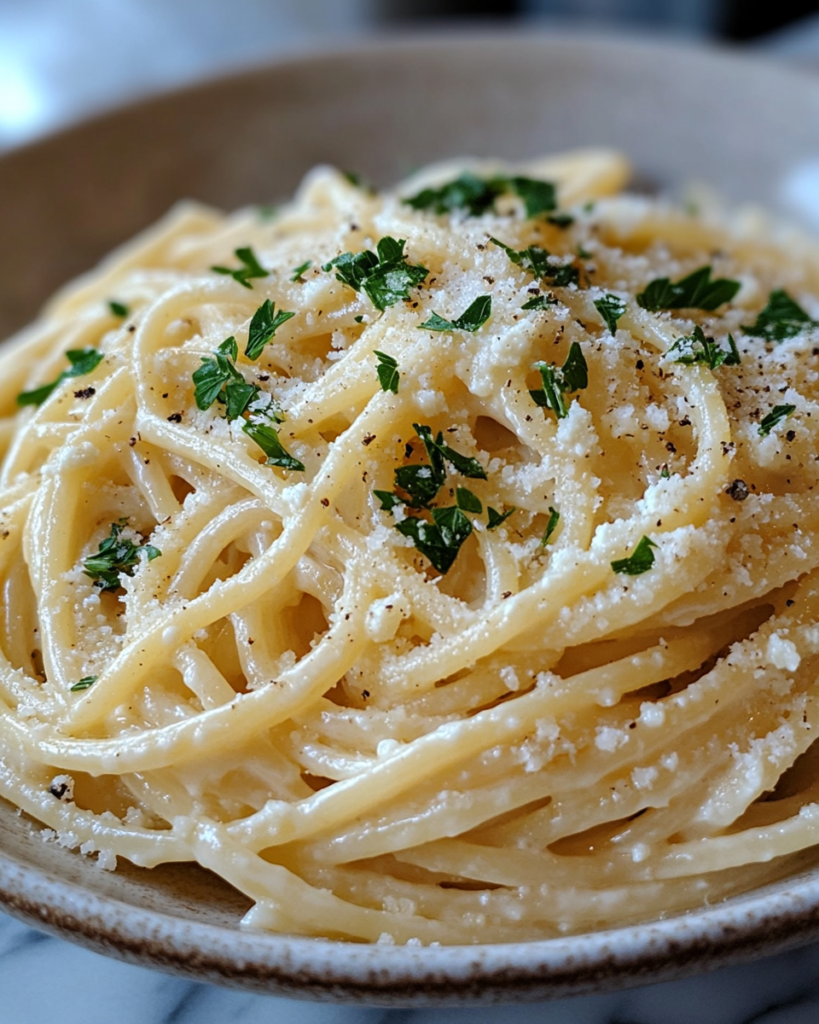
Creamy Lemon Ricotta Spaghetti brings together silky ricotta, bright citrus, and tender pasta in a dish that feels light yet deeply satisfying. It delivers the richness of a creamy pasta without relying on heavy cream, allowing the fresh lemon notes and delicate cheese flavor to stay at the center.

This style of spaghetti is popular because it comes together quickly while still feeling thoughtful enough for a relaxed dinner or casual gathering. The ricotta melts into the warm pasta water and creates a smooth coating that clings to every strand.

Fresh lemon zest and juice add balance, while Parmesan contributes depth and a gentle savory finish. The result is a bowl of pasta with soft texture, lively flavor, and a clean finish that keeps each bite pleasant from start to finish.

Ingredients Overview
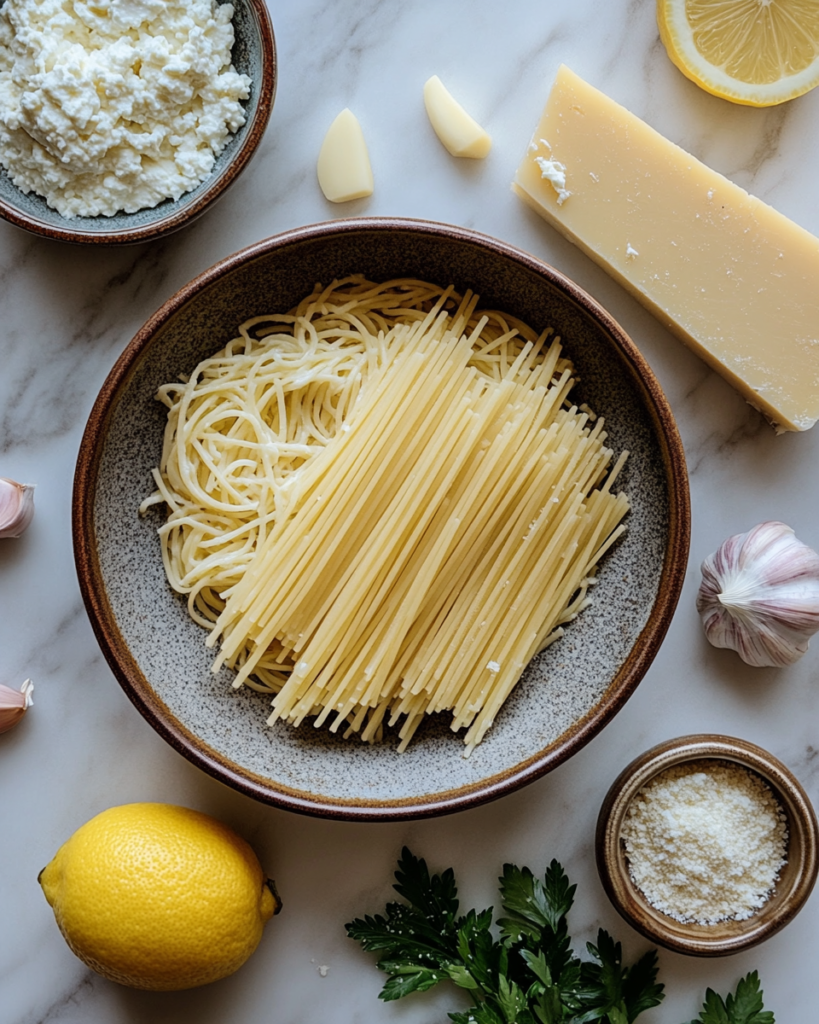
The beauty of Creamy Lemon Ricotta Spaghetti comes from a short ingredient list where each component has a clear purpose. Because the flavors are simple, choosing fresh ingredients makes a noticeable difference.

Spaghetti forms the base of the dish. Traditional spaghetti works especially well because its long strands catch the ricotta mixture and hold the creamy coating. Other pasta shapes such as linguine or fettuccine can also work if preferred.

Whole milk ricotta is the key ingredient. Unlike cream-based sauces, ricotta creates body while keeping the pasta lighter and slightly fluffy in texture. A smoother ricotta creates the most even sauce, although small curds can add rustic character.

Fresh lemons provide two layers of flavor. Lemon zest contributes fragrant citrus oils while juice adds brightness and balance. Using both creates a fuller lemon profile than juice alone.

Parmesan cheese deepens the flavor and helps bind the sauce. Finely grated Parmesan melts more smoothly and blends easily into the ricotta.

Olive oil contributes richness and carries the citrus aroma through the dish. Garlic offers gentle savory notes without overpowering the lemon.

Reserved pasta water is essential because its starch helps transform ricotta and cheese into a glossy coating.

Fresh parsley and black pepper finish the dish with color and freshness. If desired, pecorino can replace Parmesan for a sharper edge, and part-skim ricotta can be used for a slightly lighter result.

Ingredients

12 ounces spaghetti
1 cup whole milk ricotta cheese
1 lemon, finely zested
3 tablespoons fresh lemon juice
1/2 cup finely grated Parmesan cheese
2 tablespoons extra virgin olive oil
2 garlic cloves, finely minced
1 teaspoon kosher salt, plus extra for pasta water
1/2 teaspoon freshly ground black pepper
1/4 cup reserved pasta water, plus more if needed
2 tablespoons chopped fresh parsley
Extra Parmesan for serving
Extra lemon zest for garnish

Step-by-Step Instructions
Start by bringing a large pot of water to a rolling boil. Salt the water generously so the pasta develops flavor from the beginning. Add the spaghetti and cook according to package directions until al dente. Stir during the first minute to prevent sticking.

While the pasta cooks, prepare the ricotta mixture. In a large bowl, combine ricotta, lemon zest, lemon juice, grated Parmesan, olive oil, minced garlic, salt, and black pepper. Stir until smooth and creamy.

Before draining the spaghetti, reserve at least one cup of the cooking water. This step matters because the starch in the water helps the sauce become silky rather than thick or grainy.

Drain the pasta but do not rinse it. Immediately transfer the hot spaghetti into the bowl with the ricotta mixture.

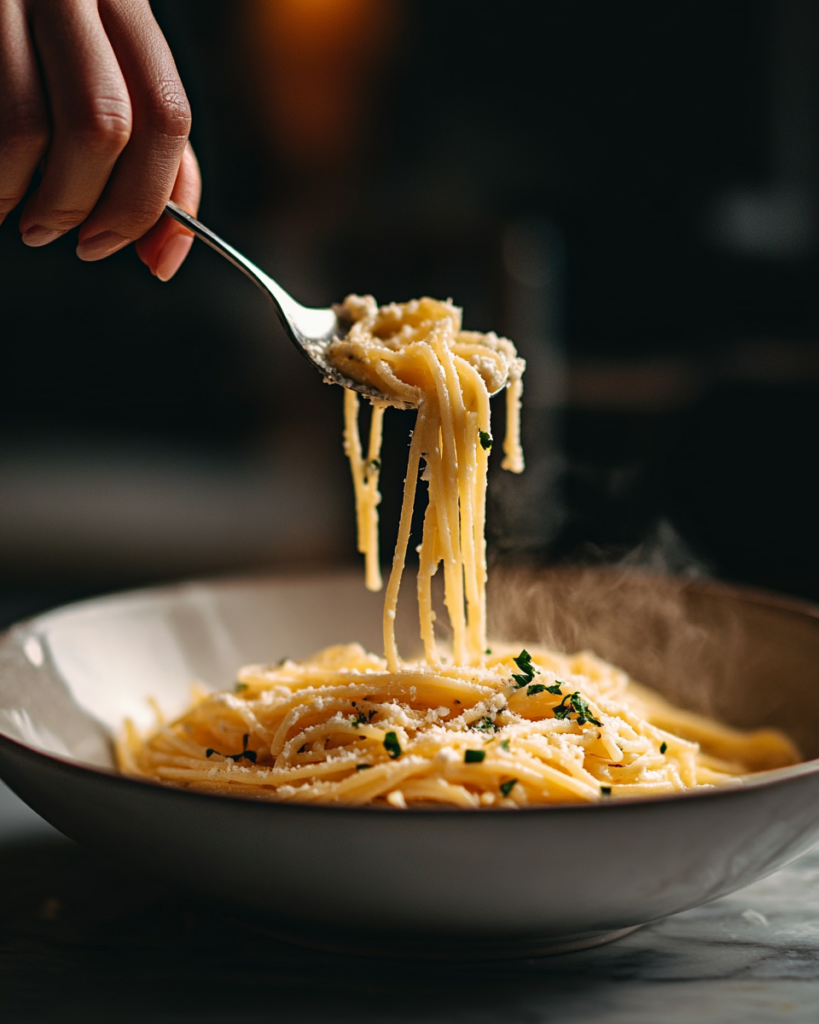
Add about one-quarter cup reserved pasta water and toss continuously using tongs. The heat from the pasta gently warms the ricotta and creates a smooth coating. If the mixture appears too thick, add additional pasta water one tablespoon at a time.

Continue tossing for one to two minutes. The sauce should cling lightly to the spaghetti rather than pool at the bottom of the bowl.

Taste and adjust with extra lemon juice if a brighter finish is desired or another spoonful of Parmesan if a deeper savory note is preferred.

Scatter chopped parsley across the pasta and toss once more.

Divide into bowls and finish with extra Parmesan and fresh lemon zest.

Several small details can improve the final result. Avoid overheating the ricotta directly on the stove because high heat may cause separation and a grainy texture. Warm pasta alone provides enough heat.

Do not skip reserving the pasta water. Plain water will not create the same silky consistency.

Avoid adding too much lemon juice at once. Excess acid can dominate the dish and hide the gentle flavor of the ricotta.

If preparing for guests, keep the ricotta mixture ready ahead of time and toss with freshly cooked pasta just before serving for the smoothest texture.

The finished spaghetti should appear glossy, lightly creamy, and bright with visible specks of zest and parsley.

Tips, Variations & Substitutions

For extra richness, stir in a tablespoon of butter while tossing the hot pasta. This creates a softer finish without making the sauce heavy.

Add vegetables for additional texture. Wilted spinach, sautéed zucchini, peas, or asparagus pair especially well with lemon and ricotta.

Protein additions can turn this into a fuller meal. Grilled chicken, sautéed shrimp, or crisp pancetta fit naturally with the flavors.

If using low-fat ricotta, expect a slightly thinner texture and a milder finish. Whole milk ricotta remains the preferred choice for creaminess.

Gluten-free spaghetti works well here as long as it is cooked carefully and tossed immediately after draining.

Fresh herbs can shift the character of the dish. Basil creates a summery feel, while chives add subtle onion notes.

For a stronger cheese presence, replace part of the Parmesan with pecorino romano.

A pinch of red pepper flakes adds gentle warmth and contrasts nicely with the cool ricotta.

Leftovers can be stored in the refrigerator for up to two days. Reheat slowly with a splash of water to loosen the sauce.

Serving Ideas & Occasions

Creamy Lemon Ricotta Spaghetti fits many occasions because it feels polished without requiring extensive preparation.

Serve it with a crisp green salad dressed simply with olive oil and lemon. Roasted broccoli, grilled zucchini, or blistered tomatoes also pair beautifully.

Warm bread with olive oil offers contrast to the creamy pasta texture.

For drinks, sparkling water with citrus, iced tea, or a chilled white wine pair naturally with the lemon notes.

This dish suits weeknight dinners because it comes together quickly, yet it also works for spring lunches, relaxed weekend meals, and informal entertaining.

Because the sauce remains gentle and fresh, it performs especially well in warmer seasons when heavier pasta dishes may feel too rich.

Nutritional & Health Notes

Creamy Lemon Ricotta Spaghetti offers a balanced approach to comfort food by creating creaminess from cheese rather than heavy cream.

Ricotta contributes protein and calcium while Parmesan adds concentrated flavor in moderate amounts. Since the sauce relies on cheese and pasta water, less added fat is needed than in many traditional cream sauces.

Lemon brings freshness and acidity that help balance the richness of the dairy ingredients.

Portion size plays an important role in keeping the meal balanced. Pairing the pasta with vegetables or salad creates a more rounded plate.

Whole grain spaghetti can increase fiber and produce a heartier texture.

The dish remains satisfying while staying relatively simple in ingredient structure, making it suitable for regular home cooking.

FAQs

Can I prepare Creamy Lemon Ricotta Spaghetti ahead of time?

This pasta tastes finest shortly after mixing because the ricotta sauce reaches its smoothest texture while warm. If needed, components can be prepared in advance. Mix the ricotta base several hours ahead and refrigerate it in a covered container. Cook the pasta just before serving and combine everything while the spaghetti is hot. If the sauce tightens after chilling, stir in warm pasta water gradually until it loosens again. Preparing the sauce ahead while cooking pasta fresh offers the strongest result.

Can I use another pasta shape?

Yes. Although spaghetti creates the classic texture, many shapes work successfully. Linguine and fettuccine carry the creamy sauce beautifully. Short shapes such as rigatoni or fusilli capture pockets of ricotta in their grooves. Cooking times will vary depending on the pasta selected, so check for an al dente texture before draining. Regardless of shape, reserve pasta water because it helps create the smooth finish that defines the dish.

Why did my ricotta sauce turn grainy?

Graininess usually comes from excessive heat or ricotta with a dry texture. This sauce works through gentle warming rather than direct cooking. Mix the ricotta in a bowl and toss with hot pasta instead of heating the cheese in a pan. Adding reserved pasta water gradually also helps the texture become smooth. Finely grated Parmesan blends more evenly than coarse shreds and contributes to a silkier result.

Can I add vegetables to this recipe?

Vegetables pair beautifully with this spaghetti because the lemon and ricotta leave room for additional flavors. Spinach can be folded into the hot pasta until wilted. Peas add sweetness and color. Roasted asparagus and zucchini complement the citrus notes. Keep vegetables lightly seasoned so they support rather than dominate the sauce. Vegetables can also make the meal feel fuller without changing its simple character.

Is this recipe suitable for vegetarians?

Yes, this recipe is naturally vegetarian when prepared with vegetarian-friendly Parmesan or an equivalent hard cheese. Traditional Parmesan may use animal-derived enzymes depending on the producer. Checking labels can help if that matters to your preferences. Aside from the cheese choice, all remaining ingredients are plant-based or dairy-based. The result stays rich and satisfying without requiring meat.

How can I increase the lemon flavor?

To create stronger lemon character, increase the zest before increasing the juice. Zest contributes concentrated citrus aroma without adding too much acidity. Another option is finishing each serving with a small amount of fresh zest right before eating. Adding too much juice can shift the balance and make the dish sharp rather than bright. Small adjustments usually create the most pleasant result.

Can leftovers be reheated?

Leftovers can be reheated, although the texture changes slightly after refrigeration. Place the pasta in a skillet over low heat and add small splashes of water while stirring. This helps soften and loosen the ricotta coating. Microwave reheating also works if done in short intervals with occasional stirring. Avoid high heat because the dairy can become dry. A final sprinkle of fresh Parmesan and lemon zest refreshes the flavors.

[rank_math_breadcrumb]

Creamy Lemon Ricotta Spaghetti: 7 Amazing Comfort Bites

Photo of author
Author: liv
Published:

Creamy Lemon Ricotta Spaghetti brings together silky ricotta, bright citrus, and tender pasta in a dish that feels light yet deeply satisfying. It delivers the richness of a creamy pasta without relying on heavy cream, allowing the fresh lemon notes and delicate cheese flavor to stay at the center.

This style of spaghetti is popular because it comes together quickly while still feeling thoughtful enough for a relaxed dinner or casual gathering. The ricotta melts into the warm pasta water and creates a smooth coating that clings to every strand.

Fresh lemon zest and juice add balance, while Parmesan contributes depth and a gentle savory finish. The result is a bowl of pasta with soft texture, lively flavor, and a clean finish that keeps each bite pleasant from start to finish.

Ingredients Overview

The beauty of Creamy Lemon Ricotta Spaghetti comes from a short ingredient list where each component has a clear purpose. Because the flavors are simple, choosing fresh ingredients makes a noticeable difference.

Spaghetti forms the base of the dish. Traditional spaghetti works especially well because its long strands catch the ricotta mixture and hold the creamy coating. Other pasta shapes such as linguine or fettuccine can also work if preferred.

Whole milk ricotta is the key ingredient. Unlike cream-based sauces, ricotta creates body while keeping the pasta lighter and slightly fluffy in texture. A smoother ricotta creates the most even sauce, although small curds can add rustic character.

Fresh lemons provide two layers of flavor. Lemon zest contributes fragrant citrus oils while juice adds brightness and balance. Using both creates a fuller lemon profile than juice alone.

Parmesan cheese deepens the flavor and helps bind the sauce. Finely grated Parmesan melts more smoothly and blends easily into the ricotta.

Olive oil contributes richness and carries the citrus aroma through the dish. Garlic offers gentle savory notes without overpowering the lemon.

Reserved pasta water is essential because its starch helps transform ricotta and cheese into a glossy coating.

Fresh parsley and black pepper finish the dish with color and freshness. If desired, pecorino can replace Parmesan for a sharper edge, and part-skim ricotta can be used for a slightly lighter result.

Ingredients

12 ounces spaghetti
1 cup whole milk ricotta cheese
1 lemon, finely zested
3 tablespoons fresh lemon juice
1/2 cup finely grated Parmesan cheese
2 tablespoons extra virgin olive oil
2 garlic cloves, finely minced
1 teaspoon kosher salt, plus extra for pasta water
1/2 teaspoon freshly ground black pepper
1/4 cup reserved pasta water, plus more if needed
2 tablespoons chopped fresh parsley
Extra Parmesan for serving
Extra lemon zest for garnish

Step-by-Step Instructions

Start by bringing a large pot of water to a rolling boil. Salt the water generously so the pasta develops flavor from the beginning. Add the spaghetti and cook according to package directions until al dente. Stir during the first minute to prevent sticking.

While the pasta cooks, prepare the ricotta mixture. In a large bowl, combine ricotta, lemon zest, lemon juice, grated Parmesan, olive oil, minced garlic, salt, and black pepper. Stir until smooth and creamy.

Before draining the spaghetti, reserve at least one cup of the cooking water. This step matters because the starch in the water helps the sauce become silky rather than thick or grainy.

Drain the pasta but do not rinse it. Immediately transfer the hot spaghetti into the bowl with the ricotta mixture.

Add about one-quarter cup reserved pasta water and toss continuously using tongs. The heat from the pasta gently warms the ricotta and creates a smooth coating. If the mixture appears too thick, add additional pasta water one tablespoon at a time.

Continue tossing for one to two minutes. The sauce should cling lightly to the spaghetti rather than pool at the bottom of the bowl.

Taste and adjust with extra lemon juice if a brighter finish is desired or another spoonful of Parmesan if a deeper savory note is preferred.

Scatter chopped parsley across the pasta and toss once more.

Divide into bowls and finish with extra Parmesan and fresh lemon zest.

Several small details can improve the final result. Avoid overheating the ricotta directly on the stove because high heat may cause separation and a grainy texture. Warm pasta alone provides enough heat.

Do not skip reserving the pasta water. Plain water will not create the same silky consistency.

Avoid adding too much lemon juice at once. Excess acid can dominate the dish and hide the gentle flavor of the ricotta.

If preparing for guests, keep the ricotta mixture ready ahead of time and toss with freshly cooked pasta just before serving for the smoothest texture.

The finished spaghetti should appear glossy, lightly creamy, and bright with visible specks of zest and parsley.

Tips, Variations & Substitutions

For extra richness, stir in a tablespoon of butter while tossing the hot pasta. This creates a softer finish without making the sauce heavy.

Add vegetables for additional texture. Wilted spinach, sautéed zucchini, peas, or asparagus pair especially well with lemon and ricotta.

Protein additions can turn this into a fuller meal. Grilled chicken, sautéed shrimp, or crisp pancetta fit naturally with the flavors.

If using low-fat ricotta, expect a slightly thinner texture and a milder finish. Whole milk ricotta remains the preferred choice for creaminess.

Gluten-free spaghetti works well here as long as it is cooked carefully and tossed immediately after draining.

Fresh herbs can shift the character of the dish. Basil creates a summery feel, while chives add subtle onion notes.

For a stronger cheese presence, replace part of the Parmesan with pecorino romano.

A pinch of red pepper flakes adds gentle warmth and contrasts nicely with the cool ricotta.

Leftovers can be stored in the refrigerator for up to two days. Reheat slowly with a splash of water to loosen the sauce.

Serving Ideas & Occasions

Creamy Lemon Ricotta Spaghetti fits many occasions because it feels polished without requiring extensive preparation.

Serve it with a crisp green salad dressed simply with olive oil and lemon. Roasted broccoli, grilled zucchini, or blistered tomatoes also pair beautifully.

Warm bread with olive oil offers contrast to the creamy pasta texture.

For drinks, sparkling water with citrus, iced tea, or a chilled white wine pair naturally with the lemon notes.

This dish suits weeknight dinners because it comes together quickly, yet it also works for spring lunches, relaxed weekend meals, and informal entertaining.

Because the sauce remains gentle and fresh, it performs especially well in warmer seasons when heavier pasta dishes may feel too rich.

Nutritional & Health Notes

Creamy Lemon Ricotta Spaghetti offers a balanced approach to comfort food by creating creaminess from cheese rather than heavy cream.

Ricotta contributes protein and calcium while Parmesan adds concentrated flavor in moderate amounts. Since the sauce relies on cheese and pasta water, less added fat is needed than in many traditional cream sauces.

Lemon brings freshness and acidity that help balance the richness of the dairy ingredients.

Portion size plays an important role in keeping the meal balanced. Pairing the pasta with vegetables or salad creates a more rounded plate.

Whole grain spaghetti can increase fiber and produce a heartier texture.

The dish remains satisfying while staying relatively simple in ingredient structure, making it suitable for regular home cooking.

FAQs

Can I prepare Creamy Lemon Ricotta Spaghetti ahead of time?

This pasta tastes finest shortly after mixing because the ricotta sauce reaches its smoothest texture while warm. If needed, components can be prepared in advance. Mix the ricotta base several hours ahead and refrigerate it in a covered container. Cook the pasta just before serving and combine everything while the spaghetti is hot. If the sauce tightens after chilling, stir in warm pasta water gradually until it loosens again. Preparing the sauce ahead while cooking pasta fresh offers the strongest result.

Can I use another pasta shape?

Yes. Although spaghetti creates the classic texture, many shapes work successfully. Linguine and fettuccine carry the creamy sauce beautifully. Short shapes such as rigatoni or fusilli capture pockets of ricotta in their grooves. Cooking times will vary depending on the pasta selected, so check for an al dente texture before draining. Regardless of shape, reserve pasta water because it helps create the smooth finish that defines the dish.

Why did my ricotta sauce turn grainy?

Graininess usually comes from excessive heat or ricotta with a dry texture. This sauce works through gentle warming rather than direct cooking. Mix the ricotta in a bowl and toss with hot pasta instead of heating the cheese in a pan. Adding reserved pasta water gradually also helps the texture become smooth. Finely grated Parmesan blends more evenly than coarse shreds and contributes to a silkier result.

Can I add vegetables to this recipe?

Vegetables pair beautifully with this spaghetti because the lemon and ricotta leave room for additional flavors. Spinach can be folded into the hot pasta until wilted. Peas add sweetness and color. Roasted asparagus and zucchini complement the citrus notes. Keep vegetables lightly seasoned so they support rather than dominate the sauce. Vegetables can also make the meal feel fuller without changing its simple character.

Is this recipe suitable for vegetarians?

Yes, this recipe is naturally vegetarian when prepared with vegetarian-friendly Parmesan or an equivalent hard cheese. Traditional Parmesan may use animal-derived enzymes depending on the producer. Checking labels can help if that matters to your preferences. Aside from the cheese choice, all remaining ingredients are plant-based or dairy-based. The result stays rich and satisfying without requiring meat.

How can I increase the lemon flavor?

To create stronger lemon character, increase the zest before increasing the juice. Zest contributes concentrated citrus aroma without adding too much acidity. Another option is finishing each serving with a small amount of fresh zest right before eating. Adding too much juice can shift the balance and make the dish sharp rather than bright. Small adjustments usually create the most pleasant result.

Can leftovers be reheated?

Leftovers can be reheated, although the texture changes slightly after refrigeration. Place the pasta in a skillet over low heat and add small splashes of water while stirring. This helps soften and loosen the ricotta coating. Microwave reheating also works if done in short intervals with occasional stirring. Avoid high heat because the dairy can become dry. A final sprinkle of fresh Parmesan and lemon zest refreshes the flavors.
Name

Lorem ipsum dolor sit amet, consectetur adipiscing elit. Suspendisse varius enim in eros elementum tristique. Duis cursus, mi quis viverra ornare, eros dolor interdum nulla, ut commodo diam libero vitae erat.

You Might Also Like...

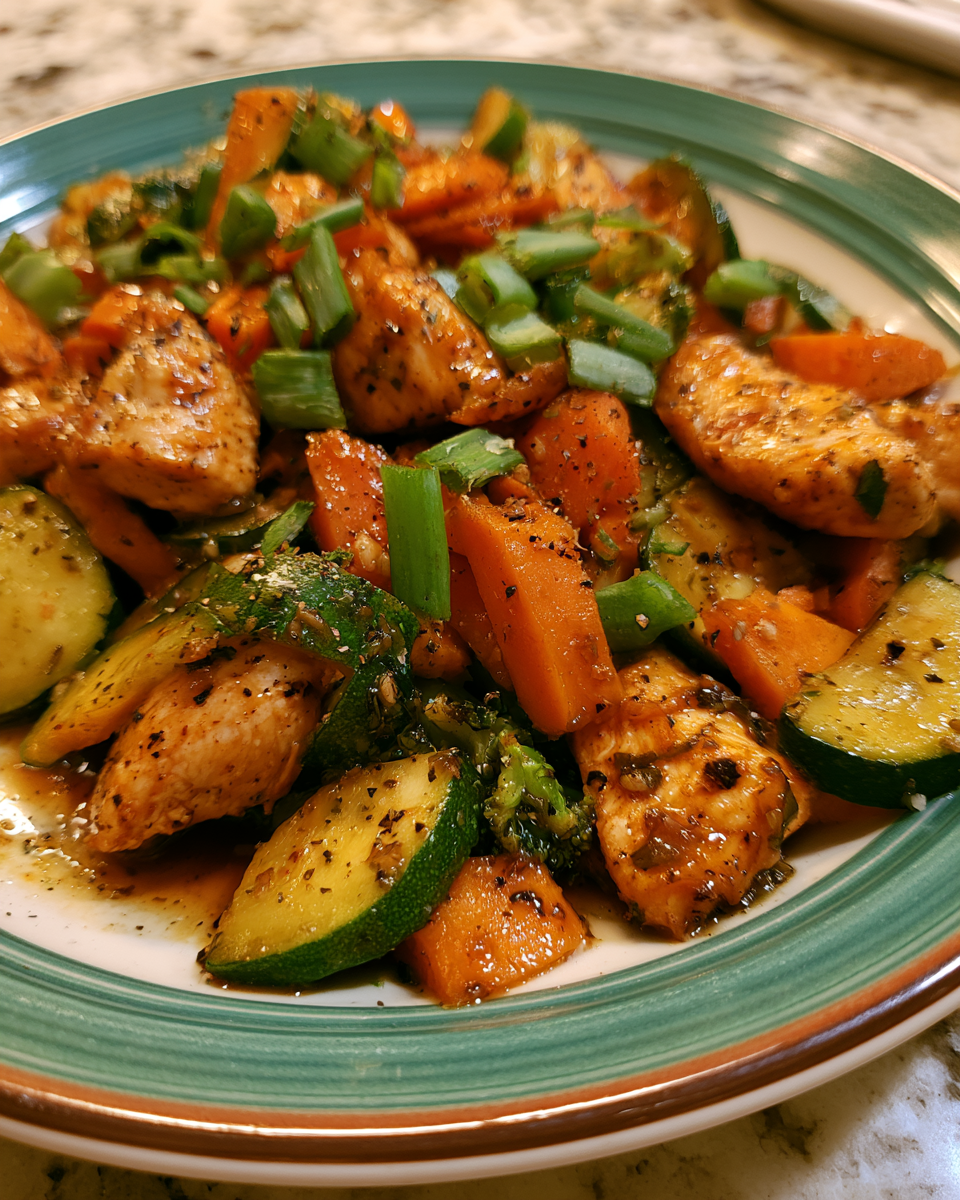
Chicken Zucchini Stir Fry: 30-Minute Simple Comforting

Chicken Zucchini Stir Fry: 30-Minute Simple Comforting

Chicken Pomodoro Rice Bowl: 5 Authentic Hope Flavors

Chicken Pomodoro Rice Bowl: 5 Authentic Hope Flavors

Creamy Chicken Pomodoro Pasta: 7 Simple Happy Plates

Creamy Chicken Pomodoro Pasta: 7 Simple Happy Plates

Chicken Pomodoro with Fresh Basil: 5 Authentic Cozy

Chicken Pomodoro with Fresh Basil: 5 Authentic Cozy

Tags:

You might also like these recipes

Leave a Comment